 YardMate


Night Bells
Brugmansia suaveolens
Medium · Some experienceAbout Night Bells
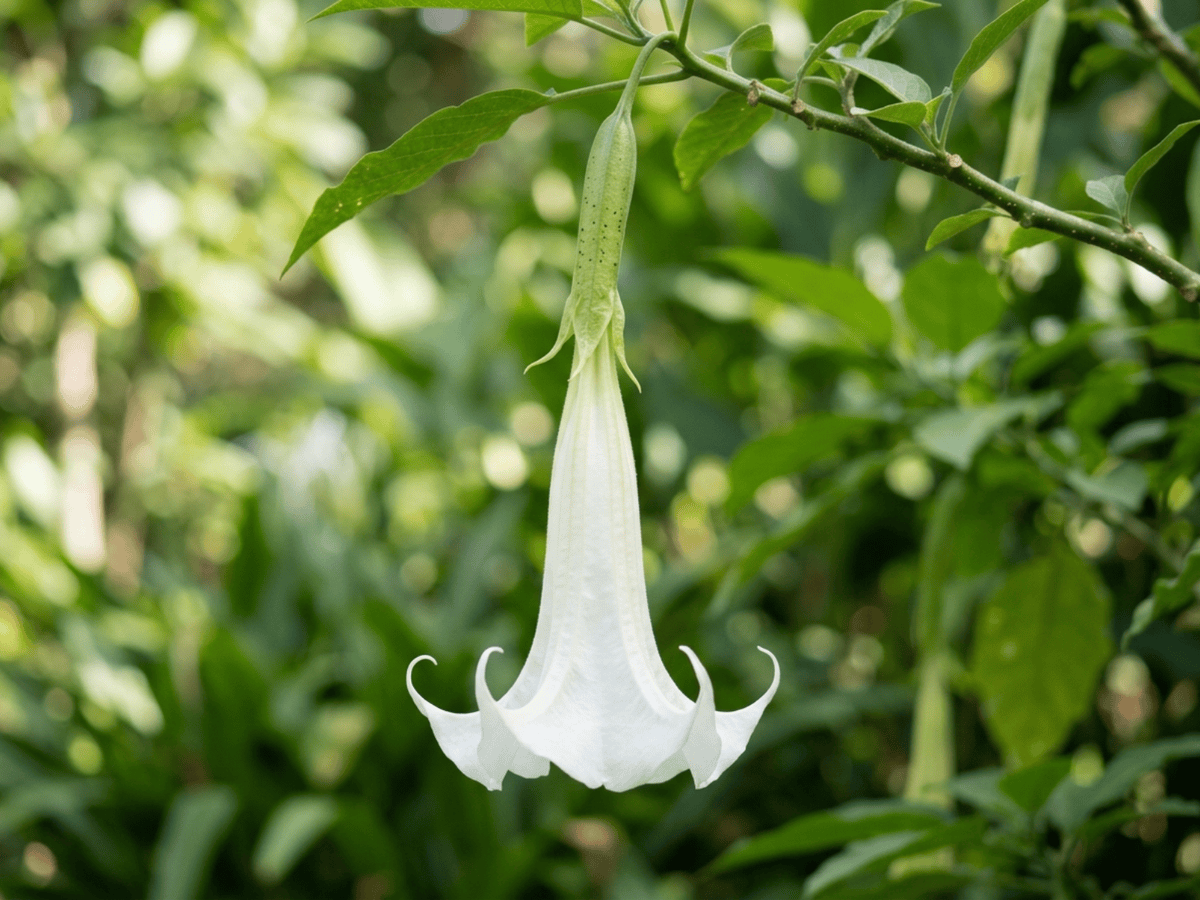
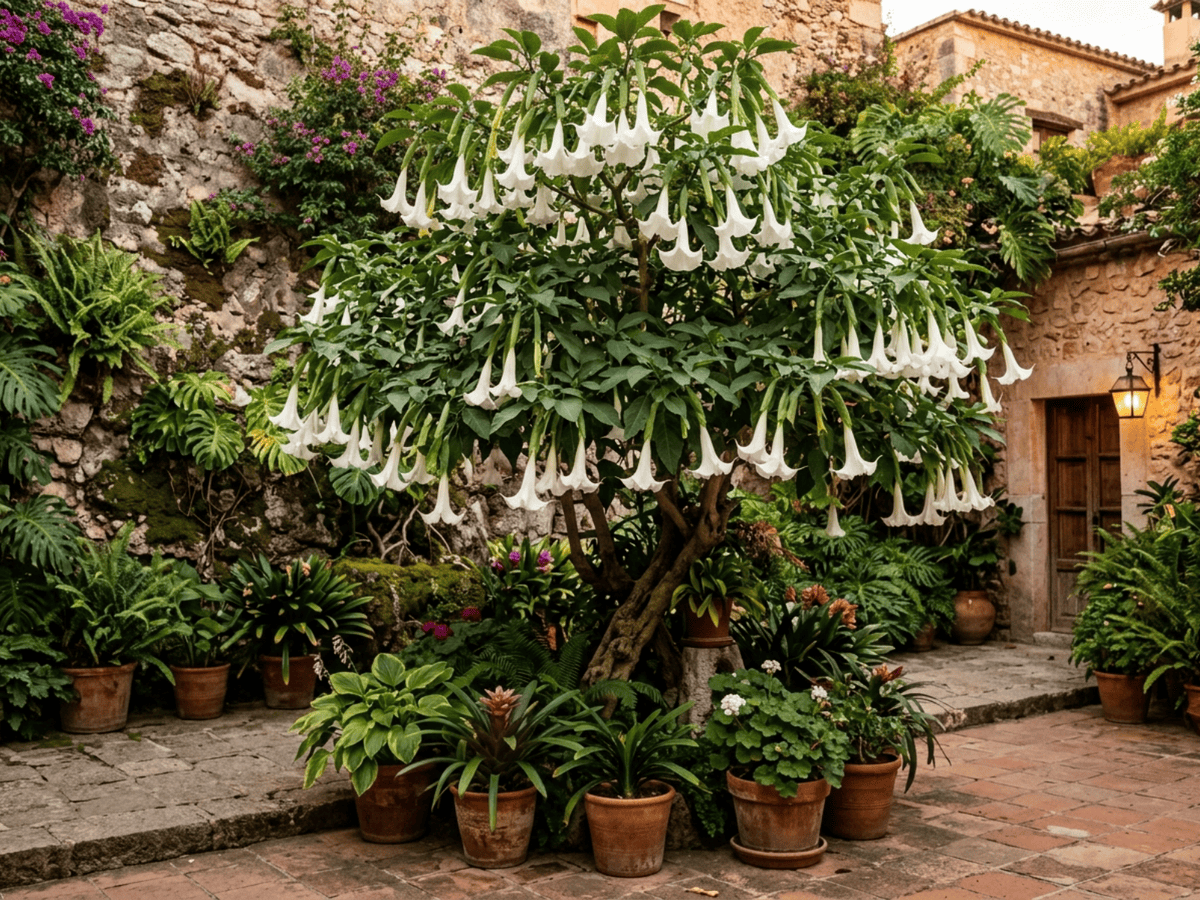
Angel's Trumpet is a dramatic tropical shrub or small tree native to southeastern Brazil, famous for its enormous, pendulous trumpet-shaped flowers that release an intoxicating sweet fragrance, especially at night. The flowers can reach 12 inches long and come in white, yellow, pink, or peach. Despite its heavenly appearance and scent, every part of this plant is dangerously poisonous — it contains tropane alkaloids including scopolamine, hyoscyamine, and atropine, which can cause hallucinations, paralysis, and death. Growing 6 to 15 feet tall with large, velvety leaves, it blooms prolifically from late spring through fall. In frost-free climates it can flower nearly year-round. The plant grows rapidly in rich, moist soil with full sun and heavy feeding. In temperate regions, it is grown in large containers and overwintered indoors. Brugmansia is now extinct in the wild, surviving only in cultivation — all wild populations have been lost to habitat destruction in the Brazilian Atlantic Forest.
- Fragrant
How to care for Night Bells
Watering
- Springevery 3 days
- Summerevery 2 days
- Fallevery 5 days
- Winterevery 14 days
Soil · Well-draining
- Top dressingPine bark mulch10%
- Main mixPotting soil + perlite 2:170%
- DrainageLECA / gravel20%
Never skip the drainage layer — standing water is the top cause of root rot.
FERTILIZER
Bloom Booster 10-52-10
A phosphorus-forward feed fuels abundant blooms, with just enough nitrogen and potassium to keep foliage and roots steady.
- Nitrogen · Leaves
- Phosphorus · Roots + Blooms
- Potassium · Strength
- Springevery 30 days
- Summerevery 30 days
- Fallevery 30 days
At a Glance
- NativeSouth America
- Height10–15 ft (3–4.6 m)
- Spread6–10 ft (1.8–3 m)
- Flower colorWhite, Yellow, Pink, Orange
- Foliage colorGreen, Variegated
- SoilLoamy, Well-drained, Rich
- LocationsYard · Indoor · Balcony
Bloom time
BLOOM CYCLE
Peak bloom
Jun–Aug
Enormous pendulous trumpets in white, yellow, or pink; intensely fragrant at night
Fragrance
STRONG FRAGRANCE
Very strong sweet lemony scent released at night and early morning.
Toxicity
Humans Severe · Pets Severe
scopolamine, hyoscyamine, and atropine (tropane alkaloids)
Severe
- All
- Ingestion
- Contact
EXPOSURE Eating any part of the plant. Touching any part of the plant.
EFFECT Severe tropane alkaloid poisoning: extreme hallucinations, tachycardia, blurred vision, hyperthermia, seizures, coma, death. Skin contact with sap can transfer alkaloids.
NOTE Documented concern for humans: Severe tropane alkaloid poisoning: extreme hallucinations, tachycardia, blurred vision, hyperthermia, seizures, coma, death. Skin contact with sap can transfer alkaloids.
Severe
- All
- Ingestion
EXPOSURE Eating any part of the plant.
EFFECT Same tropane toxicity: agitation, tachycardia, mydriasis, hyperthermia, potentially fatal.
NOTE One of the most dangerous ornamental plants commonly grown. ASPCA lists Brugmansia/angel's trumpet as toxic.
Severe
- All
- Ingestion
EXPOSURE Eating any part of the plant.
EFFECT Same as dogs and fatalities documented.
NOTE One of the most dangerous ornamental plants commonly grown. ASPCA lists Brugmansia/angel's trumpet as toxic.
Educational information, not medical or veterinary advice. If exposure is suspected, contact a doctor or veterinarian.
DISTRIBUTION


- Native
- Introduced
- South America
History
Brugmansia suaveolens is native to the Atlantic Forest of southeastern Brazil and has been cultivated in Andean and Brazilian Indigenous horticulture for so long that its original wild populations are uncertain — the IUCN Red List now classifies all Brugmansia species as Extinct in the Wild, with every known plant existing only in cultivation or escape. It has been maintained by generations of human cultivation across the Americas and worldwide as an ornamental. The species produces enormous pendant trumpet-shaped white (sometimes pink, yellow, or apricot) flowers 25-30 cm long, intensely fragrant in the evening, borne on a shrub or small tree 3-5 meters tall.
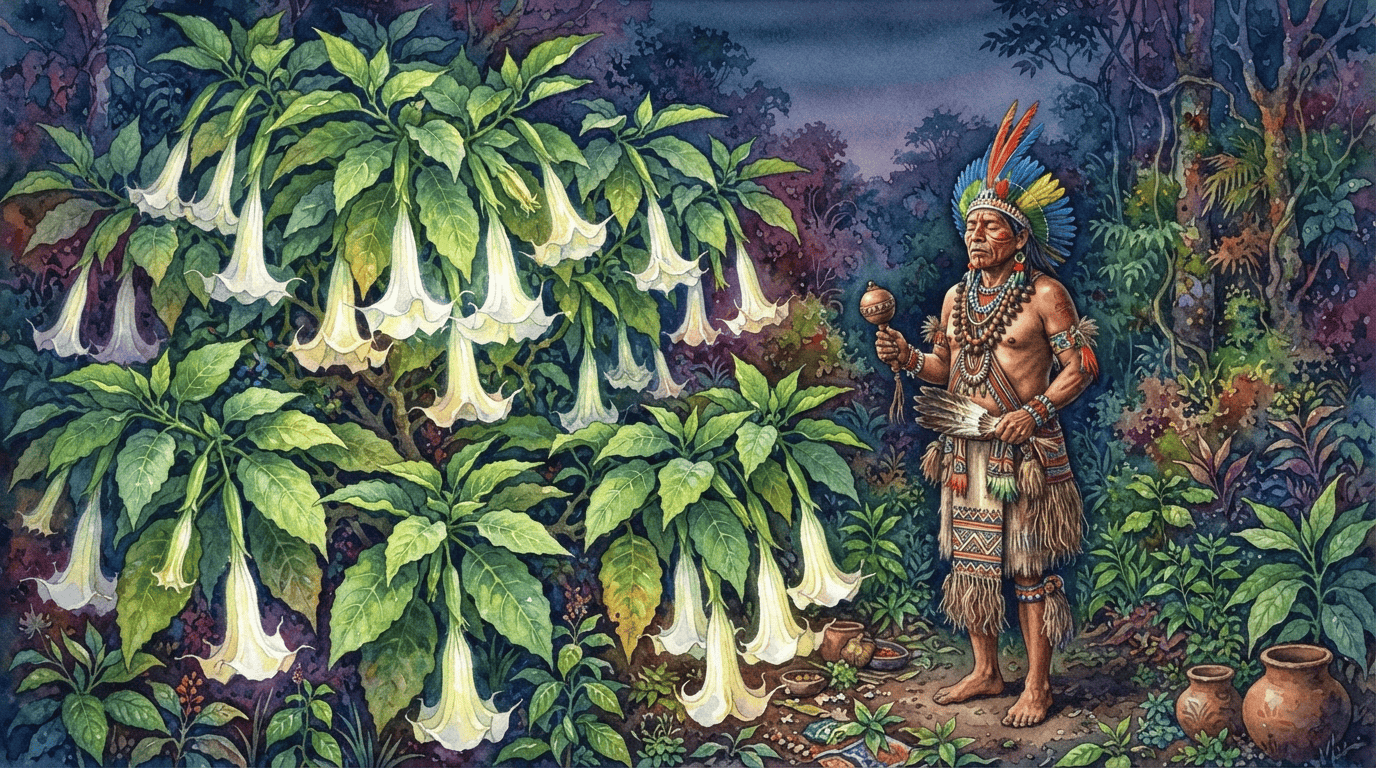
All parts of the plant contain high concentrations of tropane alkaloids — scopolamine, hyoscyamine, and atropine — making it one of the most dangerously poisonous ornamental plants commonly grown in temperate gardens. South American indigenous cultures, particularly Andean and Amazonian peoples (including Shuar and Quechua groups), have a long documented history of using Brugmansia in shamanic ritual contexts for intense, often frightening, visionary experiences.
Modern poisonings occur when people (often adolescents) consume Brugmansia flowers or prepare tea from them; deaths are documented. The plant should be handled with gloves, kept away from pets and children, and not composted where grazing animals can access.
Symbolism & meaning
What It Symbolizes
Night Bells keeps its drama for evening. Pale bells open as daylight drains away, releasing a nocturnal mood that belongs more to moonlit courtyards than bright borders. Its message is caution wrapped in beauty: some flowers are meant to be admired with distance, respect, and a little darkness around them.
- Enchantment — the intoxicating beauty and fragrance cast a spell-like allure
- Danger — beauty concealing deadly poison, a reminder that appearances deceive
Where the Name Comes From
'Brugmansia' honors Sebald Justinus Brugmans (1763-1819), a Dutch naturalist and professor. 'Suaveolens' is Latin for sweetly scented, referring to the powerful nighttime fragrance.
Uses & Fun Facts
- Pendulous trumpets release intoxicating sweet evening perfume
- Tropical tree-shrub as dramatic patio focal point
Related plants
Plants with similar care
 Mexican AbeliaAbelia floribunda
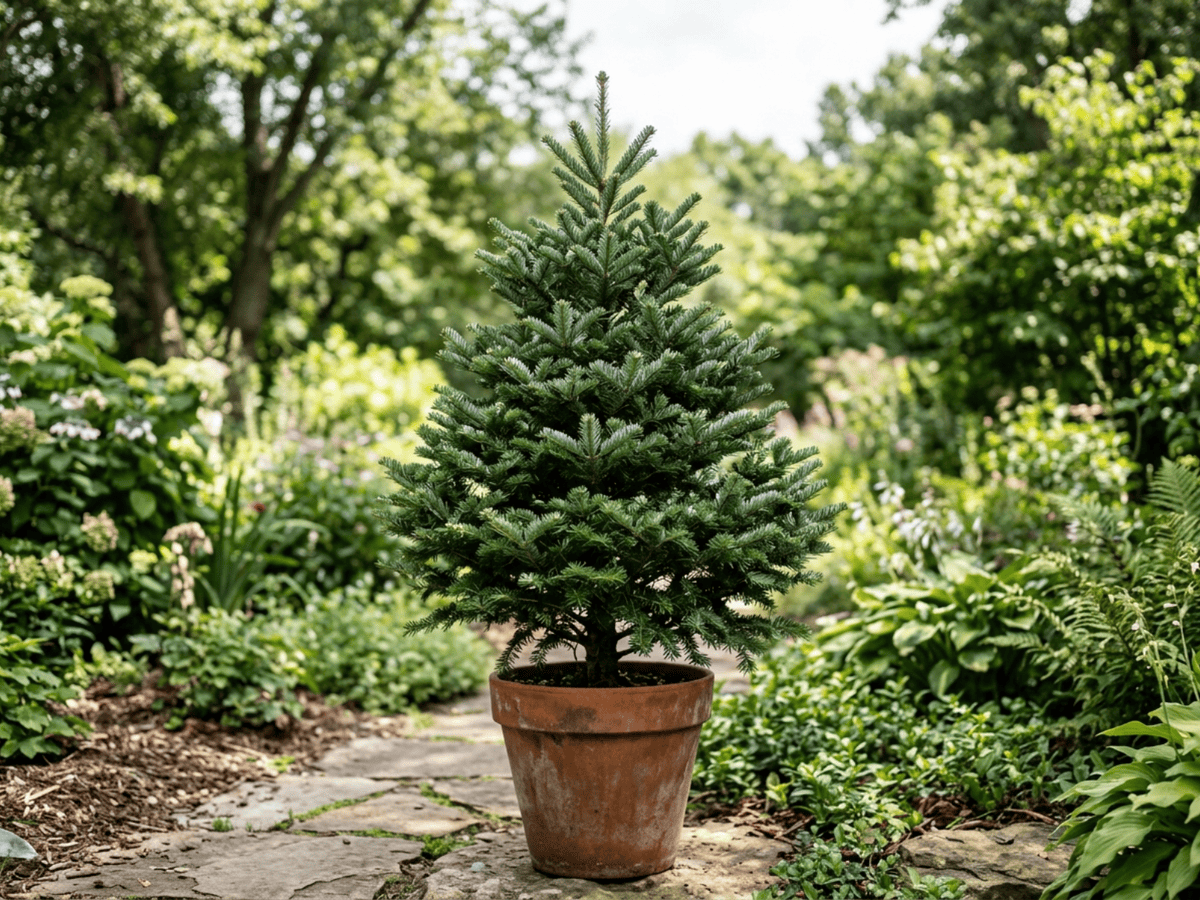 Fraser FirAbies fraseri
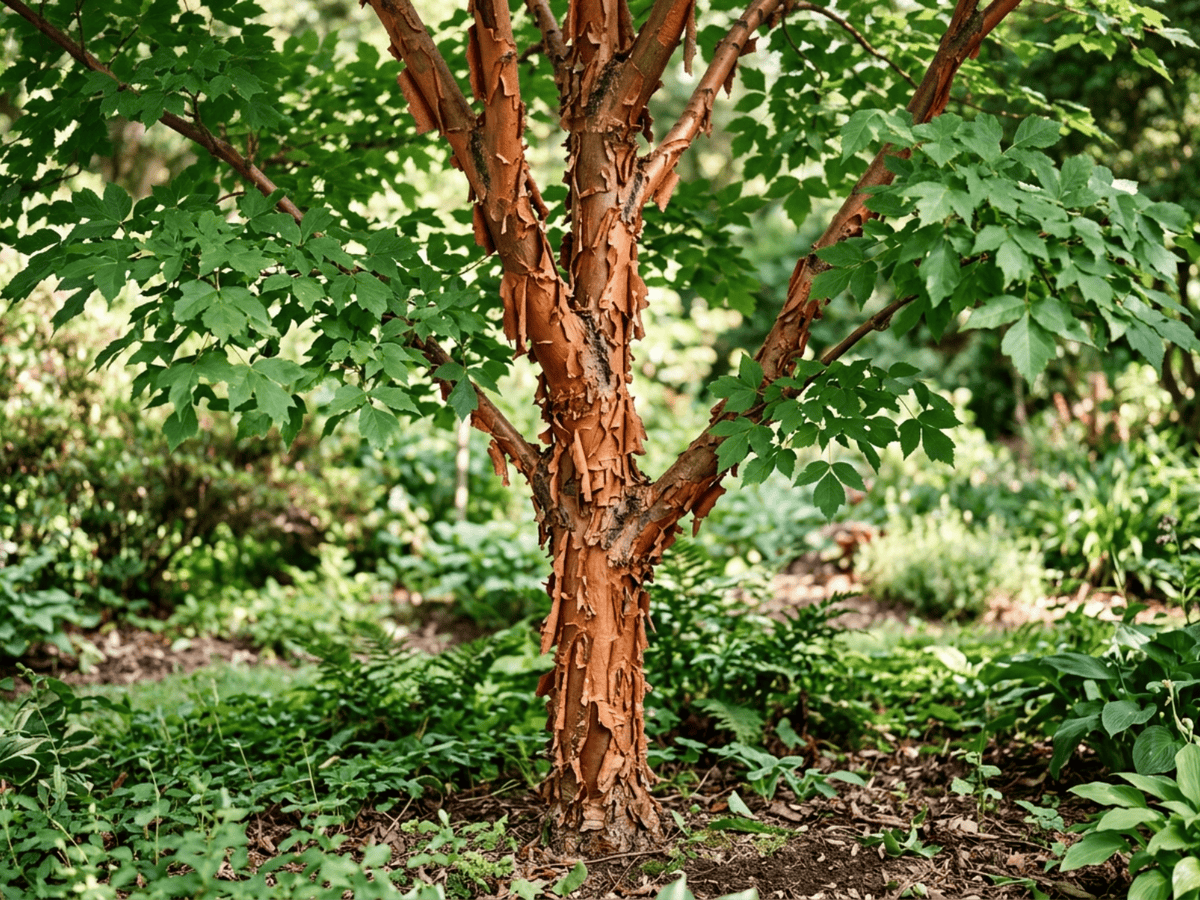 Paperbark MapleAcer griseum
 Sugar MapleAcer saccharum
Frequently asked questions
How often should I water Night Bells?
In summer, water about every 2 days; in winter, about every 14 days. Adjust for heat, pot size and drainage.
How much light does Night Bells need?
Full sun: 6+ hrs direct. Watch the leaves — scorching or stretching means the light needs adjusting.
Is Night Bells toxic to cats or dogs?
Pets Severe (Dogs Severe · Cats Severe) Educational information, not medical or veterinary advice. If exposure is suspected, contact a doctor or veterinarian.
Is Night Bells easy to grow?
It is moderately demanding: a good choice once you have a little experience.
Can Night Bells be grown indoors?
Yes, it adapts well to indoor growing given the right light.
When does Night Bells bloom?
It typically blooms Jun–Aug in the Northern Hemisphere.
YardMate
Identify any plant in seconds
Snap a photo — YardMate names the plant, diagnoses problems, and reminds you when to water.
Download on the App Store