 YardMate

Heart Of Jesus
Caladium bicolor
Medium · Some experienceAbout Heart Of Jesus
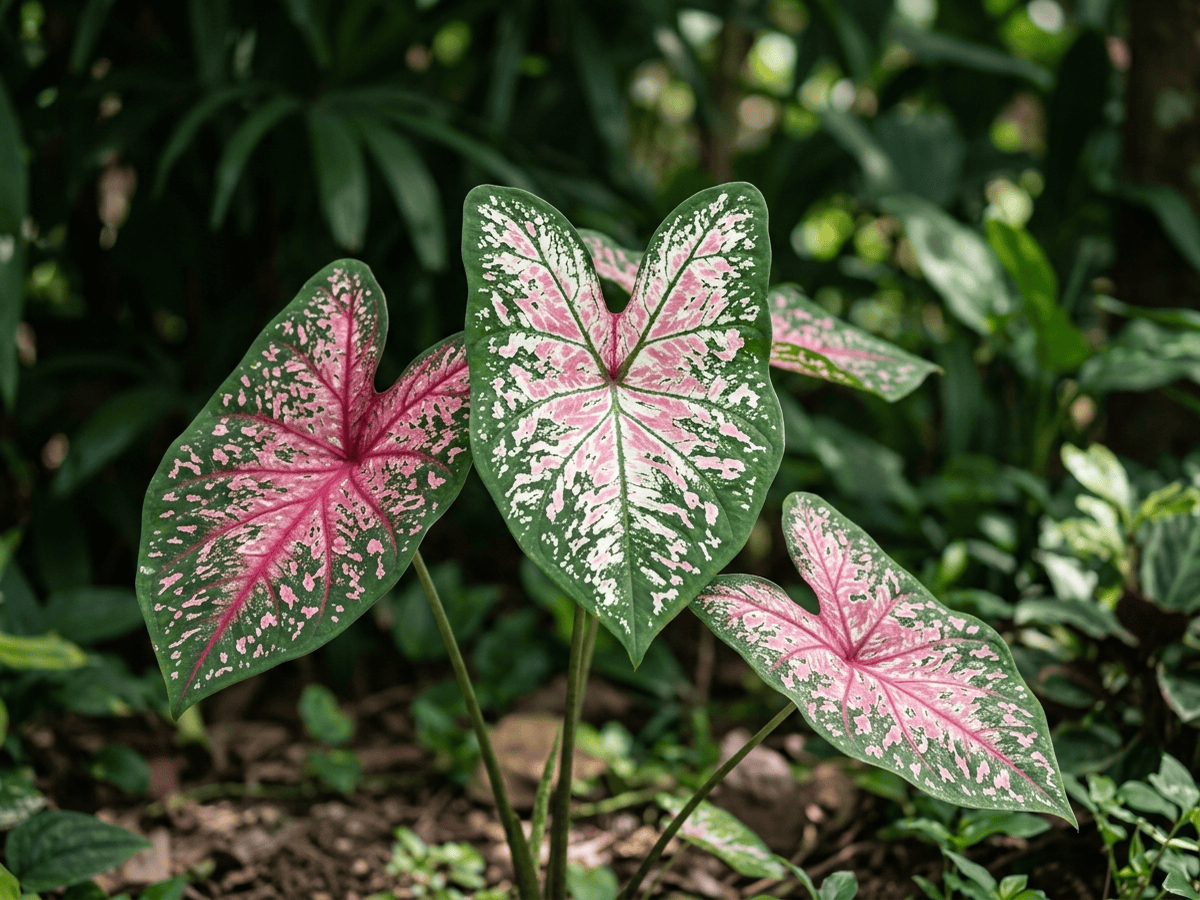
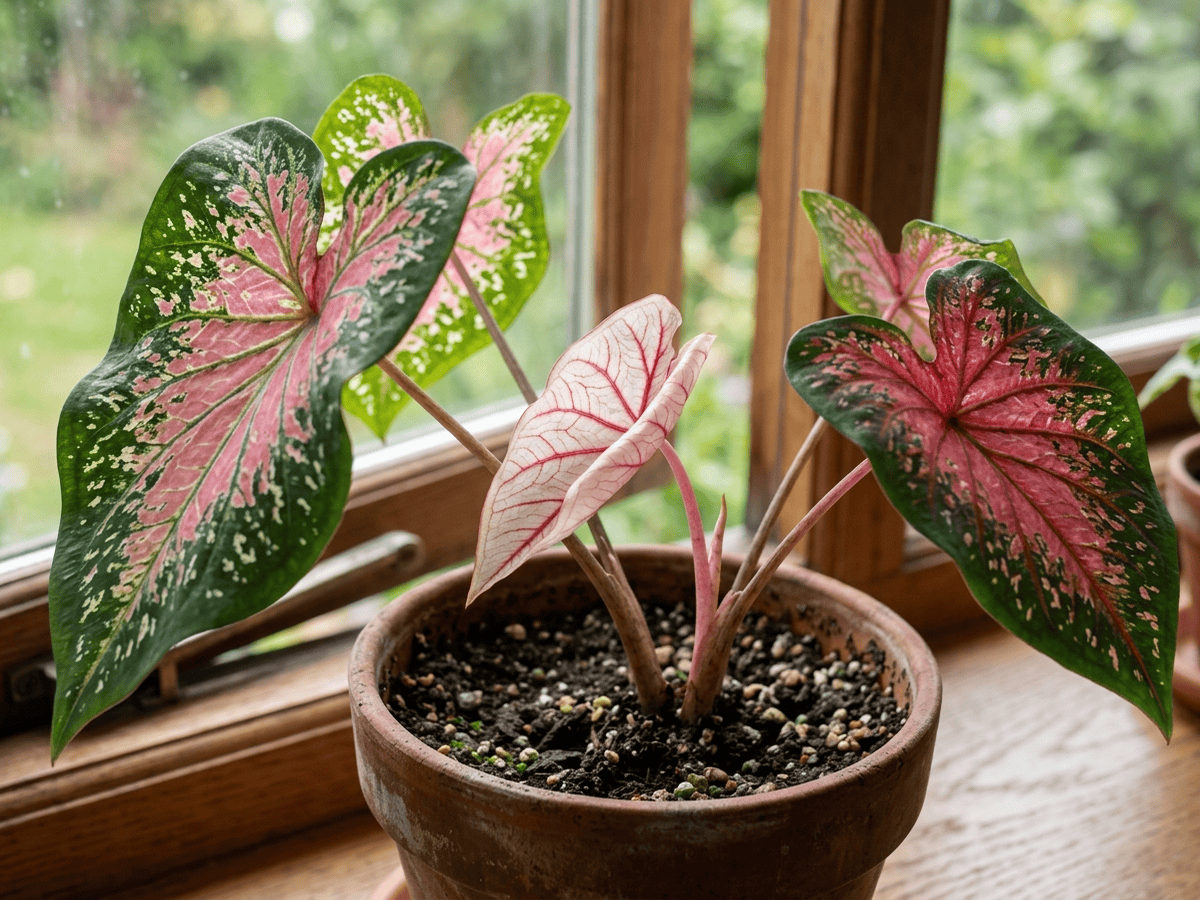
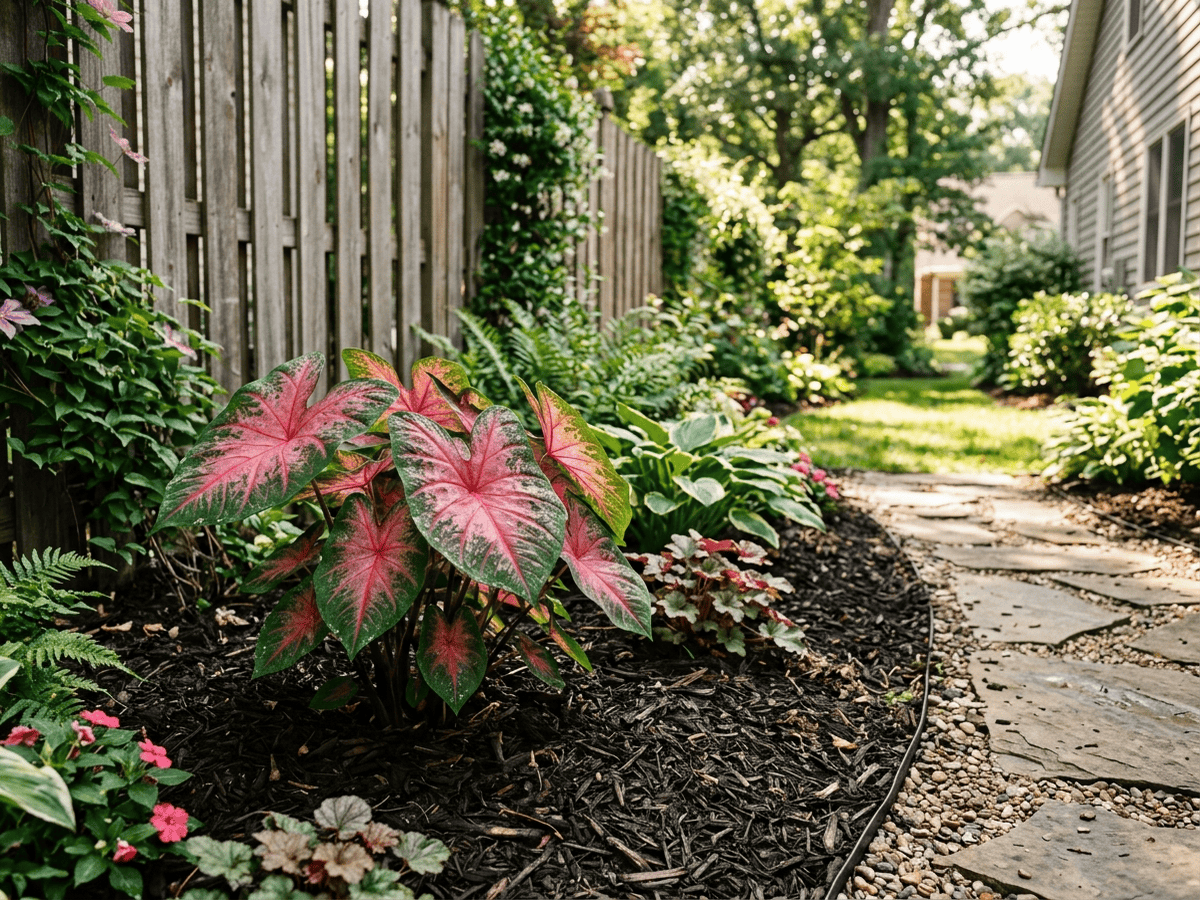
Caladium bicolor, the angel wings plant, produces paper-thin, translucent heart-shaped leaves in stunning combinations of red, pink, white, and green. Native to South American tropical forests, it grows from tubers and is deciduous — dying back in fall and resprouting in spring. The leaves are so thin that sunlight passes through them, creating stained-glass effects. Hundreds of cultivars exist, from nearly all-white 'Moonlight' to deep red 'Red Flash.' Caladiums prefer warm, humid shade and are classic choices for adding color to shaded garden beds and containers.
- Shade-tolerant
How to care for Heart Of Jesus
Watering
- Springevery 5 days
- Summerevery 4 days
- Fallevery 7 days
- Winterevery 10 days
Soil · Chunky & airy
- Top dressingBark chips10%
- Main mixBark + potting soil + perlite 1:1:170%
- DrainageLECA20%
Chunky pieces hold air pockets open so thick roots don't suffocate.
FERTILIZER
Balanced Feed 14-14-14
An even feed covers all three needs at once, keeping leaves, roots and blooms moving together with nothing pushed out of balance.
- Nitrogen · Leaves
- Phosphorus · Roots + Blooms
- Potassium · Strength
- Springevery 30 days
- Summerevery 30 days
- Fallevery 60 days
At a Glance
- NativeSouth America
- Height1–2 ft (0.3–0.6 m)
- Spread1–2 ft (0.3–0.6 m)
- Flower colorWhite, Green
- Foliage colorGreen, Variegated, Red
- SoilLoamy, Moisture-retentive
- LocationsIndoor · Yard
Bloom time
BLOOM CYCLE
Peak bloom
Jun–Aug
Small white spathe; typically removed to redirect energy to leaves
Fragrance
NO FRAGRANCE
Not fragrant.
Toxicity
Humans Moderate · Pets Moderate
insoluble calcium oxalate crystals (raphides)
Moderate
- Leaf
- Stem
- Root
- Contact
- Ingestion
EXPOSURE Touching leaves, stems, and roots. Eating leaves, stems, and roots.
EFFECT Intense oral burning and swelling, drooling, difficulty swallowing.
NOTE Tubers are as toxic as the foliage and must not be eaten.
Moderate
- Leaf
- Stem
- Root
- Ingestion
EXPOSURE Eating leaves, stems, and roots.
EFFECT Oral irritation, intense burning of mouth and tongue, drooling, vomiting, difficulty swallowing and per ASPCA.
NOTE Tubers are as toxic as the foliage and must not be eaten.
Moderate
- Leaf
- Stem
- Root
- Ingestion
EXPOSURE Eating leaves, stems, and roots.
EFFECT Oral irritation, intense burning of mouth and tongue, drooling, vomiting, difficulty swallowing and per ASPCA.
NOTE Tubers are as toxic as the foliage and must not be eaten.
Educational information, not medical or veterinary advice. If exposure is suspected, contact a doctor or veterinarian.
DISTRIBUTION


- Native
- Introduced
- South America
History
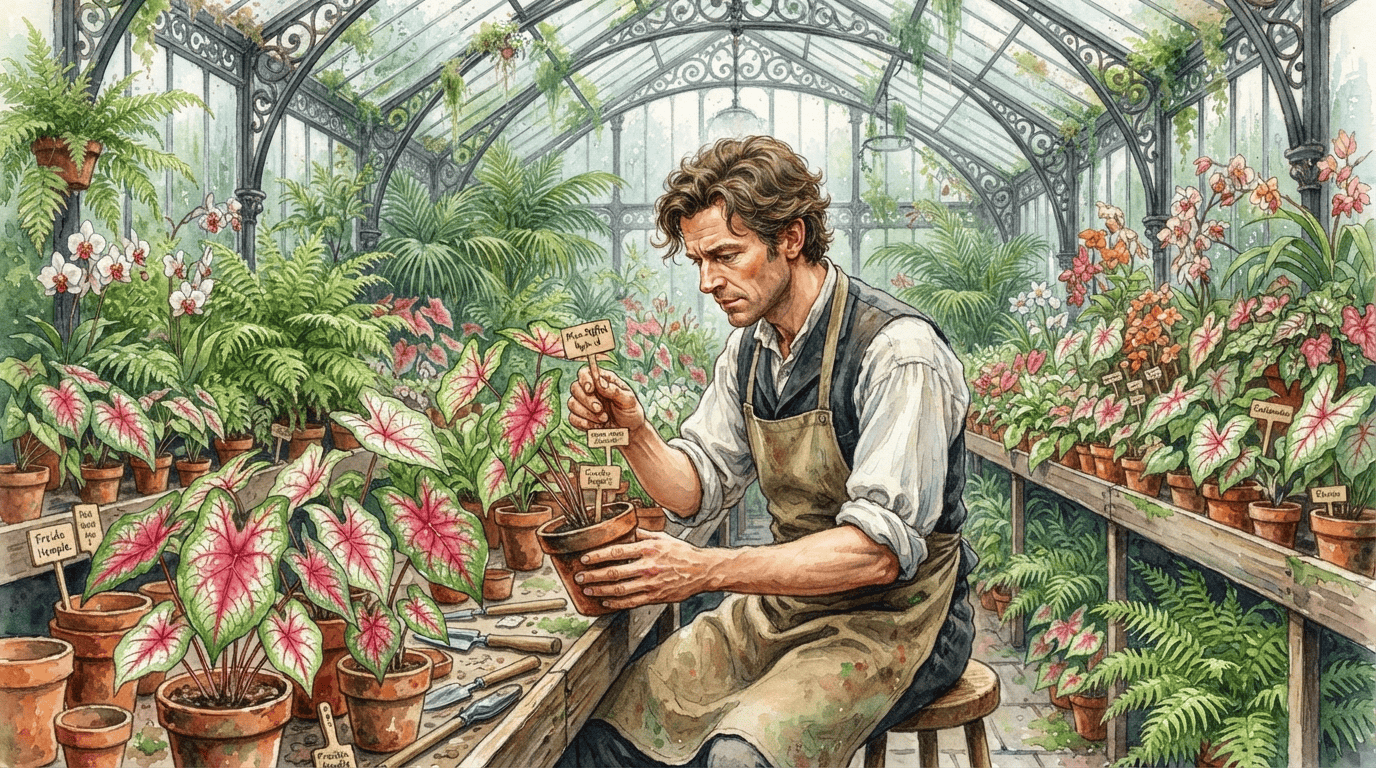
Caladium bicolor is native to the Amazon basin and the Guianas, where indigenous peoples grew it ornamentally and used the tubers medicinally long before European contact. Portuguese collectors brought it back from Brazil in the 18th century, and the Victorian era turned it into a showcase of glasshouse hybridization: by 1900 European nurseries had named over a thousand cultivars, most now lost. The modern trade centers almost entirely on Lake Placid, Florida, the self-styled 'Caladium Capital of the World', which grows more than 95% of the tubers sold globally — a concentration rooted in a single farm that began producing them in 1941.
Caladiums were first brought to Europe from Brazil in the 1770s, but the modern cultivar explosion began in the late 1800s when French and Belgian hybridizers created hundreds of named varieties. Each August, the town hosts a Caladium Festival celebrating the plant that drives its economy.
The translucent leaves inspired Art Nouveau designers, appearing in Tiffany lamps and Gallé glasswork. It is widely grown as a summer bedding plant and houseplant, and is significantly toxic to people and pets due to oxalate crystals.
Symbolism & meaning
What It Symbolizes
Caladium, sometimes called Heart of Jesus, is a flower of joy — its exuberantly painted leaves splashed with pinks, reds, and whites as though celebration itself had been pressed into foliage. Each leaf is a small festival, a reminder that beauty need not wait for blooms. To plant it is to invite vivid happiness into the shaded edges of the garden.
- Joy — Its exuberant colors bring happiness and celebrate life's vibrancy
Where the Name Comes From
Caladium from the Malay word 'keladi,' a general term for tuberous aroids. Bicolor means 'two-colored.'
Uses & Fun Facts
- Heart-shaped patterned leaves star in shaded patio planters
- Pink-, red-, or white-veined heart leaves brighten shade plantings
Related plants
Plants with similar care
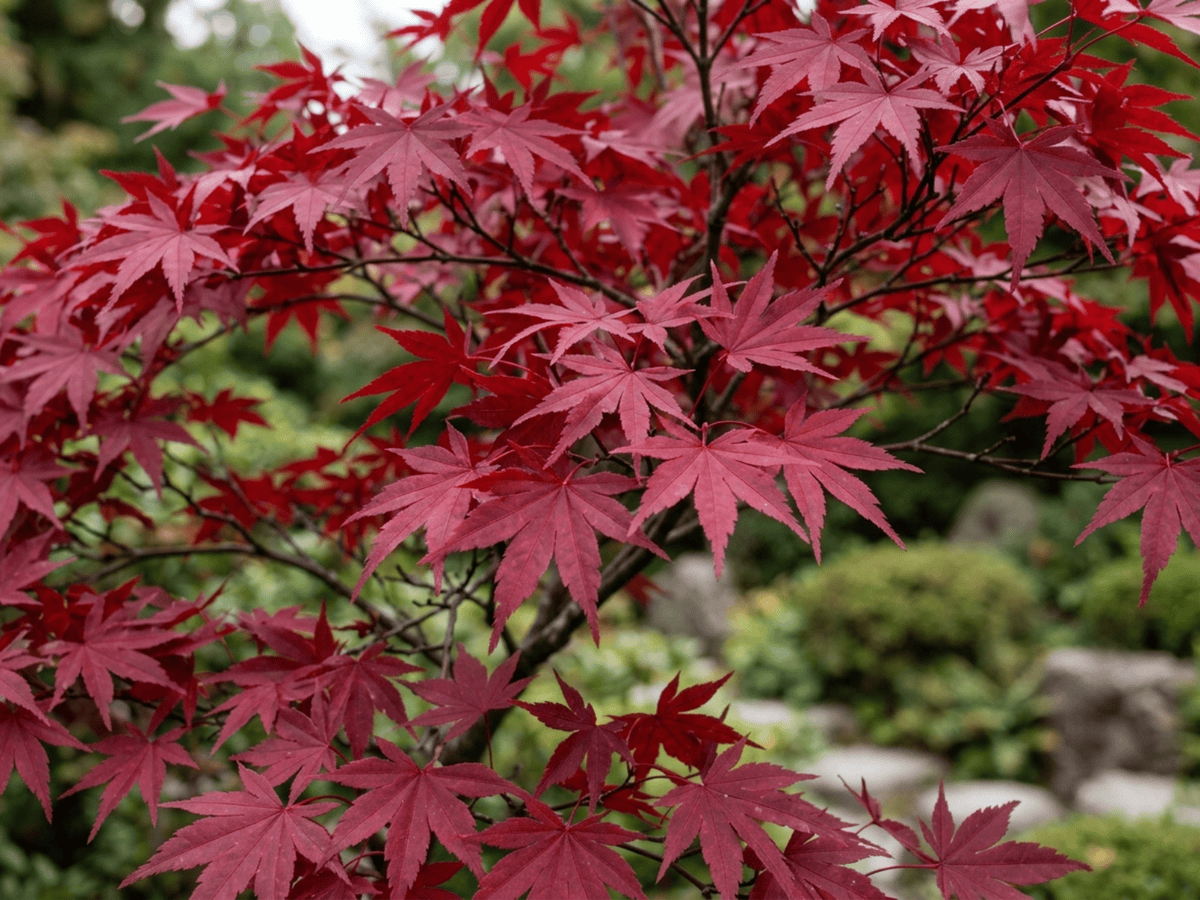 Japanese MapleAcer palmatum
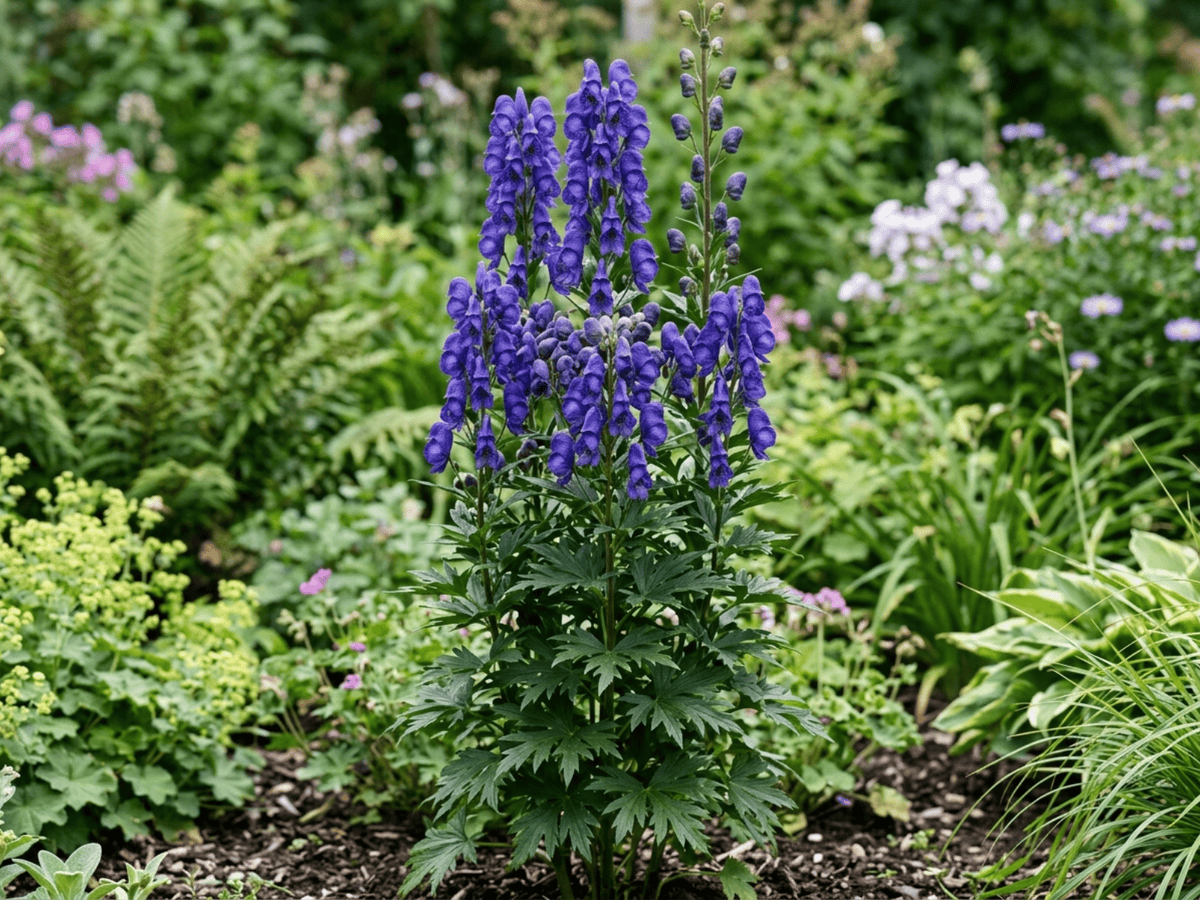 Azure MonkshoodAconitum carmichaelii
 Florida HobblebushAgarista populifolia
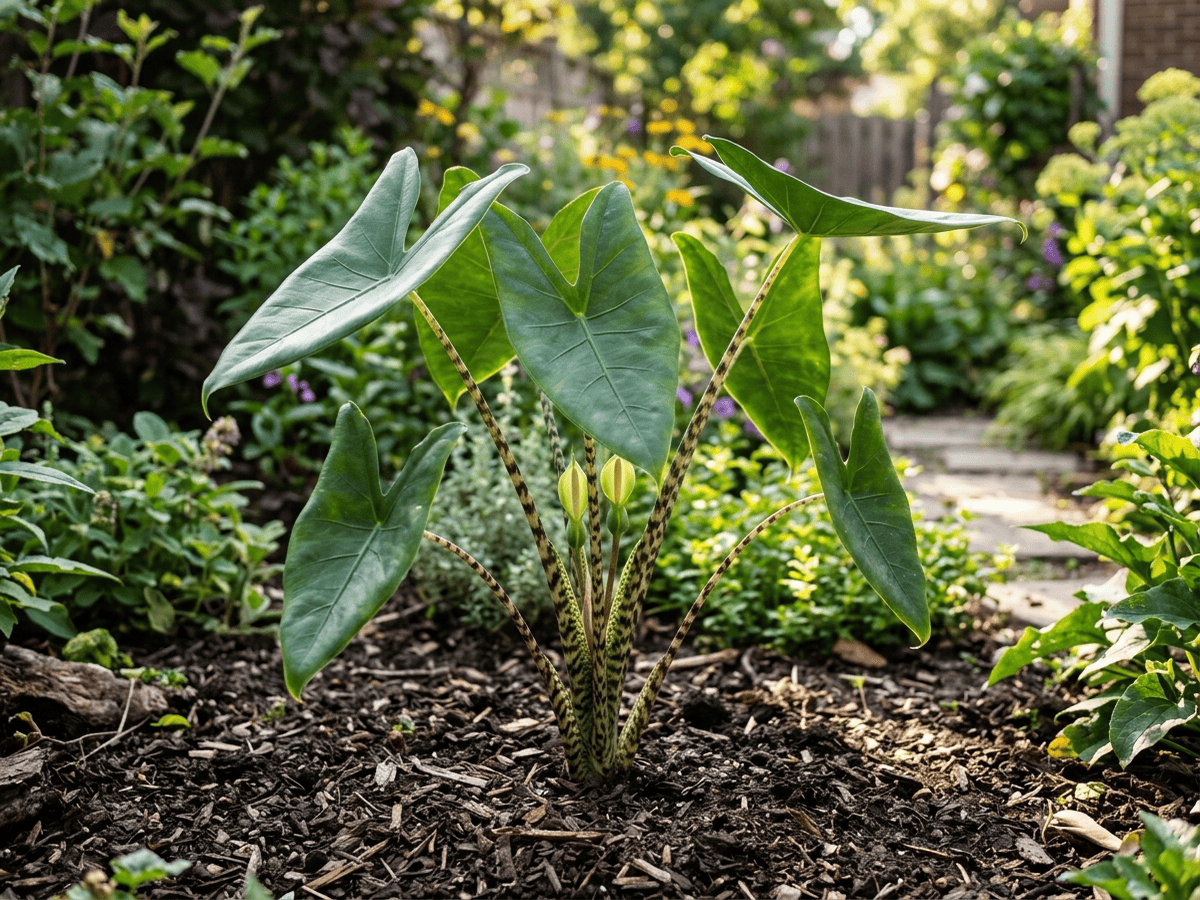 Alocasia zebrinaAlocasia zebrina
Frequently asked questions
How often should I water Heart Of Jesus?
In summer, water about every 4 days; in winter, about every 10 days. Adjust for heat, pot size and drainage.
How much light does Heart Of Jesus need?
Part shade: 2–4 hrs direct. Watch the leaves — scorching or stretching means the light needs adjusting.
Is Heart Of Jesus toxic to cats or dogs?
Pets Moderate (Dogs Moderate · Cats Moderate) Educational information, not medical or veterinary advice. If exposure is suspected, contact a doctor or veterinarian.
Is Heart Of Jesus easy to grow?
It is moderately demanding: a good choice once you have a little experience.
Can Heart Of Jesus be grown indoors?
Yes, it adapts well to indoor growing given the right light.
When does Heart Of Jesus bloom?
It typically blooms Jun–Aug in the Northern Hemisphere.
YardMate
Identify any plant in seconds
Snap a photo — YardMate names the plant, diagnoses problems, and reminds you when to water.
Download on the App Store