 YardMate

Rock Purslane
Calandrinia spectabilis
Easy · Beginner friendlyAbout Rock Purslane
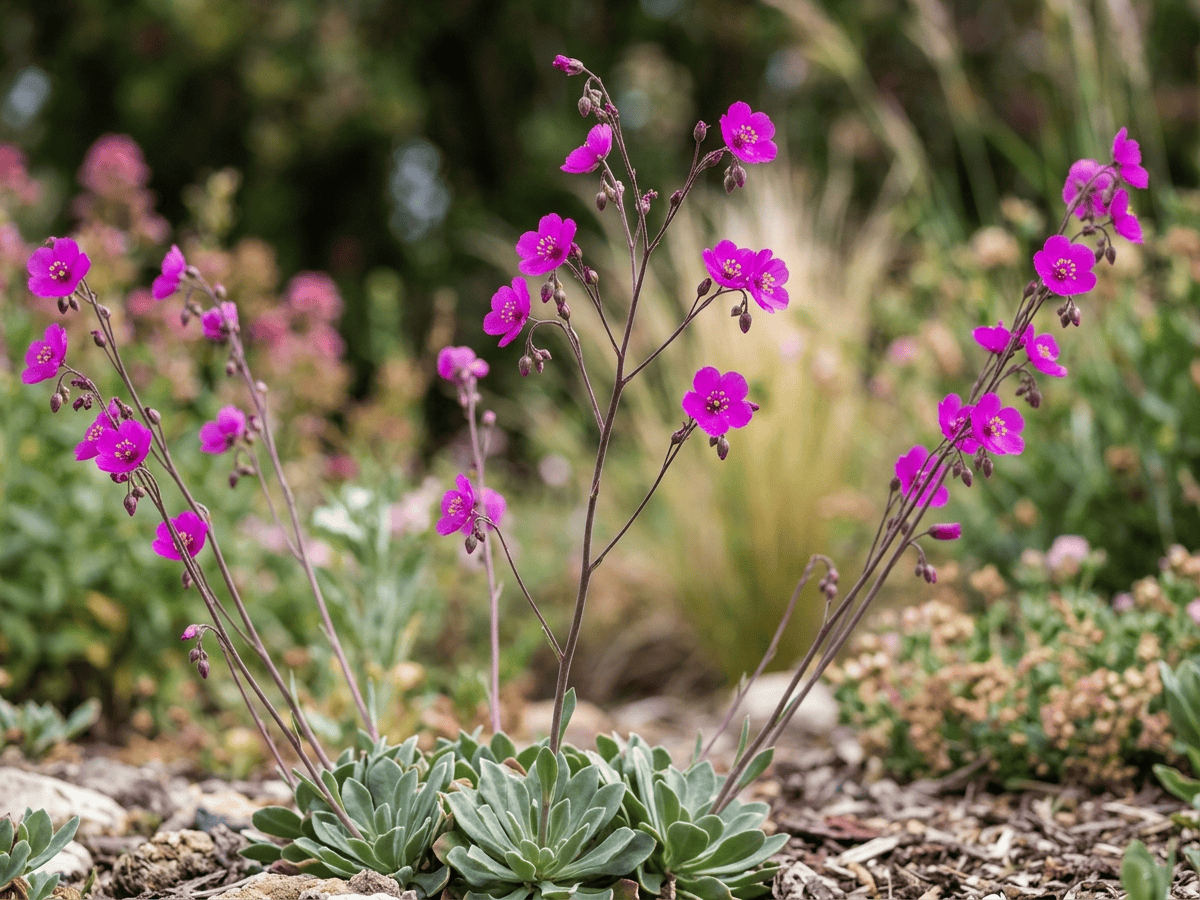
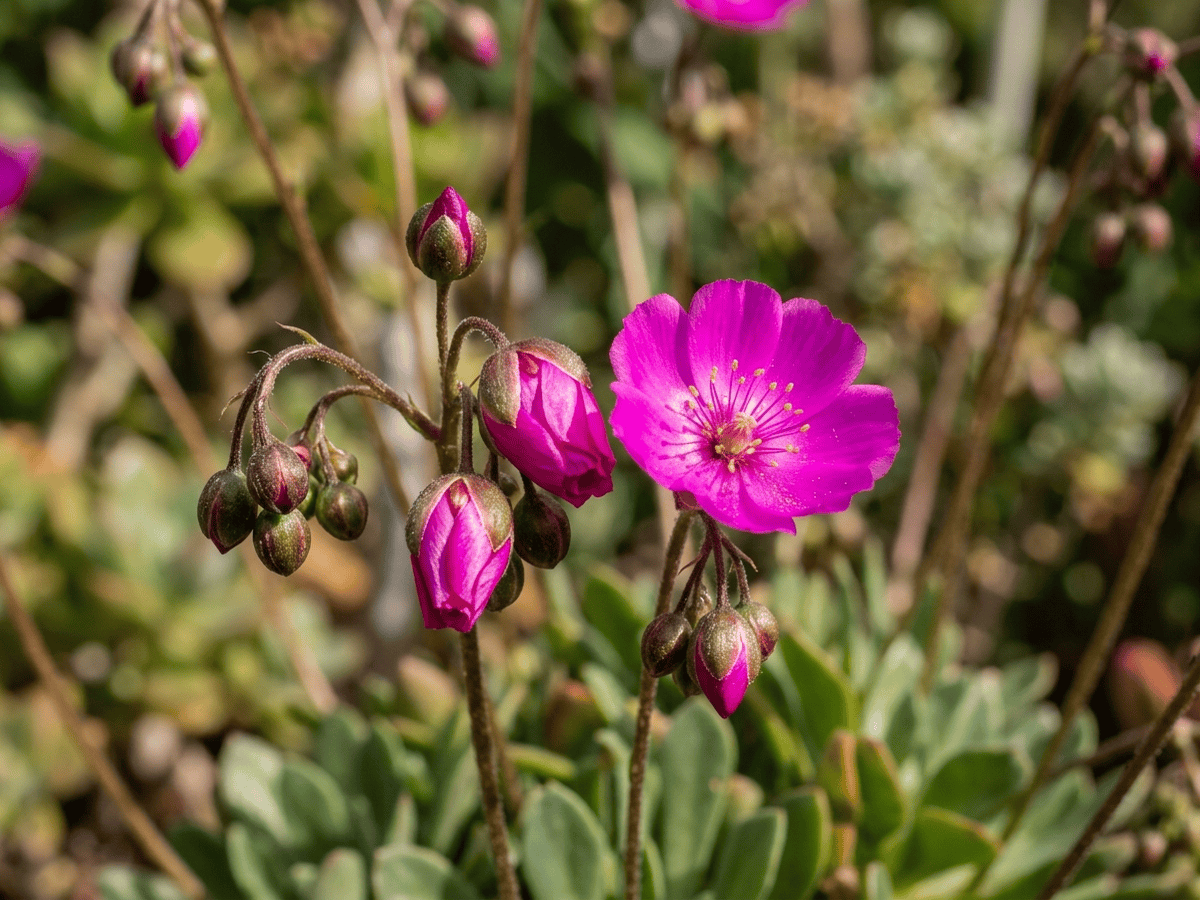
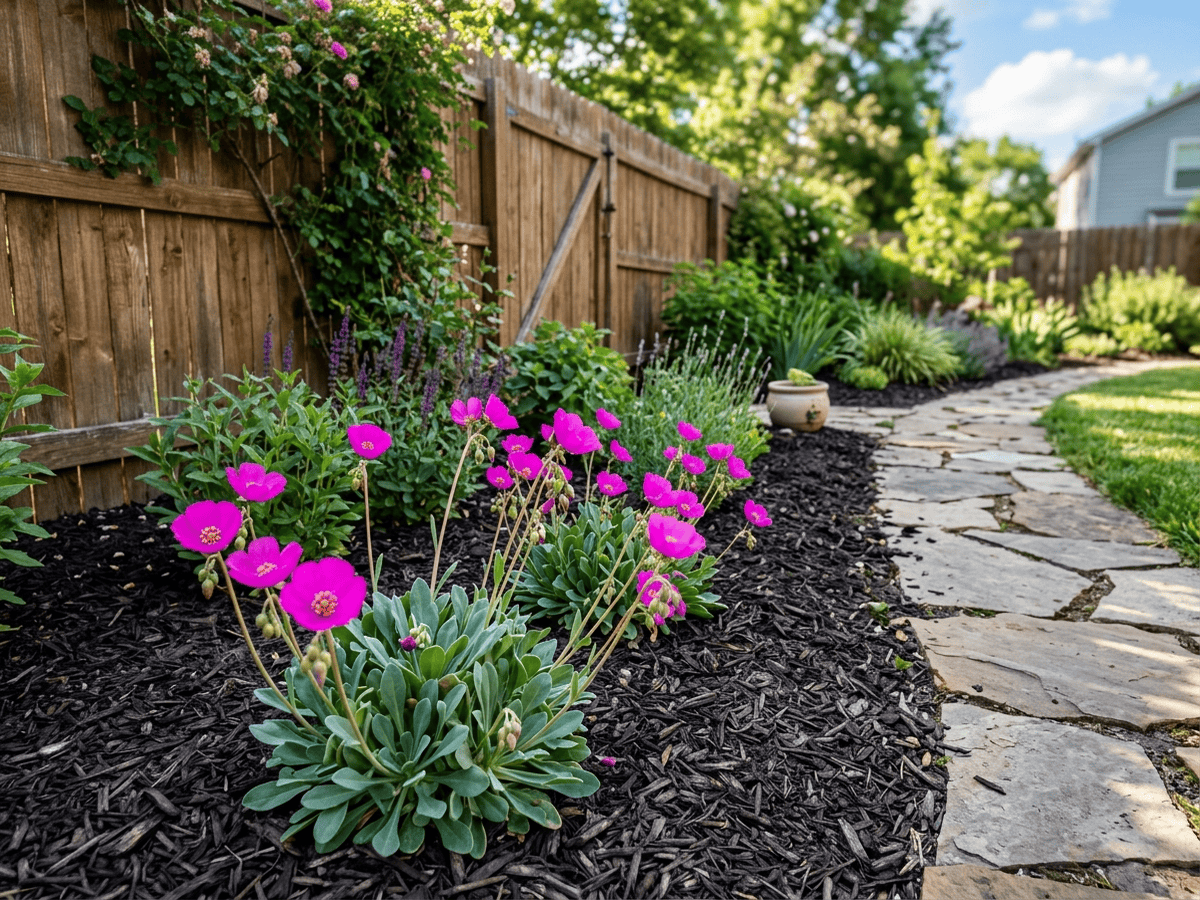
Rock Purslane is a striking succulent-like perennial from coastal Chile and Peru, prized for its wiry 24-inch flower stems rising above a low mound of fleshy gray-green rosette leaves. The saucer-shaped magenta blooms, up to 2 inches wide, open in succession from spring through summer. Drought-tolerant and nearly maintenance-free, it thrives in well-drained rocky or sandy soils and is a staple of Southern California water-wise gardens.
- Drought-tolerant
- Low-maintenance
How to care for Rock Purslane
Watering
- Springevery 14 days
- Summerevery 14 days
- Fallevery 21 days
- Winterevery 30 days
Soil · Fast-draining
- Main mixSand + pumice + soil 1:1:150%
- DrainagePumice / gravel50%
Keep grit at half the mix or more — this soil is meant to dry out fast.
FERTILIZER
Balanced Feed 14-14-14
An even feed covers all three needs at once, keeping leaves, roots and blooms moving together with nothing pushed out of balance.
- Nitrogen · Leaves
- Phosphorus · Roots + Blooms
- Potassium · Strength
This plant needs little to no feeding.
At a Glance
- NativeSouth America
- Height1–2 ft (0.3–0.6 m)
- Spread2–3 ft (0.6–0.9 m)
- Flower colorPurple, Pink
- Foliage colorGreen, Silver, Blue-green
- SoilSandy, Well-drained
- LocationsYard
Bloom time
BLOOM CYCLE
Peak bloom
Jun–Aug
Tall wiry stems bear magenta blooms; flowers close at night and open fully in sun
Toxicity
Humans Safe · Pets Safe
None reported
Safe
EXPOSURE No exposure route is reported.
EFFECT No toxic effect is reported.
NOTE Listed as non-toxic for humans; avoid eating ornamental plants unless confirmed edible.
Safe
EXPOSURE No exposure route is reported.
EFFECT No toxic effect is reported.
NOTE Listed as non-toxic for dogs; avoid eating ornamental plants unless confirmed edible.
Safe
EXPOSURE No exposure route is reported.
EFFECT No toxic effect is reported.
NOTE Listed as non-toxic for cats; avoid eating ornamental plants unless confirmed edible.
Educational information, not medical or veterinary advice. If exposure is suspected, contact a doctor or veterinarian.
DISTRIBUTION


- Native
- South America
History
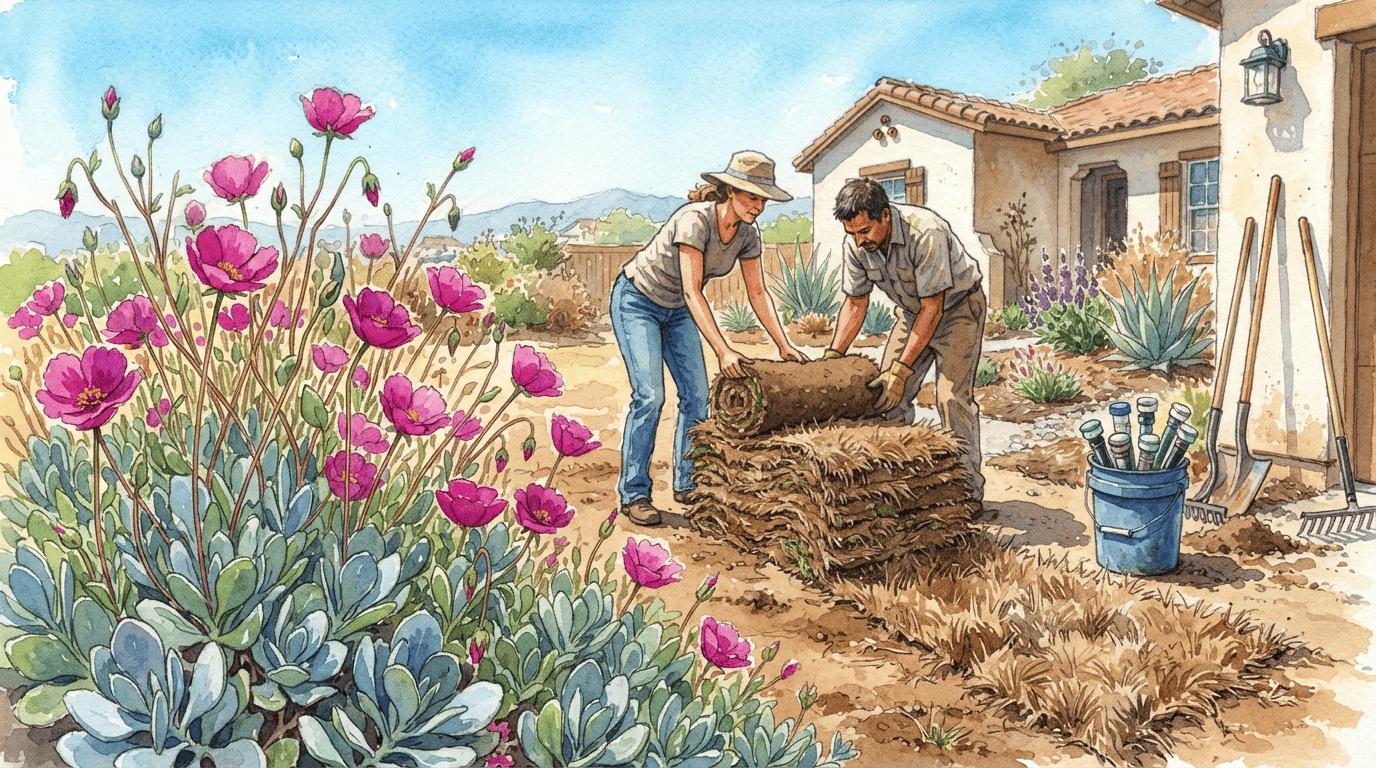
Calandrinia spectabilis (sometimes sold as Cistanthe grandiflora) is a succulent perennial in the purslane family native to the coastal deserts and rocky slopes of central and northern Chile. The plant forms a low mound of fleshy blue-gray paddle-shaped leaves, from which tall wiry stems rise to 60 centimeters bearing a continuous succession of brilliant magenta-purple poppy-like flowers, each open for just a day but replaced endlessly from late spring through autumn. The species entered California horticulture in the 1990s through specialty succulent nurseries, and exploded in popularity in the 2000s during California's extended droughts as gardens shifted toward drought-tolerant Mediterranean-style plantings.
The plant thrives on neglect, thrives in sharp-drained soil, tolerates coastal salt spray and 40°C heat, and is now widely used along the Pacific coast and in dry Mediterranean gardens worldwide. Calandrinia spectabilis was first described by British botanist George Bentham in 1839 from specimens collected along the arid coastal cliffs of Chile.
Originally placed in the genus Calandrinia (honoring Swiss botanist Jean-Louis Calandrini), the species was later shuffled among Cistanthe and related genera as molecular studies reorganized the Montiaceae family. Californian horticulturalists embraced it in the mid-20th century when the drought-tolerant garden movement gained momentum, and it became a signature plant of Southern California xeriscape design. Today it is commercially propagated primarily in California and Australia.
Symbolism & meaning
What It Symbolizes
Rock Purslane thrives in resilience, sending up tall wiry stems crowned with brilliant magenta cups from mats of silver-gray succulent leaves. Where rocky, dry, sun-hammered ground would discourage softer plants, it answers with an explosion of color and vibrancy. Its message is that hardship and brilliance are not opposites — that the toughest soils sometimes carry the most luminous flowers.
- Resilience — thrives in harsh, dry, rocky conditions
- Vibrancy — brilliant magenta blooms against silver-gray foliage
Where the Name Comes From
The name Rock Purslane points to rocky habitats. The genus Calandrinia honors Jean-Louis Calandrini (1703–1758), a Swiss mathematician and naturalist from Geneva. The species epithet spectabilis is Latin for 'remarkable' or 'worth seeing', referring to its showy magenta blooms.
Uses & Fun Facts
- Magenta saucer flowers float above gray rosettes in xeric beds
- Long-blooming nectar source for bees in drought gardens
- Low succulent mat for hot dry rocky banks
Related plants
Plants with similar care
 Chinese AbeliaAbelia chinensis
 Fragrant AbeliaAbelia mosanensis
 Large-Flowered AbeliaAbelia uniflora
 Glossy AbeliaAbelia x grandiflora
Frequently asked questions
How often should I water Rock Purslane?
In summer, water about every 14 days; in winter, about every 30 days. Adjust for heat, pot size and drainage.
How much light does Rock Purslane need?
Full sun: 6+ hrs direct. Watch the leaves — scorching or stretching means the light needs adjusting.
Is Rock Purslane toxic to cats or dogs?
Pets Safe (Dogs Safe · Cats Safe) Educational information, not medical or veterinary advice. If exposure is suspected, contact a doctor or veterinarian.
Is Rock Purslane easy to grow?
Yes — it is considered an easy, beginner-friendly plant.
When does Rock Purslane bloom?
It typically blooms Jun–Aug in the Northern Hemisphere.
YardMate
Identify any plant in seconds
Snap a photo — YardMate names the plant, diagnoses problems, and reminds you when to water.
Download on the App Store