 YardMate


California Incense-Cedar
Calocedrus decurrens
Medium · Some experienceAbout California Incense-Cedar
Incense Cedar is a stately California native conifer reaching 70-150 feet with a dense columnar to pyramidal form, aromatic reddish-brown fibrous bark, and flat sprays of scale-like foliage with a distinctive spicy-sweet fragrance. Native to the Sierra Nevada, Klamath Mountains, and California Coast Ranges at 1,500-8,000 feet elevation, it is one of the most characteristic trees of California's mixed conifer forests. The wood's fragrance repels moths and insects, making it the traditional material for cedar chests and pencils.
- Fragrant
- Drought-tolerant
- Evergreen
- Native
How to care for California Incense-Cedar
Watering
- Springevery 10 days
- Summerevery 14 days
- Fallevery 21 days
- Winterevery 30 days
Soil · Well-draining
- Top dressingPine bark mulch10%
- Main mixPotting soil + perlite 2:170%
- DrainageLECA / gravel20%
Never skip the drainage layer — standing water is the top cause of root rot.
FERTILIZER
This plant needs little to no feeding.
At a Glance
- NativeNorth America
- Height60–100 ft (18.3–30.5 m)
- Spread20–30 ft (6.1–9.1 m)
- Flower colorYellow
- Foliage colorGreen
- Fruit colorBrown
- SoilLoamy, Well-drained
- LocationsYard
Bloom time
BLOOM CYCLE
Tiny yellow male pollen cones in winter
Fragrance
MODERATE FRAGRANCE
Distinctive incense-like aromatic scent from cut wood and crushed foliage — familiar as the scent of wooden pencils.
Toxicity
No toxicity has been reported for this plant. Still, it is wise to keep pets from chewing on any houseplant.
Educational information, not medical or veterinary advice. If exposure is suspected, contact a doctor or veterinarian.
DISTRIBUTION


- Native
- Introduced
- North America
History

Calocedrus decurrens is native to the Sierra Nevada, southern Cascade Range, Klamath Mountains of California and Oregon, and parts of western Nevada and northern Baja California, growing typically at 500-2500 meters elevation in mixed coniferous forests alongside Douglas-fir, ponderosa pine, sugar pine, white fir, and giant sequoia. It is a tall conical evergreen conifer reaching 30-45 meters in height with deeply-furrowed reddish-brown fibrous bark, flattened sprays of scale-like aromatic foliage, and small woody cones 2-3 cm long. The wood has a distinctive soft open-grained texture with fine even density and produces a characteristic aromatic scent when cut that is genuinely reminiscent of temple incense — from which the common name "incense cedar" derives. The aromatic softwood is the primary commercial source of wood for American wooden pencils: since the late 19th century (when earlier preferred pencil woods including eastern red cedar became depleted), the vast majority of American and a significant portion of worldwide wooden pencils have been manufactured from incense cedar lumber, primarily from Sierra Nevada and southern Oregon forests.
The wood also has significant use in traditional outdoor fencing and shingles because of its natural decay resistance, and the distinctive scent of incense cedar pencil shavings is a familiar sensory signature of generations of American schoolchildren. Mature trees can live 500+ years. Important California timber species and common Sierra Nevada and California foothill landscape tree.
The fragrant wood is the traditional material for wood pencils—nearly all cedar pencils worldwide use incense cedar. The wood is also prized for cedar chests, closet liners, and fence posts due to its natural moth and insect repellency. Indigenous California peoples used the aromatic bark and foliage medicinally and in sweat lodges. Mature trees provide nesting cavities for woodpeckers.
Symbolism & meaning
What It Symbolizes
The California Incense-Cedar expresses longevity, its ancient specimens enduring centuries on Sierra and Cascade slopes. The aromatic, decay-resistant wood has long offered protection — repelling insects, preserving pencils, and lining the cedar chests where families store what they wish to keep. Few trees so completely combine the meanings of long life and quiet guardianship, a dignified evergreen presence that outlasts whole human generations.
- Longevity — ancient trees enduring centuries in mountain forests
- Protection — aromatic wood wards off insects and decay
Where the Name Comes From
The name California Incense-Cedar points to California. 'Calocedrus' from Greek 'kalos' (beautiful) and 'cedrus' (cedar); 'decurrens' means 'running down', referring to the leaf bases that extend along the twig.
Uses & Fun Facts
- Incense-scented foliage and wood bring a clean resin note to paths and pencil cedar history
- Wood harvested for timber, carving, and joinery
Related plants
Plants with similar care
 Mexican AbeliaAbelia floribunda
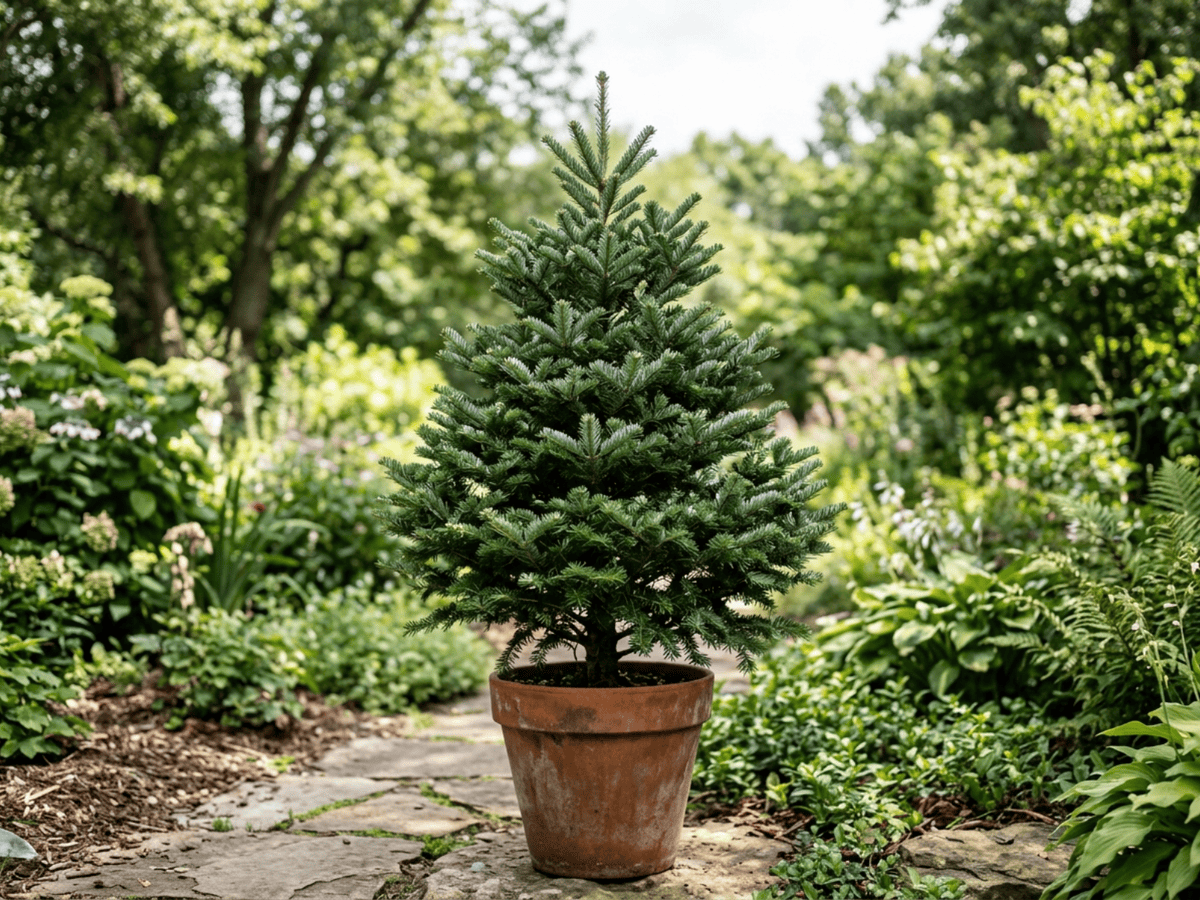 Fraser FirAbies fraseri
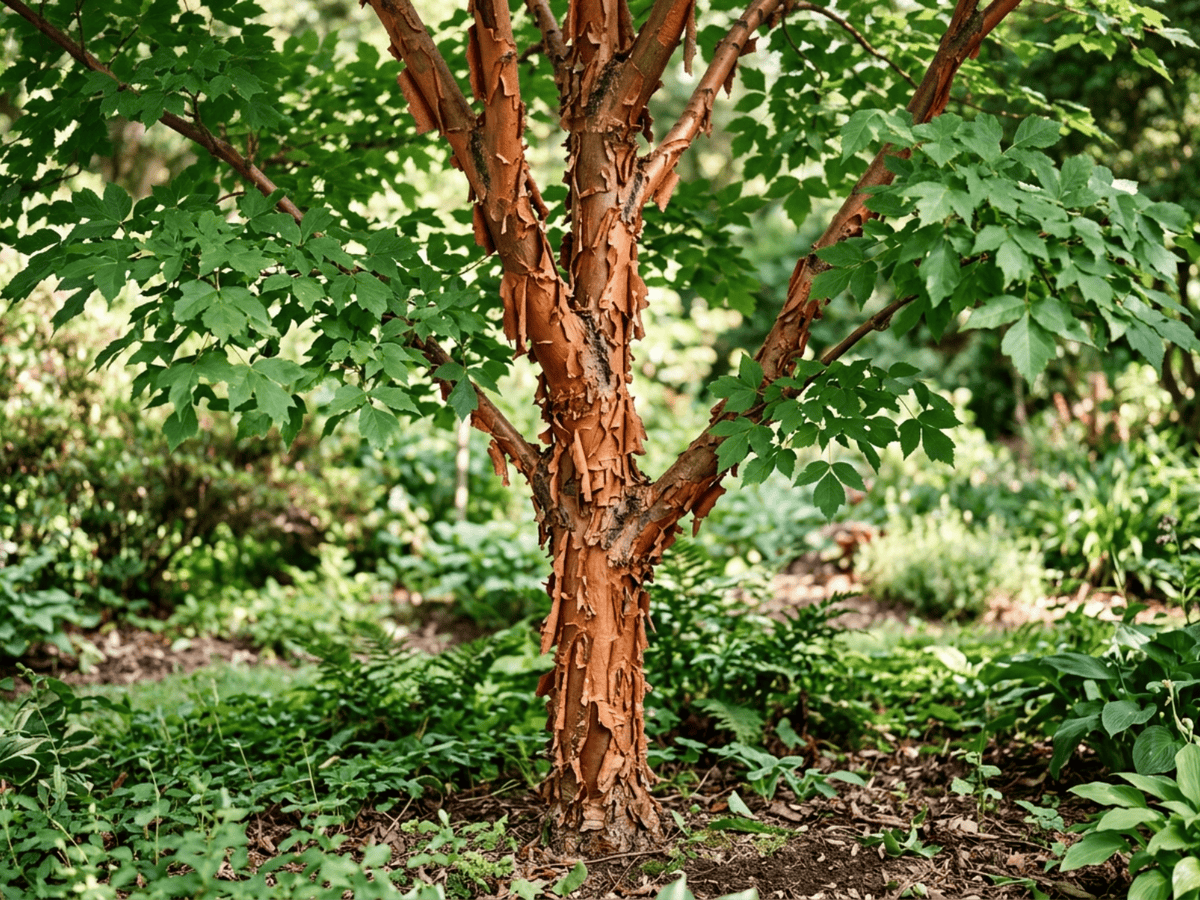 Paperbark MapleAcer griseum
 Sugar MapleAcer saccharum
Frequently asked questions
How often should I water California Incense-Cedar?
In summer, water about every 14 days; in winter, about every 30 days. Adjust for heat, pot size and drainage.
How much light does California Incense-Cedar need?
Full sun: 6+ hrs direct. Watch the leaves — scorching or stretching means the light needs adjusting.
Is California Incense-Cedar toxic to cats or dogs?
No toxicity has been reported for this plant. Still, it is wise to keep pets from chewing on any houseplant. Educational information, not medical or veterinary advice. If exposure is suspected, contact a doctor or veterinarian.
Is California Incense-Cedar easy to grow?
It is moderately demanding: a good choice once you have a little experience.
YardMate
Identify any plant in seconds
Snap a photo — YardMate names the plant, diagnoses problems, and reminds you when to water.
Download on the App Store