 YardMate


Yellow Sundrops
Calylophus drummondianus
Easy · Beginner friendlyAbout Yellow Sundrops
Berlandier's Sundrops, also called Square-Bud Primrose, is a low perennial wildflower native to Texas, Oklahoma, New Mexico, and northern Mexico. Forming spreading mats 6 to 12 inches tall, it produces bright yellow four-petaled flowers up to 2 inches across that open in late afternoon and last through the next day. Blooming profusely from spring through fall in well-drained alkaline soils, it is a Hill Country native increasingly popular in Southwest xeric gardens.
- Drought-tolerant
- Groundcover
- Long-blooming
- Native
How to care for Yellow Sundrops
Watering
- Springevery 10 days
- Summerevery 7 days
- Fallevery 14 days
- Winterpause watering
Soil · Well-draining
- Top dressingPine bark mulch10%
- Main mixPotting soil + perlite 2:170%
- DrainageLECA / gravel20%
Never skip the drainage layer — standing water is the top cause of root rot.
FERTILIZER
- Springevery 60 days
At a Glance
- NativeNorth America
- Height0.5–1.5 ft (0.2–0.5 m)
- Spread1–2 ft (0.3–0.6 m)
- Flower colorYellow
- Foliage colorGreen
- SoilSandy, Well-drained
- LocationsYard
Bloom time
BLOOM CYCLE
Peak bloom
Apr–Oct
Bright yellow four-petaled flowers April to October
Fragrance
LIGHT FRAGRANCE
Flowers have little scent, at most lightly sweet up close.
Toxicity
Toxicity unknown
None reported
Unknown
EXPOSURE Unspecified plant material.
EFFECT Toxic effects are not specified.
NOTE Toxicity for humans is not well documented; use caution until verified.
Unknown
EXPOSURE Unspecified plant material.
EFFECT Toxic effects are not specified.
NOTE Toxicity for dogs is not well documented; use caution until verified.
Unknown
EXPOSURE Unspecified plant material.
EFFECT Toxic effects are not specified.
NOTE Toxicity for cats is not well documented; use caution until verified.
Educational information, not medical or veterinary advice. If exposure is suspected, contact a doctor or veterinarian.
DISTRIBUTION

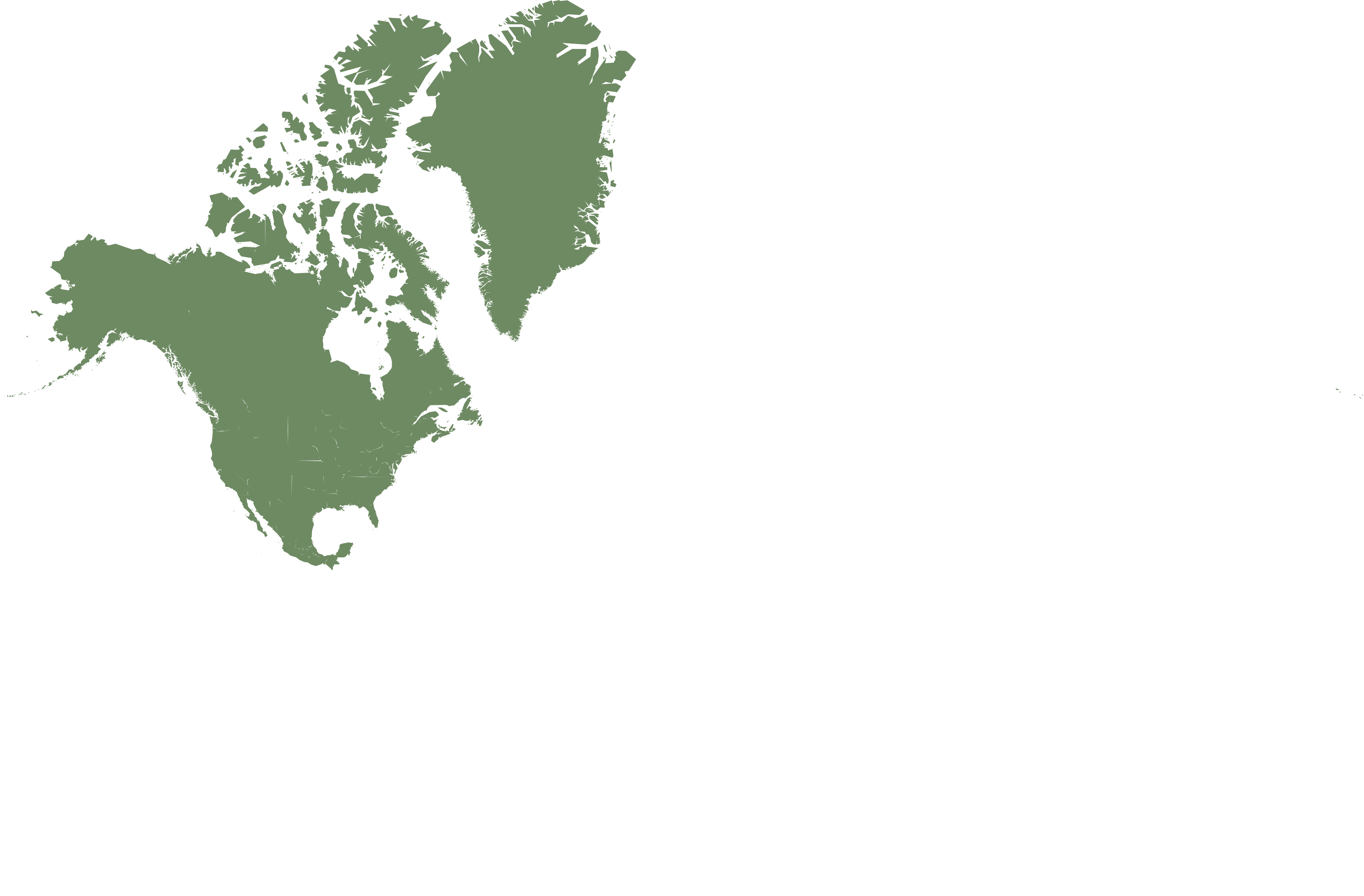
- Native
- North America
History
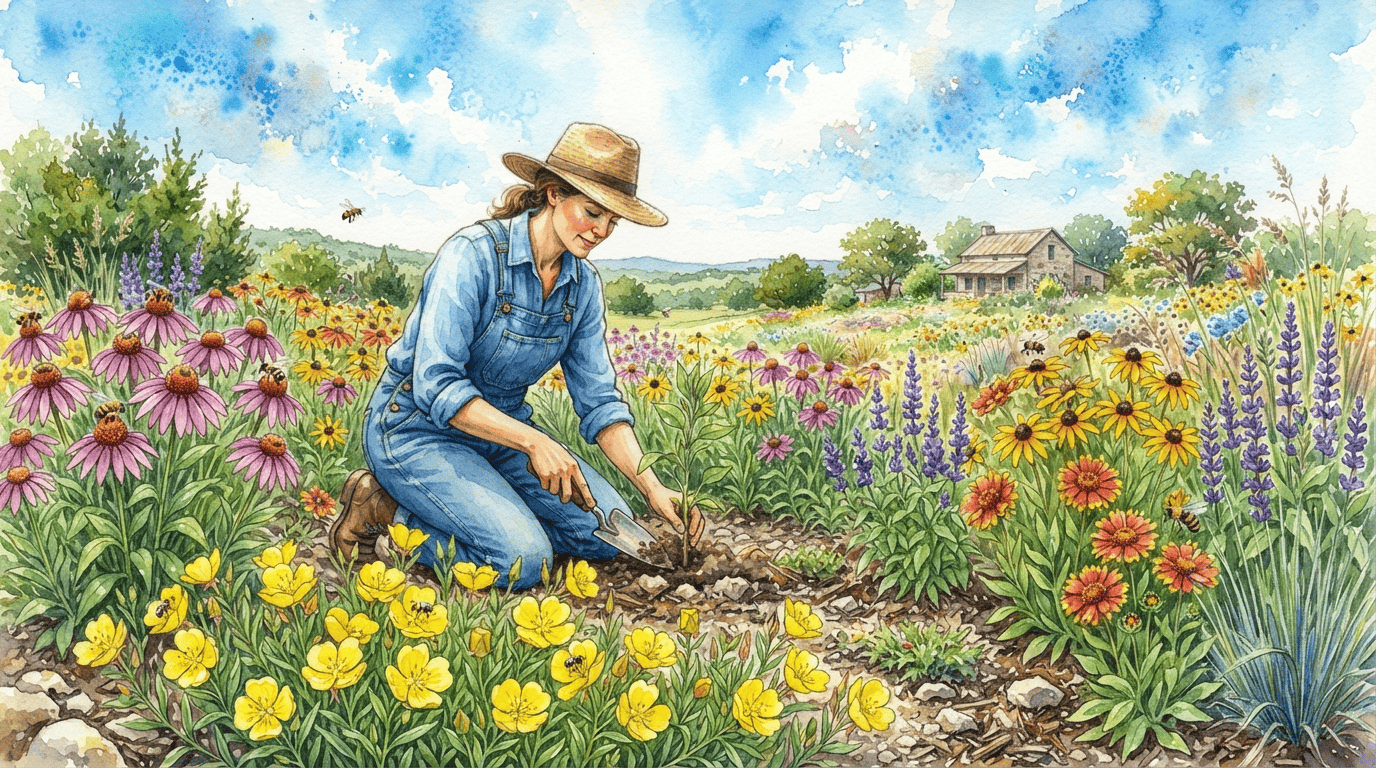
Calylophus drummondianus, commonly called sundrops, Drummond's sundrops, or square-bud primrose, is a low spreading perennial native to rocky calcareous soils of Texas, Louisiana, and adjacent portions of the Great Plains into northeastern Mexico. The species honors Thomas Drummond, a Scottish naturalist who botanized Texas in the 1830s before dying in Havana in 1835; many Texas wildflowers bear his name. It produces cheerful lemon-yellow four-petaled flowers on eight to sixteen centimeter stems from late spring through summer, opening in afternoon and remaining open well into the next day.
Taxonomists now place most of the genus into Oenothera, sometimes listing this species as Oenothera drummondii subsp. drummondii. It is a cornerstone of Texas Hill Country xeriscape and pollinator gardens. A staple Hill Country wildflower increasingly featured in Lady Bird Johnson Wildflower Center plantings and Texas-Friendly Landscaping programs.
Symbolism & meaning
What It Symbolizes
Yellow Sundrops open in the late afternoon glow of the Texas Hill Country, catching sunset light in every cupped lemon-yellow petal. It is Hill Country gold, an icon of the limestone rangelands where it carpets caliche slopes alongside bluebonnets and Indian paintbrush. To know its is to learn the particular hour the prairie grows brightest — just as the rest of the world begins to dim.
- Sunset light — flowers open in late afternoon glow
- Hill Country gold — icon of Texas limestone-country wildflowers
Where the Name Comes From
The common name highlights its yellow coloring. 'Calylophus' is Greek for 'crested calyx'; 'drummondianus' honors Thomas Drummond (1793–1835).
Uses & Fun Facts
- Spreading mats cover hot dry parking strips and slopes
- Bright yellow four-petaled flowers cover Texas xeric beds
- Late-day blooms feed native bees and evening moths
Related plants
Plants with similar care
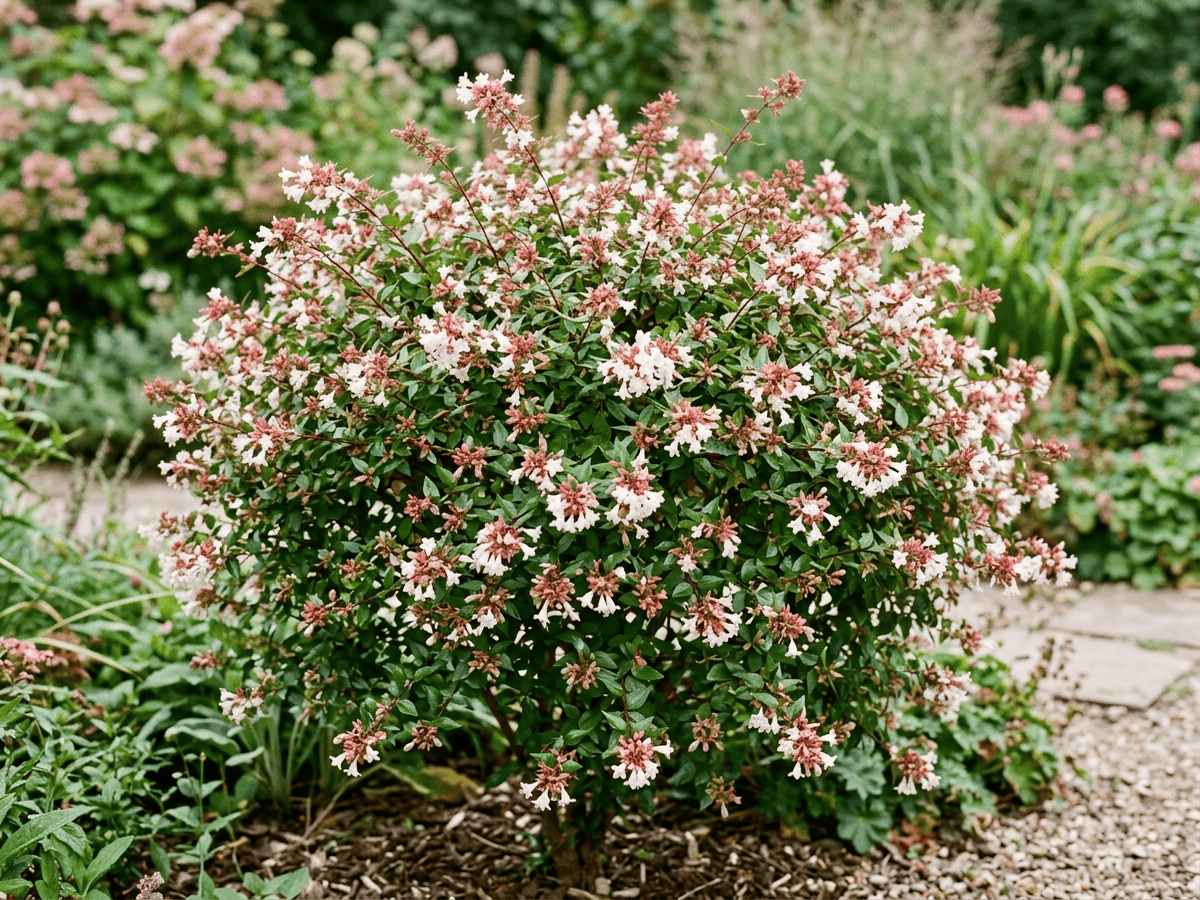 Chinese AbeliaAbelia chinensis
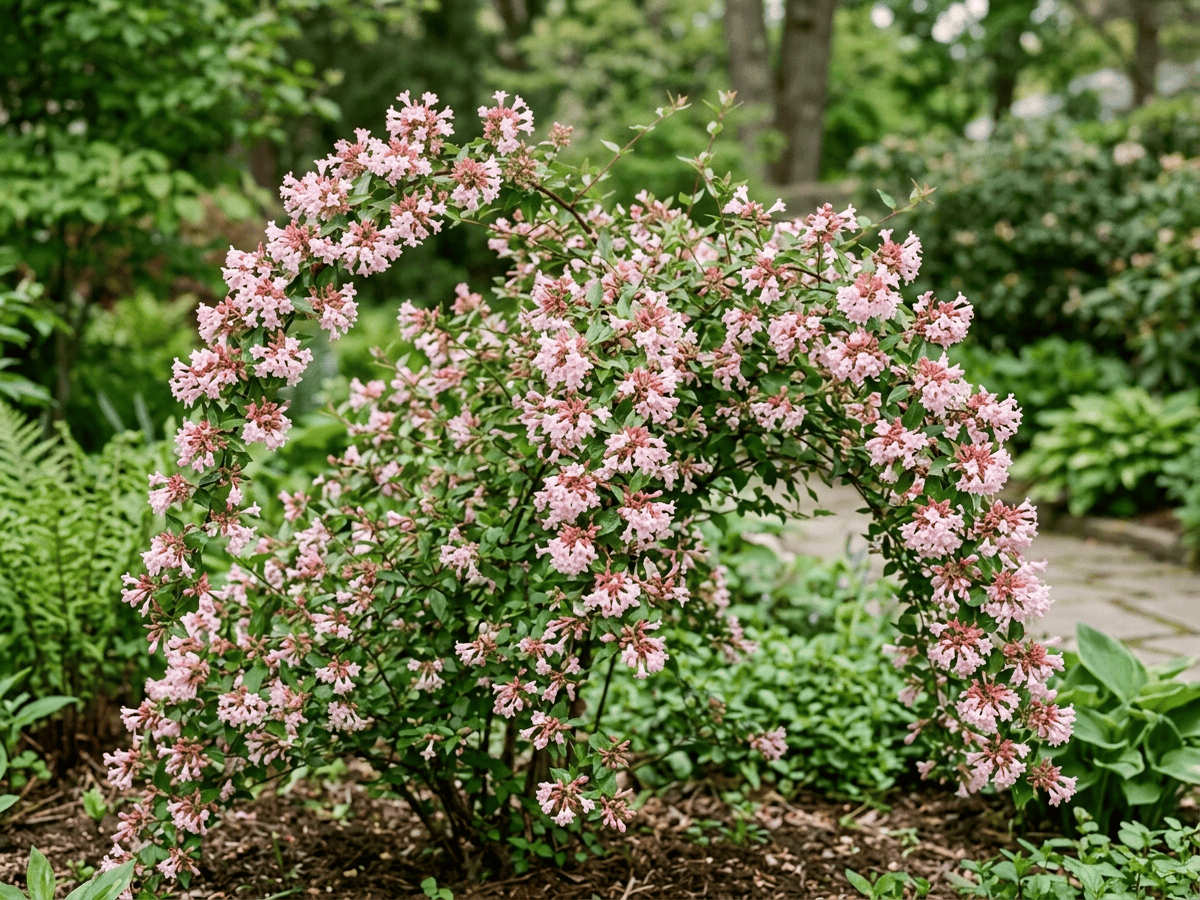 Fragrant AbeliaAbelia mosanensis
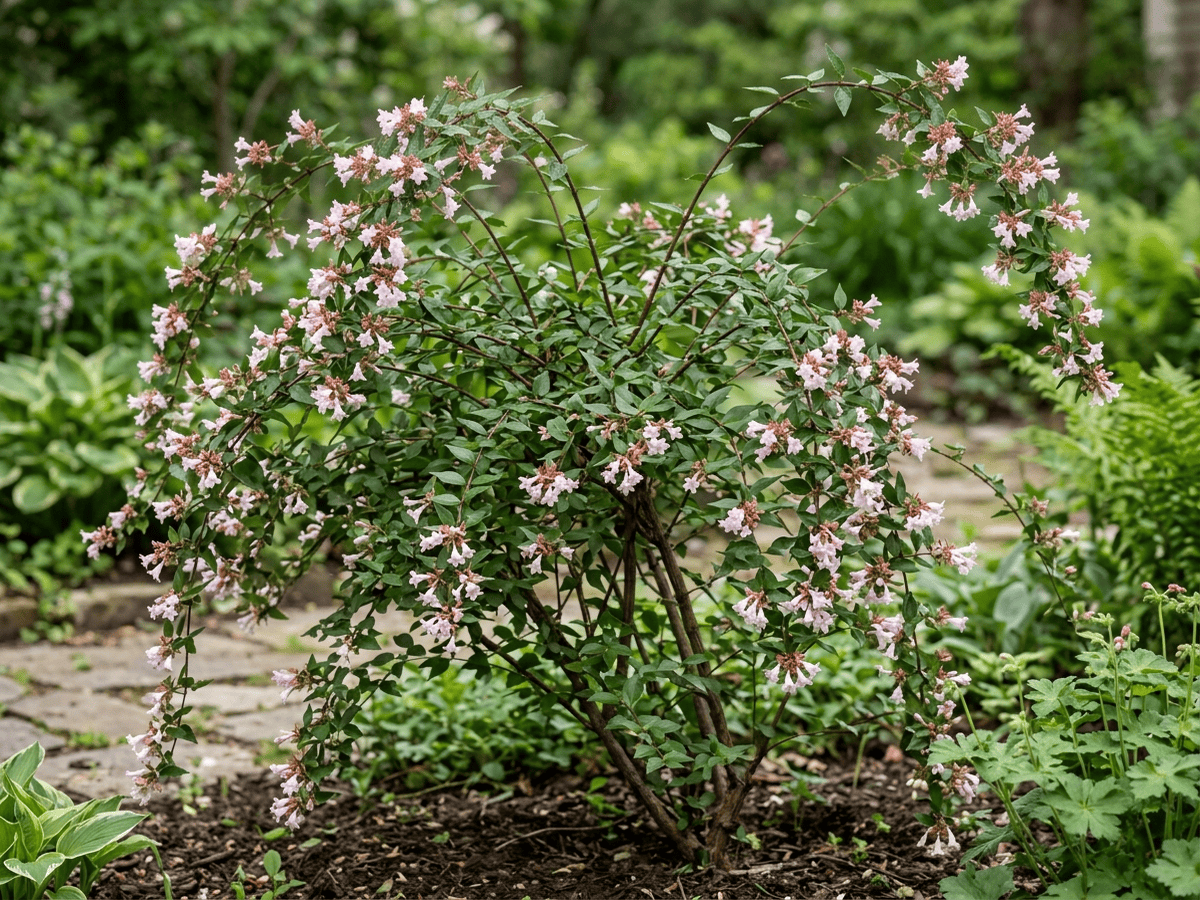 Large-Flowered AbeliaAbelia uniflora
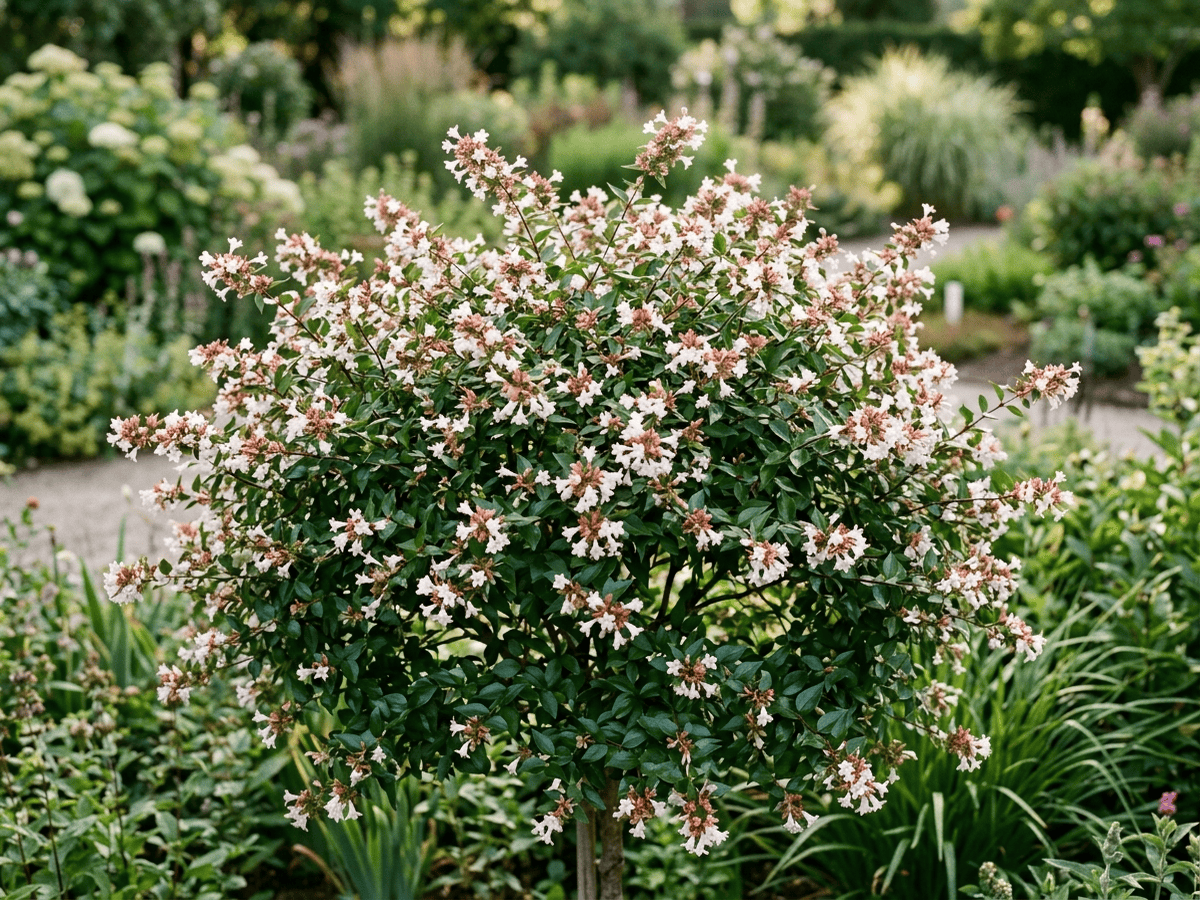 Glossy AbeliaAbelia x grandiflora
Frequently asked questions
How often should I water Yellow Sundrops?
Water about every 10 days during the growing season, and always let excess water drain away.
How much light does Yellow Sundrops need?
Full sun: 6+ hrs direct. Watch the leaves — scorching or stretching means the light needs adjusting.
Is Yellow Sundrops toxic to cats or dogs?
Pets Unknown (Dogs Unknown · Cats Unknown) Educational information, not medical or veterinary advice. If exposure is suspected, contact a doctor or veterinarian.
Is Yellow Sundrops easy to grow?
Yes — it is considered an easy, beginner-friendly plant.
When does Yellow Sundrops bloom?
It typically blooms Apr–Oct in the Northern Hemisphere.
YardMate
Identify any plant in seconds
Snap a photo — YardMate names the plant, diagnoses problems, and reminds you when to water.
Download on the App Store