 YardMate

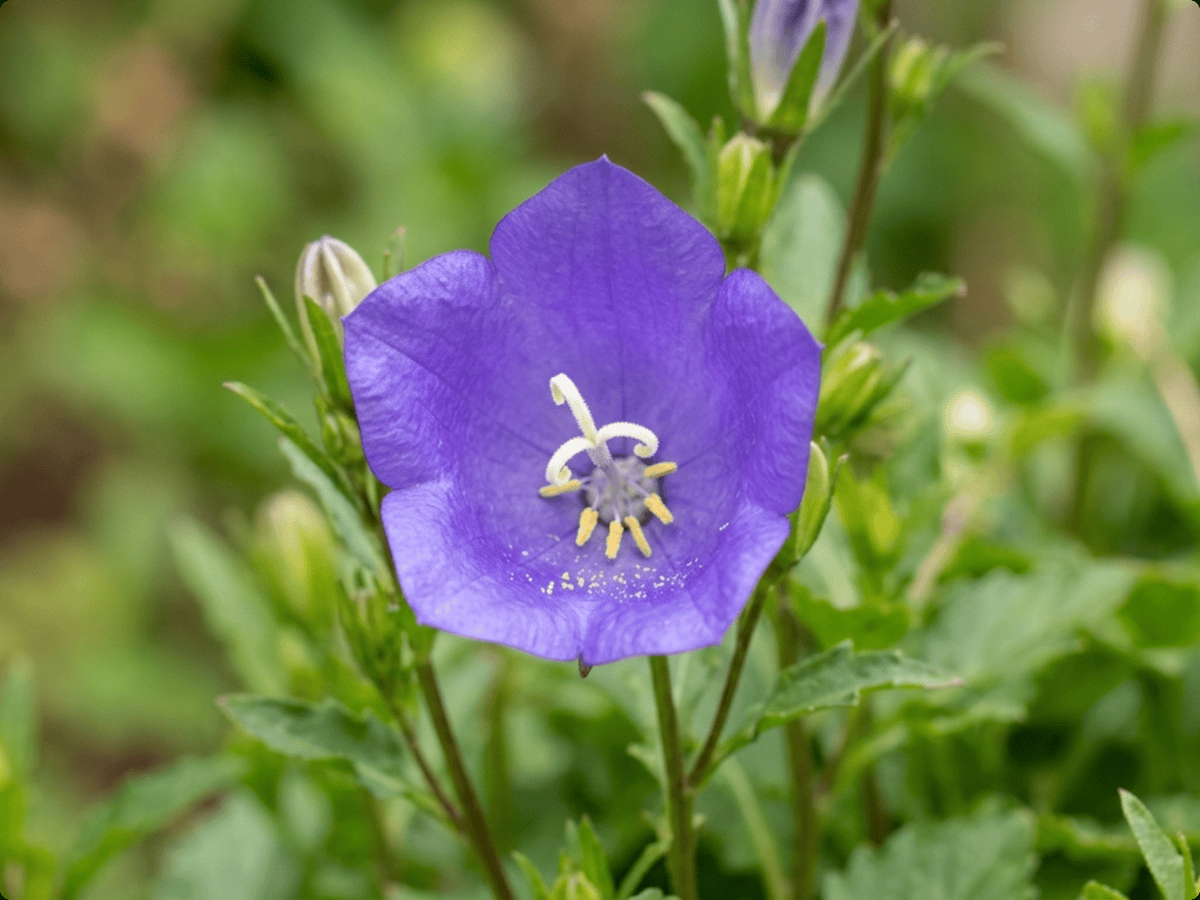


Tussock Bellflower
Campanula carpatica
Easy · Beginner friendlyAbout Tussock Bellflower
Campanula carpatica, the Carpathian bellflower, is a compact, mounding perennial producing masses of upward-facing cup-shaped blue or white flowers from early to midsummer. Growing only 20–30 cm tall, it is perfect for rock gardens, edging, and container plantings. Native to the Carpathian Mountains of Central Europe, it is extremely cold-hardy and thrives in well-drained soil. The flowers are larger relative to plant size than most campanulas, creating a dome of color. It is long-lived and low-maintenance, blooming for 6–8 weeks with minimal care.
- Compact
- Long-blooming
How to care for Tussock Bellflower
Watering
- Springevery 7 days
- Summerevery 5 days
- Fallevery 10 days
- Winterevery 21 days
Soil · Well-draining
- Top dressingPine bark mulch10%
- Main mixPotting soil + perlite 2:170%
- DrainageLECA / gravel20%
Never skip the drainage layer — standing water is the top cause of root rot.
FERTILIZER
Balanced Feed 14-14-14
An even feed covers all three needs at once, keeping leaves, roots and blooms moving together with nothing pushed out of balance.
- Nitrogen · Leaves
- Phosphorus · Roots + Blooms
- Potassium · Strength
- Springevery 30 days
- Summerevery 30 days
At a Glance
- NativeEurope
- Height0.5–1 ft (0.2–0.3 m)
- Spread1–1.5 ft (0.3–0.5 m)
- Flower colorBlue, Purple, White
- Foliage colorGreen
- SoilWell-drained, Loamy
- LocationsYard · Balcony
Bloom time
BLOOM CYCLE
Peak bloom
May–Aug
Masses of upward-facing cups early summer; deadhead for extended bloom
Fragrance
NO FRAGRANCE
No notable fragrance.
Toxicity
Humans Safe · Pets Safe
None reported
Safe
EXPOSURE No exposure route is reported.
EFFECT No significant toxicity and young shoots of many Campanula species are edible.
NOTE Listed as non-toxic for humans; avoid eating ornamental plants unless confirmed edible.
Safe
EXPOSURE No exposure route is reported.
EFFECT Not listed as toxic.
NOTE Listed as non-toxic for dogs; avoid eating ornamental plants unless confirmed edible.
Safe
EXPOSURE No exposure route is reported.
EFFECT Not listed as toxic.
NOTE Listed as non-toxic for cats; avoid eating ornamental plants unless confirmed edible.
Educational information, not medical or veterinary advice. If exposure is suspected, contact a doctor or veterinarian.
DISTRIBUTION


- Native
- Introduced
- Europe
History

Campanula carpatica grows wild in the limestone cliffs and alpine meadows of the Carpathian range spanning Romania, Slovakia, Ukraine, and Poland. It was introduced to English gardens around 1774 and praised by William Robinson in The English Flower Garden (1883) as one of the finest dwarf bellflowers. The cushion habit, long summer bloom, and easy culture made it a mainstay of Victorian and Edwardian rock gardens, where it was often paired with saxifrages and sempervivums.
Modern F1 hybrid strains such as "Clips" (developed by Benary in Germany, 1955) extended the bloom season and produced uniform dwarf habit suitable for container and edging use. It remains among the most widely grown bellflowers in temperate gardens worldwide. The Carpathian bellflower was first described from the mountains of present-day Romania and Slovakia.
It has been a staple of European rock gardens since the 19th century, when the Alpine garden craze swept Victorian England. The cultivar 'Blue Clips' and 'White Clips' (from seed strain 'Clips') became the industry standard, grown by the millions for retail garden centers. The Carpathian Mountains harbor extraordinary plant diversity — over 3,900 plant species, including many endemics — because they served as a refugium during Ice Ages, preserving species that were eliminated elsewhere in Europe.
Symbolism & meaning
What It Symbolizes
The Tussock Bellflower returns each summer to the same sunny corner, ringing out its blue or white cups year after faithful year. That habit gave it the Victorian meaning of constancy — devotion measured not in grand gestures but in reliable presence. To plant it along a path is to plant a quiet promise: that some affections, like some flowers, simply keep coming back.
- Constancy — Blooming reliably year after year in the same spot represents faithful devotion
Where the Name Comes From
The name Tussock Bellflower describes its bell-shaped flowers. Campanula from Latin 'campana' (bell). Carpatica for the Carpathian Mountains, its native range.
Uses & Fun Facts
- Compact bell-shaped flowers fill rock garden pots
- Tidy mounds of blue or white bells edge sunny borders
- Open bells attract bumblebees and small native pollinators
Related plants
More Campanula plants

Plants with similar care
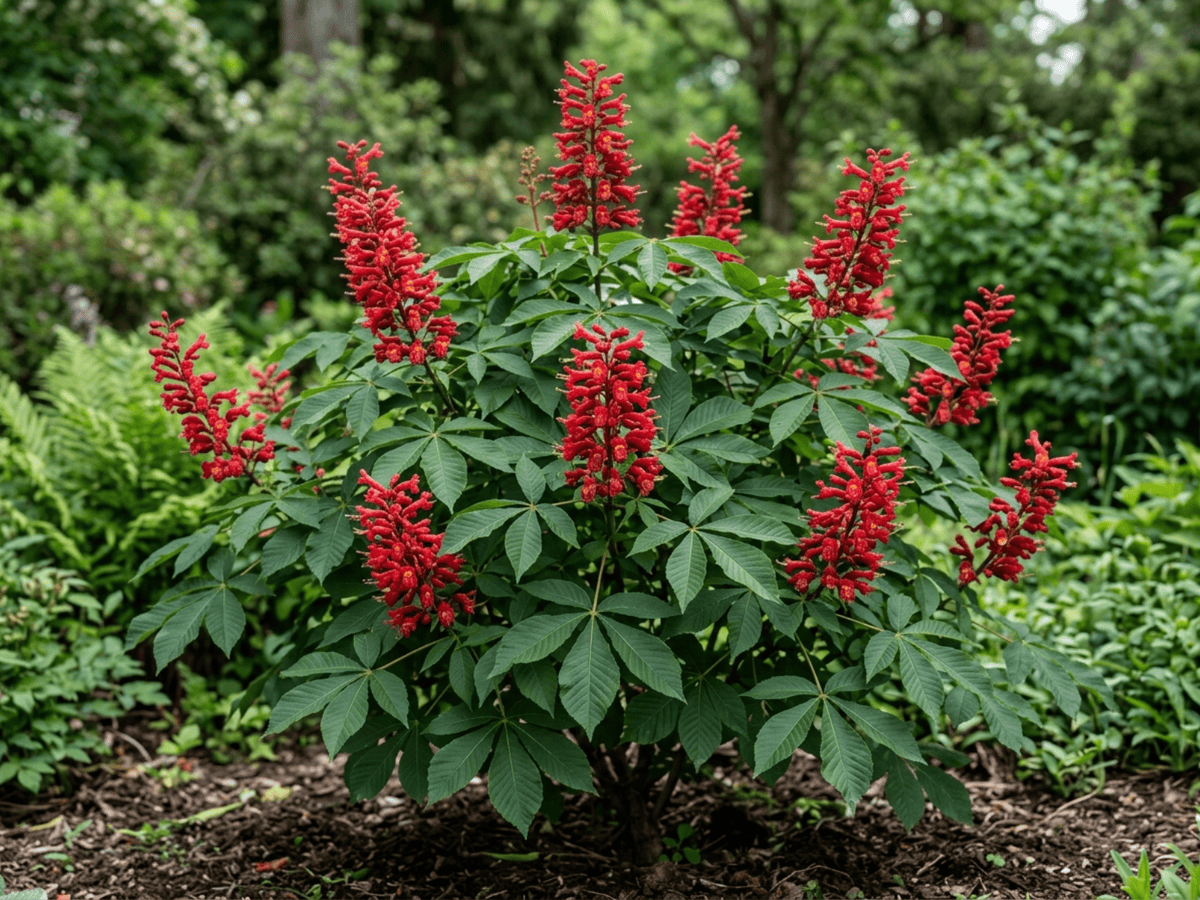 Red BuckeyeAesculus pavia
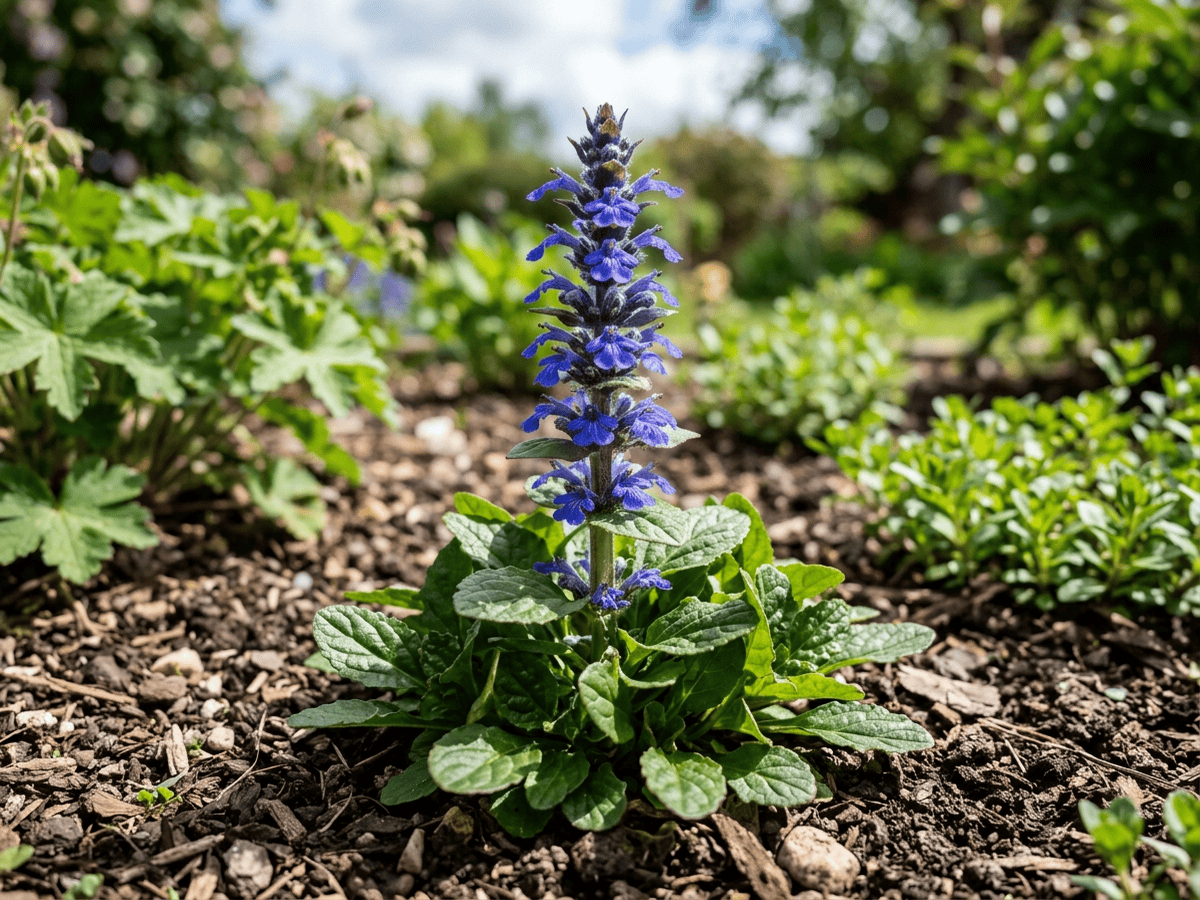 Blue BugleAjuga genevensis
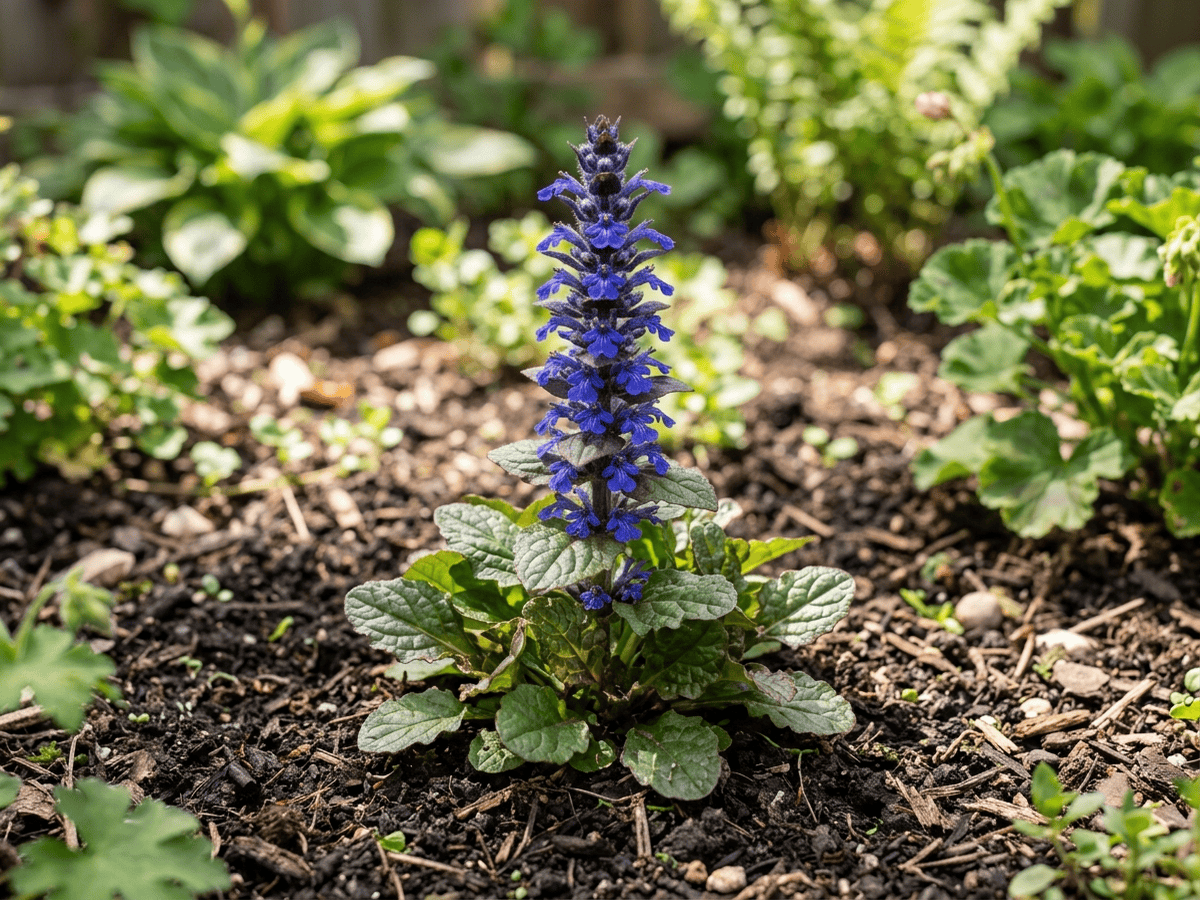 Pyramidal BugleAjuga pyramidalis
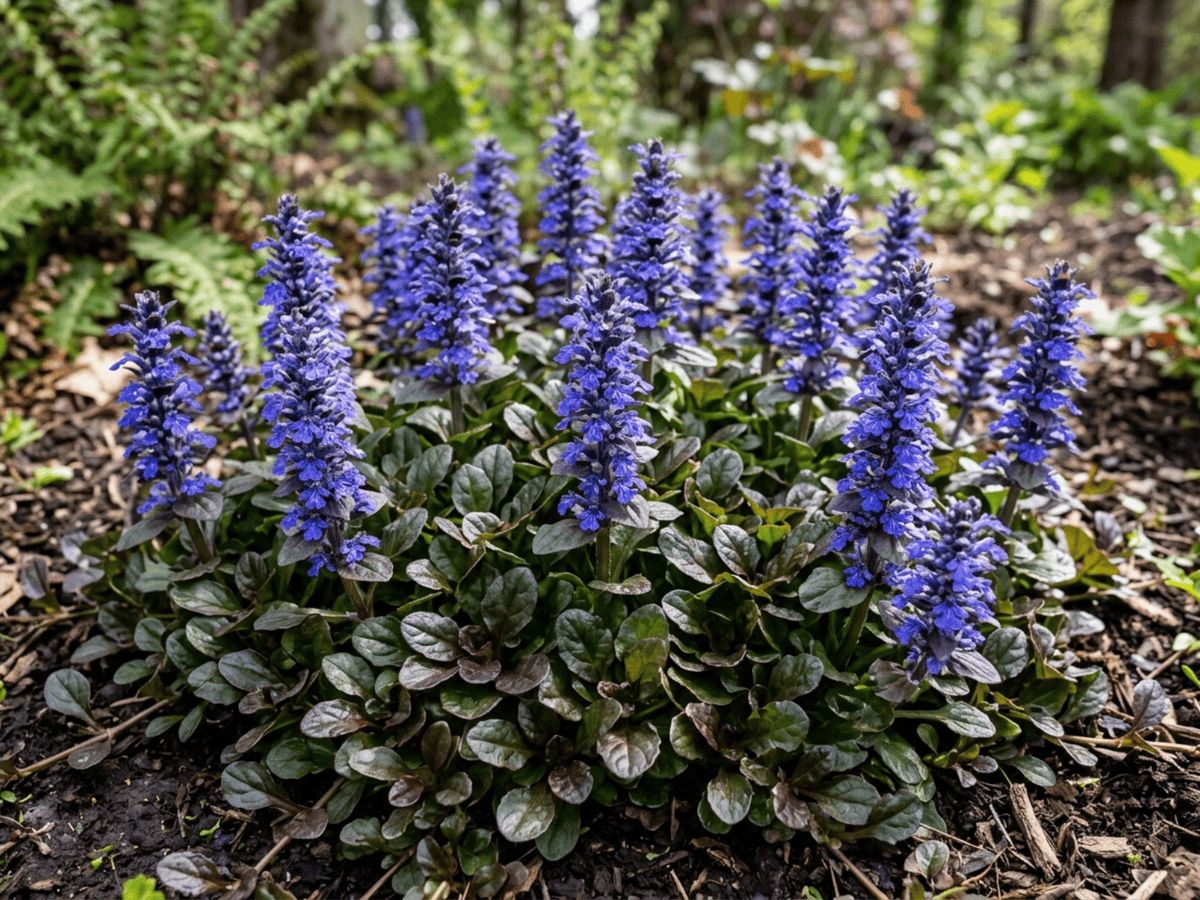 Carpet BugleAjuga reptans
Frequently asked questions
How often should I water Tussock Bellflower?
In summer, water about every 5 days; in winter, about every 21 days. Adjust for heat, pot size and drainage.
How much light does Tussock Bellflower need?
Part shade: 2–4 hrs direct. Watch the leaves — scorching or stretching means the light needs adjusting.
Is Tussock Bellflower toxic to cats or dogs?
Pets Safe (Dogs Safe · Cats Safe) Educational information, not medical or veterinary advice. If exposure is suspected, contact a doctor or veterinarian.
Is Tussock Bellflower easy to grow?
Yes — it is considered an easy, beginner-friendly plant.
When does Tussock Bellflower bloom?
It typically blooms May–Aug in the Northern Hemisphere.
YardMate
Identify any plant in seconds
Snap a photo — YardMate names the plant, diagnoses problems, and reminds you when to water.
Download on the App Store