 YardMate


Canterbury-Bells
Campanula medium
Medium · Some experienceAbout Canterbury-Bells
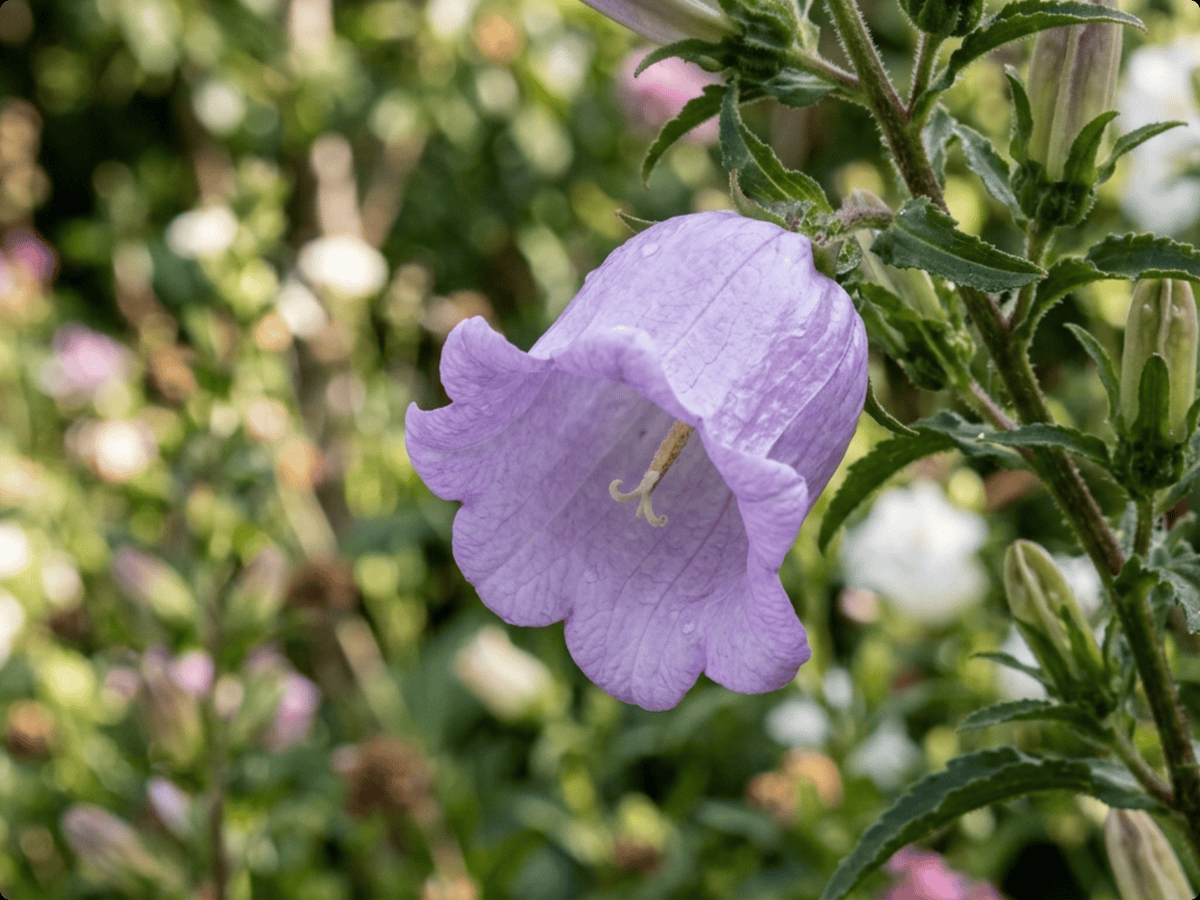
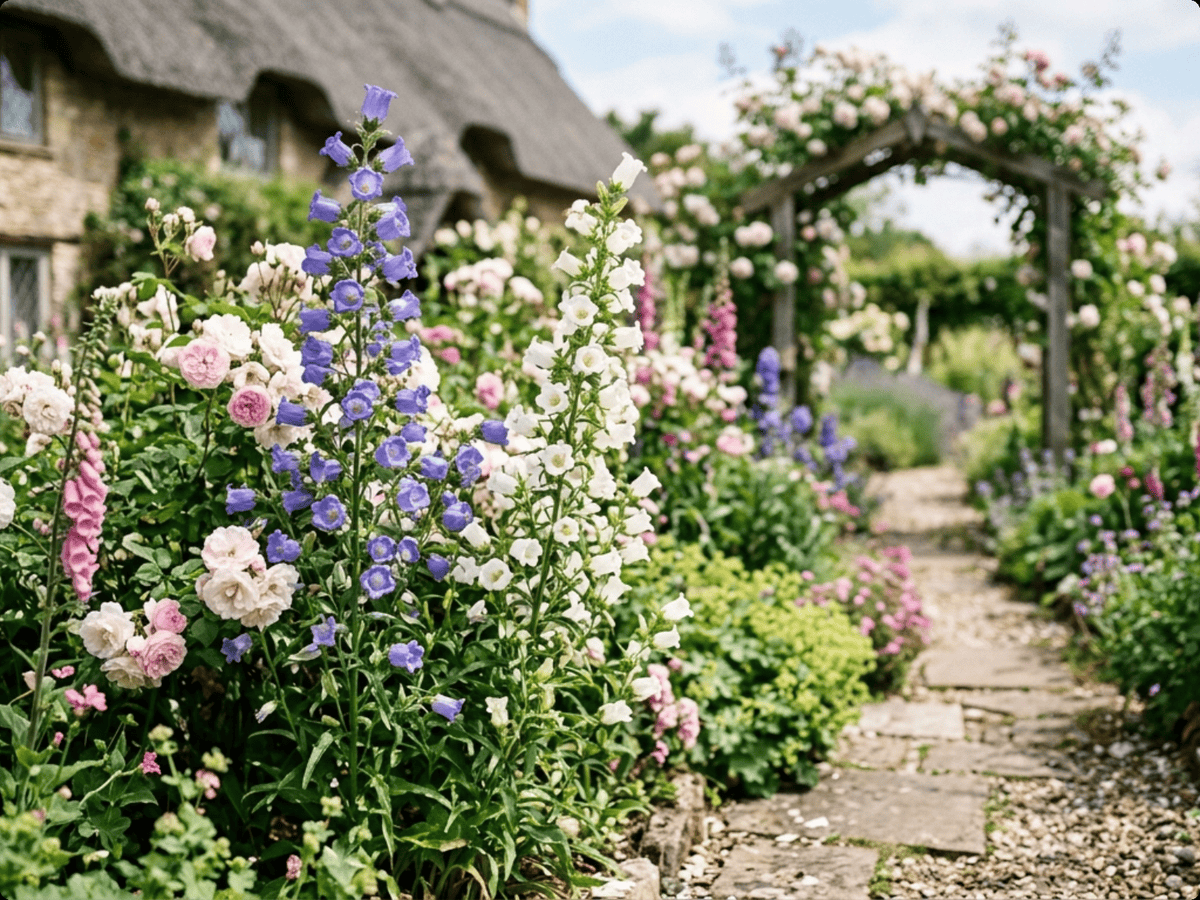
Campanula medium, the Canterbury bells, is a classic cottage garden biennial producing large, bell-shaped flowers in blue, pink, purple, and white. The flowers are perfectly bell-formed — wide at the base and narrowing at the top — giving the plant its association with church bells. Native to southern Europe, it grows 60–90 cm tall and blooms in late spring. The 'Cup and Saucer' variety has a flat calyx beneath each bell, creating a saucer effect. It self-seeds moderately, maintaining its presence in the garden. Canterbury bells have been grown in English gardens since the 16th century.
- Pollinator-friendly
- Cut-flower
- Cold-hardy
- Long-blooming
How to care for Canterbury-Bells
Watering
- Springevery 7 days
- Summerevery 5 days
- Fallevery 10 days
- Winterevery 21 days
Soil · Well-draining
- Top dressingPine bark mulch10%
- Main mixPotting soil + perlite 2:170%
- DrainageLECA / gravel20%
Never skip the drainage layer — standing water is the top cause of root rot.
FERTILIZER
Balanced Feed 14-14-14
An even feed covers all three needs at once, keeping leaves, roots and blooms moving together with nothing pushed out of balance.
- Nitrogen · Leaves
- Phosphorus · Roots + Blooms
- Potassium · Strength
- Springevery 30 days
- Summerevery 30 days
At a Glance
- NativeMediterranean
- Height2–3 ft (0.6–0.9 m)
- Spread1–1.5 ft (0.3–0.5 m)
- Flower colorBlue, Purple, Pink, White
- Foliage colorGreen
- SoilLoamy, Well-drained, Alkaline
- LocationsYard
Bloom time
BLOOM CYCLE
Peak bloom
May–Aug
Large bell flowers late spring; biennial — sow seeds in summer for next year's bloom
Fragrance
NO FRAGRANCE
No notable fragrance.
Toxicity
Humans Safe · Pets Safe
None reported
Safe
EXPOSURE No exposure route is reported.
EFFECT No significant toxicity and young shoots historically eaten in salads.
NOTE Listed as non-toxic for humans; avoid eating ornamental plants unless confirmed edible.
Safe
EXPOSURE No exposure route is reported.
EFFECT Not listed as toxic.
NOTE Listed as non-toxic for dogs; avoid eating ornamental plants unless confirmed edible.
Safe
EXPOSURE No exposure route is reported.
EFFECT Not listed as toxic.
NOTE Listed as non-toxic for cats; avoid eating ornamental plants unless confirmed edible.
Educational information, not medical or veterinary advice. If exposure is suspected, contact a doctor or veterinarian.
DISTRIBUTION


- Native
- Introduced
- Mediterranean
History
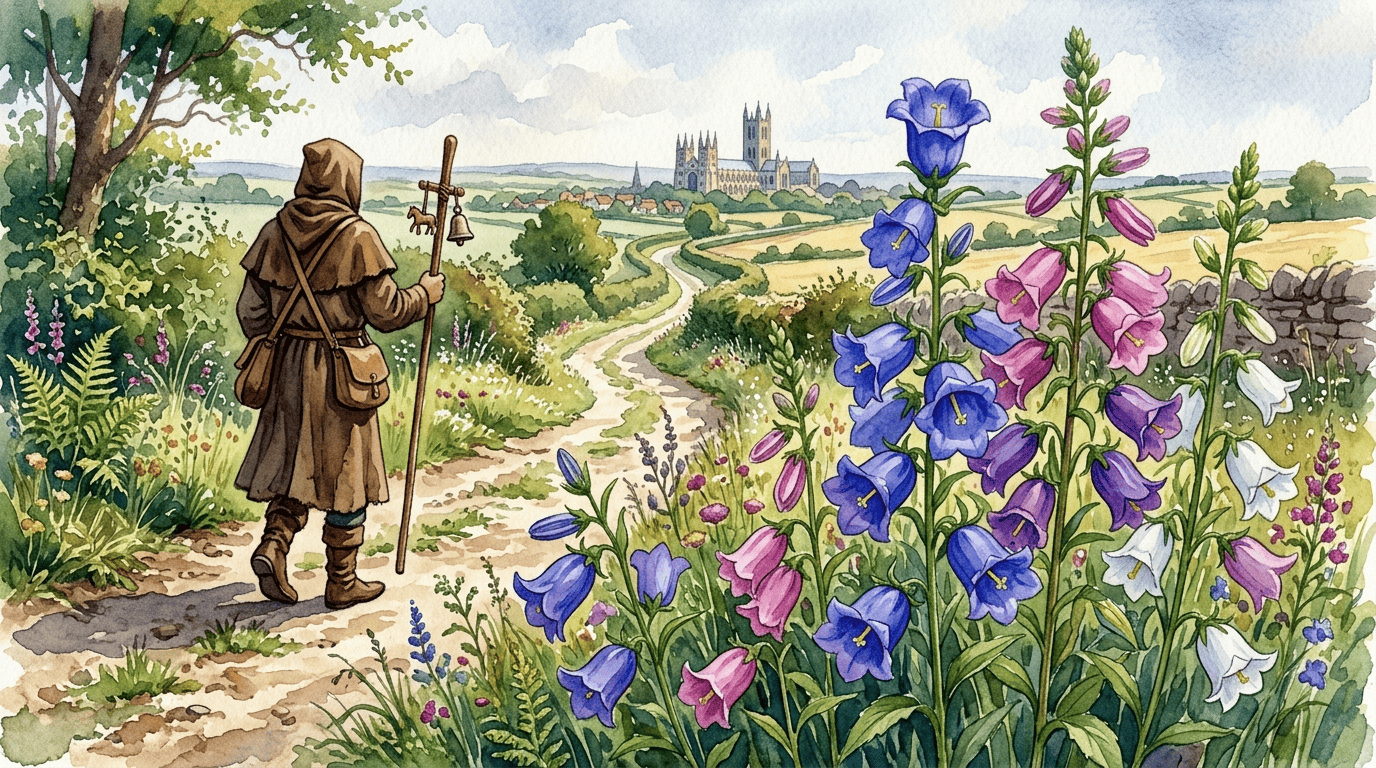
Campanula medium is native to southern France, northern Italy, and adjacent Mediterranean regions. It entered English gardens by the 16th century and is named for the bells worn by pilgrims traveling to the shrine of Thomas Becket at Canterbury Cathedral — the association traced to the plant's silvered bell-shaped flowers resembling the small horse and pilgrim bells common on the road. John Gerard described it in his 1597 Herball.
The distinctive "cup and saucer" or calycanthema form, with a secondary flared calyx mimicking a saucer beneath the bell, was selected in the 19th century and became a Victorian cottage-garden signature. As a biennial it flowers in its second year and then dies, requiring sequential sowing for continuous display. Canterbury bells remain a classic ingredient of English mixed borders and informal cottage plantings.
Canterbury bells are named after the small bells carried by pilgrims on their way to the shrine of Thomas Becket at Canterbury Cathedral in medieval England — the same pilgrimage immortalized in Chaucer's Canterbury Tales (1392). The flowers lined the pilgrimage routes through the English countryside. The genus Campanula (Latin for 'little bell') contains over 500 species, from tiny alpine rock plants to tall border perennials. Campanula medium was one of the first ornamental plants listed in early English gardening books, appearing in John Gerard's Herball (1597).
Symbolism & meaning
What It Symbolizes
Canterbury Bells take their name from the silver pilgrim-bells once tied to the saddles of those riding to Thomas Becket's shrine. Carried home by grateful pilgrims, the flower came to mean gratitude — a thank-you for safe return and prayers answered. Its stately stems of cupped bells still sound that medieval note of devotion, a gift to give when ordinary thanks feels too small.
- Gratitude — Carried by grateful pilgrims, it represents thankfulness and spiritual devotion
Where the Name Comes From
The name Canterbury-Bells describes its bell-shaped flowers. Campanula from Latin 'campana' (bell), for the flower shape. Medium means 'intermediate' in size.
Uses & Fun Facts
- Tall bell-flower spikes are classic cottage cutting-garden staple
- Biennial bells in blue, pink, and white fill cottage borders
Related plants
More Campanula plants

Plants with similar care
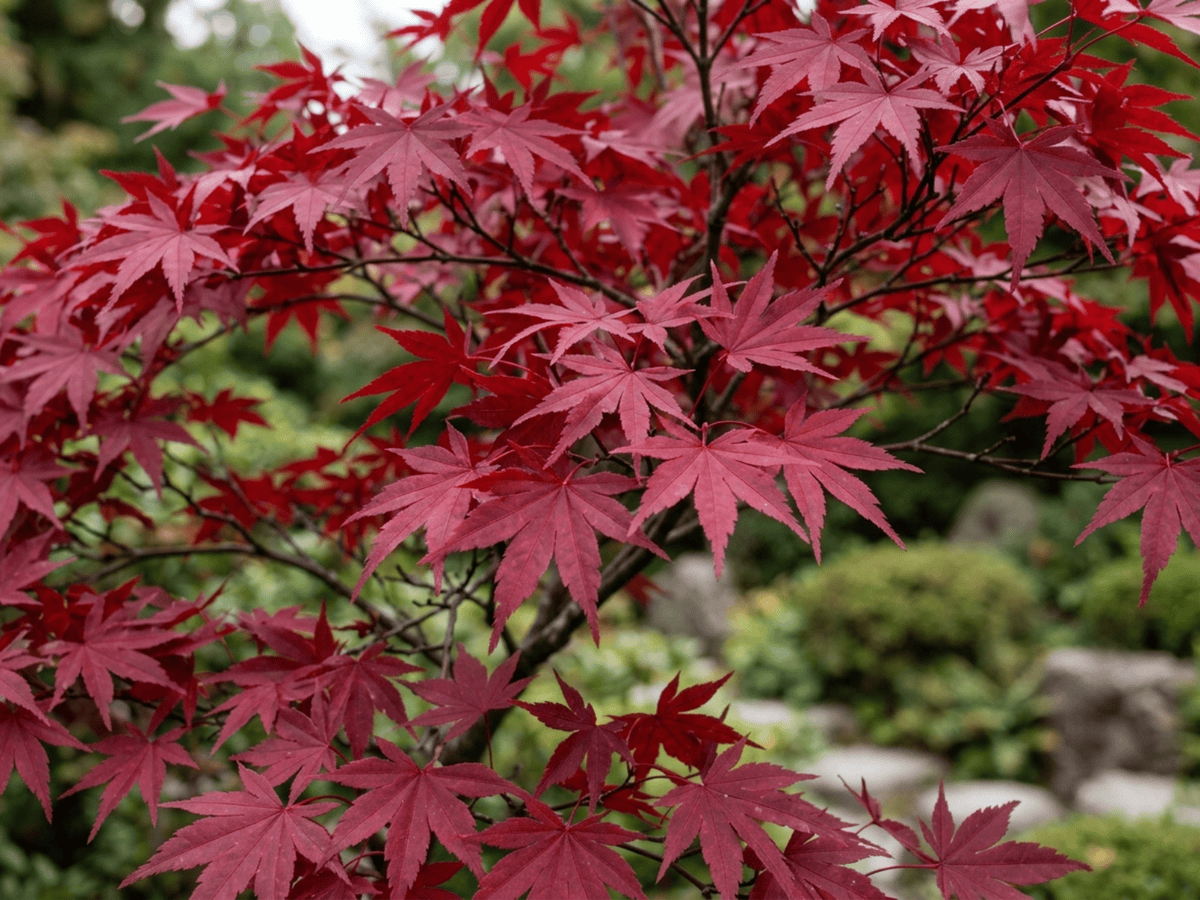 Japanese MapleAcer palmatum
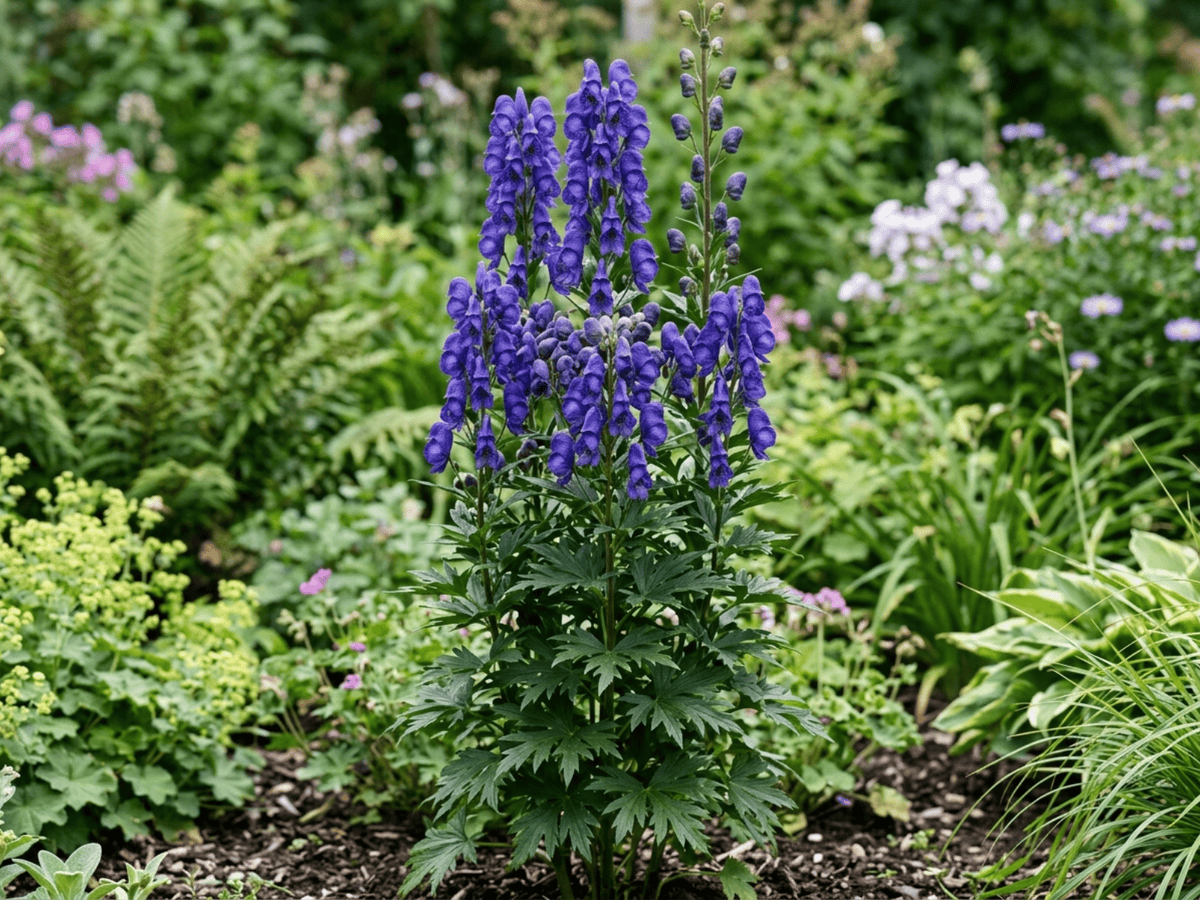 Azure MonkshoodAconitum carmichaelii
 Florida HobblebushAgarista populifolia
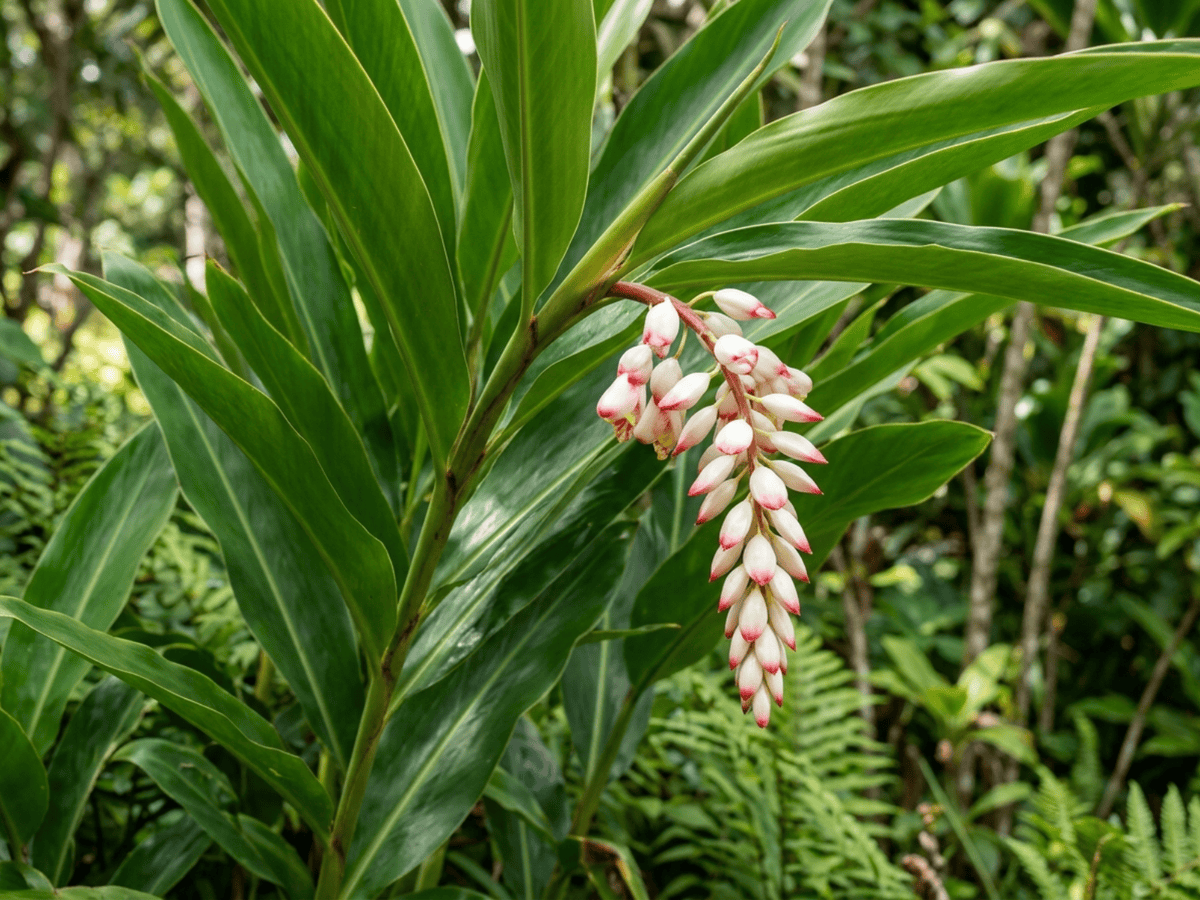 Shell GingerAlpinia zerumbet
Frequently asked questions
How often should I water Canterbury-Bells?
In summer, water about every 5 days; in winter, about every 21 days. Adjust for heat, pot size and drainage.
How much light does Canterbury-Bells need?
Part shade: 2–4 hrs direct. Watch the leaves — scorching or stretching means the light needs adjusting.
Is Canterbury-Bells toxic to cats or dogs?
Pets Safe (Dogs Safe · Cats Safe) Educational information, not medical or veterinary advice. If exposure is suspected, contact a doctor or veterinarian.
Is Canterbury-Bells easy to grow?
It is moderately demanding: a good choice once you have a little experience.
When does Canterbury-Bells bloom?
It typically blooms May–Aug in the Northern Hemisphere.
YardMate
Identify any plant in seconds
Snap a photo — YardMate names the plant, diagnoses problems, and reminds you when to water.
Download on the App Store