 YardMate

Heart-leaf Vine
Cardiopteris quinqueloba
Hard · Experienced growersAbout Heart-leaf Vine
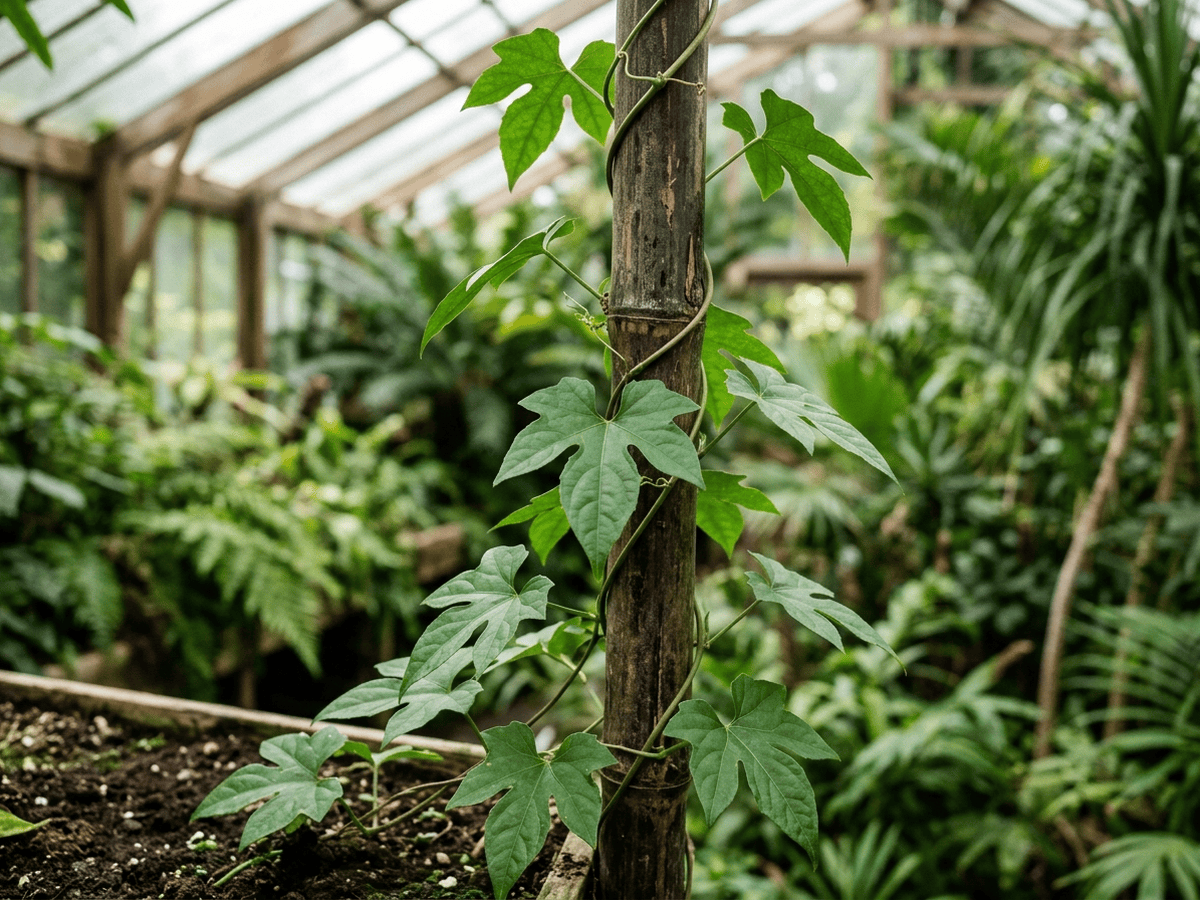
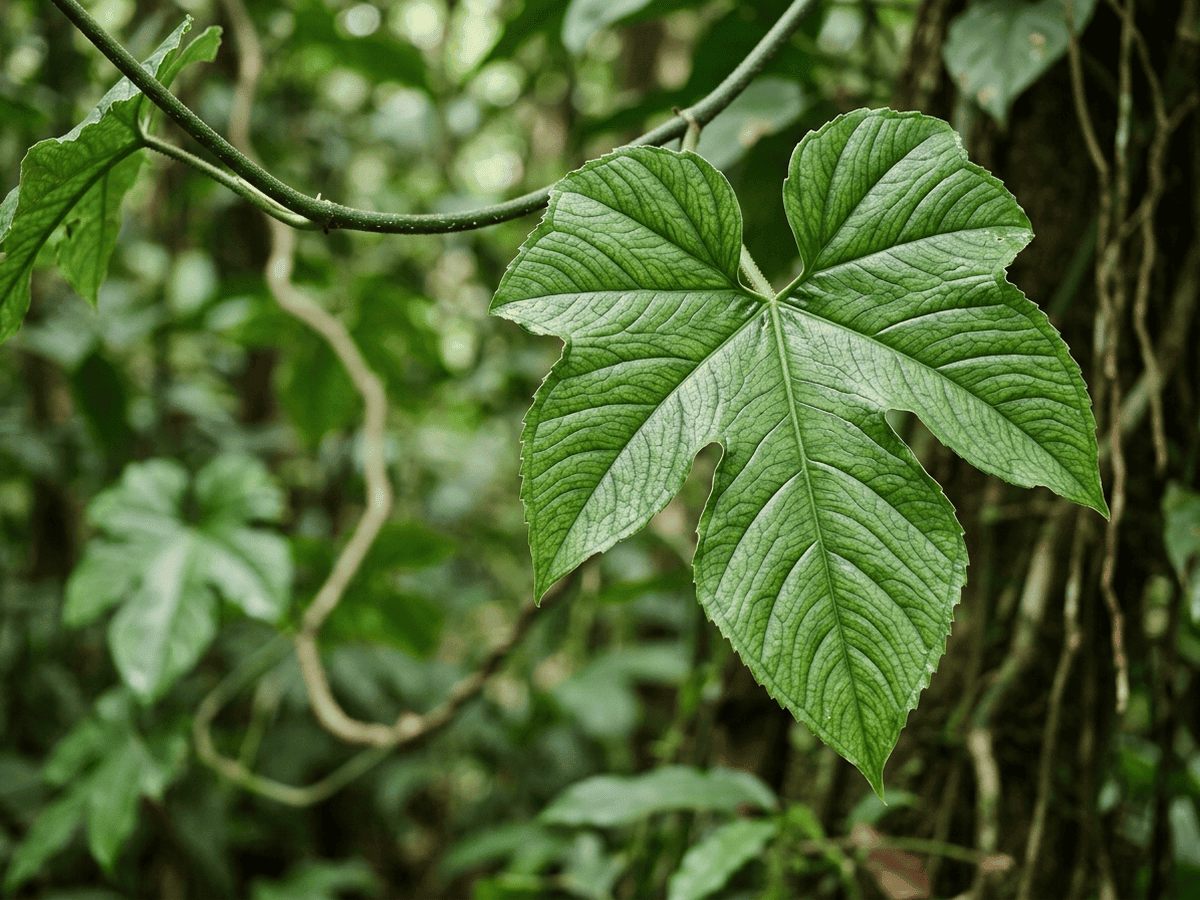
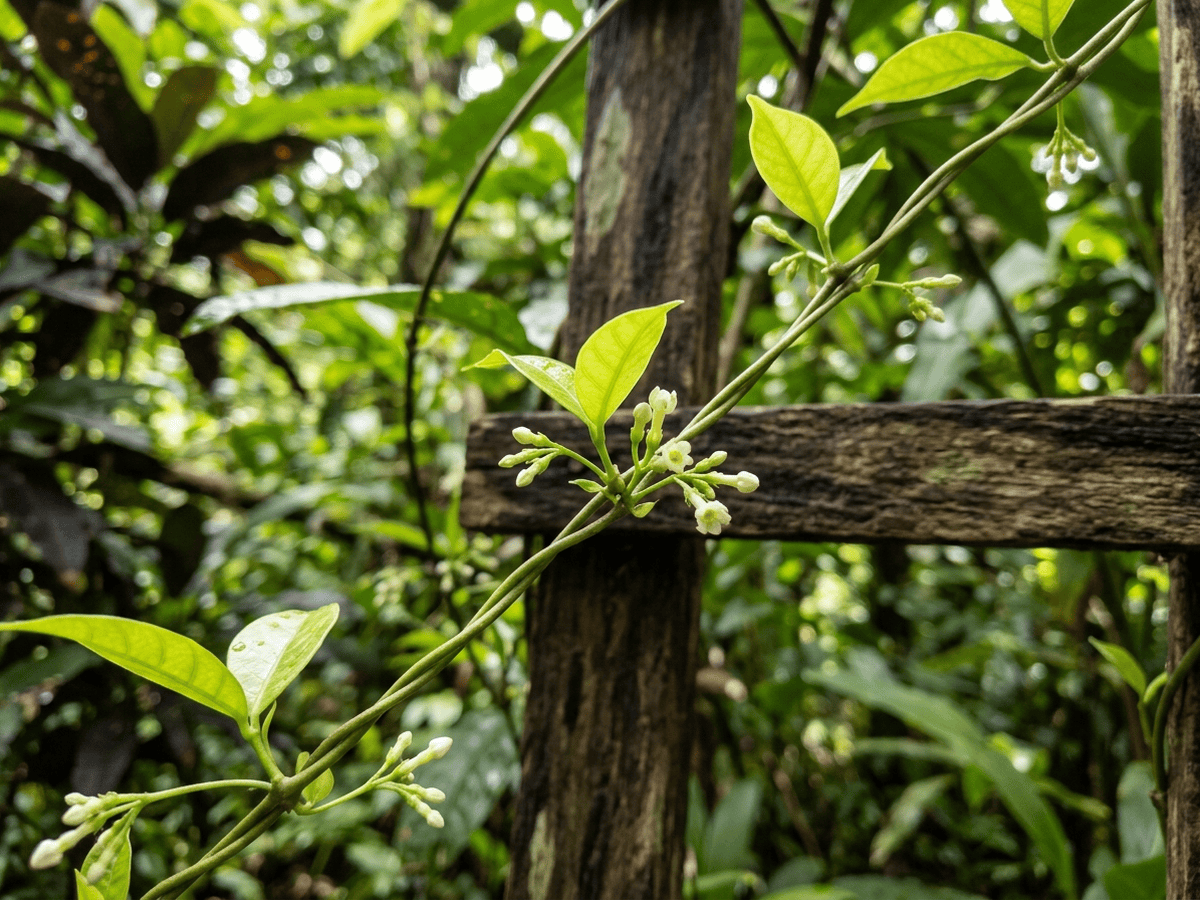
Cardiopteris quinqueloba is a tropical climbing liana native to the humid forests of mainland Southeast Asia—Thailand, Vietnam, Laos, Cambodia, and neighboring regions. It belongs to the family Cardiopteridaceae, a small family of tropical climbers and trees remarkable for their distinctive heart-shaped or broadly lobed foliage and ornamental winged fruits. The species name quinqueloba (five-lobed) refers to the distinctively lobed leaf form. Growing in forest understory and margins, it climbs by twining or leaning, reaching 5–10 feet in cultivation, and produces small inconspicuous flowers followed by the heart-winged fruits that give the genus its name. Rarely grown outside botanical gardens, it is a plant for collectors drawn to unusual tropical climbers with distinctive foliage. It prefers warm, humid conditions with filtered light and consistently moist, well-drained soil.
- Climbing
- Shade-tolerant
- Fast-growing
- Evergreen
How to care for Heart-leaf Vine
Watering
- Springevery 7 days
- Summerevery 7 days
- Fallevery 15 days
- Winterevery 30 days
Soil · Well-draining
- Top dressingPine bark mulch10%
- Main mixPotting soil + perlite 2:170%
- DrainageLECA / gravel20%
Never skip the drainage layer — standing water is the top cause of root rot.
FERTILIZER
Foliage Feed 24-8-16
Nitrogen leads so the plant spends its energy on dense green growth. Phosphorus and potassium follow just far enough to keep roots and stems up to speed.
- Nitrogen · Leaves
- Phosphorus · Roots + Blooms
- Potassium · Strength
- Springevery 30 days
- Summerevery 30 days
At a Glance
- NativeSoutheast Asia
- Height5–10 ft (1.5–3 m)
- Spread3–5 ft (0.9–1.5 m)
- Foliage colorGreen
- SoilMoist, Well-drained
- LocationsYard · Balcony
Fragrance
NO FRAGRANCE
Flowers small and inconspicuous with no significant fragrance.
Toxicity
No toxicity has been reported for this plant. Still, it is wise to keep pets from chewing on any houseplant.
Educational information, not medical or veterinary advice. If exposure is suspected, contact a doctor or veterinarian.
DISTRIBUTION


- Native
- Southeast Asia
History

The genus Cardiopteris was first described by the Scottish botanist Robert Brown in 1820, working from specimens collected in the Pacific and tropical Asia. The genus name—from the Greek kardia (heart) and pteris (wing or fern)—referred to the distinctively heart-shaped winged fruits the plant produces, a striking feature that distinguishes it from other tropical lianas. The species quinqueloba was later described from mainland Southeast Asian collections, adding the five-lobed leaf character to the genus's distinctive traits.
Cardiopteridaceae, the small family that contains Cardiopteris, was long placed within or near the Icacinaceae—a catch-all family for tropical plants of uncertain relationship—and its proper place in the plant family tree was unsettled for much of the 20th century. Molecular phylogenetic studies in the early 2000s confirmed the family's position within the asterid clade and its distinctness from Icacinaceae, finally giving it a clear place in the modern classification of flowering plants.
The forest systems of mainland Southeast Asia where C. quinqueloba grows have undergone dramatic habitat loss over the past century—deforestation for agriculture and development has reduced the lowland and hill forests of Thailand, Vietnam, Cambodia, and Laos to fragments. Plants like Cardiopteris quinqueloba, obscure in cultivation and dependent on intact forest ecosystems, inhabit a zone of biodiversity that receives little public attention relative to charismatic fauna. Their documentation by 19th and 20th century botanists who collected across the region—largely forgotten today—constitutes a scientific record increasingly valuable as the forests themselves diminish.
Symbolism & meaning
What It Symbolizes
Most living things have no common name in any human language. They exist, they photosynthesize, they reproduce—entirely outside our vocabulary. Cardiopteris quinqueloba is a reminder that the world is mostly made of things we have no words for.
- botanical obscurity — A plant known to very few, growing in forests that fewer people see—Cardiopteris quinqueloba is the kind of living thing whose existence most of us will never directly encounter.
- quiet persistence — Unnamed by common language, classified and reclassified by science over two centuries, it continues doing what it always did: climbing through the forest, making its distinctive heart-winged fruit.
Where the Name Comes From
Cardiopteris is derived from the Greek kardia (heart) and pteris (wing or fern), referring to the heart-shaped winged fruits that distinguish the genus—named by Robert Brown in 1820. The species name quinqueloba is Latin for 'five-lobed,' describing the distinctive five-lobed leaf form of this species. Heart-leaf Vine is a descriptive English name reflecting the heart-shaped foliage.
Uses & Fun Facts
- Tropical climbing liana with distinctive five-lobed heart-shaped foliage; suited to warm greenhouse or indoor collections, requiring filtered light and high humidity
- In native Southeast Asian forest, provides habitat and food resources as part of the understory climbing plant community in humid lowland and hill forest
Related plants
Plants with similar care
 African LilyAgapanthus africanus
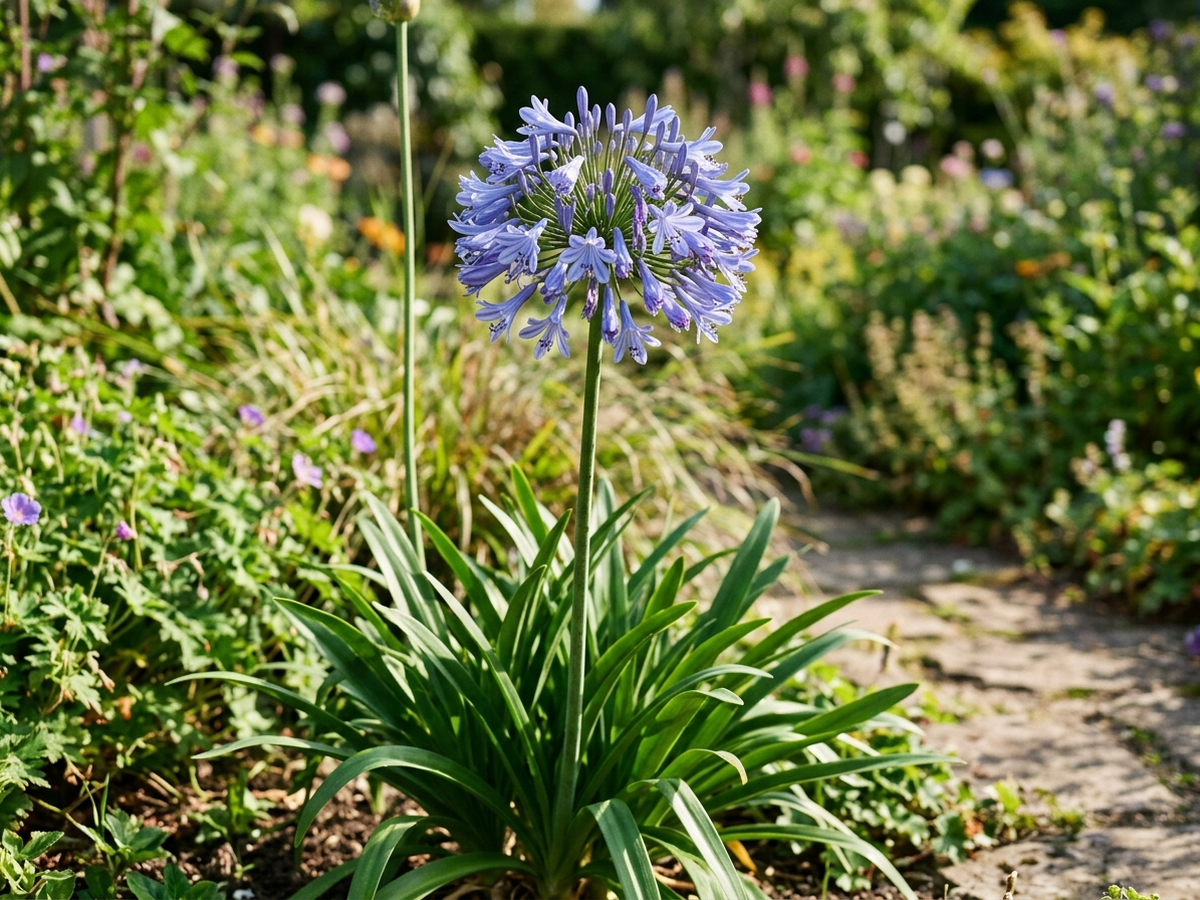 Bell AgapanthusAgapanthus campanulatus
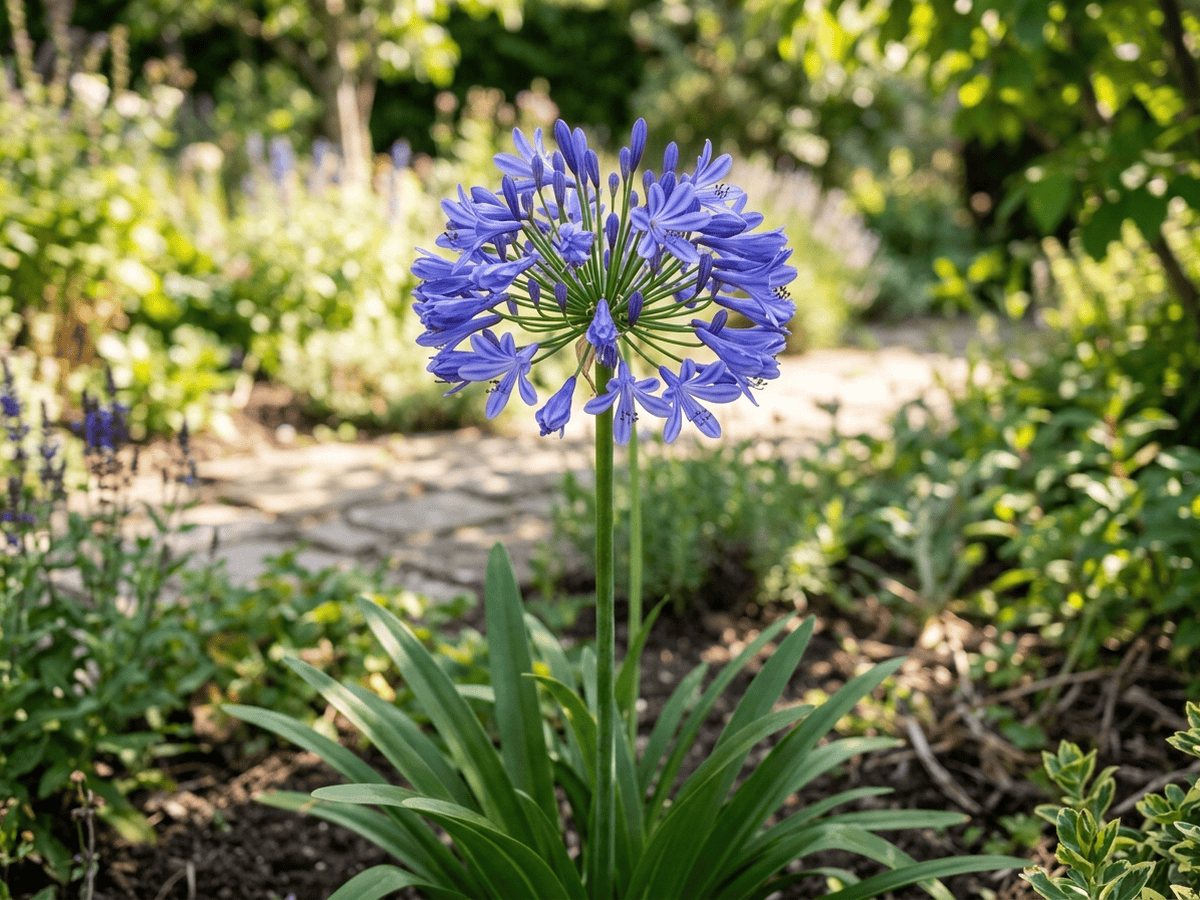 Common AgapanthusAgapanthus praecox
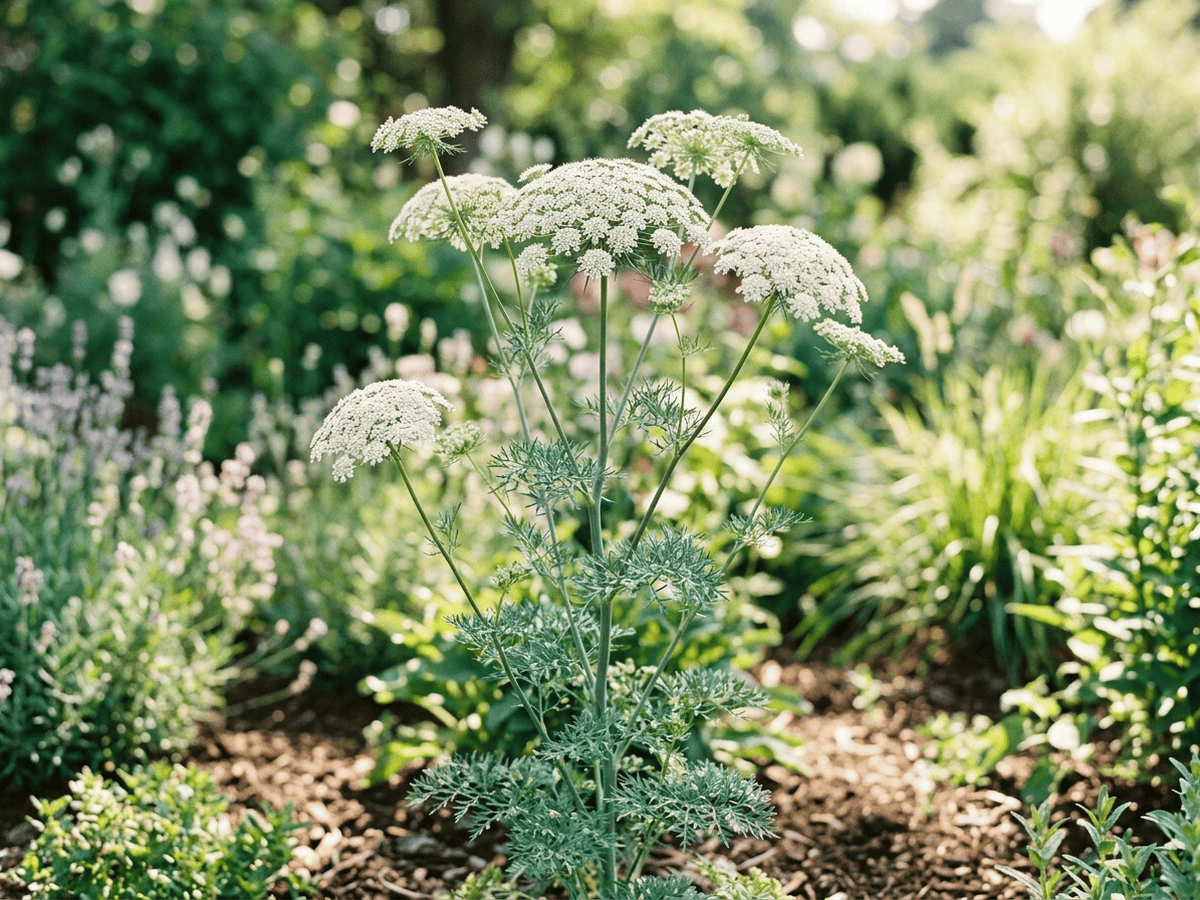 False Queen Anne's LaceAmmi majus glaucifolium
Frequently asked questions
How often should I water Heart-leaf Vine?
In summer, water about every 7 days; in winter, about every 30 days. Adjust for heat, pot size and drainage.
How much light does Heart-leaf Vine need?
Part sun: 4–6 hrs direct. Watch the leaves — scorching or stretching means the light needs adjusting.
Is Heart-leaf Vine toxic to cats or dogs?
No toxicity has been reported for this plant. Still, it is wise to keep pets from chewing on any houseplant. Educational information, not medical or veterinary advice. If exposure is suspected, contact a doctor or veterinarian.
Is Heart-leaf Vine easy to grow?
It is considered challenging and rewards experienced growers.
YardMate
Identify any plant in seconds
Snap a photo — YardMate names the plant, diagnoses problems, and reminds you when to water.
Download on the App Store