 YardMate


Common Hackberry
Celtis occidentalis
Easy · Beginner friendlyAbout Common Hackberry
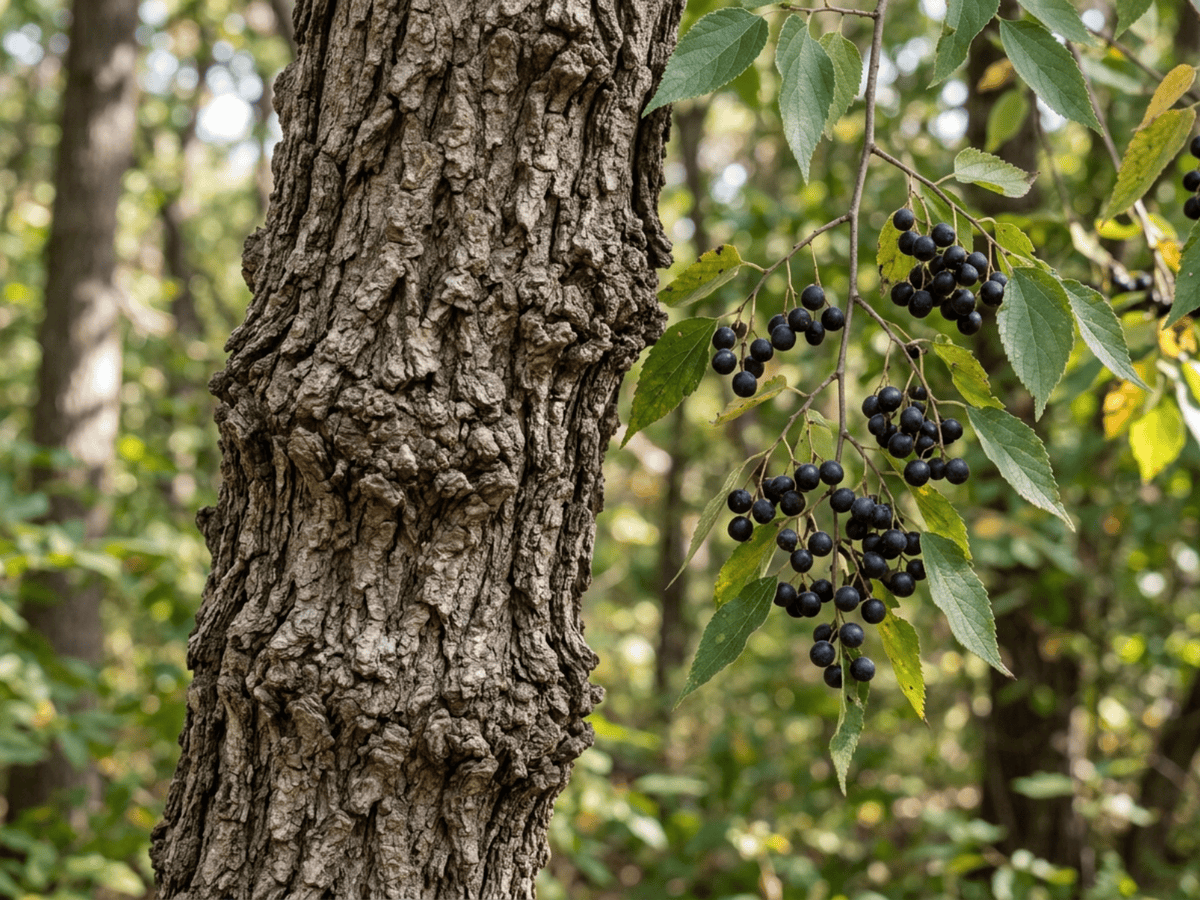
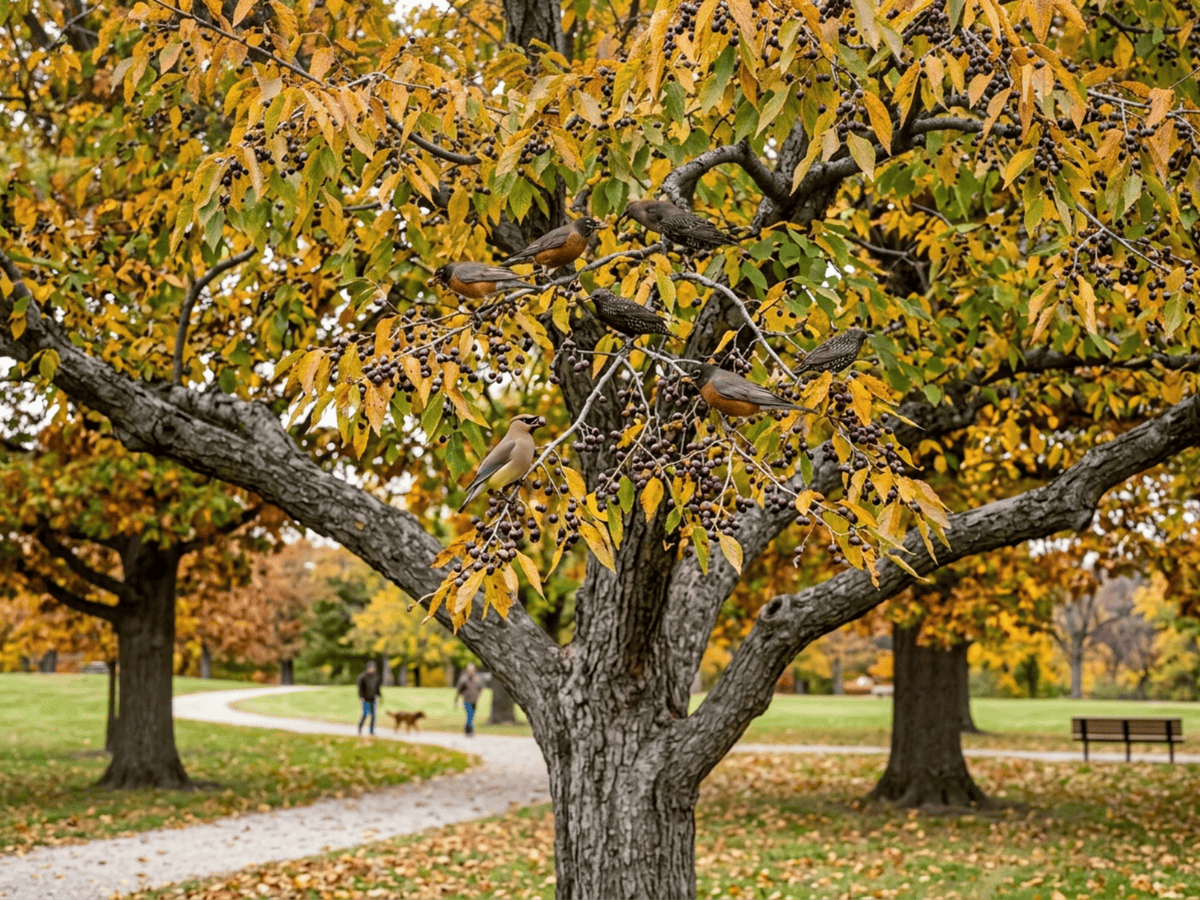
Common Hackberry is a tough medium-large deciduous tree native to the central and eastern United States, reaching 40-60 feet. Best known for distinctive warty, corky bark and untroubled tolerance of drought, heat, wind, and poor soils. Small fleshy purple drupes persist into winter, feeding birds. Yellow fall color. A resilient shade tree for difficult sites across the Midwest, Great Plains, and upper South.
- Drought-tolerant
- Native
- Wildlife-friendly
How to care for Common Hackberry
Watering
- Springevery 10 days
- Summerevery 7 days
- Fallevery 14 days
- Winterpause watering
Soil · Well-draining
- Top dressingPine bark mulch10%
- Main mixPotting soil + perlite 2:170%
- DrainageLECA / gravel20%
Never skip the drainage layer — standing water is the top cause of root rot.
FERTILIZER
- Springevery 60 days
- Summerevery 60 days
At a Glance
- NativeNorth America
- Height40–60 ft (12.2–18.3 m)
- Spread40–60 ft (12.2–18.3 m)
- Flower colorGreen
- Foliage colorGreen, Yellow
- Fruit colorPurple
- SoilLoamy, Well-drained
- LocationsYard
Bloom time
BLOOM CYCLE
Peak bloom
Mar–May
Inconspicuous green flowers in spring
Toxicity
No toxicity has been reported for this plant. Still, it is wise to keep pets from chewing on any houseplant.
Educational information, not medical or veterinary advice. If exposure is suspected, contact a doctor or veterinarian.
DISTRIBUTION


- Native
- Introduced
- North America
History
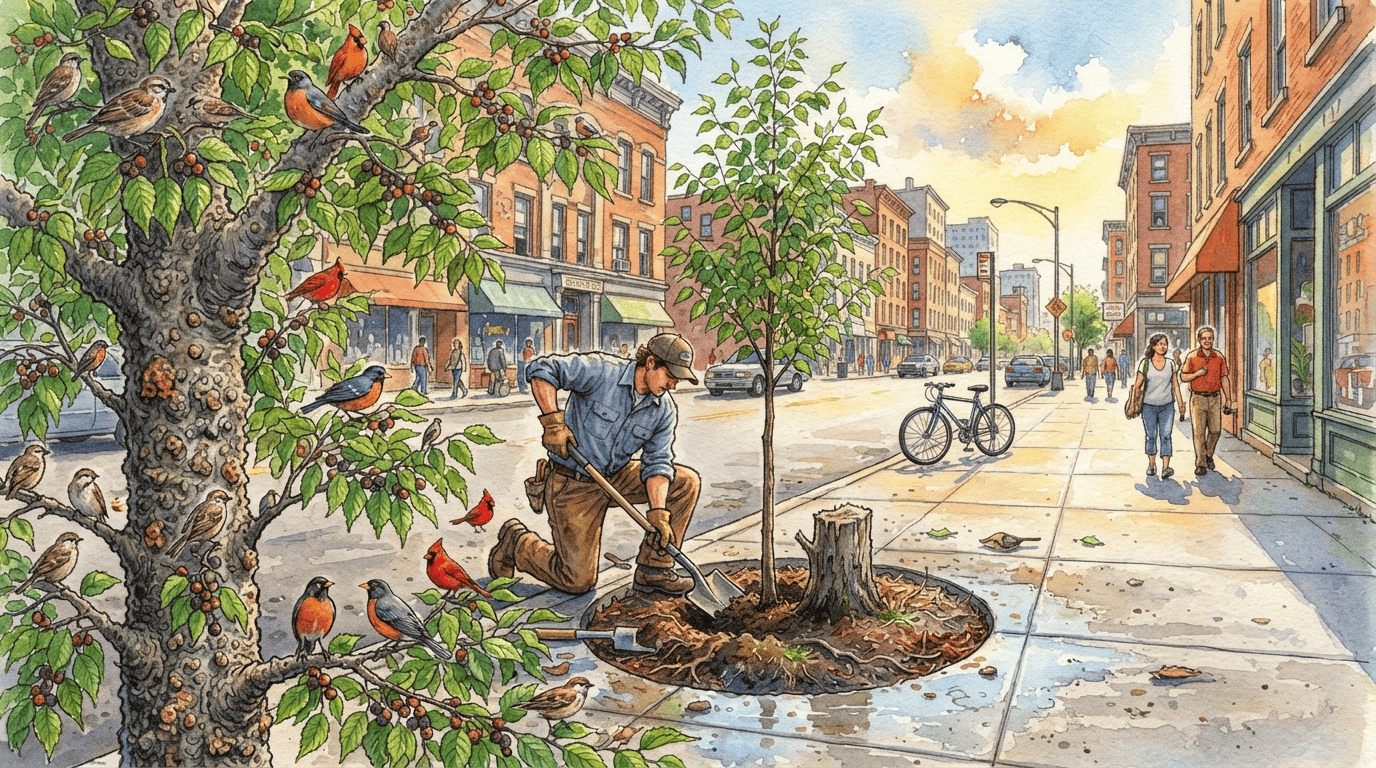
Celtis occidentalis ranges across central and eastern North America from southern Canada south to North Carolina and west to the Great Plains. Linnaeus described it in 1753. Though related to elms in the broader Cannabaceae family (formerly Ulmaceae), it shows remarkable resistance to Dutch elm disease and emerald ash borer that have devastated its street-tree predecessors.
Extraordinarily tough—tolerating drought, flooding, alkaline soils, urban heat, compacted soil, and poor air quality—hackberry became a staple replacement tree in post-ash Midwest cities since the 2010s. The rough corky warty bark is distinctive, as are the small dark orange-purple drupes (edible but small) that attract birds and give rise to regional common names sugarberry and hackberry-sweets. Nipple galls on leaves caused by psyllids are harmless but cosmetically disfiguring.
Considered a 'one-tree bird sanctuary' for the dozens of bird species that feed on its persistent berries. Known as 'nettle tree' in older literature. It lives 150-200 years.
Symbolism & meaning
What It Symbolizes
Common Hackberry embodies endurance, thriving on rocky slopes, drought, urban pavement — wherever finer trees refuse. Paired with abundance, its small dark berries feed dozens of bird species through autumn and winter. It is the unfussy backbone tree, plain at a glance, but quietly holding up an entire ecosystem of wings and song.
- Endurance — thrives in harshest conditions
- Abundance — feeds dozens of bird species
Where the Name Comes From
'Celtis' was Pliny's name for a type of lotus tree; 'occidentalis' means western.
Uses & Fun Facts
- Date-flavored hackberry fruits eaten fresh or ground into meal
- Berries and host status support cedar waxwings and snout butterflies
- Tough urban shade tree with broad rounded canopy
Related plants
Plants with similar care
 Chinese AbeliaAbelia chinensis
 Fragrant AbeliaAbelia mosanensis
 Large-Flowered AbeliaAbelia uniflora
 Glossy AbeliaAbelia x grandiflora
Frequently asked questions
How often should I water Common Hackberry?
Water about every 10 days during the growing season, and always let excess water drain away.
How much light does Common Hackberry need?
Full sun: 6+ hrs direct. Watch the leaves — scorching or stretching means the light needs adjusting.
Is Common Hackberry toxic to cats or dogs?
No toxicity has been reported for this plant. Still, it is wise to keep pets from chewing on any houseplant. Educational information, not medical or veterinary advice. If exposure is suspected, contact a doctor or veterinarian.
Is Common Hackberry easy to grow?
Yes — it is considered an easy, beginner-friendly plant.
When does Common Hackberry bloom?
It typically blooms Mar–May in the Northern Hemisphere.
YardMate
Identify any plant in seconds
Snap a photo — YardMate names the plant, diagnoses problems, and reminds you when to water.
Download on the App Store