 YardMate
Lyon Knapweed
Centaurea lugdunensis
Hard · Experienced growersAbout Lyon Knapweed
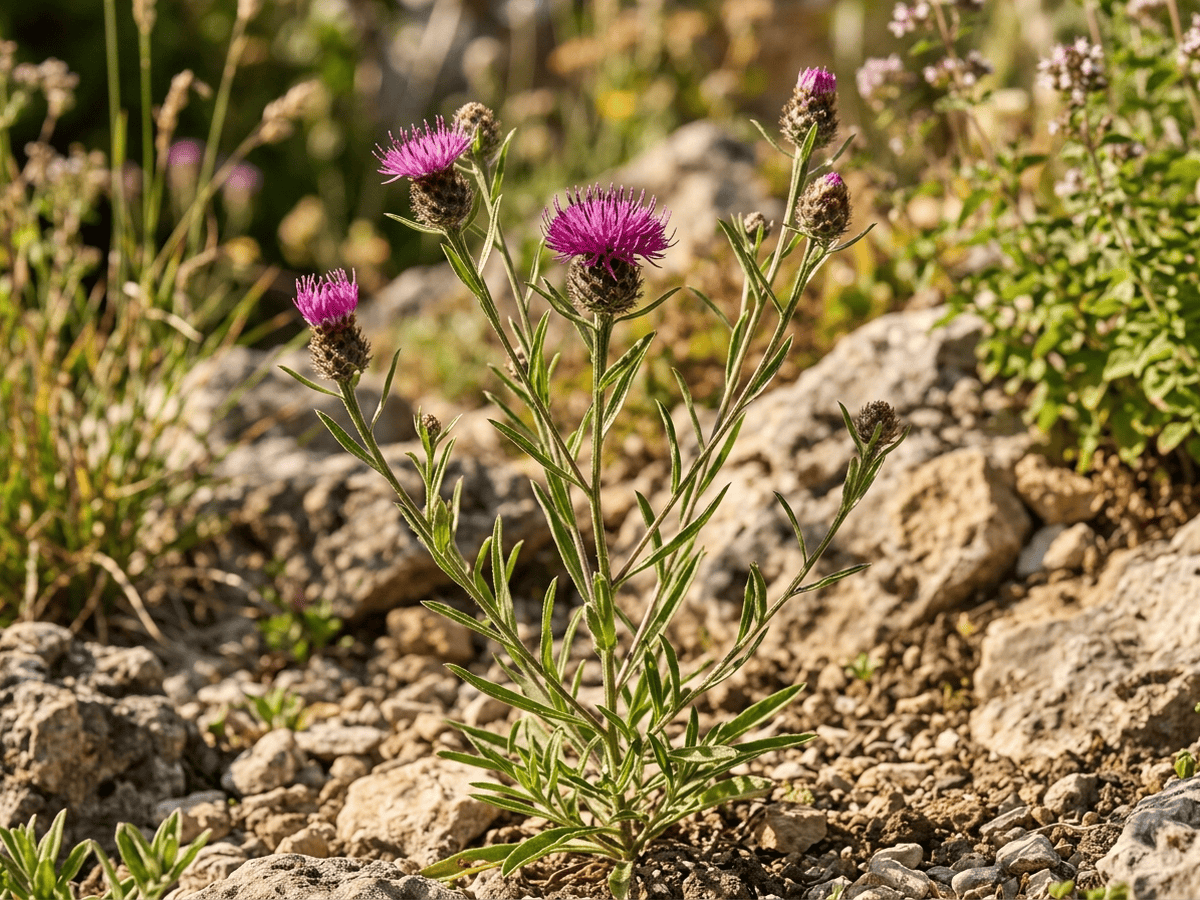
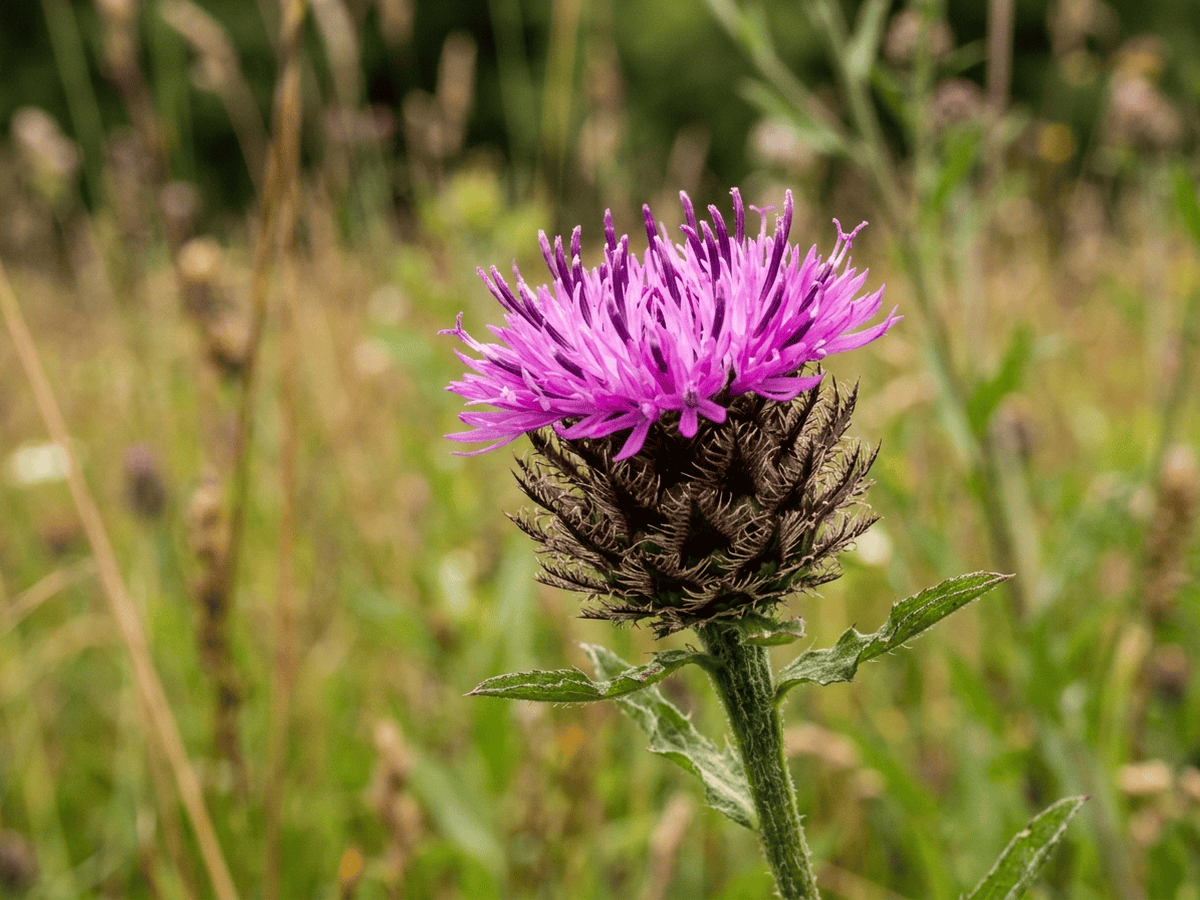
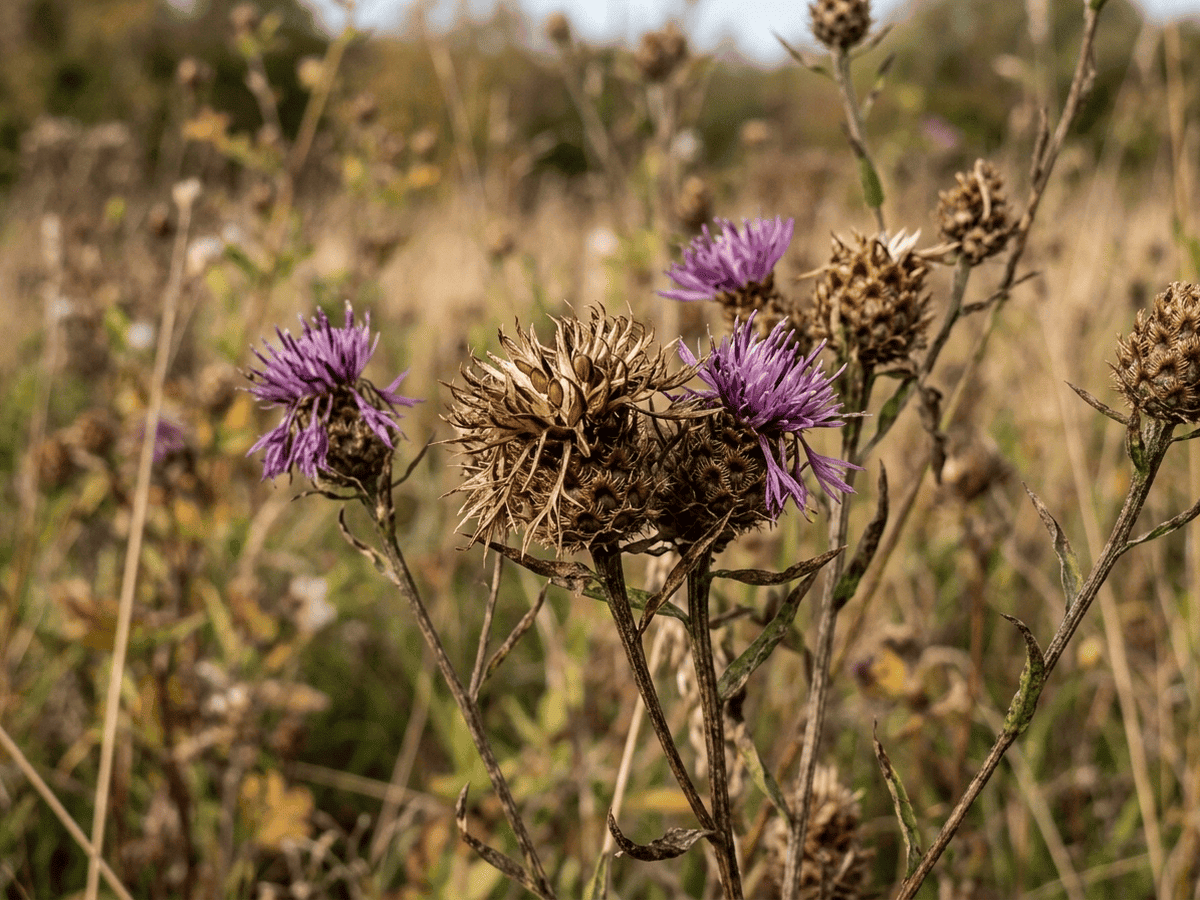
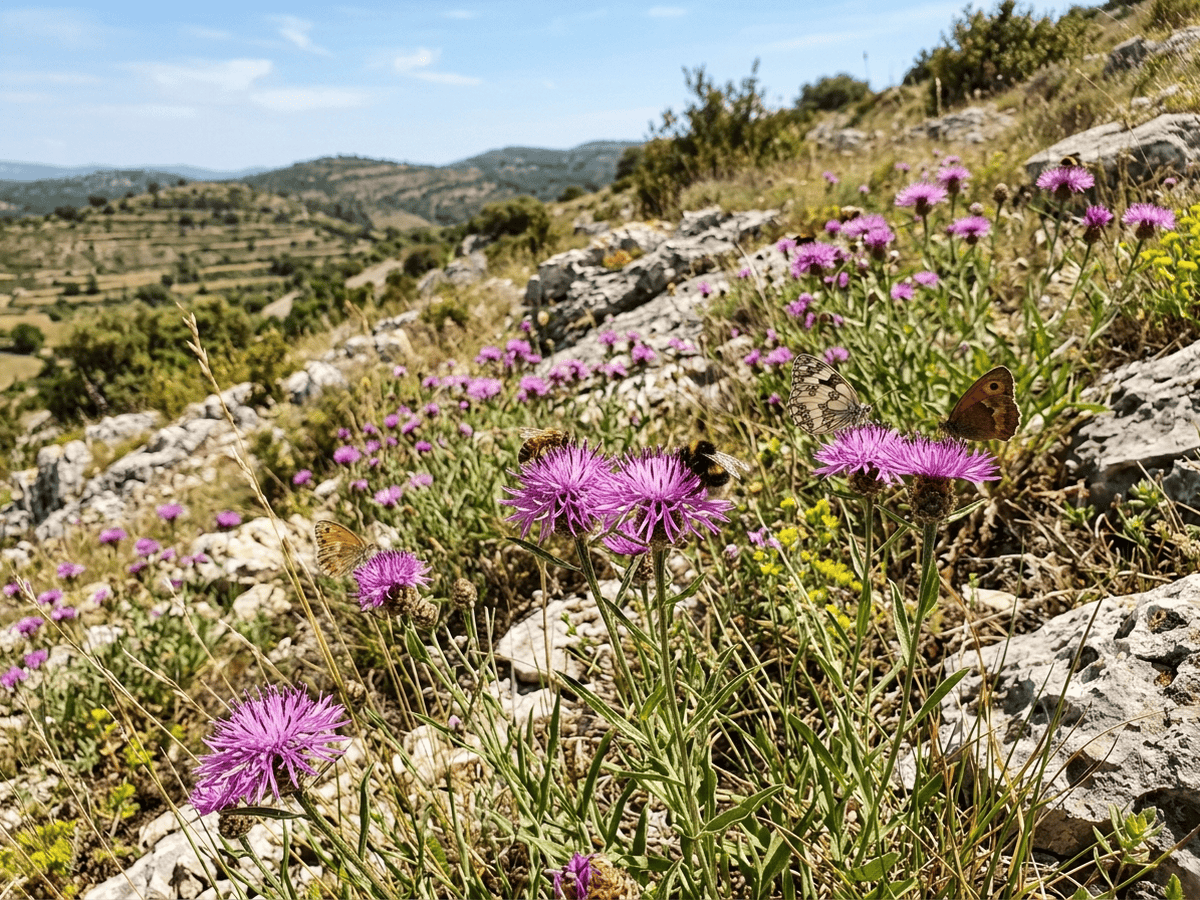
Centaurea lugdunensis, Lyon Knapweed, is a compact perennial knapweed endemic to the rocky limestone slopes and sunny meadows of the Rhône Valley region around Lyon, France. Growing 1–3 feet tall, it bears the genus' characteristic thistlelike purple-pink flower heads with fringed involucre bracts in summer, attracting bees and butterflies. Like most Centaurea, it thrives in rocky, well-drained, poor soils and rewards neglect better than attention. The dried seed heads extend the plant's ornamental interest into autumn.
- Drought-tolerant
- Pollinator-friendly
- Showy-fruit
- Compact
How to care for Lyon Knapweed
Watering
- Springevery 14 days
- Summerevery 7 days
- Fallevery 30 days
- Winterpause watering
Soil · Well-draining
- Top dressingPine bark mulch10%
- Main mixPotting soil + perlite 2:170%
- DrainageLECA / gravel20%
Never skip the drainage layer — standing water is the top cause of root rot.
FERTILIZER
Balanced Feed 14-14-14
An even feed covers all three needs at once, keeping leaves, roots and blooms moving together with nothing pushed out of balance.
- Nitrogen · Leaves
- Phosphorus · Roots + Blooms
- Potassium · Strength
- Springevery 30 days
- Summerevery 30 days
At a Glance
- NativeEurope
- Height1–3 ft (0.3–0.9 m)
- Spread2–3 ft (0.6–0.9 m)
- Flower colorPurple
- Foliage colorGreen
- Fruit colorBrown
- SoilRocky, Well-drained
- LocationsYard · Balcony
Bloom time
BLOOM CYCLE
Peak bloom
Jun–Aug
This plant produces striking flowers in summer, attracting various pollinators.
Fragrance
NO FRAGRANCE
Unscented flowers.
Toxicity
No toxicity has been reported for this plant. Still, it is wise to keep pets from chewing on any houseplant.
Educational information, not medical or veterinary advice. If exposure is suspected, contact a doctor or veterinarian.
DISTRIBUTION


- Native
- Europe
History

Centaurea takes its name from one of antiquity's most famous mythological figures. In Greek legend, Chiron was the wisest and most learned of centaurs—a creature half-man, half-horse—renowned as a healer, teacher, and scholar who tutored heroes including Achilles, Jason, and Asclepius (the god of medicine himself). When Chiron was accidentally struck by one of Hercules' Hydra-poisoned arrows—an injury that caused eternal, unhealable pain—he sought relief using an herb later called Centaurea (or centaury in some traditions). The association between this genus and centaurian healing became so established that ancient Greek physicians Dioscorides and Pliny the Elder both described Centaurea species as wound-healing herbs.
Centaurea lugdunensis carries its geographical origin in its species name: lugdunensis means 'of Lugdunum'—the Roman city that became Lyon, France, founded in 43 BC at the confluence of the Rhône and Saône rivers. The plant is endemic to the rocky limestone hills and calcareous grasslands of this region, growing in the kind of stony, sun-baked terrain typical of the Rhône Valley.
As a regional endemic, Lyon Knapweed is botanically significant—a plant found nowhere else in the world except its small native range. The Centaurea genus as a whole is enormously diverse, with over 700 species ranging from the beloved cornflower (C. cyanus) to invasive knapweeds of North American grasslands. Lyon Knapweed occupies the smaller, less dramatic end of this spectrum—a local specialist adapted to a specific limestone habitat.
In garden cultivation, Lyon Knapweed performs well in Mediterranean-climate and dry gardens, tolerating rocky poor soils where many plants fail.
Symbolism & meaning
What It Symbolizes
It's named after a centaur who could heal anything except his own wound. There's something honest about that—a plant associated with healing, named for someone who understood pain personally. Lyon Knapweed grows in rocky limestone near Lyon. It doesn't grow anywhere else.
- centaurian wisdom — Named for Chiron—the centaur who taught medicine, music, and ethics—this modest knapweed carries a mythology far larger than its size.
- local belonging — Found nowhere on Earth except one small region of France—a plant so specific to its place that moving it anywhere else makes it something other than what it is.
Where the Name Comes From
Centaurea is named for Chiron the centaur of Greek mythology, who according to legend used this herb to treat wounds. The species epithet lugdunensis is Latin for 'of Lugdunum'—the Roman name for Lyon, France—indicating where the plant was first formally described from specimens.
Uses & Fun Facts
- Purple thistlelike flower heads attract bees, butterflies, and other pollinators throughout summer; an excellent plant for dry pollinator gardens
- Long-lasting dried seed heads provide structural interest in autumn borders; tolerates rocky, poor soil where most ornamental plants fail
Related plants
More Centaurea plants
 CornflowerCentaurea cyanus
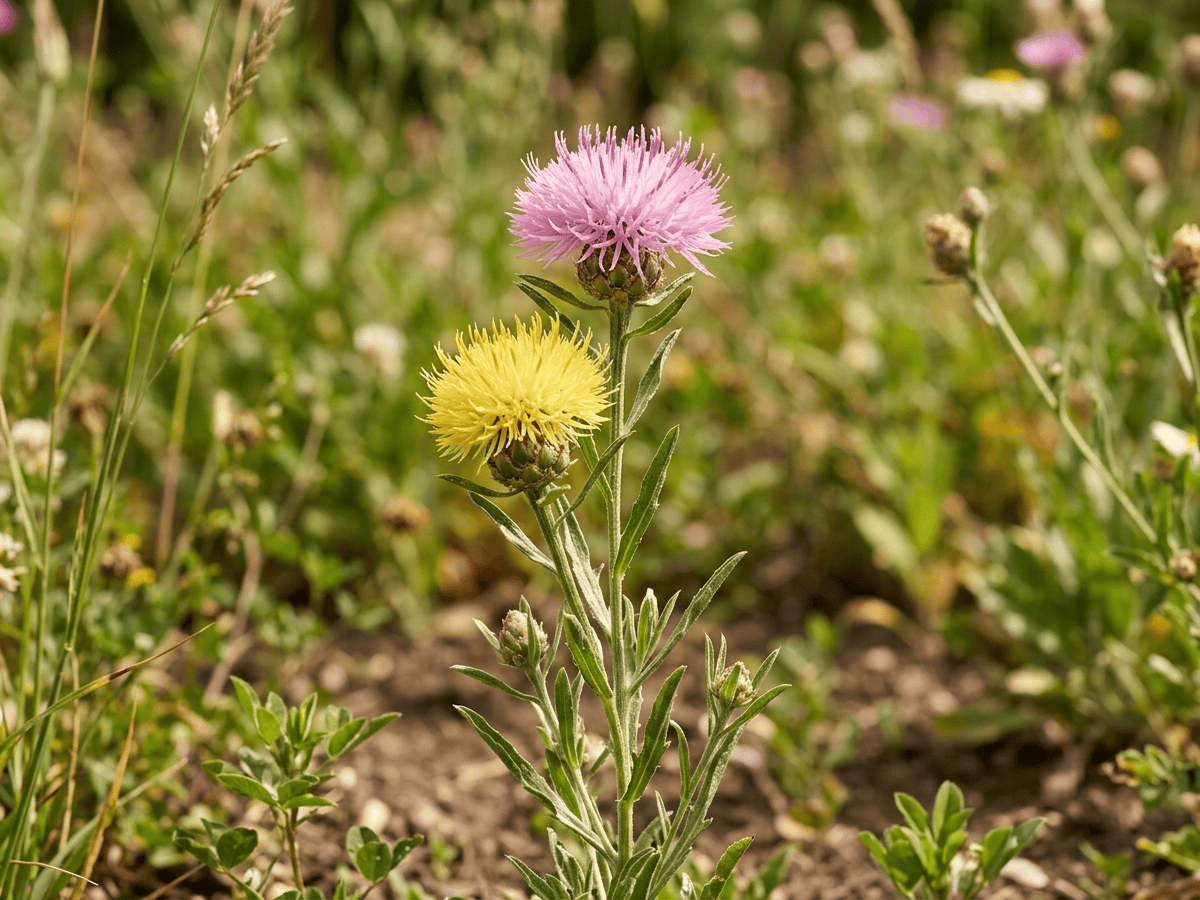 Sweet SultanCentaurea moschata
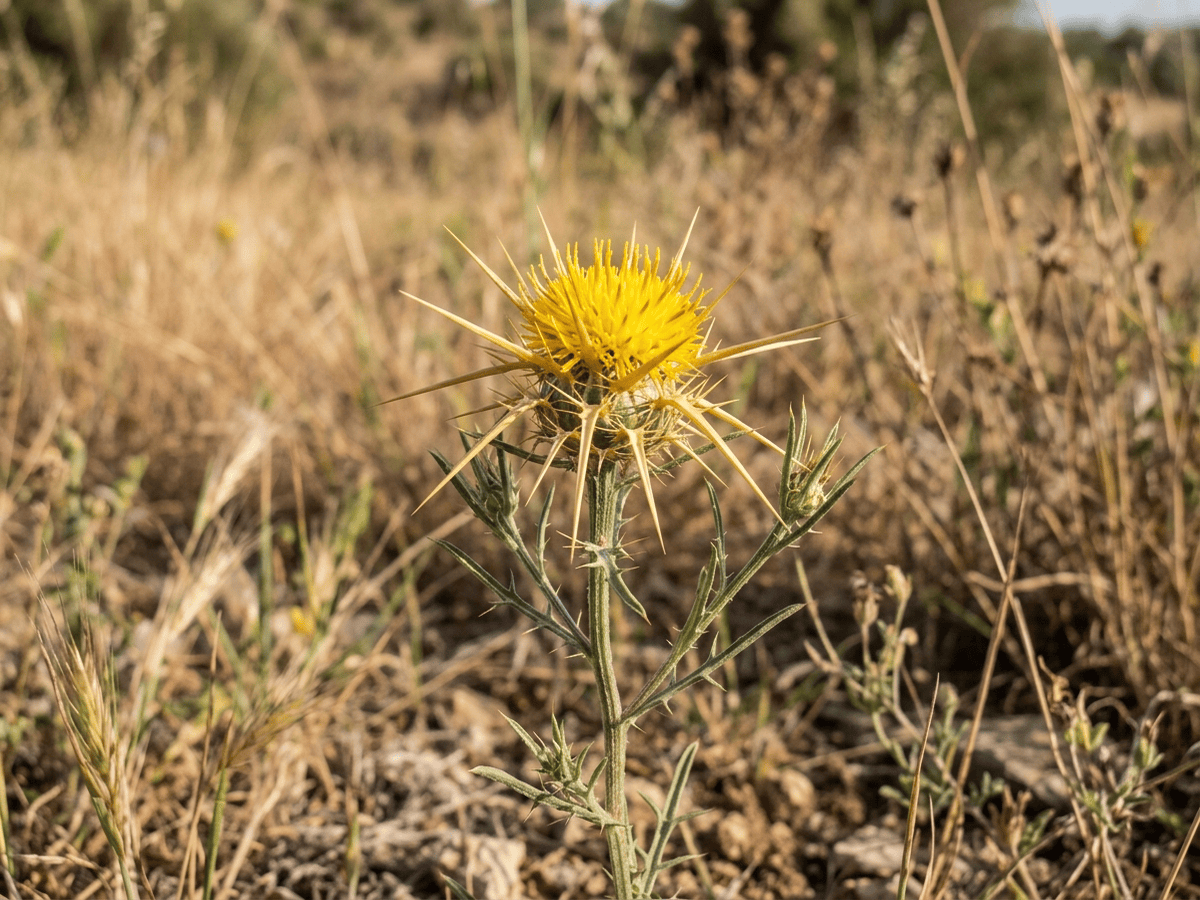 Yellow Star-ThistleCentaurea solstitialis
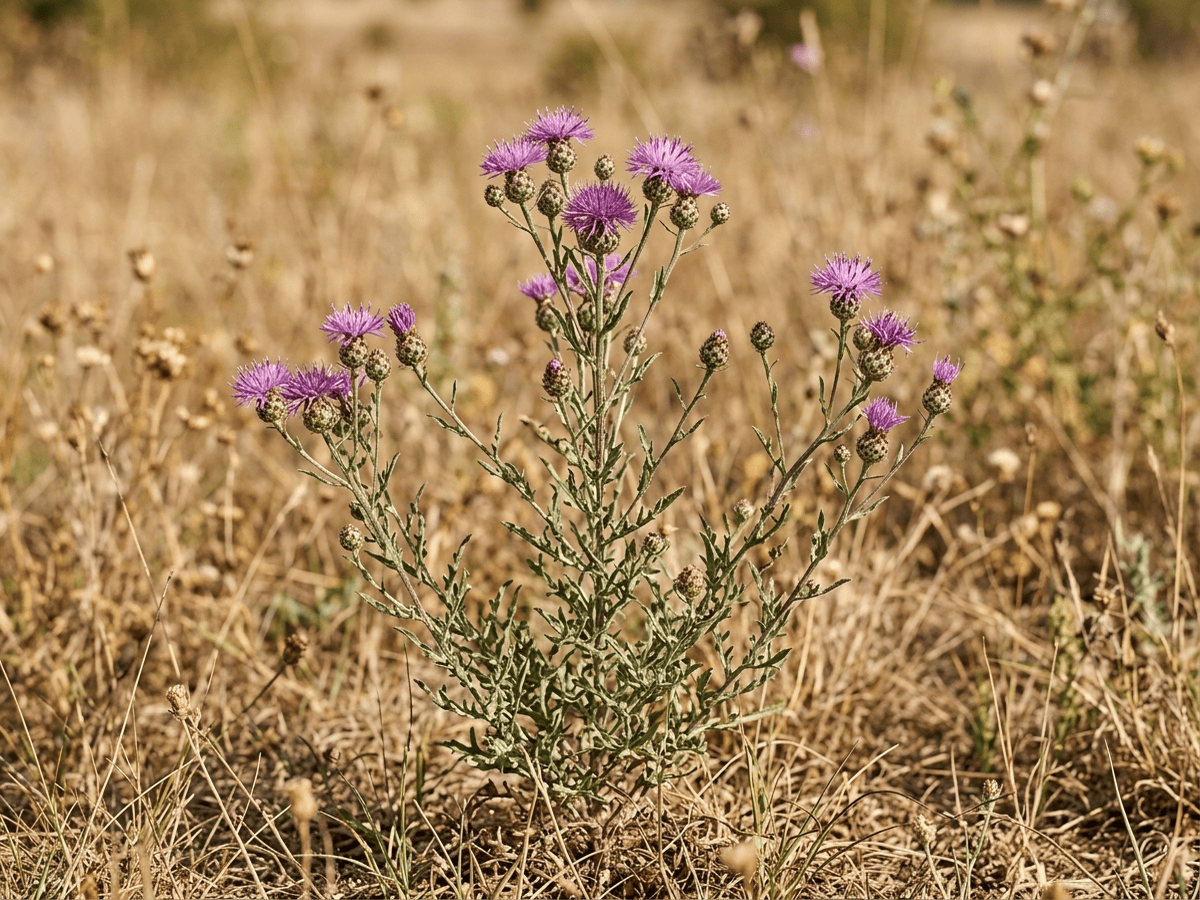 Spotted KnapweedCentaurea stoebe
Frequently asked questions
How often should I water Lyon Knapweed?
Water about every 14 days during the growing season, and always let excess water drain away.
How much light does Lyon Knapweed need?
Part sun: 4–6 hrs direct. Watch the leaves — scorching or stretching means the light needs adjusting.
Is Lyon Knapweed toxic to cats or dogs?
No toxicity has been reported for this plant. Still, it is wise to keep pets from chewing on any houseplant. Educational information, not medical or veterinary advice. If exposure is suspected, contact a doctor or veterinarian.
Is Lyon Knapweed easy to grow?
It is considered challenging and rewards experienced growers.
When does Lyon Knapweed bloom?
It typically blooms Jun–Aug in the Northern Hemisphere.
YardMate
Identify any plant in seconds
Snap a photo — YardMate names the plant, diagnoses problems, and reminds you when to water.
Download on the App Store