 YardMate

Sweet Sultan
Centaurea moschata
Easy · Beginner friendlyAbout Sweet Sultan
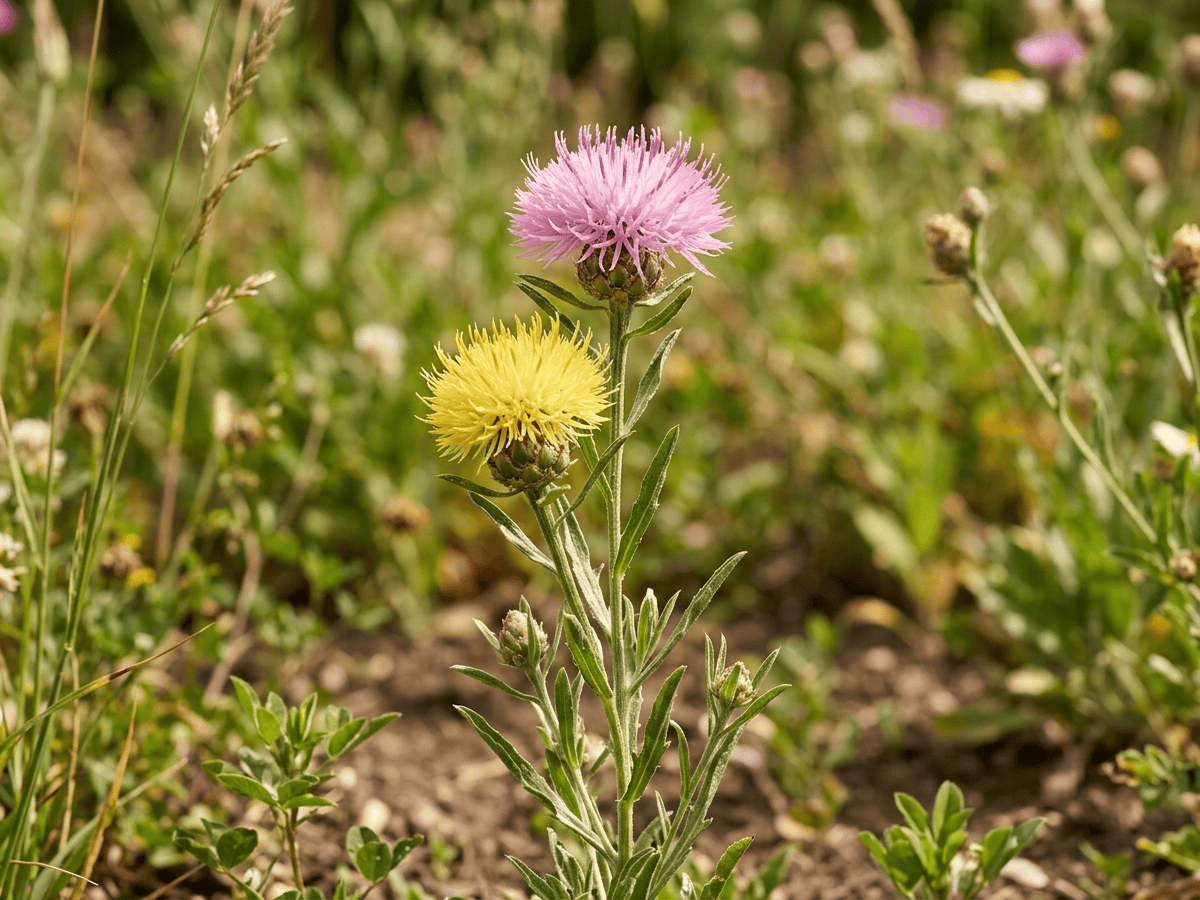
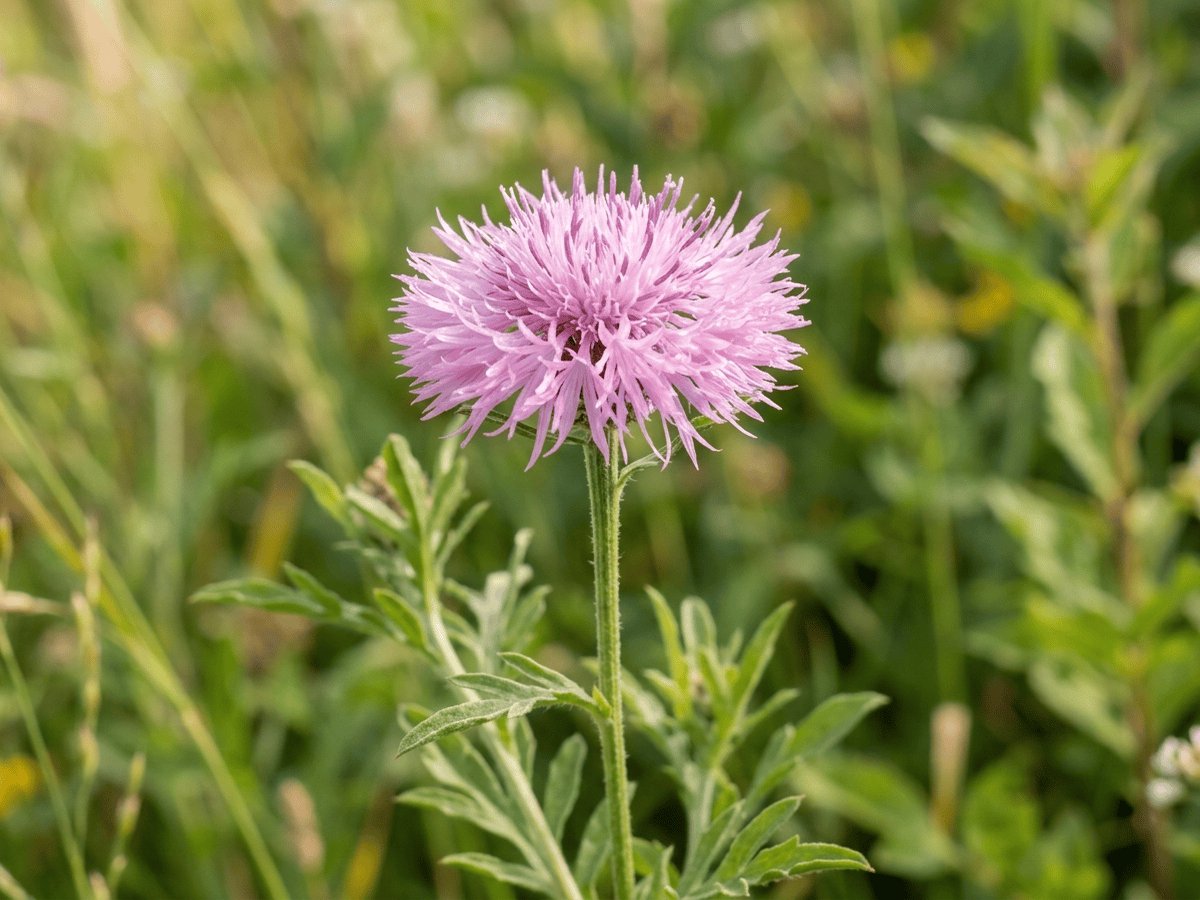
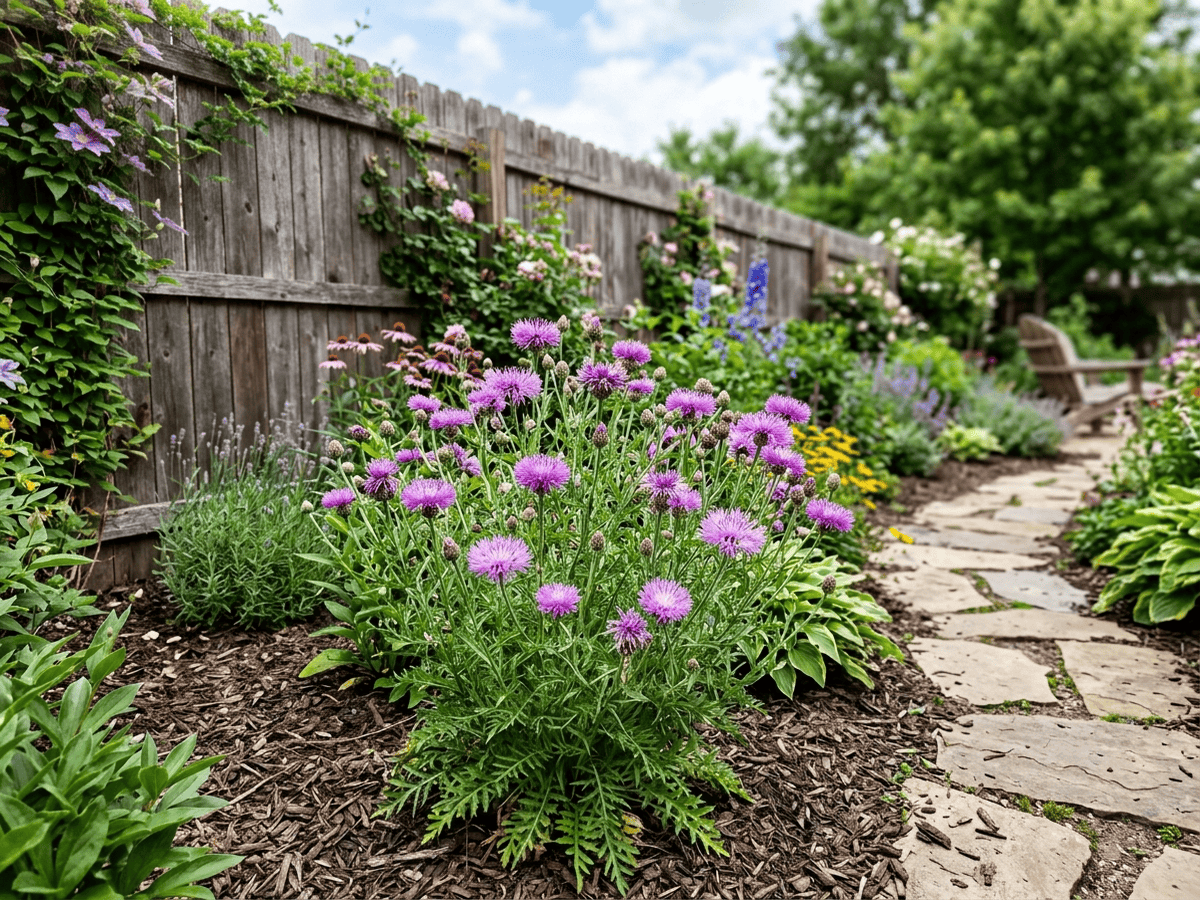
Sweet Sultan is a western Asian annual producing large fragrant thistle-like flowers in yellow, white, pink, or purple on 18 to 24 inch stems. Grown since the 16th century for its sweet musky-vanilla fragrance and long vase life, Sweet Sultan was a standard Victorian cutting-garden flower. Now being rediscovered by modern American cottage and cutting-flower growers.
- Fragrant
- Cut-flower
- Pollinator-friendly
How to care for Sweet Sultan
Watering
- Springevery 5 days
- Summerevery 4 days
- Fallevery 7 days
- Winterevery 10 days
Soil · Well-draining
- Top dressingPine bark mulch10%
- Main mixPotting soil + perlite 2:170%
- DrainageLECA / gravel20%
Never skip the drainage layer — standing water is the top cause of root rot.
FERTILIZER
Balanced Feed 14-14-14
An even feed covers all three needs at once, keeping leaves, roots and blooms moving together with nothing pushed out of balance.
- Nitrogen · Leaves
- Phosphorus · Roots + Blooms
- Potassium · Strength
- Springevery 30 days
At a Glance
- NativeWestern Asia, Mediterranean
- Height1.5–2.5 ft (0.5–0.8 m)
- Spread1–1.5 ft (0.3–0.5 m)
- Flower colorWhite, Yellow, Pink, Purple
- Foliage colorGreen
- SoilLoamy, Well-drained, Alkaline
- LocationsYard
Bloom time
BLOOM CYCLE
Peak bloom
Jun–Aug
Fragrant thistle-like flowers June to August
Fragrance
STRONG FRAGRANCE
The flowers have a sweet musk fragrance.
Toxicity
No toxicity has been reported for this plant. Still, it is wise to keep pets from chewing on any houseplant.
Educational information, not medical or veterinary advice. If exposure is suspected, contact a doctor or veterinarian.
DISTRIBUTION


- Native
- Introduced
- Western Asia
- Mediterranean
History

Centaurea moschata, the sweet sultan or royal sweet sultan, now often treated as Amberboa moschata, is an upright annual native to the eastern Mediterranean, Turkey, and Iran. The plant was cultivated in Ottoman imperial gardens and reached western Europe via Constantinople around 1620. English herbalist John Parkinson described it enthusiastically in his 1629 Paradisi in Sole Paradisus Terrestris, praising the sweet-musk fragrance of the fluffy fringed flower heads in white, yellow, pink, and purple.
Sweet sultan remained a cottage garden staple through the Victorian era and is still valued as a long-lasting fragrant cut flower. Seed mixes including The Bride and Imperialis Giants continue to be sold by heirloom seed suppliers. The plant thrives in cool weather and deep well-drained soils and self-seeds gently.
Introduced from Turkey to European gardens in 1629 and to American colonial gardens by the 1700s. A favorite of Thomas Jefferson at Monticello, recorded in his 1767 garden notebook. Modern cut-flower specialists like Floret Farm have revived Sweet Sultan for farm-to-florist American cottage garden sales.
Symbolism & meaning
What It Symbolizes
Sweet Sultan carries felicity, the Victorian word for unspoiled happiness, in its musk-fragrant fluffy blooms. As a colonial American cottage flower, it traveled in the seed packets of homesick gardeners, settling into countless dooryard beds across the new world. To grow it now is to keep a small, fragrant chapter of garden history quietly alive.
- Felicity — traditional symbol of happiness
- Heritage bloom — colonial American cottage flower
Where the Name Comes From
The name Sweet Sultan describes its sweet scent or flavor. 'Centaurea' from Greek centaur Chiron who used the plant medicinally; 'moschata' from Latin means musky, for its distinctive fragrance.
Uses & Fun Facts
- Sweetly musk-scented blooms perfume cottage gardens
- Soft thistle-like blooms favored in summer bouquets
- Fringed flowers attract honeybees and butterflies
Related plants
More Centaurea plants
 CornflowerCentaurea cyanus
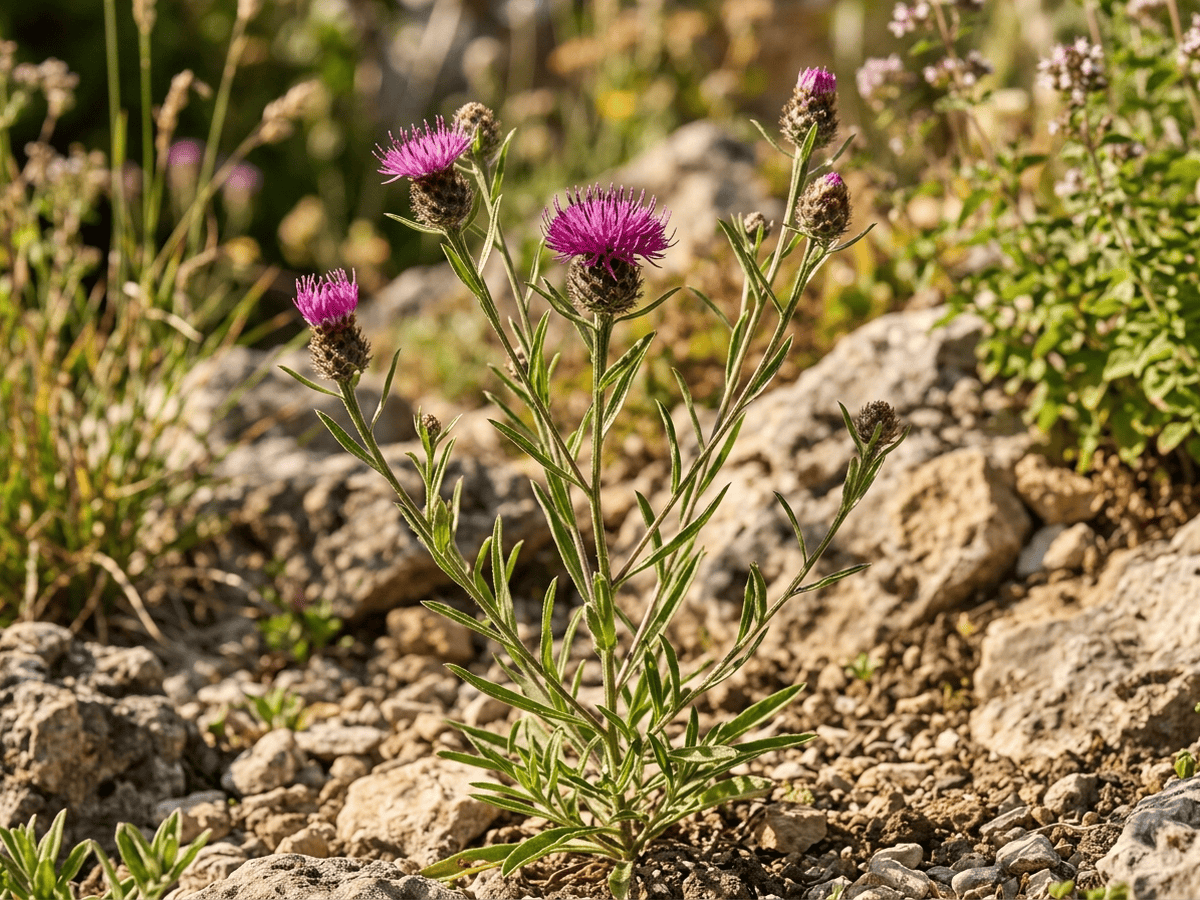 Lyon KnapweedCentaurea lugdunensis
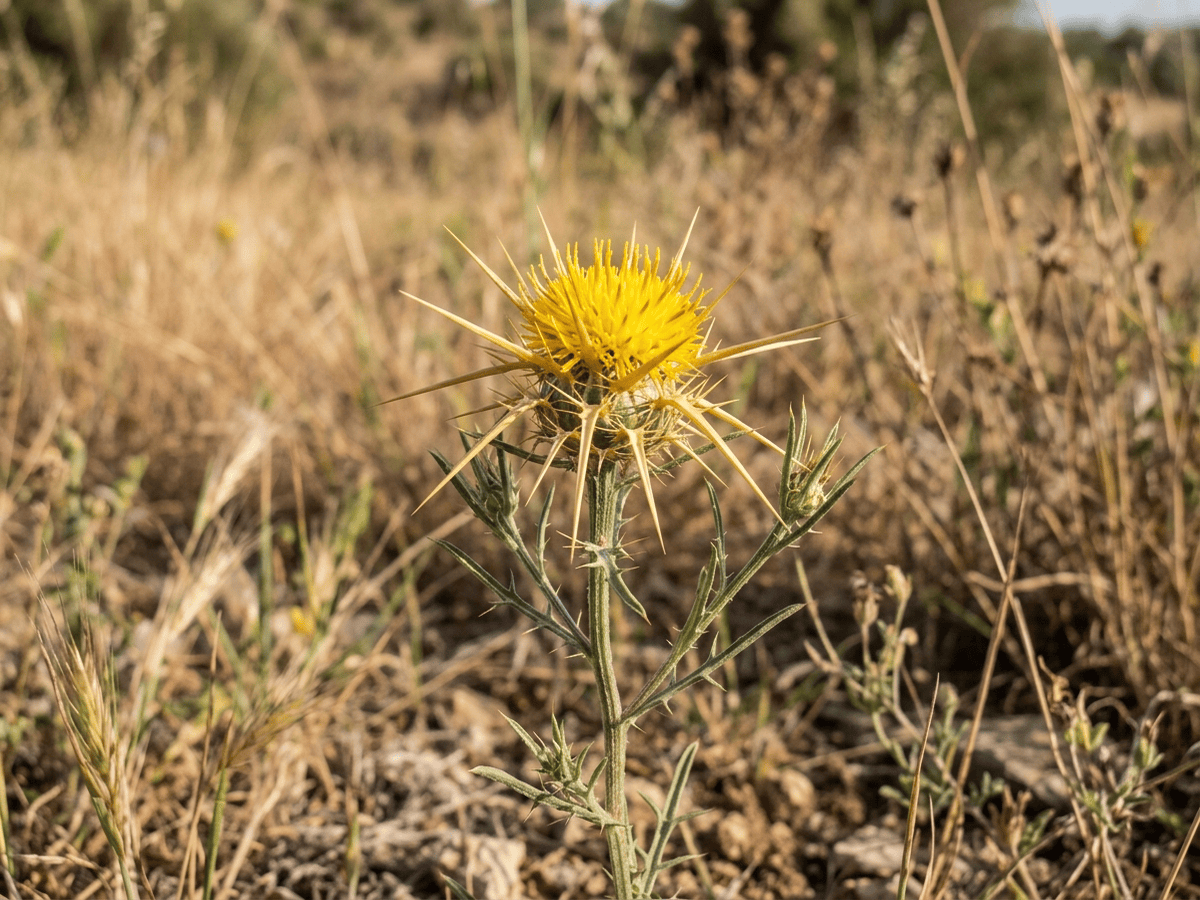 Yellow Star-ThistleCentaurea solstitialis
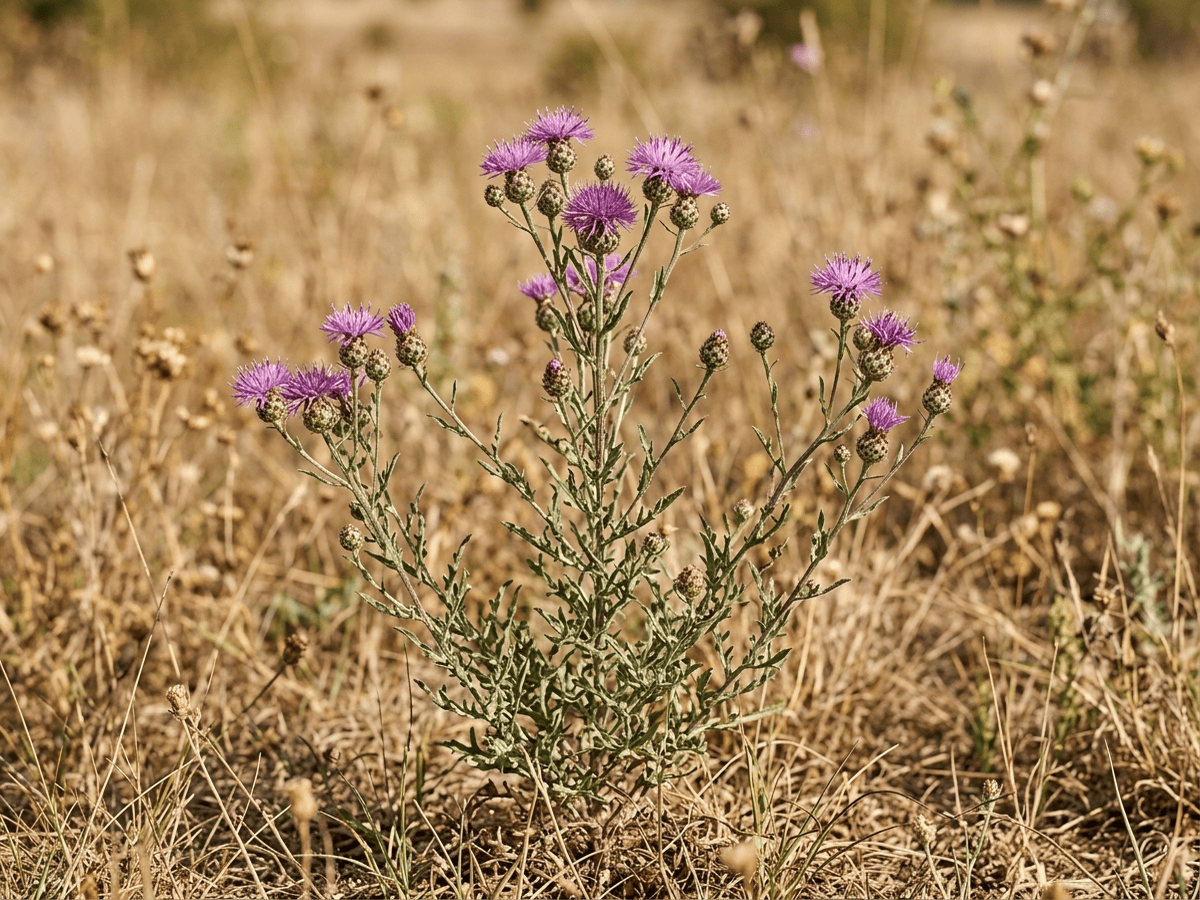 Spotted KnapweedCentaurea stoebe
Plants with similar care
 Chinese AbeliaAbelia chinensis
 Fragrant AbeliaAbelia mosanensis
 Large-Flowered AbeliaAbelia uniflora
 Glossy AbeliaAbelia x grandiflora
Frequently asked questions
How often should I water Sweet Sultan?
In summer, water about every 4 days; in winter, about every 10 days. Adjust for heat, pot size and drainage.
How much light does Sweet Sultan need?
Full sun: 6+ hrs direct. Watch the leaves — scorching or stretching means the light needs adjusting.
Is Sweet Sultan toxic to cats or dogs?
No toxicity has been reported for this plant. Still, it is wise to keep pets from chewing on any houseplant. Educational information, not medical or veterinary advice. If exposure is suspected, contact a doctor or veterinarian.
Is Sweet Sultan easy to grow?
Yes — it is considered an easy, beginner-friendly plant.
When does Sweet Sultan bloom?
It typically blooms Jun–Aug in the Northern Hemisphere.
YardMate
Identify any plant in seconds
Snap a photo — YardMate names the plant, diagnoses problems, and reminds you when to water.
Download on the App Store