 YardMate


Spotted Knapweed
Centaurea stoebe
Easy · Beginner friendlyAbout Spotted Knapweed
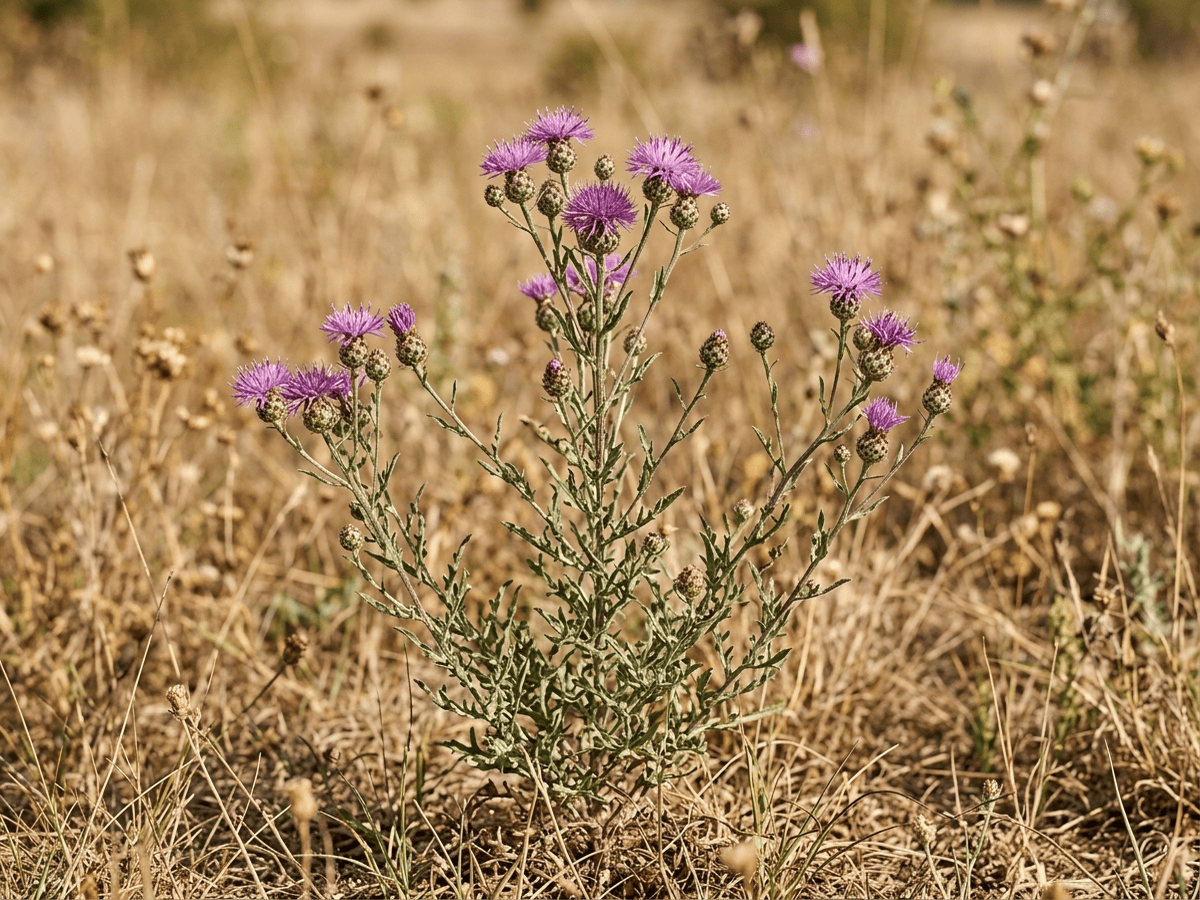
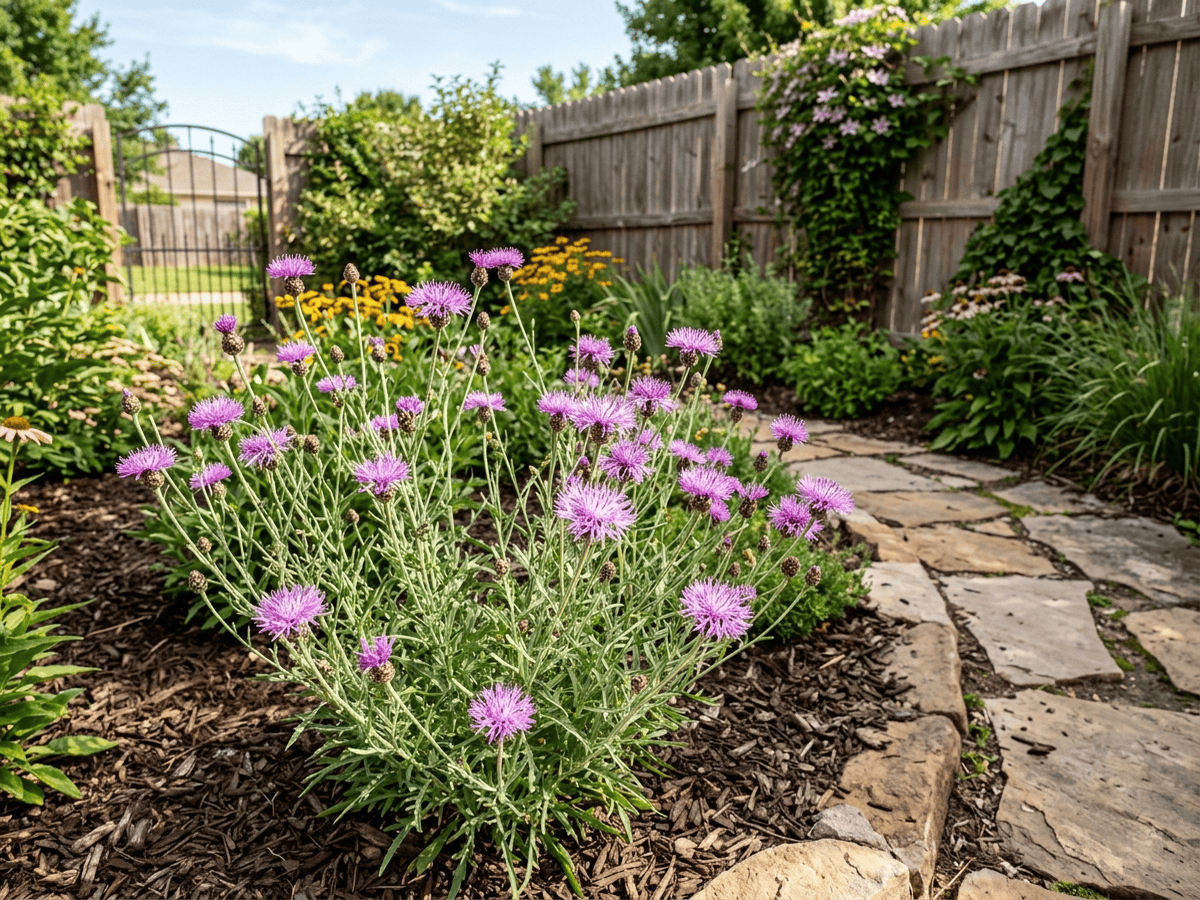
Spotted Knapweed is a European biennial to short-lived perennial now one of the most destructive rangeland weeds in the American West. Growing 2 to 4 feet tall with gray-green finely divided leaves and pink-purple thistle-like flower heads with dark-spotted bracts, it releases allelopathic chemicals that suppress native plants. Listed as noxious across most western states and cited for causing over $40 million in annual losses to Montana alone.
- Drought-tolerant
How to care for Spotted Knapweed
Watering
- Springevery 14 days
- Summerevery 10 days
- Fallevery 14 days
- Winterevery 30 days
Soil · Well-draining
- Top dressingPine bark mulch10%
- Main mixPotting soil + perlite 2:170%
- DrainageLECA / gravel20%
Never skip the drainage layer — standing water is the top cause of root rot.
FERTILIZER
This plant needs little to no feeding.
At a Glance
- NativeWestern Asia
- Height2–4 ft (0.6–1.2 m)
- Spread1–2 ft (0.3–0.6 m)
- Flower colorPink, Purple
- Foliage colorGreen
- SoilSandy, Well-drained
- LocationsYard
Bloom time
BLOOM CYCLE
Peak bloom
Jun–Aug
Pink-purple thistle-like flower heads summer
Fragrance
LIGHT FRAGRANCE
The flowers have a light sweet scent.
Toxicity
Humans Slight
catechin and sesquiterpene lactones
Slight
- Leaf
- Stem
- Flower
- Contact
EXPOSURE Touching leaves, stems, and flowers.
EFFECT Contact dermatitis in sensitive individuals.
NOTE Allelopathic but not significantly toxic to mammals.
Unknown
EXPOSURE Unspecified plant material.
EFFECT Toxic effects are not specified.
NOTE Toxicity for dogs is not well documented; use caution until verified.
Unknown
EXPOSURE Unspecified plant material.
EFFECT Toxic effects are not specified.
NOTE Toxicity for cats is not well documented; use caution until verified.
Educational information, not medical or veterinary advice. If exposure is suspected, contact a doctor or veterinarian.
DISTRIBUTION

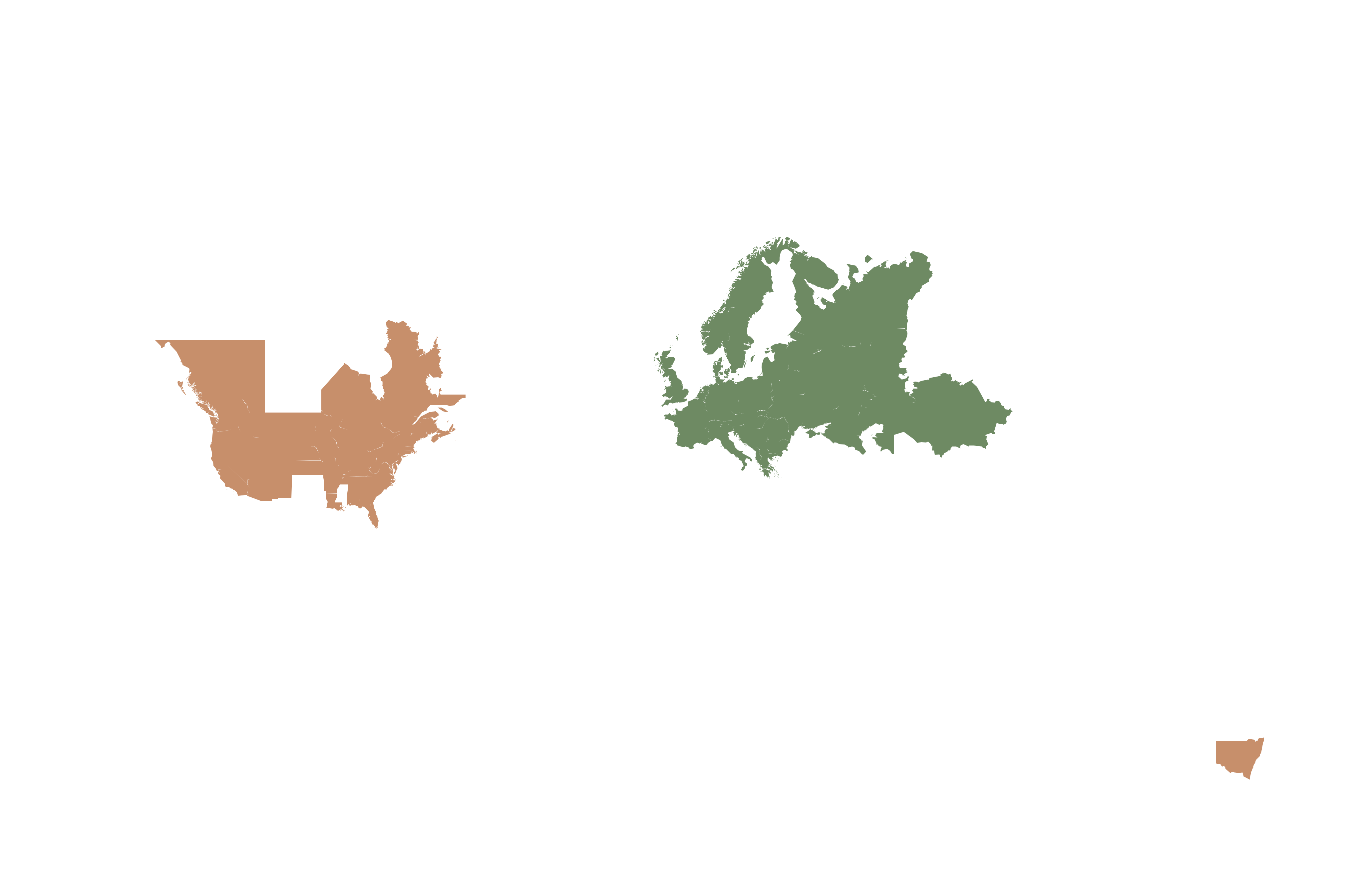
- Native
- Introduced
- Western Asia
History
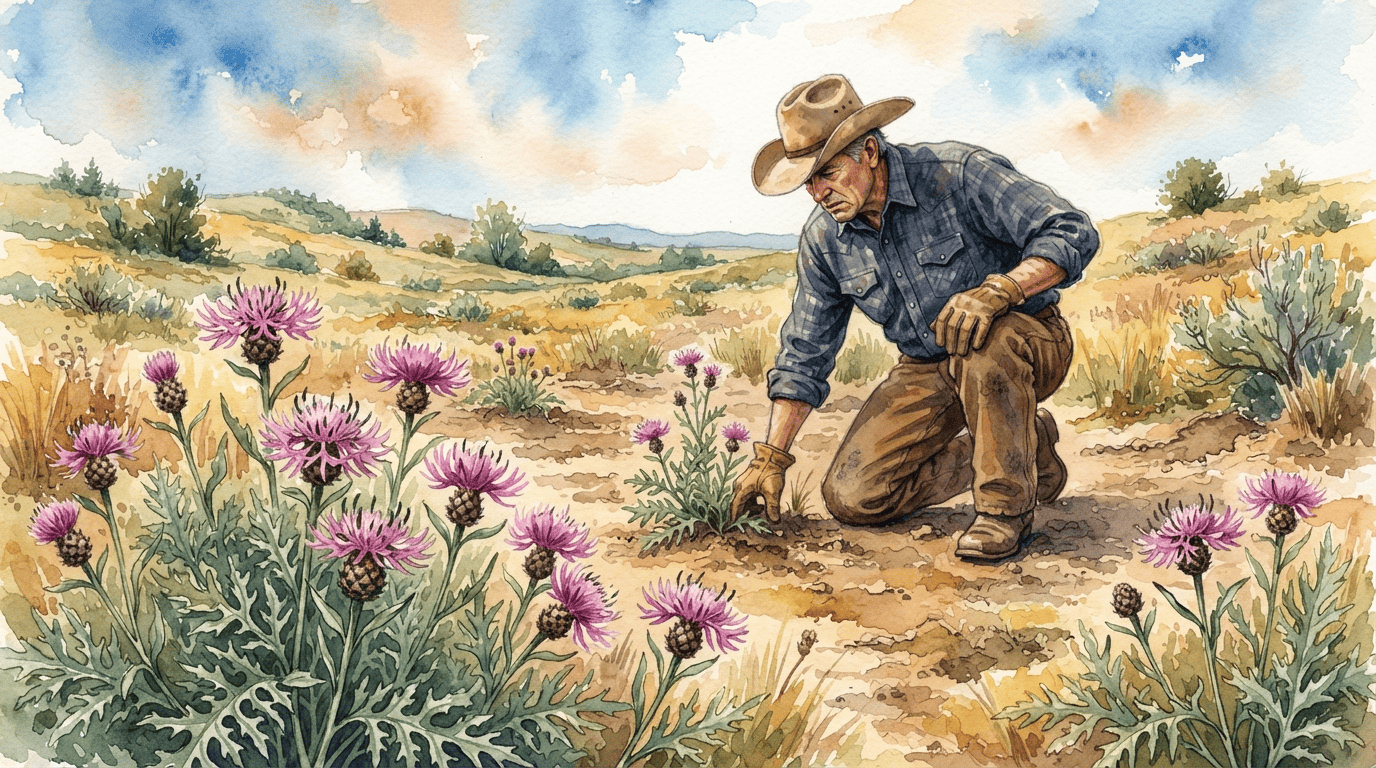
Centaurea stoebe (often split as C. stoebe subsp. micranthos), spotted knapweed, is a biennial or short-lived perennial composite native to eastern Europe, the Balkans, and western Asia. First recorded in North America around 1893 as a contaminant of Central Asian alfalfa seed, it spread rapidly across western rangelands and now covers millions of hectares in Montana, Idaho, and the inland Pacific Northwest. Research has shown that the plant releases catechin and related compounds from its roots that suppress native grass seedlings, an allelopathic advantage that may explain its dramatic dominance in North American grasslands but not its native range.
Multiple biological control agents including gall flies and seed-head weevils have been released, with mixed success. Livestock generally avoid the bitter foliage.
Now listed noxious across most of the American West, it releases catechin through roots to poison native grasses and wildflowers, costing western states tens of millions annually in control and lost grazing.
Symbolism & meaning
What It Symbolizes
Spotted Knapweed is hostile takeover written in chemistry — its roots release catechin into the soil, a form of allelopathic warfare that suppresses the native bunchgrasses it replaces. Across the American West it has become the most destructive rangeland weed of all, hollowing out millions of acres of grazing land. Its purple thistle-flowers are pretty; its ecological footprint is anything but.
- Hostile takeover — chemical warfare against native plants
- Rangeland scourge — most destructive western US rangeland weed
Where the Name Comes From
The name Spotted Knapweed describes its spotted markings. 'Centaurea' from Greek legend of Chiron the centaur who used it medicinally; 'stoebe' from Greek 'stoibe' for stuffing, referring to dense leaf cover.
Related plants
More Centaurea plants
 CornflowerCentaurea cyanus
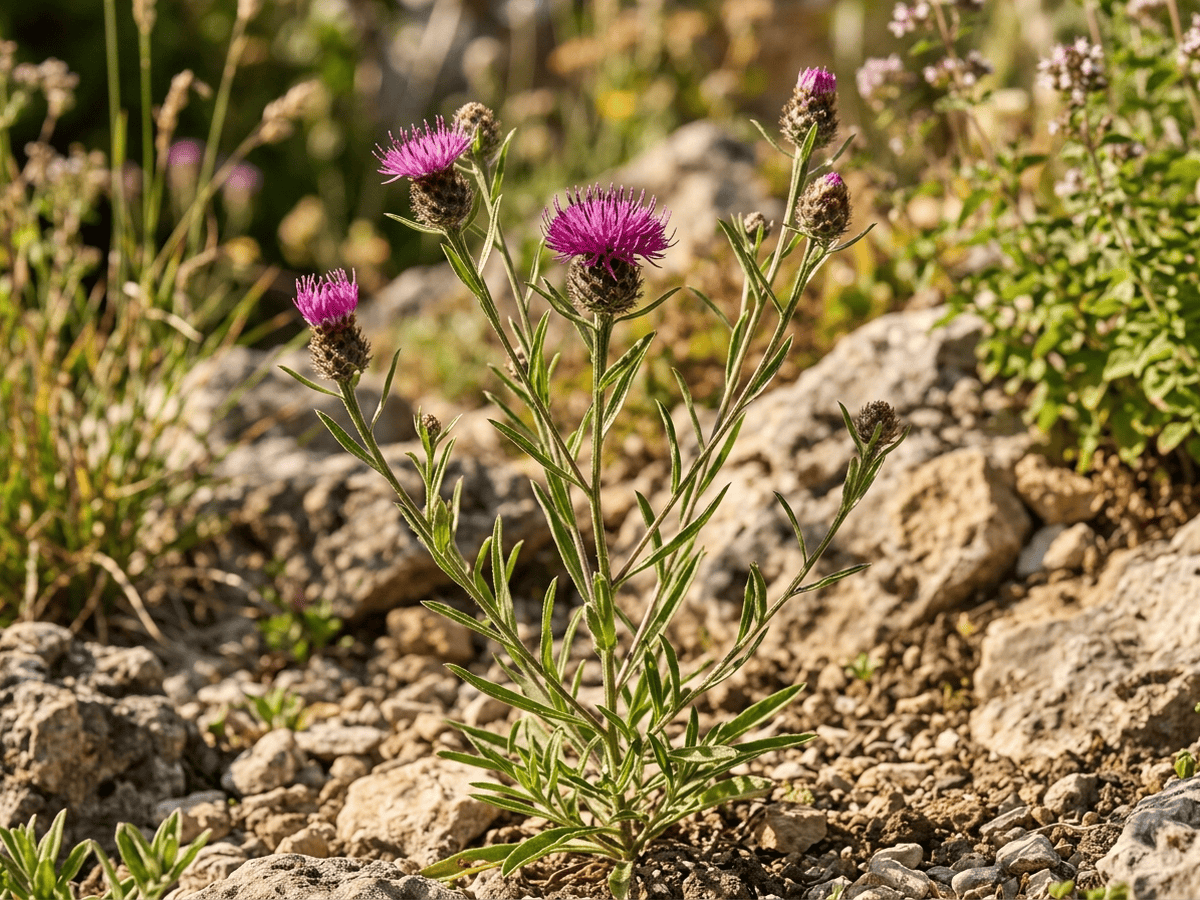 Lyon KnapweedCentaurea lugdunensis
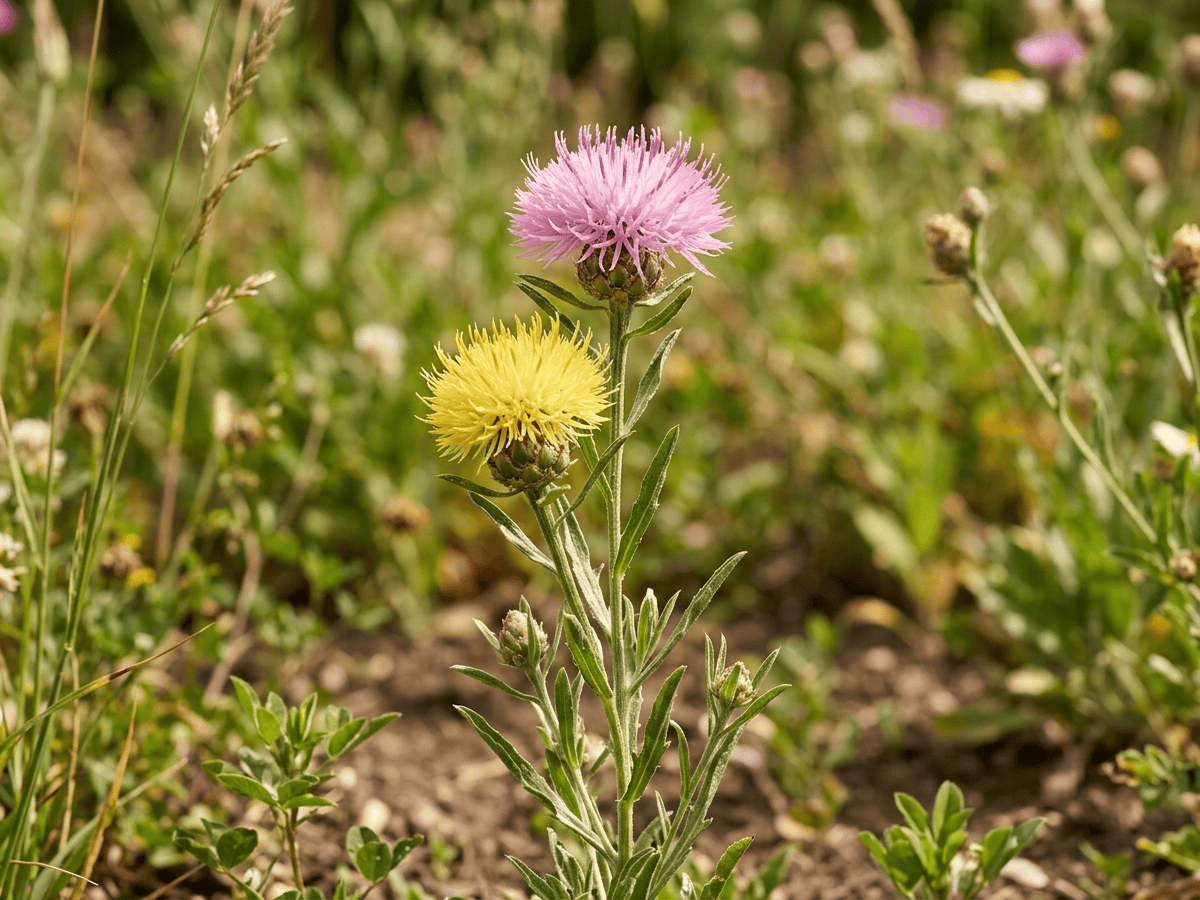 Sweet SultanCentaurea moschata
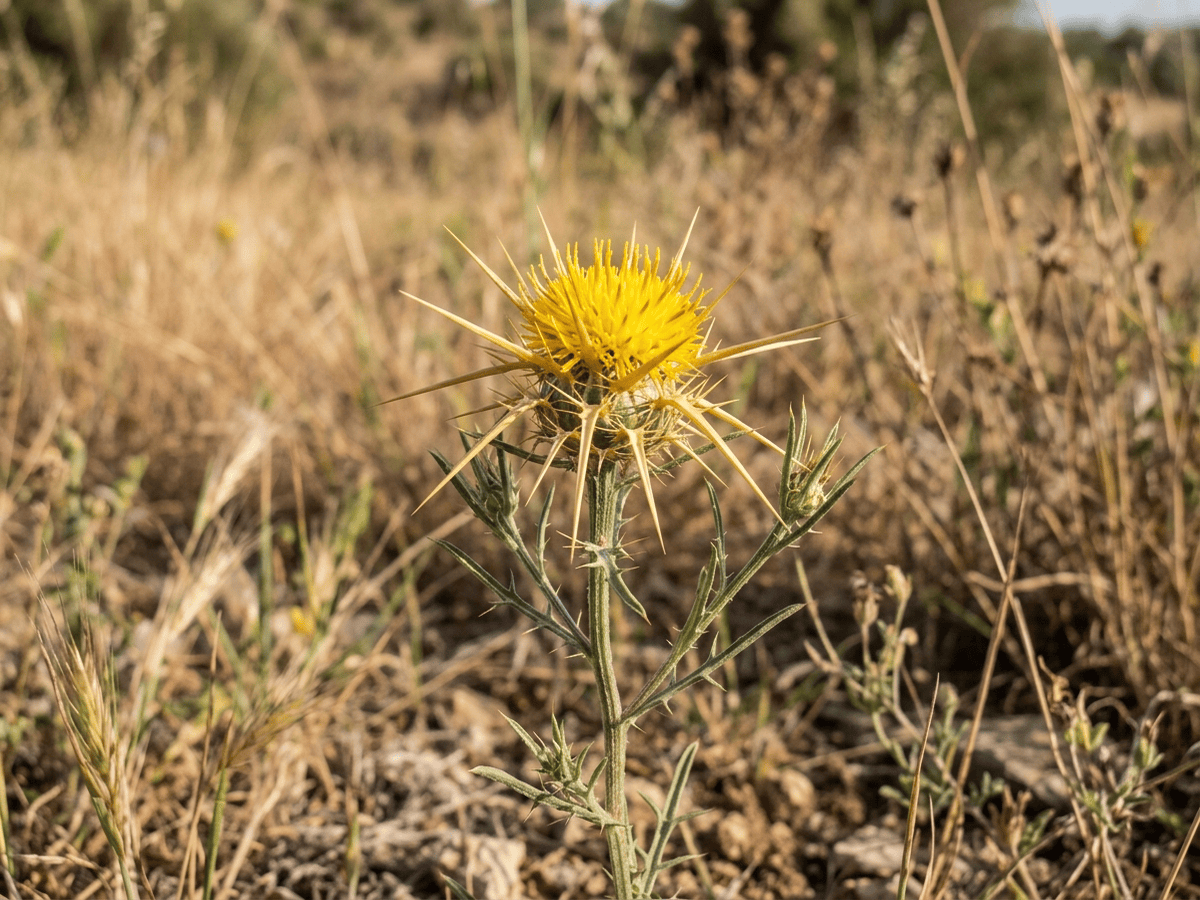 Yellow Star-ThistleCentaurea solstitialis
Plants with similar care
 Chinese AbeliaAbelia chinensis
 Fragrant AbeliaAbelia mosanensis
 Large-Flowered AbeliaAbelia uniflora
 Glossy AbeliaAbelia x grandiflora
Frequently asked questions
How often should I water Spotted Knapweed?
In summer, water about every 10 days; in winter, about every 30 days. Adjust for heat, pot size and drainage.
How much light does Spotted Knapweed need?
Full sun: 6+ hrs direct. Watch the leaves — scorching or stretching means the light needs adjusting.
Is Spotted Knapweed toxic to cats or dogs?
Pets Unknown (Dogs Unknown · Cats Unknown) Educational information, not medical or veterinary advice. If exposure is suspected, contact a doctor or veterinarian.
Is Spotted Knapweed easy to grow?
Yes — it is considered an easy, beginner-friendly plant.
When does Spotted Knapweed bloom?
It typically blooms Jun–Aug in the Northern Hemisphere.
YardMate
Identify any plant in seconds
Snap a photo — YardMate names the plant, diagnoses problems, and reminds you when to water.
Download on the App Store