 YardMate


Red Valerian
Centranthus ruber
Hard · Experienced growersAbout Red Valerian
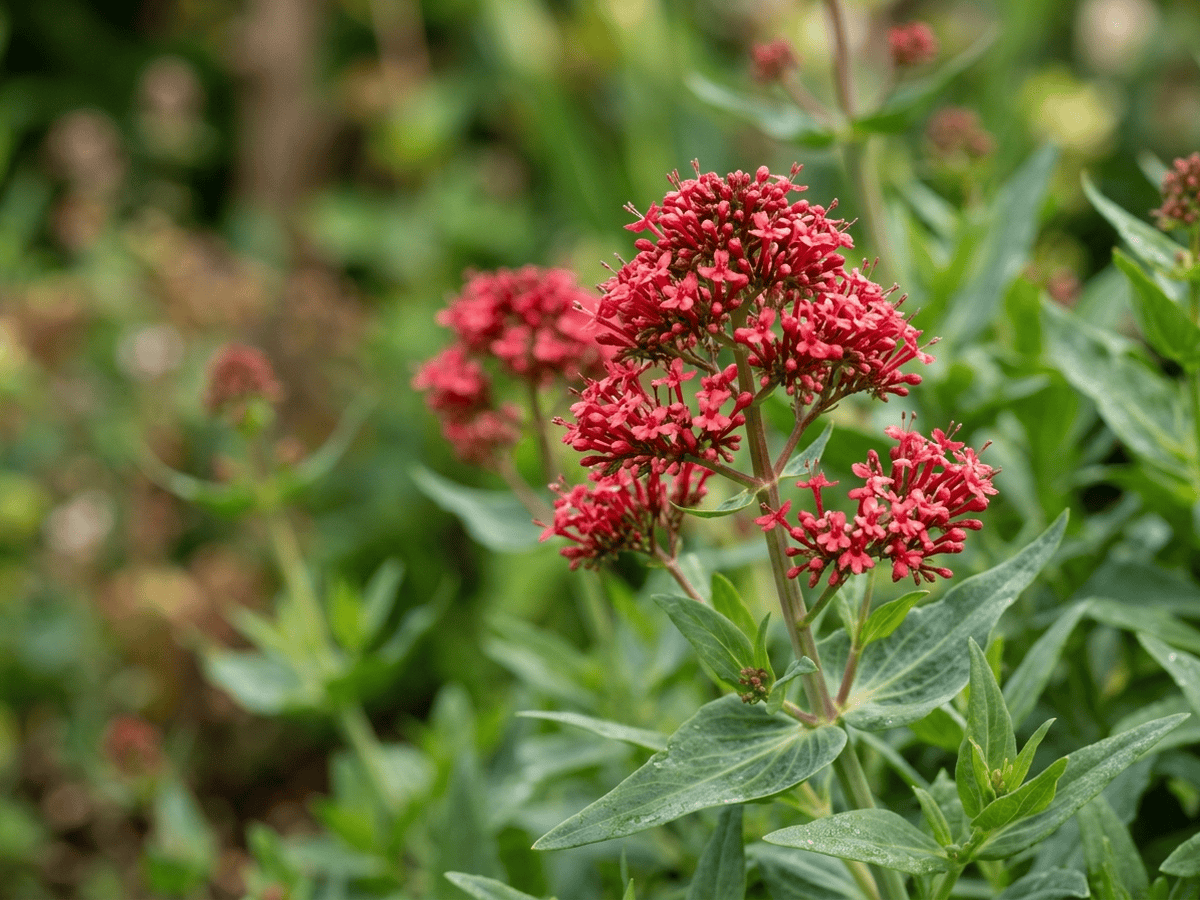
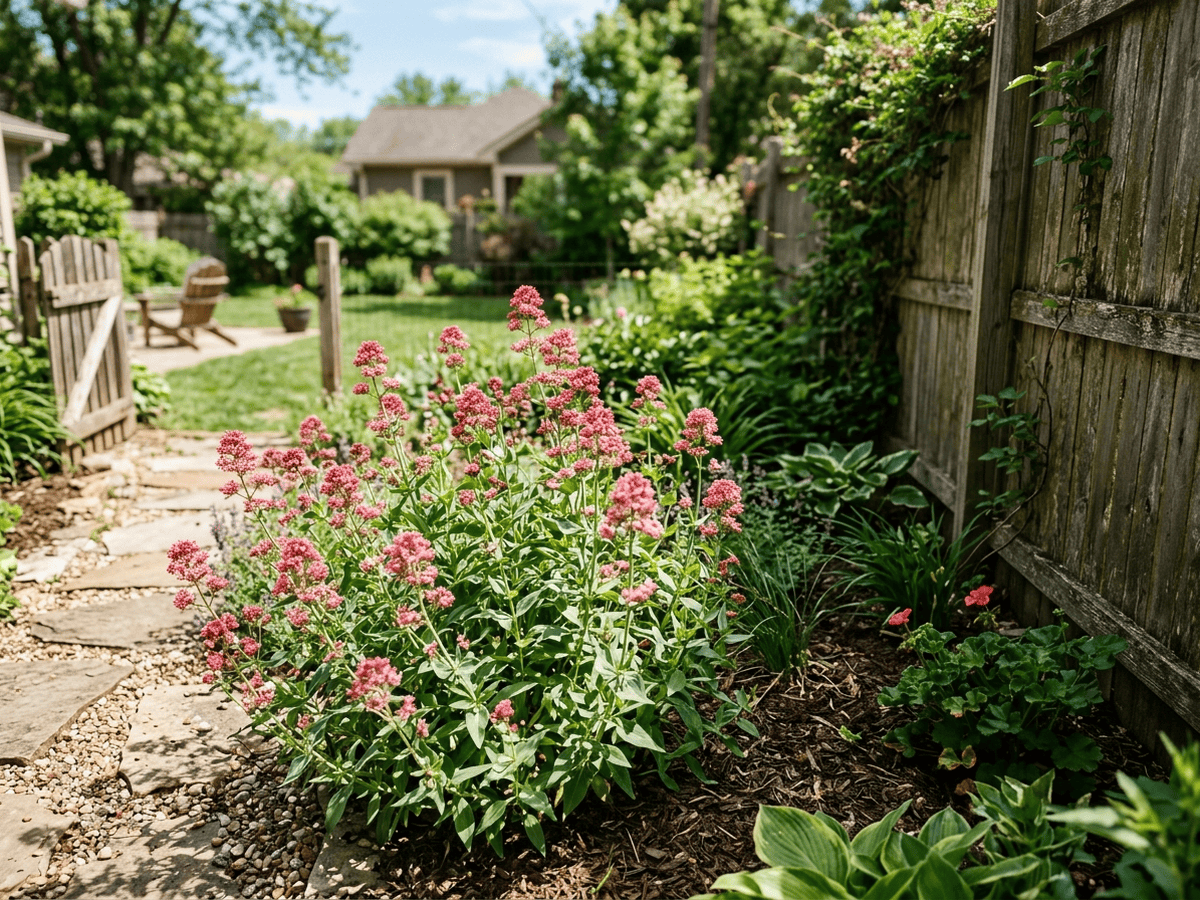
Red Valerian (Centranthus ruber) is a hardy Mediterranean perennial celebrated for its long-lasting plumes of tiny, star-shaped flowers in shades of crimson, deep pink, and white. Blooming from late spring through autumn, it thrives in poor, rocky, alkaline soils—colonizing old walls, chalk cliffs, and gravel gardens with ease. Its prolific, nectar-rich blooms attract butterflies and bees over many months. Growing 2–3 feet tall with glaucous blue-green foliage, it is highly drought-tolerant, virtually maintenance-free, and spreads freely by self-seeding.
- Deciduous
- Pollinator-friendly
- Fast-growing
How to care for Red Valerian
Watering
- Springevery 7 days
- Summerevery 7 days
- Fallevery 15 days
- Winterpause watering
Soil · Well-draining
- Top dressingPine bark mulch10%
- Main mixPotting soil + perlite 2:170%
- DrainageLECA / gravel20%
Never skip the drainage layer — standing water is the top cause of root rot.
FERTILIZER
- Springevery 30 days
- Summerevery 30 days
- Fallevery 30 days
At a Glance
- NativeEurope, North Africa
- Height1.5–3 ft (0.5–0.9 m)
- Spread1–2 ft (0.3–0.6 m)
- Flower colorRed, Pink
- Foliage colorGreen
- SoilWell-drained, Sandy, Loamy
- LocationsYard · Balcony
Bloom time
BLOOM CYCLE
Peak bloom
May–Sep
The flowers of this plant bloom in summer, attracting many pollinators.
Fragrance
LIGHT FRAGRANCE
Soft, sweet honey-like scent from the small flower clusters, most noticeable on warm, sunny days.
Toxicity
No toxicity has been reported for this plant. Still, it is wise to keep pets from chewing on any houseplant.
Educational information, not medical or veterinary advice. If exposure is suspected, contact a doctor or veterinarian.
DISTRIBUTION

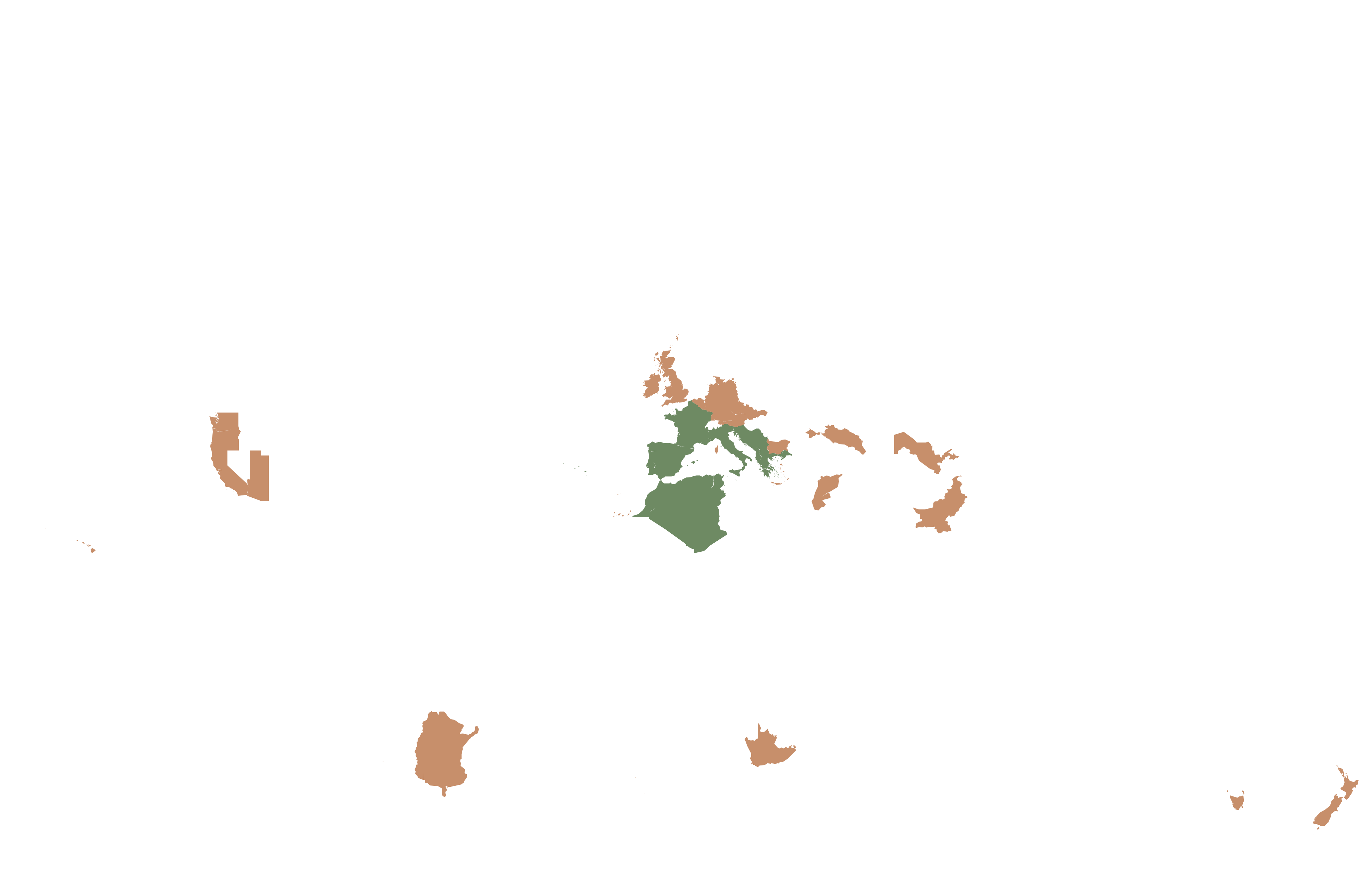
- Native
- Introduced
- Europe
- North Africa
History
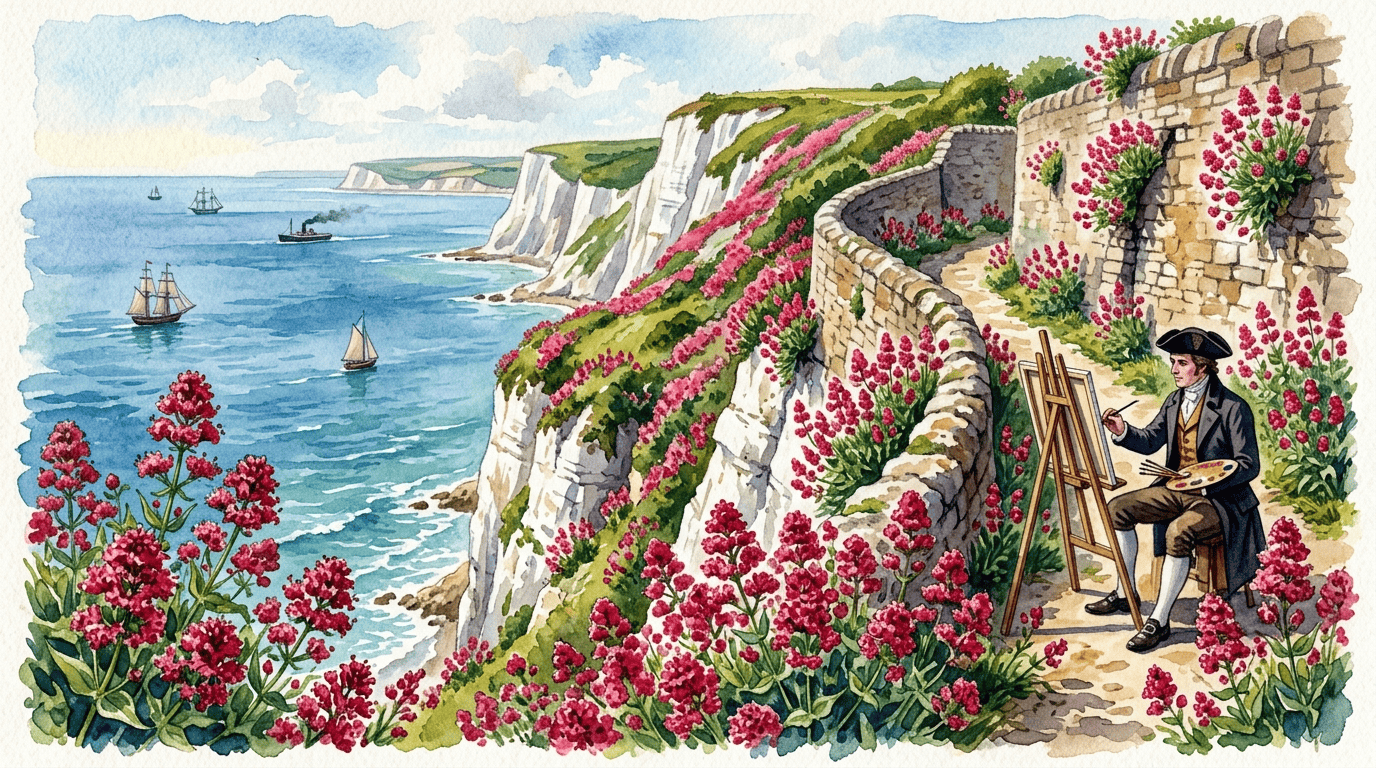
Centranthus ruber traces its origin to the limestone hillsides and coastal scrubland of the Mediterranean, from the Iberian Peninsula through southern France and Italy to North Africa. For centuries it has colonized the mortar joints of ancient walls, chalk sea cliffs, and dry rocky banks—earning the affectionate English names 'Red Valerian,' 'Jupiter's Beard,' and 'Kiss-me-quick.'
The genus name Centranthus comes from the Greek kentron (spur) and anthos (flower), referencing the tiny nectar spur at the base of each small bloom. The species epithet ruber is Latin for 'red,' reflecting the most common flower color, though pink and white forms are widely cultivated.
Red Valerian was introduced to British gardens around 1596 and quickly proved it had no need of cultivation to succeed. By the 17th century it was self-seeding freely on castle ramparts and coastal cliffs across southern England. The village of Clovelly in Devon and the chalk cliffs of Dover became celebrated for their vivid, dense colonies of red valerian each summer, inspiring painters and poets of the Romantic era.
Occasionally confused with true Valerian (Valeriana officinalis) in folk medicine and used as a mild sedative, Centranthus ruber today is grown purely for ornament—prized in cottage gardens, Mediterranean plantings, and wildlife-friendly borders for its extraordinary drought tolerance, months-long flowering season, and near-complete independence from routine care.
Symbolism & meaning
What It Symbolizes
Red Valerian has long captured the imagination of poets and artists drawn to ruins, sea cliffs, and weathered stone—places where beauty asserts itself without invitation. Its vivid crimson plumes, rising from cracks in ancient walls, suggest a life force that refuses to be contained, making it an enduring symbol of resilience in European garden tradition. In the cottage garden movement of the 19th century, it came to represent the beauty of naturalness and the quiet dignity of plants that give without asking anything in return.
- resilience — Flourishing on bare rock and crumbling masonry where almost nothing else grows, Red Valerian has become a symbol of quiet resilience and the ability to thrive in the face of adversity.
- freedom — Its habit of self-seeding freely on wild cliffs and ancient ruins, escaping garden boundaries entirely, evokes a spirit of freedom and unstudied natural beauty.
Where the Name Comes From
From Greek kentron ('spur') and anthos ('flower'), describing the small nectar spur at the base of each bloom; ruber is Latin for 'red,' the plant's most characteristic flower color.
Uses & Fun Facts
- Prolific crimson and pink flower clusters attract butterflies, bees, and hoverflies throughout the long blooming season from late spring to autumn.
- Ideal for dry walls, gravel gardens, cottage borders, and rocky slopes—thriving in poor, alkaline soils where most plants struggle.
- Dense flower clusters provide nectar for many insects, and feathery seedheads offer food for small birds in late summer and autumn.
- Long-stemmed flower plumes make attractive, long-lasting cut flowers, adding airy texture and vivid color to fresh arrangements.
Related plants
Plants with similar care
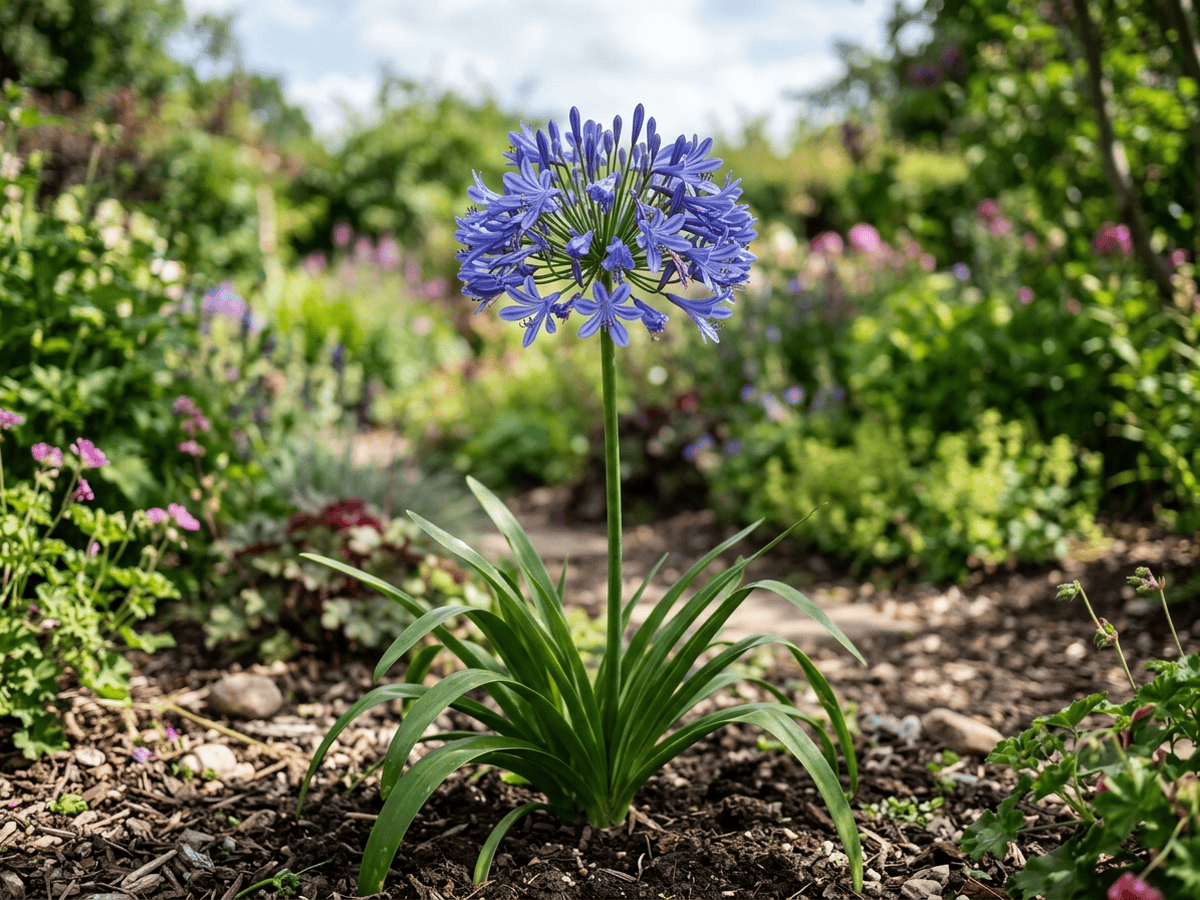 African LilyAgapanthus africanus
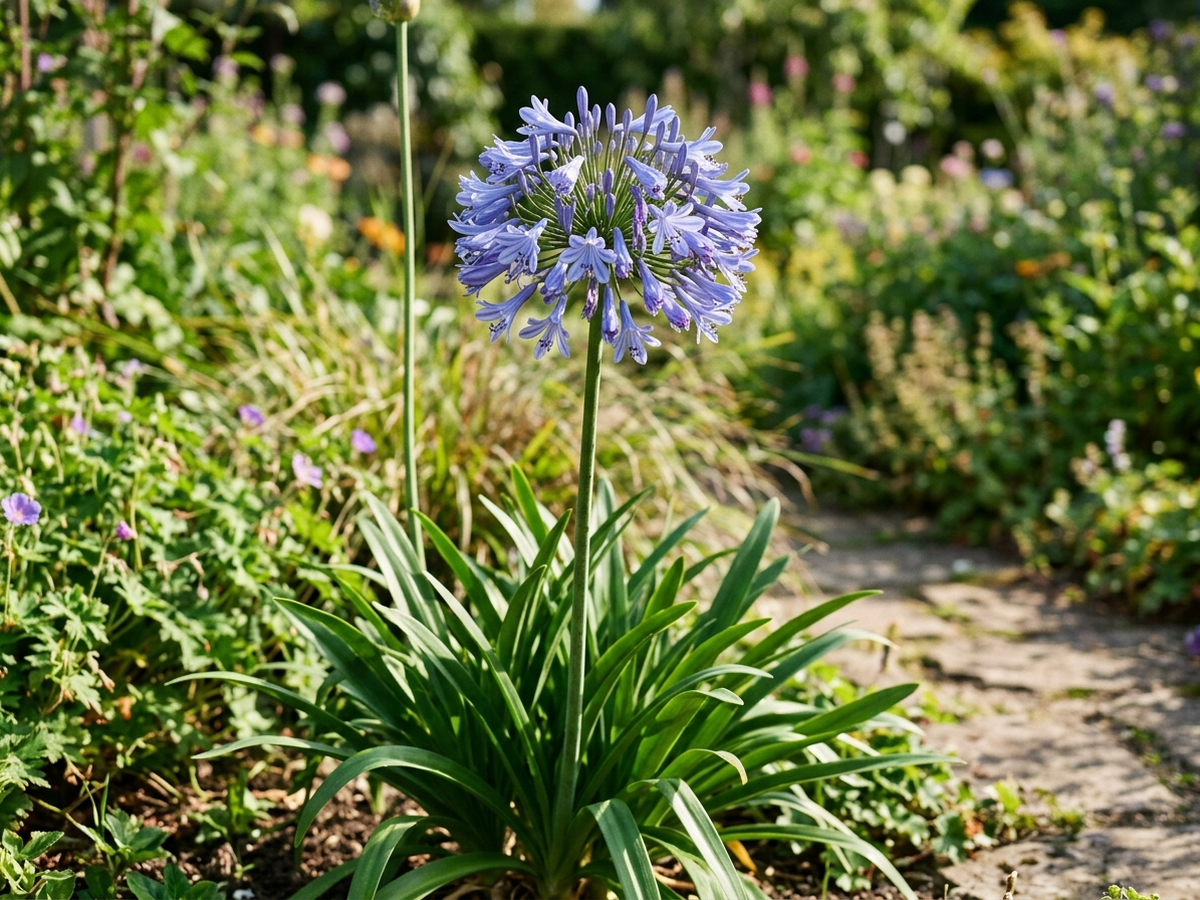 Bell AgapanthusAgapanthus campanulatus
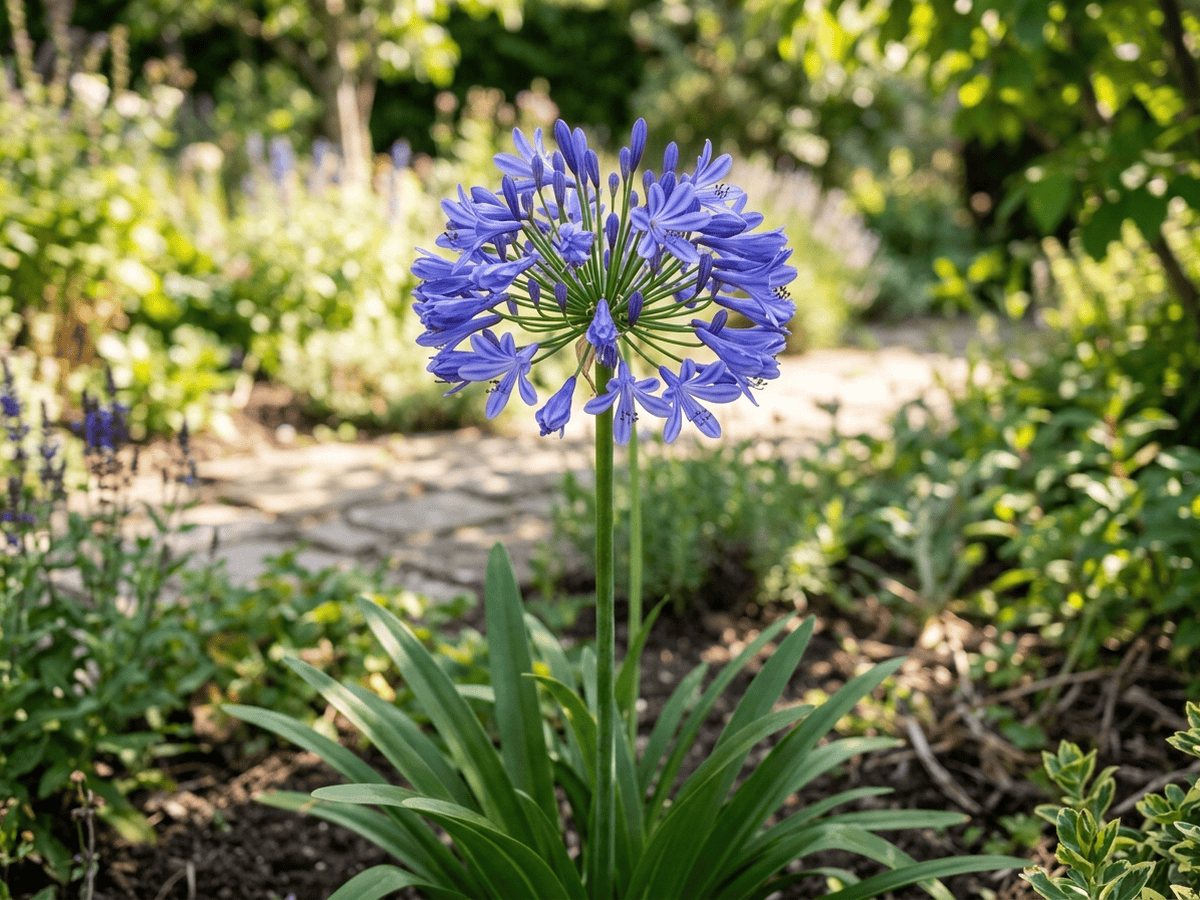 Common AgapanthusAgapanthus praecox
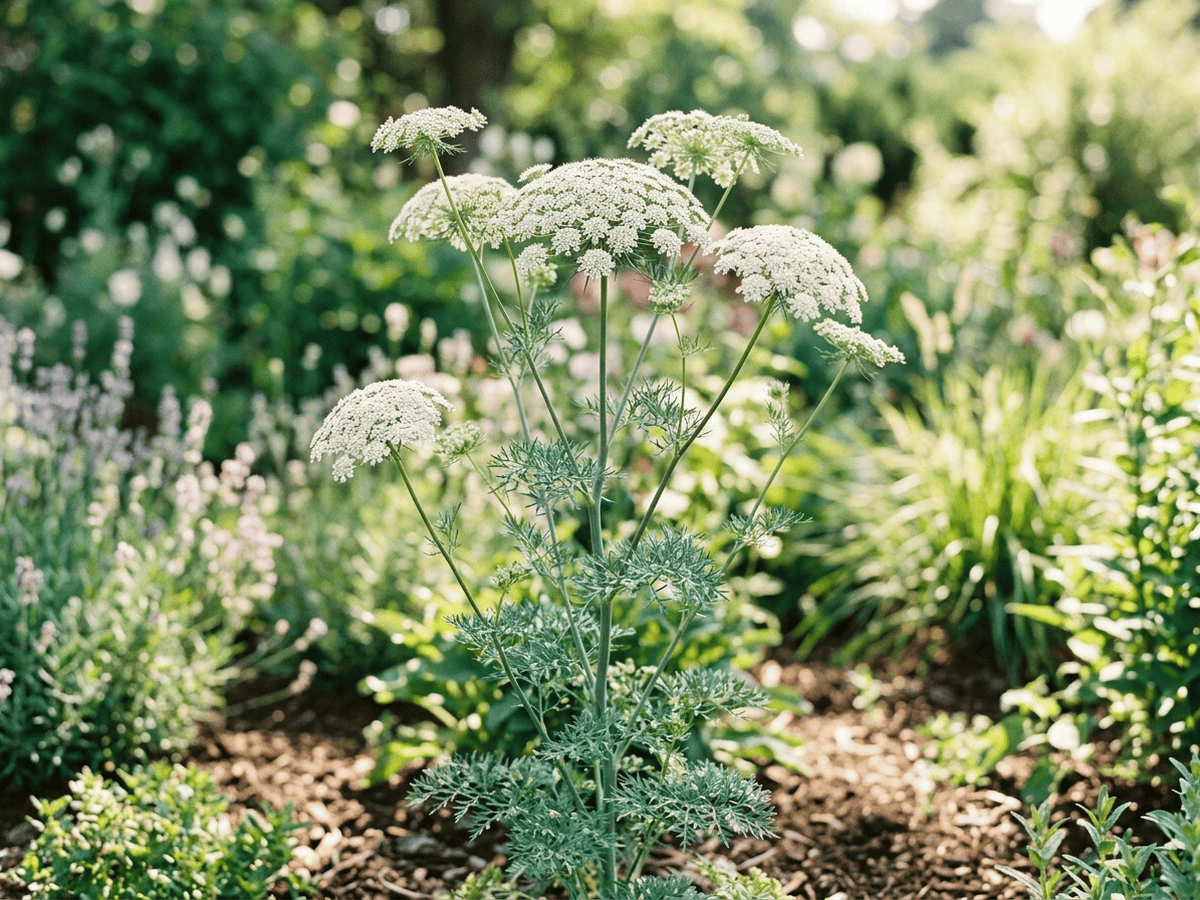 False Queen Anne's LaceAmmi majus glaucifolium
Frequently asked questions
How often should I water Red Valerian?
Water about every 7 days during the growing season, and always let excess water drain away.
How much light does Red Valerian need?
Part sun: 4–6 hrs direct. Watch the leaves — scorching or stretching means the light needs adjusting.
Is Red Valerian toxic to cats or dogs?
No toxicity has been reported for this plant. Still, it is wise to keep pets from chewing on any houseplant. Educational information, not medical or veterinary advice. If exposure is suspected, contact a doctor or veterinarian.
Is Red Valerian easy to grow?
It is considered challenging and rewards experienced growers.
When does Red Valerian bloom?
It typically blooms May–Sep in the Northern Hemisphere.
YardMate
Identify any plant in seconds
Snap a photo — YardMate names the plant, diagnoses problems, and reminds you when to water.
Download on the App Store