 YardMate


Parlour Palm
Chamaedorea elegans
Easy · Beginner friendlyAbout Parlour Palm
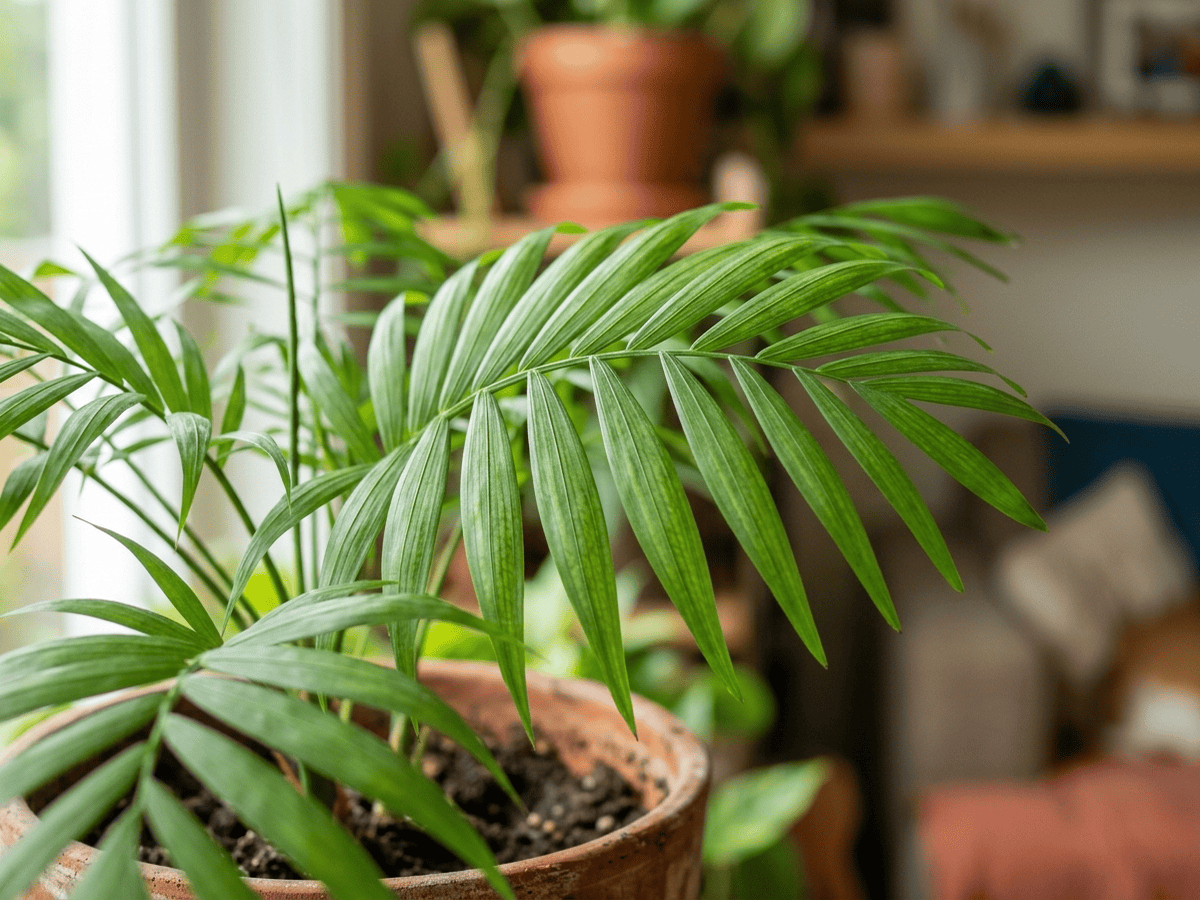
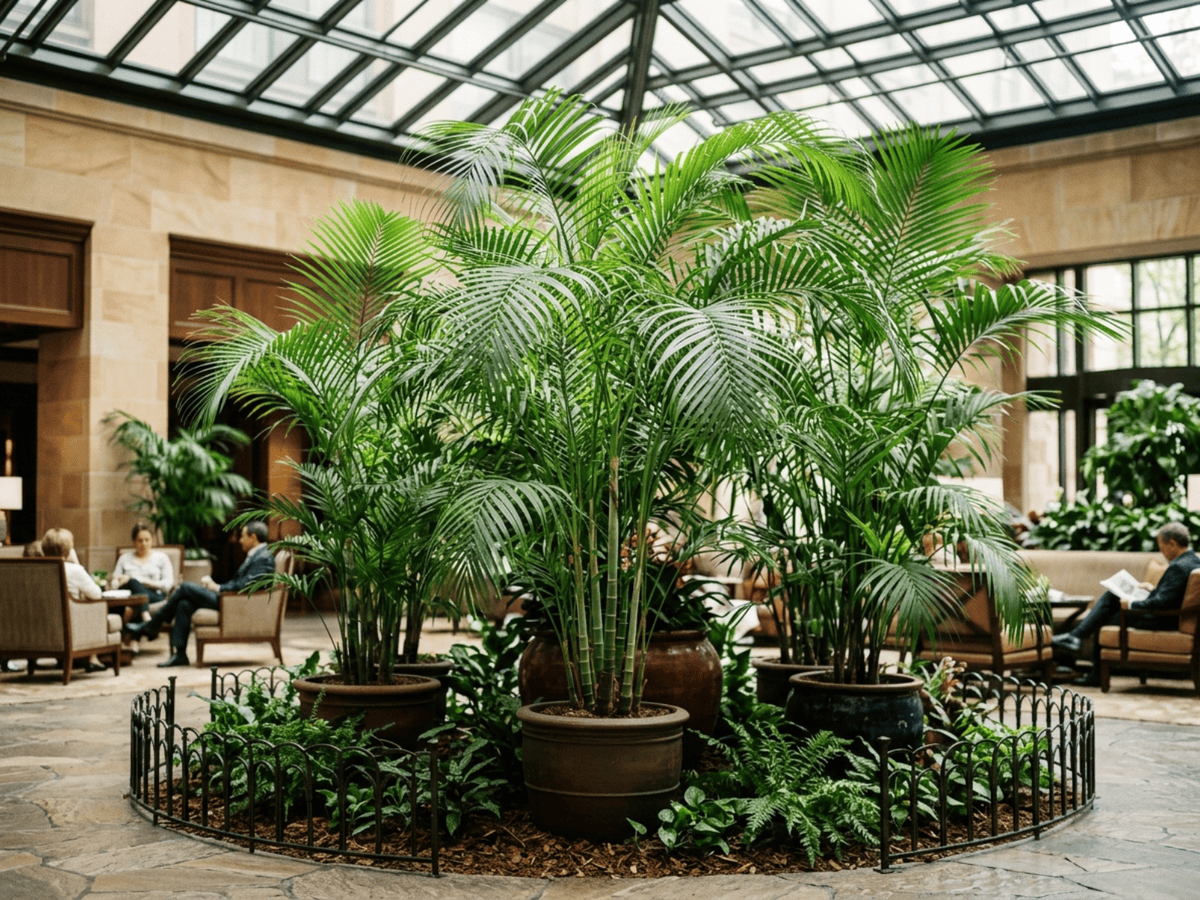
Chamaedorea elegans, the parlor palm, has been the quintessential indoor palm since the Victorian era. Its delicate, feathery fronds on slender green stems grow slowly to about 1–2 meters, fitting perfectly in corners and low-light rooms. Native to the rainforest understory of Mexico and Guatemala, it is one of the most shade-tolerant palms available. It can tolerate dry air, low light, and neglect — though it grows best with moderate light and regular moisture. Small yellow flower sprays appear on mature plants, followed by tiny black berries.
- Air-purifying
- Compact
How to care for Parlour Palm
Watering
- Springevery 7 days
- Summerevery 5 days
- Fallevery 10 days
- Winterevery 14 days
Soil · Well-draining
- Main mixLoam + bark + perlite 2:1:175%
- DrainageLECA25%
Bark keeps the mix from compacting under a heavy root ball.
FERTILIZER
Balanced Feed 14-14-14
An even feed covers all three needs at once, keeping leaves, roots and blooms moving together with nothing pushed out of balance.
- Nitrogen · Leaves
- Phosphorus · Roots + Blooms
- Potassium · Strength
- Springevery 30 days
- Summerevery 30 days
- Fallevery 60 days
At a Glance
- NativeNorth America, Central America
- Height3–6 ft (0.9–1.8 m)
- Spread2–3 ft (0.6–0.9 m)
- Flower colorYellow
- Foliage colorGreen
- Fruit colorBlack
- SoilLoamy, Well-drained, Rich
- LocationsIndoor
Fragrance
LIGHT FRAGRANCE
Tiny yellow flowers have a light sweet scent.
Toxicity
No toxicity has been reported for this plant. Still, it is wise to keep pets from chewing on any houseplant.
Educational information, not medical or veterinary advice. If exposure is suspected, contact a doctor or veterinarian.
DISTRIBUTION


- Native
- North America
- Central America
History
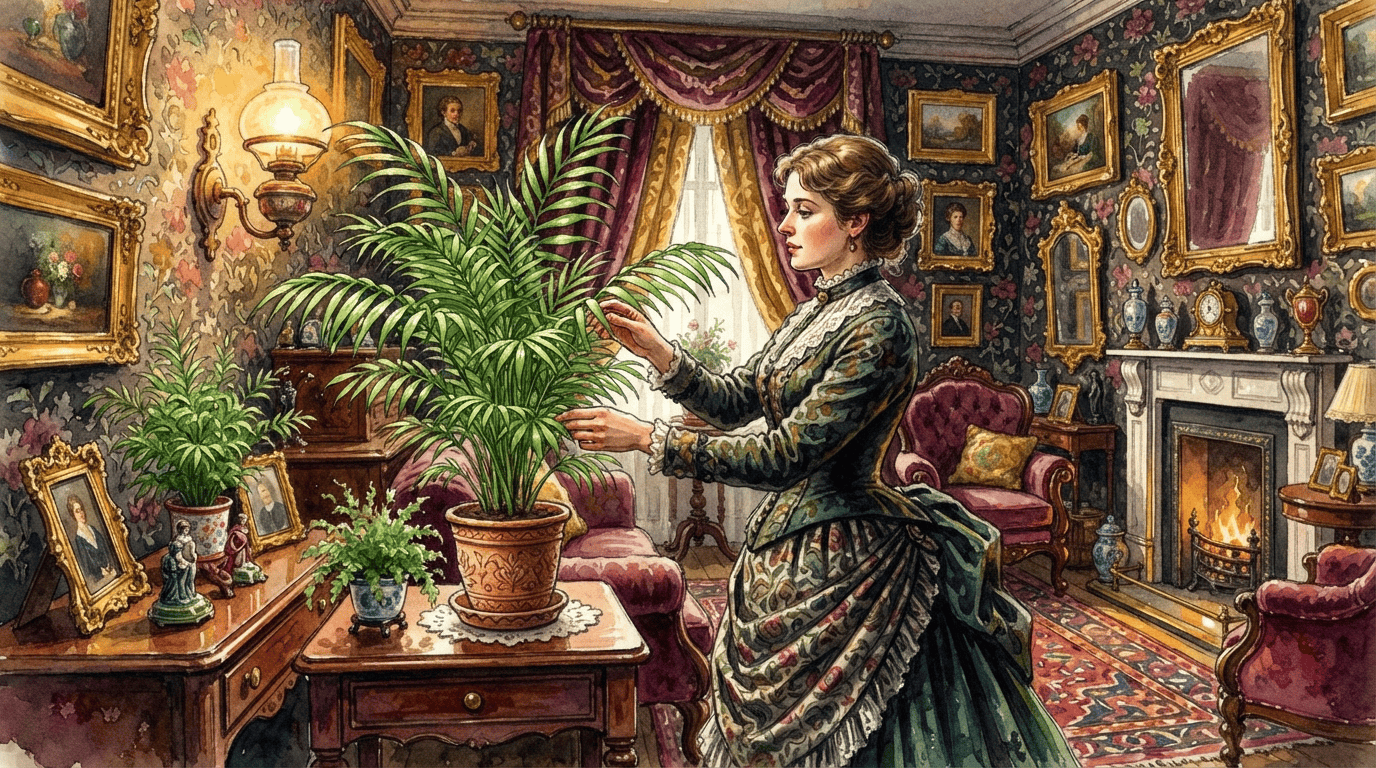
Chamaedorea elegans grows in the dense rainforest understory of southern Mexico (Veracruz, Chiapas, Tabasco) and neighboring Guatemala, where it thrives in deep shade. Introduced to European horticulture in the 1840s, it became the signature 'parlor palm' of late Victorian and Edwardian homes: small enough for a side table, tolerant of gaslight fumes and coal smoke, and strikingly more shade-adapted than most other palms. Production shifted in the mid-20th century to Mexican seed farms in Veracruz and Chiapas, where local families still harvest wild seed for export — one of the few houseplants whose supply chain has an established fair-trade certification program.
NASA's 1989 Clean Air Study included it among top air-purifiers. Non-toxic to pets. The parlor palm earned its name in Victorian England, where it was the houseplant of choice for formal parlors — the room where guests were received.
Its tolerance of the dim, gas-lit, coal-heated interiors of 19th-century homes made it indispensable. It was one of the first tropical plants to be widely grown as a houseplant, imported from Mexico starting in the 1830s. In its native Chiapas and Guatemala, sustainable harvesting of the fronds (called 'xate') for the cut-foliage industry is an important income source for forest communities — the fronds are used in Palm Sunday celebrations and floral arrangements worldwide.
Symbolism & meaning
What It Symbolizes
The parlor Palm makes visible grace, its fronds fanning out with the same composed dignity that once cooled Victorian drawing rooms. As one of the great houseplants of nineteenth-century parlor culture, it carries a heritage of refined hospitality — the quiet welcome of a well-tended guest room. Few plants speak so clearly of understated beauty, of elegance offered without need for spectacle.
- Grace — Its Victorian parlor heritage represents refined hospitality and understated beauty
Where the Name Comes From
The name Parlour Palm describes its palm-like silhouette. Chamaedorea from Greek 'chamai' (on the ground) and 'dorea' (gift), meaning 'near the ground' — referring to the low-growing fruit. Elegans means 'elegant.'
Uses & Fun Facts
- Compact fronds bring a soft palm silhouette to desks and low-light rooms
- Fine fronds soften tabletops, offices, and narrow indoor corners
Related plants
Plants with similar care
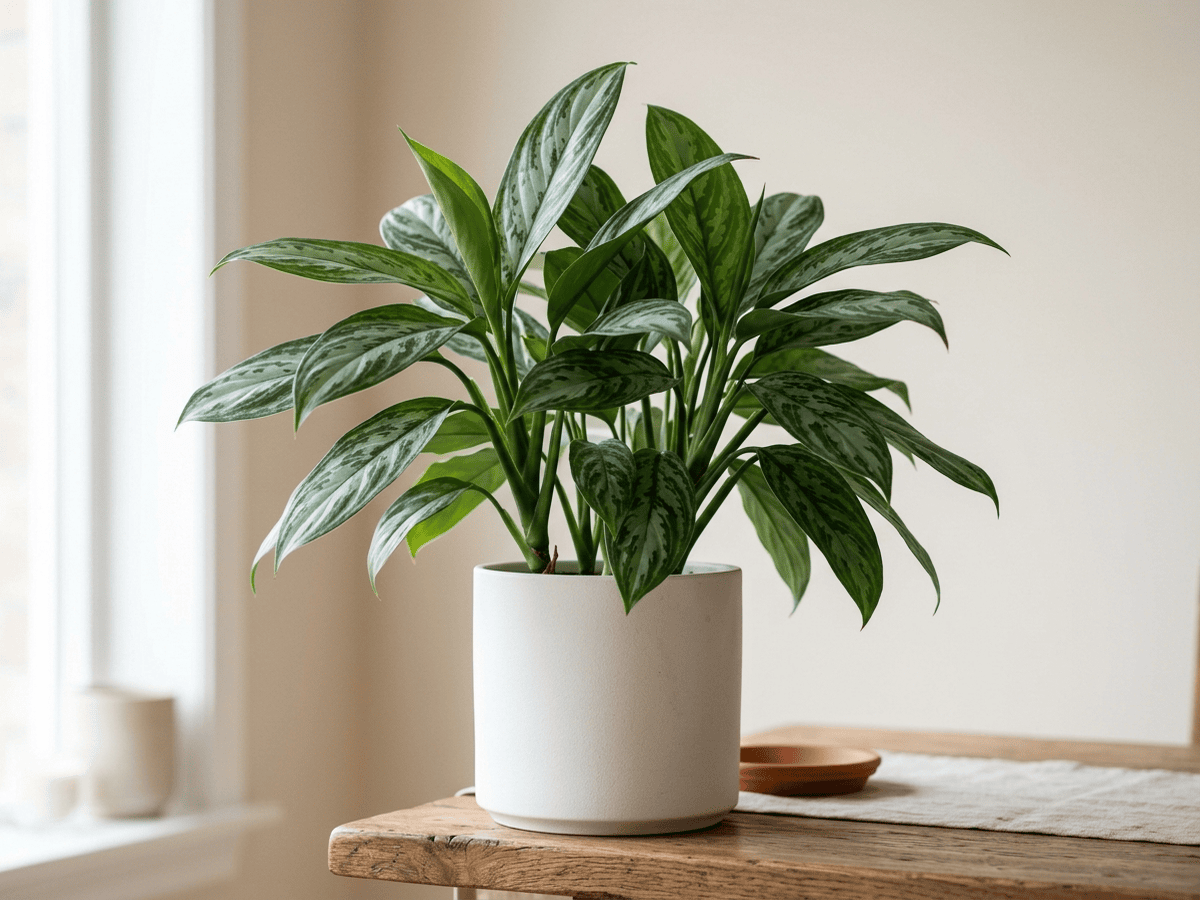 Philippine EvergreenAglaonema commutatum
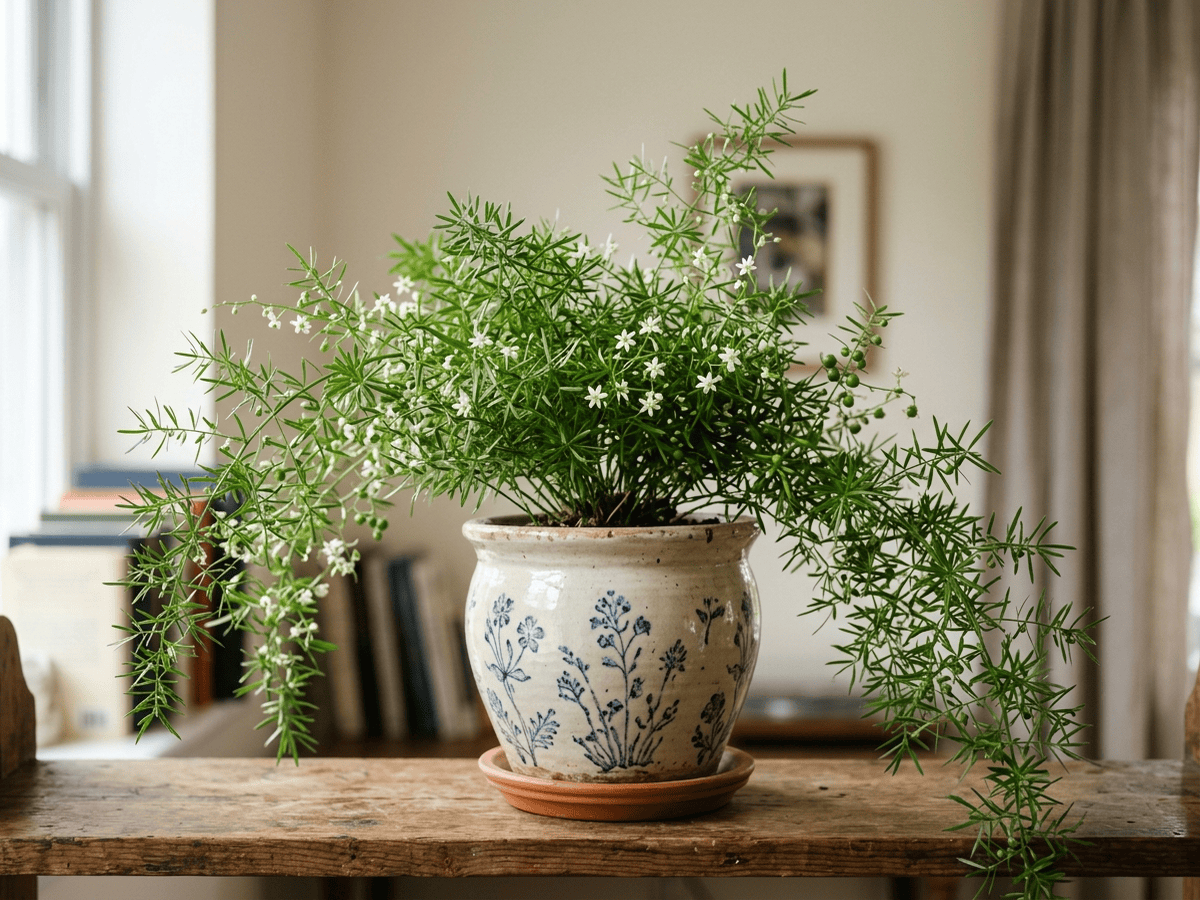 Sprenger's AsparagusAsparagus densiflorus
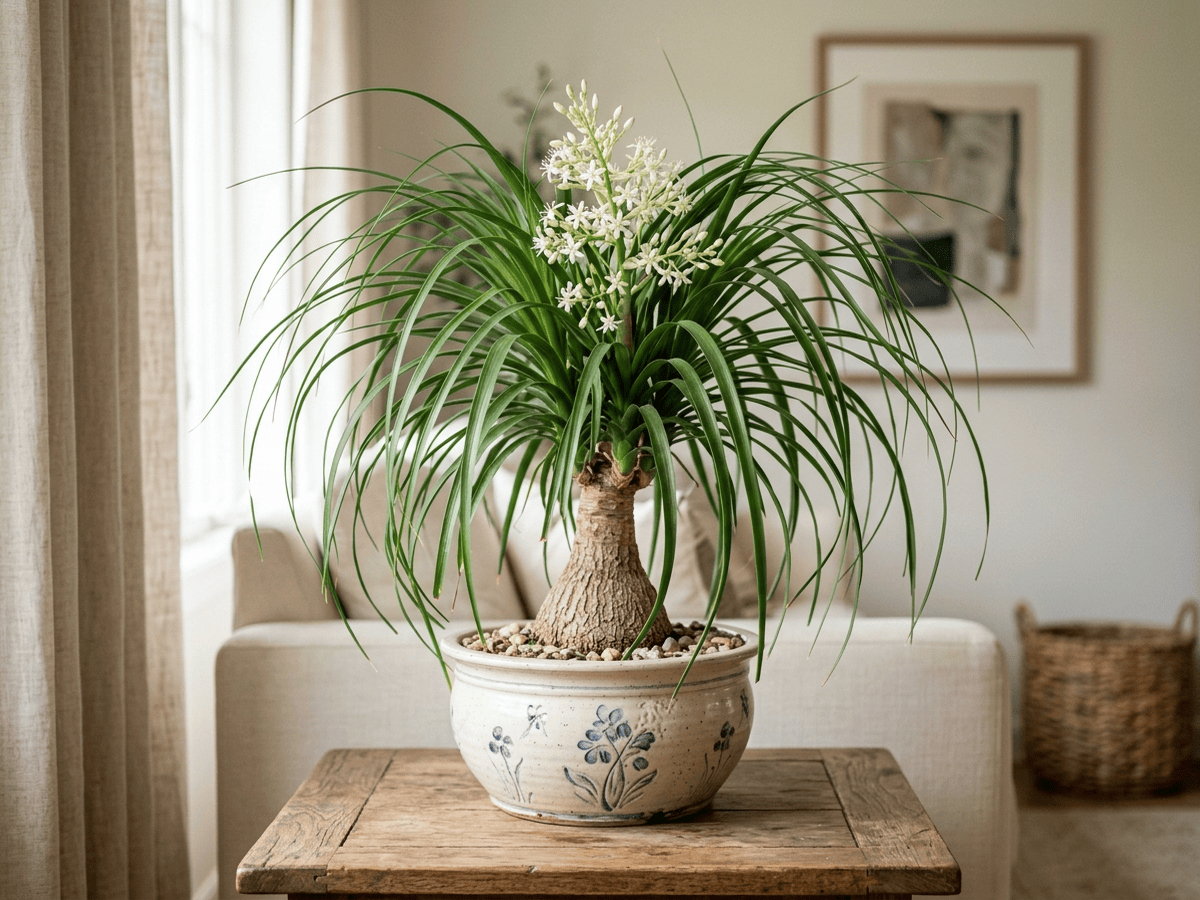 Ponytail PalmBeaucarnea recurvata
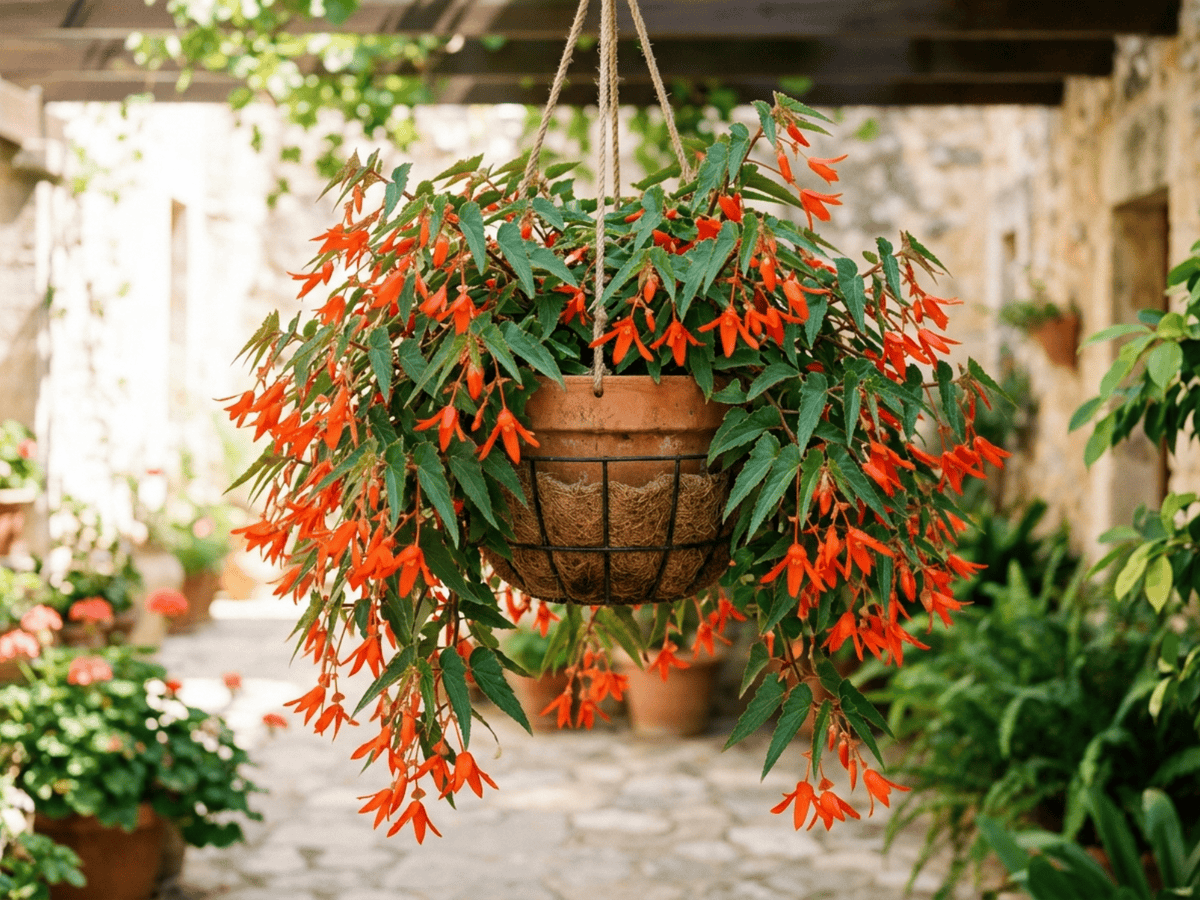 Tuberous BegoniaBegonia boliviensis
Frequently asked questions
How often should I water Parlour Palm?
In summer, water about every 5 days; in winter, about every 14 days. Adjust for heat, pot size and drainage.
How much light does Parlour Palm need?
Part shade: 2–4 hrs direct. Watch the leaves — scorching or stretching means the light needs adjusting.
Is Parlour Palm toxic to cats or dogs?
No toxicity has been reported for this plant. Still, it is wise to keep pets from chewing on any houseplant. Educational information, not medical or veterinary advice. If exposure is suspected, contact a doctor or veterinarian.
Is Parlour Palm easy to grow?
Yes — it is considered an easy, beginner-friendly plant.
Can Parlour Palm be grown indoors?
Yes, it adapts well to indoor growing given the right light.
YardMate
Identify any plant in seconds
Snap a photo — YardMate names the plant, diagnoses problems, and reminds you when to water.
Download on the App Store