 YardMate

Tuberous Begonia
Begonia boliviensis
Easy · Beginner friendlyAbout Tuberous Begonia
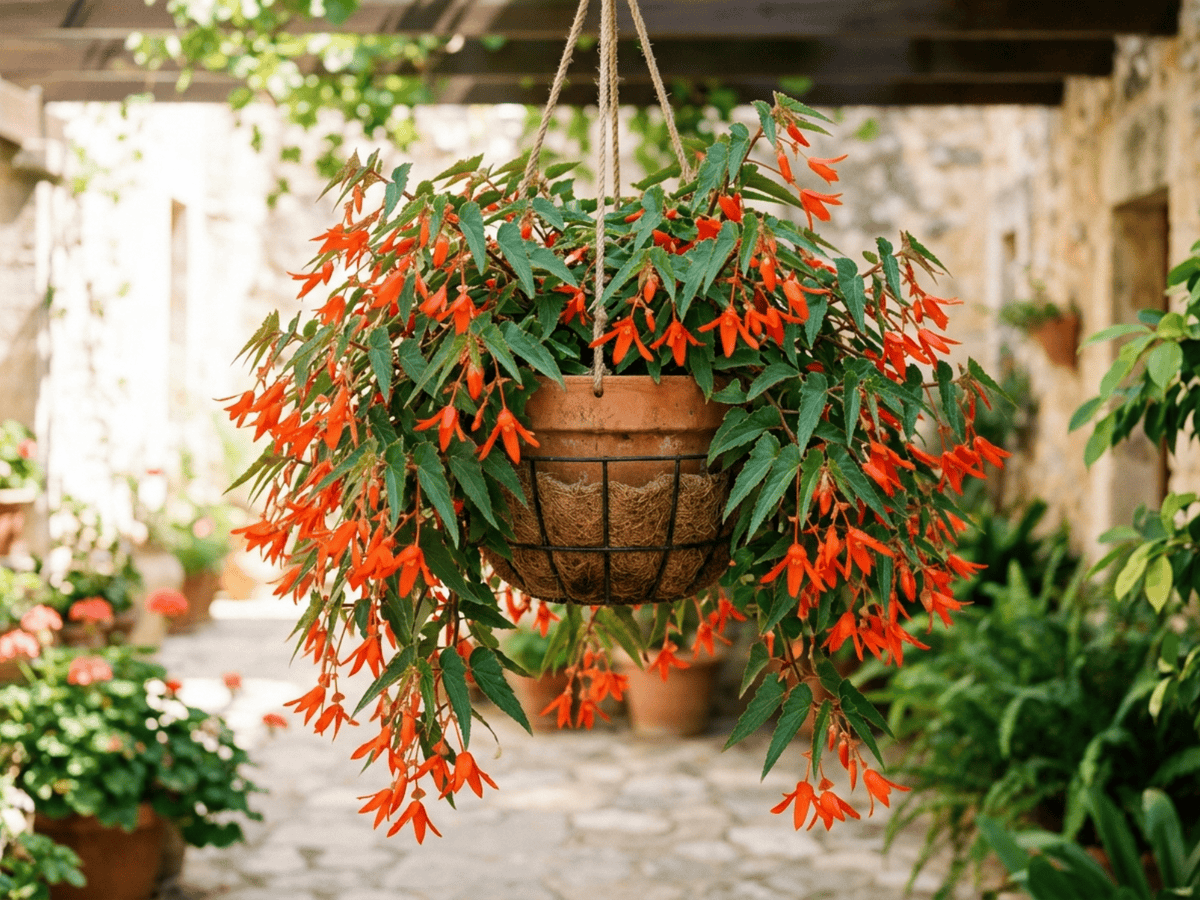
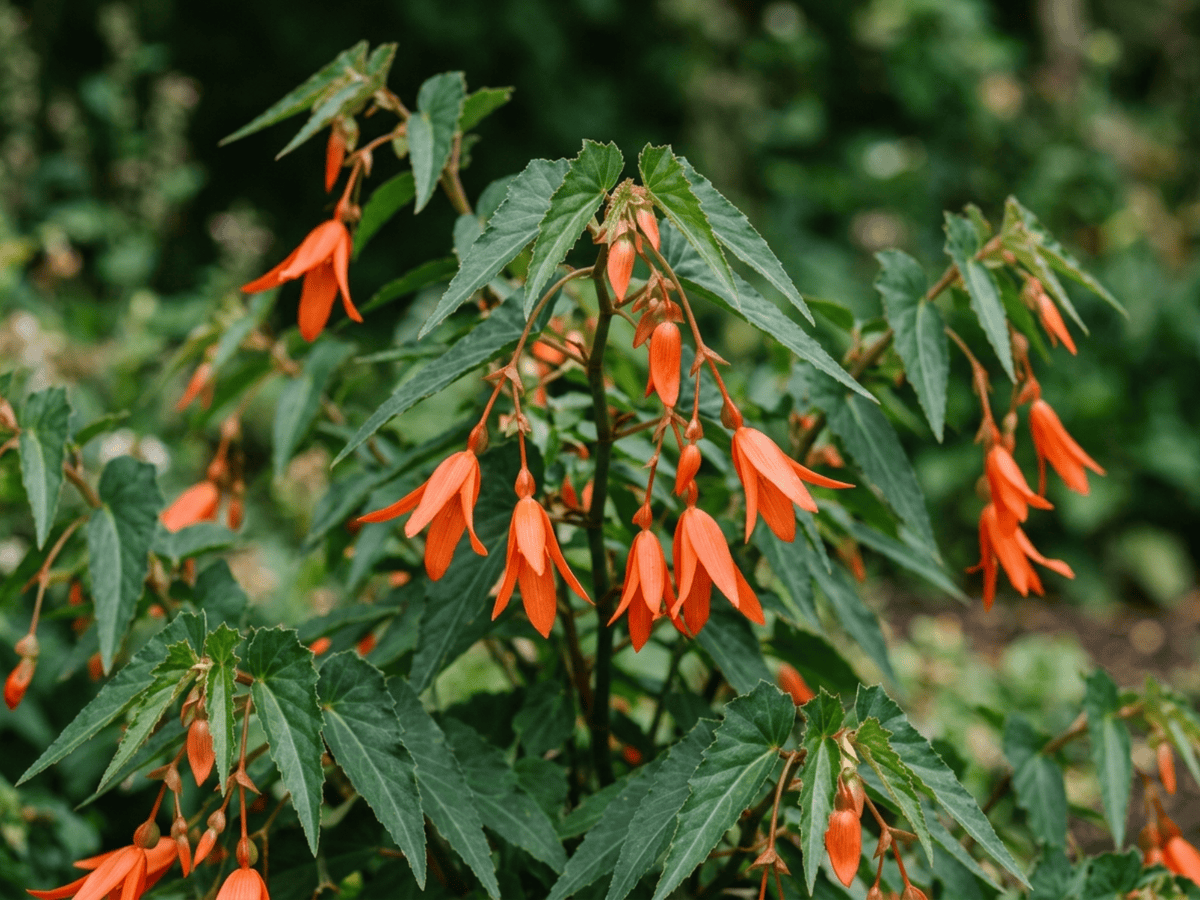
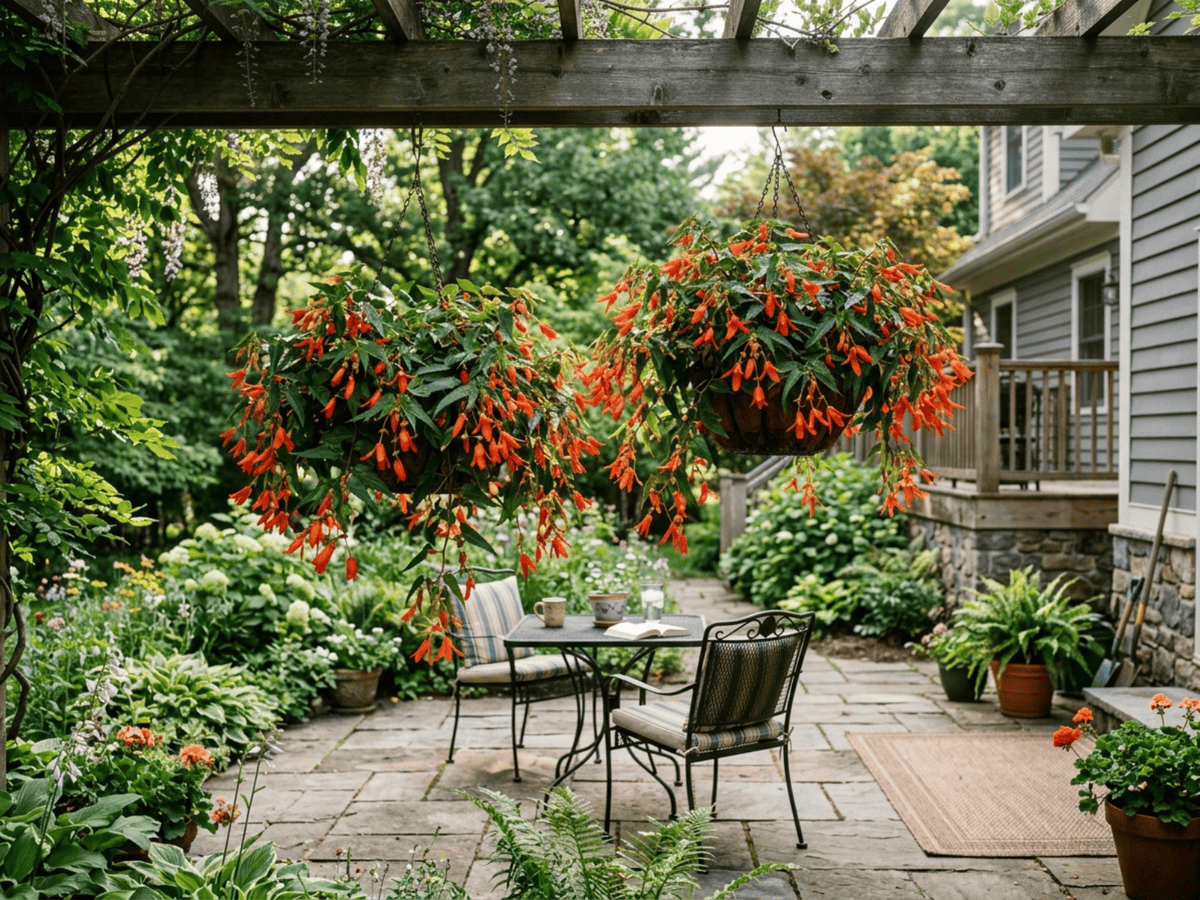
Bolivian Begonia is a trailing tuberous begonia native to the Andes of Bolivia and Argentina, bearing showers of pendant, narrow-petaled flowers in fiery red, coral, orange, white, or pink. Stems arch and cascade 18–24 inches, making it spectacular in hanging baskets and tall containers. More heat- and sun-tolerant than most tuberous begonias, it thrives in partial sun across much of the United States and blooms nonstop from late spring to first frost.
- Heat-tolerant
- Trailing
- Container-friendly
- Long-blooming
How to care for Tuberous Begonia
Watering
- Springevery 3 days
- Summerevery 2 days
- Fallevery 5 days
- Winterpause watering
Soil · Well-draining
- Main mixLoam + coarse sand 3:175%
- DrainageGravel25%
Sharp drainage matters most — bulbs rot in wet soil while dormant.
FERTILIZER
Balanced Feed 14-14-14
An even feed covers all three needs at once, keeping leaves, roots and blooms moving together with nothing pushed out of balance.
- Nitrogen · Leaves
- Phosphorus · Roots + Blooms
- Potassium · Strength
- Springevery 14 days
- Summerevery 14 days
- Fallevery 30 days
At a Glance
- NativeSouth America
- Height1–1.5 ft (0.3–0.5 m)
- Spread1–1.5 ft (0.3–0.5 m)
- Flower colorRed, Orange, Pink, White
- Foliage colorGreen, Bronze
- SoilLoamy, Well-drained, Rich
- LocationsYard · Balcony · Indoor
Bloom time
BLOOM CYCLE
Peak bloom
Mar–Nov
Cascading pendant flowers spring to frost
Fragrance
NO FRAGRANCE
No notable fragrance.
Toxicity
Humans Slight · Pets Moderate
soluble calcium oxalates
Slight
- All
- Ingestion
EXPOSURE Eating any part of the plant.
EFFECT Oxalate crystals: mild oral irritation.
NOTE Documented concern for humans: Oxalate crystals: mild oral irritation.
Moderate
- Tuber
- All
- Ingestion
EXPOSURE Eating tubers and any part of the plant.
EFFECT Oral irritation, vomiting, drooling.
NOTE ASPCA lists Begonia as toxic to dogs and cats.
Moderate
- Tuber
- All
- Ingestion
EXPOSURE Eating tubers and any part of the plant.
EFFECT Same as dogs.
NOTE ASPCA lists Begonia as toxic to dogs and cats.
Educational information, not medical or veterinary advice. If exposure is suspected, contact a doctor or veterinarian.
DISTRIBUTION


- Native
- South America
History
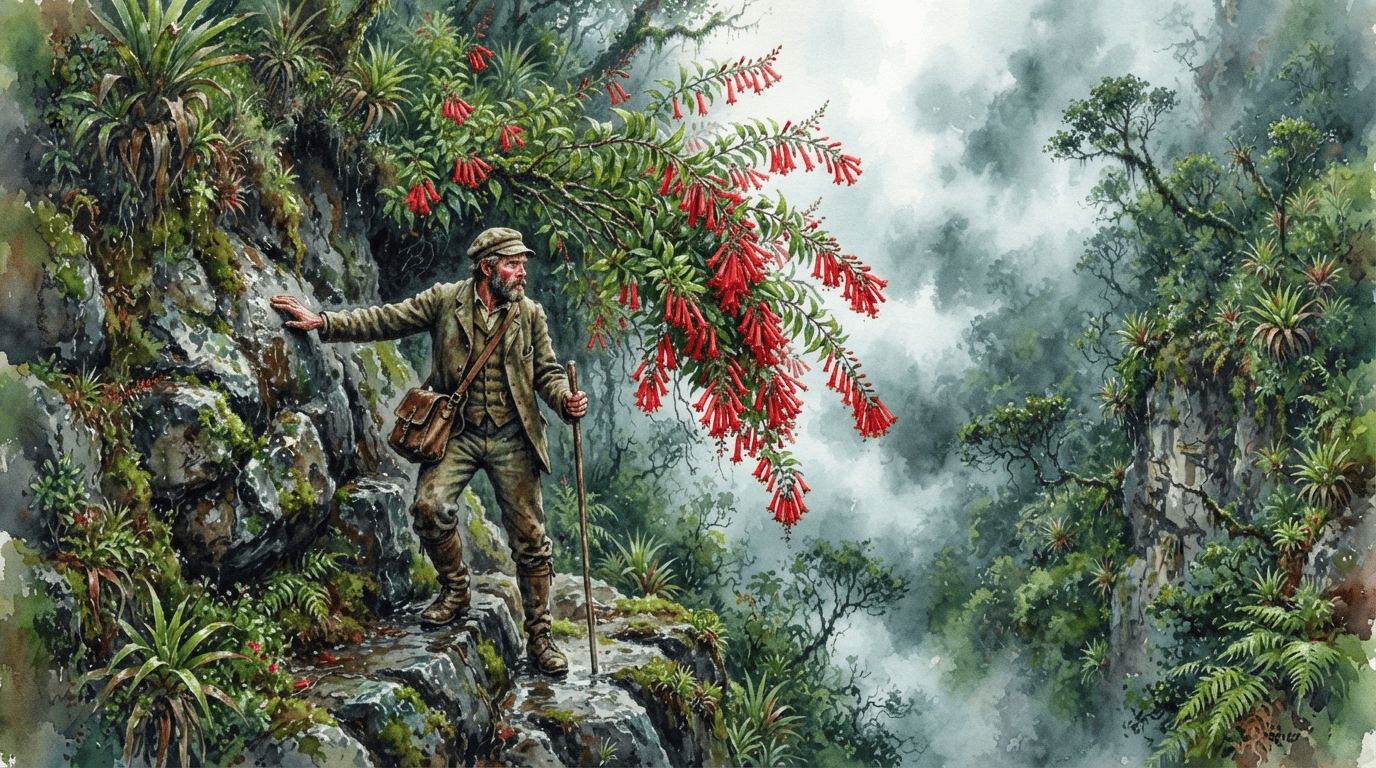
Begonia boliviensis is native to the cloud-forest slopes of the eastern Andes Mountains in Bolivia and northern Argentina, growing at 1200-2500 meters elevation on rocky slopes, cliff faces, and shaded ravines in regions that receive regular orographic cloud moisture. The species was discovered for Western horticulture by Richard Pearce (1835-1868), a Cornish plant collector working for the James Veitch and Sons Nursery of Chelsea, London, during his 1864 expedition to Peru and Bolivia; the wild-collected tubers were introduced to English cultivation in 1866 and generated immediate horticultural excitement for producing the first bright-scarlet flowers in a genus previously known mainly for white and pink species. The species has a distinctive upright-then-pendulous growth habit with arching stems 30-50 cm long that become pendant when the plant is grown above ground level, and produces clusters of 4-6 cm narrow bell-shaped bright-scarlet flowers on arching inflorescence stalks through summer and early autumn.
It is one of the founding parent species of the modern tuberous begonia hybrid group B. x tuberhybrida, bred together with B. veitchii, B. pearcei, B. clarkei, and B. davisii by John Seden at Veitch Nursery starting 1868. Modern horticultural selections of the species itself, particularly the compact and floriferous "Bonfire" (introduced 2002 by Anthony Tesselaar International, bred from a New Zealand selection) and the "Santa Cruz" series, have brought B. boliviensis back into large-scale commercial production as a premium hanging-basket plant since the early 2000s.
First collected in Bolivia in the 1860s, it languished in cultivation until modern seed strains like 'Bonfire' and 'Santa Cruz Sunset' reintroduced it to American gardeners in the 2000s. It has become one of the most popular thriller-and-spiller plants in US garden center container-recipe programs.
Symbolism & meaning
What It Symbolizes
The Tuberous Begonia expresses fancifulness, its cascading fiery flowers tumbling over basket edges like a small celebration in midair. Discovered in the Bolivian Andes and brought into Victorian glasshouses, it carries warmth in every coral and scarlet petal. This begonia is the patron of garden whimsy — a reminder that not every plant needs gravitas, and that sheer playful delight is reason enough.
- Fancifulness — whimsical cascading flowers evoke playfulness
- Warmth — fiery tropical tones
Where the Name Comes From
Genus honors Michel Bégon; 'boliviensis' refers to its Bolivian origin.
Uses & Fun Facts
- Trailing stems spill color from baskets, window boxes, and summer pots
Related plants
More Begonia plants
 Hardy BegoniaBegonia grandis
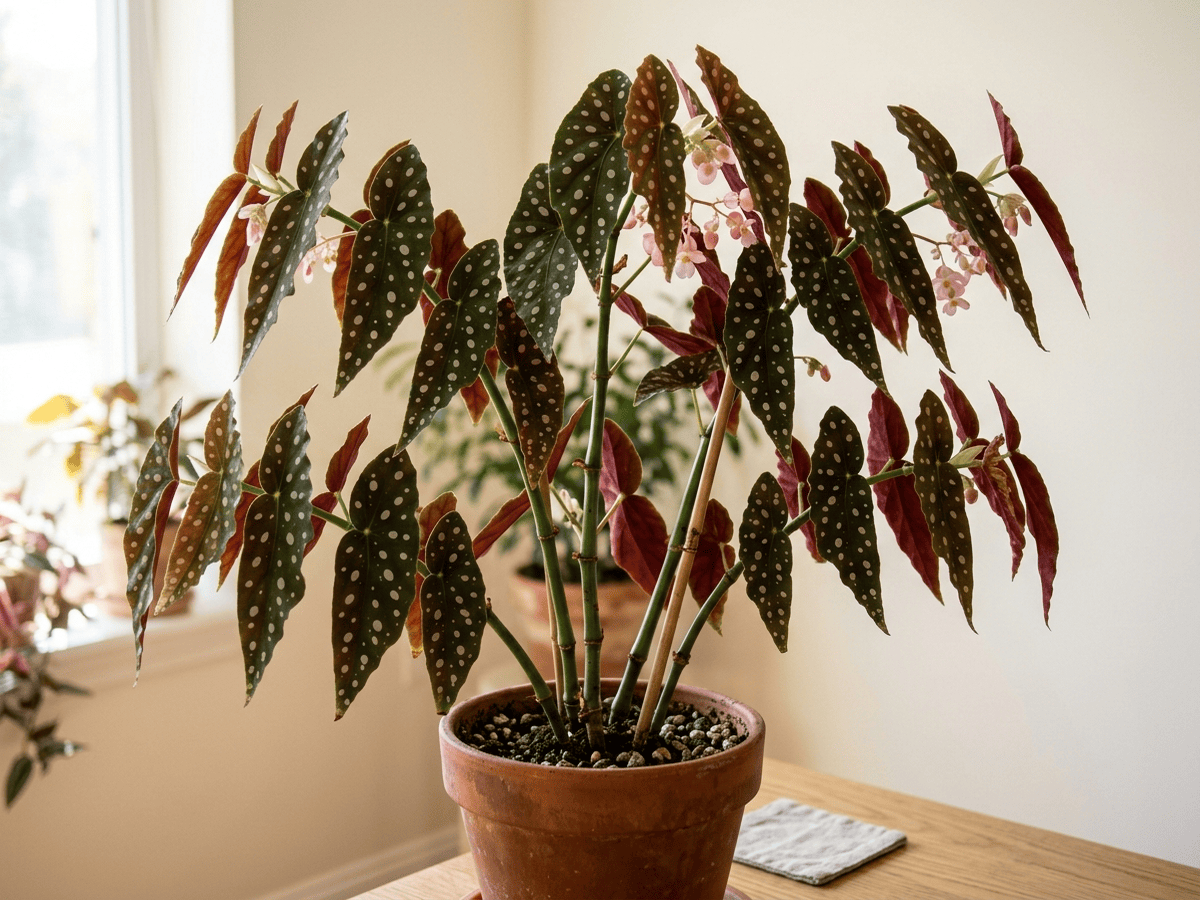 Polka Dot BegoniaBegonia maculata
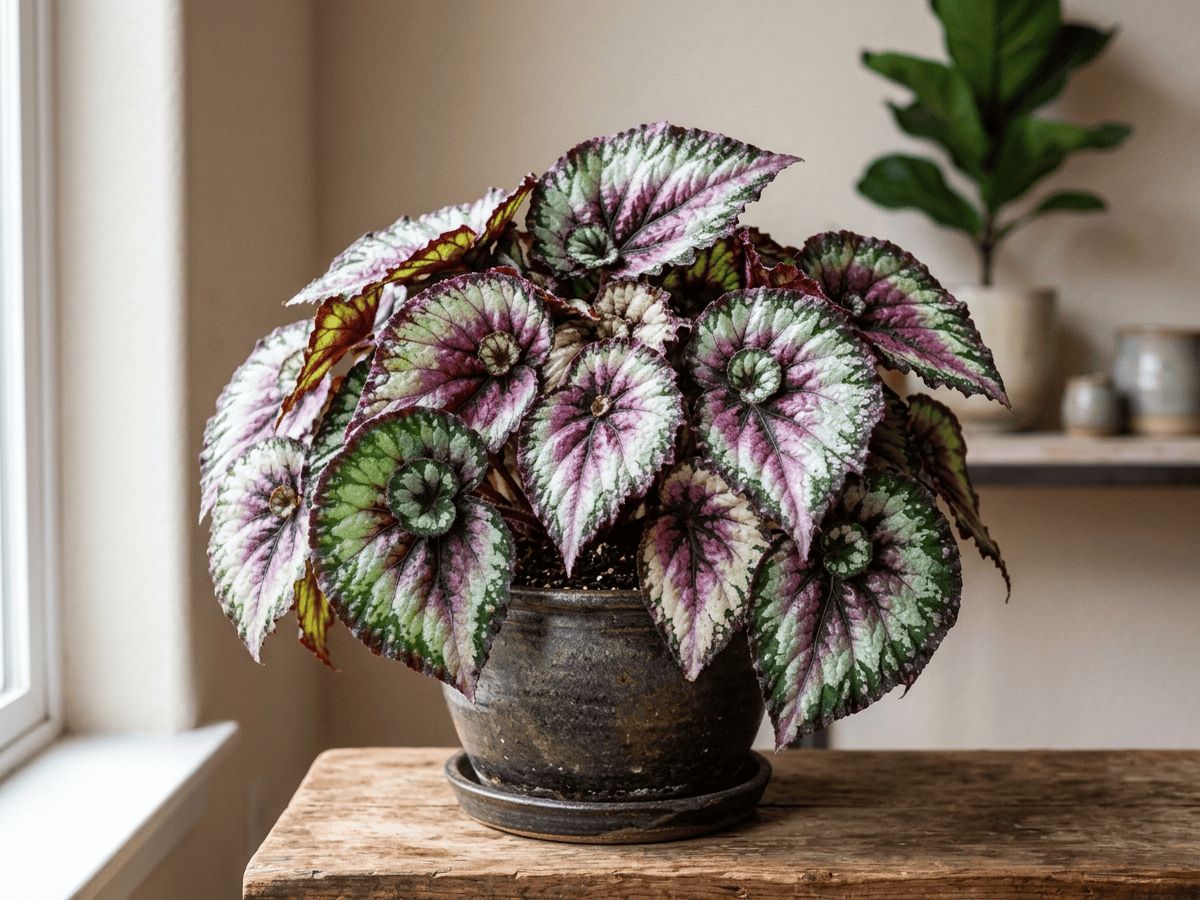 King BegoniaBegonia rex
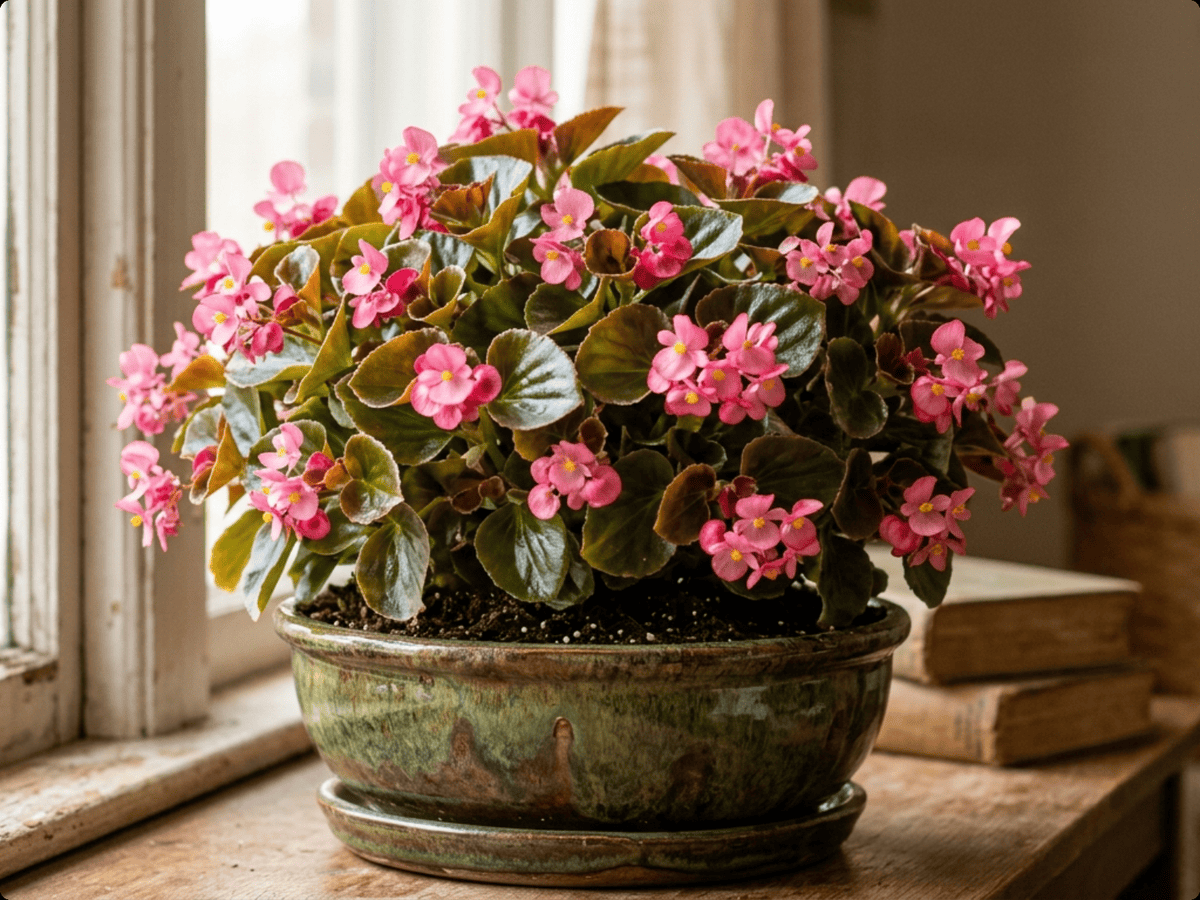 Wax BegoniaBegonia semperflorens
Plants with similar care
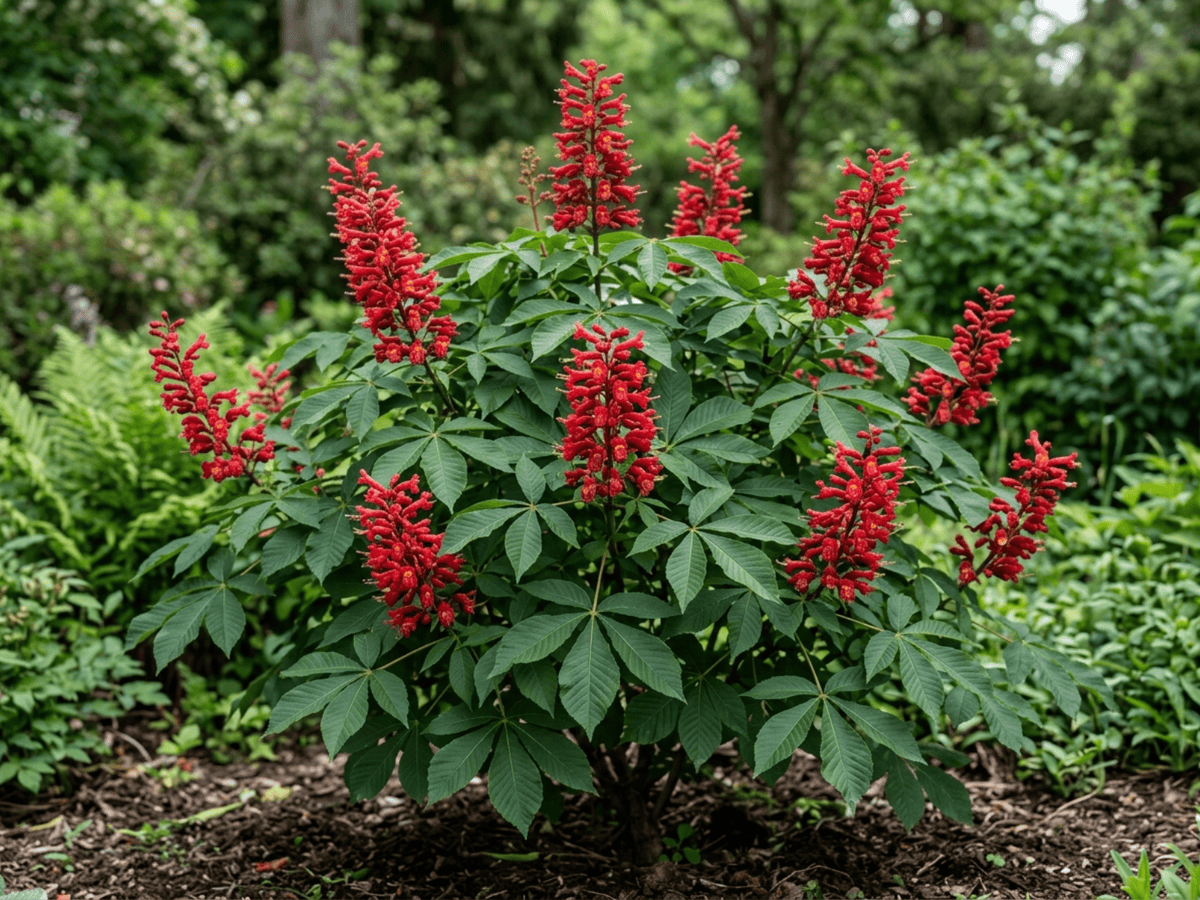 Red BuckeyeAesculus pavia
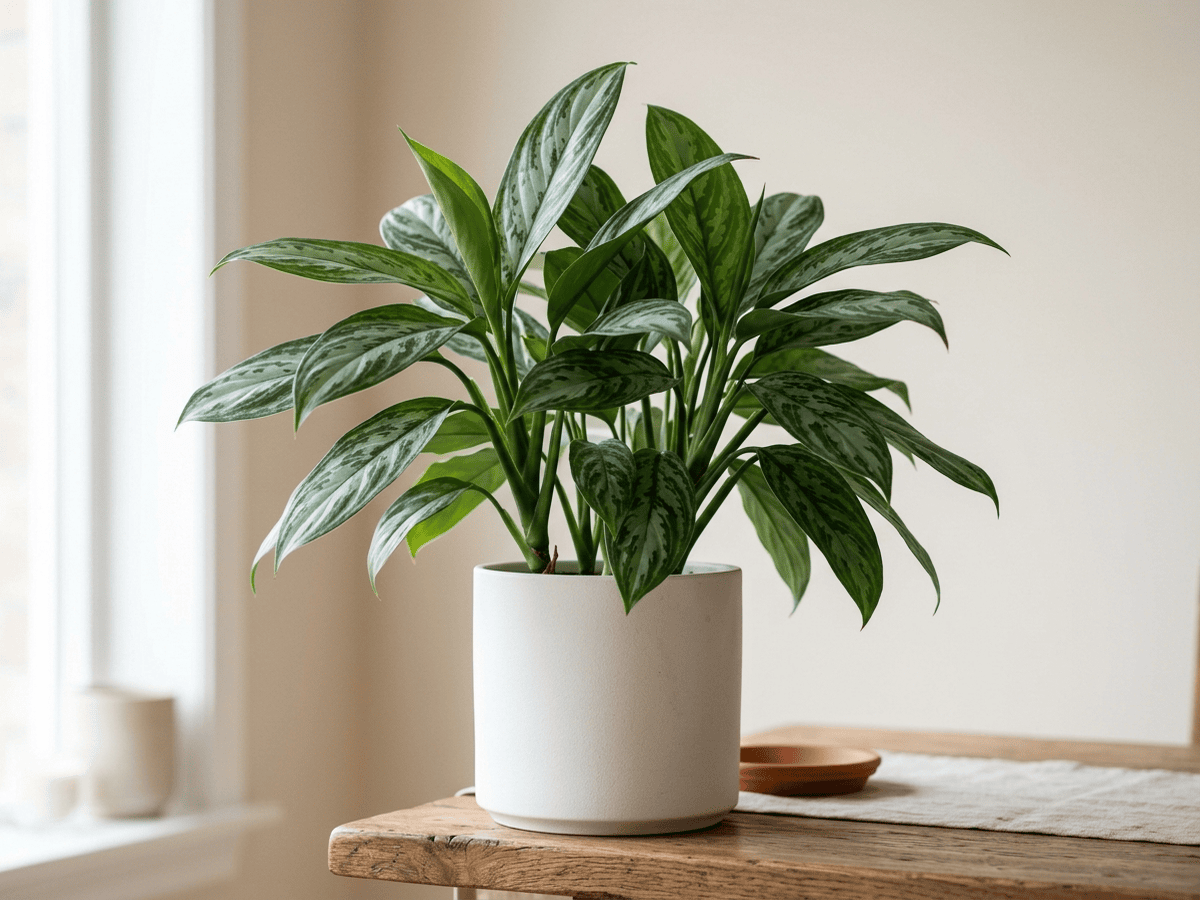 Philippine EvergreenAglaonema commutatum
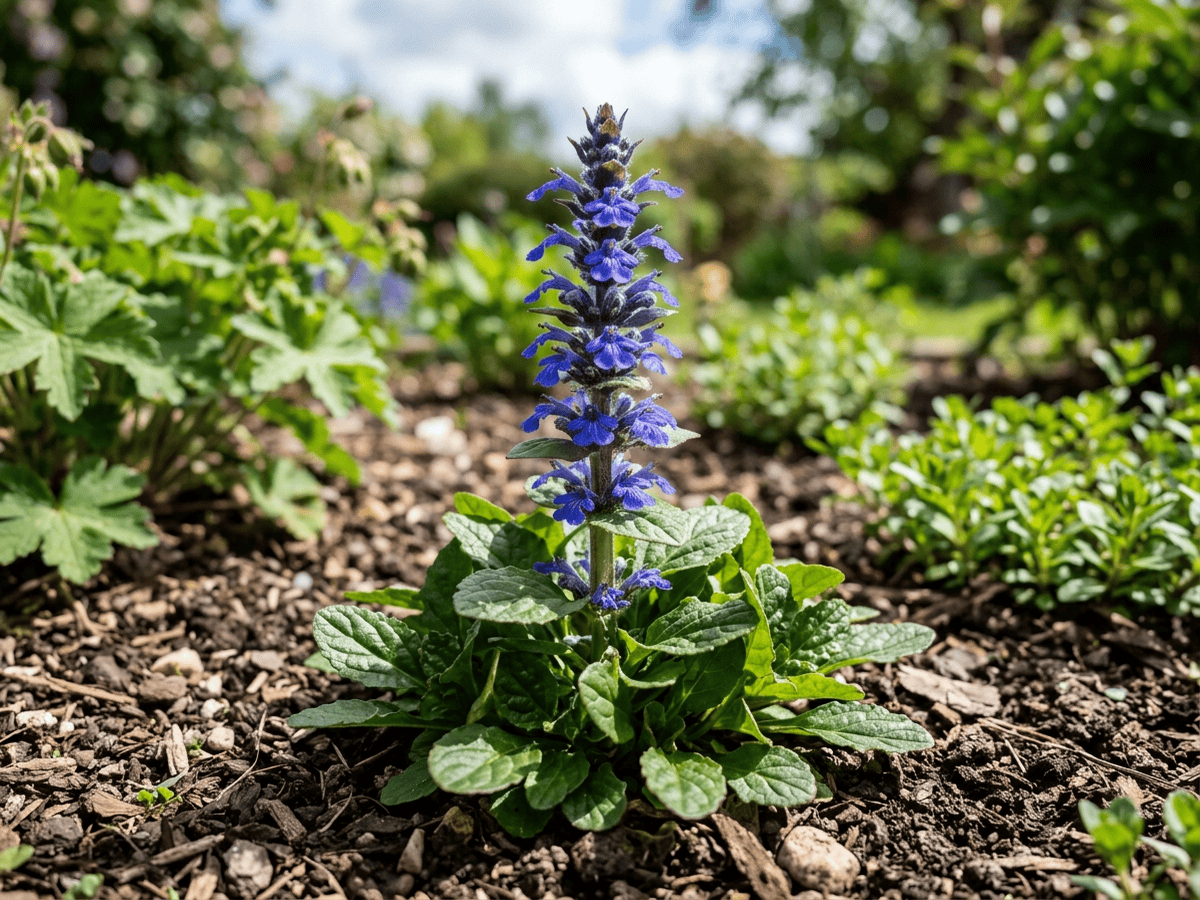 Blue BugleAjuga genevensis
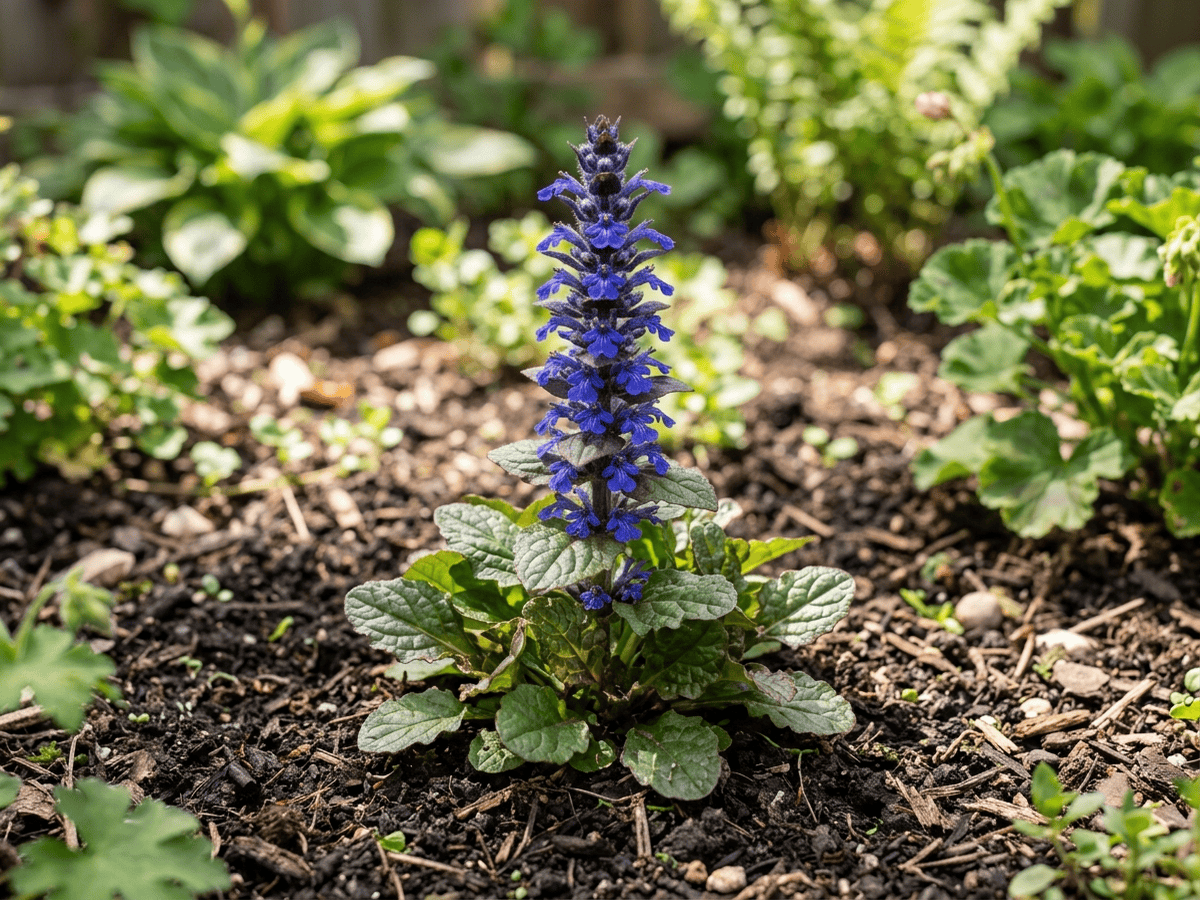 Pyramidal BugleAjuga pyramidalis
Frequently asked questions
How often should I water Tuberous Begonia?
Water about every 3 days during the growing season, and always let excess water drain away.
How much light does Tuberous Begonia need?
Part shade: 2–4 hrs direct. Watch the leaves — scorching or stretching means the light needs adjusting.
Is Tuberous Begonia toxic to cats or dogs?
Pets Moderate (Dogs Moderate · Cats Moderate) Educational information, not medical or veterinary advice. If exposure is suspected, contact a doctor or veterinarian.
Is Tuberous Begonia easy to grow?
Yes — it is considered an easy, beginner-friendly plant.
Can Tuberous Begonia be grown indoors?
Yes, it adapts well to indoor growing given the right light.
When does Tuberous Begonia bloom?
It typically blooms Mar–Nov in the Northern Hemisphere.
YardMate
Identify any plant in seconds
Snap a photo — YardMate names the plant, diagnoses problems, and reminds you when to water.
Download on the App Store