 YardMate


White Turtlehead
Chelone glabra
Medium · Some experienceAbout White Turtlehead
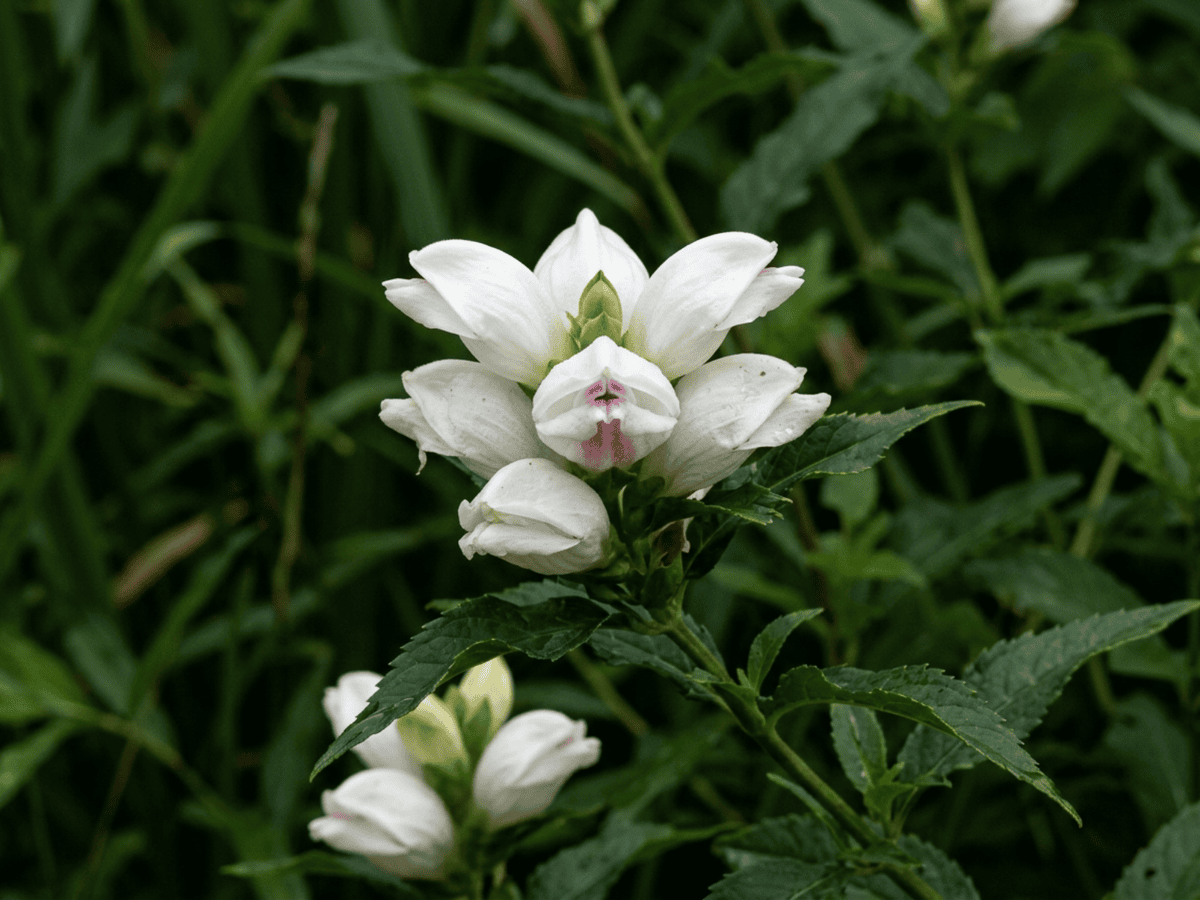
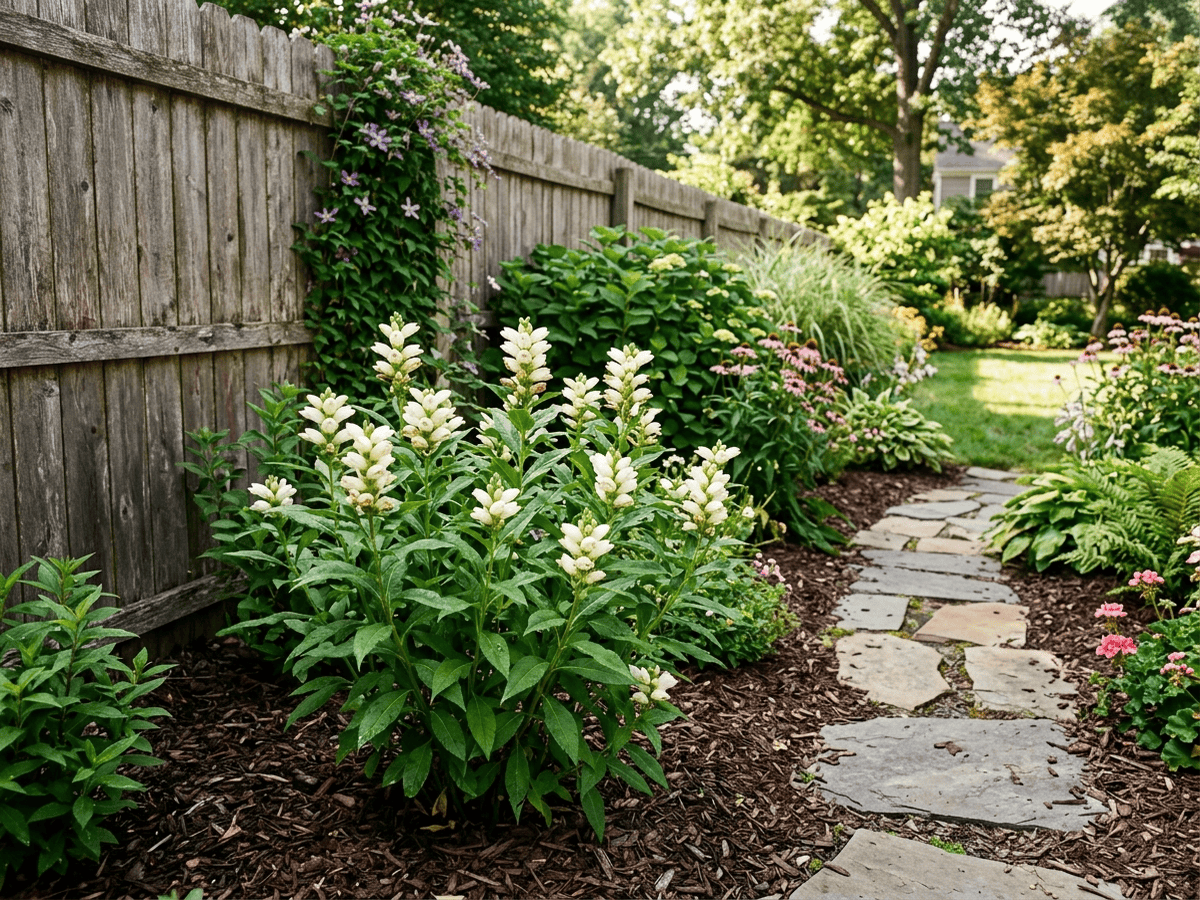
Chelone glabra, white turtlehead, is a charming native perennial of eastern North America that thrives in the moist, shady conditions where many garden plants falter. Its hooded white flowers, tinged with pink, resemble the head of a snapping turtle with its mouth slightly open — a whimsical feature that makes identification easy and delights children. Growing 60 to 90 cm tall, it blooms in late summer to early fall, filling a gap when few other shade-tolerant natives are flowering. The plant naturally grows along stream banks, in wet meadows, and at the edges of woodland swamps. It is the primary host plant for the Baltimore checkerspot butterfly, whose caterpillars depend exclusively on Chelone for food. Turtlehead spreads slowly by short rhizomes, forming neat, manageable clumps. It tolerates clay soil and even temporary flooding. The glossy, dark green opposite leaves remain attractive throughout the growing season. It pairs well with ferns, astilbe, and other moisture-loving shade plants.
- Shade-tolerant
- Native
How to care for White Turtlehead
Watering
- Springevery 2 days
- Summerevery 2 days
- Fallevery 5 days
- Winterevery 30 days
Soil · Moisture-retentive
- Top dressingSphagnum moss10%
- Main mixPeat + coco coir 1:180%
- DrainagePerlite / gravel10%
Keep it evenly moist — but the drainage layer still matters.
FERTILIZER
Balanced Feed 14-14-14
An even feed covers all three needs at once, keeping leaves, roots and blooms moving together with nothing pushed out of balance.
- Nitrogen · Leaves
- Phosphorus · Roots + Blooms
- Potassium · Strength
- Springevery 60 days
At a Glance
- NativeNorth America
- Height2–4 ft (0.6–1.2 m)
- Spread1.5–2.5 ft (0.5–0.8 m)
- Flower colorWhite, Pink
- Foliage colorGreen
- SoilMoisture-retentive, Loamy, Rich
- LocationsYard
Bloom time
BLOOM CYCLE
Peak bloom
Aug–Sep
Pinch in late spring for bushier growth; essential host plant for Baltimore checkerspot butterfly larvae
Fragrance
NO FRAGRANCE
No notable fragrance.
Toxicity
No toxicity has been reported for this plant. Still, it is wise to keep pets from chewing on any houseplant.
Educational information, not medical or veterinary advice. If exposure is suspected, contact a doctor or veterinarian.
DISTRIBUTION


- Native
- North America
History
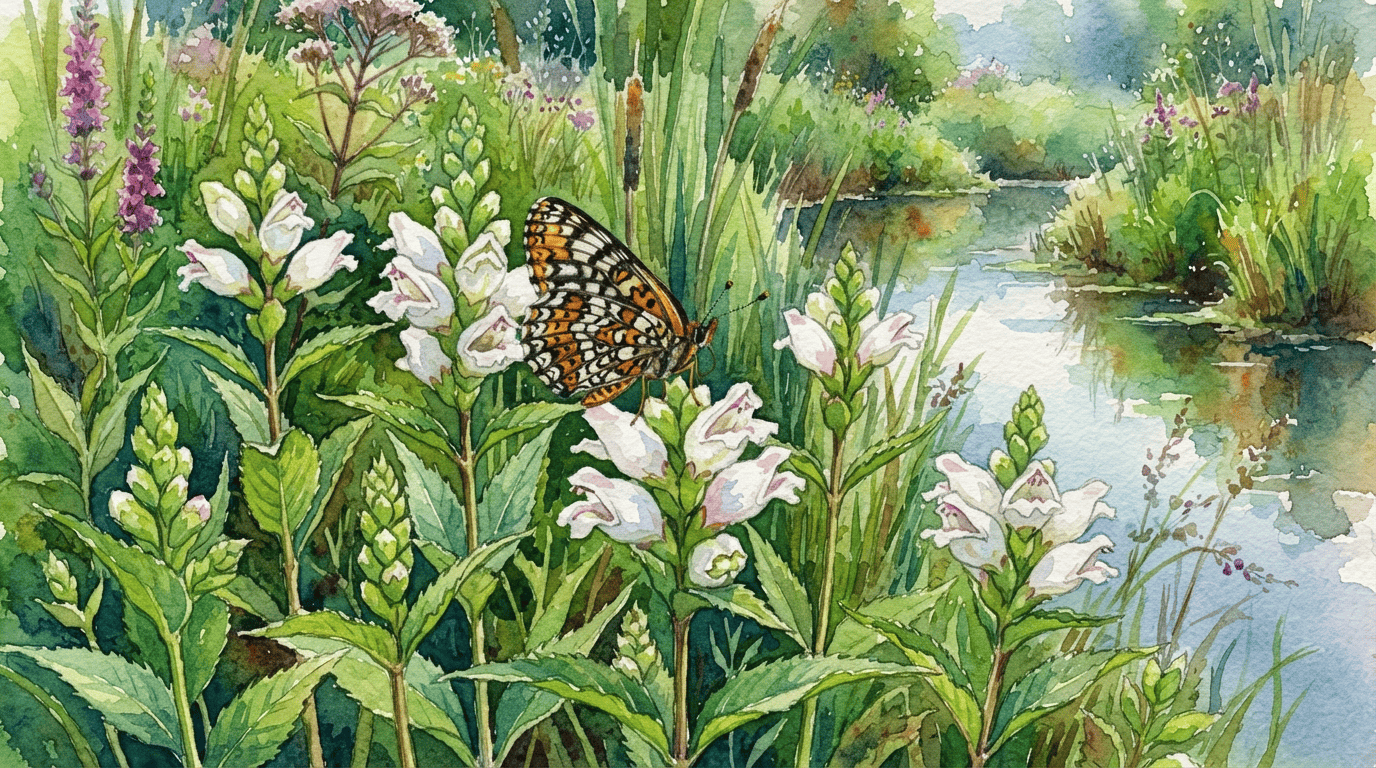
Chelone glabra is native to wet meadows, streamside margins, seeps, and other moist to wet habitats across the eastern and central United States and southern Canada, from Newfoundland west to Manitoba and south to Georgia and Mississippi. It grows as a clump-forming perennial 60-120 cm tall, producing upright terminal clusters of curious two-lipped tubular flowers that are white (often with a pink blush) and resemble, with some imagination, the partially-open mouth of a turtle — hence both the common name "turtlehead" and the genus name Chelone (from Greek for "tortoise"). The species' most important ecological role is as the sole native host plant of the Baltimore checkerspot butterfly (Euphydryas phaeton), a strikingly patterned black-white-and-orange butterfly whose caterpillars feed exclusively on Chelone glabra (and rarely a few related wetland plants). The butterfly, Maryland's state insect since 1973, has declined significantly across its range due to loss of Chelone-containing wetland habitat, and conservation programs for the butterfly depend fundamentally on preserving and planting turtlehead.
Adult Baltimore checkerspots nectar on a variety of summer flowers, but their reproductive success rises or falls with Chelone availability. In the garden, C. glabra requires consistent moisture and tolerates part shade, making it an excellent addition to rain gardens, pondside plantings, and wet shaded border edges. Related Chelone species (C. lyonii, C. obliqua) offer pink-flowered alternatives.
In Greek mythology, the nymph Chelone refused to attend the wedding of Zeus and Hera, and was transformed into a tortoise as punishment. Native Americans used the plant extensively in herbal medicine — the bitter leaves were made into teas for liver complaints, constipation, and as a vermifuge. Early American herbalists continued this tradition, and the plant appears in many 19th-century pharmacopoeias. It remains important in modern conservation as the sole larval host for the declining Baltimore checkerspot butterfly.
Symbolism & meaning
What It Symbolizes
White Turtlehead brings charm to the wettest, shadiest corners with its playful turtle-shaped flowers, each bloom looking ready to nibble a passing fingertip. Yet beneath that whimsy lies real perseverance — it thrives in soggy, shaded conditions where most garden plants quietly fail. A wetland native that proves character can grow comfortably in difficulty.
- Charm — Its playful turtle-shaped flowers bring whimsy and delight to shady gardens
- Perseverance — Thrives in challenging wet and shady conditions where most plants struggle
Where the Name Comes From
The common name highlights its white coloring. Chelone from Greek 'chelone' meaning 'tortoise,' as the flowers resemble a turtle's head. Glabra means 'smooth,' referring to the hairless stems and leaves.
Uses & Fun Facts
- Hooded white flowers visited by bumblebees forcing entry
- Larval host plant for the Baltimore checkerspot butterfly
- Native perennial naturalizes in wet woodland and stream banks
Related plants
Plants with similar care
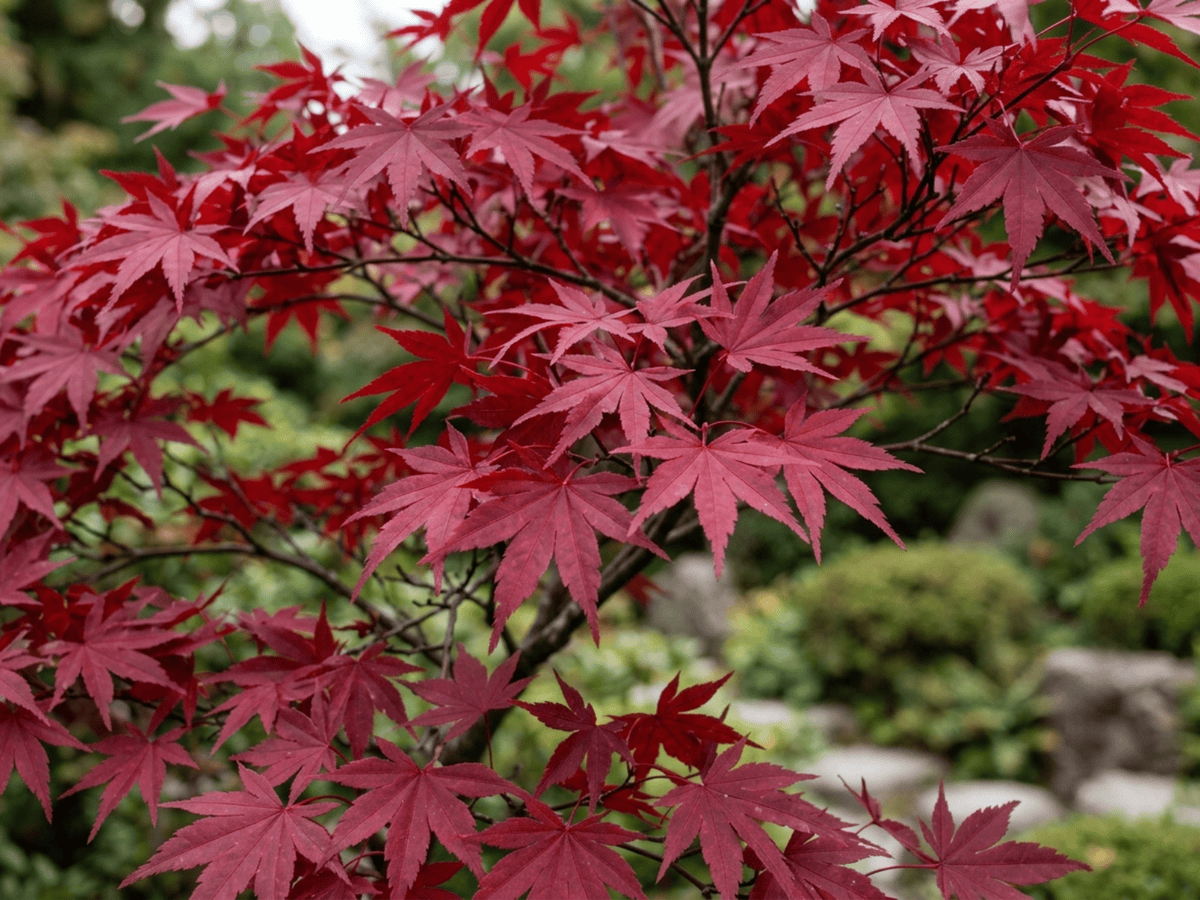 Japanese MapleAcer palmatum
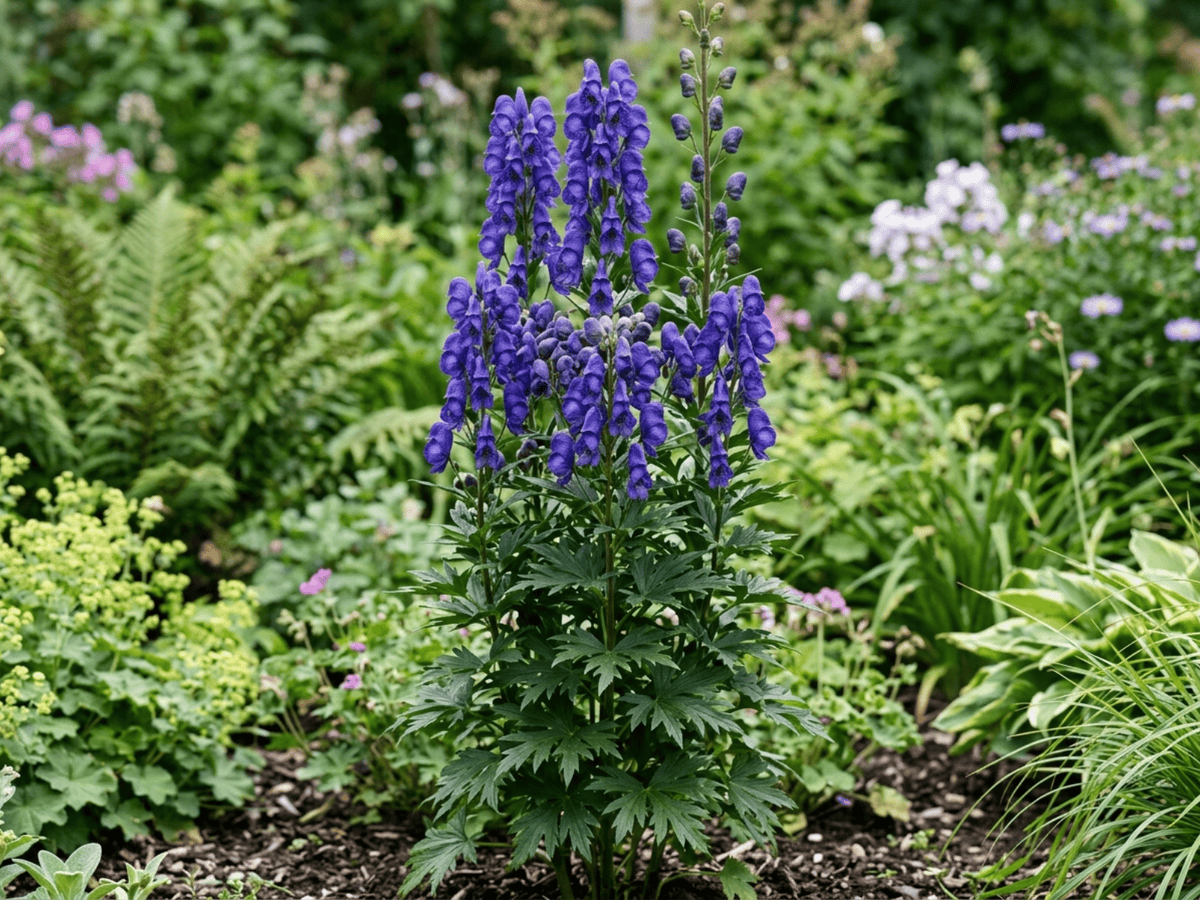 Azure MonkshoodAconitum carmichaelii
 Florida HobblebushAgarista populifolia
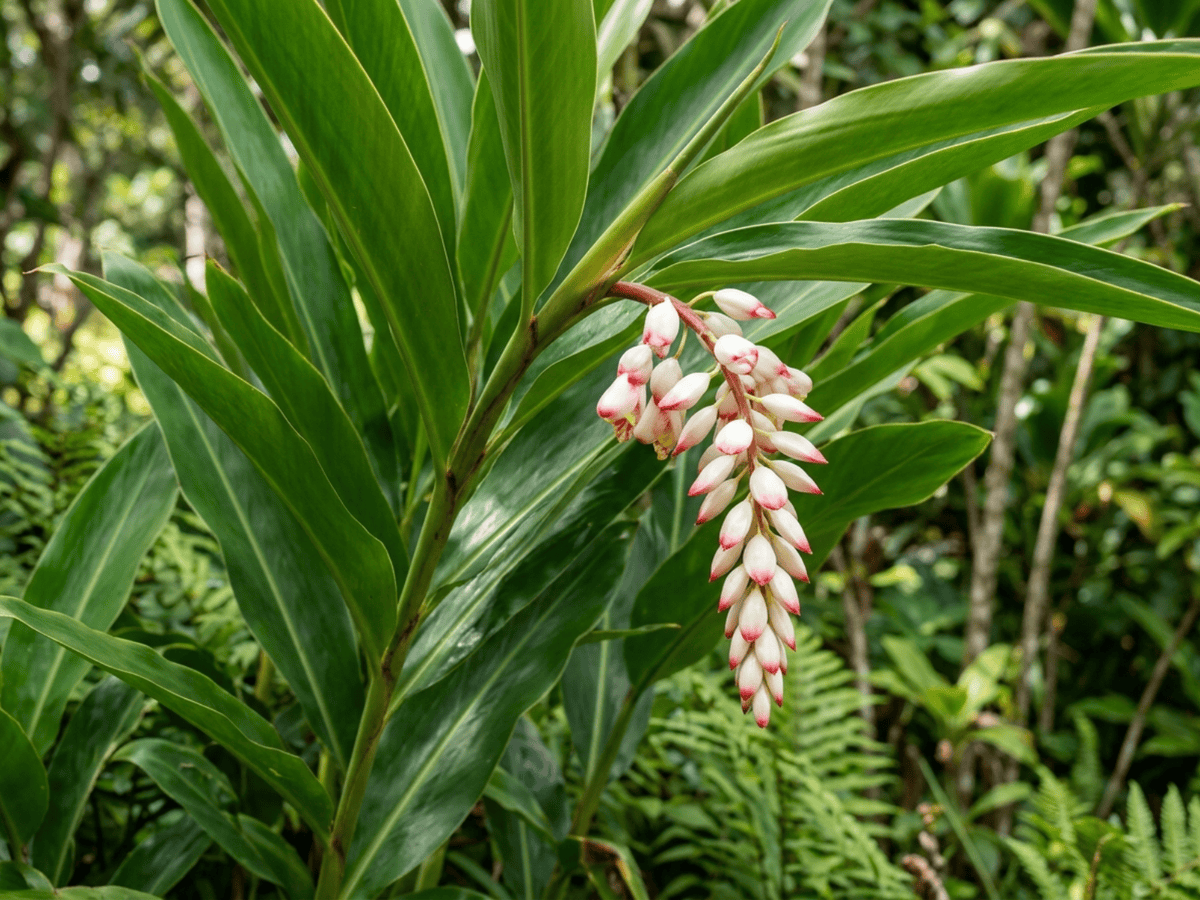 Shell GingerAlpinia zerumbet
Frequently asked questions
How often should I water White Turtlehead?
In summer, water about every 2 days; in winter, about every 30 days. Adjust for heat, pot size and drainage.
How much light does White Turtlehead need?
Part shade: 2–4 hrs direct. Watch the leaves — scorching or stretching means the light needs adjusting.
Is White Turtlehead toxic to cats or dogs?
No toxicity has been reported for this plant. Still, it is wise to keep pets from chewing on any houseplant. Educational information, not medical or veterinary advice. If exposure is suspected, contact a doctor or veterinarian.
Is White Turtlehead easy to grow?
It is moderately demanding: a good choice once you have a little experience.
When does White Turtlehead bloom?
It typically blooms Aug–Sep in the Northern Hemisphere.
YardMate
Identify any plant in seconds
Snap a photo — YardMate names the plant, diagnoses problems, and reminds you when to water.
Download on the App Store