 YardMate

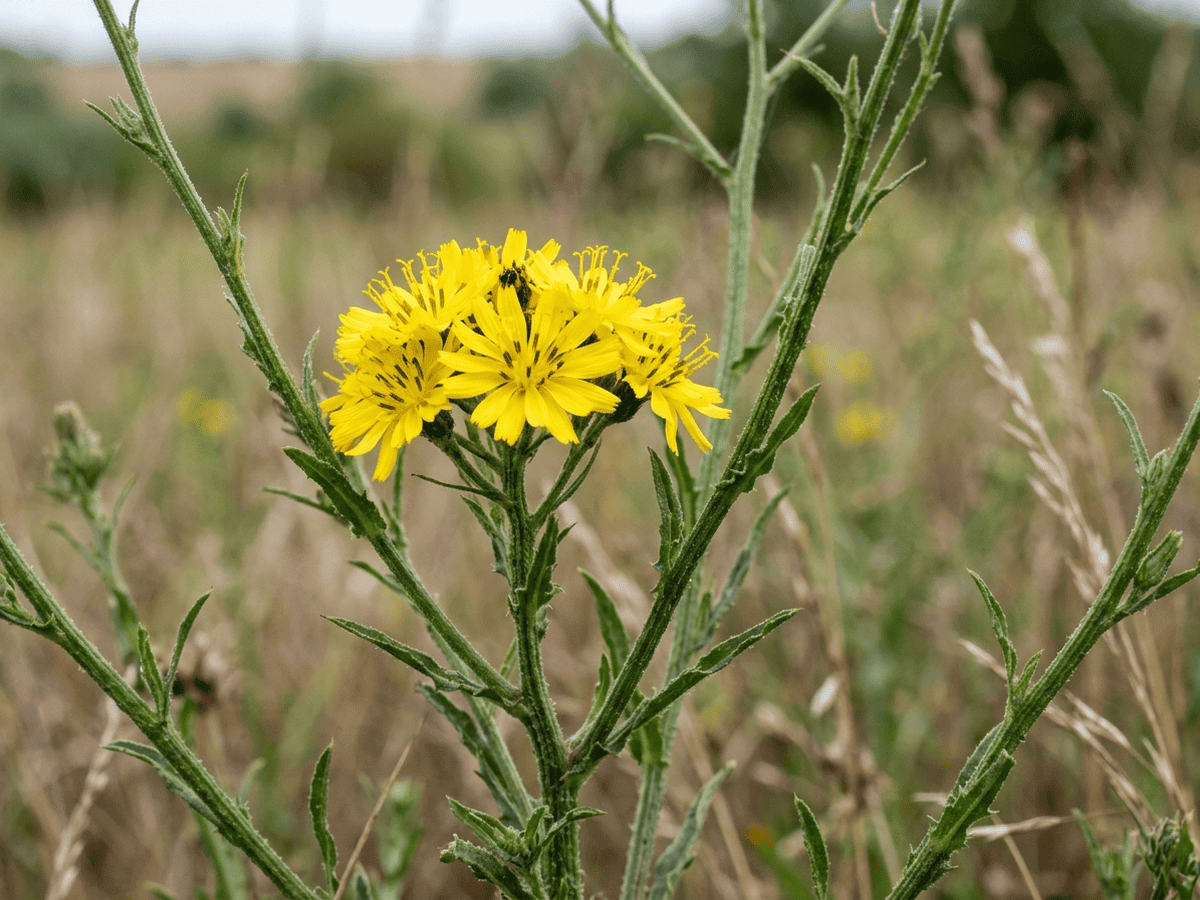


Rush Skeletonweed
Chondrilla juncea
Hard · Experienced growersAbout Rush Skeletonweed
Chondrilla juncea, commonly called Rush Skeletonweed or Gum Succory, is a perennial herb native to Europe and western Asia, now naturalized across multiple continents. Erect, rush-like stems emerge from a deep taproot, bearing sparse, deeply lobed basal leaves and small yellow dandelion-like flowers from summer through autumn. The milky, gummy sap gives it the name Gum Succory. A remarkable survivor, it thrives in disturbed habitats, roadsides, and dryland agriculture where other plants struggle.
- Drought-tolerant
- Pollinator-friendly
How to care for Rush Skeletonweed
Watering
- Springevery 15 days
- Summerevery 10 days
- Fallevery 30 days
- Winterpause watering
Soil · Rich & well-draining
- Top dressingCompost10%
- Main mixPotting soil + compost 3:180%
- DrainageGravel10%
Top up the compost layer each season.
FERTILIZER
- Springevery 30 days
- Summerevery 30 days
At a Glance
- NativeNorth America, Europe, Asia
- Height1–3 ft (0.3–0.9 m)
- Spread2–3 ft (0.6–0.9 m)
- Flower colorYellow
- Foliage colorGreen
- SoilSandy, Well-drained, Moist
- LocationsYard · Balcony
Bloom time
BLOOM CYCLE
Peak bloom
Jun–Aug
This plant blooms in the summer, with vibrant flowers that attract many pollinators.
Toxicity
No toxicity has been reported for this plant. Still, it is wise to keep pets from chewing on any houseplant.
Educational information, not medical or veterinary advice. If exposure is suspected, contact a doctor or veterinarian.
DISTRIBUTION

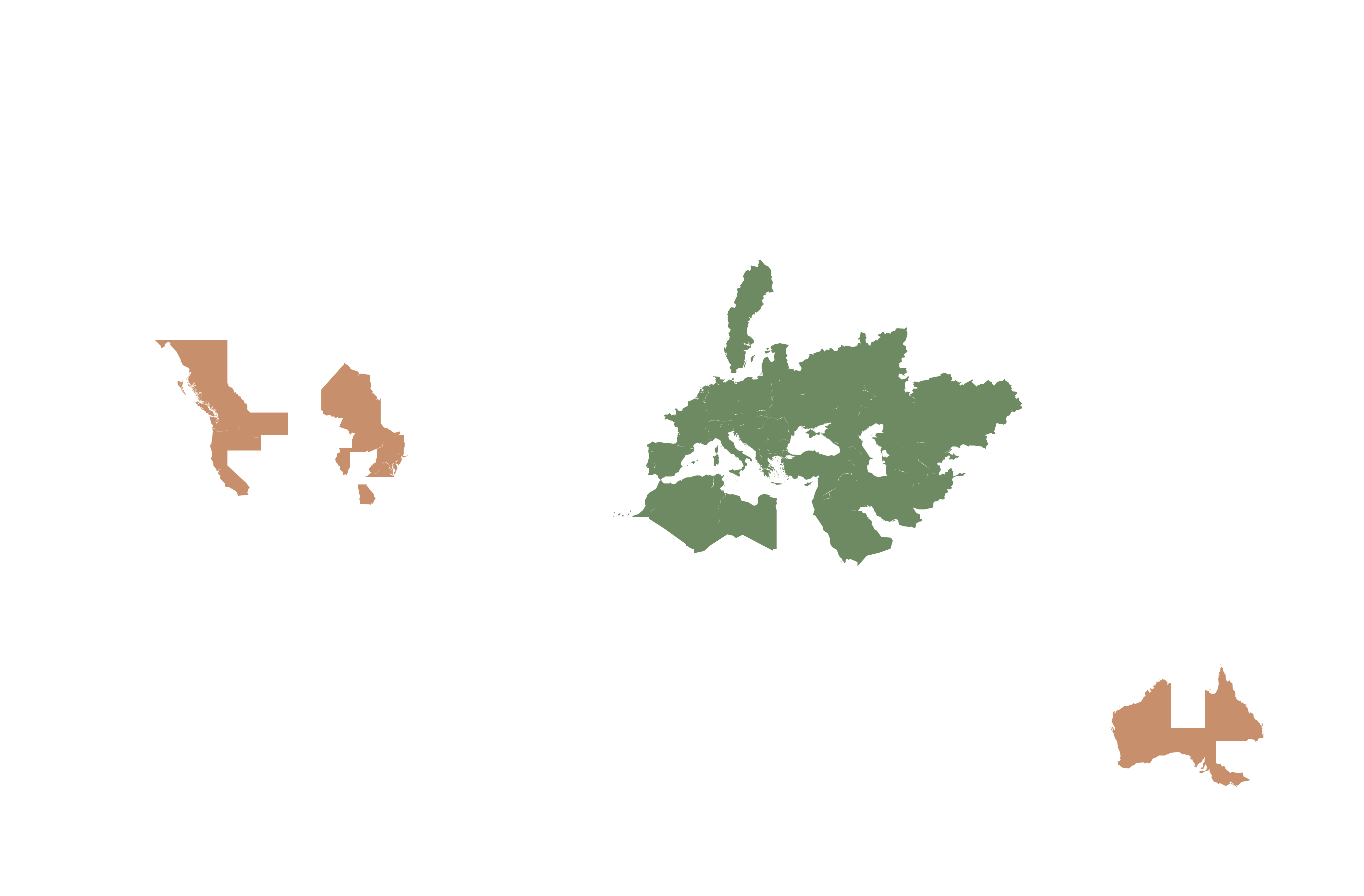
- Native
- Introduced
- North America
- Europe
- Asia
History
Chondrilla juncea is native to the Mediterranean and Central Asian steppe, where it grows on dry, disturbed ground—a characteristic that has made it a global traveler alongside agriculture. First arriving in North America with contaminated grain shipments, it established itself across drylands from California to Kansas and has been listed as one of the world's worst noxious weeds, causing significant losses in cereal crops by competition and allelopathy.
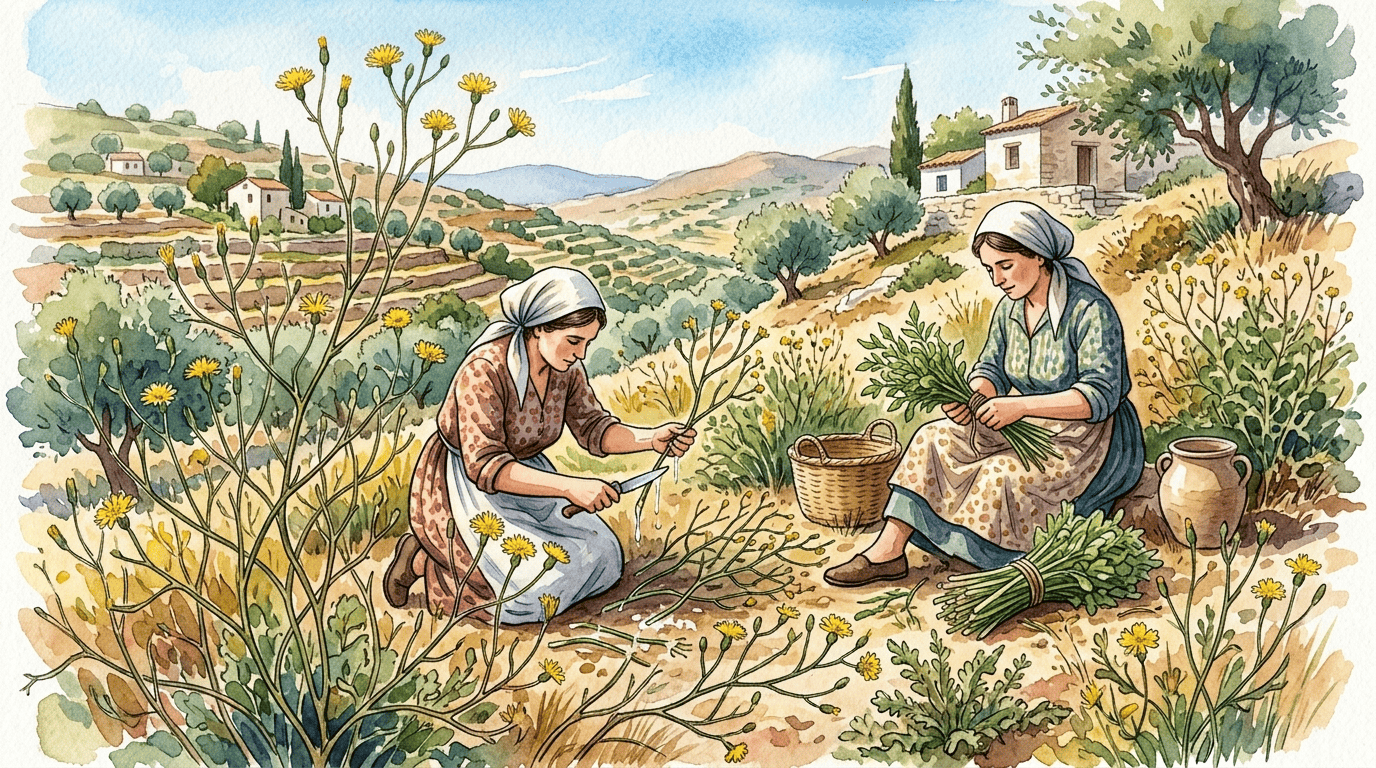
The genus name Chondrilla comes from the Greek chondros (cartilage or gristle), referring to the gummy latex that oozes from cut stems—the same property that gives the plant its common name Gum Succory. This milky sap was apparently chewed as a mild stimulant in parts of rural Eurasia, and the roots and young leaves were sometimes boiled as potherbs in times of scarcity.
The plant's story also has a more hopeful scientific chapter. In the 1970s, biocontrol researchers introduced a rust fungus (Puccinia chondrillina) from Europe to Australia and the United States as a selective biological control agent, one of the early successful examples of classical biocontrol in action. The project demonstrated that natural enemies from a weed's native range can provide sustainable long-term control without chemical herbicides.
Symbolism & meaning
What It Symbolizes
Rush Skeletonweed is a plant of edges and afterthoughts—roadsides, abandoned fields, and dryland margins where agriculture has stripped the soil bare. Its spare, rush-like silhouette and tiny yellow flowers offer a spare sort of beauty to inhospitable places. Its story of global spread is a cautionary tale about the interconnectedness of agriculture, trade, and ecology.
- Persistence — A deep taproot and drought-tough constitution allow it to survive where nothing else grows
- Adaptability — Has colonized multiple continents, thriving in varied climates and disturbed habitats
Where the Name Comes From
From Greek chondros (cartilage, gristle), referring to the gummy, cartilaginous sap that exudes from cut stems. The species epithet juncea means 'rush-like' in Latin, describing the plant's slender, reed-like appearance and habit.
Uses & Fun Facts
- Young roots and leaves occasionally boiled as a potherb in Eurasian folk tradition
- Gummy latex used historically as a topical preparation and mild stimulant
- Small yellow flowers provide nectar for bees and hoverflies in dry summer habitats
Related plants
Plants with similar care
 Pink Sand VerbenaAbronia umbellata
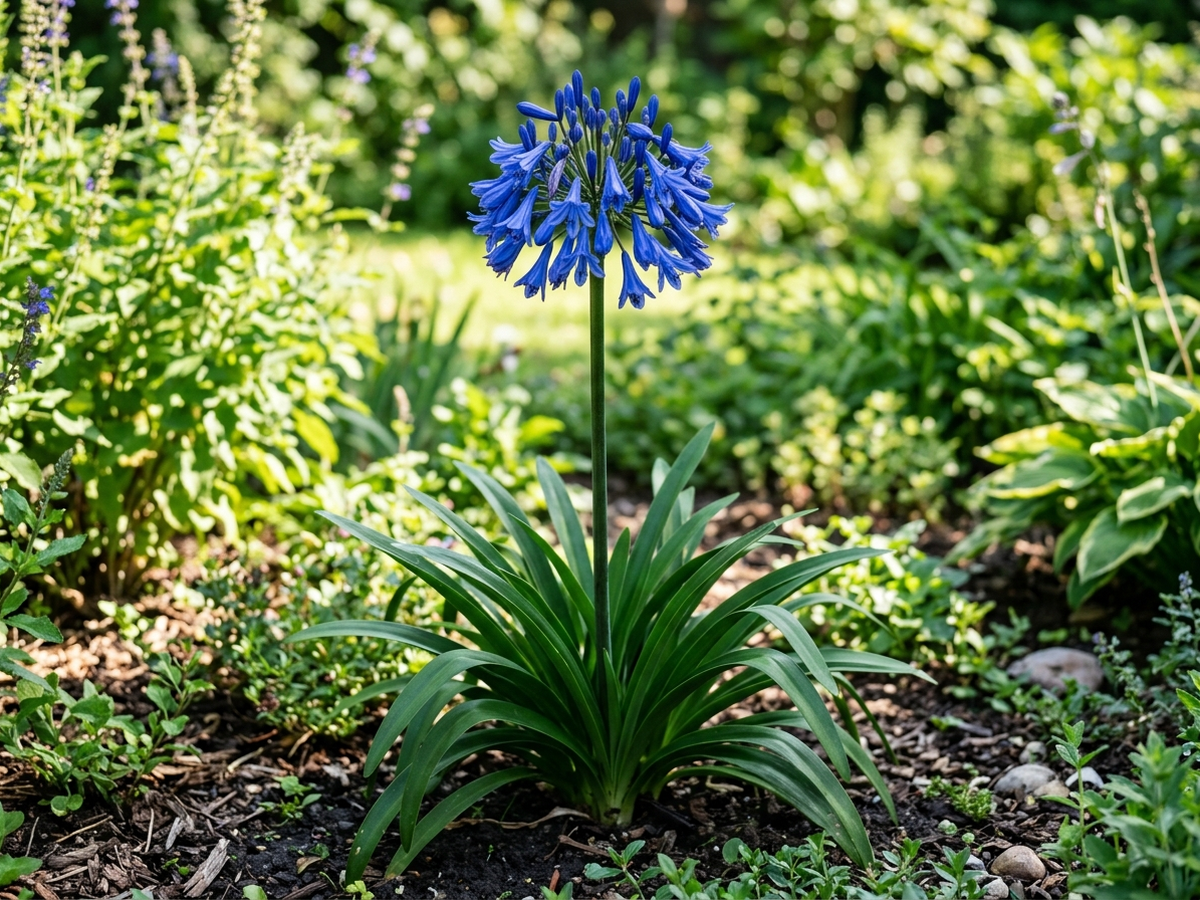 Drooping AgapanthusAgapanthus inapertus
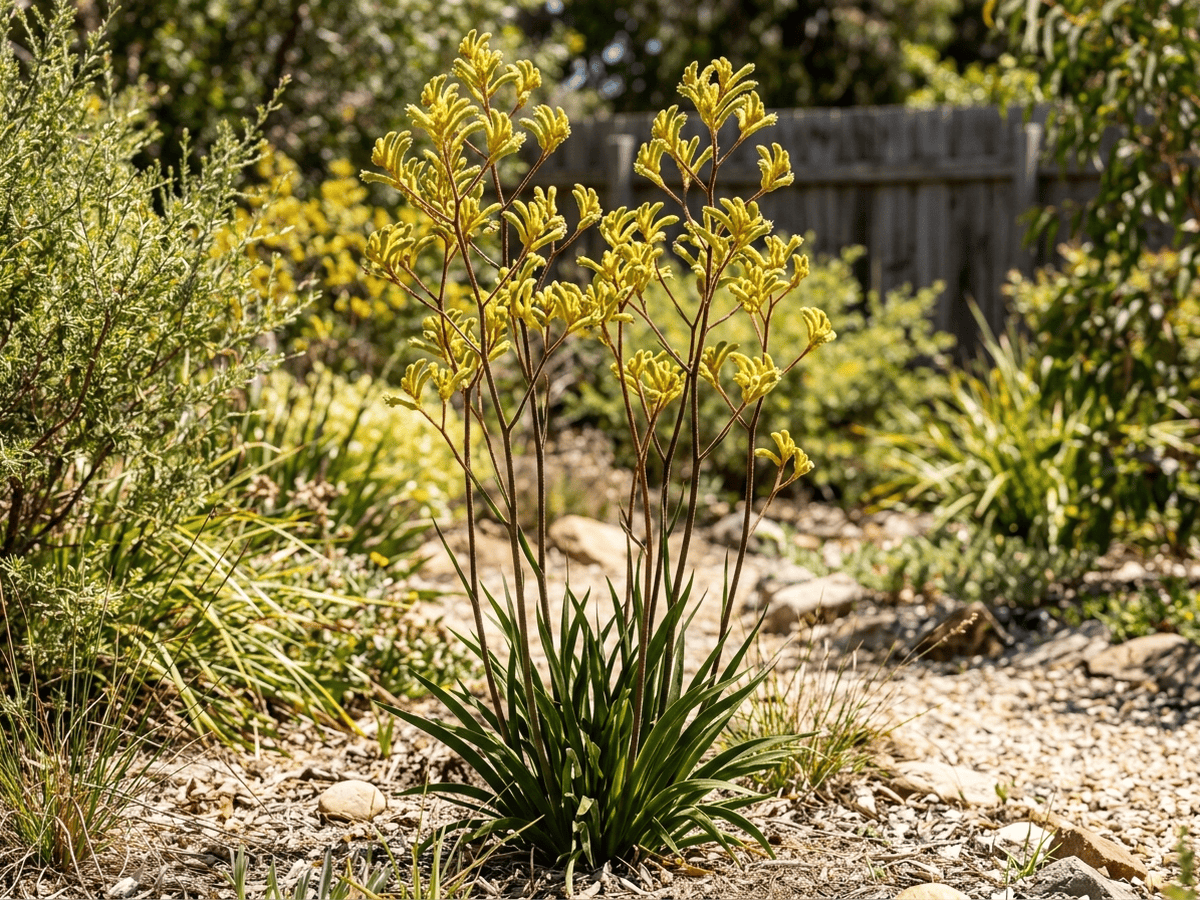 Tall Kangaroo PawAnigozanthos flavidus
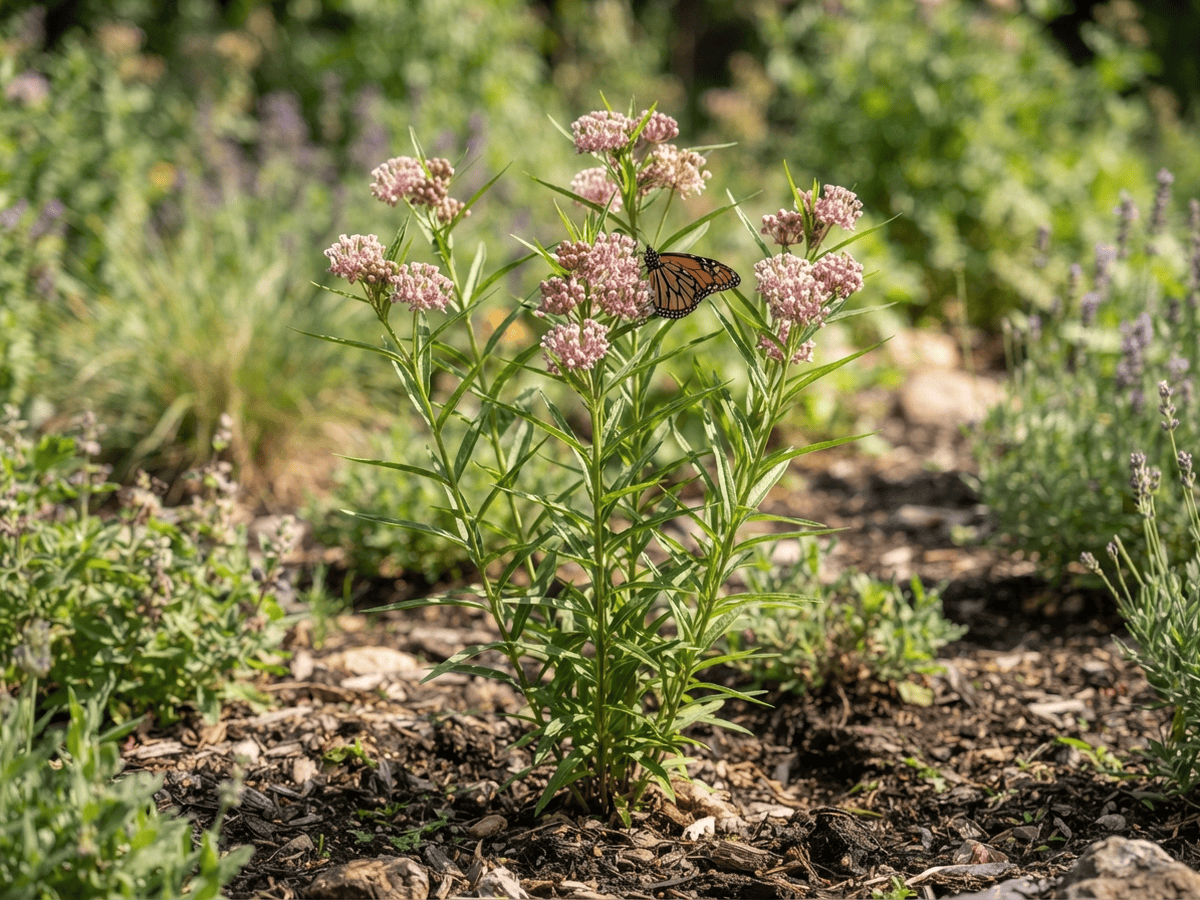 Narrowleaf MilkweedAsclepias fascicularis
Frequently asked questions
How often should I water Rush Skeletonweed?
Water about every 15 days during the growing season, and always let excess water drain away.
How much light does Rush Skeletonweed need?
Full sun: 6+ hrs direct. Watch the leaves — scorching or stretching means the light needs adjusting.
Is Rush Skeletonweed toxic to cats or dogs?
No toxicity has been reported for this plant. Still, it is wise to keep pets from chewing on any houseplant. Educational information, not medical or veterinary advice. If exposure is suspected, contact a doctor or veterinarian.
Is Rush Skeletonweed easy to grow?
It is considered challenging and rewards experienced growers.
When does Rush Skeletonweed bloom?
It typically blooms Jun–Aug in the Northern Hemisphere.
YardMate
Identify any plant in seconds
Snap a photo — YardMate names the plant, diagnoses problems, and reminds you when to water.
Download on the App Store