 YardMate


Autumn Crocus
Colchicum autumnale
Easy · Beginner friendlyAbout Autumn Crocus
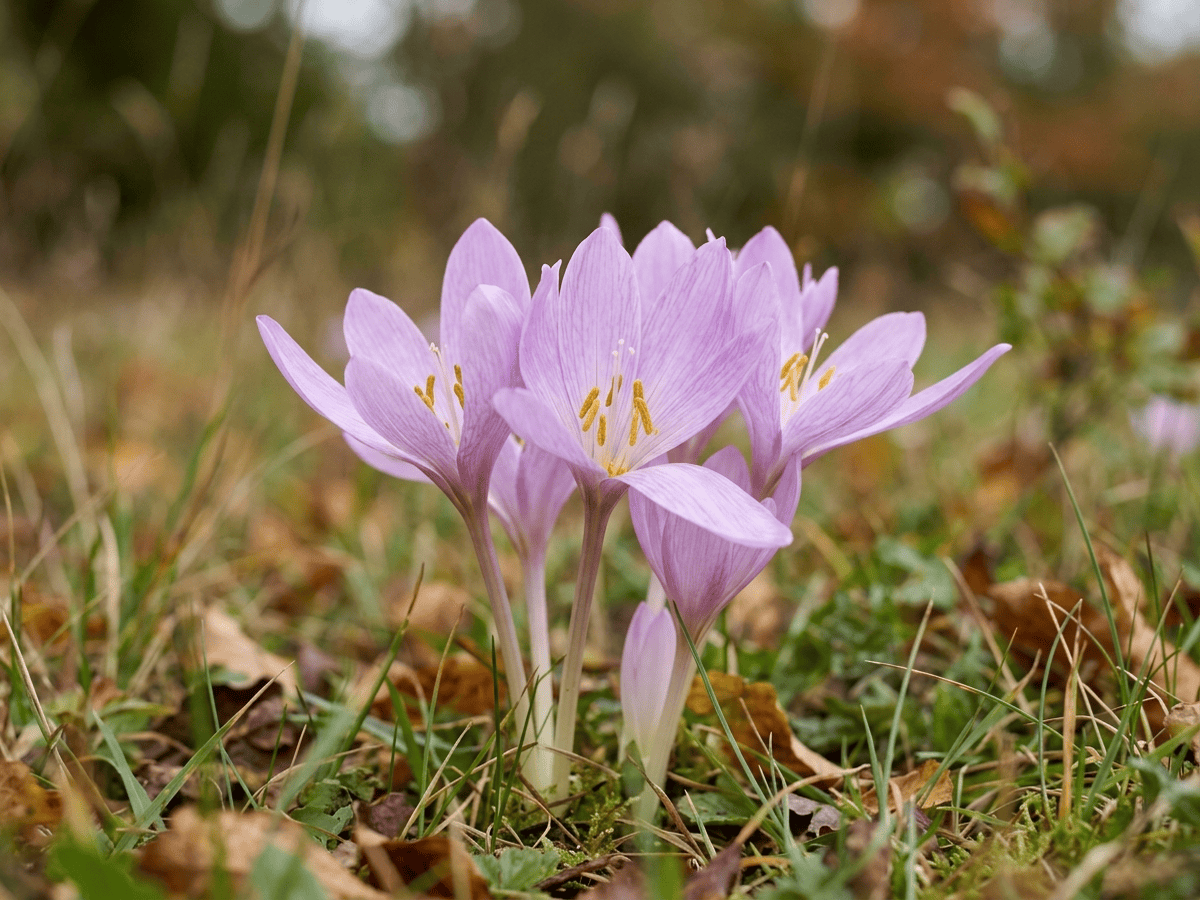
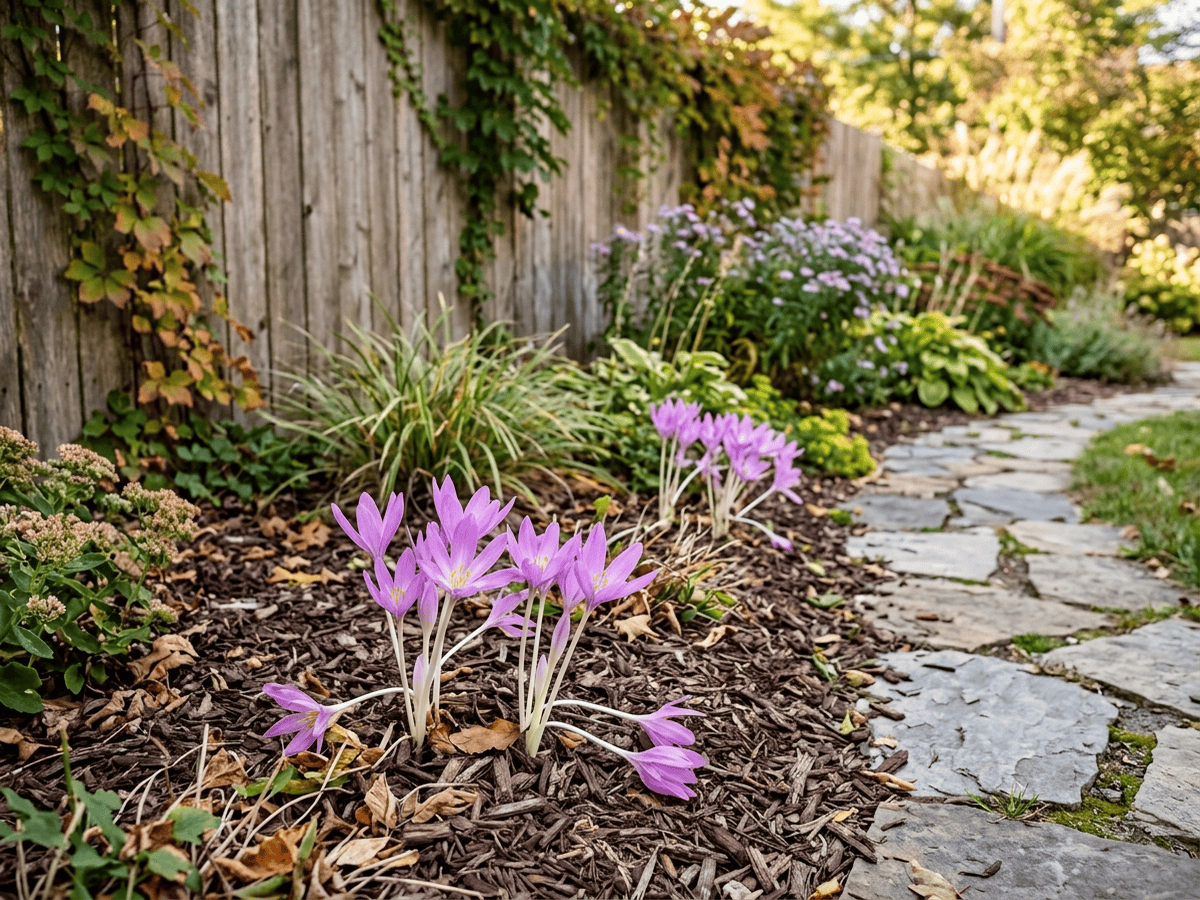
Autumn Crocus or Meadow Saffron is a European corm hardy in USDA zones 4-8, producing leafless pink-lavender crocus-like flowers that emerge from bare ground in September and October. The broad strap-like leaves follow in spring and die back by early summer. Often confused with true crocus but unrelated, it is a treasured fall bulb for American gardens, adding unexpected color when most other perennials are winding down.
- Deer-resistant
How to care for Autumn Crocus
Watering
- Springevery 10 days
- Summerpause watering
- Fallevery 5 days
- Winterevery 14 days
Soil · Well-draining
- Main mixLoam + coarse sand 3:175%
- DrainageGravel25%
Sharp drainage matters most — bulbs rot in wet soil while dormant.
FERTILIZER
Balanced Feed 14-14-14
An even feed covers all three needs at once, keeping leaves, roots and blooms moving together with nothing pushed out of balance.
- Nitrogen · Leaves
- Phosphorus · Roots + Blooms
- Potassium · Strength
- Springevery 60 days
At a Glance
- NativeEurope
- Height0.5–0.7 ft (0.2–0.2 m)
- Spread0.3–0.5 ft (0.1–0.2 m)
- Flower colorPink, Purple, White
- Foliage colorGreen
- SoilLoamy, Well-drained
- LocationsYard
Bloom time
BLOOM CYCLE
Peak bloom
Sep–Oct
Pink-lavender crocus-like flowers emerge in September and October
Toxicity
Humans Severe · Pets Severe
colchicine
Severe
- All
- Bulb
- Seed
- Leaf
- Ingestion
EXPOSURE Eating any part of the plant, bulbs, seeds, and leaves.
EFFECT Severe GI distress, multi-organ failure, and death.
NOTE Documented concern for humans: Severe GI distress, multi-organ failure, and death.
Severe
- All
- Ingestion
EXPOSURE Eating any part of the plant.
EFFECT Bloody vomiting, diarrhea, shock, organ failure, and death.
NOTE ASPCA lists Colchicum as highly toxic to dogs, cats, and horses. No antidote exists for colchicine poisoning. Treat as medical emergency.
Severe
- All
- Ingestion
EXPOSURE Eating any part of the plant.
EFFECT Bloody vomiting, diarrhea, shock, organ failure, and death.
NOTE ASPCA lists Colchicum as highly toxic to dogs, cats, and horses. No antidote exists for colchicine poisoning. Treat as medical emergency.
Educational information, not medical or veterinary advice. If exposure is suspected, contact a doctor or veterinarian.
DISTRIBUTION


- Native
- Introduced
- Europe
History
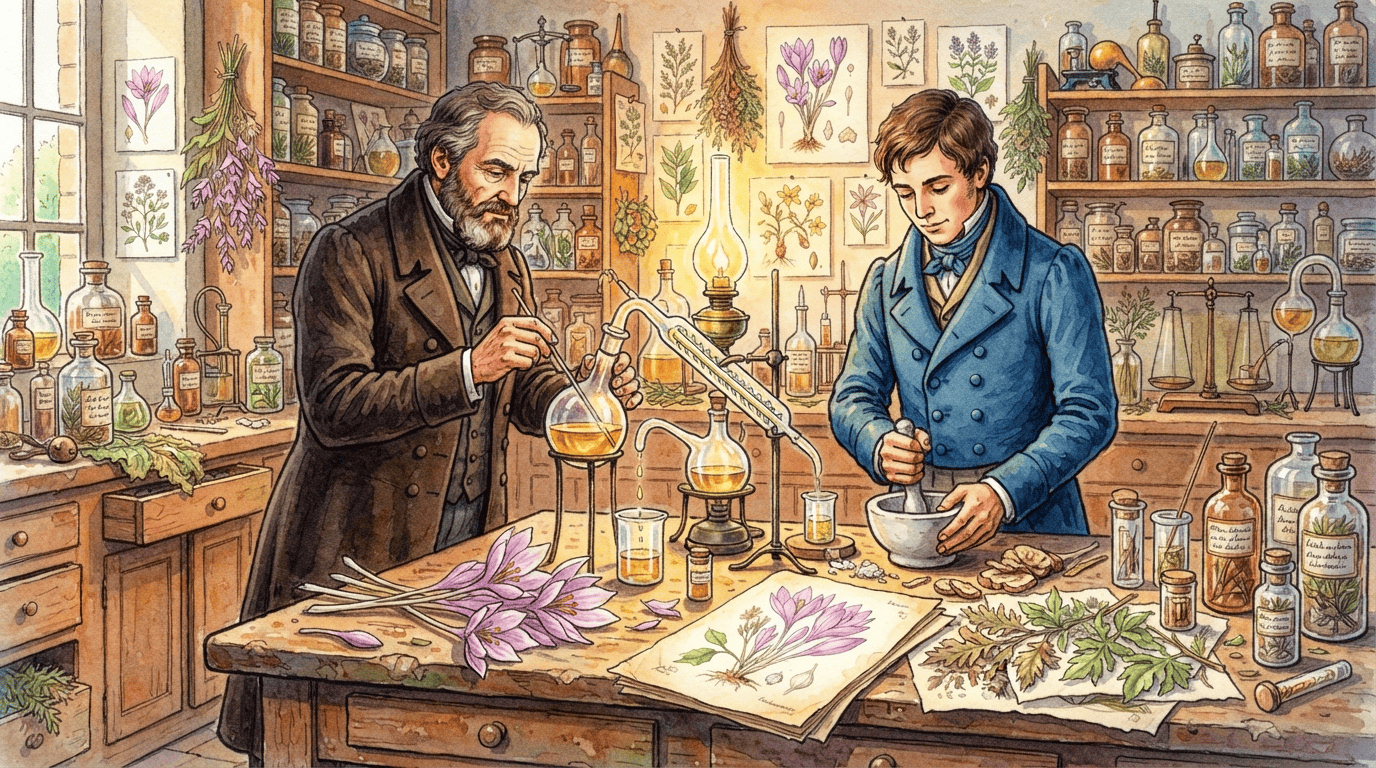
Colchicum autumnale grows in damp meadows across Europe from the British Isles to the Balkans. Linnaeus described it in Species Plantarum (1753). The genus name comes from Colchis, the ancient kingdom on the eastern Black Sea associated with the sorceress Medea in Greek myth.
The Ebers Papyrus of ancient Egypt (c.1500 BCE) records its use for rheumatic pain and swollen joints, a treatment continued in Greek, Arab, and medieval European medicine. In 1820 French chemists Pelletier and Caventou isolated the alkaloid colchicine from the corms; it is still the first-line drug for acute gout and familial Mediterranean fever. Colchicine also blocks mitosis, and was used from 1937 onward by plant breeders to double chromosome numbers — a technique that produced seedless grapes and polyploid ornamentals.
Highly toxic if eaten. Native to Europe and North Africa, cultivated since medieval times as a medicinal plant for gout. Colchicine extracted from the corms remains a modern gout medication. Introduced to American gardens in the 1700s, it has long been a heirloom fall-blooming bulb especially in older Southern gardens.
Symbolism & meaning
What It Symbolizes
Autumn Crocus brings beauty at the wrong time, and that is its magic. Leafless lavender cups rise from bare soil when the garden should be closing down, a last impossible gesture before winter. Its deeper symbolism is paradox: elegance from a plant whose chemistry demands respect.
- Unexpected joy — surprise flowers emerge from bare soil in fall
- Medicinal heritage — source of colchicine, used for gout since antiquity
Where the Name Comes From
'Colchicum' from Colchis, the ancient Black Sea kingdom where Medea allegedly used it in myths; 'autumnale' refers to the autumn flowering.
Uses & Fun Facts
- Leafless pink crocus-like flowers emerge from bare September ground
- Source of colchicine, used pharmaceutically to treat acute gout
Related plants
Plants with similar care
 Chinese AbeliaAbelia chinensis
 Fragrant AbeliaAbelia mosanensis
 Large-Flowered AbeliaAbelia uniflora
 Glossy AbeliaAbelia x grandiflora
Frequently asked questions
How often should I water Autumn Crocus?
Water about every 10 days during the growing season, and always let excess water drain away.
How much light does Autumn Crocus need?
Full sun: 6+ hrs direct. Watch the leaves — scorching or stretching means the light needs adjusting.
Is Autumn Crocus toxic to cats or dogs?
Pets Severe (Dogs Severe · Cats Severe) Educational information, not medical or veterinary advice. If exposure is suspected, contact a doctor or veterinarian.
Is Autumn Crocus easy to grow?
Yes — it is considered an easy, beginner-friendly plant.
When does Autumn Crocus bloom?
It typically blooms Sep–Oct in the Northern Hemisphere.
YardMate
Identify any plant in seconds
Snap a photo — YardMate names the plant, diagnoses problems, and reminds you when to water.
Download on the App Store