 YardMate


Coleus
Coleus scutellarioides
Easy · Beginner friendlyAbout Coleus
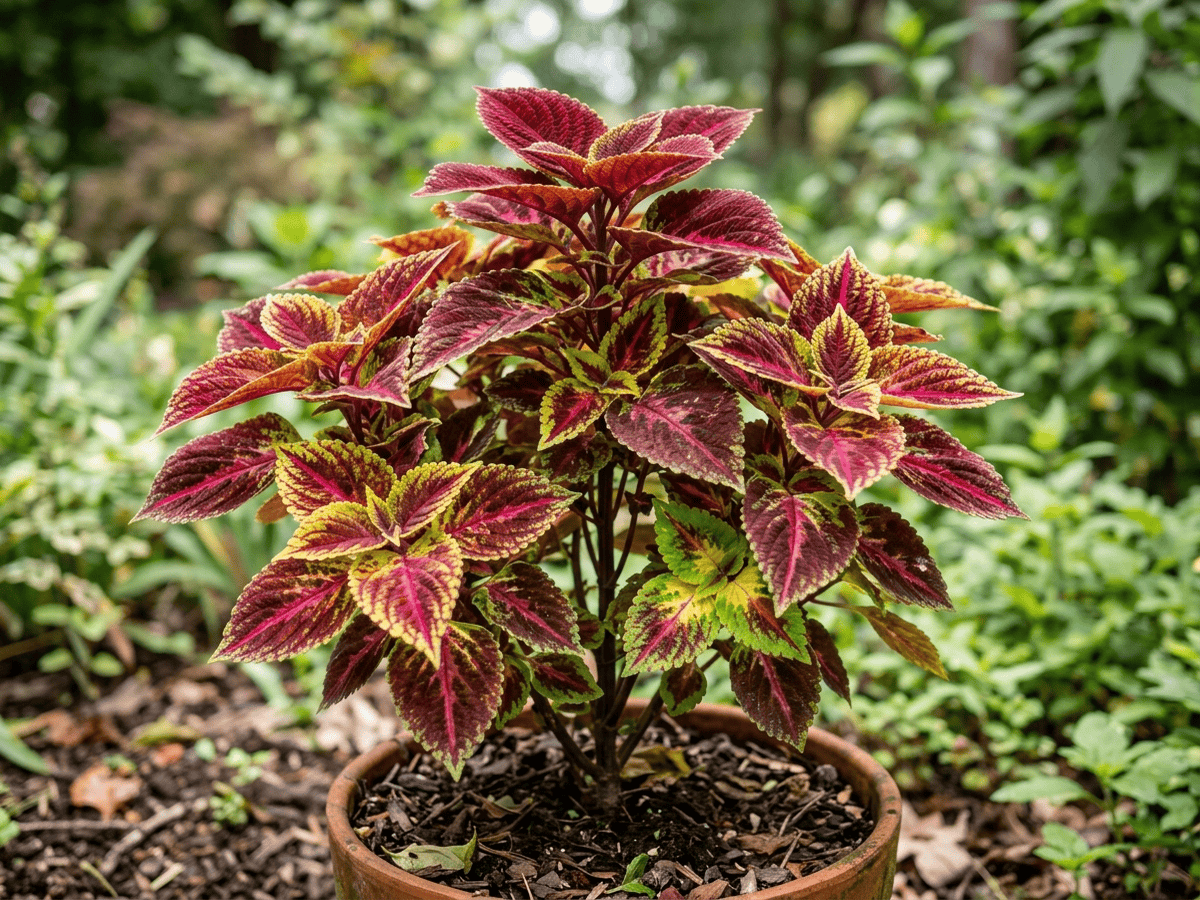
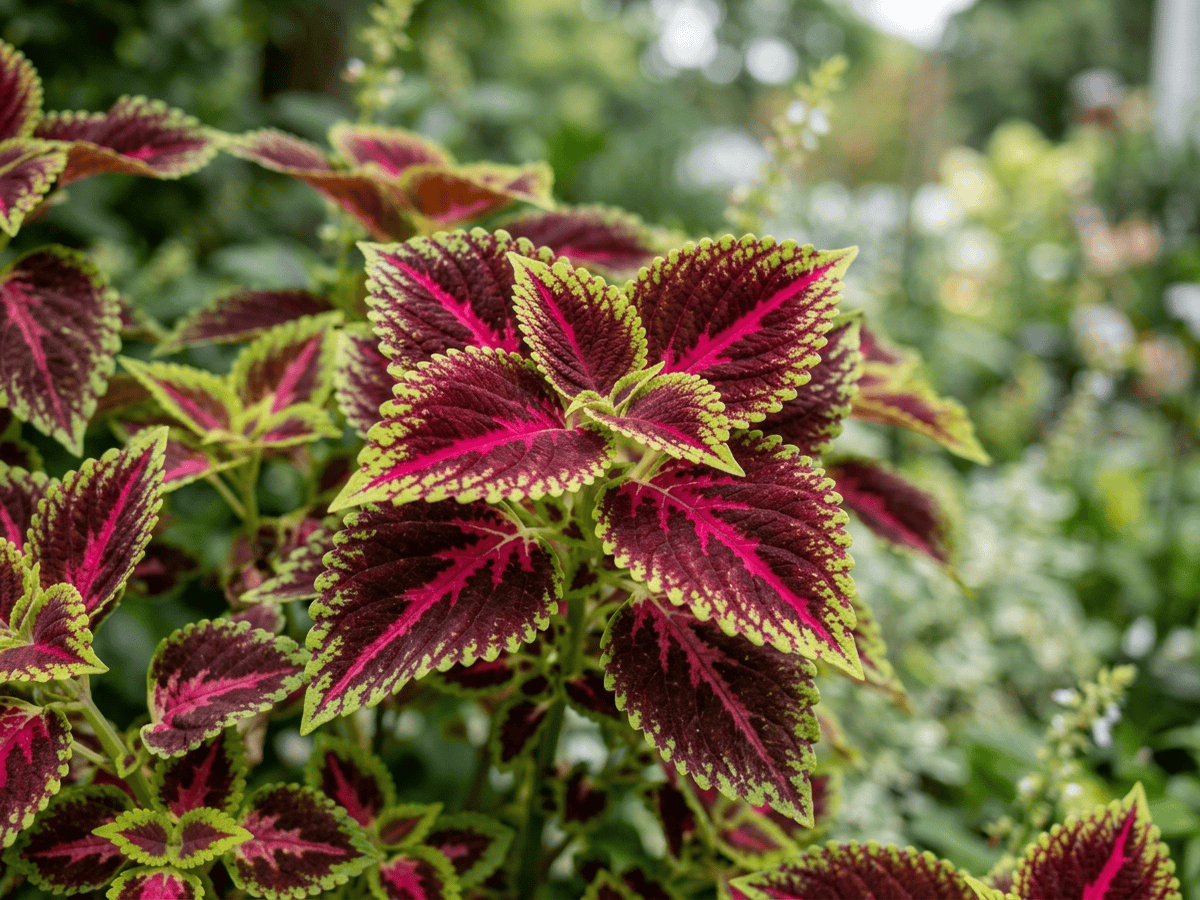
Coleus is a tropical Southeast Asian tender perennial grown as an annual across the US, beloved not for flowers but for spectacular multicolored foliage in near-infinite combinations of lime, burgundy, red, pink, yellow, orange, and near-black. Growing 10 to 36 inches tall depending on cultivar, modern sun-tolerant varieties have transformed American shade and sun container gardening since the 2000s.
- Shade-tolerant
- Low-maintenance
- Container-friendly
How to care for Coleus
Watering
- Springevery 3 days
- Summerevery 2 days
- Fallevery 5 days
- Winterevery 7 days
Soil · Well-draining
- Top dressingPine bark mulch10%
- Main mixPotting soil + perlite 2:170%
- DrainageLECA / gravel20%
Never skip the drainage layer — standing water is the top cause of root rot.
FERTILIZER
Balanced Feed 14-14-14
An even feed covers all three needs at once, keeping leaves, roots and blooms moving together with nothing pushed out of balance.
- Nitrogen · Leaves
- Phosphorus · Roots + Blooms
- Potassium · Strength
- Springevery 14 days
- Summerevery 14 days
- Fallevery 30 days
At a Glance
- NativeEast Asia
- Height1–3 ft (0.3–0.9 m)
- Spread1–2 ft (0.3–0.6 m)
- Flower colorBlue, Purple, White
- Foliage colorGreen, Red, Purple, Yellow
- SoilRich, Loamy, Well-drained
- LocationsYard · Balcony
Bloom time
BLOOM CYCLE
Grown for foliage; flower spikes pinched to prolong leaf quality
Fragrance
LIGHT FRAGRANCE
Mild minty scent when leaves crushed.
Toxicity
Humans Slight · Pets Moderate
essential oils and diterpenoids
Slight
- Leaf
- Stem
- Ingestion
- Contact
EXPOSURE Eating leaves and stems. Touching leaves and stems.
EFFECT Foliage may cause mild dermatitis and GI upset.
NOTE Documented concern for humans: Foliage may cause mild dermatitis and GI upset.
Moderate
- Leaf
- Stem
- Ingestion
EXPOSURE Eating leaves and stems.
EFFECT ASPCA: vomiting, diarrhea, depression, anorexia and skin irritation possible.
NOTE ASPCA lists Coleus as toxic to dogs and cats.
Moderate
- Leaf
- Stem
- Ingestion
EXPOSURE Eating leaves and stems.
EFFECT ASPCA: vomiting, diarrhea, depression, anorexia and skin irritation possible.
NOTE ASPCA lists Coleus as toxic to dogs and cats.
Educational information, not medical or veterinary advice. If exposure is suspected, contact a doctor or veterinarian.
DISTRIBUTION


- Native
- Introduced
- East Asia
History

Coleus scutellarioides, long cultivated as Solenostemon scutellarioides or Plectranthus scutellarioides, is a tender perennial in the mint family native to Southeast Asia from India through Indonesia and into northern Australia. Dutch gardeners introduced the plant to Europe from Java in 1851, triggering Britain's Coleus Mania of the 1860s and 1870s, during which nurseries marketed hundreds of named leaf forms. The plant's riotous combinations of green, yellow, pink, red, orange, and purple on leaves of every shape returned to horticultural favor with Ball FloraPlant's ColorBlaze series, Proven Winners' Under the Sea selections, and the Main Street, FlameThrower, and Great Falls programs.
Modern breeding also delivered sun-tolerance, restraining the old shade-only reputation and expanding coleus into full-sun bedding across North America. Cultivated in Southeast Asia for centuries, introduced to Victorian American gardens as a greenhouse bedding plant in the 1860s.
The Victorian 'coleus craze' produced thousands of cultivars. Modern sun-tolerant hybrids like 'ColorBlaze' and 'Sun Coleus' revolutionized American container gardening in the 2000s.
Symbolism & meaning
What It Symbolizes
Coleus is living pattern. Each leaf carries splashes, veins, and borders that made Victorian bedding schemes look almost upholstered in color. Modern gardeners keep it for the same reason, though with looser rules: the plant turns shade and containers into a gallery of foliage rather than a wait for flowers.
- Living art — each leaf a natural painting
- Victorian opulence — signature plant of the bedding-out craze
Where the Name Comes From
'scutellarioides' means resembling Scutellaria (skullcap); long known as Coleus, briefly moved to Plectranthus and Solenostemon, now back to Coleus.
Uses & Fun Facts
- Vivid foliage fills shaded patio pots and window boxes
- Brilliant leaf colors prized for shade bedding displays
Related plants
More Coleus plants
Plants with similar care
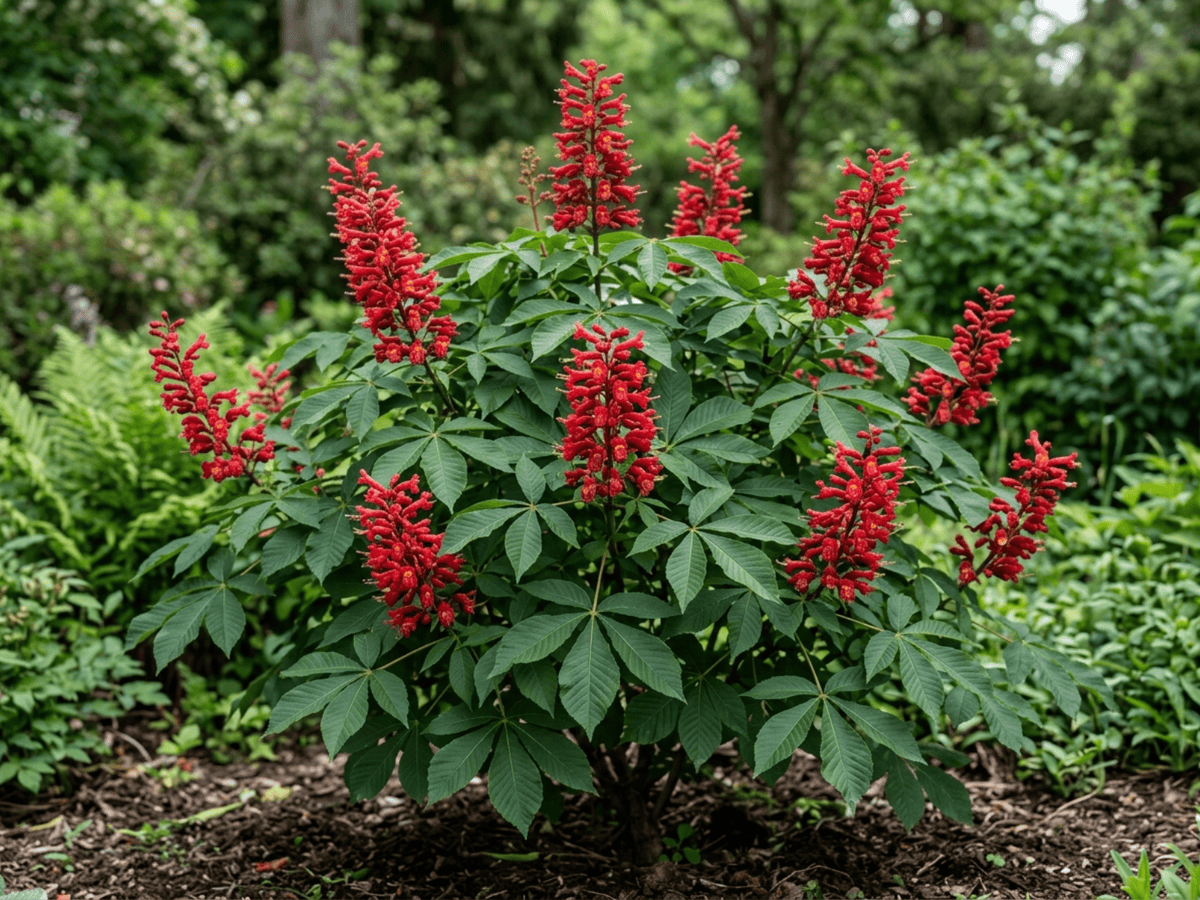 Red BuckeyeAesculus pavia
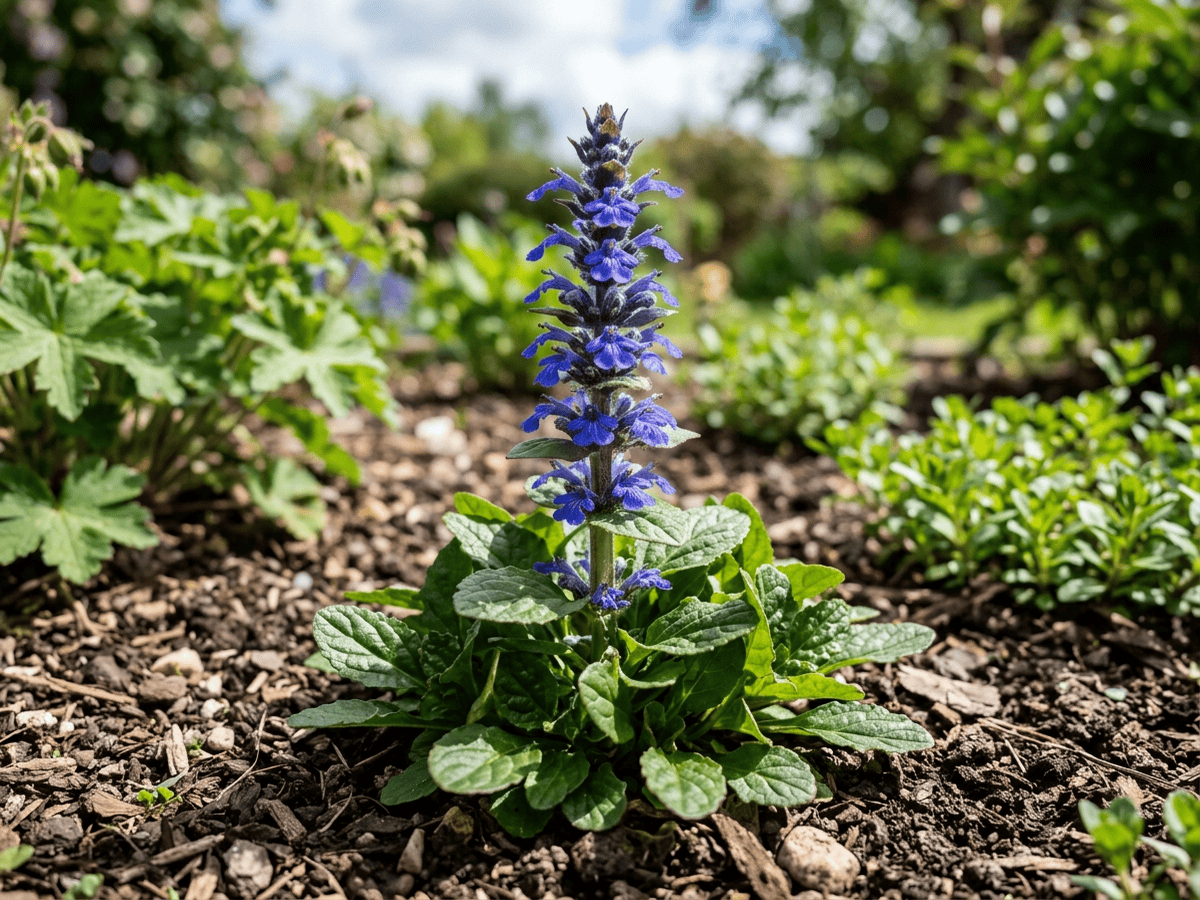 Blue BugleAjuga genevensis
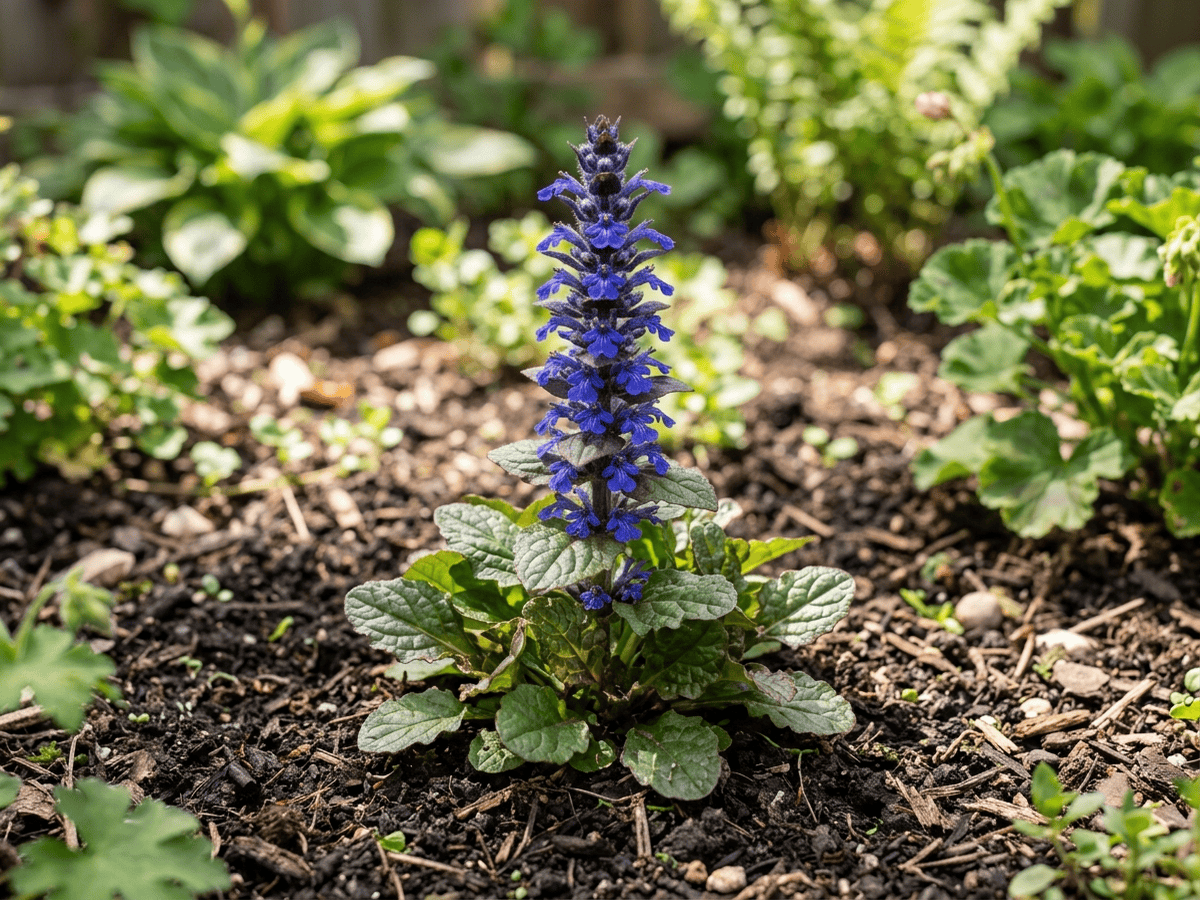 Pyramidal BugleAjuga pyramidalis
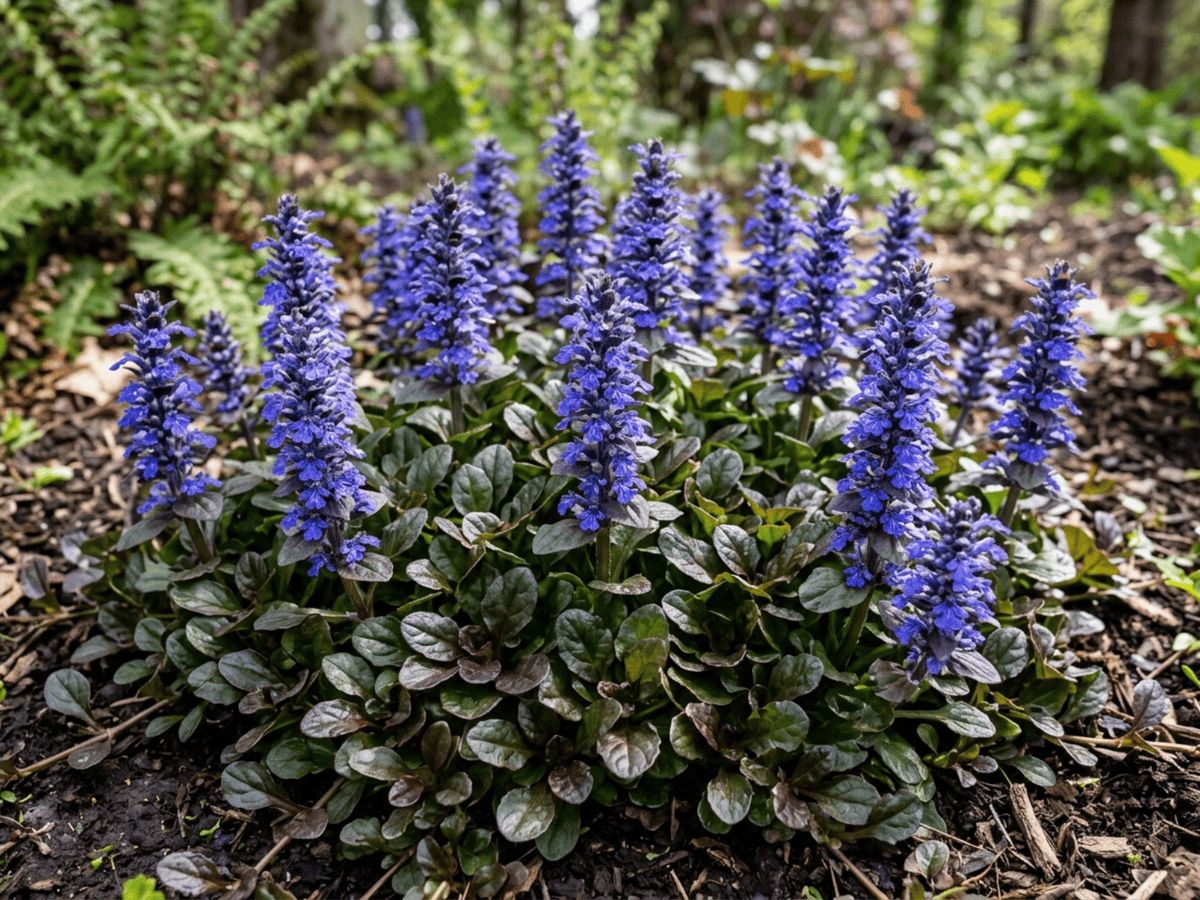 Carpet BugleAjuga reptans
Frequently asked questions
How often should I water Coleus?
In summer, water about every 2 days; in winter, about every 7 days. Adjust for heat, pot size and drainage.
How much light does Coleus need?
Part shade: 2–4 hrs direct. Watch the leaves — scorching or stretching means the light needs adjusting.
Is Coleus toxic to cats or dogs?
Pets Moderate (Dogs Moderate · Cats Moderate) Educational information, not medical or veterinary advice. If exposure is suspected, contact a doctor or veterinarian.
Is Coleus easy to grow?
Yes — it is considered an easy, beginner-friendly plant.
YardMate
Identify any plant in seconds
Snap a photo — YardMate names the plant, diagnoses problems, and reminds you when to water.
Download on the App Store