 YardMate

Cockspur Flower
Coleus australis
Hard · Experienced growersAbout Cockspur Flower
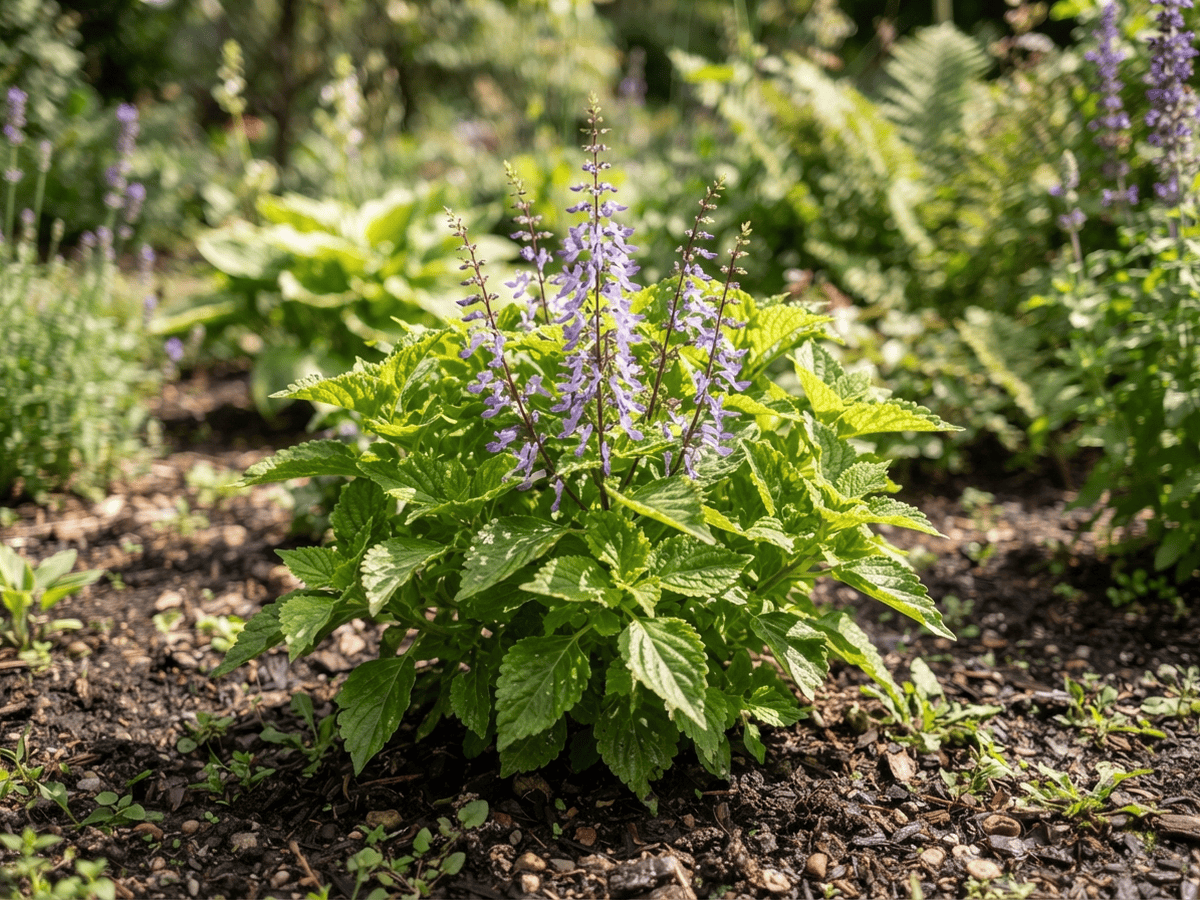
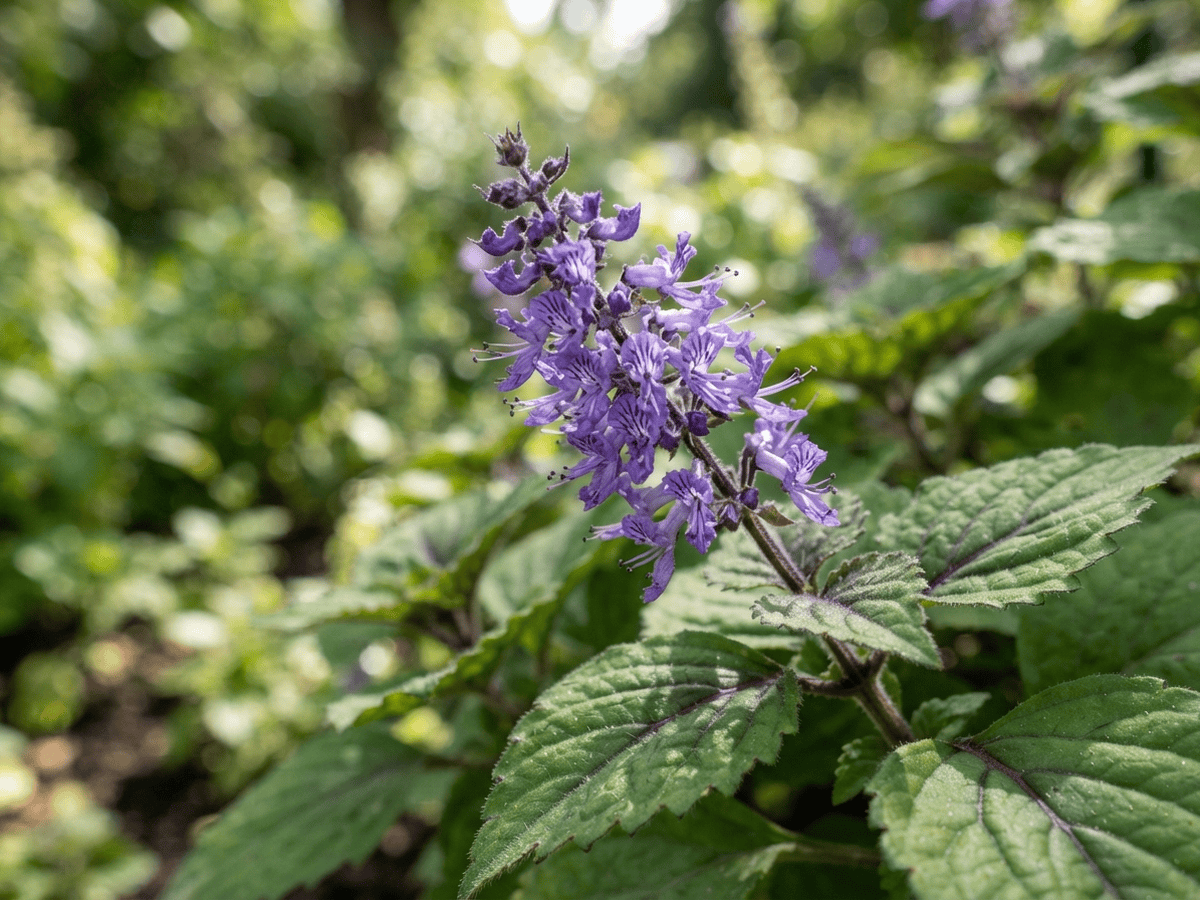
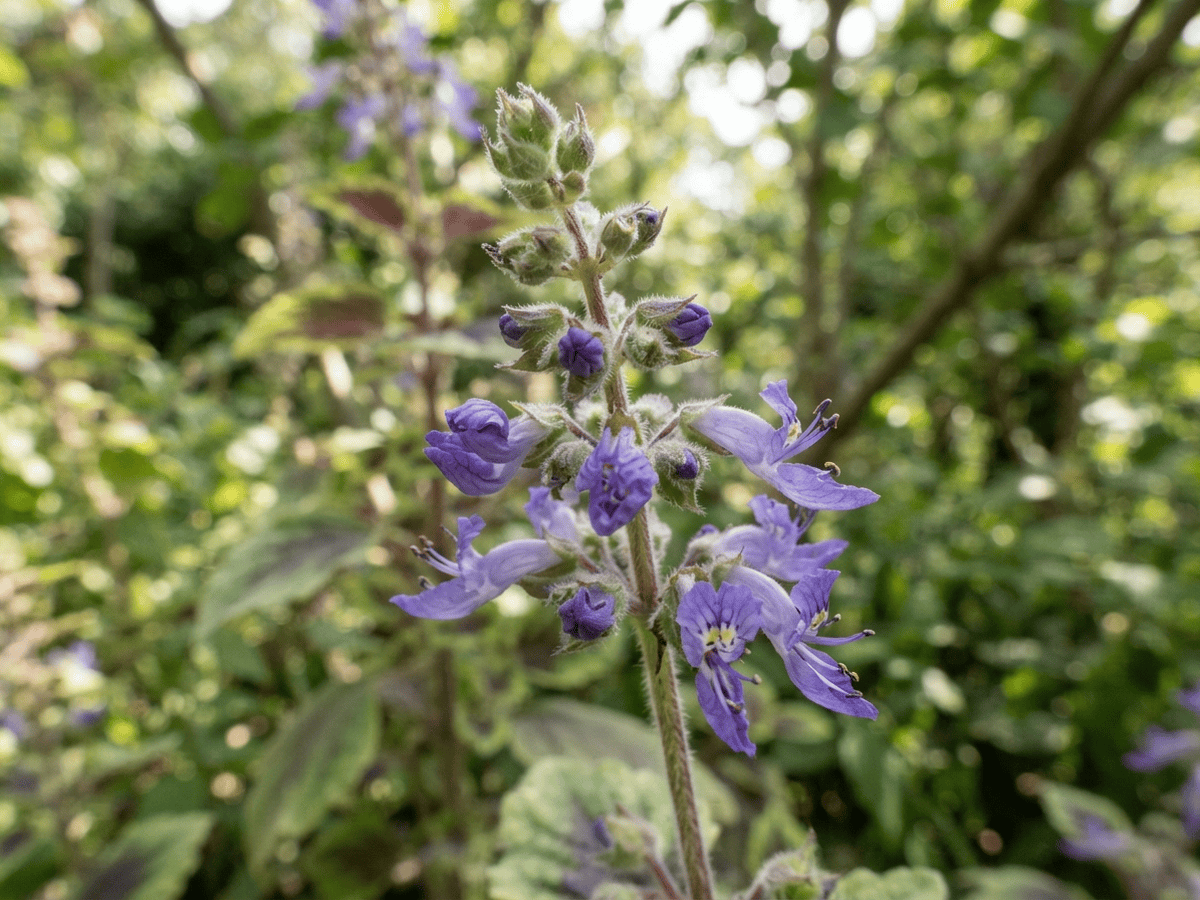
The Cockspur Flower is a low, sprawling herb native to eastern Australia and the Pacific islands, spreading along forest margins and rocky outcrops as a resilient ground cover. Its soft, faintly aromatic leaves cushion a prostrate habit reaching only one to two feet across, equally at home tumbling over garden edges or filling gaps between stepping stones. From early summer into autumn it sends up loose spikes of small blue-and-white flowers that pollinators visit eagerly. Tolerant of heat, part shade, and modest neglect, it rewards minimal care with steady, tidy coverage year after year.
- Spreading
- Drought-tolerant
- Container-friendly
- Pollinator-friendly
- Fast-growing
How to care for Cockspur Flower
Watering
- Springevery 7 days
- Summerevery 5 days
- Fallevery 12 days
- Winterpause watering
Soil · Well-draining
- Top dressingPine bark mulch10%
- Main mixPotting soil + perlite 2:170%
- DrainageLECA / gravel20%
Never skip the drainage layer — standing water is the top cause of root rot.
FERTILIZER
Balanced Feed 14-14-14
An even feed covers all three needs at once, keeping leaves, roots and blooms moving together with nothing pushed out of balance.
- Nitrogen · Leaves
- Phosphorus · Roots + Blooms
- Potassium · Strength
- Springevery 30 days
- Summerevery 30 days
- Fallevery 30 days
At a Glance
- NativeAustralia
- Height1–2 ft (0.3–0.6 m)
- Spread1–2 ft (0.3–0.6 m)
- Flower colorPurple, Blue, White
- Foliage colorGreen, Variegated
- Fruit colorGreen
- SoilWell-drained, Moist
- LocationsYard · Patio · Balcony
Bloom time
BLOOM CYCLE
Peak bloom
Jun–Sep
Its flowers bloom in the summer, attracting many pollinators.
Fragrance
LIGHT FRAGRANCE
Leaves give off a faint herbal scent when bruised or crushed.
Toxicity
Toxicity unknown
None reported
Unknown
EXPOSURE No exposure route is reported.
EFFECT No toxic effect is reported.
NOTE Toxicity for humans is not well documented; use caution until verified.
Unknown
EXPOSURE No exposure route is reported.
EFFECT No toxic effect is reported.
NOTE Toxicity for dogs is not well documented; use caution until verified.
Unknown
EXPOSURE No exposure route is reported.
EFFECT No toxic effect is reported.
NOTE Toxicity for cats is not well documented; use caution until verified.
Educational information, not medical or veterinary advice. If exposure is suspected, contact a doctor or veterinarian.
DISTRIBUTION


- Native
- Australia
History

Long before European botanists arrived, the plant now known as the Cockspur Flower carpeted rainforest margins and rocky slopes across eastern Australia, where Aboriginal communities along North Queensland's Robertson River turned to it as medicine. Healers crushed its soft leaves into an infused wash, or pressed them directly onto the skin as a poultice, treating sores and skin ailments — knowledge passed down through generations of careful observation of the local flora.
In 1802, the plant caught the attention of Robert Brown, the Scottish botanist sailing with Matthew Flinders aboard HMS Investigator on the first full circumnavigation of Australia. Brown formally described the species, adding it to the growing catalogue of Australian flora shipped back to Europe's herbaria. Its low, spreading habit and undemanding nature soon made it a favorite far from home: gardeners across the Pacific islands and Hawaii adopted it as ground cover, and it slipped quietly into cultivation and naturalized populations across the region. Today the Cockspur Flower still performs the same modest, reliable role it always has — softening bare ground, feeding pollinators, and asking almost nothing in return.
Symbolism & meaning
What It Symbolizes
Far from the showy blooms prized in classical flower language, the Cockspur Flower earned its meaning through practical care rather than romance. Generations of use as a folk remedy along Australia's northern rivers gave it a quiet reputation for healing without spectacle — a plant that mends and covers ground alike, expecting nothing back.
- Quiet Healing — Rooted in its history as a traditional wound remedy along Queensland's rivers, the Cockspur Flower has come to symbolize modest, unassuming care — healing that asks for little and gives steadily.
Where the Name Comes From
The genus name Coleus comes from the Greek koleos, 'sheath,' describing how the flower's stamens fuse into a sheath-like tube; the species name australis is Latin for 'southern,' marking its home across southern and eastern Australia.
Uses & Fun Facts
- Grown as a low, spreading ground cover and edging plant in warm gardens.
- Its small summer flowers draw bees and other pollinators.
- Traditionally used by Aboriginal Australians as a wash or poultice for skin sores.
Related plants
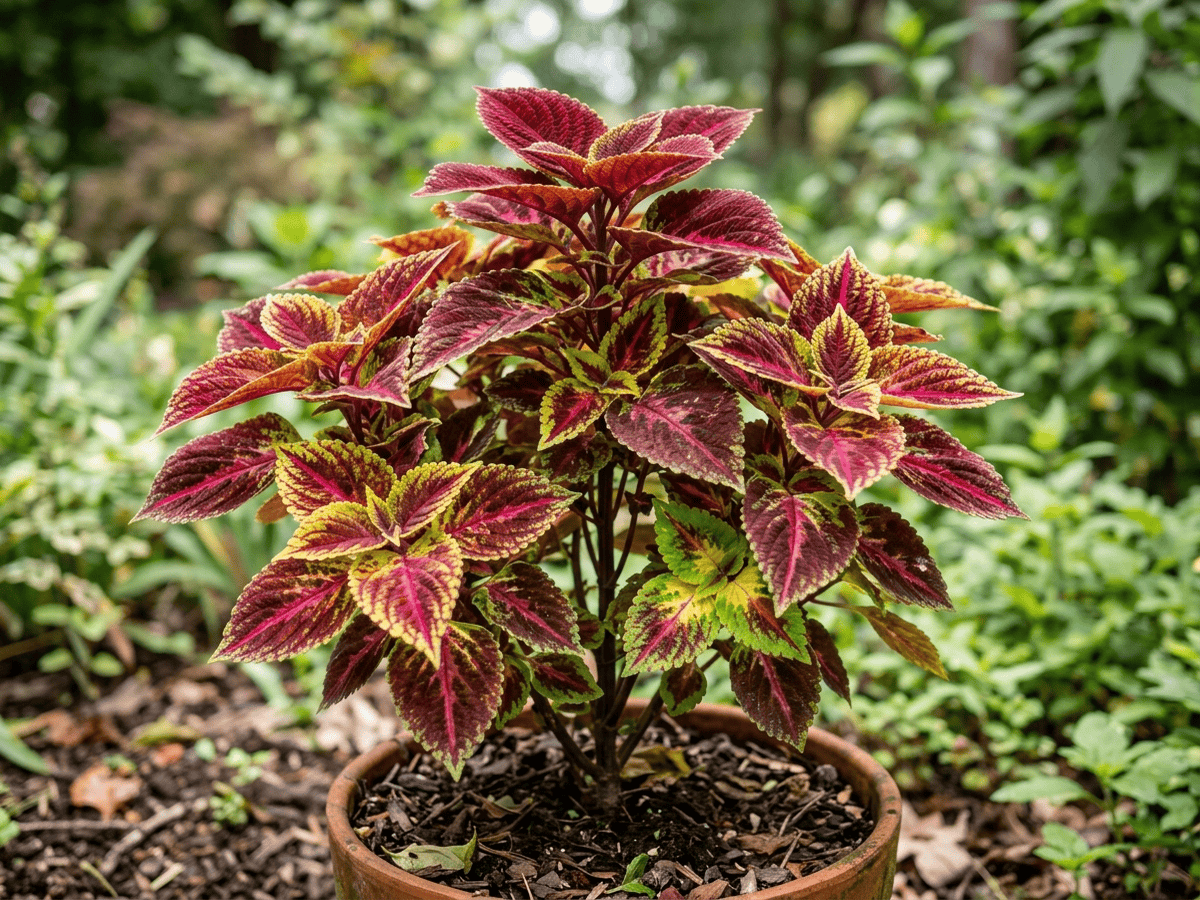
More Coleus plants
Plants with similar care
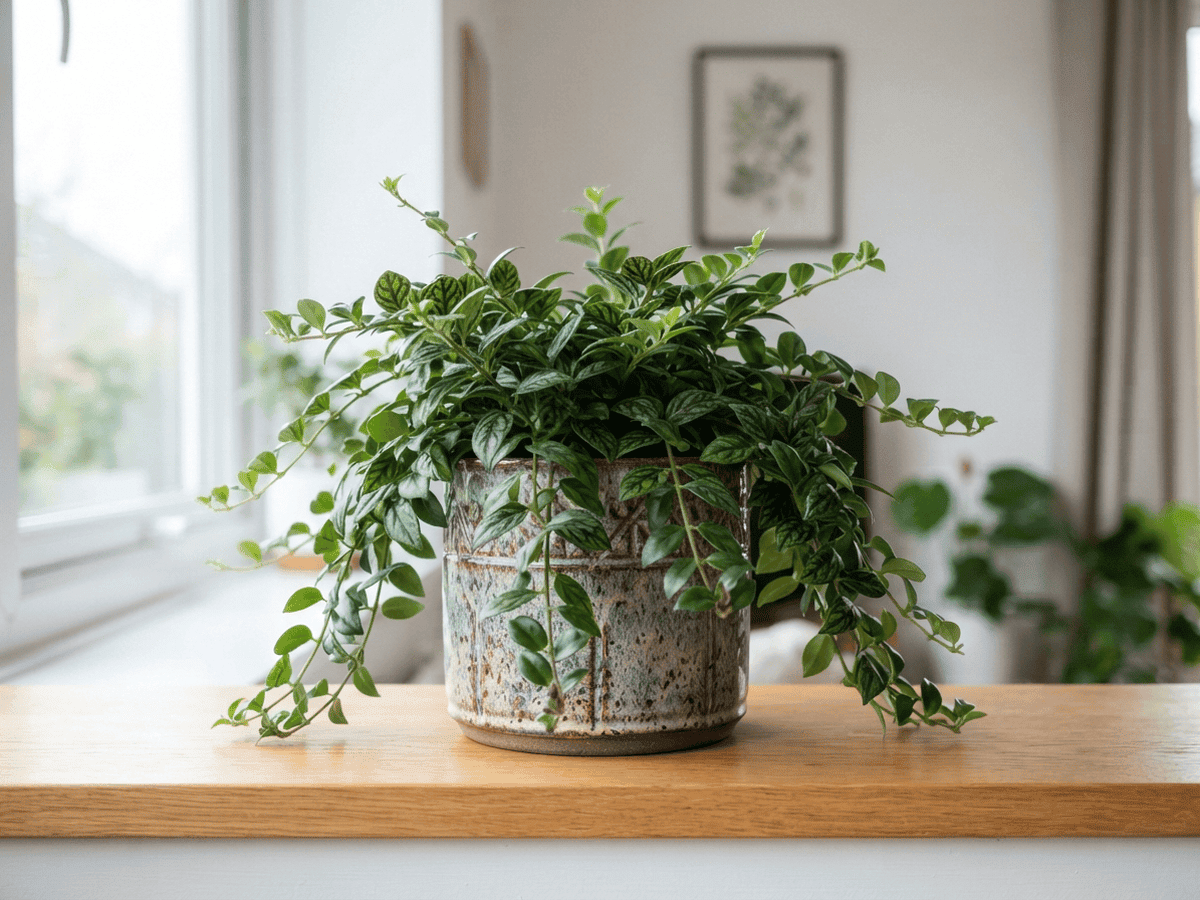 Lipstick PlantAeschynanthus longicaulis
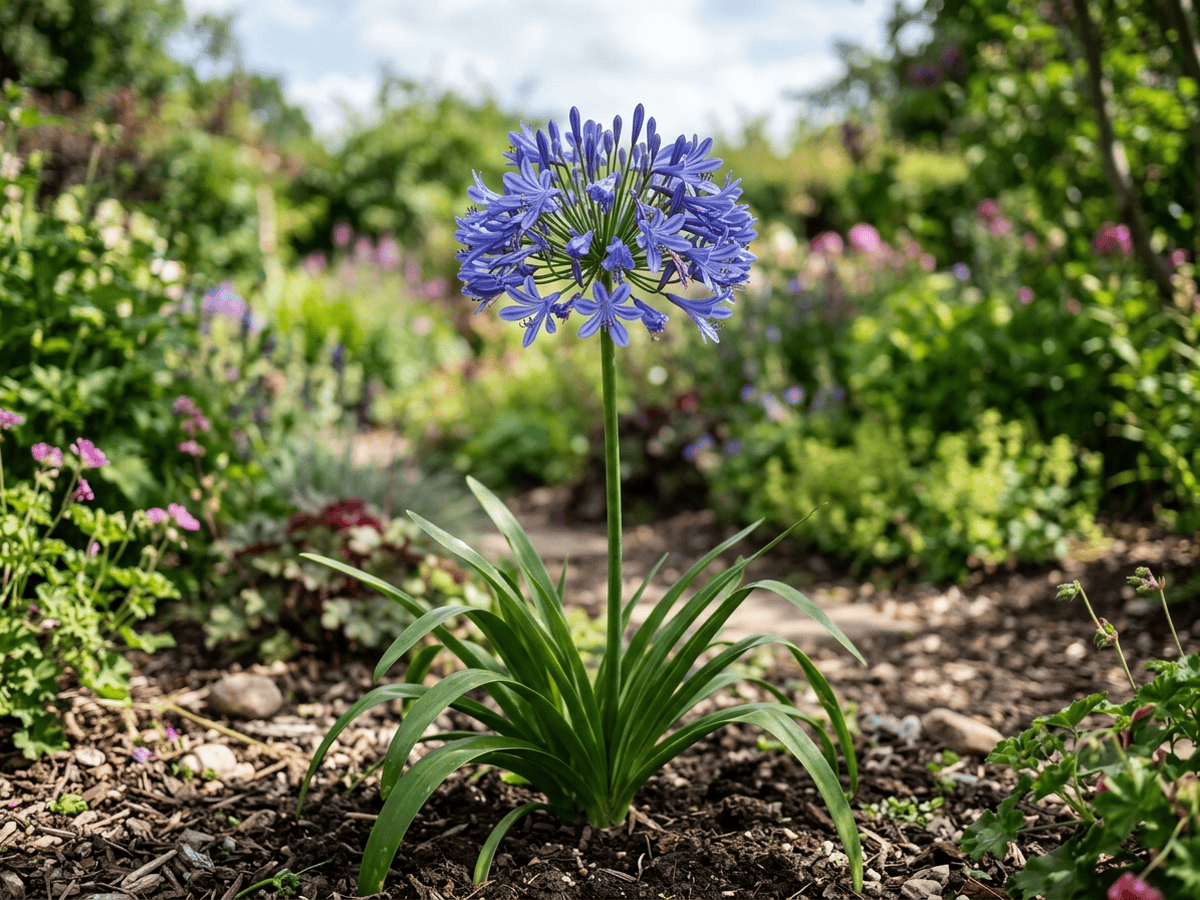 African LilyAgapanthus africanus
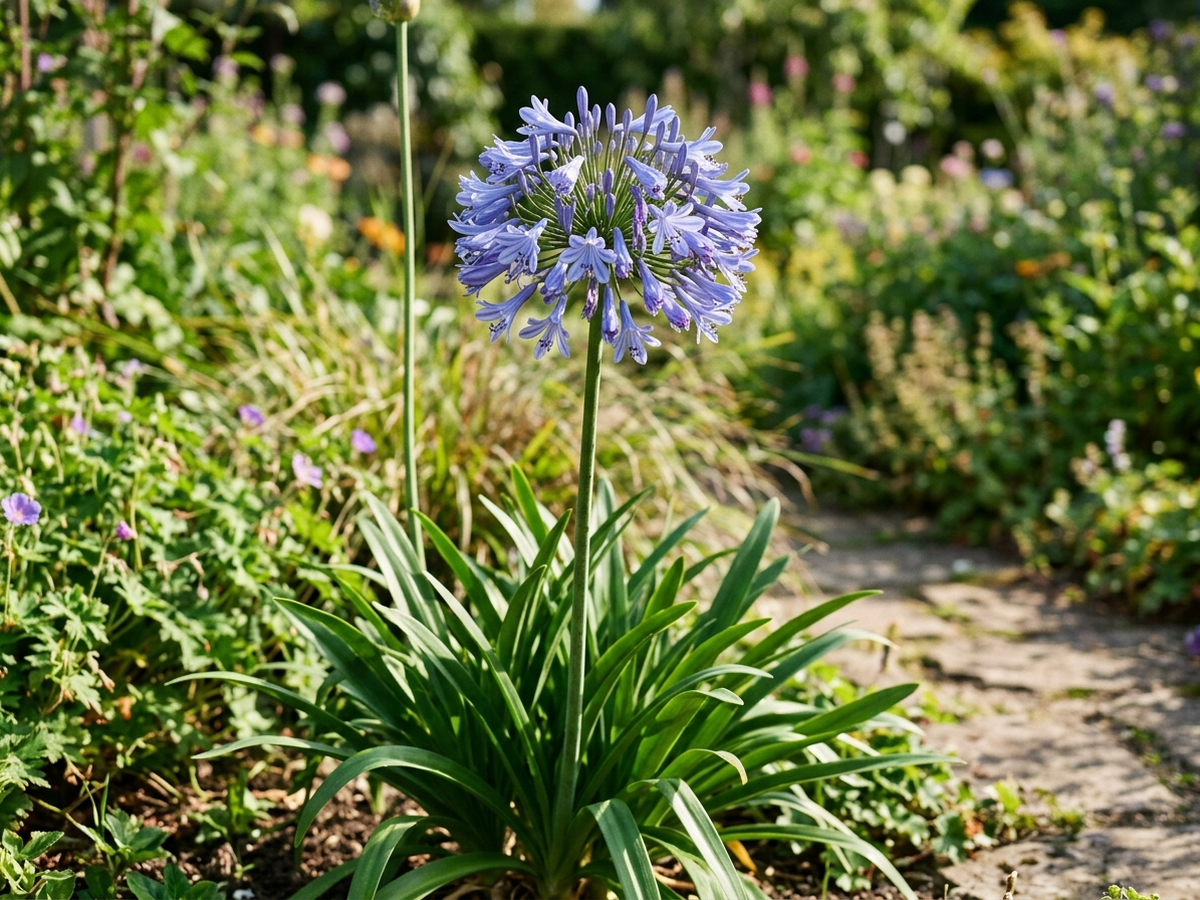 Bell AgapanthusAgapanthus campanulatus
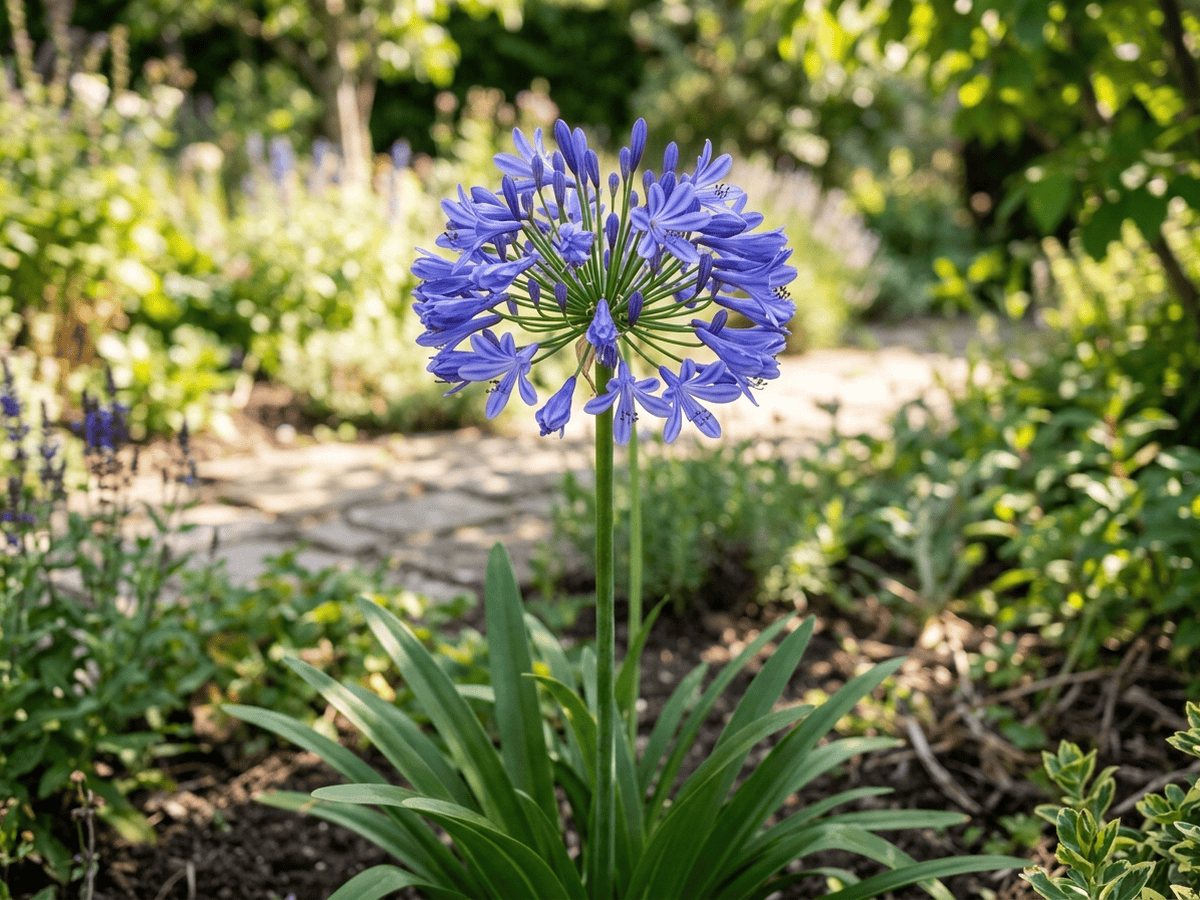 Common AgapanthusAgapanthus praecox
Frequently asked questions
How often should I water Cockspur Flower?
Water about every 7 days during the growing season, and always let excess water drain away.
How much light does Cockspur Flower need?
Part sun: 4–6 hrs direct. Watch the leaves — scorching or stretching means the light needs adjusting.
Is Cockspur Flower toxic to cats or dogs?
Pets Unknown (Dogs Unknown · Cats Unknown) Educational information, not medical or veterinary advice. If exposure is suspected, contact a doctor or veterinarian.
Is Cockspur Flower easy to grow?
It is considered challenging and rewards experienced growers.
When does Cockspur Flower bloom?
It typically blooms Jun–Sep in the Northern Hemisphere.
YardMate
Identify any plant in seconds
Snap a photo — YardMate names the plant, diagnoses problems, and reminds you when to water.
Download on the App Store