 YardMate


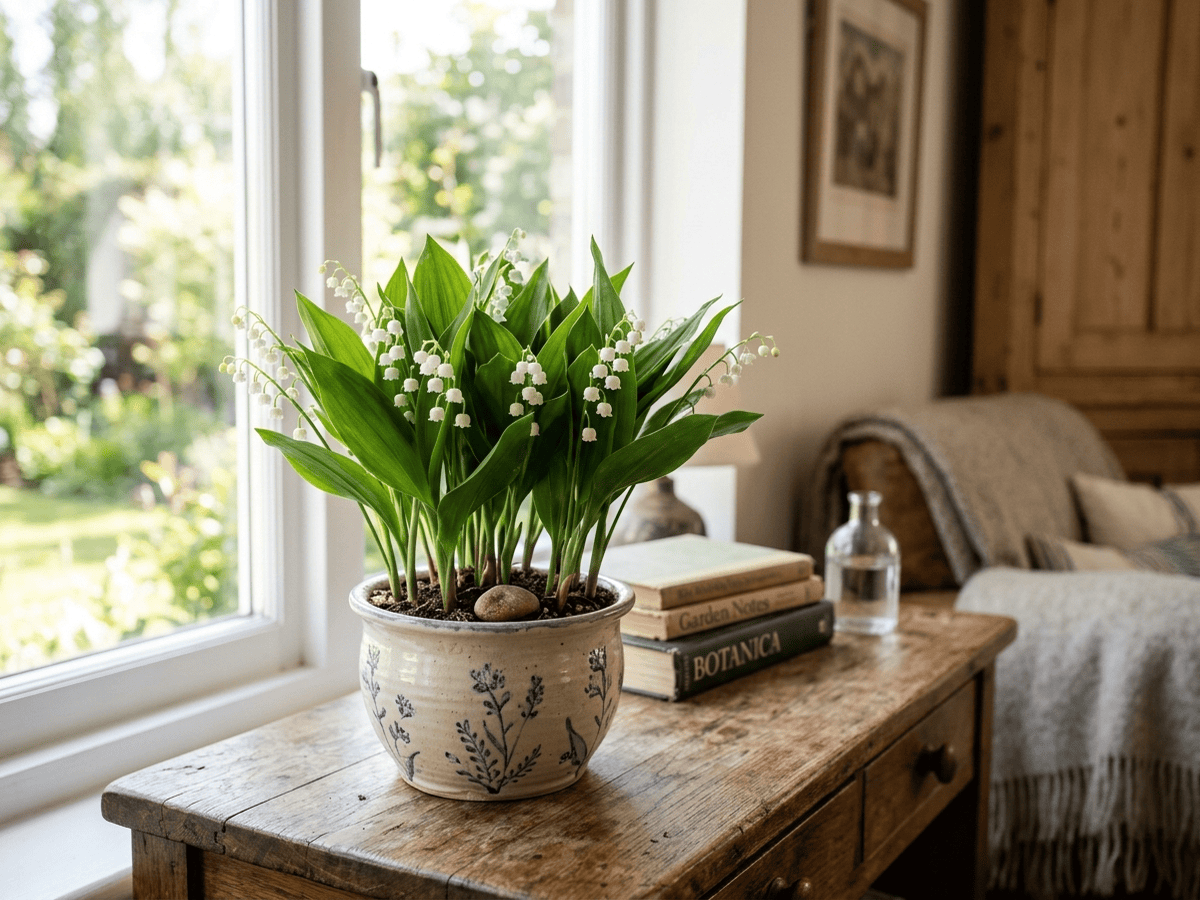
European Lily Of The Valley
Convallaria majalis
Easy · Beginner friendlyAbout European Lily Of The Valley
Convallaria majalis, lily of the valley, produces arching stems of tiny, pure white, bell-shaped flowers with one of the sweetest, most recognizable fragrances in the plant kingdom. Despite its delicate appearance, it is an aggressive spreader that forms dense ground cover via underground rhizomes. Native to Europe and temperate Asia, it blooms in late spring in shade. All parts are highly toxic — the cardiac glycosides are similar to foxglove. It was a staple of royal weddings, appearing in Kate Middleton's 2011 bridal bouquet. Red berries follow the flowers in autumn.
- Fragrant
- Shade-tolerant
- Groundcover
How to care for European Lily Of The Valley
Watering
- Springevery 5 days
- Summerevery 3 days
- Fallevery 7 days
- Winterevery 14 days
Soil · Well-draining
- Top dressingPine bark mulch10%
- Main mixPotting soil + perlite 2:170%
- DrainageLECA / gravel20%
Never skip the drainage layer — standing water is the top cause of root rot.
FERTILIZER
Balanced Feed 14-14-14
An even feed covers all three needs at once, keeping leaves, roots and blooms moving together with nothing pushed out of balance.
- Nitrogen · Leaves
- Phosphorus · Roots + Blooms
- Potassium · Strength
- Springevery 21 days
- Summerevery 21 days
At a Glance
- NativeEurope, North America, East Asia
- Height0.5–1 ft (0.2–0.3 m)
- Spread1–2 ft (0.3–0.6 m)
- Flower colorWhite, Pink
- Foliage colorGreen
- Fruit colorRed
- SoilLoamy, Moisture-retentive
- LocationsYard
Bloom time
BLOOM CYCLE
Peak bloom
Mar–May
Tiny white bells in late spring; spreads aggressively via rhizomes; shade lover
Fragrance
STRONG FRAGRANCE
Iconic sweet-green floral scent; reproduced in perfumery as hydroxycitronellal and related muguet accords.
Toxicity
Humans Toxic · Pets Toxic
cardiac glycosides (convallatoxin, convallarin, convalloside)
Toxic
- All
- Ingestion
EXPOSURE Eating any part of the plant.
EFFECT Cardiac arrhythmia, nausea, vomiting, blurred vision and red berries attract children and have caused fatalities.
NOTE Documented concern for humans: Cardiac arrhythmia, nausea, vomiting, blurred vision and red berries attract children and have caused fatalities.
Toxic
- All
- Ingestion
EXPOSURE Eating any part of the plant.
EFFECT Vomiting, cardiac arrhythmia, seizures, death possible.
NOTE ASPCA lists Convallaria as toxic to dogs, cats, and horses. All parts including vase water dangerously toxic.
Toxic
- All
- Ingestion
EXPOSURE Eating any part of the plant.
EFFECT Vomiting, cardiac arrhythmia, seizures, death possible.
NOTE ASPCA lists Convallaria as toxic to dogs, cats, and horses. All parts including vase water dangerously toxic.
Educational information, not medical or veterinary advice. If exposure is suspected, contact a doctor or veterinarian.
DISTRIBUTION

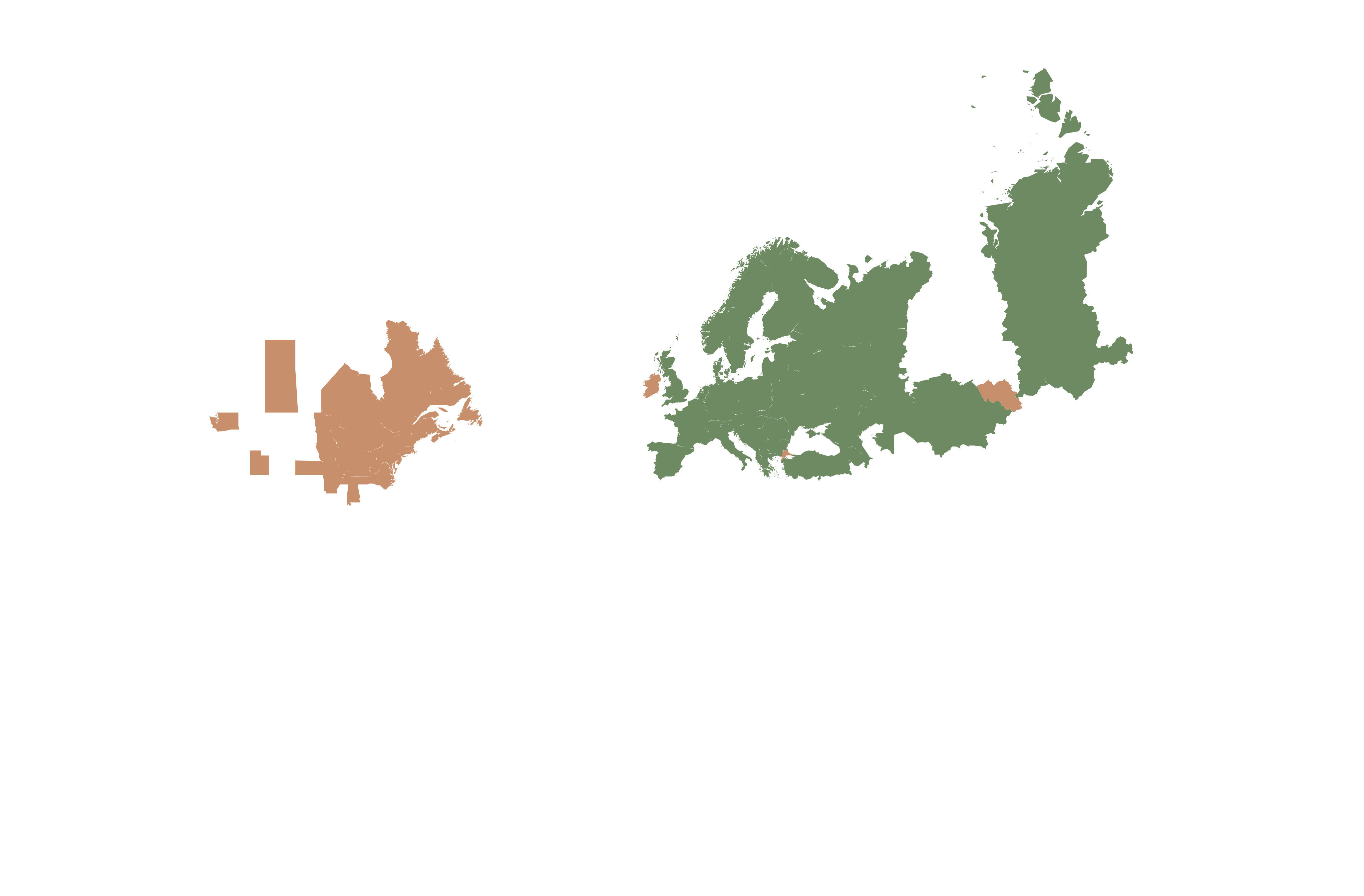
- Native
- Introduced
- Europe
- North America
- East Asia
History
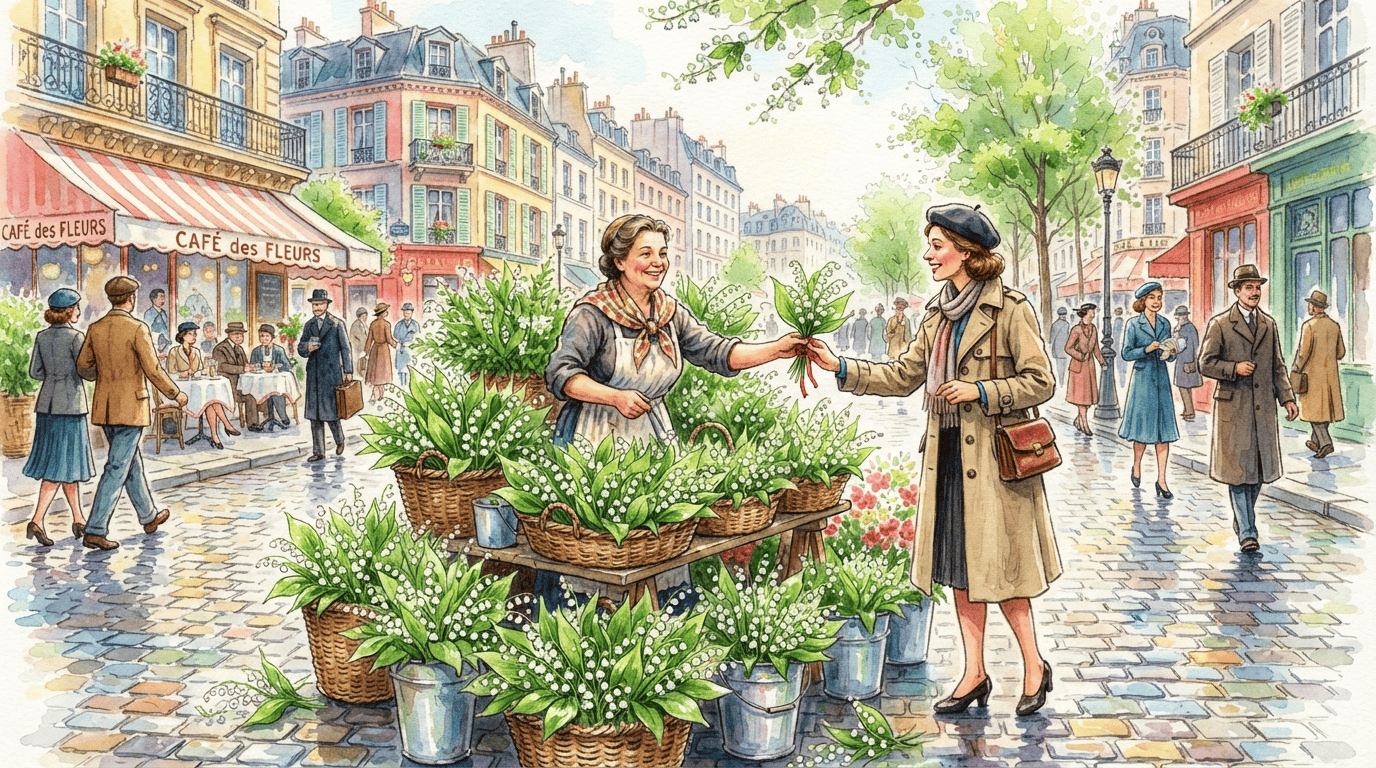
Convallaria majalis is native to temperate woodlands across Europe and eastern North America. Medieval Christian tradition tied it to the Virgin Mary's tears at the Crucifixion; Norse myth made it sacred to Ostara. The French custom of giving lily-of-the-valley on May 1 ("Muguet du 1er mai") dates to a gift from King Charles IX in 1561 and became legally enshrined as a duty-free street-vending day. Christian Dior made the flower his personal talisman and the basis of the 1956 perfume Diorissimo by Edmond Roudnitska — one of the most admired lily-of-the-valley compositions in perfumery, notable because the flower yields no usable essential oil and must be synthesized.
All parts contain cardiac glycosides (convallatoxin) and are dangerously toxic. The plant featured in royal wedding bouquets including Queen Elizabeth II (1947) and Kate Middleton (2011). Lily of the valley is the national flower of Finland and the traditional flower of May Day in France, where 'muguet' sprigs are exchanged as tokens of good luck on May 1st — over 60 million stems are sold on that single day.
Christian legend says the flowers sprang from Eve's tears when she was expelled from Eden, or from the Virgin Mary's tears at the cross. The fragrance is so complex that it could not be synthetically replicated until 1956, when Firmenich created 'Muguet des Bois.' Despite extreme toxicity — the same cardiac glycosides as foxglove — it appeared in Kate Middleton's royal wedding bouquet in 2011.
Symbolism & meaning
What It Symbolizes
Lily of the valley is often read as a flower of returning happiness, its first green spears unfurling at exactly the moment European winter relinquishes its grip. On May Day across France, sprigs are exchanged hand to hand as a small portable promise that joy, like the season, comes back. Few flowers are so saturated in collective memory of relief, or carry so much fragrance in such modest white bells.
- Return of happiness — A May Day symbol across Europe, representing spring's return and renewed joy
Where the Name Comes From
Convallaria from Latin 'convallis' (valley). Majalis means 'of May,' for its May blooming time.
Uses & Fun Facts
- White nodding bells distilled for classic perfumery essence
- Spreading rhizomes form fragrant carpets in deciduous shade
- Traditional May Day flower in French and English customs
Related plants
Plants with similar care
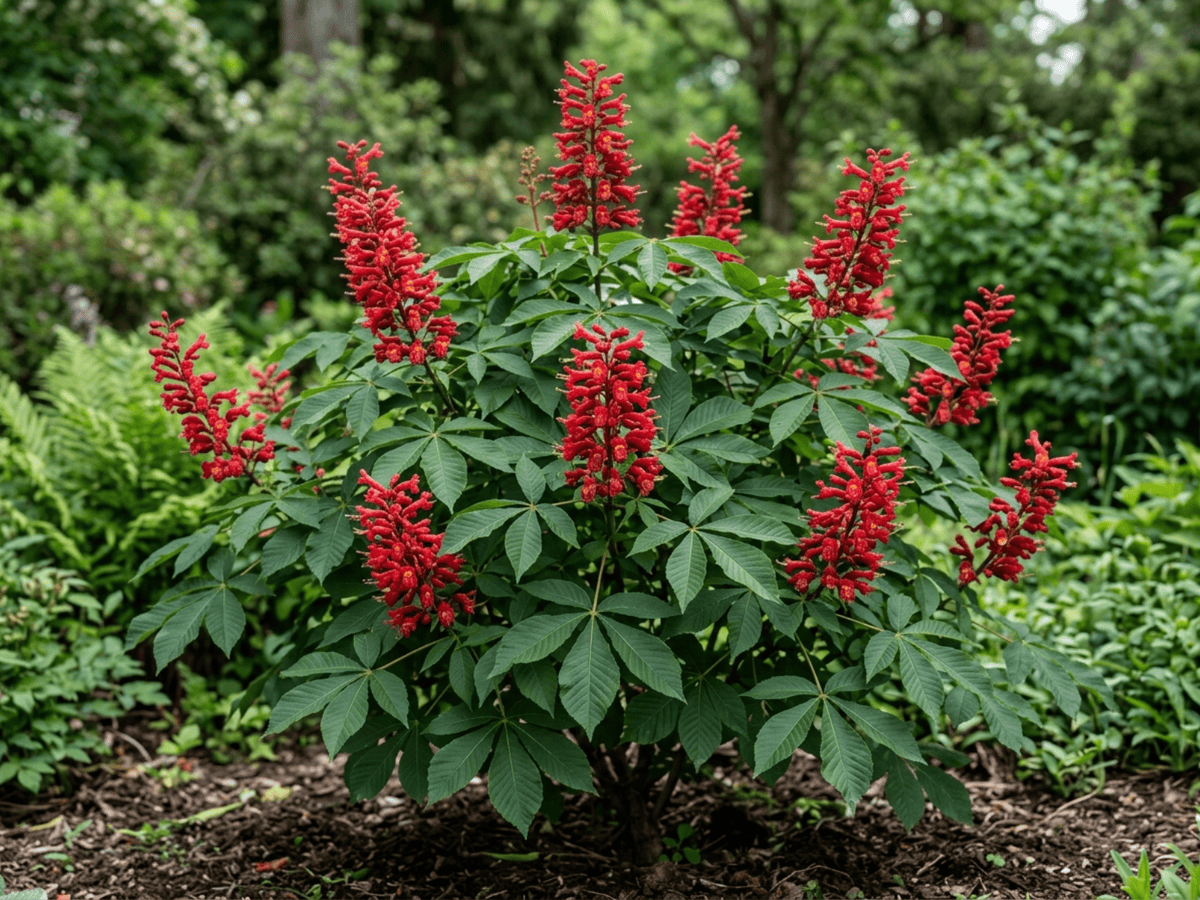 Red BuckeyeAesculus pavia
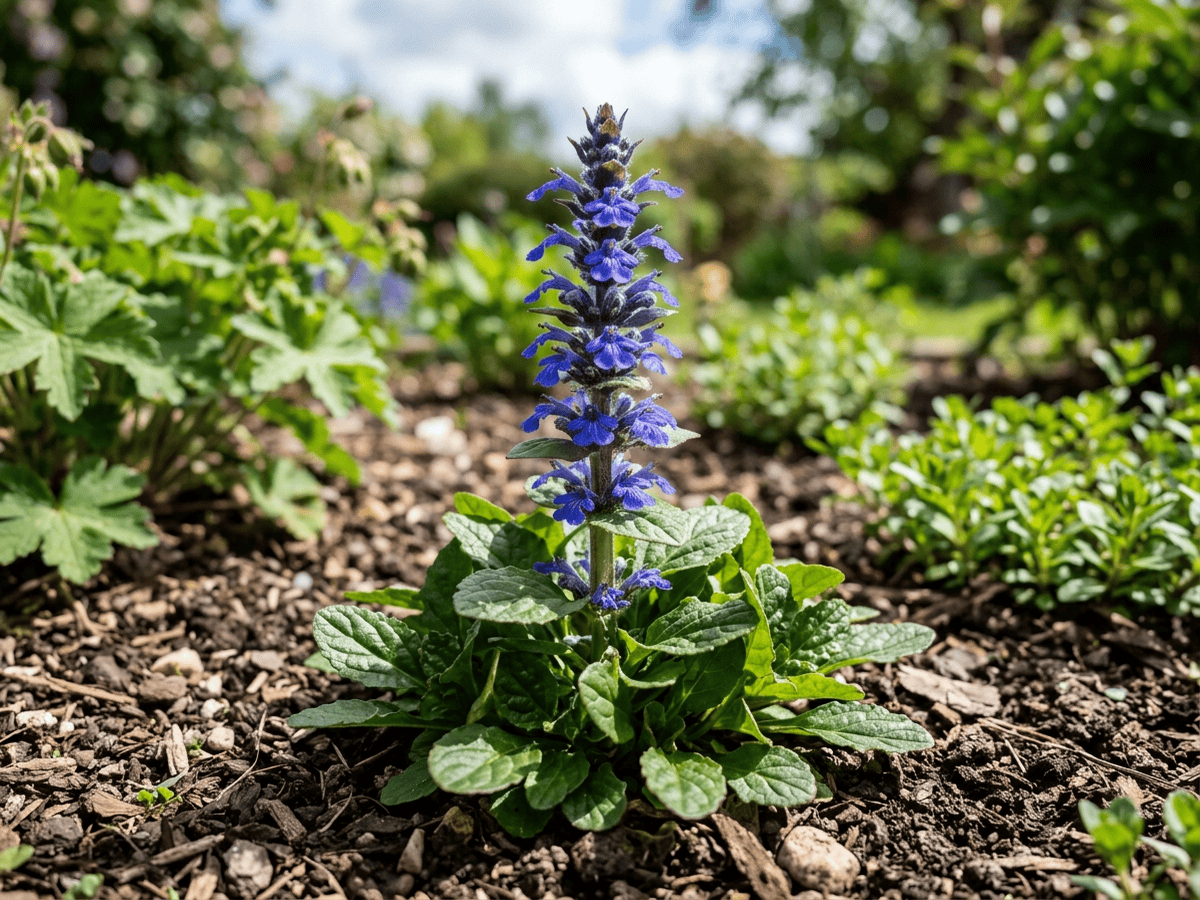 Blue BugleAjuga genevensis
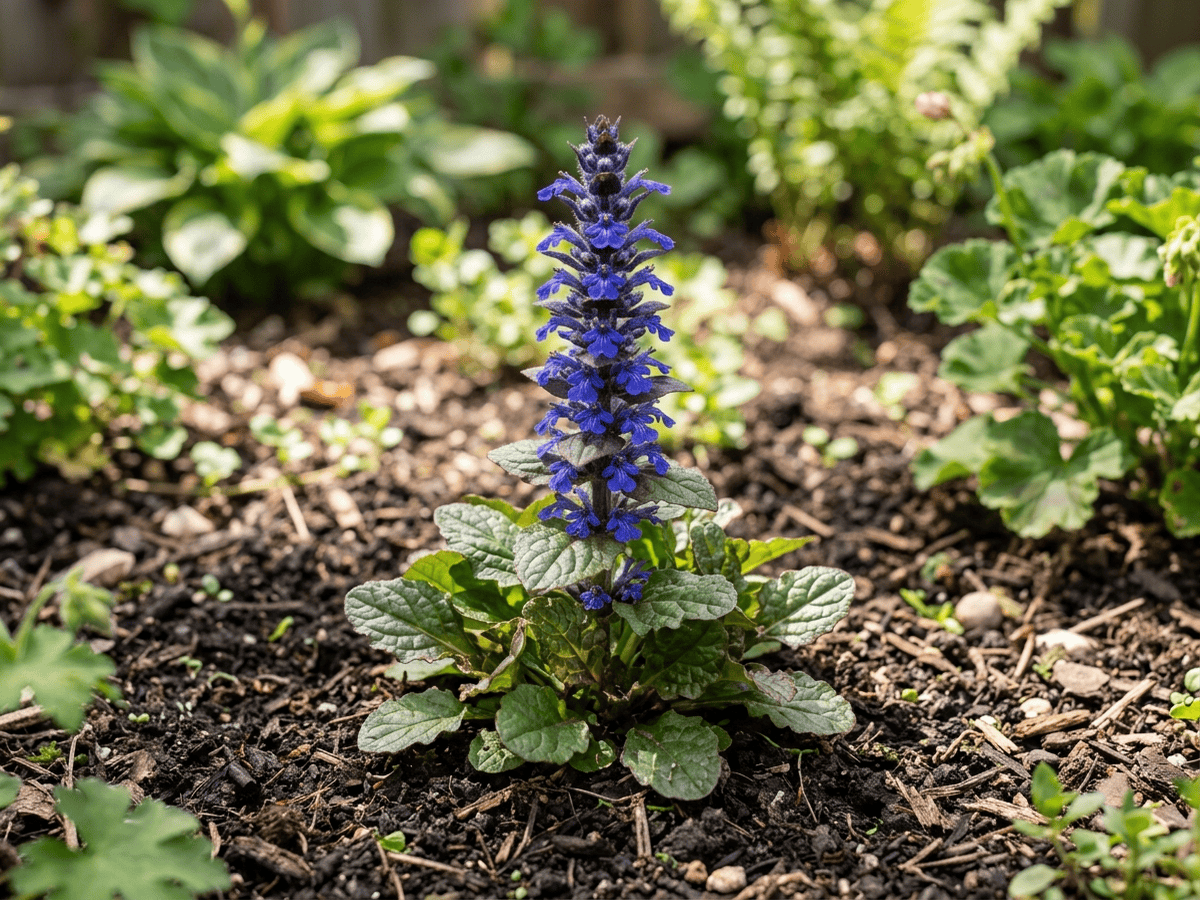 Pyramidal BugleAjuga pyramidalis
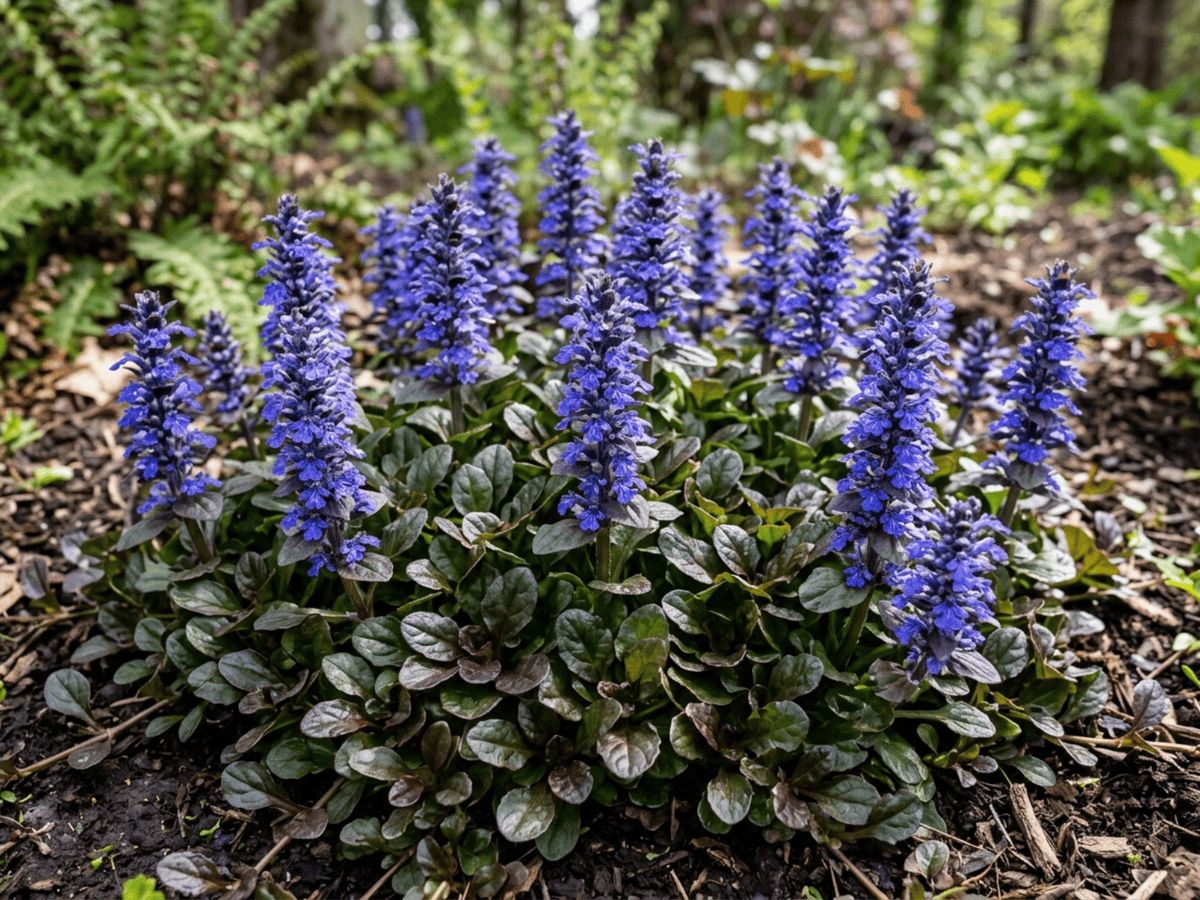 Carpet BugleAjuga reptans
Frequently asked questions
How often should I water European Lily Of The Valley?
In summer, water about every 3 days; in winter, about every 14 days. Adjust for heat, pot size and drainage.
How much light does European Lily Of The Valley need?
Part shade: 2–4 hrs direct. Watch the leaves — scorching or stretching means the light needs adjusting.
Is European Lily Of The Valley toxic to cats or dogs?
Pets Toxic (Dogs Toxic · Cats Toxic) Educational information, not medical or veterinary advice. If exposure is suspected, contact a doctor or veterinarian.
Is European Lily Of The Valley easy to grow?
Yes — it is considered an easy, beginner-friendly plant.
When does European Lily Of The Valley bloom?
It typically blooms Mar–May in the Northern Hemisphere.
YardMate
Identify any plant in seconds
Snap a photo — YardMate names the plant, diagnoses problems, and reminds you when to water.
Download on the App Store