 YardMate
Wire-netting Bush
Corokia cotoneaster
Hard · Experienced growersAbout Wire-netting Bush
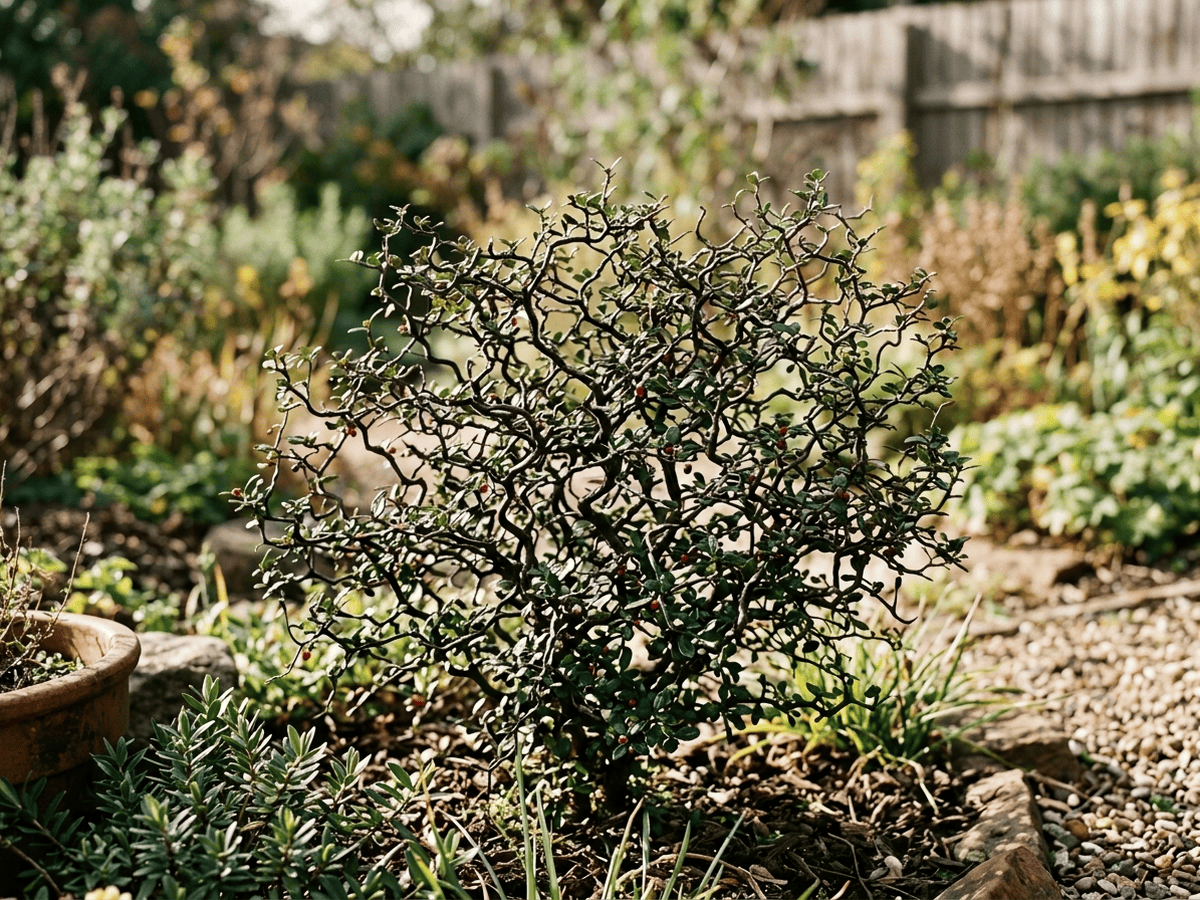
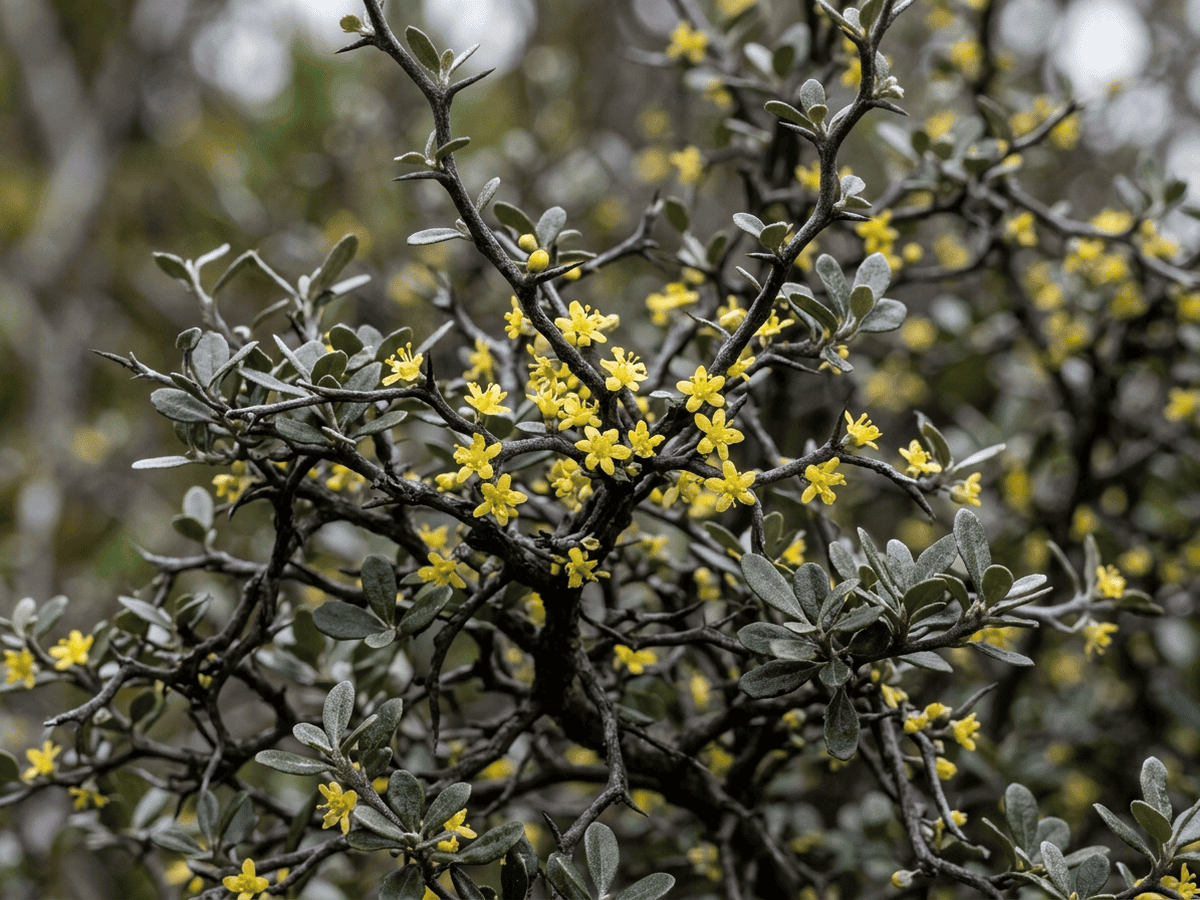
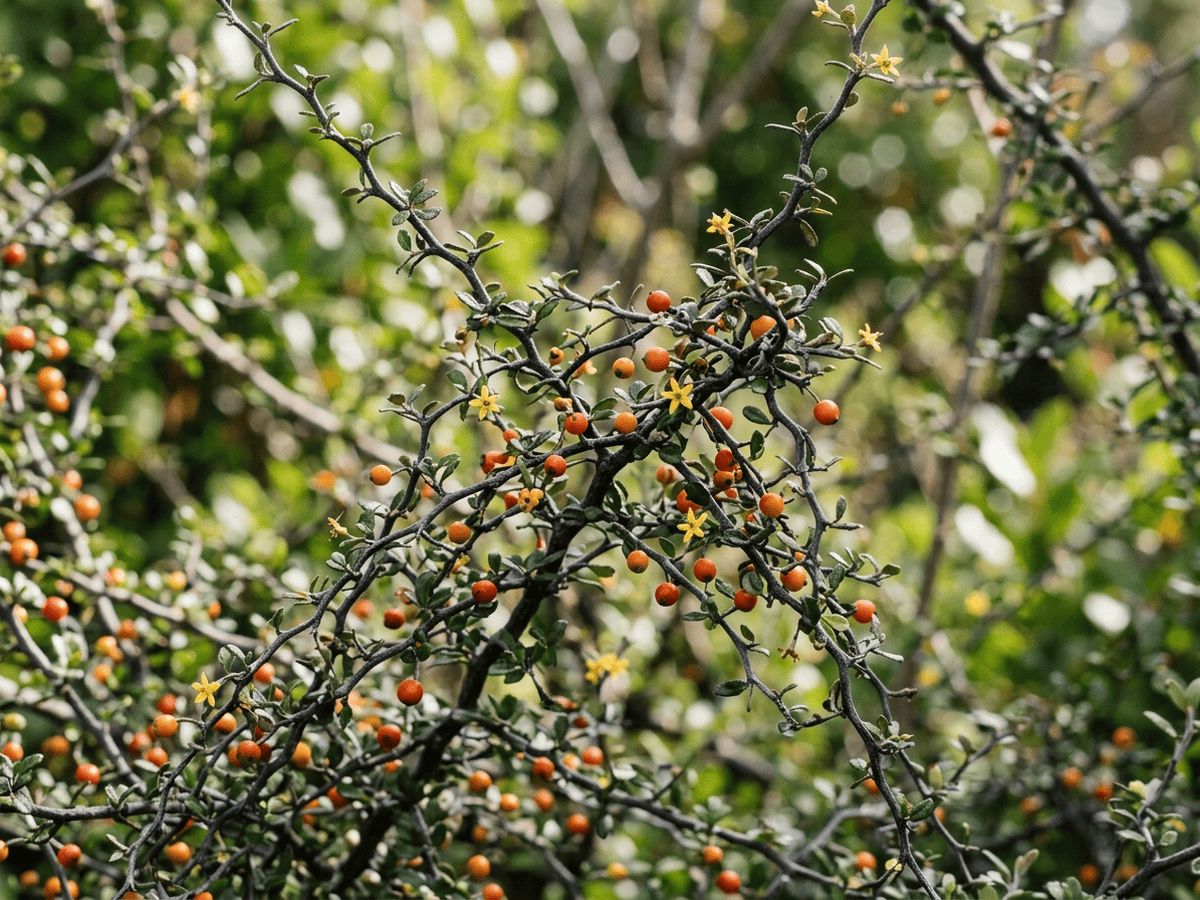
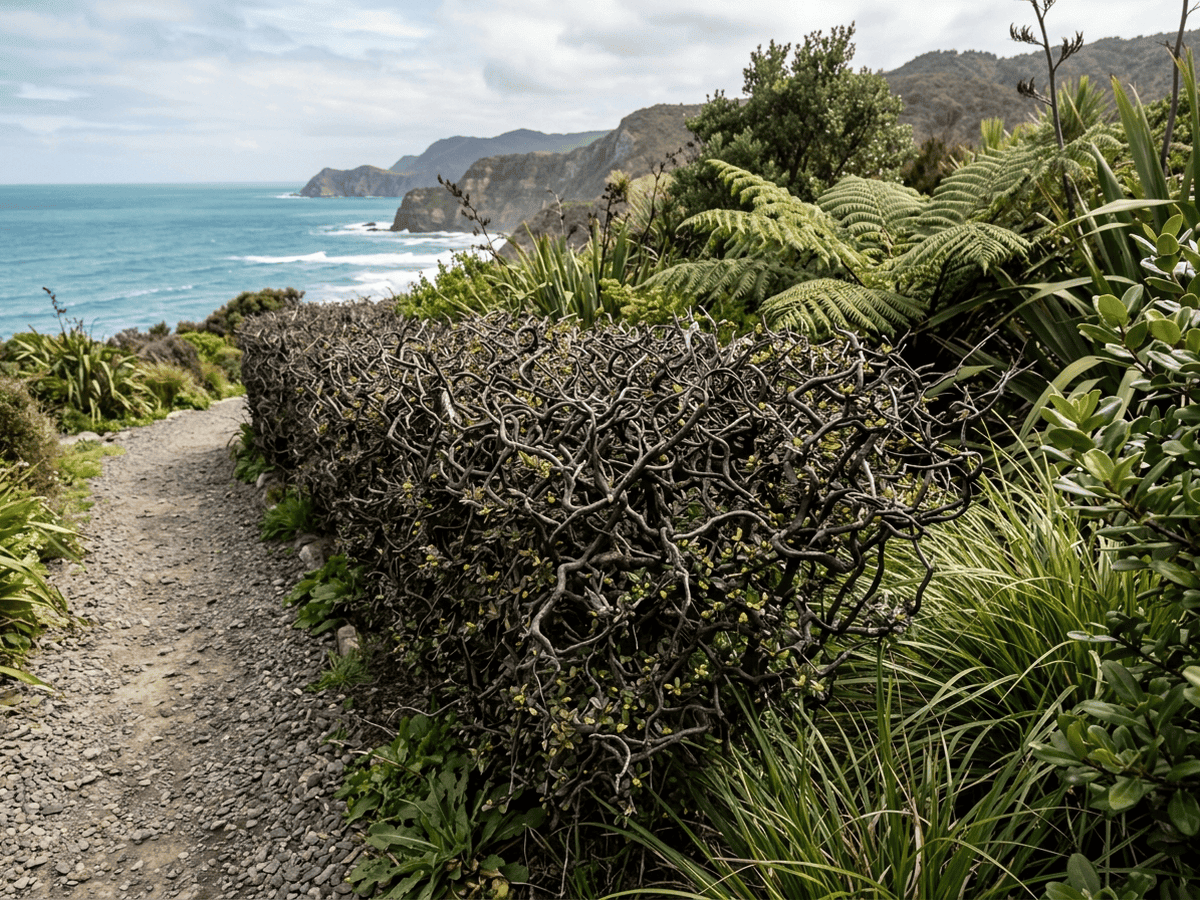
Corokia cotoneaster, Wire-netting Bush, is one of New Zealand's most architecturally dramatic shrubs—an evergreen with contorted, interlocking zigzag branches so densely interwoven that bare stems resemble wire netting. Growing 3–5 feet tall in gardens, it bears tiny star-shaped yellow flowers with honey fragrance in summer, followed by small orange or red berries relished by birds. Exceptionally drought-tolerant and wind-hardy, Wire-netting Bush thrives in coastal and dry gardens, and its sculptural form makes it prized for bonsai, topiary, and hedging in New Zealand, Australia, and mild-climate gardens worldwide.
- Evergreen
- Drought-tolerant
- Pollinator-friendly
- Showy-fruit
- Compact
How to care for Wire-netting Bush
Watering
- Springevery 10 days
- Summerevery 7 days
- Fallevery 15 days
- Winterevery 30 days
Soil · Well-draining
- Top dressingPine bark mulch10%
- Main mixPotting soil + perlite 2:170%
- DrainageLECA / gravel20%
Never skip the drainage layer — standing water is the top cause of root rot.
FERTILIZER
Balanced Feed 14-14-14
An even feed covers all three needs at once, keeping leaves, roots and blooms moving together with nothing pushed out of balance.
- Nitrogen · Leaves
- Phosphorus · Roots + Blooms
- Potassium · Strength
- Springevery 30 days
- Summerevery 30 days
- Fallevery 30 days
At a Glance
- NativeNew Zealand
- Height3–5 ft (0.9–1.5 m)
- Spread3–4 ft (0.9–1.2 m)
- Flower colorYellow
- Foliage colorGreen
- SoilWell-drained, Loamy, Sandy
- LocationsYard · Balcony
Bloom time
BLOOM CYCLE
Peak bloom
Aug–Sep
Korokio produces small, fragrant yellow flowers in late summer.
Fragrance
LIGHT FRAGRANCE
Small yellow star-shaped flowers carry a light honey-sweet fragrance in summer.
Toxicity
No toxicity has been reported for this plant. Still, it is wise to keep pets from chewing on any houseplant.
Educational information, not medical or veterinary advice. If exposure is suspected, contact a doctor or veterinarian.
DISTRIBUTION


- Native
- New Zealand
History
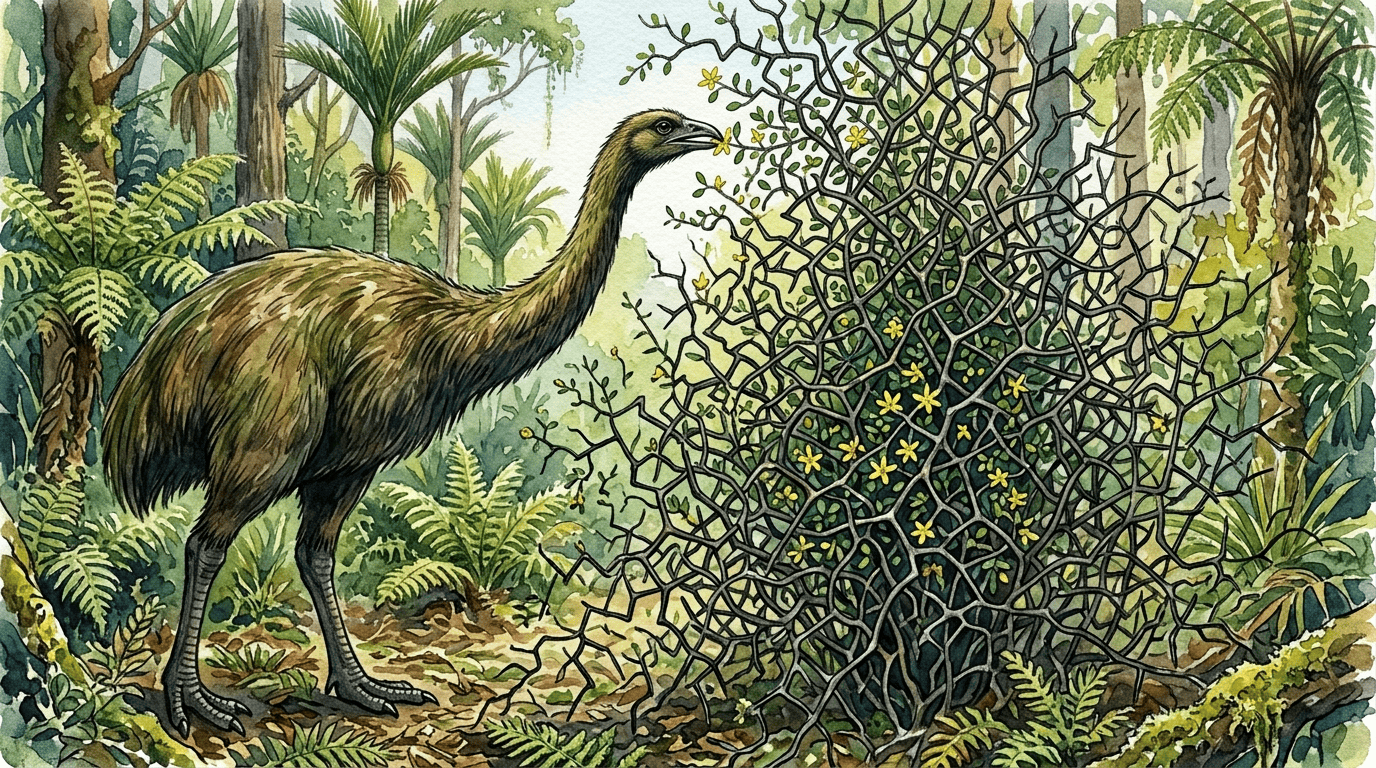
Corokia cotoneaster belongs to New Zealand's unique flora shaped by more than eighty million years of isolation after the ancient supercontinent Gondwana broke apart. The 'divaricating' growth form it exemplifies—interlocking zigzag branches with small, tough leaves held deep within a cage-like structure—is found in dozens of unrelated New Zealand plants and is believed to be an evolutionary response to browsing by the now-extinct moa (large flightless birds) that could not reach foliage behind the protective branch network.
European botanists encountered Wire-netting Bush during Captain James Cook's first voyage to New Zealand in 1769–1770. Joseph Banks and Daniel Solander, naturalists aboard HMS Endeavour, collected specimens at multiple New Zealand sites. The plant's bizarre architecture—completely unlike European shrubs—was immediately noted. The contorted interlocking branches created something resembling a three-dimensional puzzle of gray-brown wire.
In Māori culture, Corokia (korokio) was part of the native forest understory and a recognized plant in mātauranga Māori (traditional knowledge). Its small orange and red berries were eaten by birds, particularly tūī and bellbirds, making it an important plant in the ecological web of native forest.
In cultivation, Wire-netting Bush became a favorite in New Zealand gardens in the twentieth century for its architectural qualities, salt and wind tolerance, and low maintenance needs. Breeders developed compact and variegated cultivars. It arrived in British and European gardens as a curiosity, valued for its sculptural form in containers and coastal plantings.
Symbolism & meaning
What It Symbolizes
The moa is extinct. The zigzag branches that evolved to keep it out are still growing, still interlocking, still forming their dense protective cage. Wire-netting Bush doesn't know it won. It just keeps branching the same way it always has, since before humans arrived on either side of the Pacific.
- protective complexity — Branches twisted into such intricate interlocking patterns that nothing can reach through to the leaves inside—nature's own defensive architecture, refined over millions of years.
- ancient resilience — A survivor from Gondwana's breakup, shaped by giant birds that no longer exist, still growing exactly as it always has—unaware the threat it evolved against is gone.
Where the Name Comes From
Corokia derives from the Māori name korokio or korokiō, the traditional New Zealand name for these plants. The species epithet cotoneaster means 'resembling Cotoneaster'—a comparison to the European genus Cotoneaster, whose small leaves and berries the plant superficially resembles.
Uses & Fun Facts
- Prized for architectural form—the interlocking zigzag branches create striking sculptural silhouettes in gardens; excellent for hedging, topiary, and bonsai practice
- Small orange and red berries attract birds in late summer and autumn; a valuable fruiting shrub for wildlife gardens in mild-climate regions
- Honey-scented yellow flowers attract bees in summer; highly wind and drought tolerant, ideal for coastal or dry garden environments
Related plants
Plants with similar care
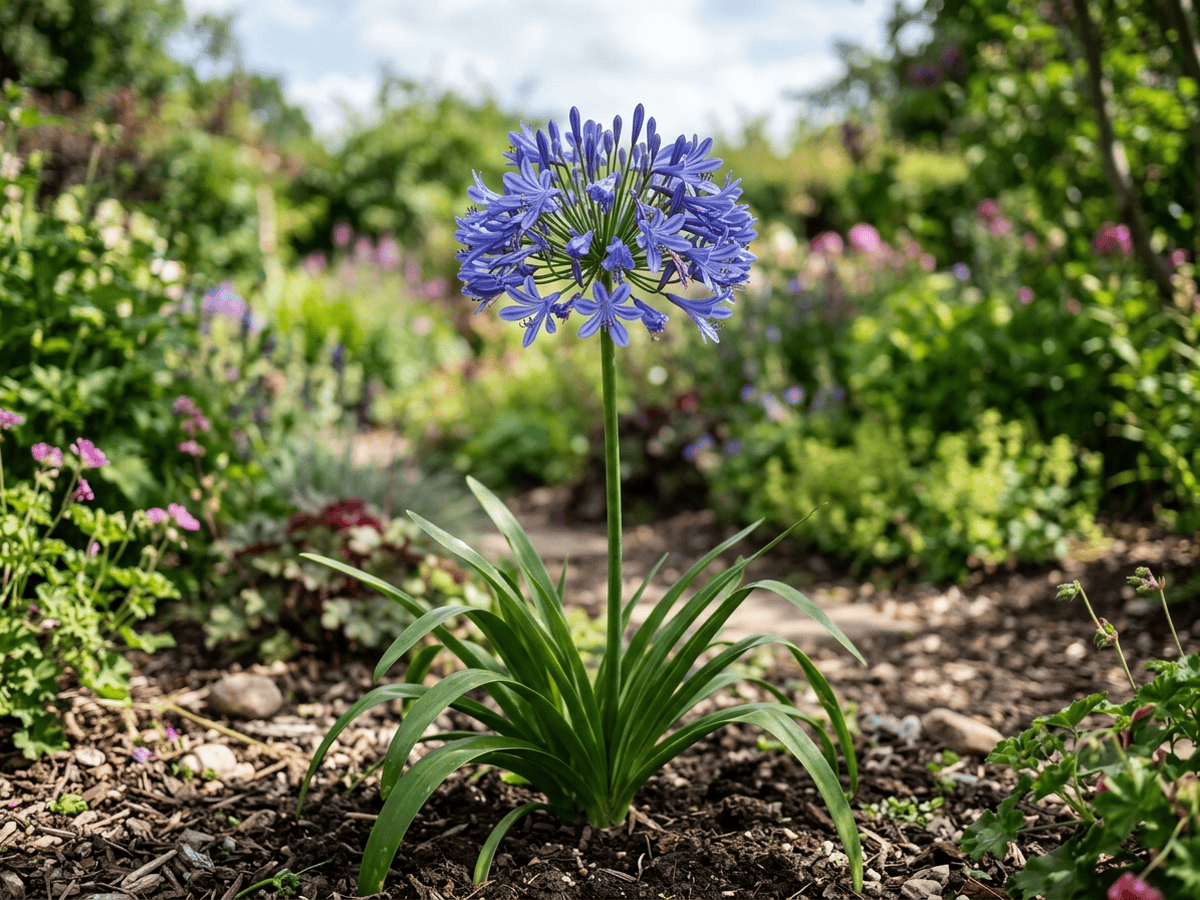 African LilyAgapanthus africanus
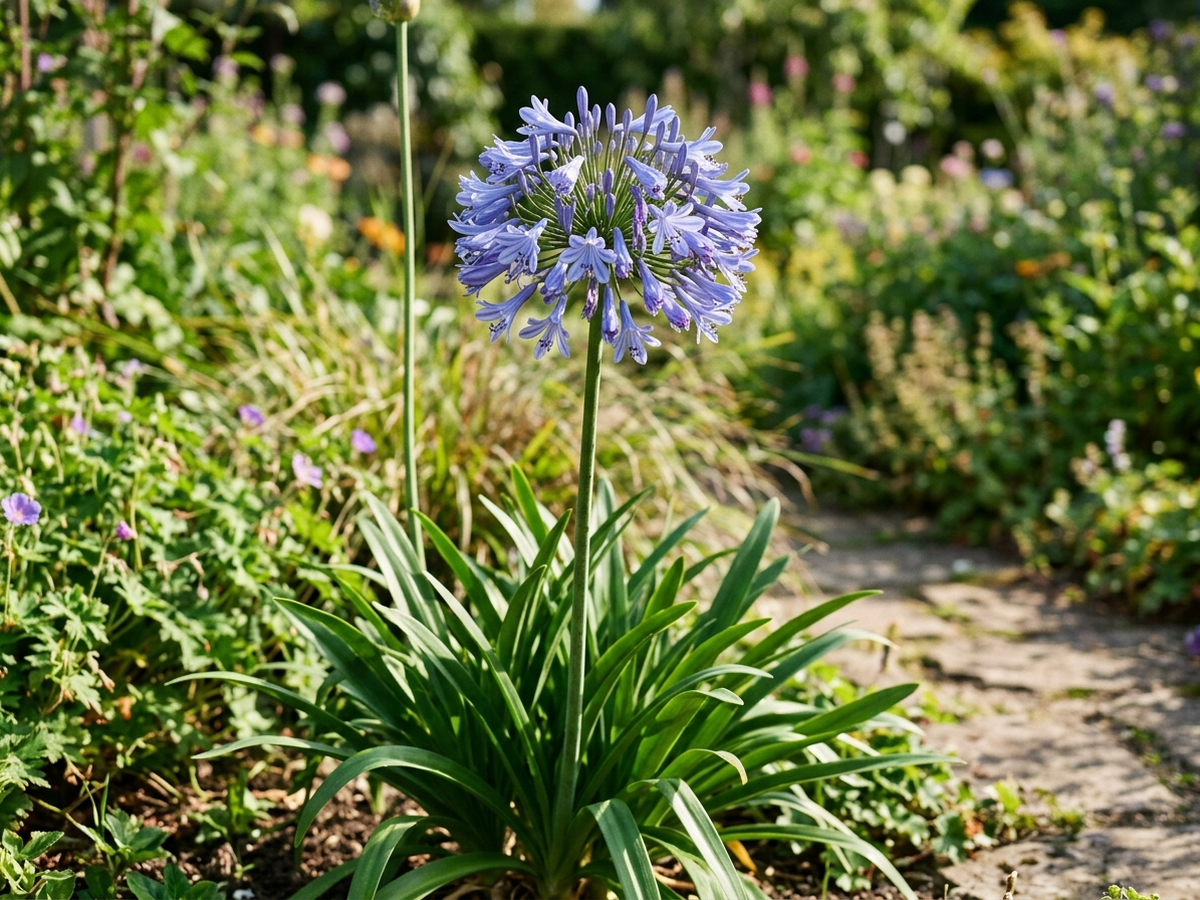 Bell AgapanthusAgapanthus campanulatus
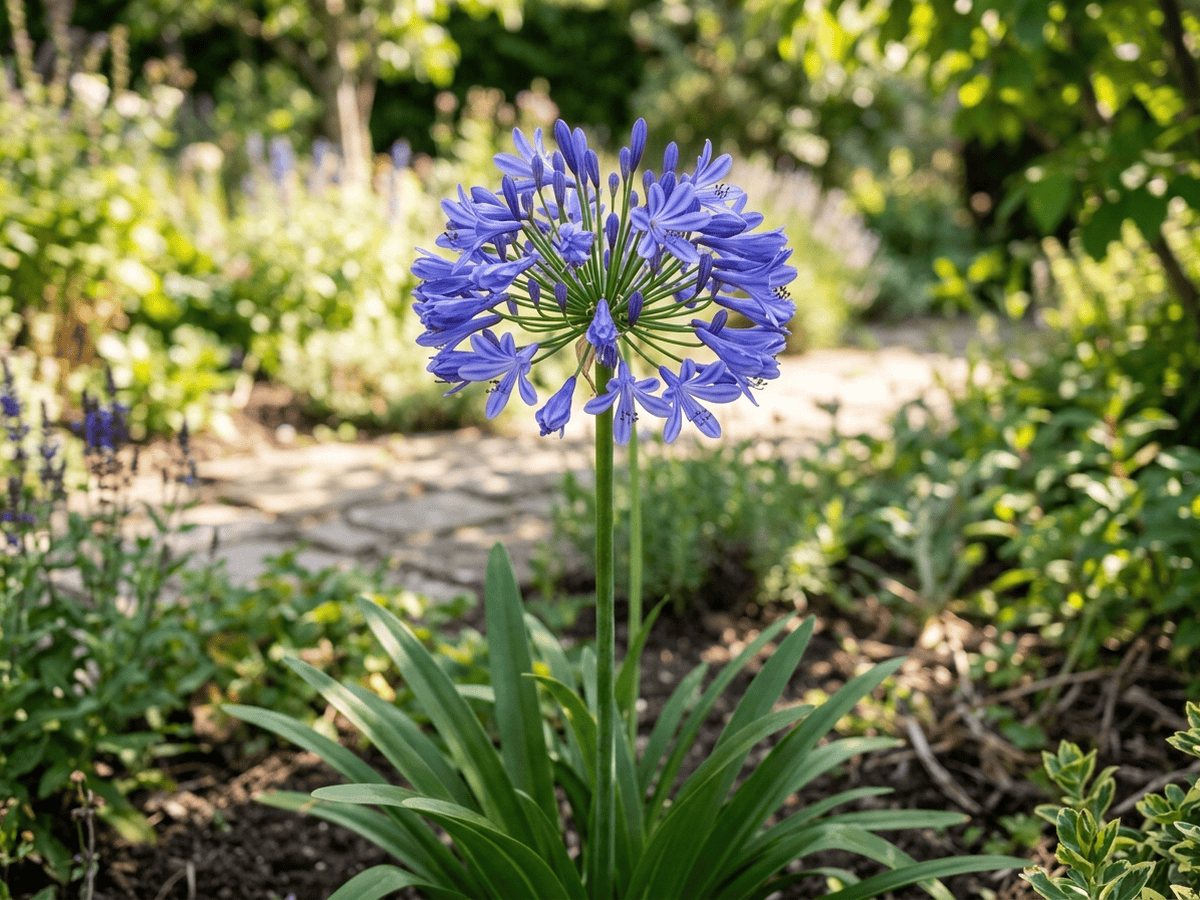 Common AgapanthusAgapanthus praecox
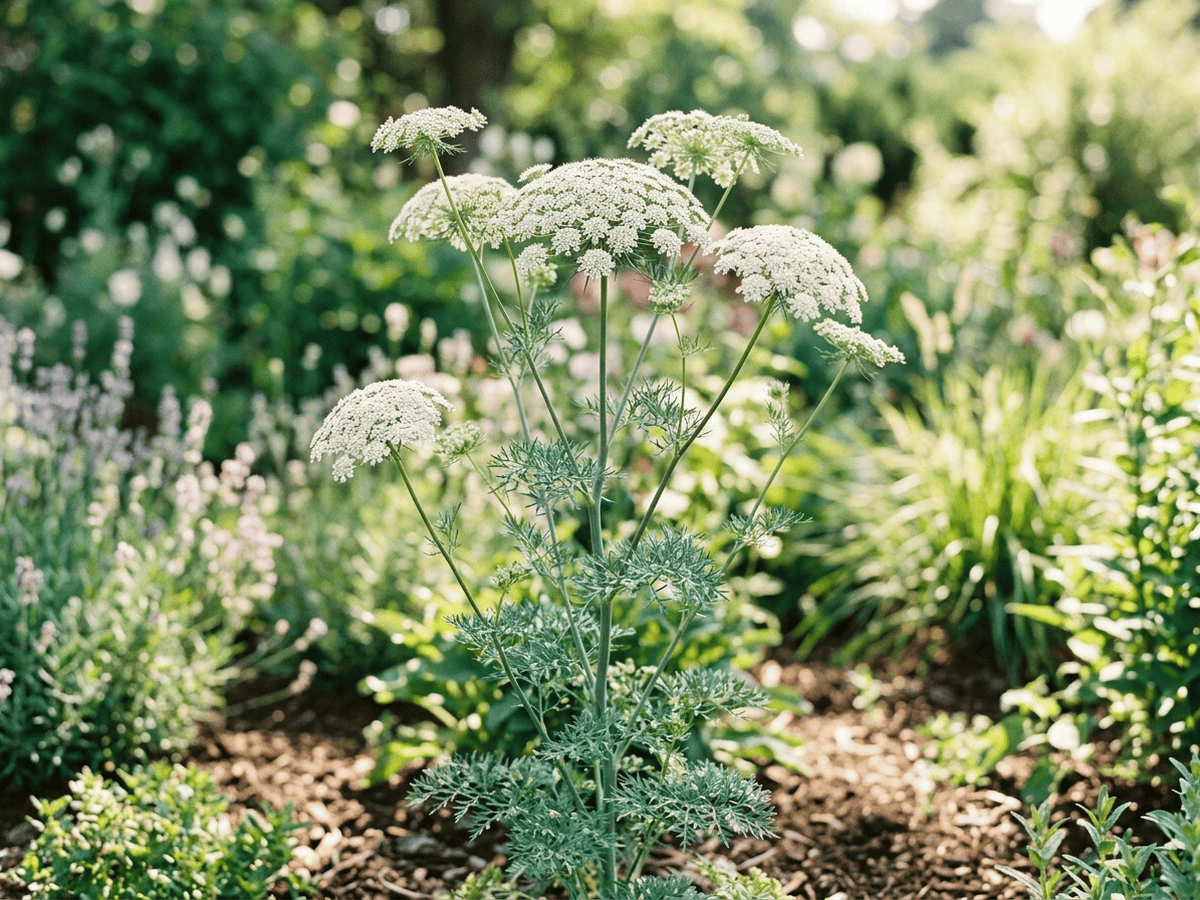 False Queen Anne's LaceAmmi majus glaucifolium
Frequently asked questions
How often should I water Wire-netting Bush?
In summer, water about every 7 days; in winter, about every 30 days. Adjust for heat, pot size and drainage.
How much light does Wire-netting Bush need?
Part sun: 4–6 hrs direct. Watch the leaves — scorching or stretching means the light needs adjusting.
Is Wire-netting Bush toxic to cats or dogs?
No toxicity has been reported for this plant. Still, it is wise to keep pets from chewing on any houseplant. Educational information, not medical or veterinary advice. If exposure is suspected, contact a doctor or veterinarian.
Is Wire-netting Bush easy to grow?
It is considered challenging and rewards experienced growers.
When does Wire-netting Bush bloom?
It typically blooms Aug–Sep in the Northern Hemisphere.
YardMate
Identify any plant in seconds
Snap a photo — YardMate names the plant, diagnoses problems, and reminds you when to water.
Download on the App Store