 YardMate


Buttercup Winterhazel
Corylopsis pauciflora
Medium · Some experienceAbout Buttercup Winterhazel
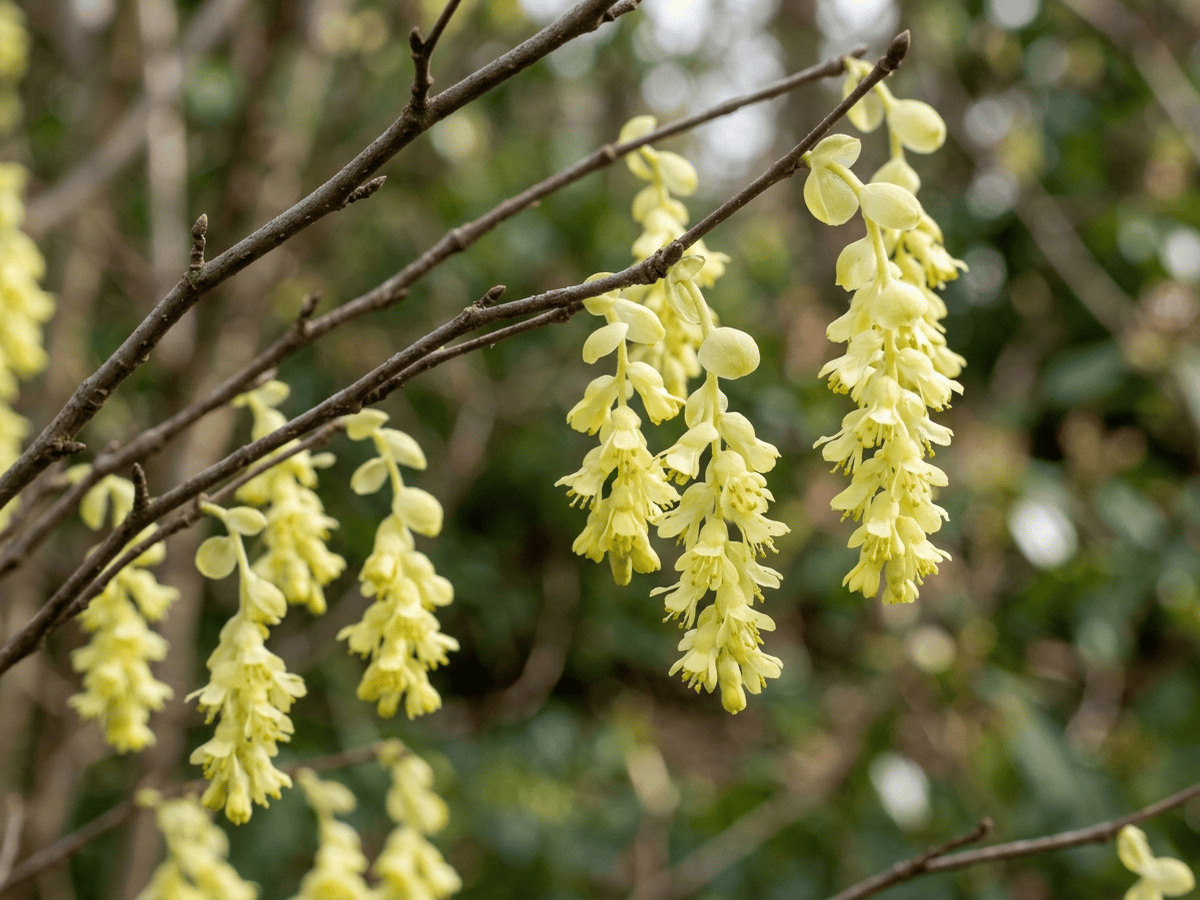
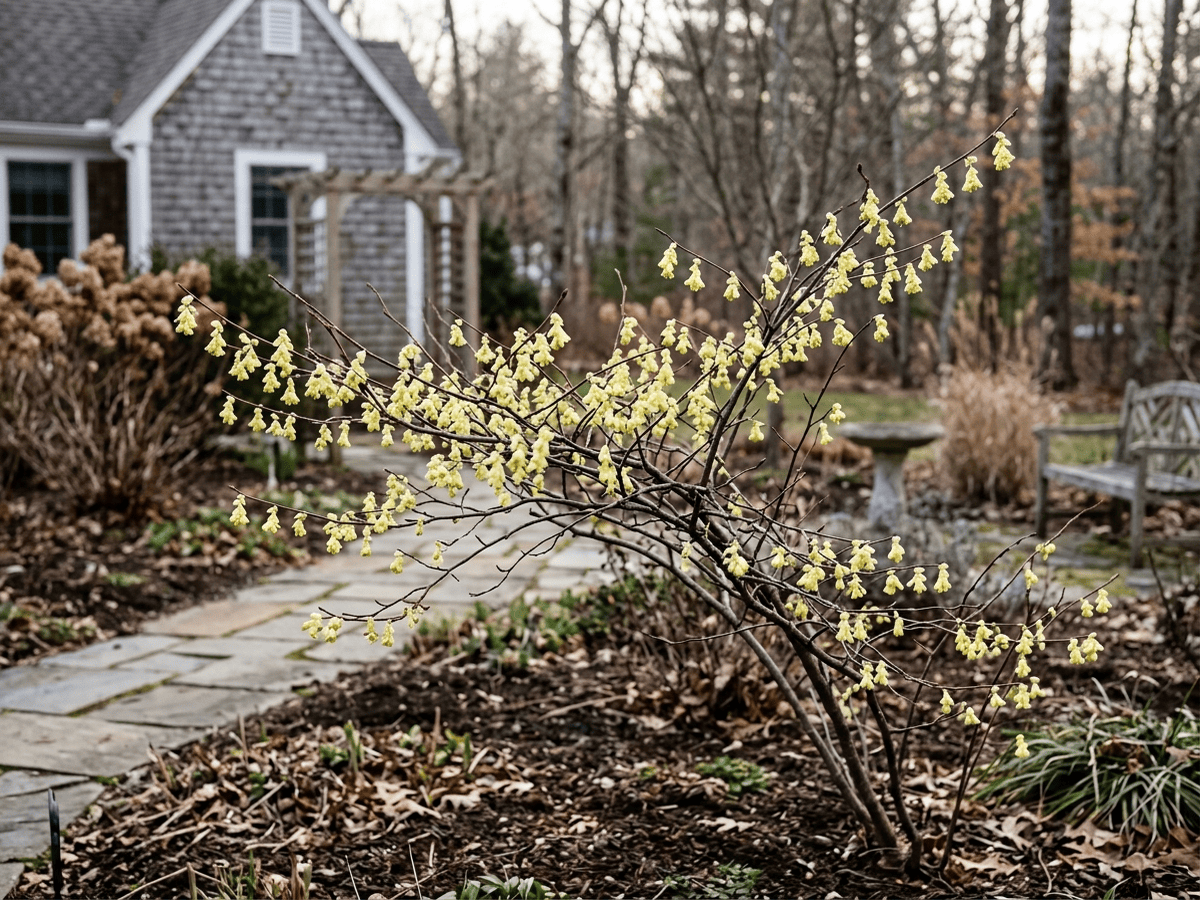
Buttercup Winter Hazel is a delicate deciduous shrub from Japan and Taiwan, growing 4-6 feet tall with a spreading, layered habit. In very early spring—often before forsythia—it produces pendulous clusters of 2-3 fragrant primrose-yellow bell-shaped flowers along bare branches. The emerging leaves are tinged bronze-pink, maturing to soft green. One of the earliest and most refined spring-flowering shrubs, it brings a quiet elegance to woodland edges and partly shaded borders.
- Fragrant
- Shade-tolerant
How to care for Buttercup Winterhazel
Watering
- Springevery 5 days
- Summerevery 3 days
- Fallevery 7 days
- Winterevery 14 days
Soil · Acidic · pH 4.5–6
- Top dressingPine needle mulch10%
- Main mixAcid-lover mix + peat 3:175%
- DrainageGravel15%
Never add lime or wood ash — it cancels out the acidity.
FERTILIZER
Balanced Feed 14-14-14
An even feed covers all three needs at once, keeping leaves, roots and blooms moving together with nothing pushed out of balance.
- Nitrogen · Leaves
- Phosphorus · Roots + Blooms
- Potassium · Strength
- Springevery 30 days
At a Glance
- NativeEast Asia
- Height4–6 ft (1.2–1.8 m)
- Spread4–6 ft (1.2–1.8 m)
- Flower colorYellow
- Foliage colorGreen, Yellow
- SoilLoamy, Well-drained, Acidic
- LocationsYard
Bloom time
BLOOM CYCLE
Peak bloom
Mar–Apr
Primrose-yellow bells March to April on bare branches
Fragrance
MODERATE FRAGRANCE
Sweet honey-cowslip fragrance, carrying in cold late-winter air.
Toxicity
No toxicity has been reported for this plant. Still, it is wise to keep pets from chewing on any houseplant.
Educational information, not medical or veterinary advice. If exposure is suspected, contact a doctor or veterinarian.
DISTRIBUTION


- Native
- East Asia
History

Corylopsis pauciflora occurs naturally in the mountains of central and western Honshu, Shikoku, and Taiwan, typically as an understory shrub in cool deciduous forests. German botanists Philipp Franz von Siebold and Joseph Gerhard Zuccarini described the species in 1835 in Flora Japonica. The epithet pauciflora, meaning few-flowered, refers to its relatively short inflorescences (usually 2-5 flowers per cluster) compared to the many-flowered spikes of other Corylopsis species.
The genus name Corylopsis means resembling Corylus (hazelnut)—the relationship is to the leaf and catkin shape, not a close botanical tie. Along with Hamamelis (witch hazel), the winter hazels are among the earliest shrubs to flower, opening in late February through April depending on climate. The primrose-yellow tubular bell flowers dangle in short chains before the leaves emerge, emitting a soft honeyed-cowslip fragrance.
The species was introduced to Western cultivation around 1862 via Siebold's nursery and is the most compact of the winter hazels (to 1.5 meters), suited to smaller woodland gardens. Native to mountain forests of Japan and Taiwan. The genus name Corylopsis means 'hazel-like', referring to the similarity of its leaves to those of hazel (Corylus). The 'pauciflora' (few-flowered) species is the most dainty and refined member of its genus, with the fewest flowers per cluster but perhaps the most garden-worthy proportions. Introduced to Western cultivation in 1862 from Japan.
Symbolism & meaning
What It Symbolizes
Buttercup Winterhazel carries a quiet promise — among the very first flowers of spring, its soft yellow bells dangle on bare twigs while frost still lingers. Refinement defines its presence; this is no shouting forsythia, but a delicate beauty meant for quiet garden moments. A shrub for those who prefer their hope spoken in a whisper.
- Promise — among the very first flowers of spring
- Refinement — delicate beauty for quiet garden moments
Where the Name Comes From
'Corylopsis' from Greek 'korylos' (hazel) and 'opsis' (resemblance); 'pauciflora' means 'few-flowered' in Latin.
Uses & Fun Facts
- Pale yellow bell flowers carry a light cowslip scent
- Early-spring flowering shrub as woodland edge focal piece
- Buttercup winterhazel adds late-winter cheer to shaded gardens
Related plants
Plants with similar care
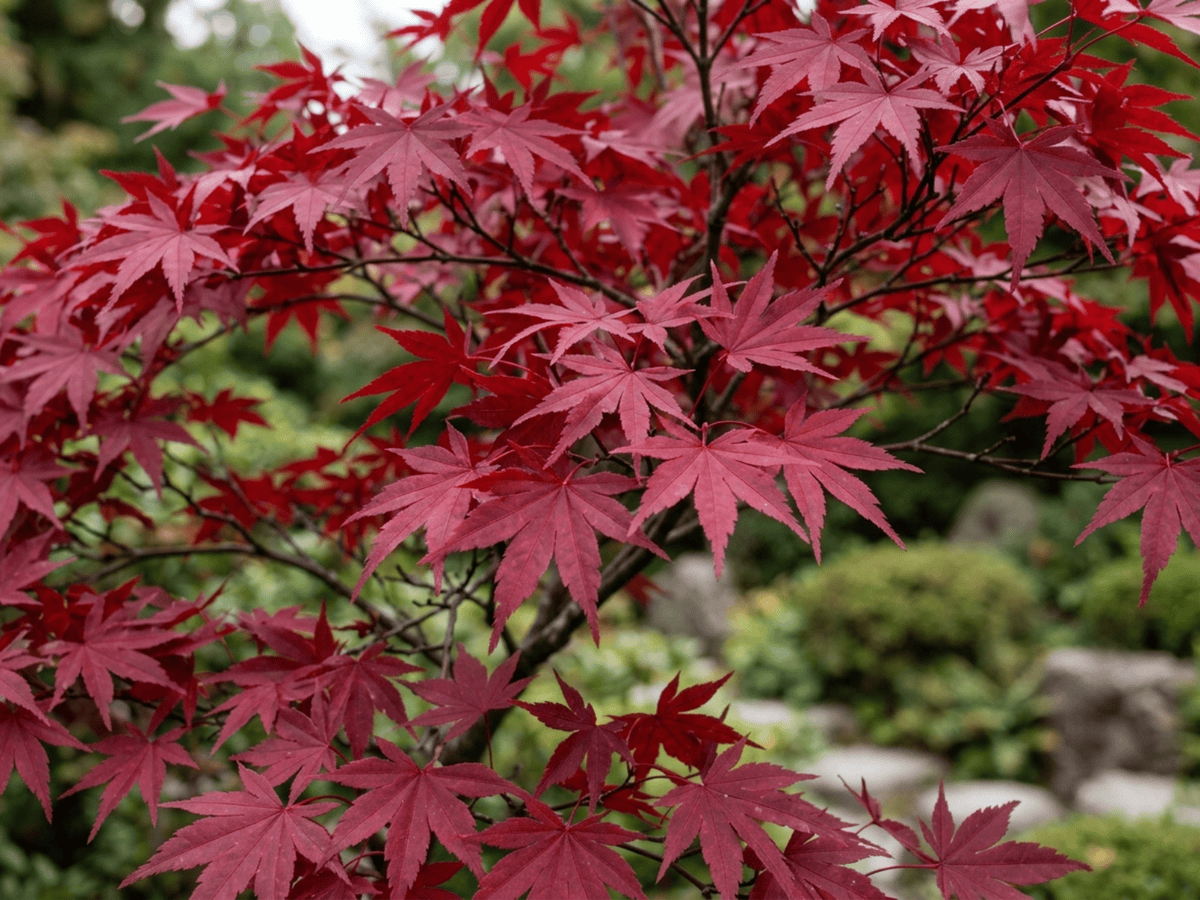 Japanese MapleAcer palmatum
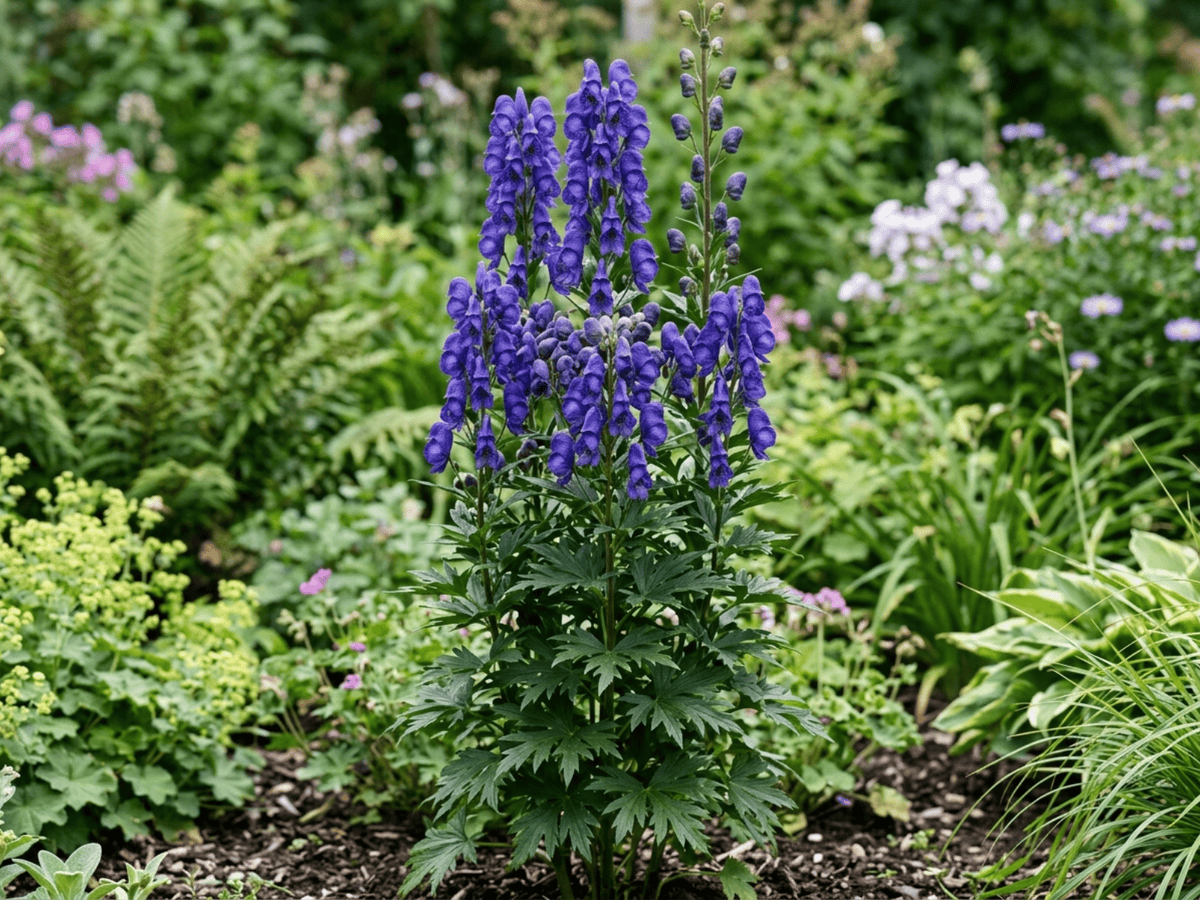 Azure MonkshoodAconitum carmichaelii
 Florida HobblebushAgarista populifolia
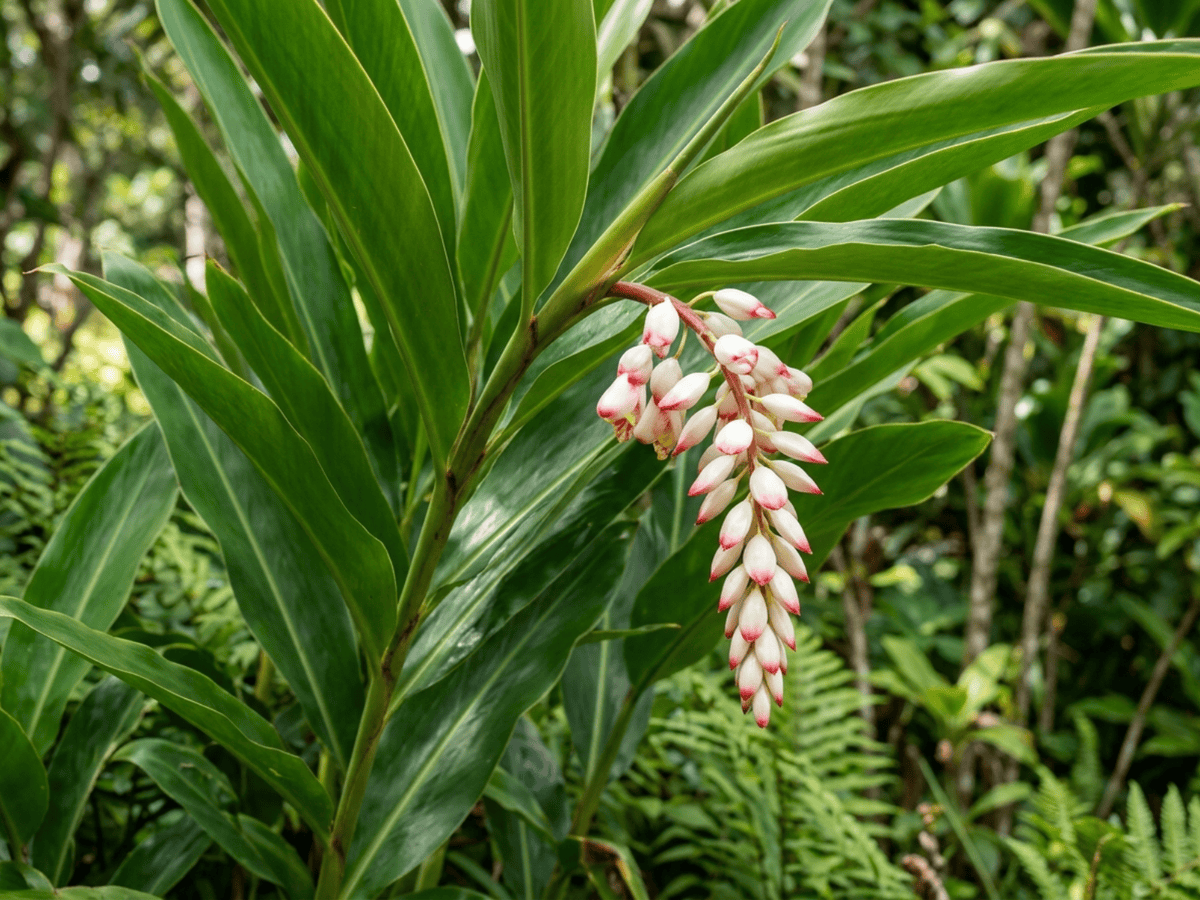 Shell GingerAlpinia zerumbet
Frequently asked questions
How often should I water Buttercup Winterhazel?
In summer, water about every 3 days; in winter, about every 14 days. Adjust for heat, pot size and drainage.
How much light does Buttercup Winterhazel need?
Part shade: 2–4 hrs direct. Watch the leaves — scorching or stretching means the light needs adjusting.
Is Buttercup Winterhazel toxic to cats or dogs?
No toxicity has been reported for this plant. Still, it is wise to keep pets from chewing on any houseplant. Educational information, not medical or veterinary advice. If exposure is suspected, contact a doctor or veterinarian.
Is Buttercup Winterhazel easy to grow?
It is moderately demanding: a good choice once you have a little experience.
When does Buttercup Winterhazel bloom?
It typically blooms Mar–Apr in the Northern Hemisphere.
YardMate
Identify any plant in seconds
Snap a photo — YardMate names the plant, diagnoses problems, and reminds you when to water.
Download on the App Store