 YardMate


Fishbone Prayer Plant
Ctenanthe burle-marxii
Medium · Some experienceAbout Fishbone Prayer Plant
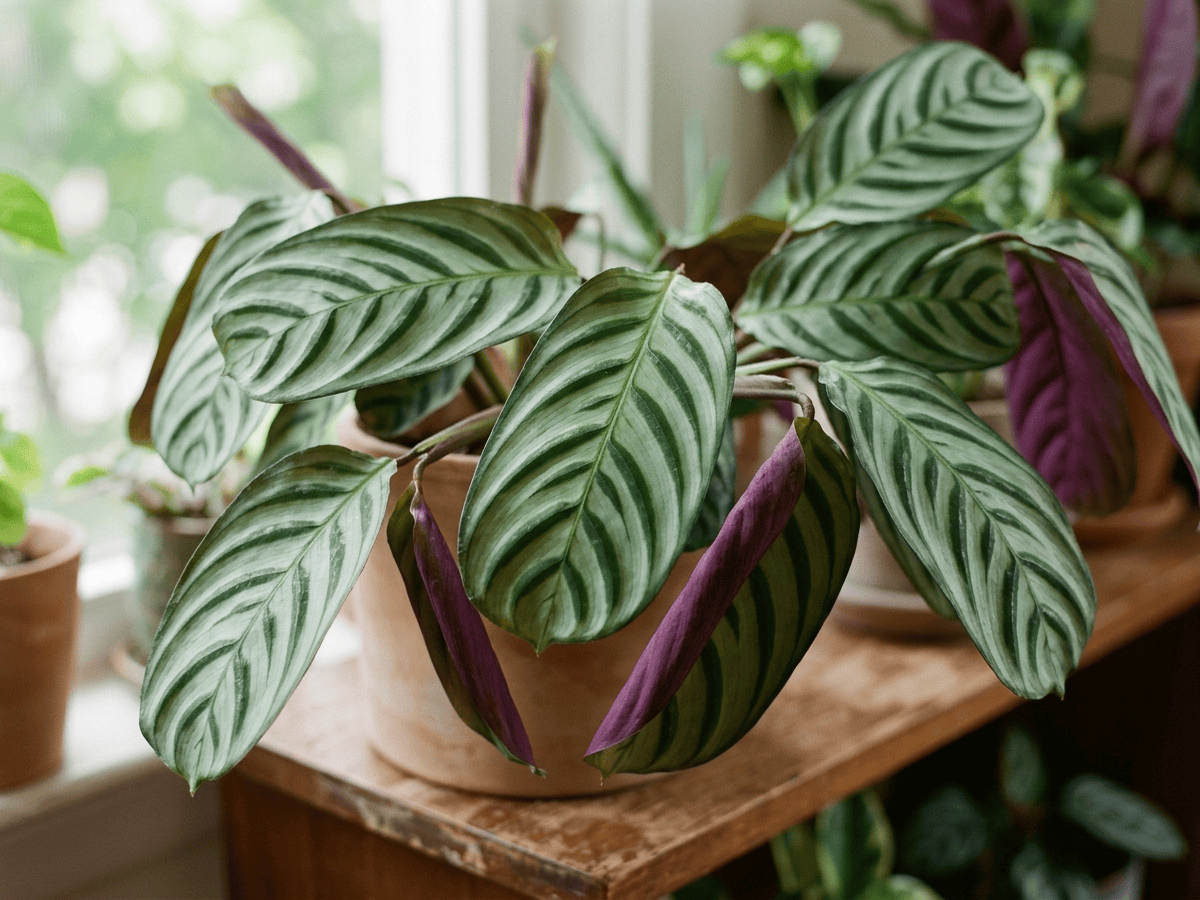
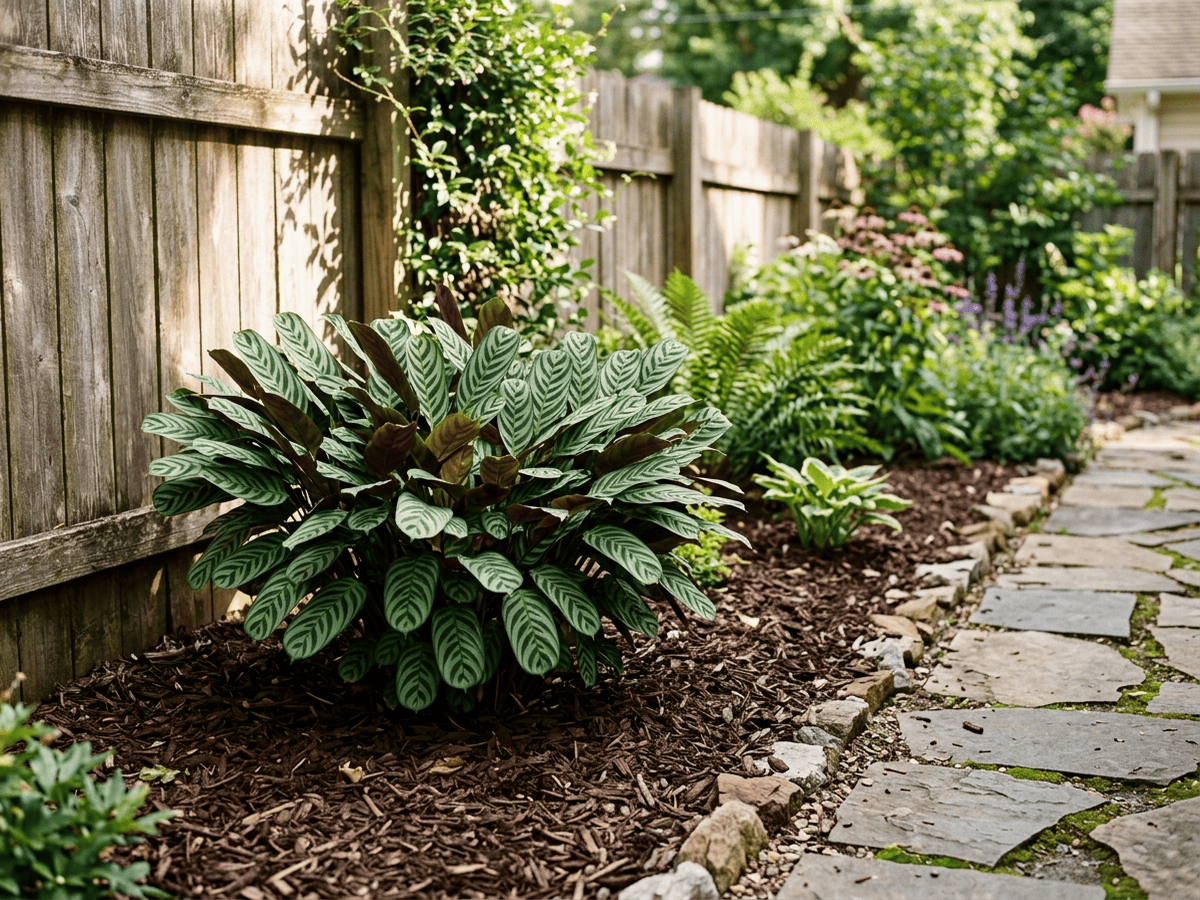
Ctenanthe burle-marxii, the fishbone prayer plant, features striking oblong leaves with a geometric fishbone pattern of dark and light green stripes, backed by rich purple undersides. Named after the legendary Brazilian landscape architect Roberto Burle Marx, this compact Marantaceae family member grows 30–60 cm tall and spreads via rhizomes. Like its Calathea and Maranta cousins, it performs nightly prayer movements. It is slightly more forgiving of care mistakes than true Calatheas, tolerating lower humidity, making it a good entry point into the prayer plant world.
- Tropical
- Shade-tolerant
- Container-friendly
- Air-purifying
How to care for Fishbone Prayer Plant
Watering
- Springevery 5 days
- Summerevery 4 days
- Fallevery 7 days
- Winterevery 10 days
Soil · Moisture-retentive
- Top dressingSphagnum moss10%
- Main mixPeat + coco coir 1:180%
- DrainagePerlite / gravel10%
Keep it evenly moist — but the drainage layer still matters.
FERTILIZER
Balanced Feed 14-14-14
An even feed covers all three needs at once, keeping leaves, roots and blooms moving together with nothing pushed out of balance.
- Nitrogen · Leaves
- Phosphorus · Roots + Blooms
- Potassium · Strength
- Springevery 30 days
- Summerevery 30 days
- Fallevery 60 days
At a Glance
- NativeSouth America
- Height1–1.5 ft (0.3–0.5 m)
- Spread1.5–2 ft (0.5–0.6 m)
- Flower colorWhite
- Foliage colorGreen, Silver, Variegated
- SoilLoamy, Moisture-retentive, Rich
- LocationsIndoor
Bloom time
BLOOM CYCLE
Peak bloom
Jun–Aug
White flower spikes; uncommon indoors
Fragrance
NO FRAGRANCE
Not fragrant.
Toxicity
Pets Safe
None reported
Not reported
EXPOSURE No exposure route is reported.
EFFECT No toxic effect is reported.
NOTE No human toxicity is reported in this catalog; avoid eating ornamental plants unless confirmed edible.
Safe
EXPOSURE No exposure route is reported.
EFFECT Non-toxic and marantaceae family broadly listed safe by ASPCA via Calathea and Maranta species.
NOTE Listed as non-toxic for dogs; avoid eating ornamental plants unless confirmed edible.
Safe
EXPOSURE No exposure route is reported.
EFFECT Non-toxic and marantaceae family broadly listed safe by ASPCA via Calathea and Maranta species.
NOTE Listed as non-toxic for cats; avoid eating ornamental plants unless confirmed edible.
Educational information, not medical or veterinary advice. If exposure is suspected, contact a doctor or veterinarian.
DISTRIBUTION


- Native
- South America
History

Ctenanthe burle-marxii was described in 1977 and named after Roberto Burle Marx (1909–1994), the Brazilian landscape architect whose modernist plant-driven designs — Copacabana promenade, Brasília ministry gardens — transformed tropical landscape architecture in the 20th century. Burle Marx was also a prolific plant hunter in the Brazilian Atlantic forest, and the Marantaceae family was a particular focus of his collecting. The species bears finely pencil-striped silvery leaves with burgundy undersides, a pattern thought to help harvest dim forest light.
It remained a specialist collector's plant through the 1980s and 1990s but has since become a mainstream houseplant in the wake of the broader Calathea-family boom of the 2010s. Taxonomically secure in Ctenanthe, unlike many relatives moved to Goeppertia.
His bold, sweeping garden designs at sites like the Copacabana boardwalk and the Brasília ministry gardens changed how the world viewed tropical landscaping. Naming this patterned beauty after him was a fitting tribute to his artistic eye.
Symbolism & meaning
What It Symbolizes
This ctenanthe carries the name of Roberto Burle Marx, the Brazilian landscape architect who painted whole cities in tropical foliage, and through that name it became a symbol of creativity itself. Its boldly striped leaves echo his audacious designs — proof that nature and the human imagination can collaborate without losing the wildness of either. To grow it is to keep a small piece of his vision alive.
- Creativity — Named after a visionary artist, it represents artistic expression and bold design
Where the Name Comes From
Ctenanthe from Greek 'ktenos' (comb) and 'anthos' (flower), for the comb-like flower bracts. Burle-marxii honors Roberto Burle Marx.
Uses & Fun Facts
- Patterned fishbone foliage carpets shaded tropical garden floors
- Striking silver-and-green leaves grown as humid indoor pot plant
Related plants
Plants with similar care
 Japanese MapleAcer palmatum
 Alocasia zebrinaAlocasia zebrina
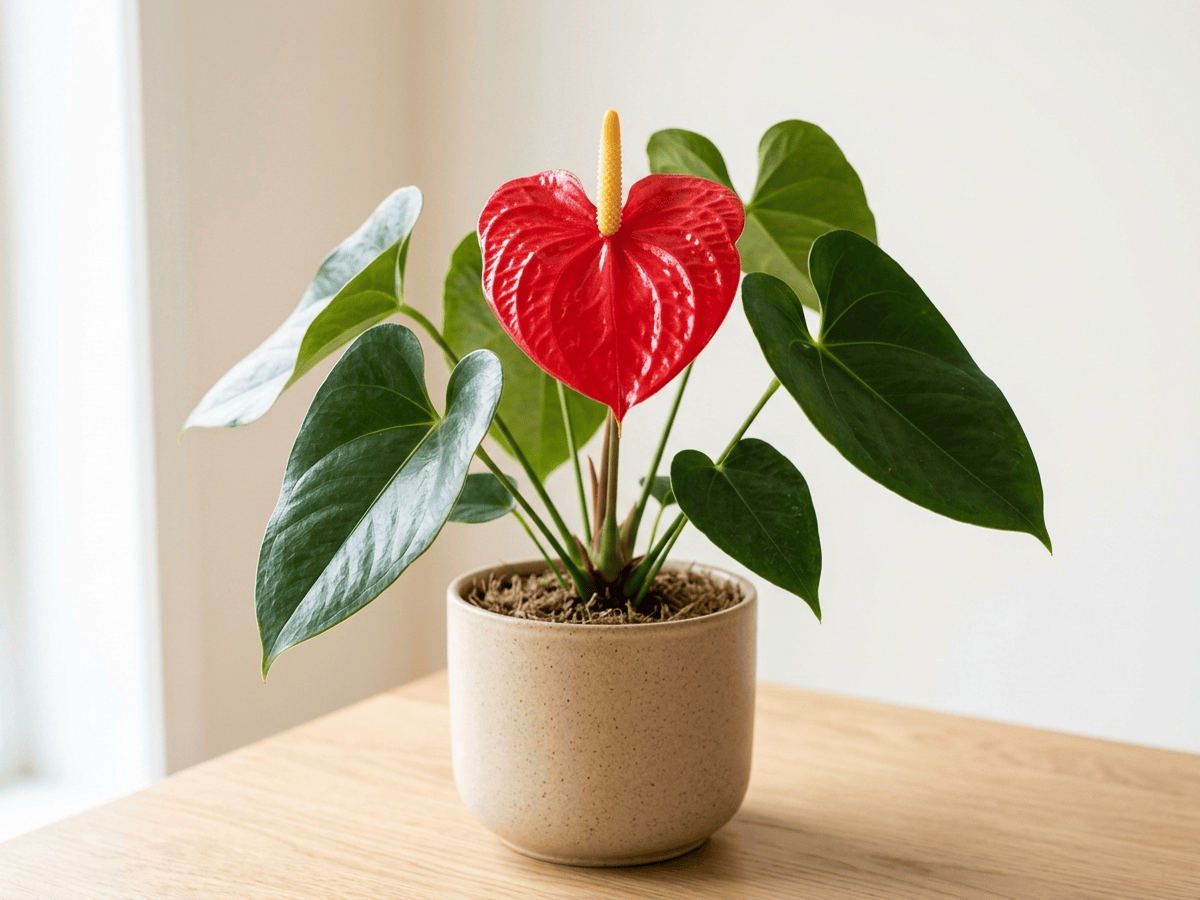 Painter's-PaletteAnthurium andraeanum
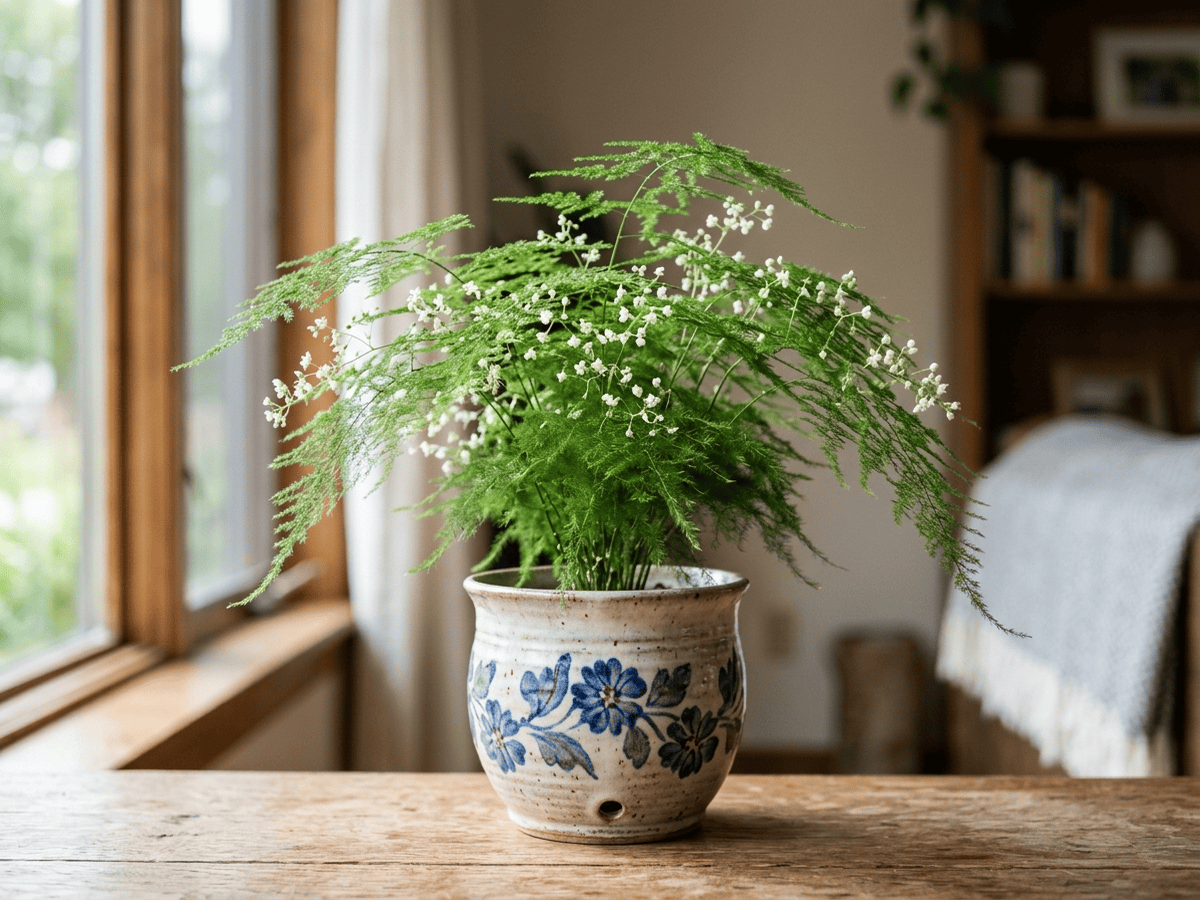 Common Asparagus FernAsparagus setaceus
Frequently asked questions
How often should I water Fishbone Prayer Plant?
In summer, water about every 4 days; in winter, about every 10 days. Adjust for heat, pot size and drainage.
How much light does Fishbone Prayer Plant need?
Part shade: 2–4 hrs direct. Watch the leaves — scorching or stretching means the light needs adjusting.
Is Fishbone Prayer Plant toxic to cats or dogs?
Pets Safe (Dogs Safe · Cats Safe) Educational information, not medical or veterinary advice. If exposure is suspected, contact a doctor or veterinarian.
Is Fishbone Prayer Plant easy to grow?
It is moderately demanding: a good choice once you have a little experience.
Can Fishbone Prayer Plant be grown indoors?
Yes, it adapts well to indoor growing given the right light.
When does Fishbone Prayer Plant bloom?
It typically blooms Jun–Aug in the Northern Hemisphere.
YardMate
Identify any plant in seconds
Snap a photo — YardMate names the plant, diagnoses problems, and reminds you when to water.
Download on the App Store