 YardMate


Persian Cyclamen
Cyclamen persicum
Medium · Some experienceAbout Persian Cyclamen
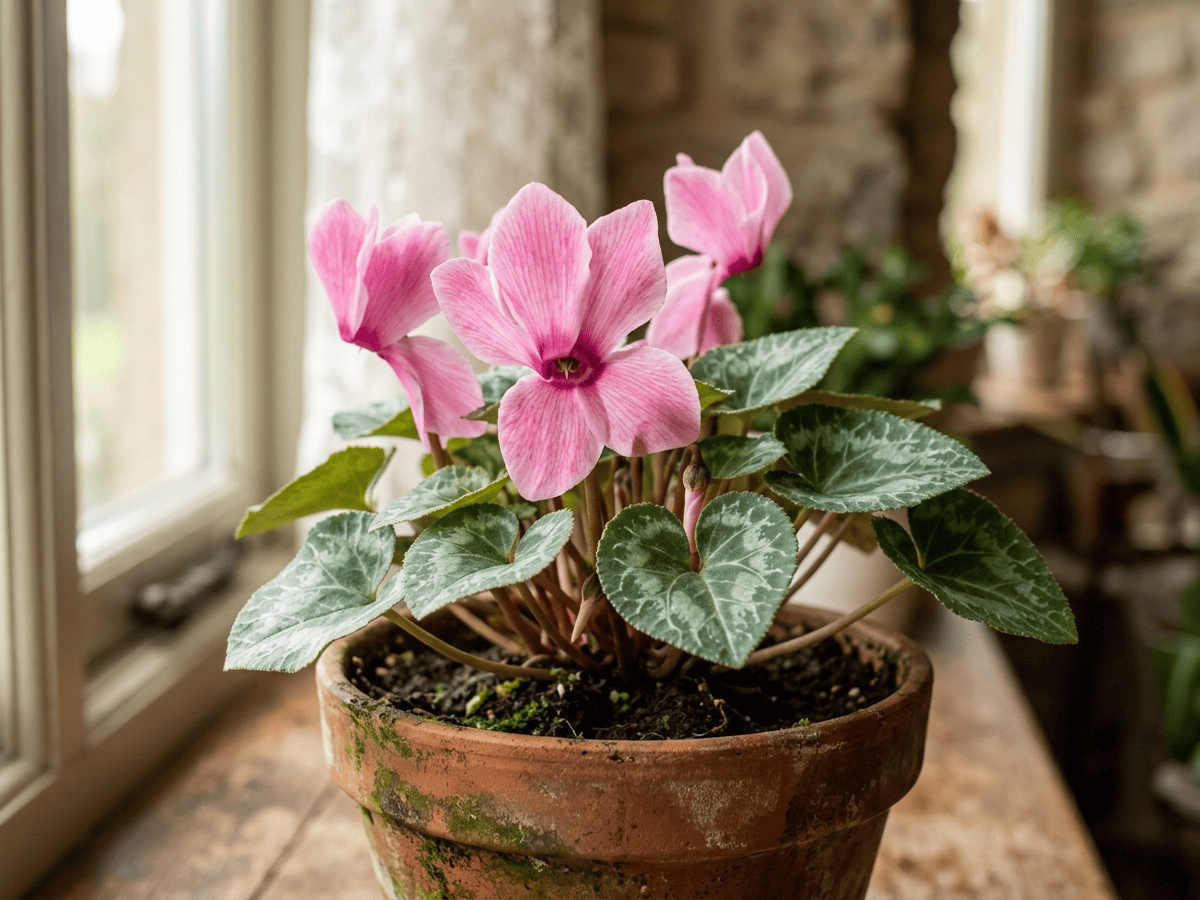
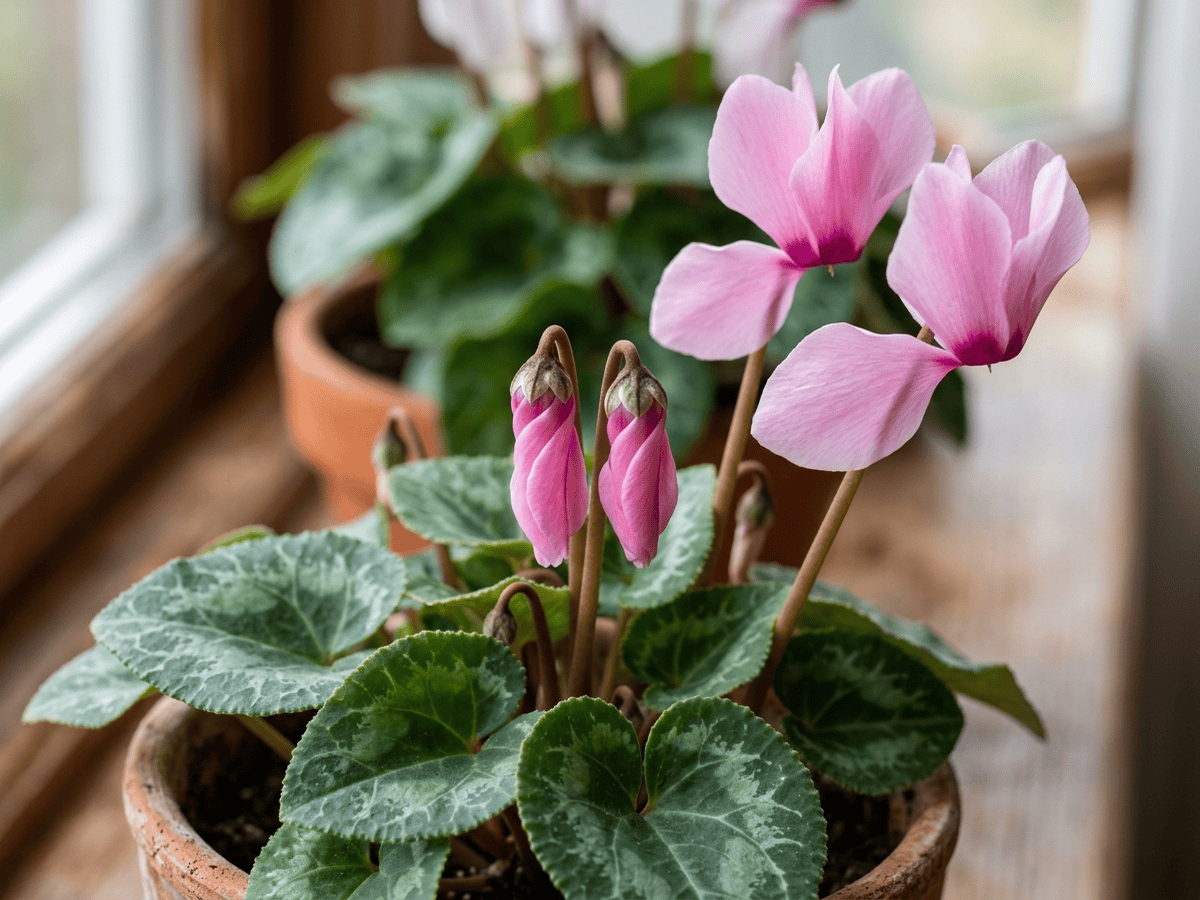
Cyclamen persicum, the florist's cyclamen, is a winter-flowering bulb producing swept-back butterfly-like flowers in pink, red, white, or purple above beautiful heart-shaped leaves marbled with silver patterns. Native to the eastern Mediterranean, it naturally blooms in cool, moist winters and goes dormant in summer heat. As a houseplant, it thrives in cool rooms (10–15°C) and struggles in warm, heated interiors. It is one of the most commercially important flowering potted plants in Europe, sold by the millions during autumn and winter.
- Fragrant
How to care for Persian Cyclamen
Watering
- Springevery 5 days
- Summerevery 14 days
- Fallevery 5 days
- Winterevery 5 days
Soil · Well-draining
- Main mixLoam + coarse sand 3:175%
- DrainageGravel25%
Sharp drainage matters most — bulbs rot in wet soil while dormant.
FERTILIZER
Bloom Booster 10-52-10
A phosphorus-forward feed fuels abundant blooms, with just enough nitrogen and potassium to keep foliage and roots steady.
- Nitrogen · Leaves
- Phosphorus · Roots + Blooms
- Potassium · Strength
- Springevery 30 days
- Fallevery 30 days
- Winterevery 30 days
At a Glance
- NativeMediterranean, Western Asia
- Height0.5–1 ft (0.2–0.3 m)
- Spread0.5–1 ft (0.2–0.3 m)
- Flower colorPink, Red, White, Purple
- Foliage colorGreen, Silver, Variegated
- SoilLoamy, Well-drained, Rich
- LocationsIndoor
Bloom time
BLOOM CYCLE
Peak bloom
Jun–Aug
Blooms in cool conditions (10–15°C); summer dormancy is normal
Fragrance
LIGHT FRAGRANCE
Some cultivars are bred for fragrance; most modern florist types have little scent.
Toxicity
Humans Moderate · Pets Toxic
cyclamin (triterpenoid saponin) and other saponins
Moderate
- Root
- Ingestion
EXPOSURE Eating roots.
EFFECT Vomiting, abdominal pain, convulsions, paralysis in severe ingestion and tuber is the dangerous part, leaves and flowers far less toxic.
NOTE Toxicity concentrated in the tuber; cases of pet death from chewing exposed tubers are documented.
Toxic
- Root
- Ingestion
EXPOSURE Eating roots.
EFFECT Severe vomiting, seizures, cardiac arrhythmias, death at high doses and per ASPCA.
NOTE Toxicity concentrated in the tuber; cases of pet death from chewing exposed tubers are documented.
Toxic
- Root
- Ingestion
EXPOSURE Eating roots.
EFFECT Severe vomiting, seizures, cardiac arrhythmias, death at high doses and per ASPCA.
NOTE Toxicity concentrated in the tuber; cases of pet death from chewing exposed tubers are documented.
Educational information, not medical or veterinary advice. If exposure is suspected, contact a doctor or veterinarian.
DISTRIBUTION


- Native
- Introduced
- Mediterranean
- Western Asia
History

Cyclamen persicum is native to a band from Greece and the Aegean Islands through Turkey, Lebanon, Israel, and Jordan, where it grows on rocky hillsides and in light woodland. It is one of the most important winter-flowering gift plants in the global horticultural trade, produced particularly heavily by Dutch and Japanese greenhouses for the October–March season. It has a long documented medical and ceremonial history: the Greek physician Dioscorides in the first century CE described its tuber as a source of medicine for wounds and parasites, and some scholars identify it as the plant referenced in Exodus 30:34 as an anointing ingredient.
The tuber concentrates triterpenoid saponins (cyclamin) that are significantly toxic; historical records describe it as a poisoning agent. Keep tubers well away from pets. Cyclamen persicum has been cultivated since at least the 1600s, when it was grown in European monastery gardens.
Despite its species name 'persicum' (Persian), it is not actually from Persia — the 17th-century botanist who named it mistakenly believed the specimen came from Iran. Wild cyclamen are found across the Mediterranean, from Turkey to Tunisia. The German breeding industry centered around Hanover produces over 200 million cyclamen plants annually, using advanced F1 hybrid seed technology. Ancient Greek physicians used the toxic tuber medicinally — Hippocrates prescribed it as a purgative, and it was rubbed on arrow tips for its toxicity.
Symbolism & meaning
What It Symbolizes
Persian Cyclamen evokes sincerity, its modest nodding flowers blooming through the cold months when honesty feels especially welcome. There is no showmanship in its, only steady heartfelt presence on a windowsill in winter. It is often read as a flower of plainspoken affection, the gift offered without flourish, a small bright signal that someone is thinking of you in the quiet season.
- Sincerity — Its modest, nodding flowers in the cold season represent heartfelt honesty
Where the Name Comes From
Cyclamen from Greek 'kyklos' (circle), for the round tuber or the spiral flower stalks. Persicum means 'Persian,' a geographic error by the original describer.
Uses & Fun Facts
- Sweetly scented winter flowers perfume cool rooms
- Florist's pot plant for winter windowsills
- Silver-marbled leaves and butterfly flowers in shade beds
Related plants
Plants with similar care
 Japanese MapleAcer palmatum
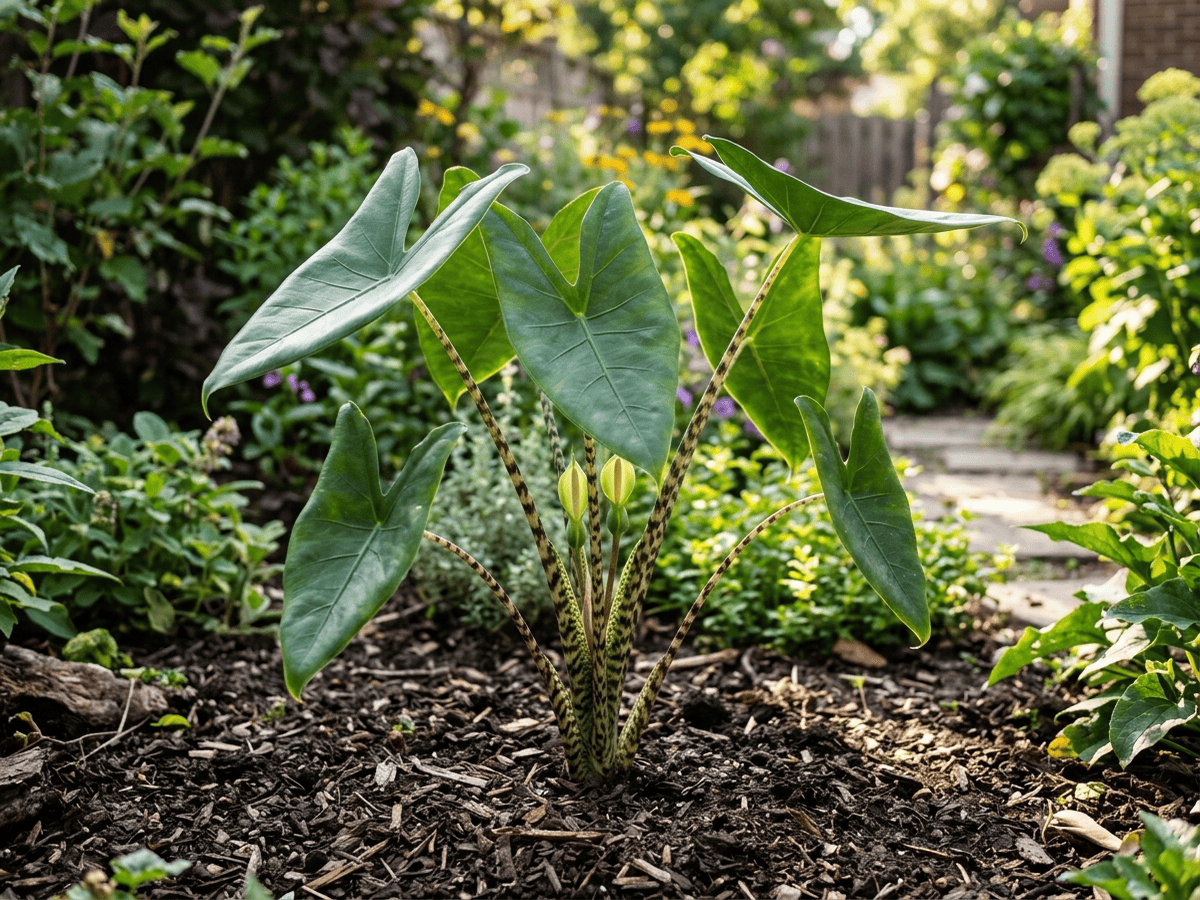 Alocasia zebrinaAlocasia zebrina
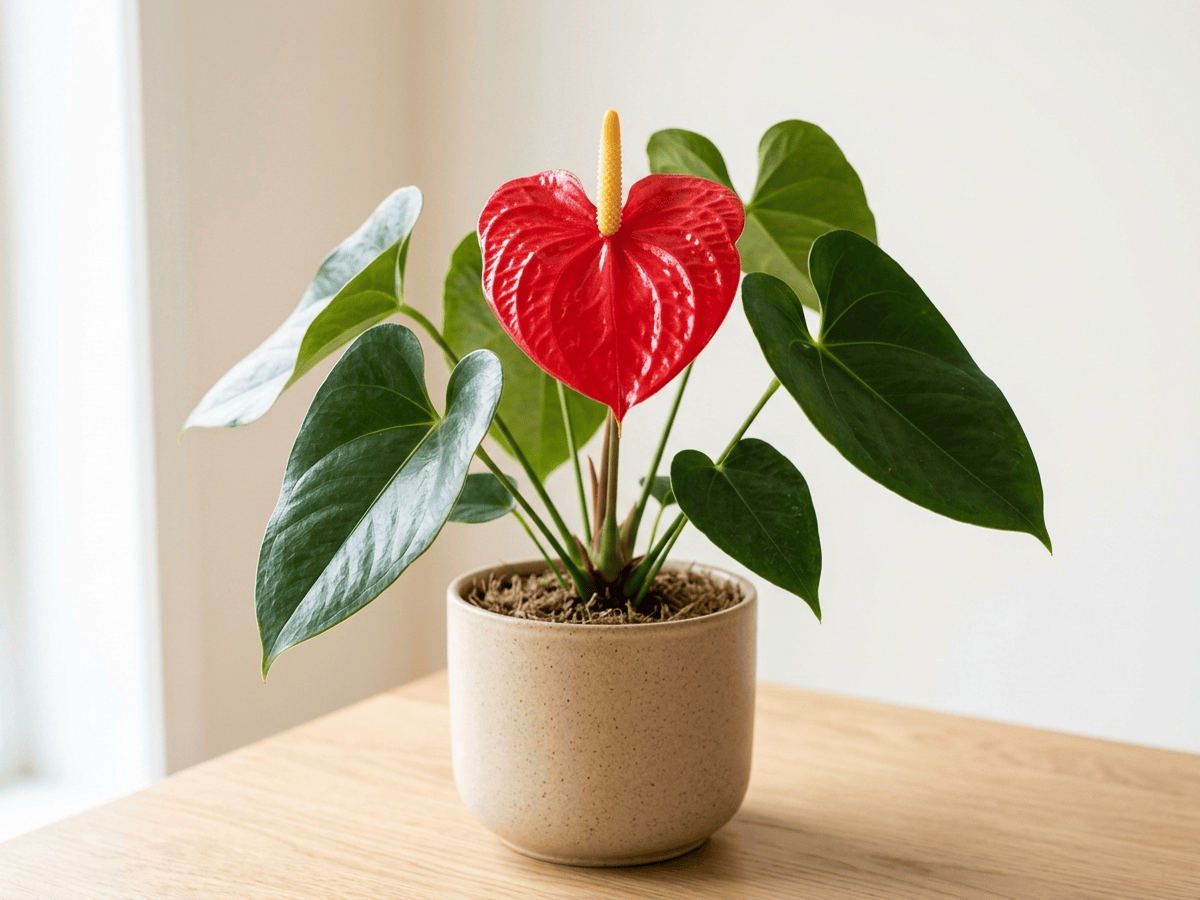 Painter's-PaletteAnthurium andraeanum
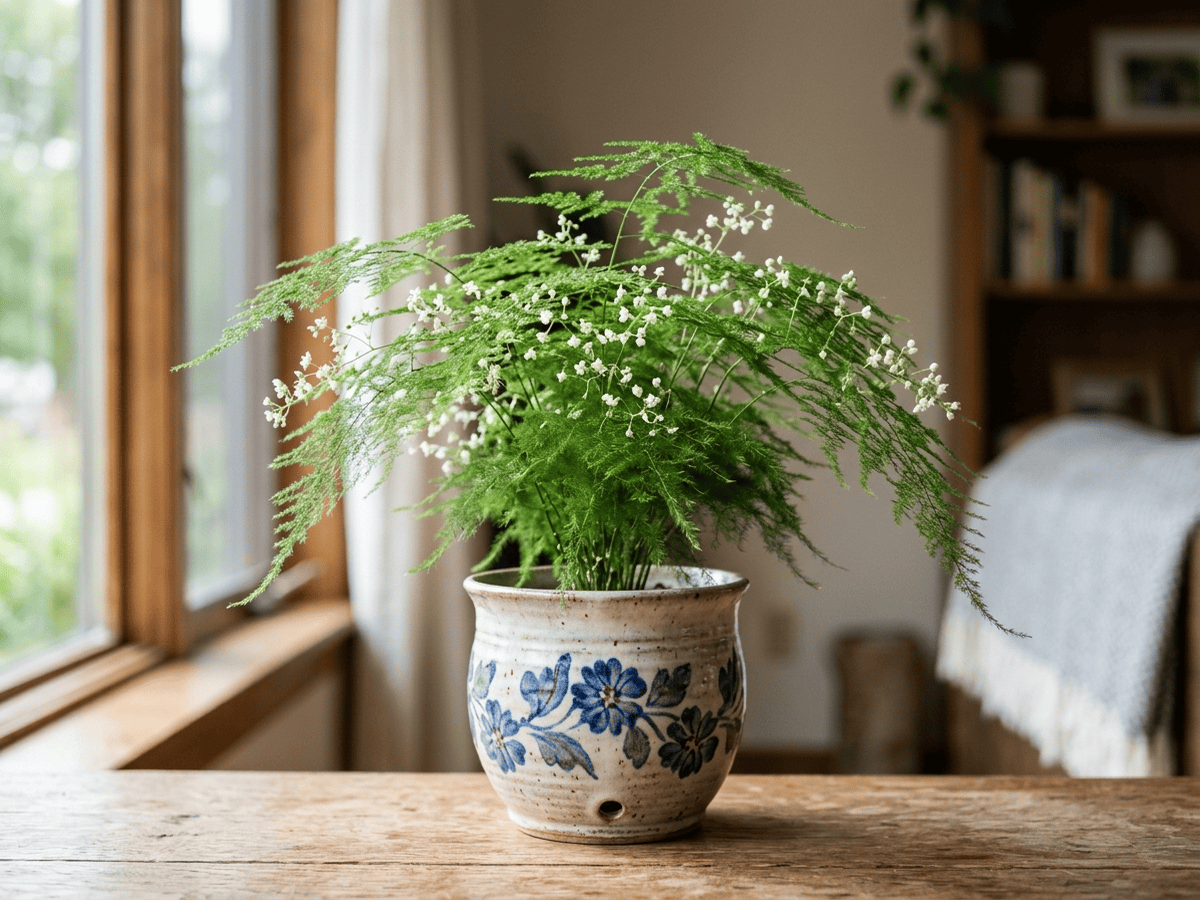 Common Asparagus FernAsparagus setaceus
Frequently asked questions
How often should I water Persian Cyclamen?
In summer, water about every 14 days; in winter, about every 5 days. Adjust for heat, pot size and drainage.
How much light does Persian Cyclamen need?
Part shade: 2–4 hrs direct. Watch the leaves — scorching or stretching means the light needs adjusting.
Is Persian Cyclamen toxic to cats or dogs?
Pets Toxic (Dogs Toxic · Cats Toxic) Educational information, not medical or veterinary advice. If exposure is suspected, contact a doctor or veterinarian.
Is Persian Cyclamen easy to grow?
It is moderately demanding: a good choice once you have a little experience.
Can Persian Cyclamen be grown indoors?
Yes, it adapts well to indoor growing given the right light.
When does Persian Cyclamen bloom?
It typically blooms Jun–Aug in the Northern Hemisphere.
YardMate
Identify any plant in seconds
Snap a photo — YardMate names the plant, diagnoses problems, and reminds you when to water.
Download on the App Store