 YardMate
Purple Prairie Clover
Dalea purpurea
Hard · Experienced growersAbout Purple Prairie Clover
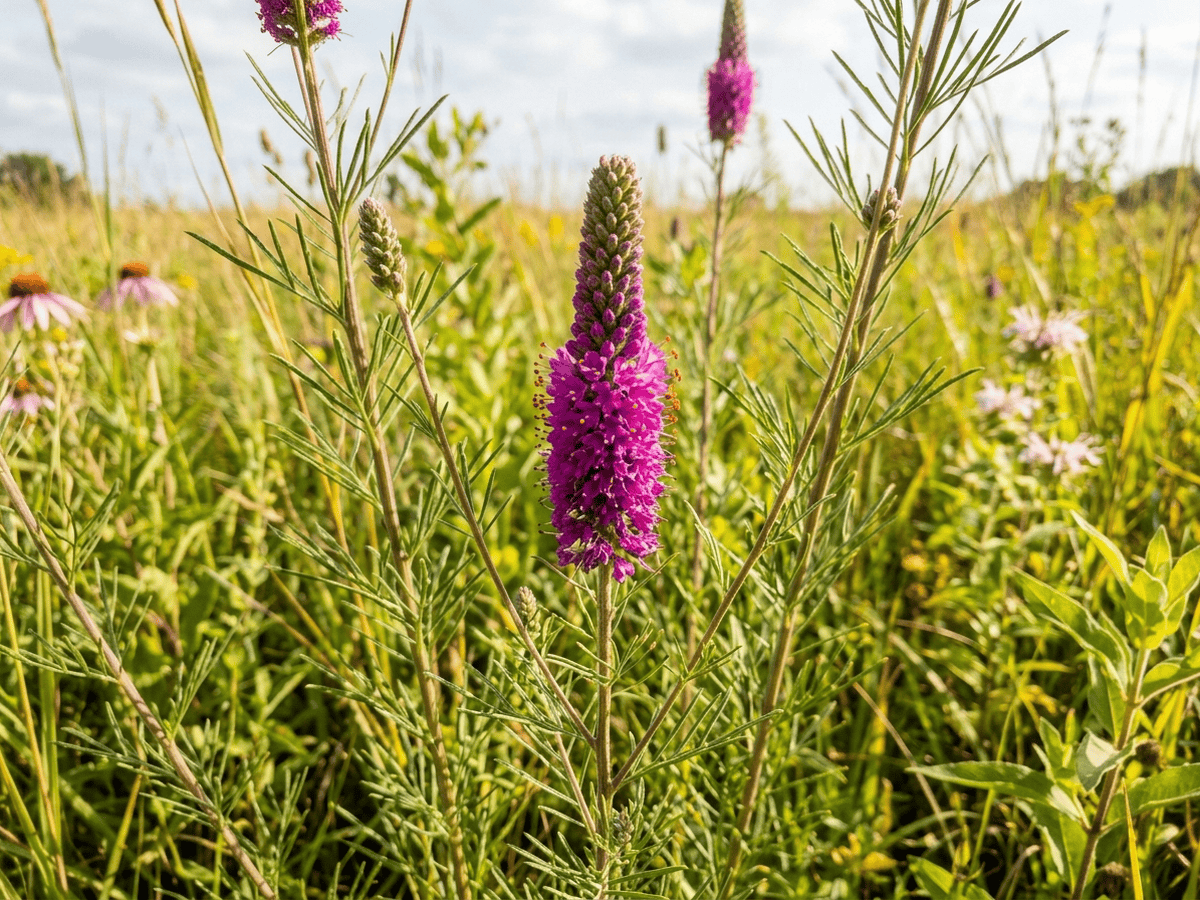
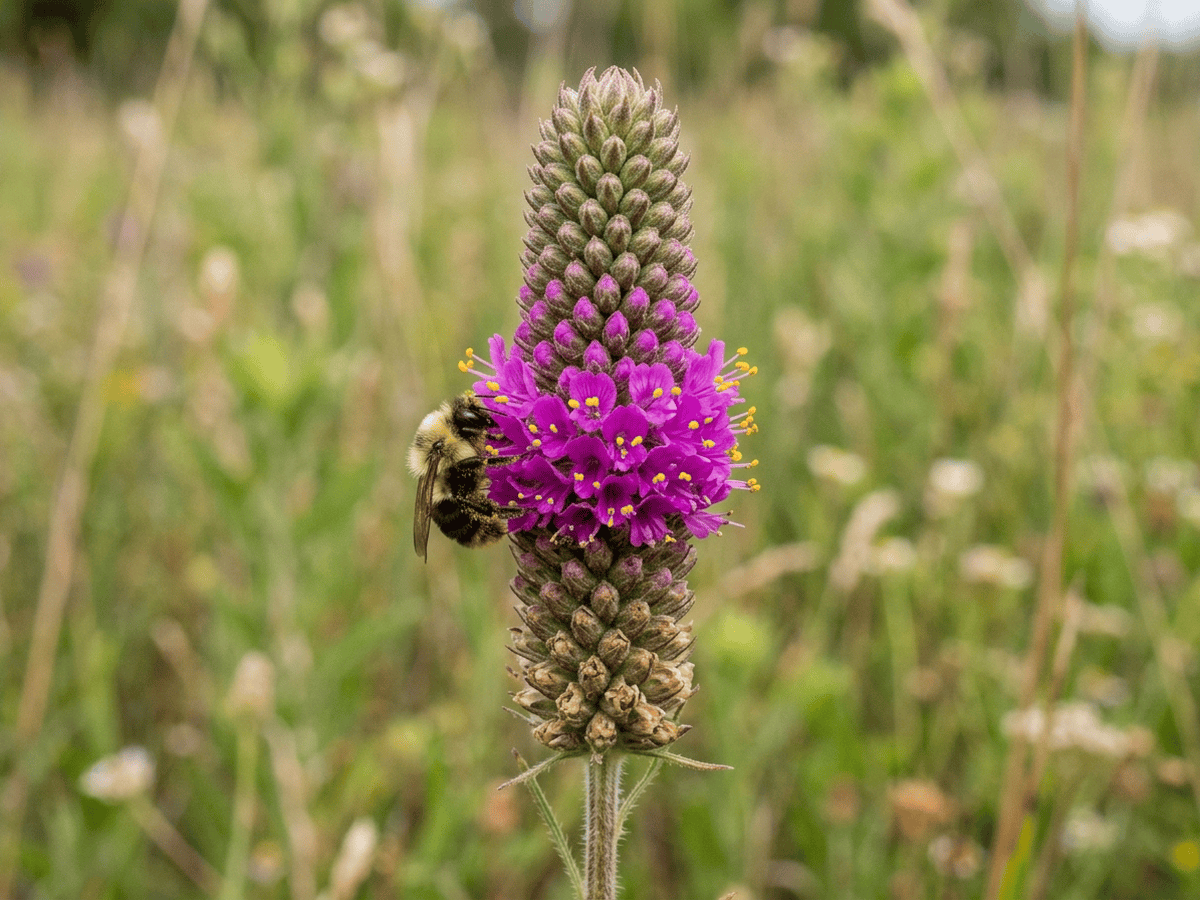
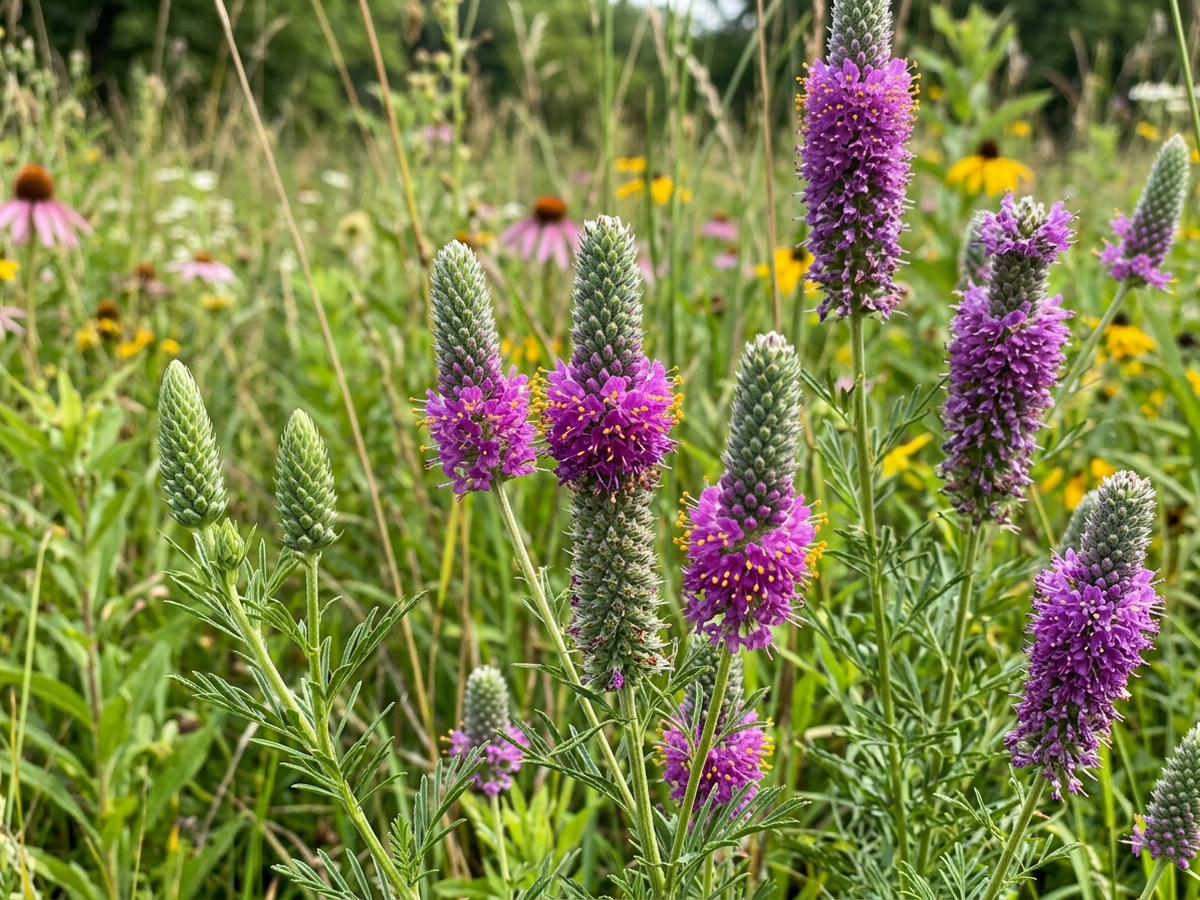
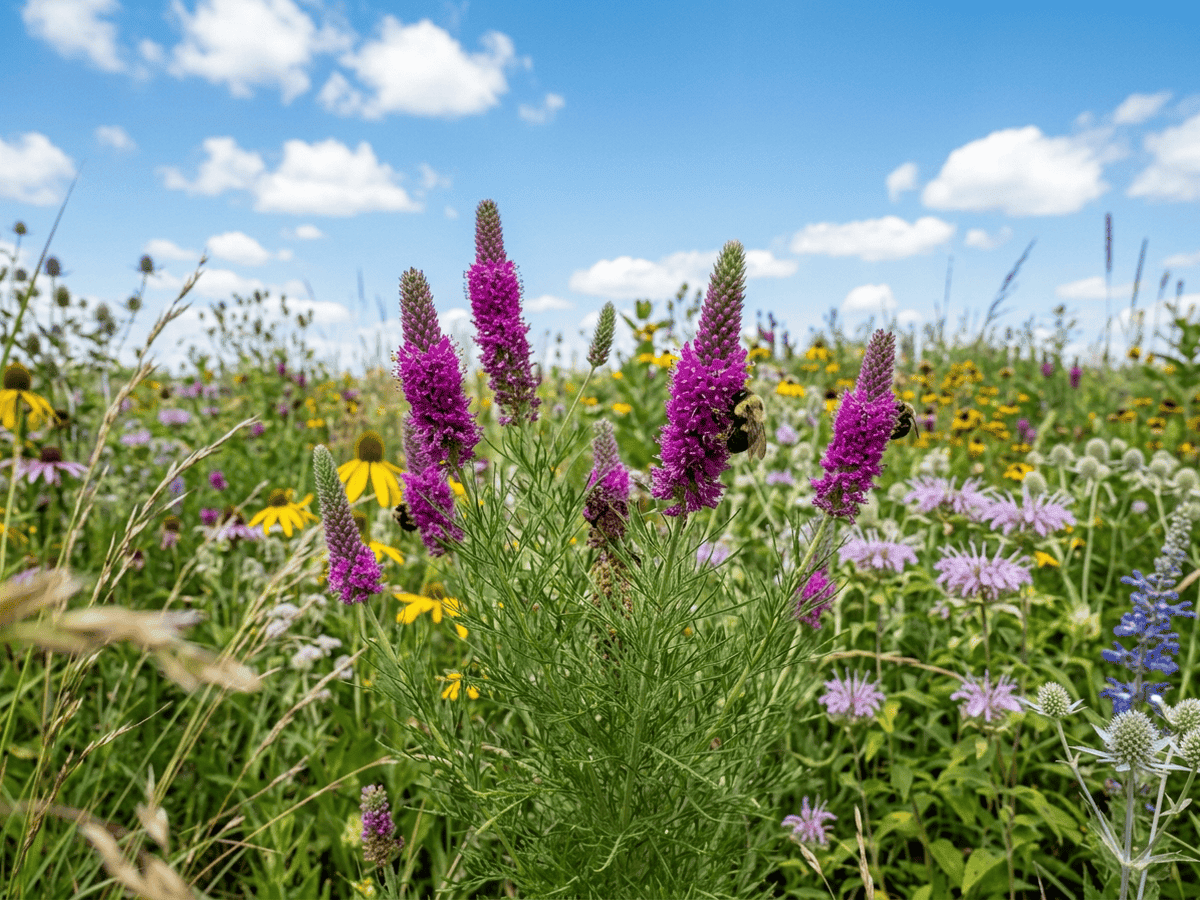
Dalea purpurea, Purple Prairie Clover, is one of the most striking native perennials of the North American Great Plains—a deep-rooted drought warrior that produces cylindrical spikes of vivid magenta-purple flowers from June through August. Unique among wildflowers, its blooms open in a ring that progresses from the base of the spike upward, creating a distinct collar-like pattern that shifts over days. Hardy in zones 3–6, it thrives in full sun and poor, dry soils, making it exceptional for prairie gardens, pollinator plantings, and habitat restoration.
- Drought-tolerant
- Pollinator-friendly
- Deciduous
- Fragrant
- Cold-hardy
How to care for Purple Prairie Clover
Watering
- Springevery 10 days
- Summerevery 7 days
- Fallevery 14 days
- Winterevery 30 days
Soil · Well-draining
- Top dressingPine bark mulch10%
- Main mixPotting soil + perlite 2:170%
- DrainageLECA / gravel20%
Never skip the drainage layer — standing water is the top cause of root rot.
FERTILIZER
- Springevery 30 days
- Summerevery 30 days
At a Glance
- NativeNorth America
- Height1–3 ft (0.3–0.9 m)
- Spread1–2 ft (0.3–0.6 m)
- Flower colorPurple
- Foliage colorGreen
- SoilWell-drained, Loamy
- LocationsYard · Balcony
Bloom time
BLOOM CYCLE
Peak bloom
Jun–Aug
Dalea purpurea produces vibrant purple flowers from June to August, attracting pollinators.
Fragrance
LIGHT FRAGRANCE
Faint sweet fragrance from the flower spikes, most noticeable in mass plantings on warm days.
Toxicity
No toxicity has been reported for this plant. Still, it is wise to keep pets from chewing on any houseplant.
Educational information, not medical or veterinary advice. If exposure is suspected, contact a doctor or veterinarian.
DISTRIBUTION


- Native
- Introduced
- North America
History
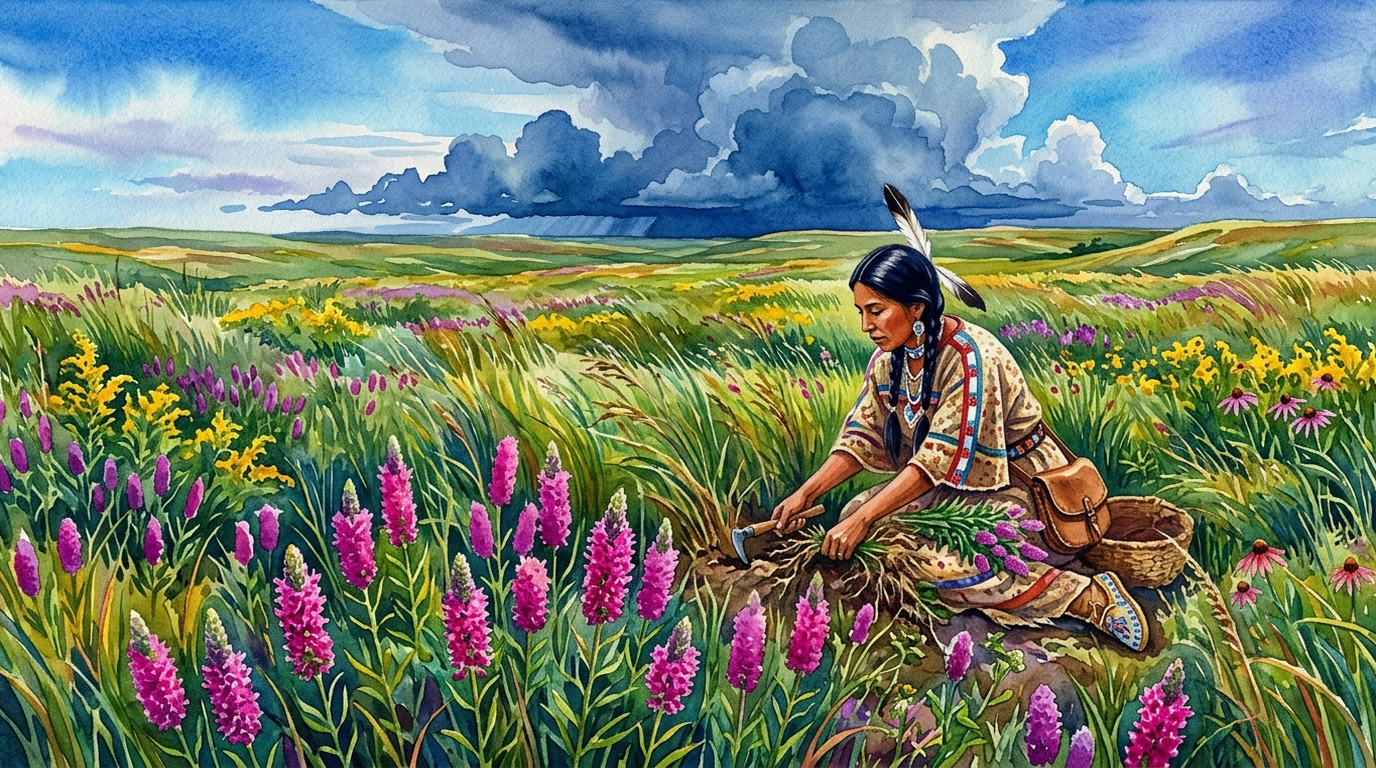
Dalea purpurea is native to the tallgrass and mixed-grass prairies of the Great Plains and Midwest, from Manitoba to Texas and eastward into the prairie peninsula of the upper Midwest. It is among the most recognizable wildflowers of the prairie—vivid magenta spikes rising above the grasses in midsummer, opening in the unmistakable upward-progressing ring pattern that makes the species immediately identifiable.
For indigenous peoples of the Great Plains, D. purpurea was a useful plant with multiple roles. The Lakota used dried roots as a tea for fever and headaches. The Omaha and Ponca used the plant as horse medicine, feeding it to horses as a tonic and treating sores. The Pawnee and other groups sometimes chewed fresh leaves. The plant appears in the ecological knowledge of many nations whose lives were shaped by the prairie ecosystem it inhabits.
Ecologically, Purple Prairie Clover is a nitrogen-fixer with a deep taproot that can reach several feet into the soil. This root system makes it remarkably drought-tolerant and helps stabilize soils in degraded prairie remnants. It is a specialist host plant for the Southern Dogface butterfly (Zerene cesonia) and is heavily visited by bumblebees and specialist native bees during its long summer bloom. In prairie restorations, it is considered an ecological cornerstone species.
Named for Samuel Dale (1659–1739), the English apothecary and botanical collector, Dalea is a New World genus of some 160 species, most concentrated in the American Southwest and Mexico.
Symbolism & meaning
What It Symbolizes
A ring of purple opens at the base of the spike, then rises—one day's worth of flowers at a time—until the whole column has bloomed and browned. It takes two weeks. The prairie is like this: what looks like a single moment is always a process, and what looks barren underneath is always, deeply, alive.
- prairie spirit — The magenta ring that opens upward on each spike—methodical, unhurried, brilliant—is the prairie's own summer calendar.
- deep roots — A taproot that reaches several feet into dry soil. Whatever disturbs the surface, the roots go deeper.
Where the Name Comes From
Dalea honors Samuel Dale (1659–1739), an English apothecary, botanist, and plant collector. The species epithet purpurea is Latin for 'purple,' describing the vivid magenta-purple flower spikes.
Uses & Fun Facts
- Long-blooming prairie perennial providing summer nectar for bumblebees and specialist native bees; host plant for the Southern Dogface butterfly larvae
- Used by Lakota, Omaha, Pawnee, and other Great Plains peoples as a medicinal tea for fever, as horse tonic, and as a general health plant
- Deep nitrogen-fixing taproot stabilizes dry soils and improves degraded prairie; a cornerstone species in tallgrass prairie restoration
Related plants
Plants with similar care
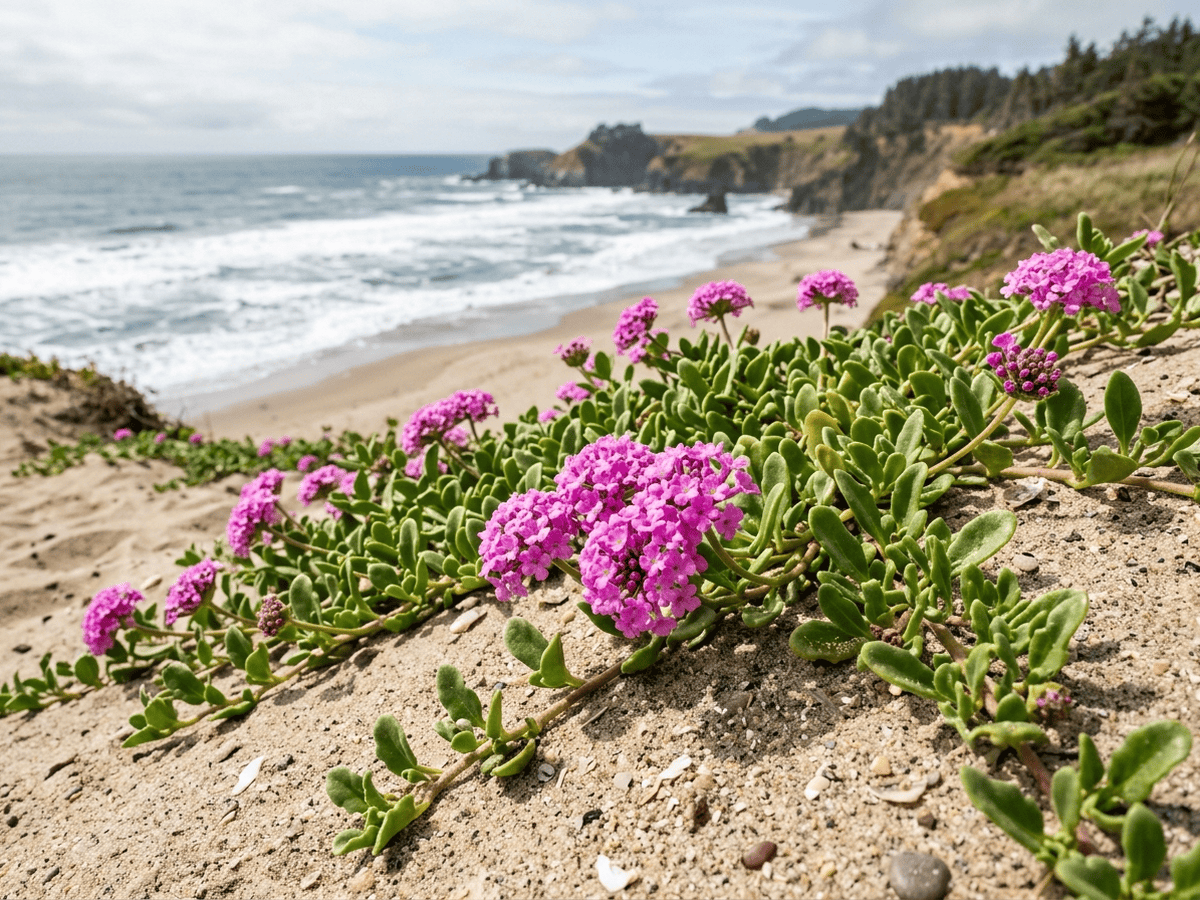 Pink Sand VerbenaAbronia umbellata
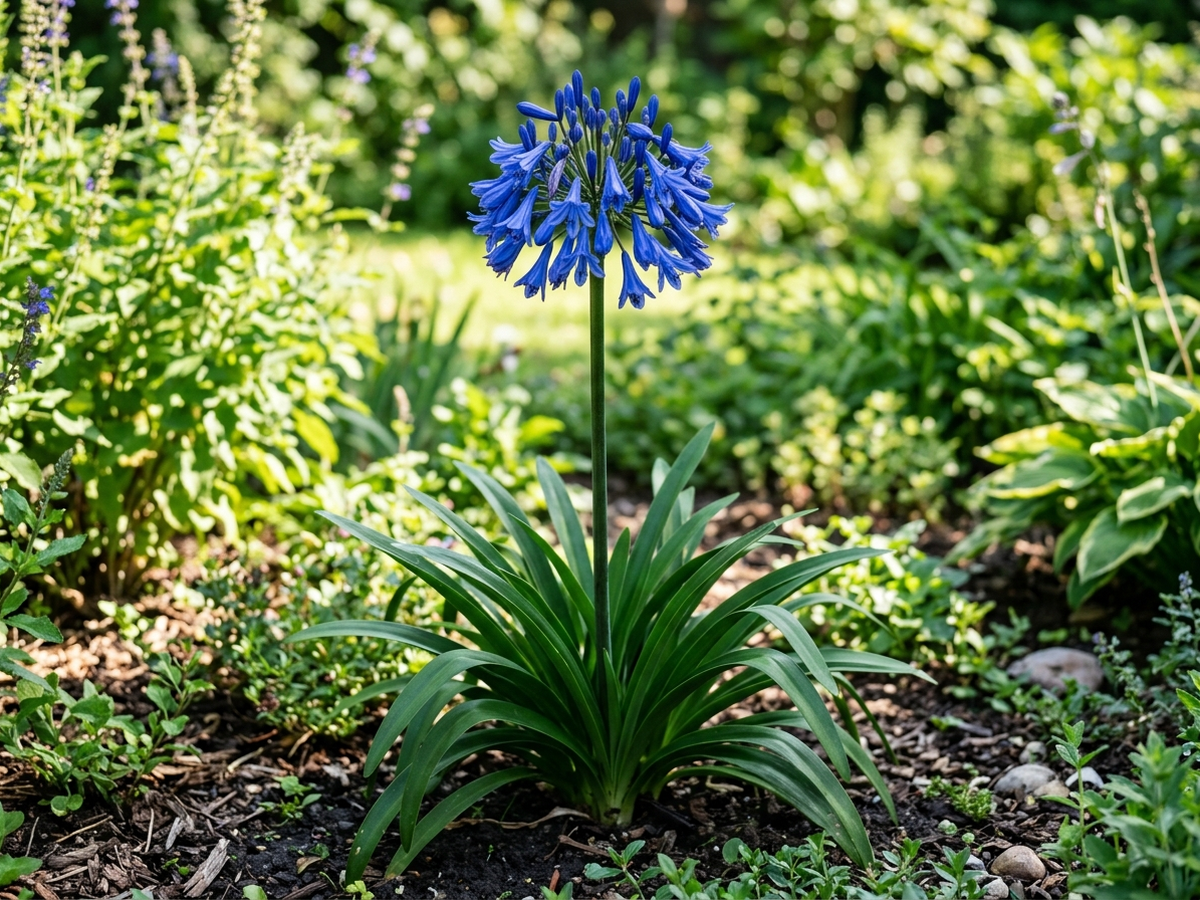 Drooping AgapanthusAgapanthus inapertus
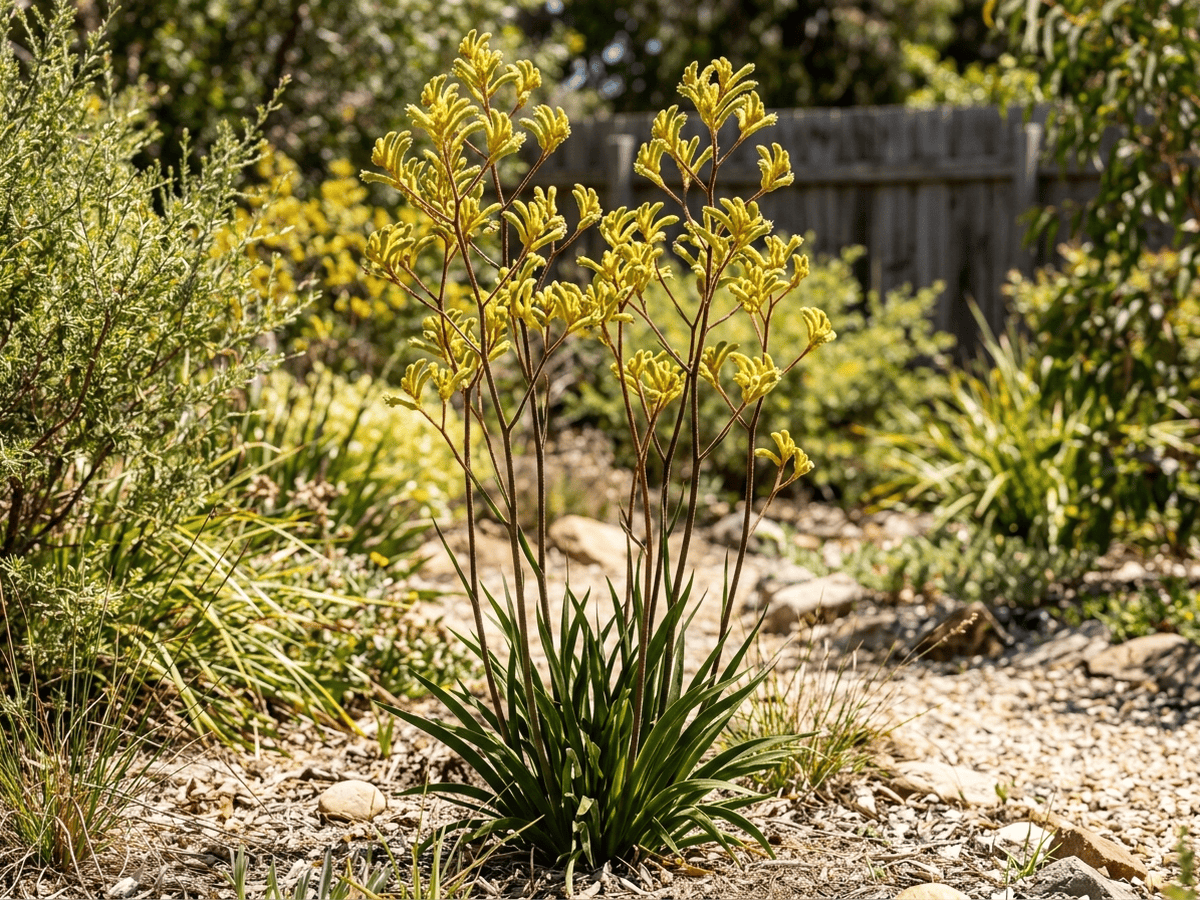 Tall Kangaroo PawAnigozanthos flavidus
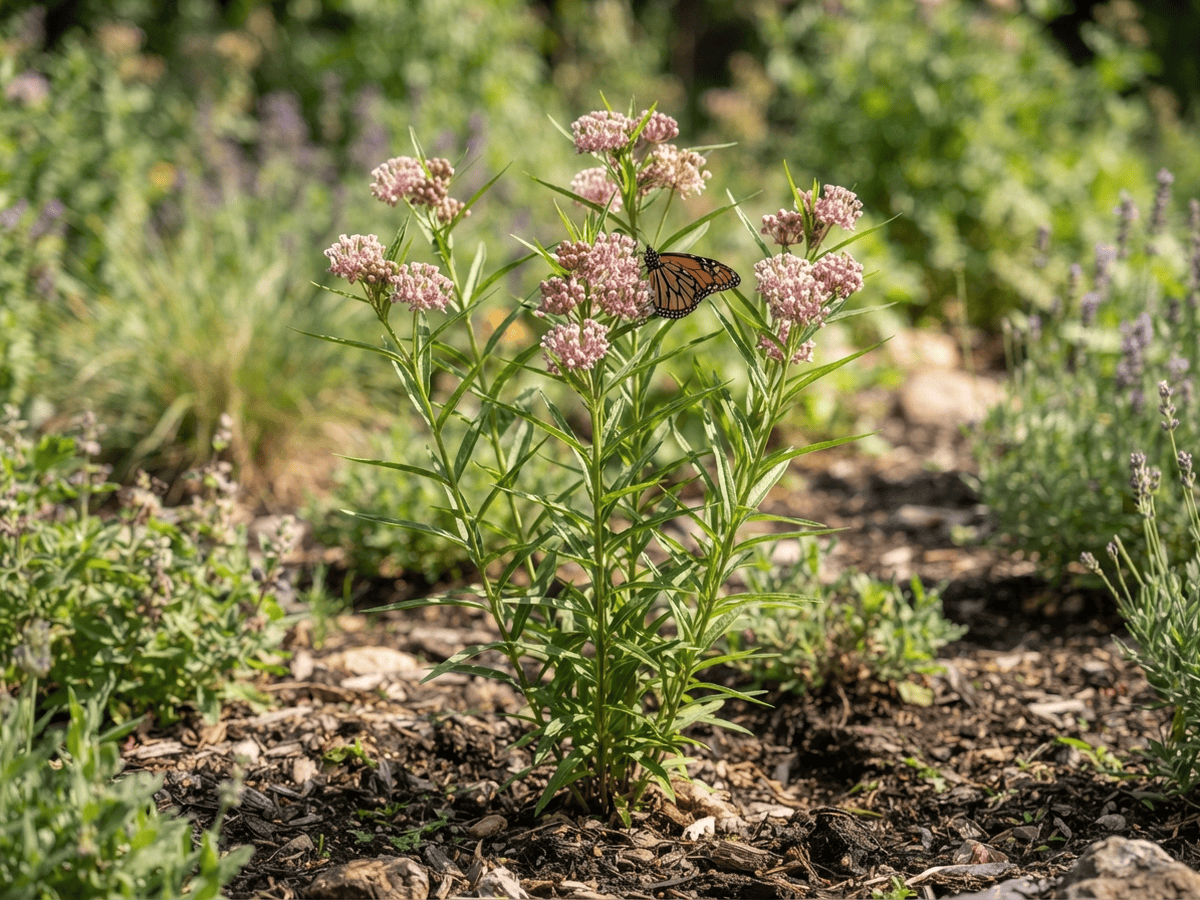 Narrowleaf MilkweedAsclepias fascicularis
Frequently asked questions
How often should I water Purple Prairie Clover?
In summer, water about every 7 days; in winter, about every 30 days. Adjust for heat, pot size and drainage.
How much light does Purple Prairie Clover need?
Full sun: 6+ hrs direct. Watch the leaves — scorching or stretching means the light needs adjusting.
Is Purple Prairie Clover toxic to cats or dogs?
No toxicity has been reported for this plant. Still, it is wise to keep pets from chewing on any houseplant. Educational information, not medical or veterinary advice. If exposure is suspected, contact a doctor or veterinarian.
Is Purple Prairie Clover easy to grow?
It is considered challenging and rewards experienced growers.
When does Purple Prairie Clover bloom?
It typically blooms Jun–Aug in the Northern Hemisphere.
YardMate
Identify any plant in seconds
Snap a photo — YardMate names the plant, diagnoses problems, and reminds you when to water.
Download on the App Store