 YardMate


Dove Tree
Davidia involucrata
Hard · Experienced growersAbout Dove Tree
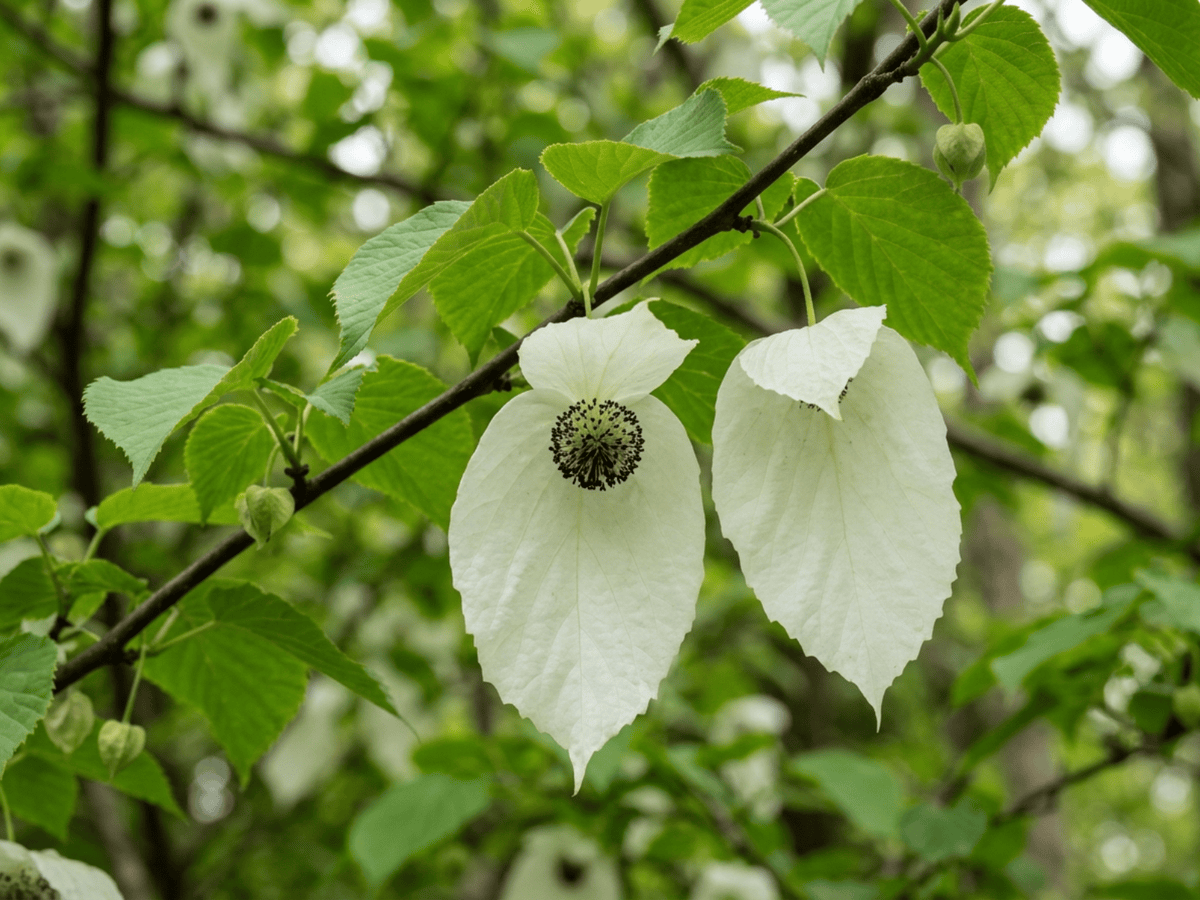
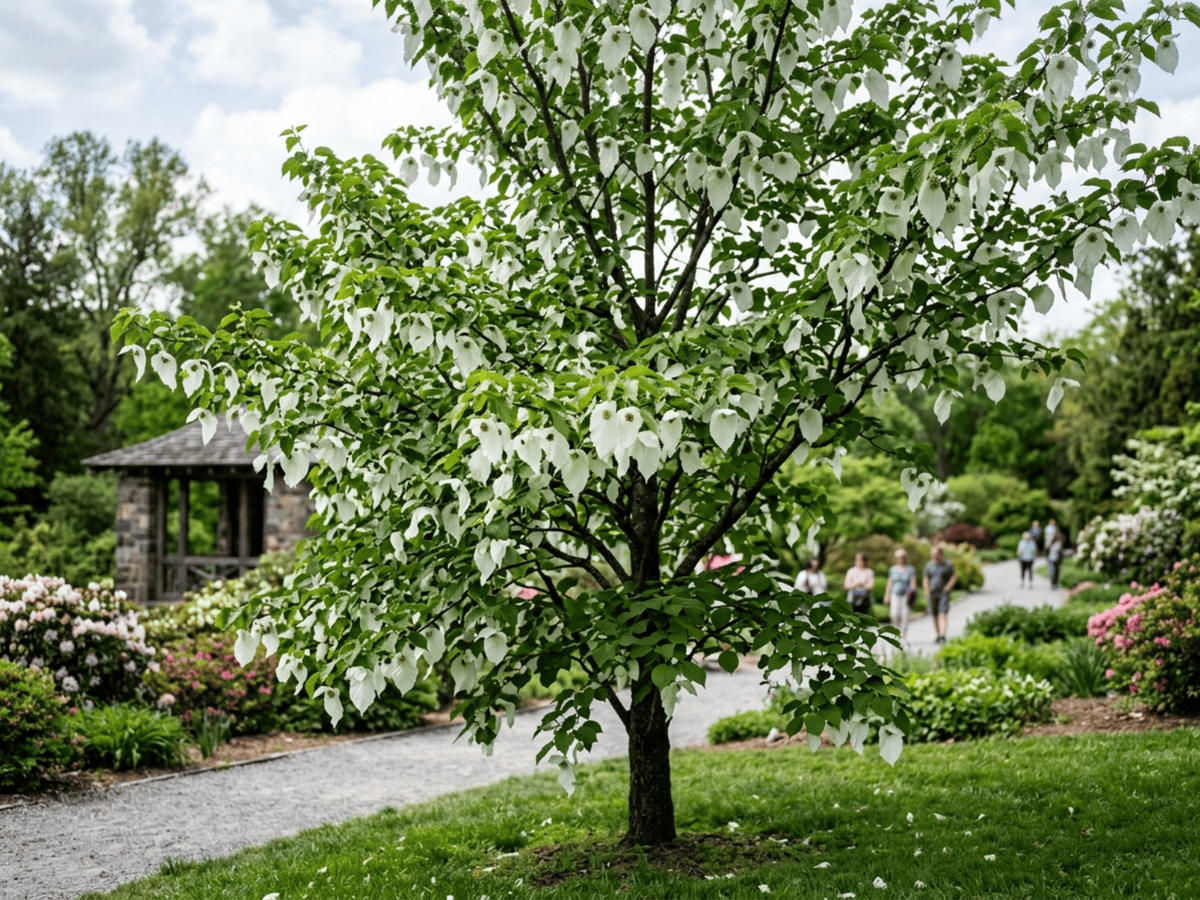
Dove Tree or Handkerchief Tree is one of horticulture's most coveted specimen trees, a Chinese deciduous tree growing 40-60 feet tall famous for the large white bracts surrounding tiny flower clusters that flutter in the breeze like hundreds of doves or handkerchiefs. Produced only in late spring on mature trees (10+ years), the display is unforgettable. Hardy in USDA zones 6-8 and a treasure of great American botanical gardens.
- Pollinator-friendly
How to care for Dove Tree
Watering
- Springevery 7 days
- Summerevery 5 days
- Fallevery 10 days
- Winterpause watering
Soil · Well-draining
- Top dressingPine bark mulch10%
- Main mixPotting soil + perlite 2:170%
- DrainageLECA / gravel20%
Never skip the drainage layer — standing water is the top cause of root rot.
FERTILIZER
Acid-Loving Feed 4-3-4
One bag does both jobs. An acid feed carries the usual nitrogen, phosphorus and potassium, plus the sulfur and iron that keep the soil sour enough for the roots to take them up at all.
- Nitrogen · Leaves
- Phosphorus · Roots + Blooms
- Potassium · Strength
- Springevery 60 days
- Summerevery 60 days
At a Glance
- NativeEast Asia
- Height30–50 ft (9.1–15.2 m)
- Spread25–40 ft (7.6–12.2 m)
- Flower colorWhite
- Foliage colorGreen
- Fruit colorBrown, Green
- SoilMoisture-retentive, Loamy, Acidic
- LocationsYard
Bloom time
BLOOM CYCLE
Peak bloom
May
Large white handkerchief-like bracts May
Toxicity
Toxicity unknown
None reported
Unknown
EXPOSURE Unspecified plant material.
EFFECT Toxic effects are not specified.
NOTE Toxicity for humans is not well documented; use caution until verified.
Unknown
EXPOSURE Unspecified plant material.
EFFECT Toxic effects are not specified.
NOTE Toxicity for dogs is not well documented; use caution until verified.
Unknown
EXPOSURE Unspecified plant material.
EFFECT Toxic effects are not specified.
NOTE Toxicity for cats is not well documented; use caution until verified.
Educational information, not medical or veterinary advice. If exposure is suspected, contact a doctor or veterinarian.
DISTRIBUTION


- Native
- East Asia
History
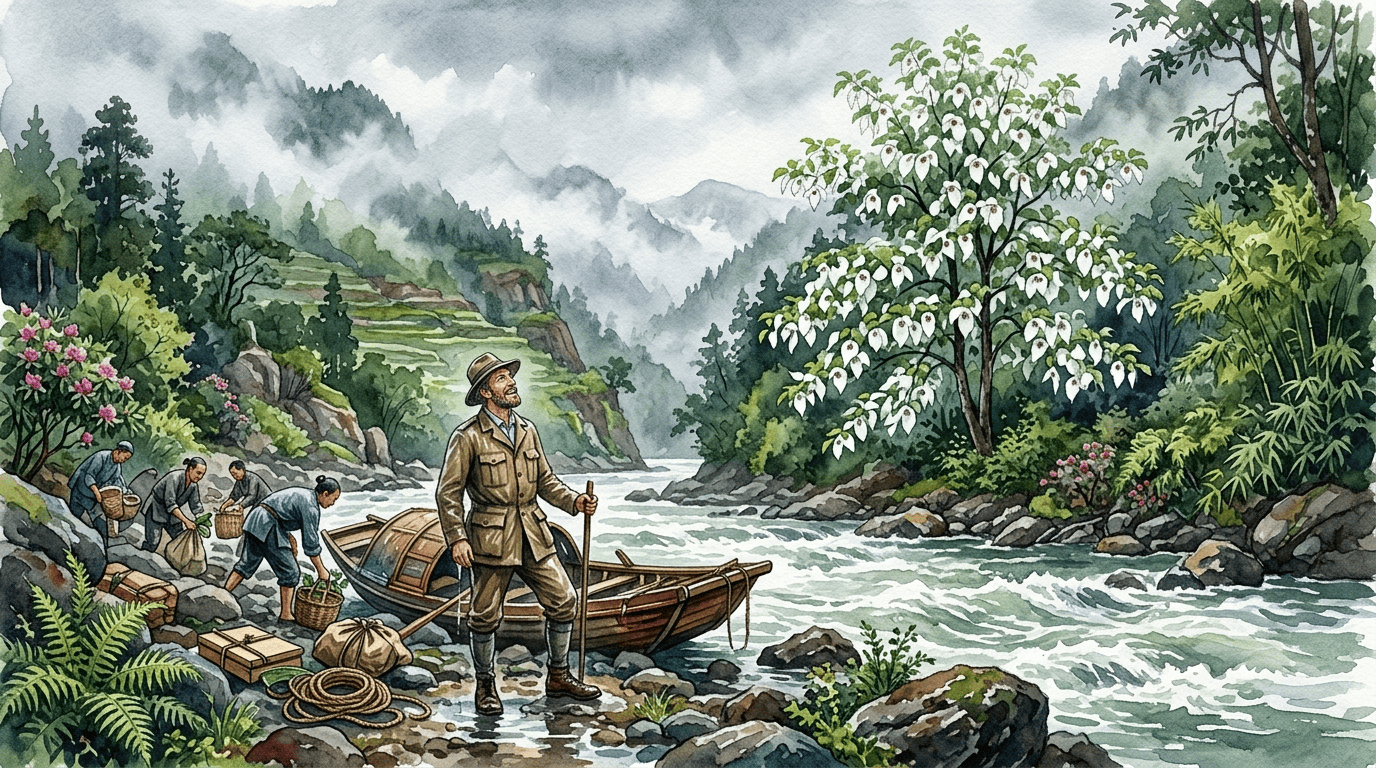
Davidia involucrata is a monotypic genus native to moist mountain forests of central and southwestern China. French Jesuit missionary-naturalist Père Jean-Pierre Armand David encountered it in 1869 in Sichuan while also documenting the giant panda. Henri Baillon described the genus in 1871 honoring David.
English plant hunter Ernest Henry Wilson made two legendary expeditions specifically to introduce it to Western cultivation—first for Veitch Nurseries in 1899-1902, during which he nearly drowned at the Min River and did introduce fertile material, and again for the Arnold Arboretum in 1903-1905. The spectacle of two huge 6-8 inch snow-white bracts flanking each tiny flower cluster, dangling like doves or fluttering handkerchiefs in the slightest breeze, made it immediately iconic. Trees take 10-20 years from seed to flower, testing gardener patience.
The cultivar 'Sonoma' blooms earlier. The quest to introduce it to Western horticulture became one of the most famous plant-hunting sagas—E.H. Wilson's first trip for Veitch Nursery in 1899 specifically sought its seeds, earning him the nickname 'Chinese Wilson'. Introduced seeds finally produced flowering trees in British gardens in 1911.
Symbolism & meaning
What It Symbolizes
The Dove Tree carries Peace in its very flowers — paired white bracts that flutter in spring breezes like a flock of doves resting in the canopy. It is also a flower of Wonder, famously hunted by Ernest Wilson across remote Chinese mountains and finally introduced to Western gardens. A tree whose discovery still feels like a small miracle.
- Peace — dove-like bracts evoke peace
- Wonder — legendary plant hunter discovery
Where the Name Comes From
Genus honors Père Armand David (1826–1900), French naturalist; 'involucrata' refers to the showy involucral bracts.
Uses & Fun Facts
- Dove tree's white bracts flutter like handkerchiefs in spring
- Rare flowering tree prized as collector's landscape feature
- Provides medium canopy as it matures
Related plants
Plants with similar care
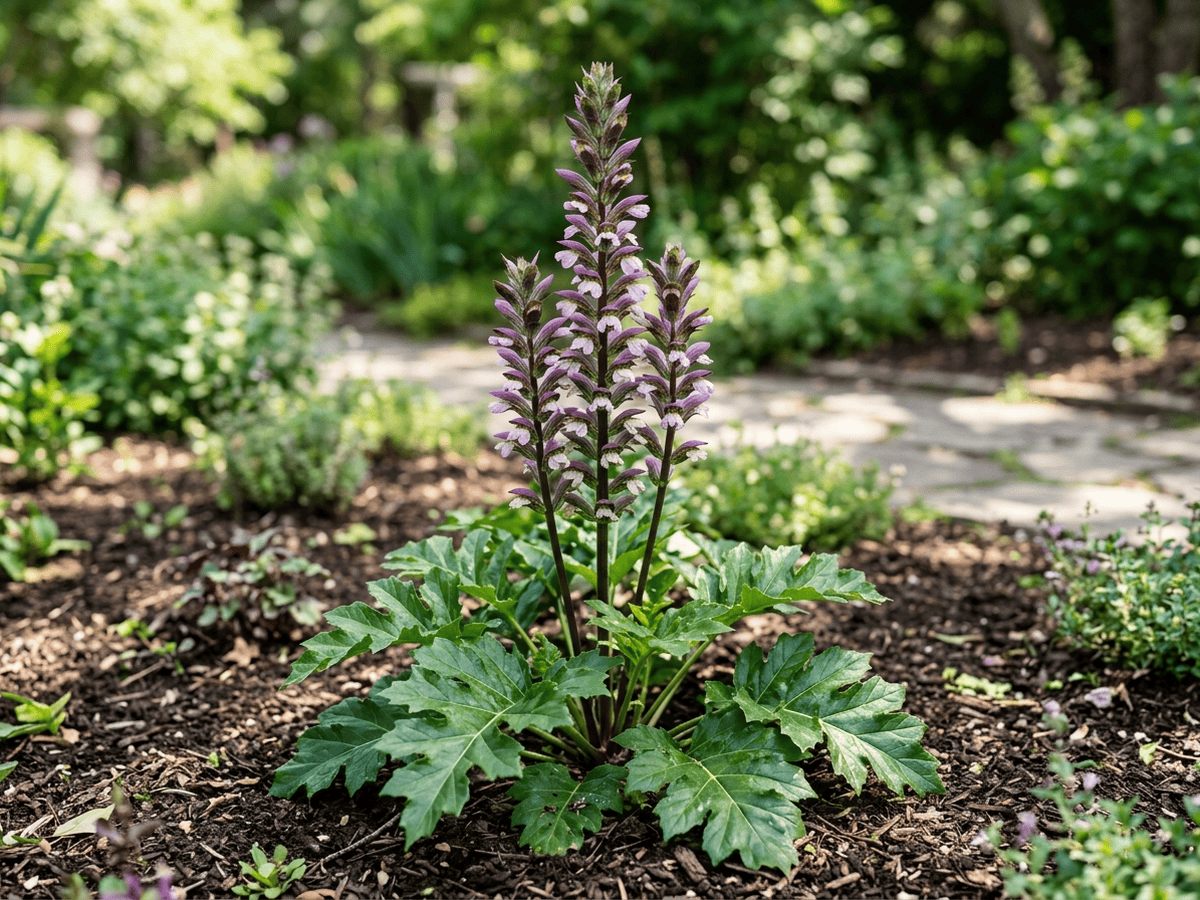 Bear's BreechesAcanthus mollis
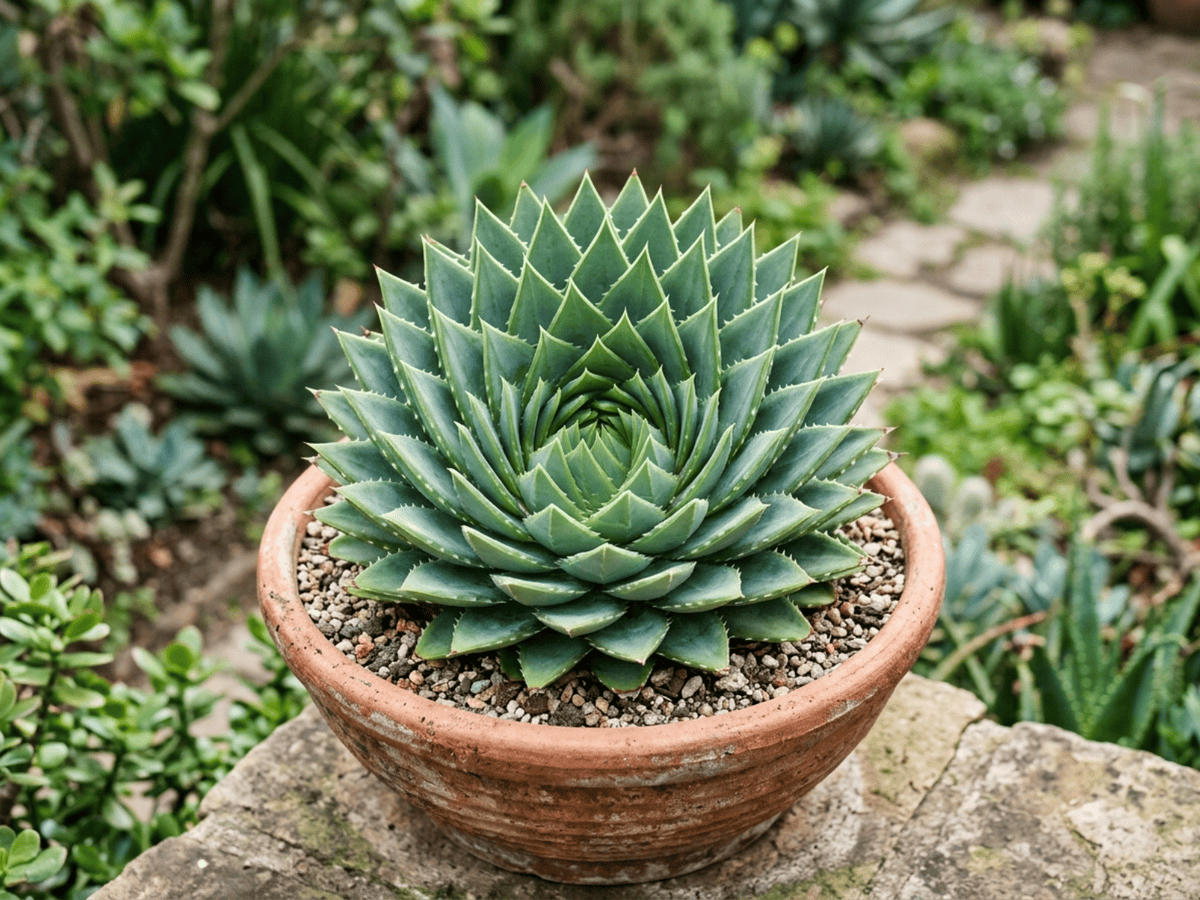 Spiral AloeAloe polyphylla
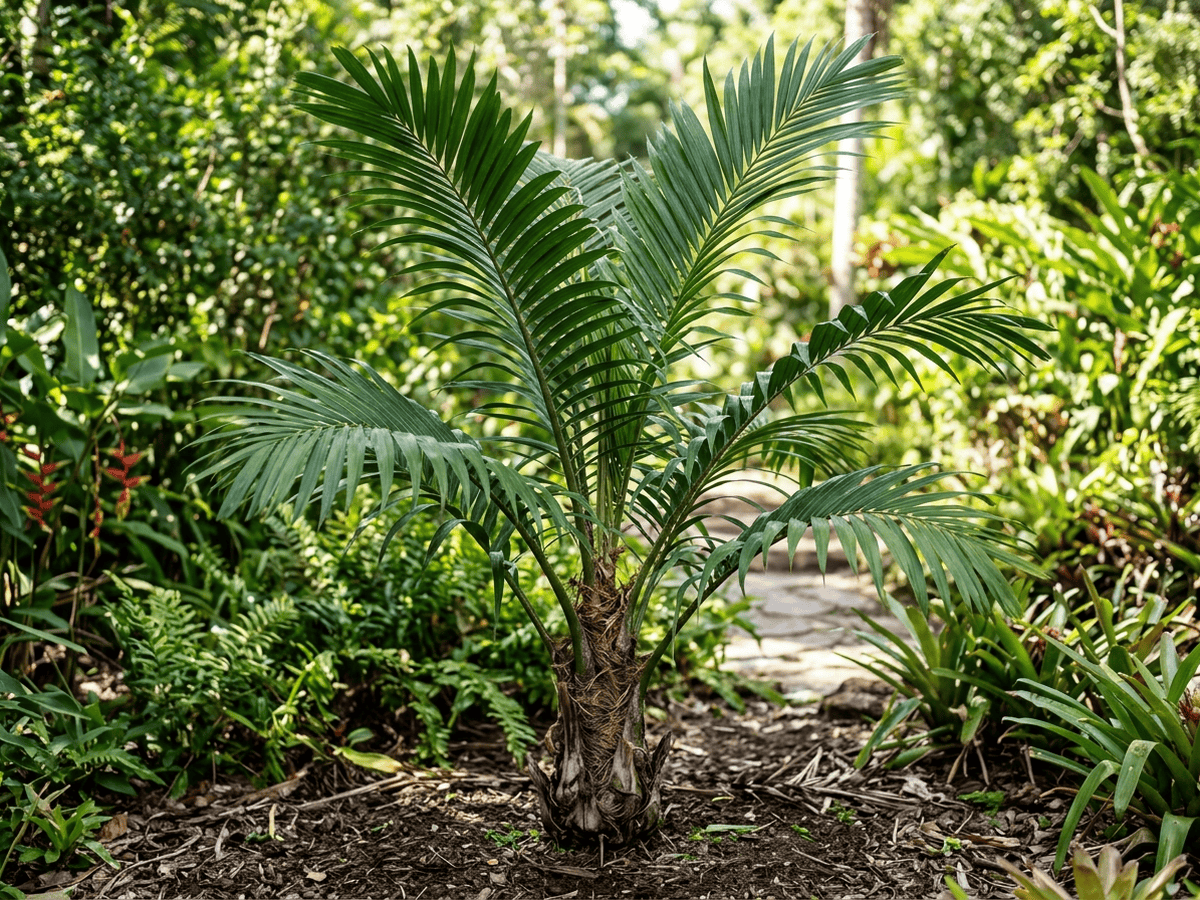 Formosa PalmArenga engleri
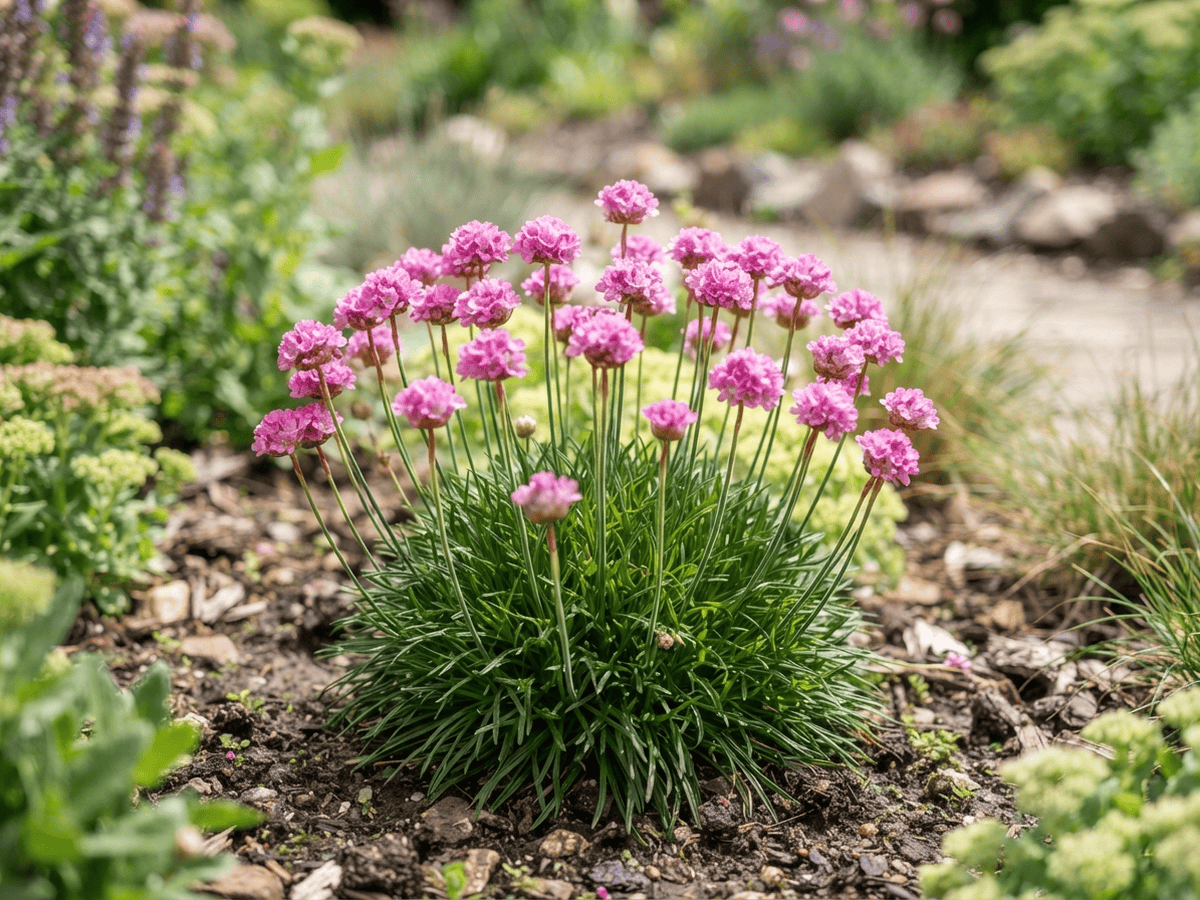 Sea ThriftArmeria maritima
Frequently asked questions
How often should I water Dove Tree?
Water about every 7 days during the growing season, and always let excess water drain away.
How much light does Dove Tree need?
Part shade: 2–4 hrs direct. Watch the leaves — scorching or stretching means the light needs adjusting.
Is Dove Tree toxic to cats or dogs?
Pets Unknown (Dogs Unknown · Cats Unknown) Educational information, not medical or veterinary advice. If exposure is suspected, contact a doctor or veterinarian.
Is Dove Tree easy to grow?
It is considered challenging and rewards experienced growers.
When does Dove Tree bloom?
It typically blooms May in the Northern Hemisphere.
YardMate
Identify any plant in seconds
Snap a photo — YardMate names the plant, diagnoses problems, and reminds you when to water.
Download on the App Store