 YardMate


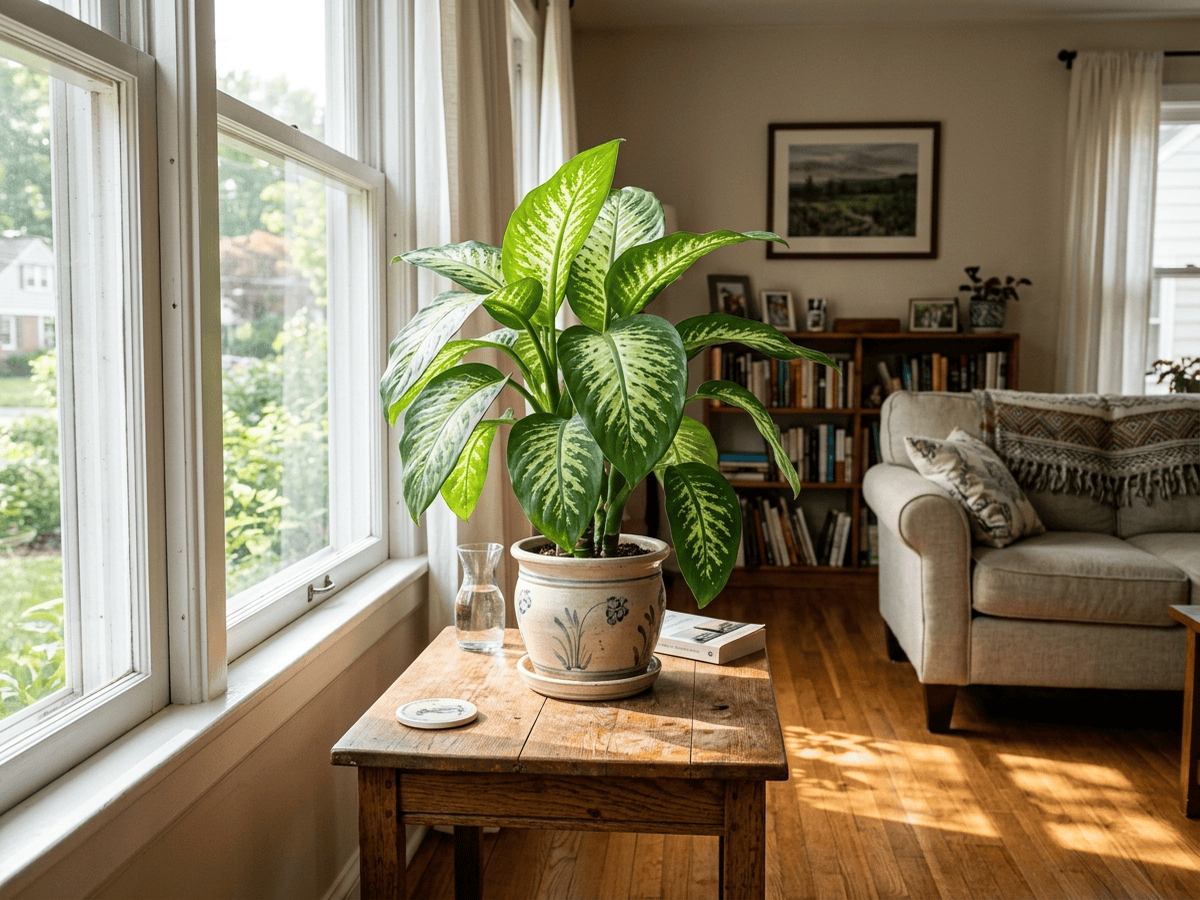
Dumb Cane
Dieffenbachia seguine
Easy · Beginner friendlyAbout Dumb Cane
Dieffenbachia seguine, the dumb cane, is a striking tropical houseplant with large, broad leaves marked with cream and light green patterns. Native to the Caribbean and South America, it grows as an understory plant in tropical rainforests. The common name 'dumb cane' refers to the temporary speechlessness caused by biting the stem, due to intense calcium oxalate crystal irritation. Despite this toxicity, it remains hugely popular for its bold tropical look and easy care. It thrives in moderate to bright indirect light and prefers consistent moisture.
- Air-purifying
- Tropical
How to care for Dumb Cane
Watering
- Springevery 7 days
- Summerevery 5 days
- Fallevery 10 days
- Winterevery 14 days
Soil · Chunky & airy
- Top dressingBark chips10%
- Main mixBark + potting soil + perlite 1:1:170%
- DrainageLECA20%
Chunky pieces hold air pockets open so thick roots don't suffocate.
FERTILIZER
Balanced Feed 14-14-14
An even feed covers all three needs at once, keeping leaves, roots and blooms moving together with nothing pushed out of balance.
- Nitrogen · Leaves
- Phosphorus · Roots + Blooms
- Potassium · Strength
- Springevery 30 days
- Summerevery 30 days
- Fallevery 60 days
At a Glance
- NativeCentral America, South America
- Height3–6 ft (0.9–1.8 m)
- Spread2–3 ft (0.6–0.9 m)
- Flower colorWhite, Cream
- Foliage colorGreen, Variegated, Yellow
- SoilLoamy, Well-drained, Rich
- LocationsIndoor
Bloom time
BLOOM CYCLE
White spathe; rare indoors
Fragrance
NO FRAGRANCE
Not fragrant.
Toxicity
Humans Toxic · Pets Moderate
insoluble calcium oxalate crystals (raphides) and proteolytic enzymes (dumbcain)
Toxic
- Leaf
- Stem
- Sap
- Contact
- Ingestion
EXPOSURE Touching leaves, stems, and sap. Eating leaves, stems, and sap.
EFFECT Immediate intense burning of lips, tongue and throat on chewing, swelling severe enough to impair speech and swallowing for hours to days, airway compromise in rare severe cases, and skin and eye contact can cause serious dermatitis and keratoconjunctivitis.
NOTE The combination of raphides and proteolytic enzymes makes Dieffenbachia more severely irritating than most aroids. Eye exposure to sap requires urgent rinsing.
Moderate
- Leaf
- Stem
- Ingestion
EXPOSURE Eating leaves and stems.
EFFECT Oral irritation, intense burning and swelling of mouth, tongue and lips, excessive drooling, vomiting, difficulty swallowing and per ASPCA.
NOTE The combination of raphides and proteolytic enzymes makes Dieffenbachia more severely irritating than most aroids. Eye exposure to sap requires urgent rinsing.
Moderate
- Leaf
- Stem
- Ingestion
EXPOSURE Eating leaves and stems.
EFFECT Oral irritation, intense burning and swelling of mouth, tongue and lips, excessive drooling, vomiting, difficulty swallowing and per ASPCA.
NOTE The combination of raphides and proteolytic enzymes makes Dieffenbachia more severely irritating than most aroids. Eye exposure to sap requires urgent rinsing.
Educational information, not medical or veterinary advice. If exposure is suspected, contact a doctor or veterinarian.
DISTRIBUTION


- Native
- Introduced
- Central America
- South America
History
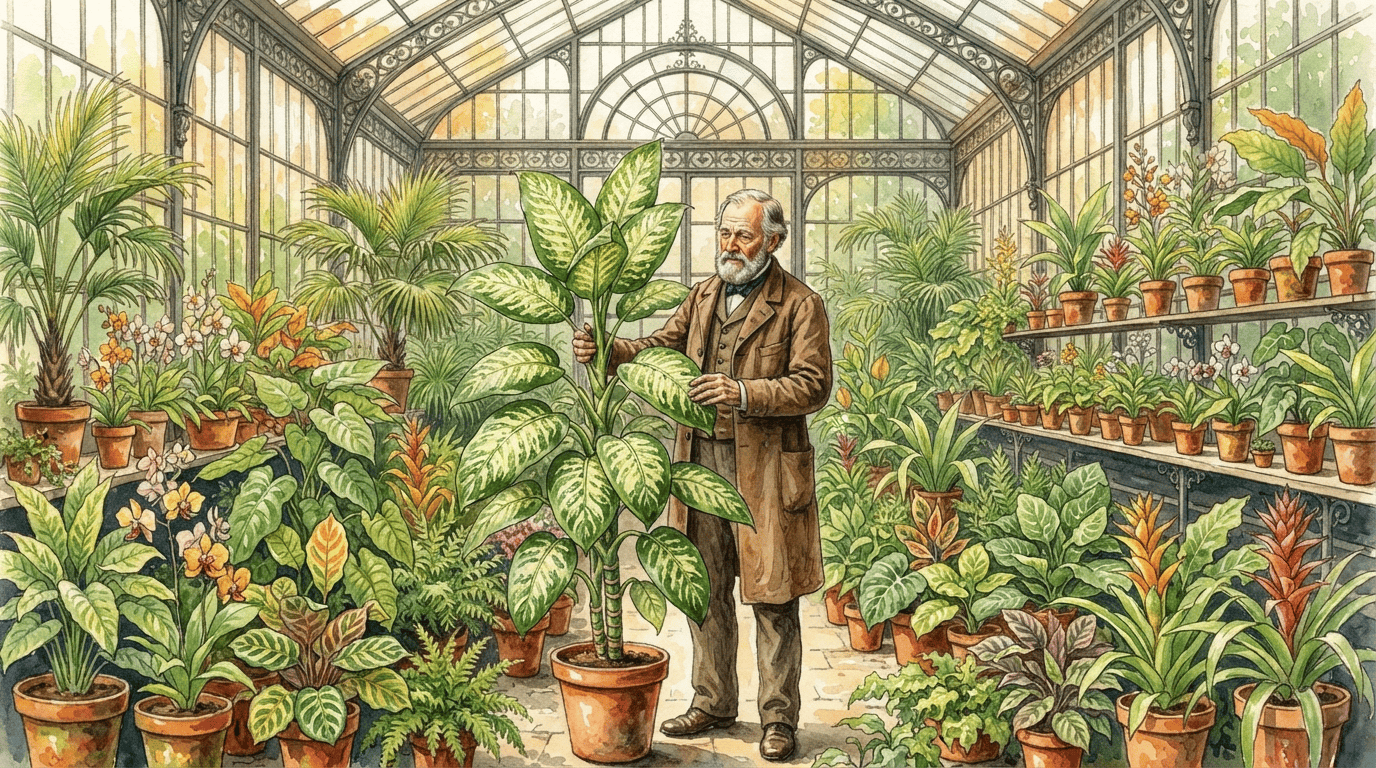
Dieffenbachia seguine is native to the West Indies, Central America, and the Amazon Basin, where indigenous peoples used its sap as a poison and a contraceptive. The English name 'Dumb Cane' dates to the 18th-century Caribbean, where plantation owners reportedly used the sap as a cruel punishment — chewing a piece of stem causes immediate intense oral pain and swelling severe enough to render the victim temporarily unable to speak, sometimes for days. It was later widely cultivated as a showy ornamental; the genus was named in 1829 after Josef Dieffenbach, head gardener at the imperial Schönbrunn palace in Vienna.
Despite its brutal history it has been a mainstream Victorian and 20th-century houseplant thanks to its bold variegated foliage, and breeders have produced dozens of modern cultivars. During the era of Caribbean slavery, plantation owners allegedly forced enslaved people to chew its stem as punishment — the calcium oxalate crystals caused such severe swelling of the mouth and throat that victims could not speak for days, hence 'dumb cane.'
The genus was named in 1829 after Joseph Dieffenbach, head gardener of the Schönbrunn Palace botanical gardens in Vienna.
Symbolism & meaning
What It Symbolizes
Tuftroot teaches caution, for the same lush tropical foliage that makes it a beloved houseplant hides crystals capable of silencing a careless tongue, hence the older name 'dumb cane'. Its symbolism is therefore not romance but a quiet ethical lesson: beauty is not always benign, and what we bring into the home deserves to be understood as well as admired. Dieffenbachia is the houseplant that asks us to look beyond surfaces and respect the chemistry within.
- Caution — Its hidden danger beneath beauty serves as a reminder to look beyond surfaces
Where the Name Comes From
Named after Joseph Dieffenbach (1796–1863), Austrian botanist and head gardener at Schönbrunn Palace. Seguine is from a French Caribbean common name for the plant.
Uses & Fun Facts
- Cream-mottled tropical foliage for warm low-light interiors
- Forgiving floor plant for offices and shaded living rooms
Related plants
Plants with similar care
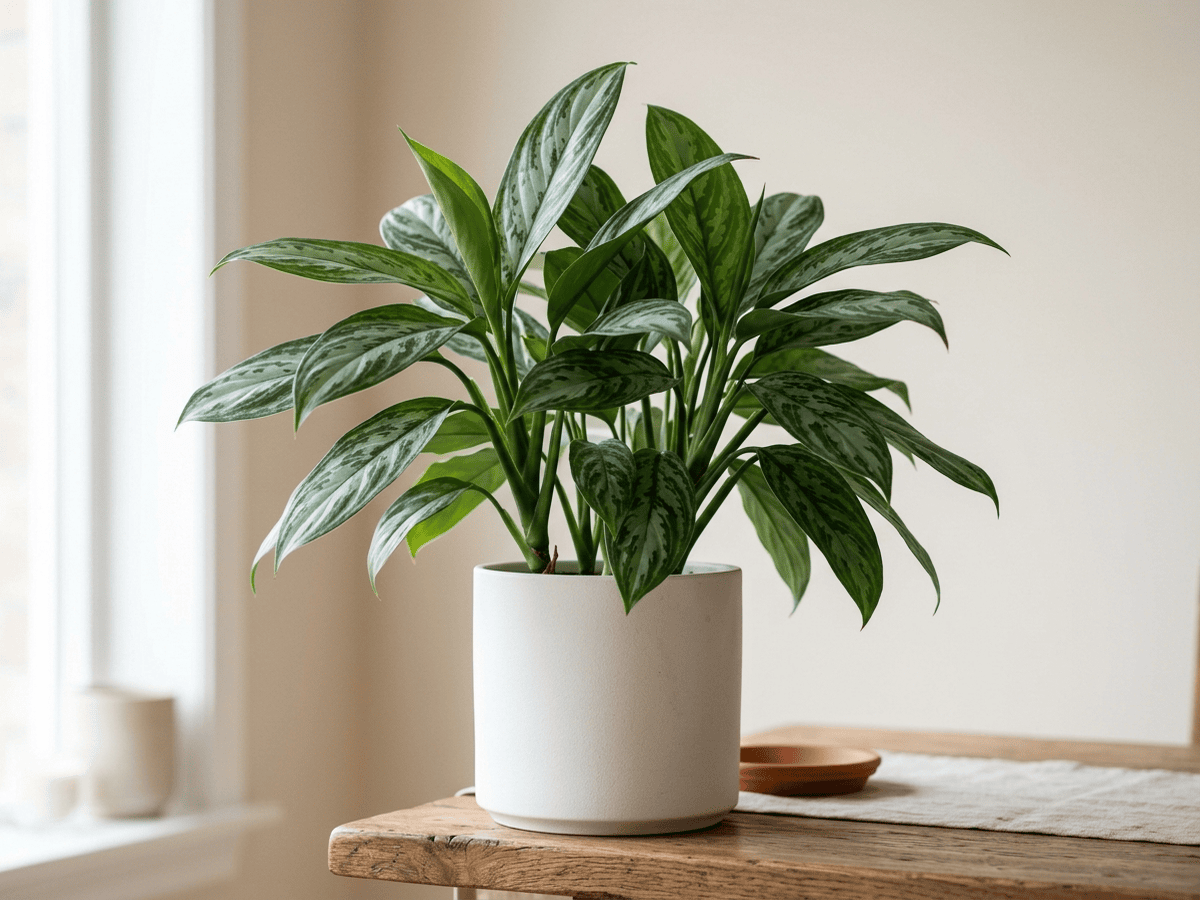 Philippine EvergreenAglaonema commutatum
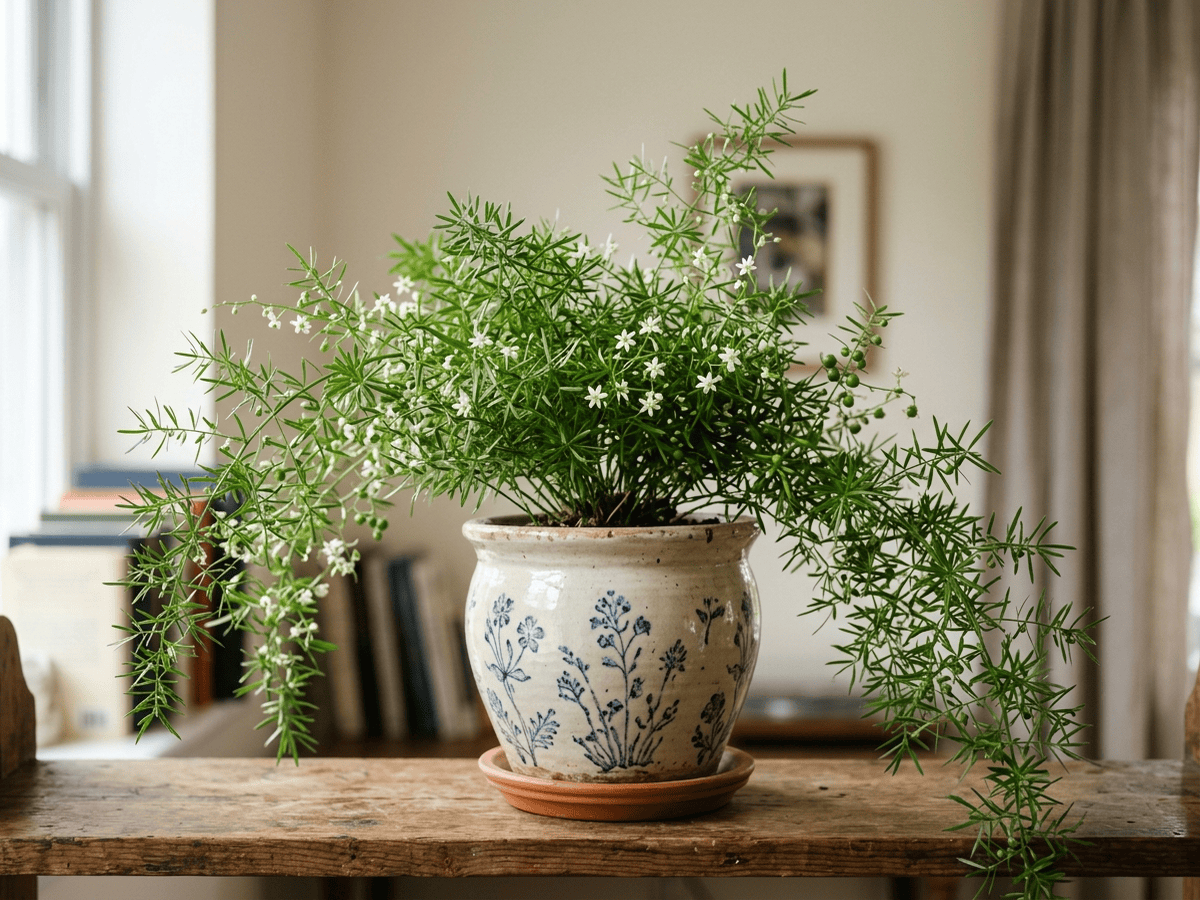 Sprenger's AsparagusAsparagus densiflorus
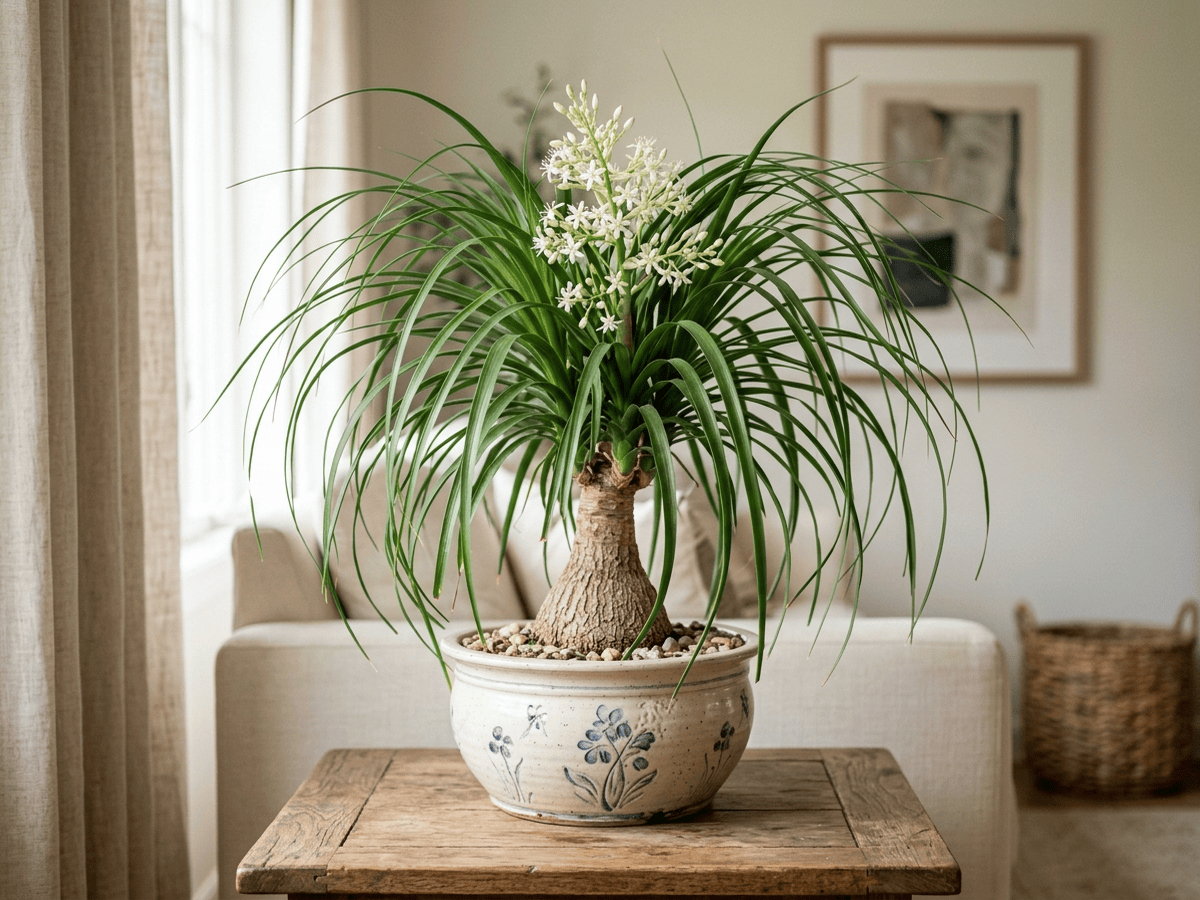 Ponytail PalmBeaucarnea recurvata
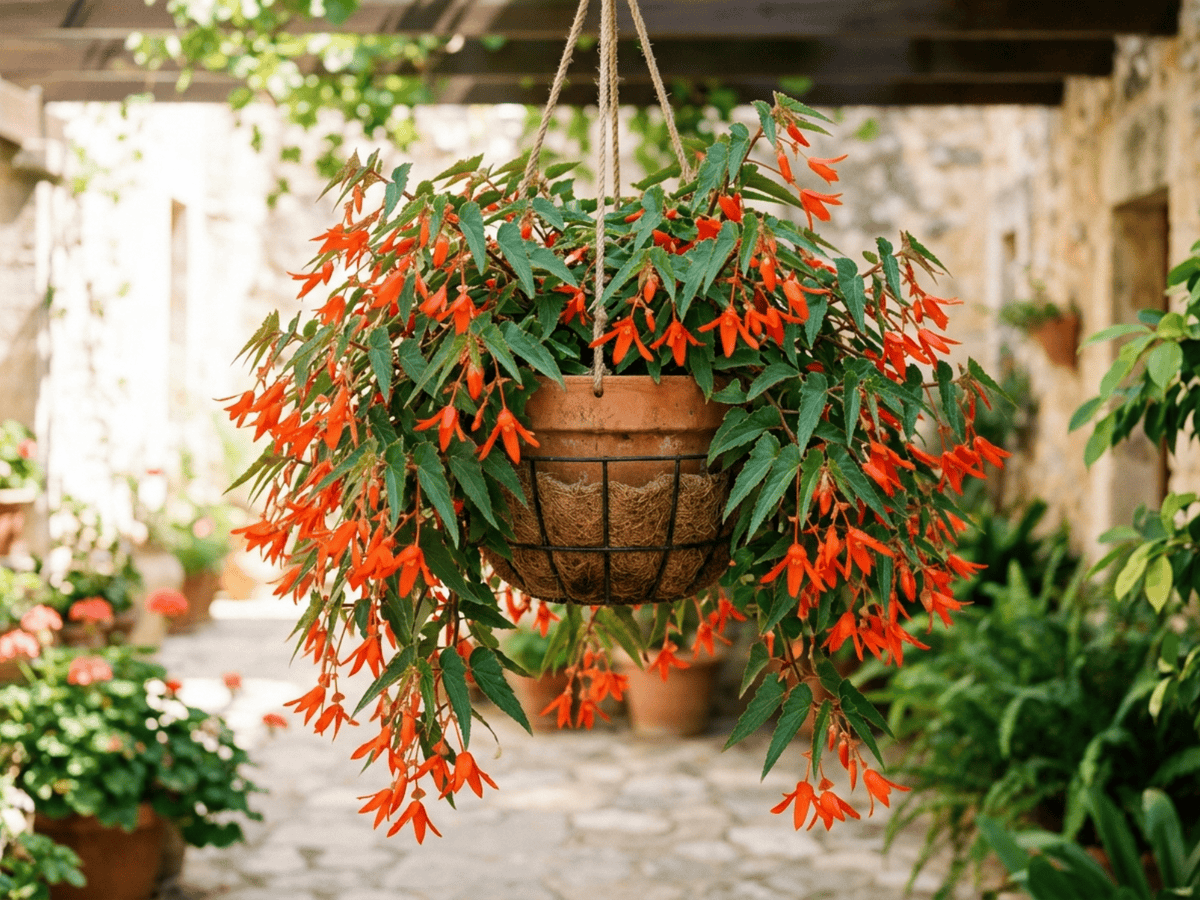 Tuberous BegoniaBegonia boliviensis
Frequently asked questions
How often should I water Dumb Cane?
In summer, water about every 5 days; in winter, about every 14 days. Adjust for heat, pot size and drainage.
How much light does Dumb Cane need?
Part shade: 2–4 hrs direct. Watch the leaves — scorching or stretching means the light needs adjusting.
Is Dumb Cane toxic to cats or dogs?
Pets Moderate (Dogs Moderate · Cats Moderate) Educational information, not medical or veterinary advice. If exposure is suspected, contact a doctor or veterinarian.
Is Dumb Cane easy to grow?
Yes — it is considered an easy, beginner-friendly plant.
Can Dumb Cane be grown indoors?
Yes, it adapts well to indoor growing given the right light.
YardMate
Identify any plant in seconds
Snap a photo — YardMate names the plant, diagnoses problems, and reminds you when to water.
Download on the App Store