 YardMate


Mexican Blood Flower
Distictis buccinatoria
Medium · Some experienceAbout Mexican Blood Flower
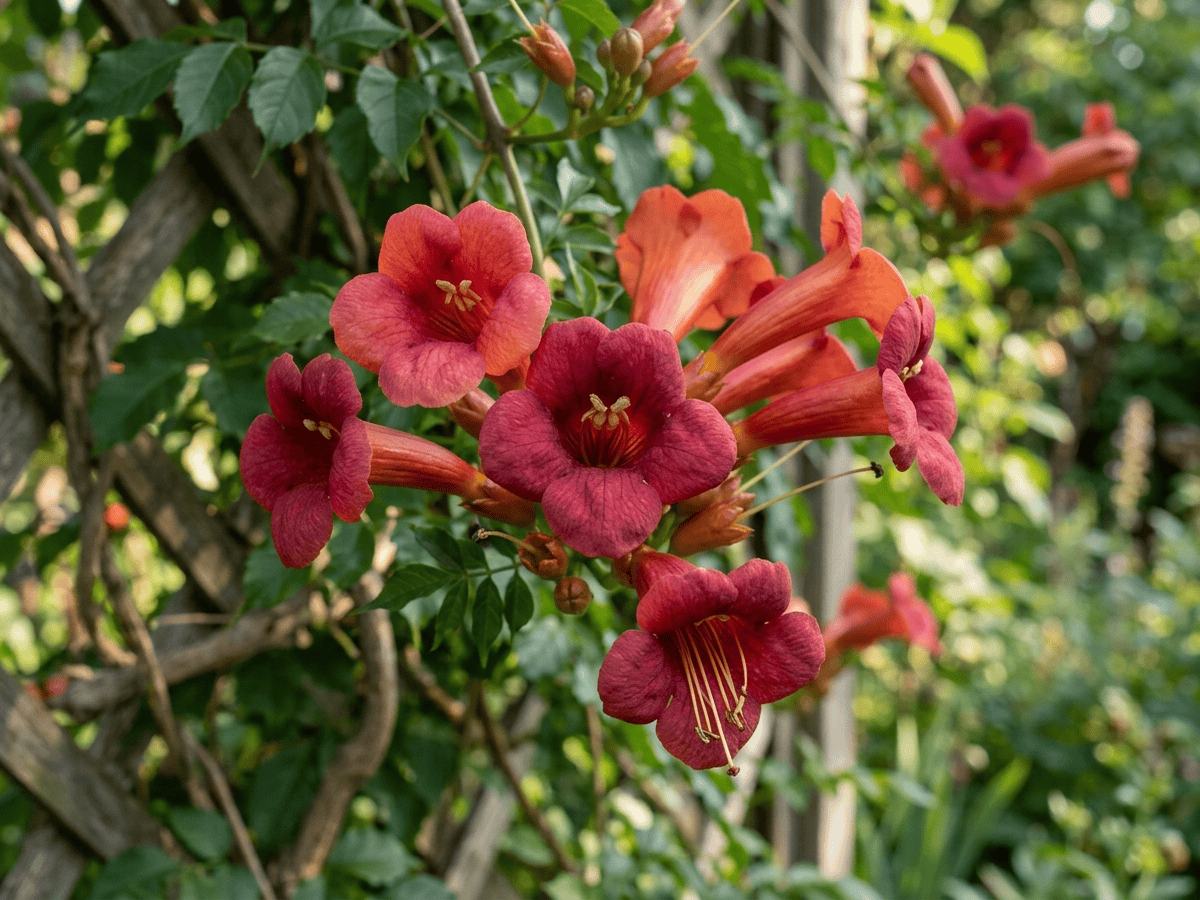
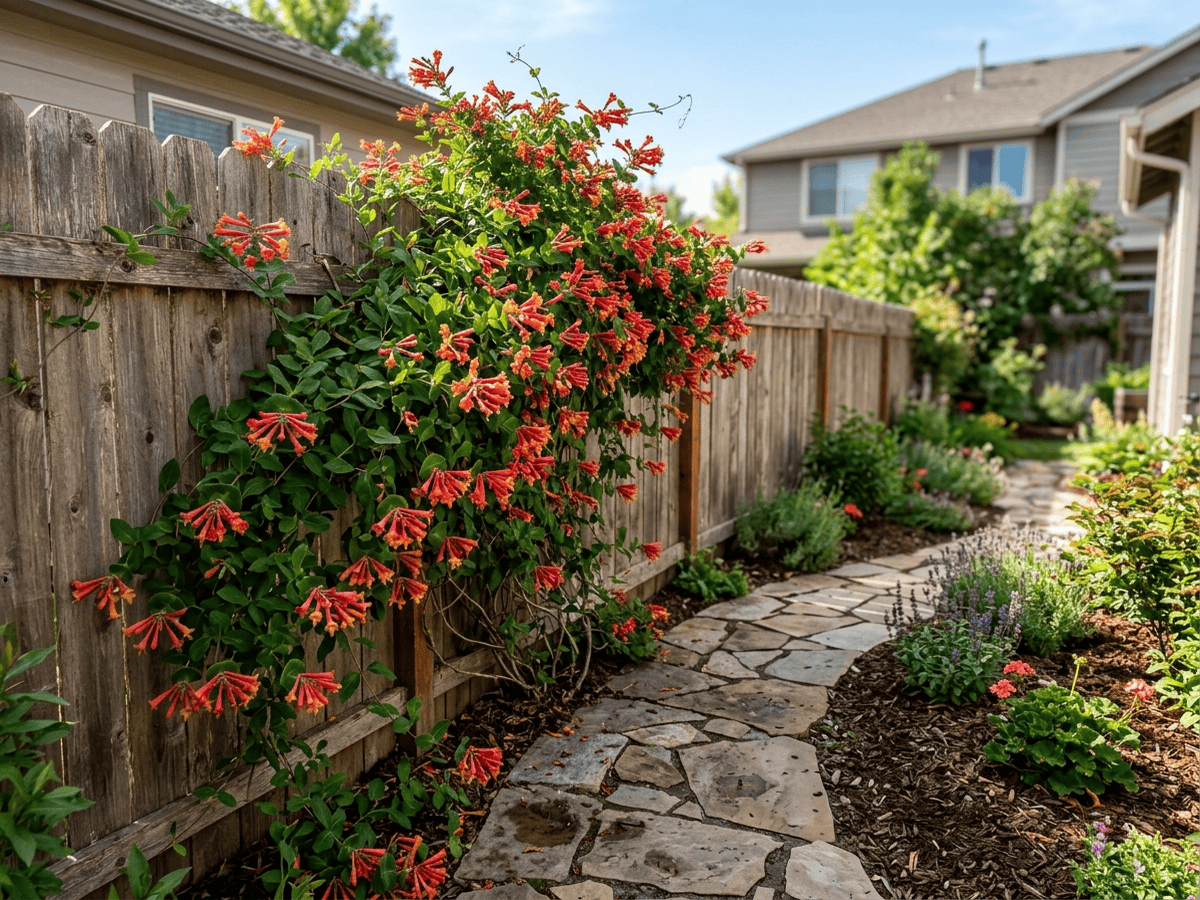
Blood Red Trumpet Vine is a vigorous evergreen tropical climber reaching 20-30 feet, producing clusters of dramatic blood-red trumpet flowers with yellow throats throughout the warm season. Native to Mexico, it thrives in Southern California, Arizona, and Florida where winters remain above 25°F. A favorite for pergolas and large walls in warm-climate US gardens, attracting hummingbirds with its vivid color.
- Evergreen
- Climbing
- Pollinator-friendly
How to care for Mexican Blood Flower
Watering
- Springevery 7 days
- Summerevery 5 days
- Fallevery 10 days
- Winterevery 21 days
Soil · Well-draining
- Top dressingPine bark mulch10%
- Main mixPotting soil + perlite 2:170%
- DrainageLECA / gravel20%
Never skip the drainage layer — standing water is the top cause of root rot.
FERTILIZER
Balanced Feed 14-14-14
An even feed covers all three needs at once, keeping leaves, roots and blooms moving together with nothing pushed out of balance.
- Nitrogen · Leaves
- Phosphorus · Roots + Blooms
- Potassium · Strength
- Springevery 30 days
- Summerevery 45 days
At a Glance
- NativeNorth America
- Height20–30 ft (6.1–9.1 m)
- Spread10–20 ft (3–6.1 m)
- Flower colorRed, Burgundy, Orange
- Foliage colorDark-green, Green
- Fruit colorBrown
- SoilLoamy, Well-drained
- LocationsYard
Bloom time
BLOOM CYCLE
Peak bloom
May–Nov
Blood-red trumpets May to November
Toxicity
No toxicity has been reported for this plant. Still, it is wise to keep pets from chewing on any houseplant.
Educational information, not medical or veterinary advice. If exposure is suspected, contact a doctor or veterinarian.
DISTRIBUTION


- Native
- Introduced
- North America
History
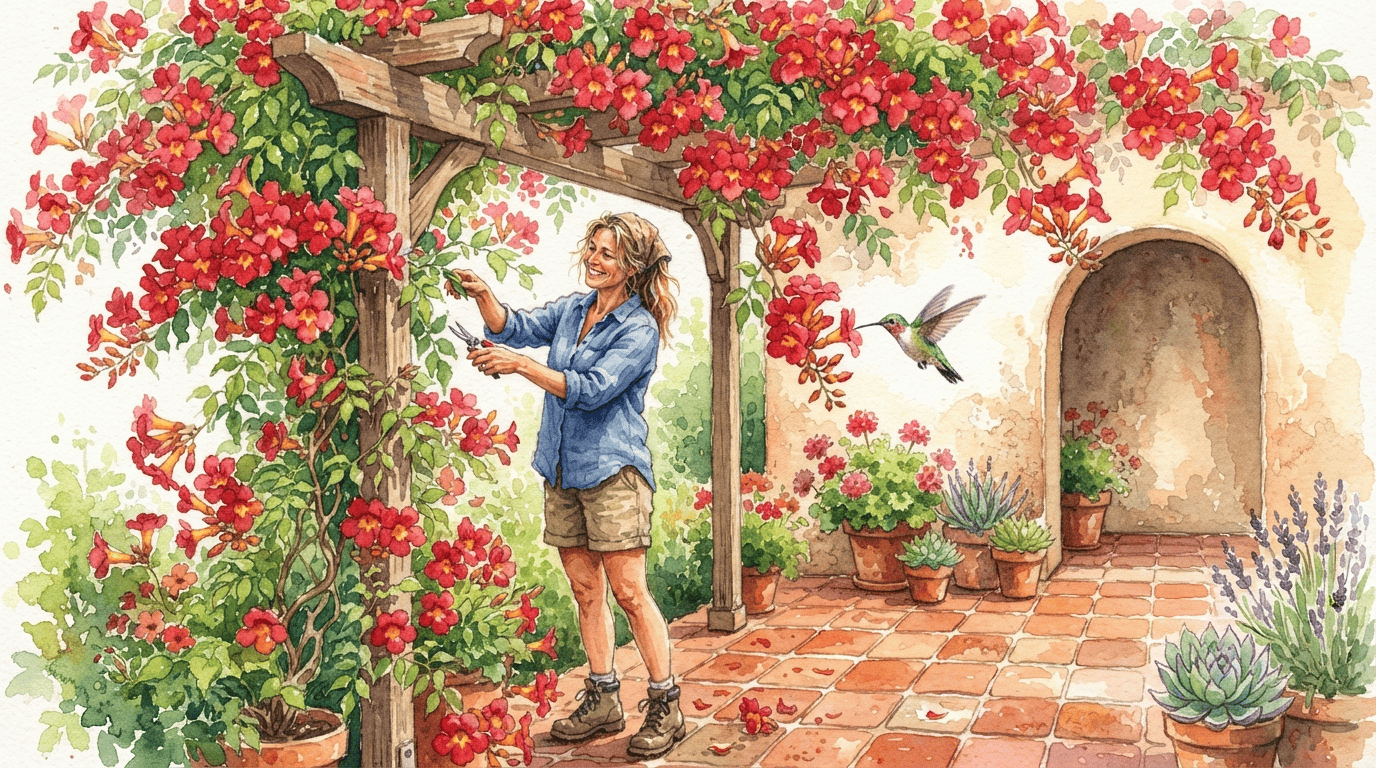
Distictis buccinatoria (now transferred by some authorities to Amphilophium buccinatorium based on molecular data) is native to central and southern Mexico. Austrian botanist Nikolaus Joseph von Jacquin originally described the species in 1804 as Bignonia buccinatoria, the epithet buccinatoria meaning trumpet-shaped from Latin buccinator (trumpeter). American botanist Alwyn H. Gentry transferred it to Distictis in 1975, and subsequent molecular phylogenetic studies placed it in Amphilophium in 2014.
The 10-12 meter vigorous evergreen woody vine attaches via branched tendrils and produces abundant clusters of 10 cm crimson-red trumpet-shaped flowers with yellow-orange throats—extremely showy. In frost-free climates it blooms nearly year-round with peak display in spring and summer. The species is one of the signature flowering vines of frost-free coastal California, Arizona, southern Texas, Florida, and Mediterranean climates worldwide.
Hardy only to about zone 9-10 but recovers from light frost. Attracts hummingbirds strongly. A Mexican native introduced to California horticulture in the mid-20th century, rapidly adopted for its dramatic flowers on warm-climate pergolas. Signature plant of Southern California courtyards and Arizona patios where it provides a burst of tropical color.
Symbolism & meaning
What It Symbolizes
Mexican Blood Flower trumpets desert passion across warm-climate walls, its crimson flares opening in clusters that look almost tropical against adobe and stucco. Hummingbirds flock to it ardent blooms, drawn by the vitality its color promises. It is the climber that turns a dry-country fence into a stage for the most fervent flirtation in the garden.
- Desert passion — tropical intensity in warm-climate gardens
- Vitality — hummingbirds flock to crimson trumpets
Where the Name Comes From
The name Mexican Blood Flower points to Mexico. 'Distictis' from Greek 'dis' (two) and 'stiktos' (spotted); 'buccinatoria' means trumpet-shaped.
Uses & Fun Facts
- Vigorous vine clothes pergolas and large warm-climate trellises
- Blood-red trumpets pull hummingbirds throughout warm season
- Evergreen tropical climber for Southern California and Florida walls
Related plants
Plants with similar care
 Mexican AbeliaAbelia floribunda
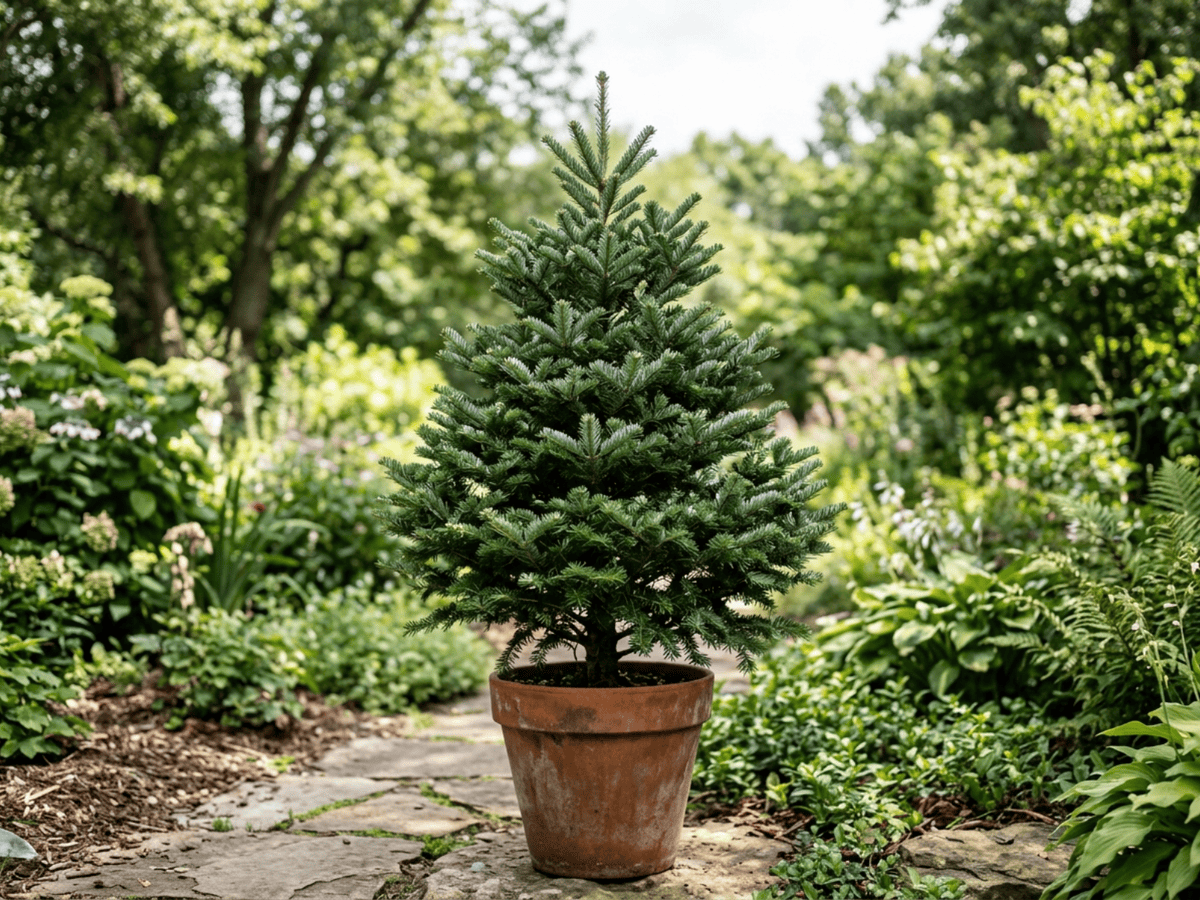 Fraser FirAbies fraseri
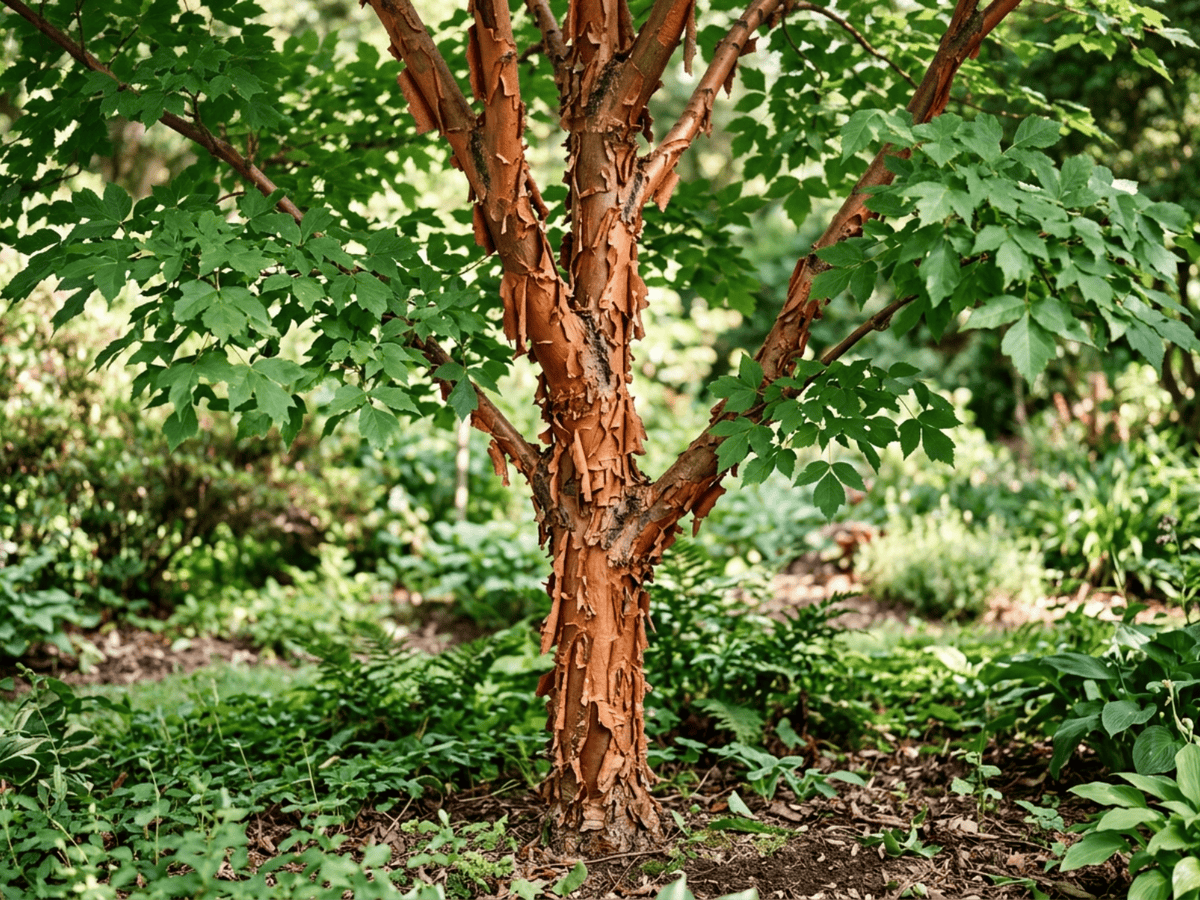 Paperbark MapleAcer griseum
 Sugar MapleAcer saccharum
Frequently asked questions
How often should I water Mexican Blood Flower?
In summer, water about every 5 days; in winter, about every 21 days. Adjust for heat, pot size and drainage.
How much light does Mexican Blood Flower need?
Full sun: 6+ hrs direct. Watch the leaves — scorching or stretching means the light needs adjusting.
Is Mexican Blood Flower toxic to cats or dogs?
No toxicity has been reported for this plant. Still, it is wise to keep pets from chewing on any houseplant. Educational information, not medical or veterinary advice. If exposure is suspected, contact a doctor or veterinarian.
Is Mexican Blood Flower easy to grow?
It is moderately demanding: a good choice once you have a little experience.
When does Mexican Blood Flower bloom?
It typically blooms May–Nov in the Northern Hemisphere.
YardMate
Identify any plant in seconds
Snap a photo — YardMate names the plant, diagnoses problems, and reminds you when to water.
Download on the App Store