 YardMate

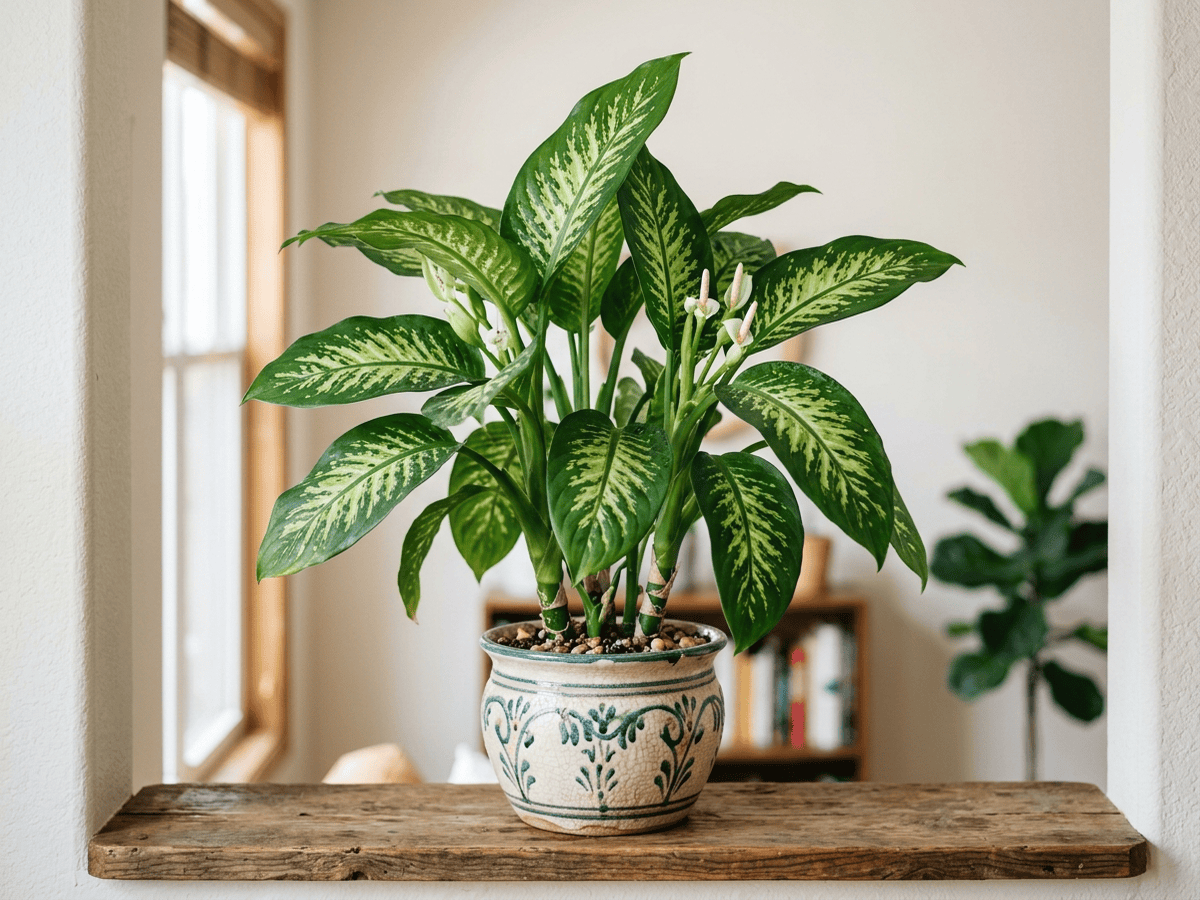


Areca Palm
Dypsis lutescens
Medium · Some experienceAbout Areca Palm
Dypsis lutescens, the areca palm or butterfly palm, is the world's most popular indoor palm, producing graceful arching fronds of narrow leaflets on golden-yellow stems that resemble bamboo canes. Native to Madagascar, where it is endangered in the wild, it thrives as a houseplant worldwide. A cluster of canes topped with feathery fronds creates an instant tropical atmosphere. It is a superb air purifier and natural humidifier — a mature plant can transpire up to a liter of water per day. It prefers bright indirect light and consistent moisture.
- Air-purifying
- Tropical
How to care for Areca Palm
Watering
- Springevery 7 days
- Summerevery 5 days
- Fallevery 10 days
- Winterevery 14 days
Soil · Well-draining
- Main mixLoam + bark + perlite 2:1:175%
- DrainageLECA25%
Bark keeps the mix from compacting under a heavy root ball.
FERTILIZER
Balanced Feed 14-14-14
An even feed covers all three needs at once, keeping leaves, roots and blooms moving together with nothing pushed out of balance.
- Nitrogen · Leaves
- Phosphorus · Roots + Blooms
- Potassium · Strength
- Springevery 30 days
- Summerevery 30 days
- Fallevery 60 days
At a Glance
- NativeAfrica
- Height5–7 ft (1.5–2.1 m)
- Spread3–5 ft (0.9–1.5 m)
- Flower colorYellow, Cream
- Foliage colorGreen, Yellow
- Fruit colorYellow
- SoilLoamy, Well-drained, Rich
- LocationsIndoor · Balcony
Bloom time
BLOOM CYCLE
Peak bloom
Jun–Aug
Small yellow flower clusters; rare indoors
Fragrance
NO FRAGRANCE
Indoor flowering is rare; not notably fragrant.
Toxicity
No toxicity has been reported for this plant. Still, it is wise to keep pets from chewing on any houseplant.
Educational information, not medical or veterinary advice. If exposure is suspected, contact a doctor or veterinarian.
DISTRIBUTION


- Native
- Introduced
- Africa
History

Dypsis lutescens is endemic to a small area of eastern Madagascar, where wild populations have been reduced to scattered remnants and the species is classified as Critically Endangered on the IUCN Red List. That status sits in paradoxical contrast to its cultivation: it is one of the most widely grown indoor palms on earth, with seed production farms in southern India, Malaysia, Costa Rica, and Florida supplying millions of plants annually. Introduced to European horticulture in the 19th century under the now-obsolete name Chrysalidocarpus lutescens (still common in the trade), it became an office and hotel lobby fixture in the mid-20th century.
NASA's 1989 Clean Air Study placed it among the most effective air-filtering houseplants. Non-toxic to pets. Ironically, the world's most common indoor palm is critically endangered in its native Madagascar.
Wild populations are reduced to small forest fragments, threatened by deforestation and habitat loss. Meanwhile, billions of specimens grow in homes, offices, and hotels worldwide. Wolverton's NASA Clean Air Study ranked it among the top ten air-purifying plants. In Indian Ayurvedic tradition, the areca (though a different species, A. catechu, yields betel nut) is considered sacred. The houseplant trade exclusively propagates D. lutescens from seed, with major production in Florida, Hawaii, and Southeast Asia.
Symbolism & meaning
What It Symbolizes
The Areca Palm is elegance in motion, its golden-stemmed fronds arching outward like a slow, refined gesture of welcome. Tropical sophistication is written into every fan of feathery leaflets, even when the palm grows in a bright corner of a temperate living room. Few houseplants speak so clearly of ease, light, and unhurried grace.
- Elegance — Its graceful arching fronds embody tropical sophistication and refined beauty
Where the Name Comes From
The name Areca Palm describes its palm-like silhouette. Dypsis from Greek 'dypto' (to dip/dive), possibly referring to drooping fruit clusters. Lutescens means 'becoming yellow,' for the golden stems.
Uses & Fun Facts
- Most popular indoor palm for bright living rooms and lobbies
- Clustering canes form tropical privacy screens outdoors in warm zones
- Golden stems and arching fronds soften tropical landscape edges
Related plants
Plants with similar care
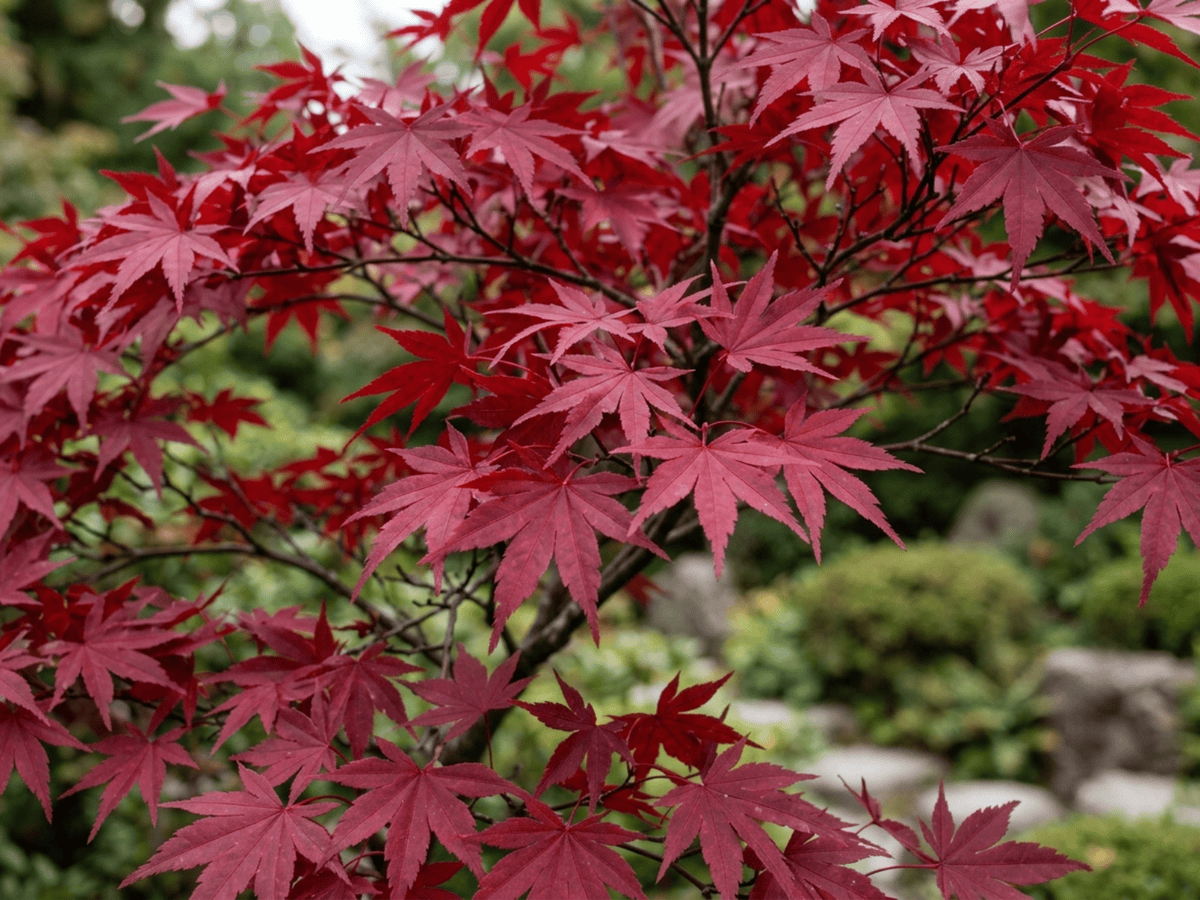 Japanese MapleAcer palmatum
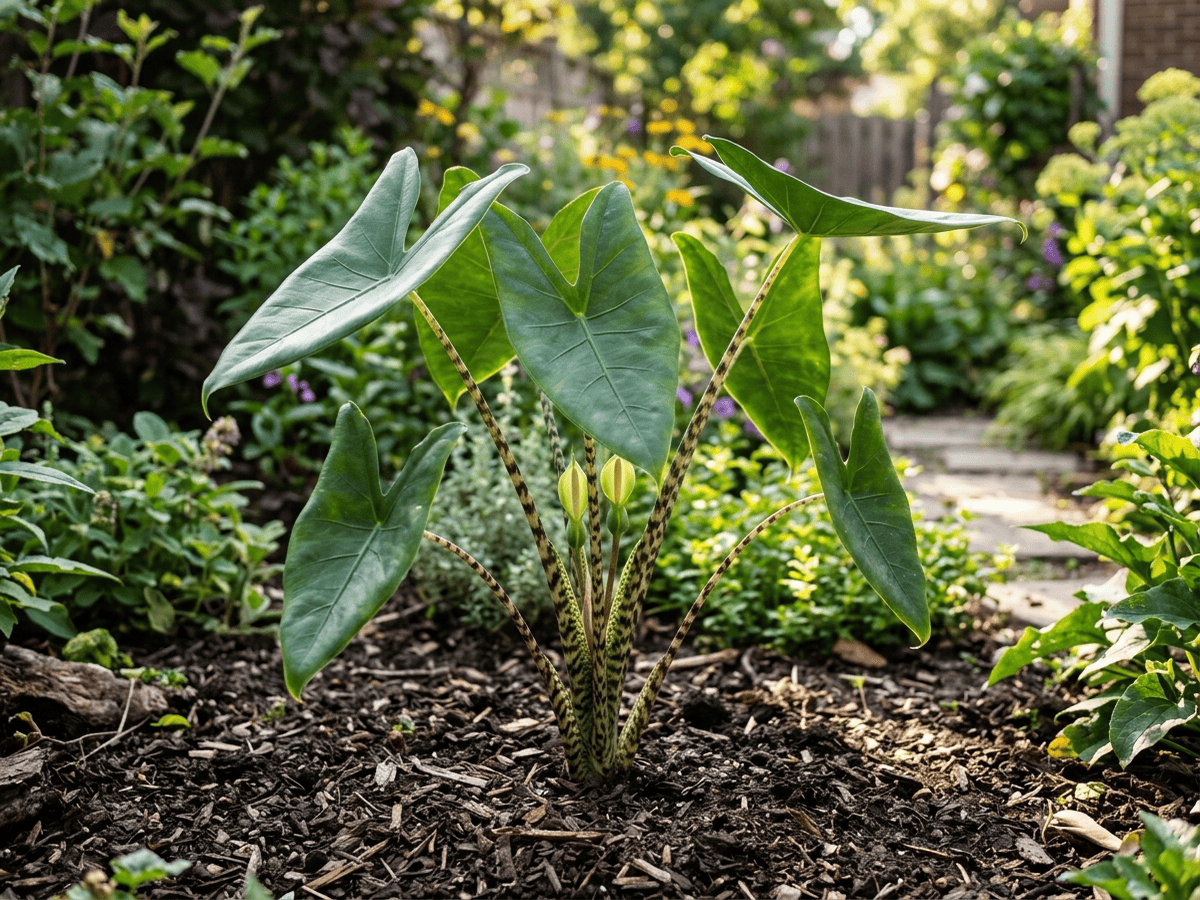 Alocasia zebrinaAlocasia zebrina
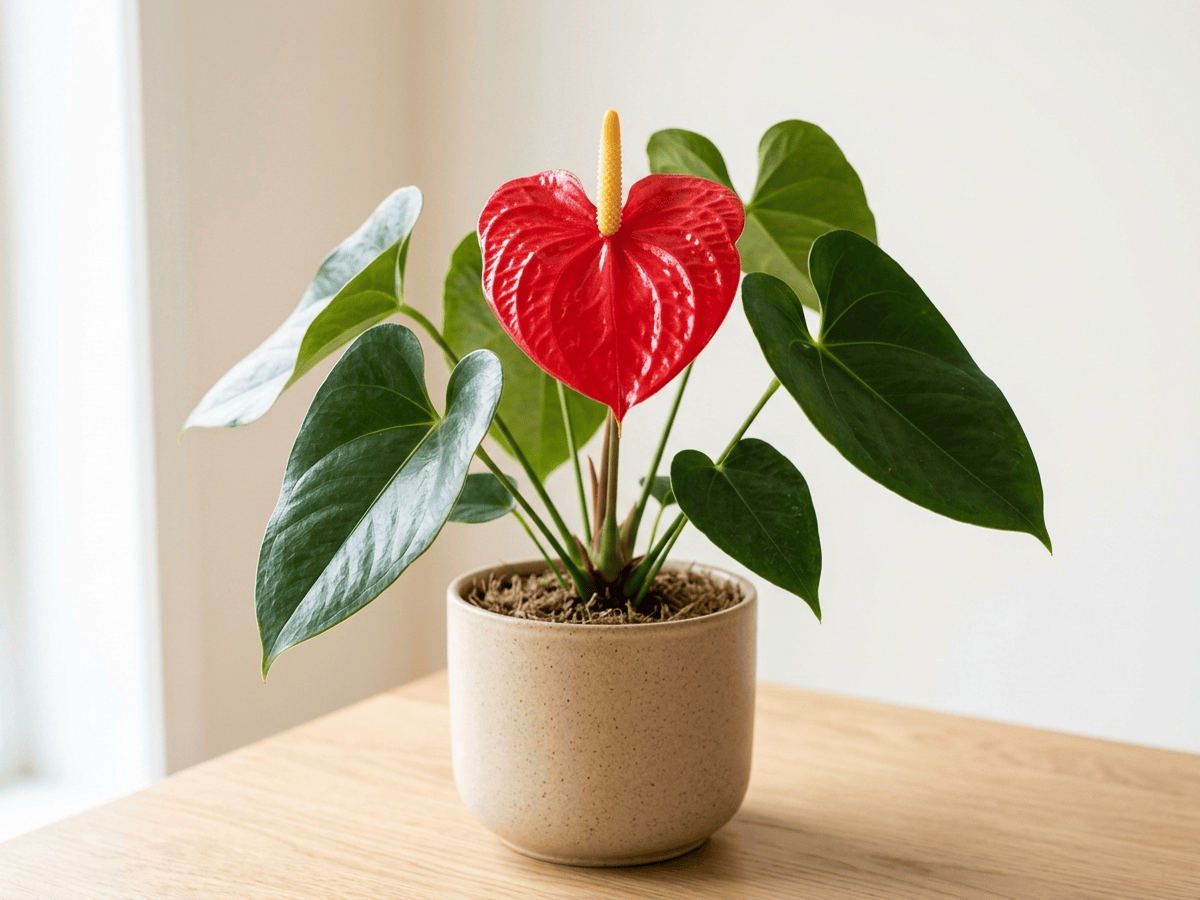 Painter's-PaletteAnthurium andraeanum
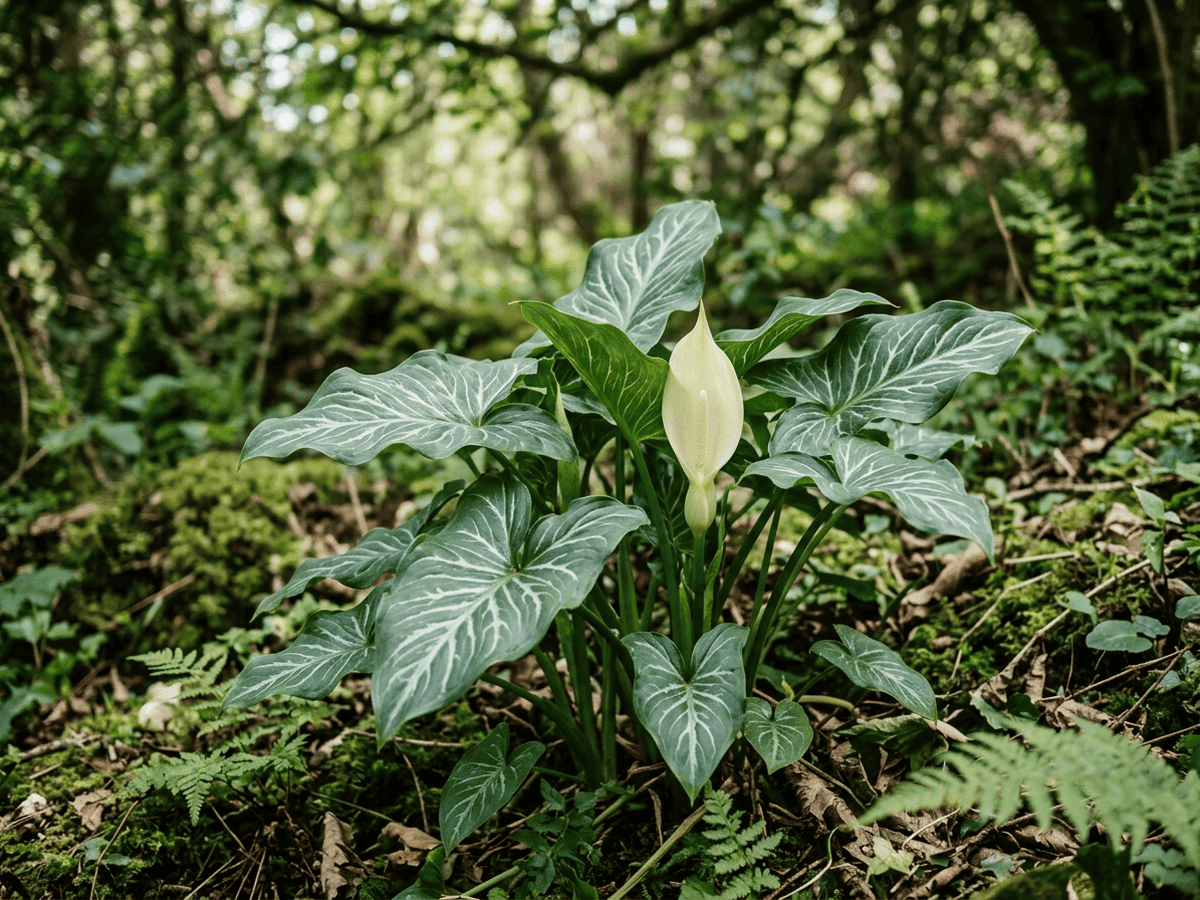 Italian ArumArum italicum
Frequently asked questions
How often should I water Areca Palm?
In summer, water about every 5 days; in winter, about every 14 days. Adjust for heat, pot size and drainage.
How much light does Areca Palm need?
Part shade: 2–4 hrs direct. Watch the leaves — scorching or stretching means the light needs adjusting.
Is Areca Palm toxic to cats or dogs?
No toxicity has been reported for this plant. Still, it is wise to keep pets from chewing on any houseplant. Educational information, not medical or veterinary advice. If exposure is suspected, contact a doctor or veterinarian.
Is Areca Palm easy to grow?
It is moderately demanding: a good choice once you have a little experience.
Can Areca Palm be grown indoors?
Yes, it adapts well to indoor growing given the right light.
When does Areca Palm bloom?
It typically blooms Jun–Aug in the Northern Hemisphere.
YardMate
Identify any plant in seconds
Snap a photo — YardMate names the plant, diagnoses problems, and reminds you when to water.
Download on the App Store