 YardMate
Italian Arum
Arum italicum
Medium · Some experienceAbout Italian Arum
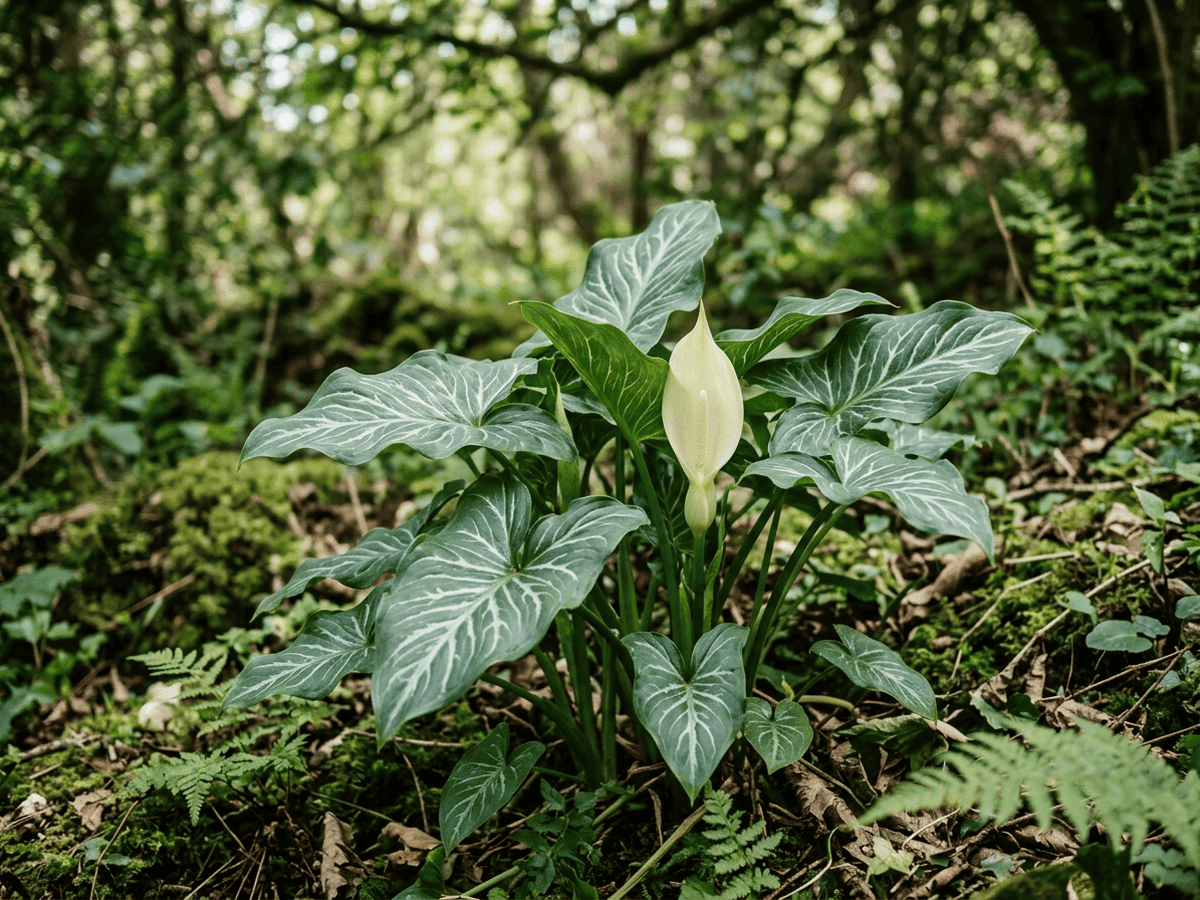
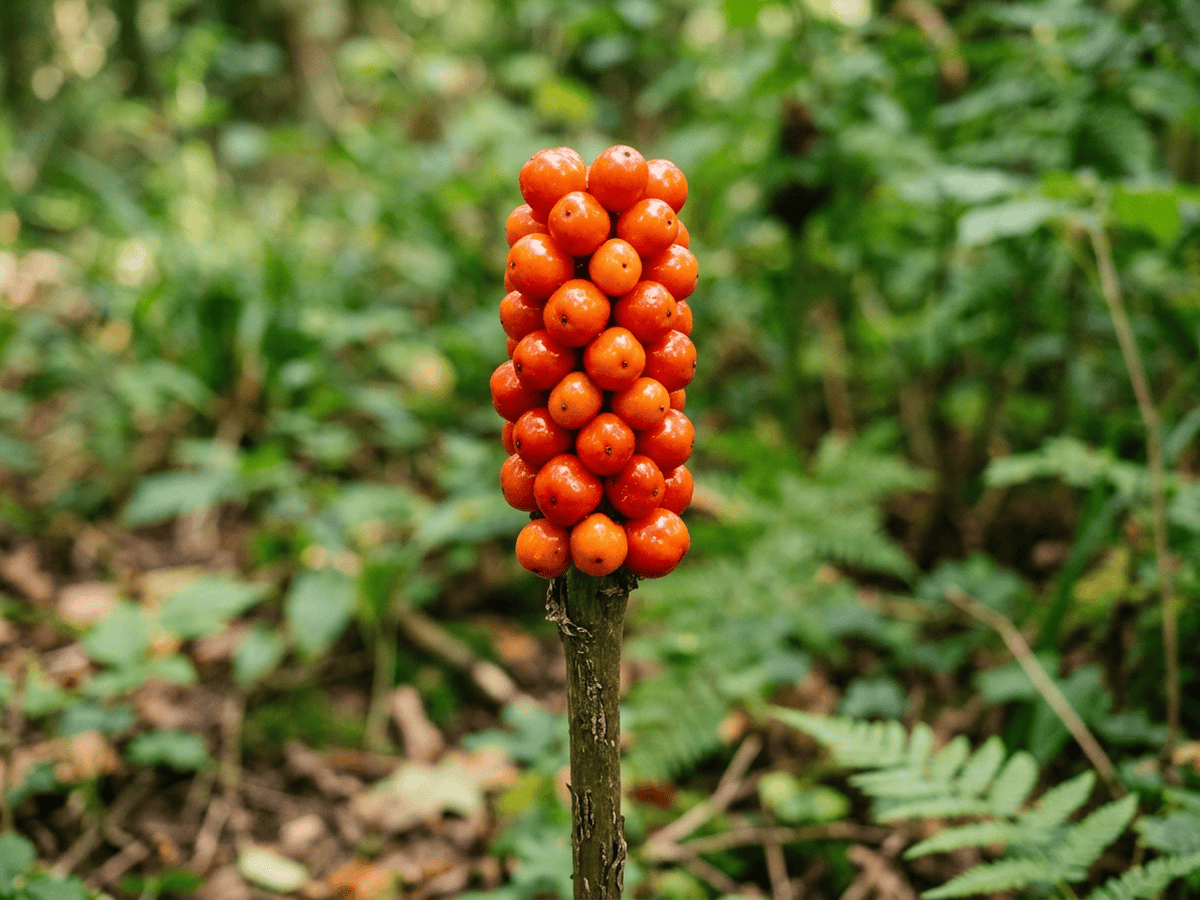
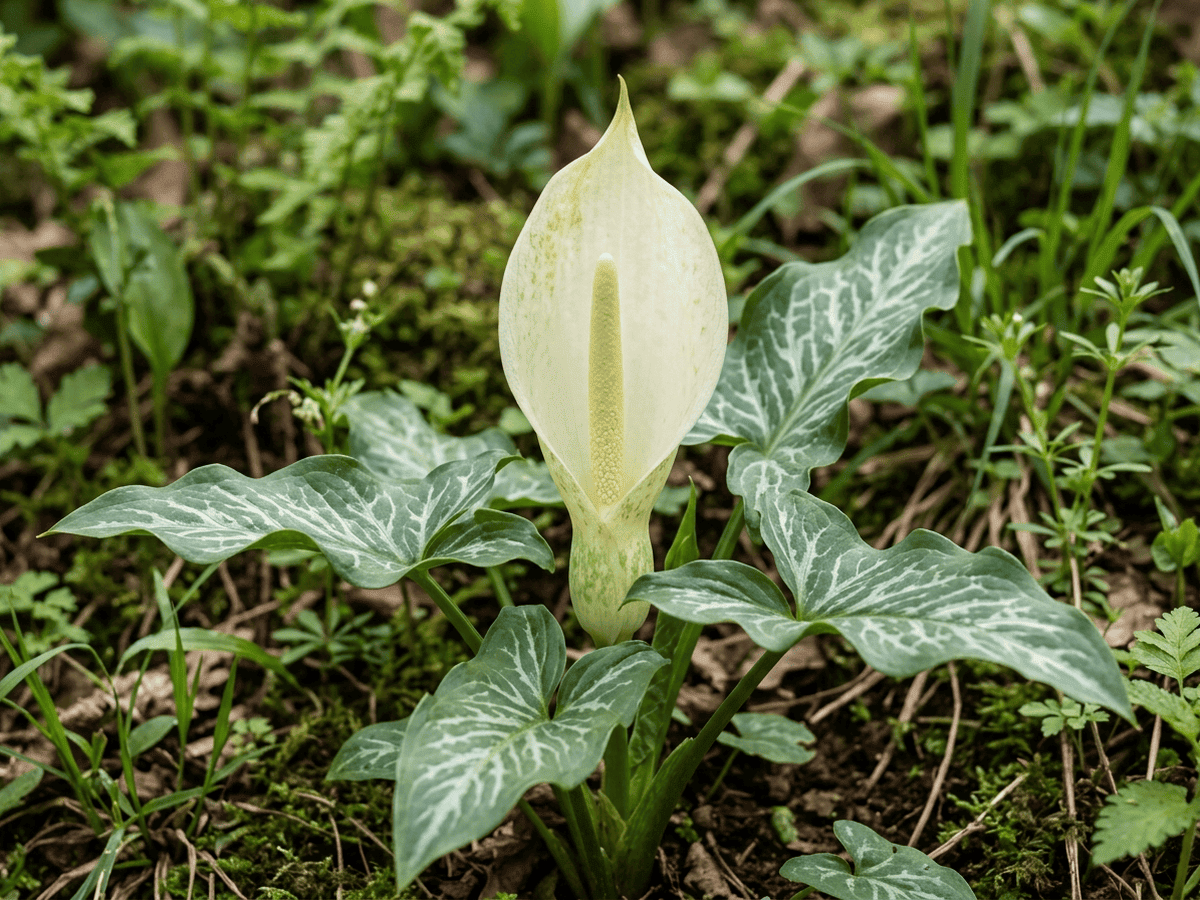
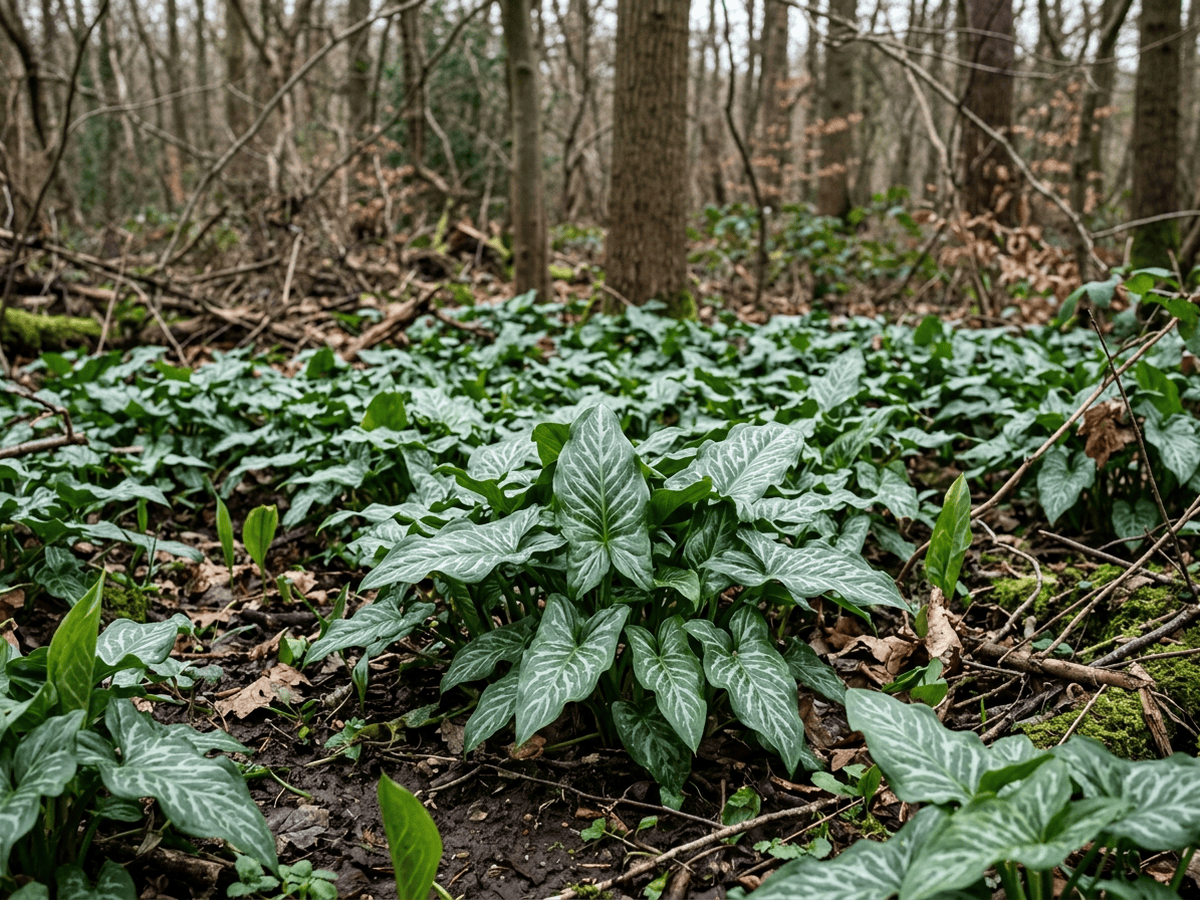
Arum italicum, the Italian Arum, is a winter-growing perennial native to the Mediterranean region, distinctive for its arrow-shaped dark-green leaves beautifully marked with silver-white veins that emerge in autumn and persist through spring. The creamy-white spathe flowers appear in April–May, followed by dramatic bare stalks tipped with dense clusters of brilliant orange-red berries in late summer—perhaps its most striking feature. Thriving in woodland shade and damp spots, it fills the garden in the dormant season when most other plants have died back.
- Cold-hardy
- Drought-tolerant
- Shade-tolerant
- Showy-fruit
How to care for Italian Arum
Watering
- Springevery 7 days
- Summerevery 5 days
- Fallevery 15 days
- Winterevery 30 days
Soil · Chunky & airy
- Top dressingBark chips10%
- Main mixBark + potting soil + perlite 1:1:170%
- DrainageLECA20%
Chunky pieces hold air pockets open so thick roots don't suffocate.
FERTILIZER
Balanced Feed 14-14-14
An even feed covers all three needs at once, keeping leaves, roots and blooms moving together with nothing pushed out of balance.
- Nitrogen · Leaves
- Phosphorus · Roots + Blooms
- Potassium · Strength
- Springevery 30 days
- Summerevery 30 days
- Fallevery 30 days
At a Glance
- NativeEurope
- Height1.5–2.5 ft (0.5–0.8 m)
- Spread1–2 ft (0.3–0.6 m)
- Flower colorWhite, Green
- Foliage colorGreen
- SoilMoist, Well-drained, Neutral
- LocationsYard · Balcony
Bloom time
BLOOM CYCLE
Peak bloom
Apr–May
The Italian arum produces unique spathes in spring, attracting pollinators while adding visual interest.
Fragrance
NO FRAGRANCE
The spadix produces a faint unpleasant thermogenic odor to attract pollinators; not ornamentally fragrant.
Toxicity
Humans Toxic
calcium oxalate crystals and aromatic irritants
Toxic
- All
- Berry
- Leaf
- Root
- Sap
- Ingestion
- Contact
EXPOSURE Eating any part of the plant, berries, leaves, roots, and sap. Touching any part of the plant, berries, leaves, roots, and sap.
EFFECT Intense burning of mouth and throat, blistering, skin irritation, vomiting, diarrhea, and difficulty swallowing.
NOTE All parts are highly toxic. Calcium oxalate crystals cause intense burning and blistering of mouth and throat on contact. The attractive orange-red berries are especially dangerous to children and pets. Keep away from all household animals.
Unknown
EXPOSURE No exposure route is reported.
EFFECT No toxic effect is reported.
NOTE Toxicity for dogs is not well documented; use caution until verified.
Unknown
EXPOSURE No exposure route is reported.
EFFECT No toxic effect is reported.
NOTE Toxicity for cats is not well documented; use caution until verified.
Educational information, not medical or veterinary advice. If exposure is suspected, contact a doctor or veterinarian.
DISTRIBUTION


- Native
- Introduced
- Europe
History

Arum italicum has been known to herbalists and physicians since classical antiquity. Dioscorides described Arum species in his first-century De Materia Medica, noting the burning sensation caused by the raw corm and recommending it—processed and dried—for skin ailments, snake bites, and as a purgative. The hazard of the raw plant was well understood: calcium oxalate crystals in every part of the plant cause intense burning of the mouth and throat upon contact.
In Britain and France, the starchy corms of the closely related Arum maculatum—and sometimes Arum italicum—were processed through labor-intensive washing and drying into a white starch used for stiffening the elaborate ruffs that were fashionable in Elizabethan and Stuart dress. This starch, known as 'Portland Arrowroot' or 'Portland Sago,' was produced commercially on the Isle of Portland, Dorset through the 17th and 18th centuries. The work was brutal: laundresses who handled the raw corm suffered severe skin blistering and cracking of the hands, and the trade caused ongoing occupational injury.
In Victorian garden design, Arum italicum subsp. italicum 'Marmoratum' (silver-veined Italian Arum) became prized as a foliage plant, its pale-marbled leaves filling shaded beds through the cold months when most plants were bare. The bright orange berry clusters, appearing on bare stalks in late summer, became valued in floral arrangements.
Today, gardeners prize Arum italicum for its reverse growing habit—providing foliage interest through autumn and winter, then retreating underground just as summer plants take over—and for the dramatic orange berry display that follows its spring flowers.
Symbolism & meaning
What It Symbolizes
Few plants play so cleverly with expectation. The Italian Arum grows in winter and sleeps in summer, so that the gardener who plants it must wait months to see it emerge. Then the orange berries appear—vivid, perfect, clustered like jewels—after the leaves have gone, as if the plant leaves a parting gift. That gift, of course, is toxic. It is a plant that rewards patience and punishes the unwary.
- mystery — Emerging in autumn when other plants die, vanishing in summer just as they revive—the Italian Arum lives by a hidden calendar, its beauty reserved for winter.
- warning — The brilliant orange berries look inviting but are poisonous: a plant whose most beautiful feature is its most dangerous.
Where the Name Comes From
The genus name Arum comes from the Greek 'aron,' used by Theophrastus and Dioscorides for this plant and related species. The species epithet italicum means 'of Italy' in Latin, reflecting the plant's prevalence in the Italian peninsula, though it is native across the broader Mediterranean region.
Uses & Fun Facts
- Silver-veined winter foliage fills shaded beds from October to May; brilliant orange-red berry clusters decorate bare stalks in late summer
- Dried corms historically processed into Portland Arrowroot, a laundry starch used to stiffen Elizabethan and Stuart ruffs and collars
Related plants
Plants with similar care
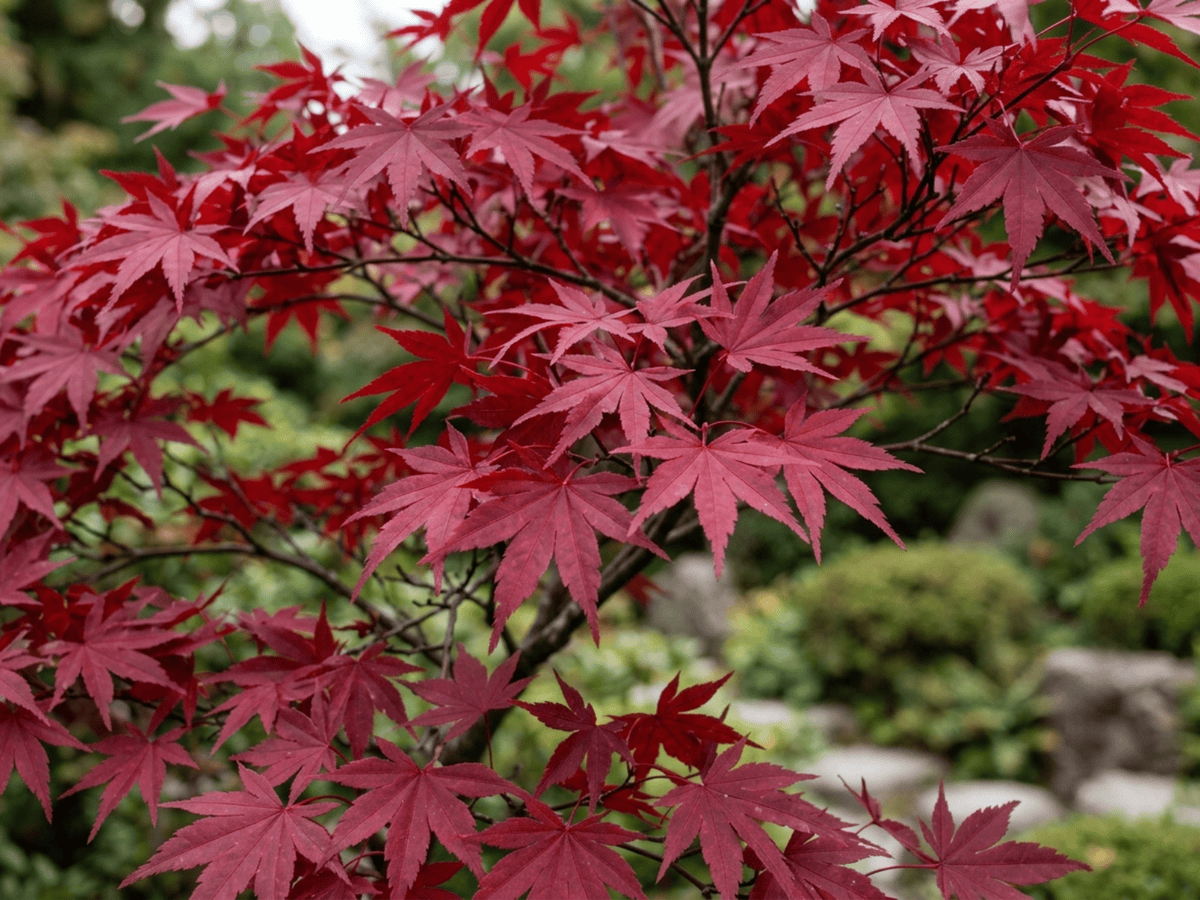 Japanese MapleAcer palmatum
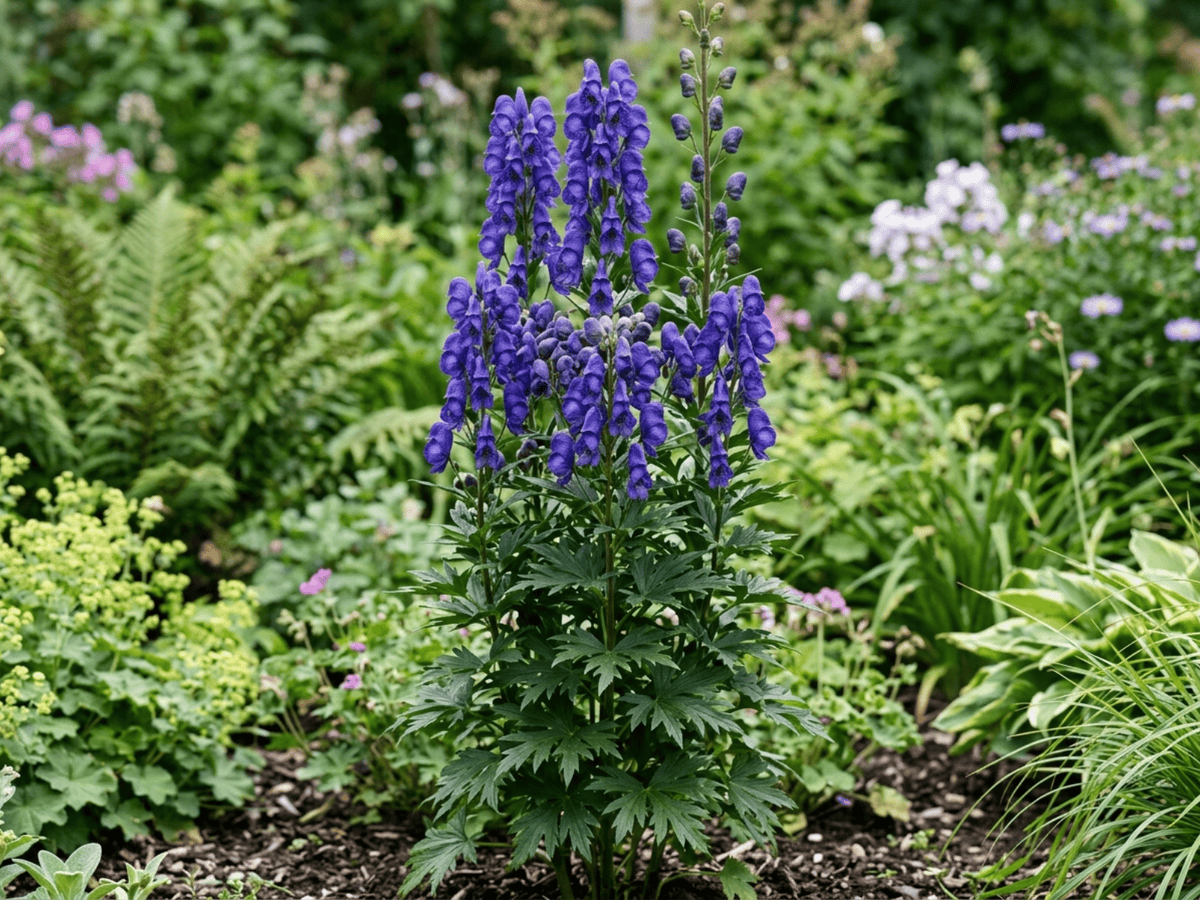 Azure MonkshoodAconitum carmichaelii
 Florida HobblebushAgarista populifolia
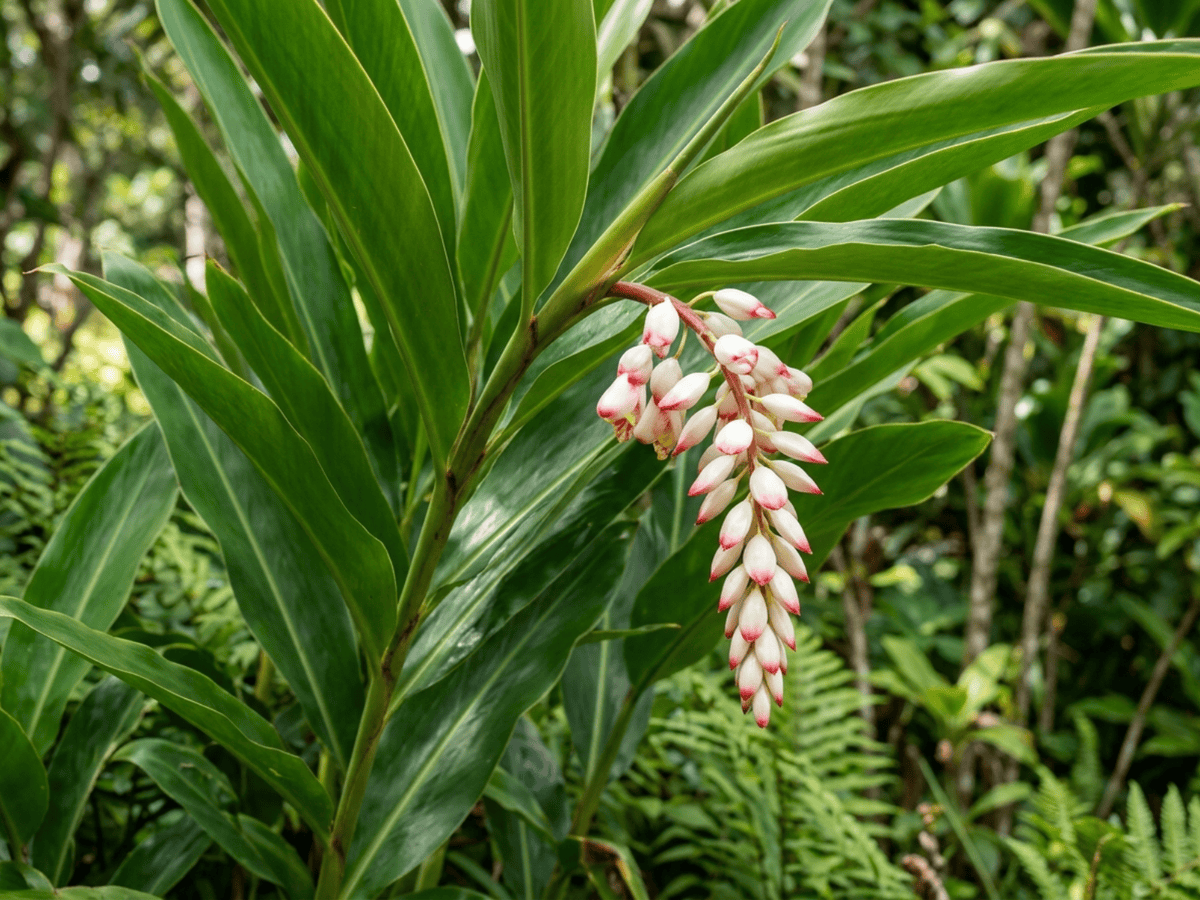 Shell GingerAlpinia zerumbet
Frequently asked questions
How often should I water Italian Arum?
In summer, water about every 5 days; in winter, about every 30 days. Adjust for heat, pot size and drainage.
How much light does Italian Arum need?
Part shade: 2–4 hrs direct. Watch the leaves — scorching or stretching means the light needs adjusting.
Is Italian Arum toxic to cats or dogs?
Pets Unknown (Dogs Unknown · Cats Unknown) Educational information, not medical or veterinary advice. If exposure is suspected, contact a doctor or veterinarian.
Is Italian Arum easy to grow?
It is moderately demanding: a good choice once you have a little experience.
When does Italian Arum bloom?
It typically blooms Apr–May in the Northern Hemisphere.
YardMate
Identify any plant in seconds
Snap a photo — YardMate names the plant, diagnoses problems, and reminds you when to water.
Download on the App Store