 YardMate
Green Bugloss
Echium virescens
Hard · Experienced growersAbout Green Bugloss
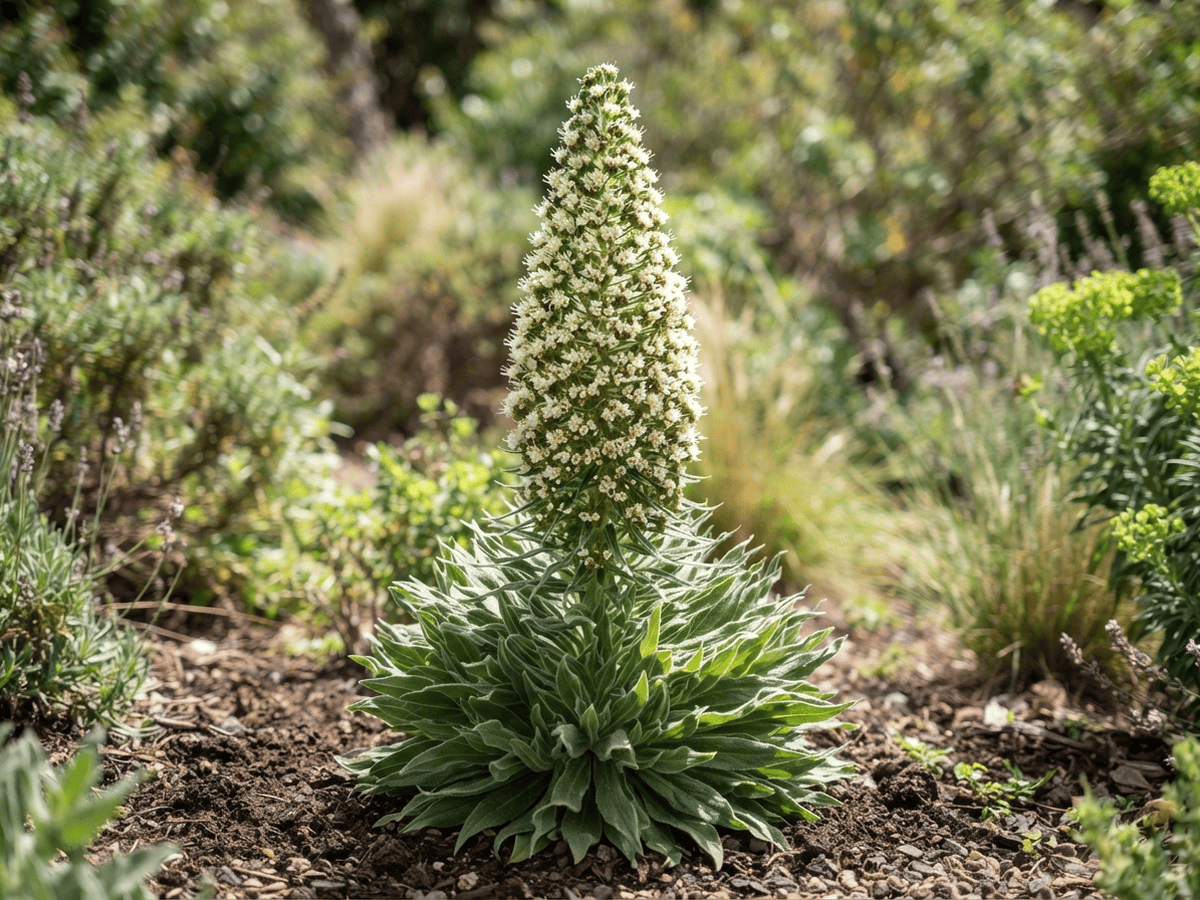
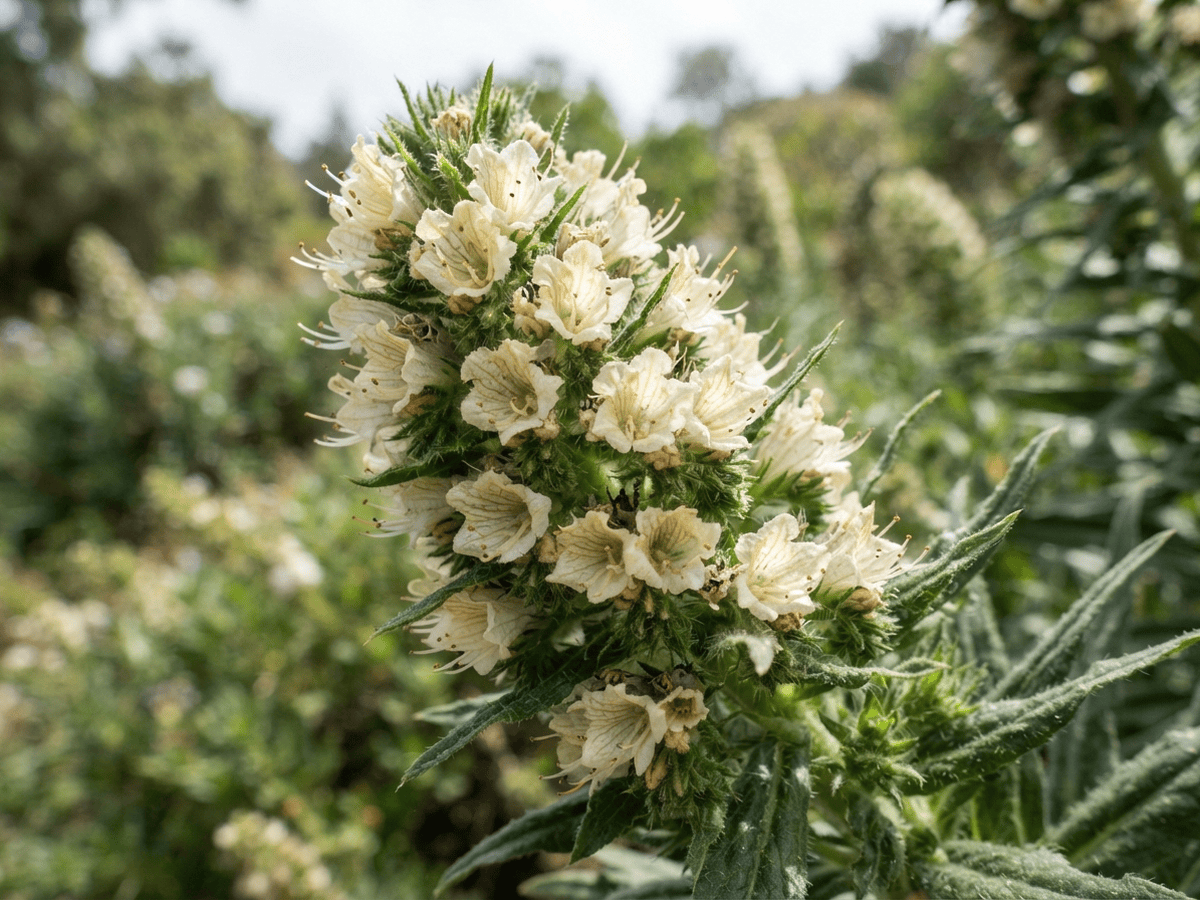
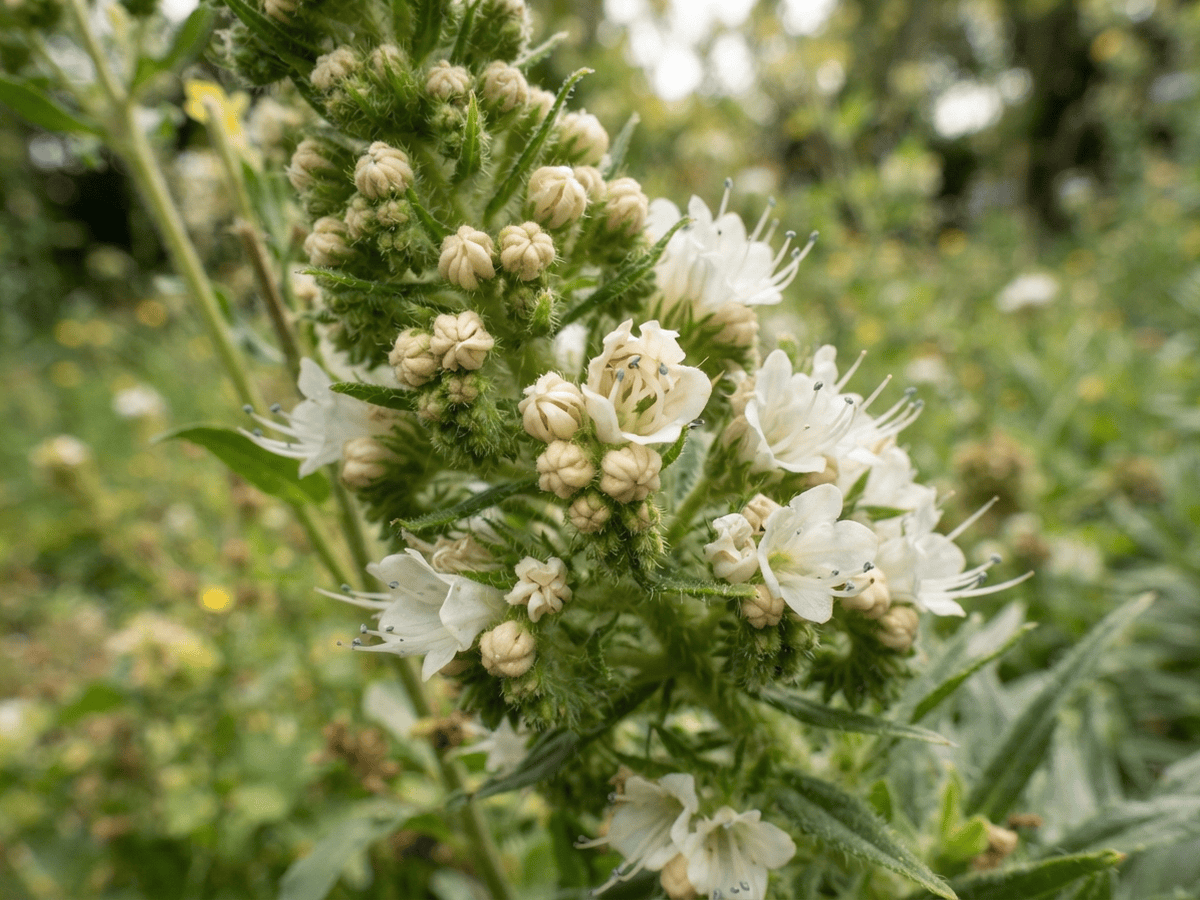
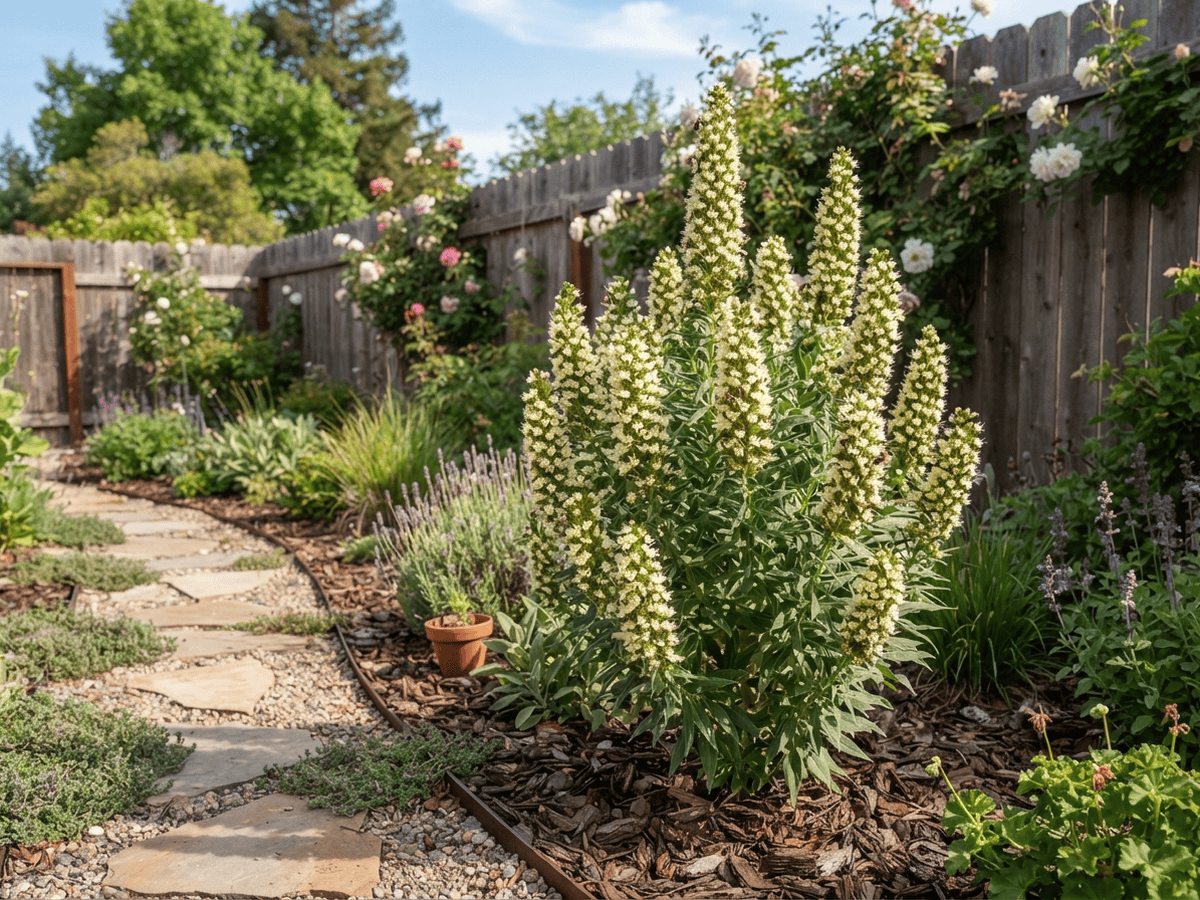
Green Bugloss is a fast-growing, short-lived evergreen shrub endemic to the Canary Islands, prized for its narrow, silvery-green leaves and tall, upright flower spikes. Unlike its more flamboyant blue and red island relatives, its flowers open a pale, greenish-cream and age softly toward pink, giving the plant its distinctive, understated character. Blooming heavily through summer, the spikes are magnets for bees and other pollinators. Compact and drought-tolerant once established, it thrives in full sun on lean, well-drained soil, making it a striking accent for rock gardens, coastal plantings, and dry Mediterranean-style borders.
- Drought-tolerant
- Pollinator-friendly
- Long-blooming
- Fast-growing
How to care for Green Bugloss
Watering
- Springevery 10 days
- Summerevery 5 days
- Fallevery 15 days
- Winterpause watering
Soil · Well-draining
- Top dressingPine bark mulch10%
- Main mixPotting soil + perlite 2:170%
- DrainageLECA / gravel20%
Never skip the drainage layer — standing water is the top cause of root rot.
FERTILIZER
- Springevery 30 days
- Summerevery 30 days
At a Glance
- NativeAfrica
- Height3–4 ft (0.9–1.2 m)
- Spread3–4 ft (0.9–1.2 m)
- Flower colorCream
- Foliage colorGreen
- SoilWell-drained, Moist
- LocationsYard · Patio
Bloom time
BLOOM CYCLE
Peak bloom
Jun–Aug
This plant's flowers typically bloom in summer, attracting many pollinators.
Fragrance
NO FRAGRANCE
The flower spikes carry little noticeable scent, relying on color and abundant nectar rather than fragrance to draw in bees.
Toxicity
Humans Slight
pyrrolizidine alkaloids
Slight
- Leaf
- Stem
- Ingestion
EXPOSURE Eating leaves and stems.
EFFECT Mild gastrointestinal upset; foliage contains pyrrolizidine alkaloids linked to liver effects with repeated ingestion over time.
NOTE Like other members of the borage family, the foliage contains pyrrolizidine alkaloids. Casual contact is not a concern, but the plant should not be eaten in quantity by people or pets.
Unknown
EXPOSURE No exposure route is reported.
EFFECT No toxic effect is reported.
NOTE Toxicity for dogs is not well documented; use caution until verified.
Unknown
EXPOSURE No exposure route is reported.
EFFECT No toxic effect is reported.
NOTE Toxicity for cats is not well documented; use caution until verified.
Educational information, not medical or veterinary advice. If exposure is suspected, contact a doctor or veterinarian.
DISTRIBUTION


- Native
- Africa
History
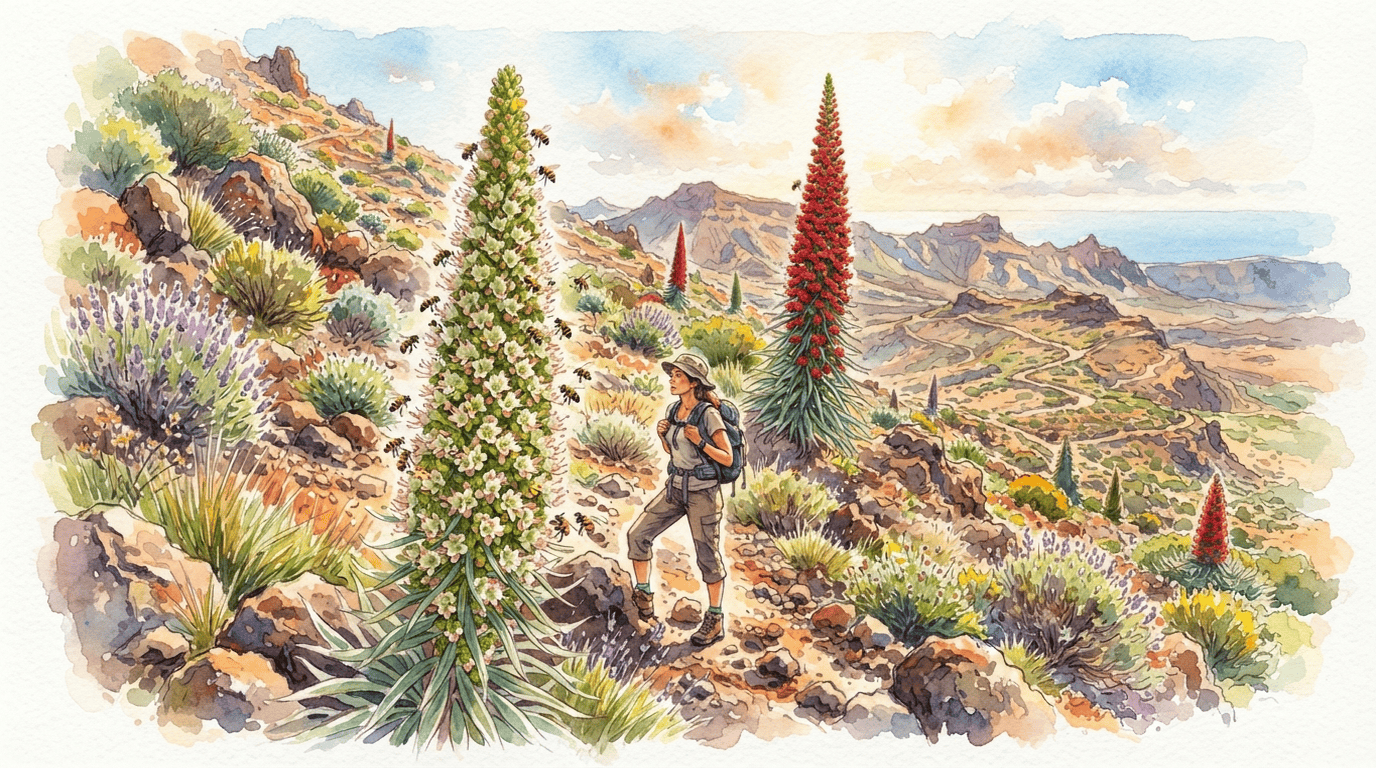
The Canary Islands are one of botany's favorite examples of evolution working in fast motion. A single ancestral Echium that arrived on the volcanic archipelago diversified into more than twenty distinct species, each adapted to a different island, elevation, and rainfall pattern — from the towering red flower spires of Mount Teide's Echium wildpretii to the sprawling blue-purple shrubs found near the coast. Green Bugloss is this family's quiet outlier. While its cousins compete for attention with saturated color, it holds onto pale, greenish-cream flowers that fade to soft pink with age, a trait so distinctive that botanists named the species virescens, simply 'turning green,' rather than reaching for a more dramatic descriptor.
That restraint hasn't hurt its usefulness. Bees on Tenerife and the other islands where it grows work its long flower spikes just as readily as they do its flashier relatives, and the plant's ability to establish on thin, rocky, sun-baked slopes has made it a survivor on cliffs and volcanic scree where richer soil never accumulates. Botanists studying the islands' Echium radiation have long used species like Green Bugloss as a natural laboratory for understanding how flower color itself evolves, whether it shifts to attract particular pollinators or simply drifts once a population is isolated long enough on its own patch of volcanic rock. Carried off the islands by collectors captivated by the wider genus, it now grows in dry gardens far from the Atlantic cliffs where it first took root.
Symbolism & meaning
What It Symbolizes
Among the Canary Islands' famously flamboyant Echium relatives, Green Bugloss stands out by holding back — its pale, muted flower spikes have made it a quiet emblem of resilience and individuality, thriving on bare volcanic rock where showier plants can't take hold.
- Quiet Resilience — Thriving on bare volcanic rock where showier plants can't get a foothold, Green Bugloss has become a symbol of understated toughness.
- Individuality — Its pale, muted flowers set it apart from its flamboyant island relatives, making it an emblem of standing out by holding back.
Where the Name Comes From
The species name virescens is Latin for 'turning green,' describing the plant's unusually pale, greenish-cream flowers — a quiet counterpoint to the vivid blues and reds of its more famous Echium relatives from the same volcanic islands.
Uses & Fun Facts
- Long flower spikes bloom heavily through summer and are a favorite forage source for bees.
- Its tall, architectural flower spikes and silvery foliage add vertical interest to rock gardens and dry borders.
- Provides nectar for pollinators through a long summer bloom season.
Related plants
Plants with similar care
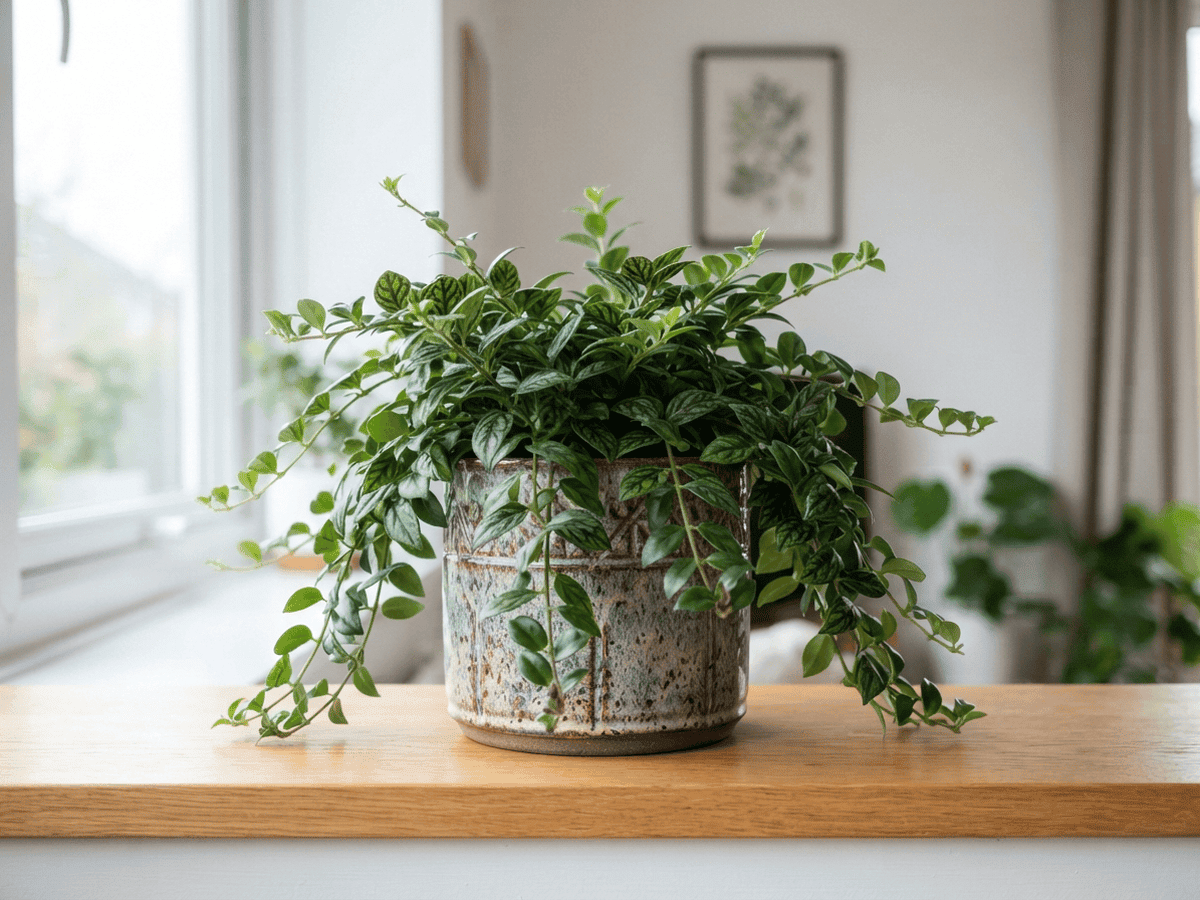 Lipstick PlantAeschynanthus longicaulis
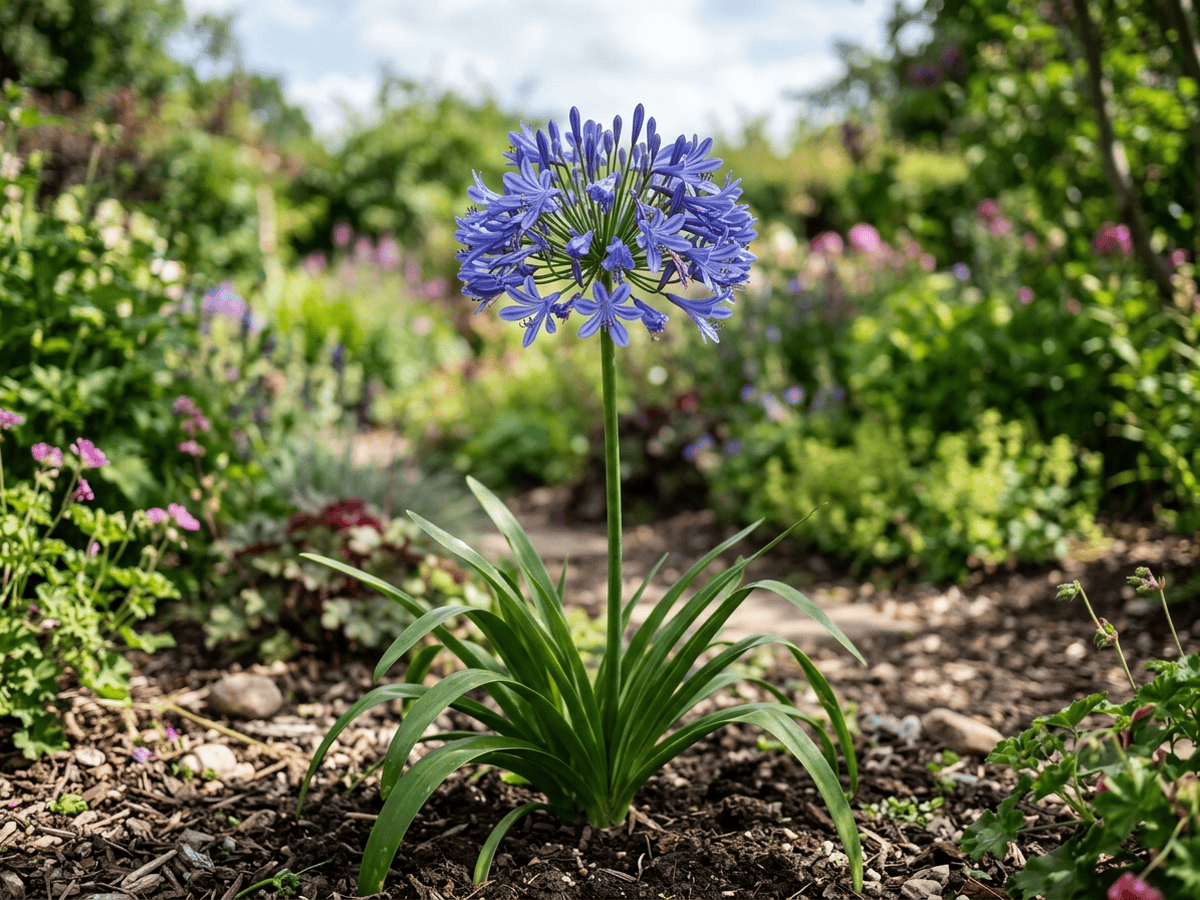 African LilyAgapanthus africanus
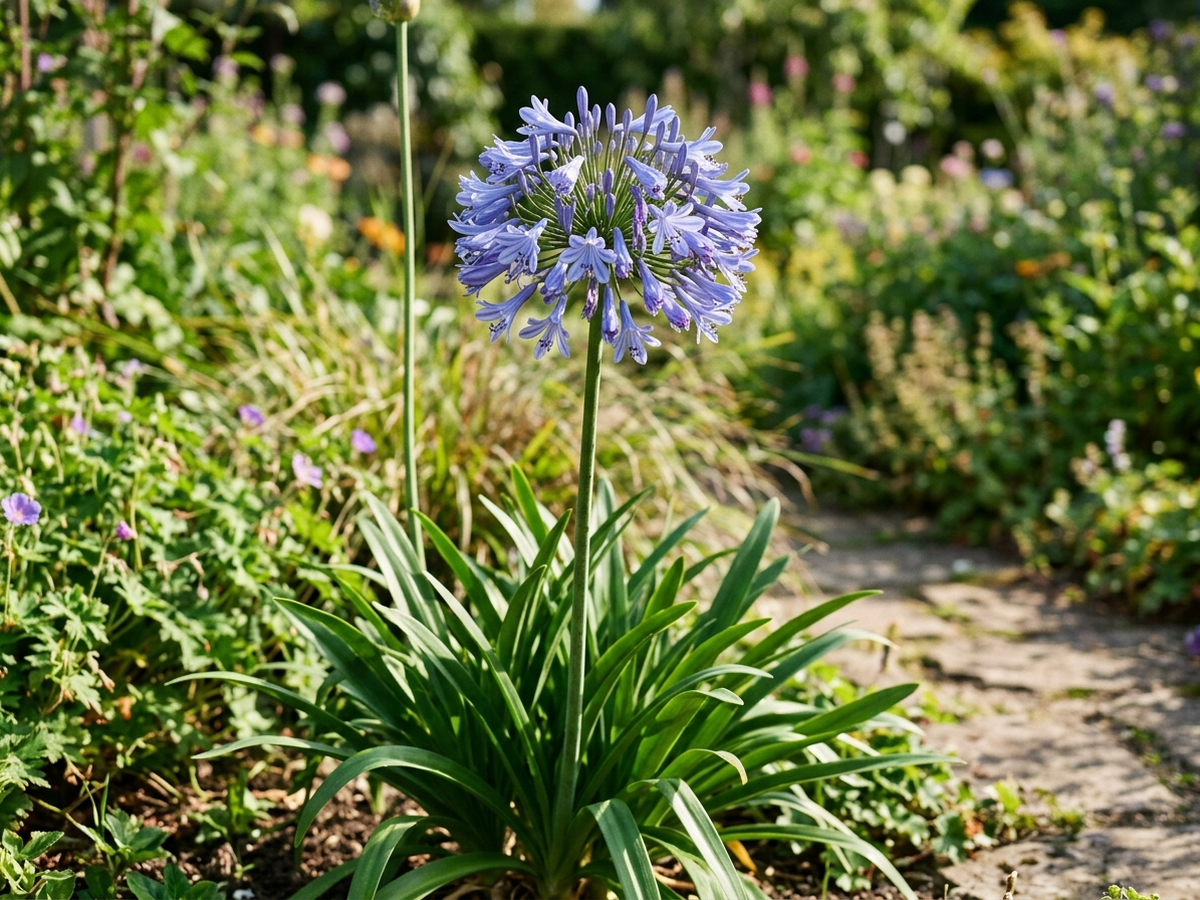 Bell AgapanthusAgapanthus campanulatus
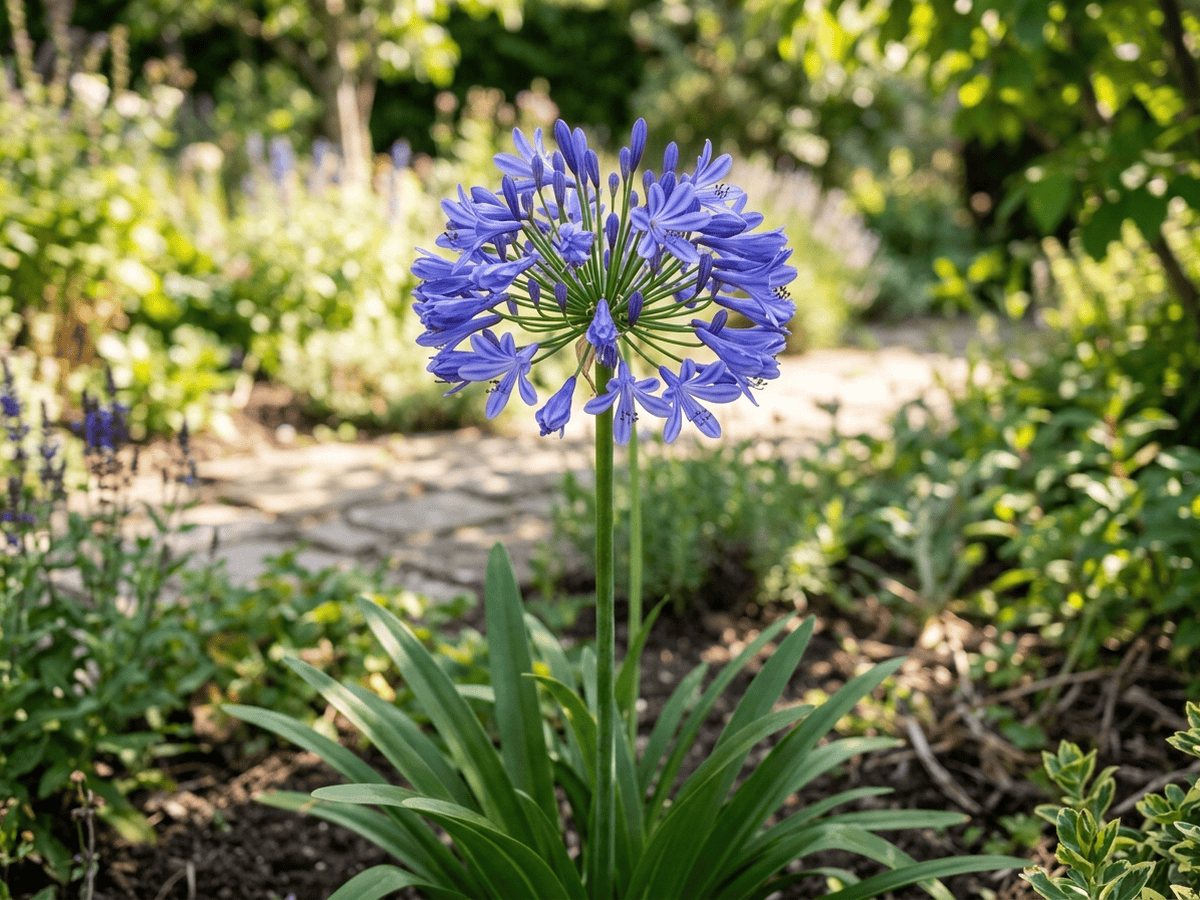 Common AgapanthusAgapanthus praecox
Frequently asked questions
How often should I water Green Bugloss?
Water about every 10 days during the growing season, and always let excess water drain away.
How much light does Green Bugloss need?
Part sun: 4–6 hrs direct. Watch the leaves — scorching or stretching means the light needs adjusting.
Is Green Bugloss toxic to cats or dogs?
Pets Unknown (Dogs Unknown · Cats Unknown) Educational information, not medical or veterinary advice. If exposure is suspected, contact a doctor or veterinarian.
Is Green Bugloss easy to grow?
It is considered challenging and rewards experienced growers.
When does Green Bugloss bloom?
It typically blooms Jun–Aug in the Northern Hemisphere.
YardMate
Identify any plant in seconds
Snap a photo — YardMate names the plant, diagnoses problems, and reminds you when to water.
Download on the App Store