 YardMate


Engelmann Daisy
Engelmannia peristenia
Easy · Beginner friendlyAbout Engelmann Daisy
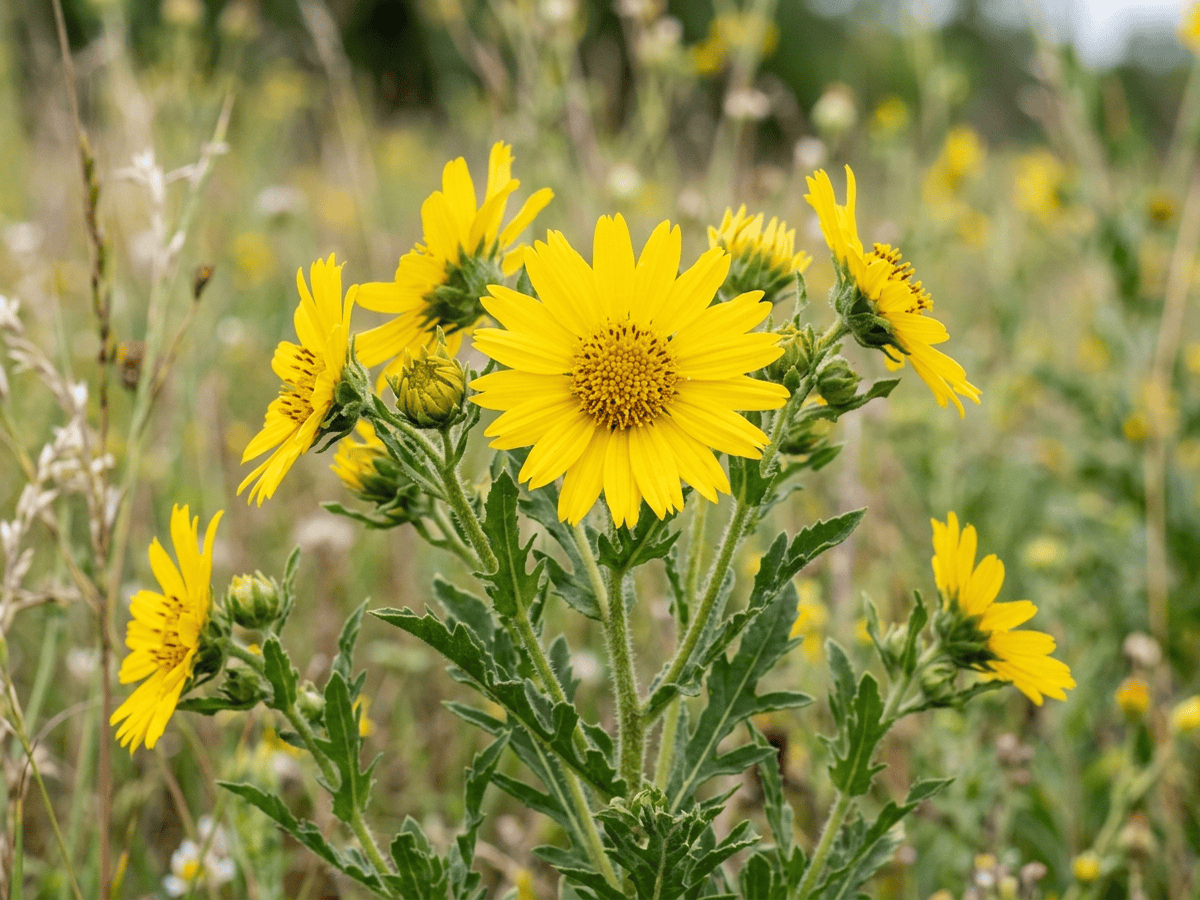
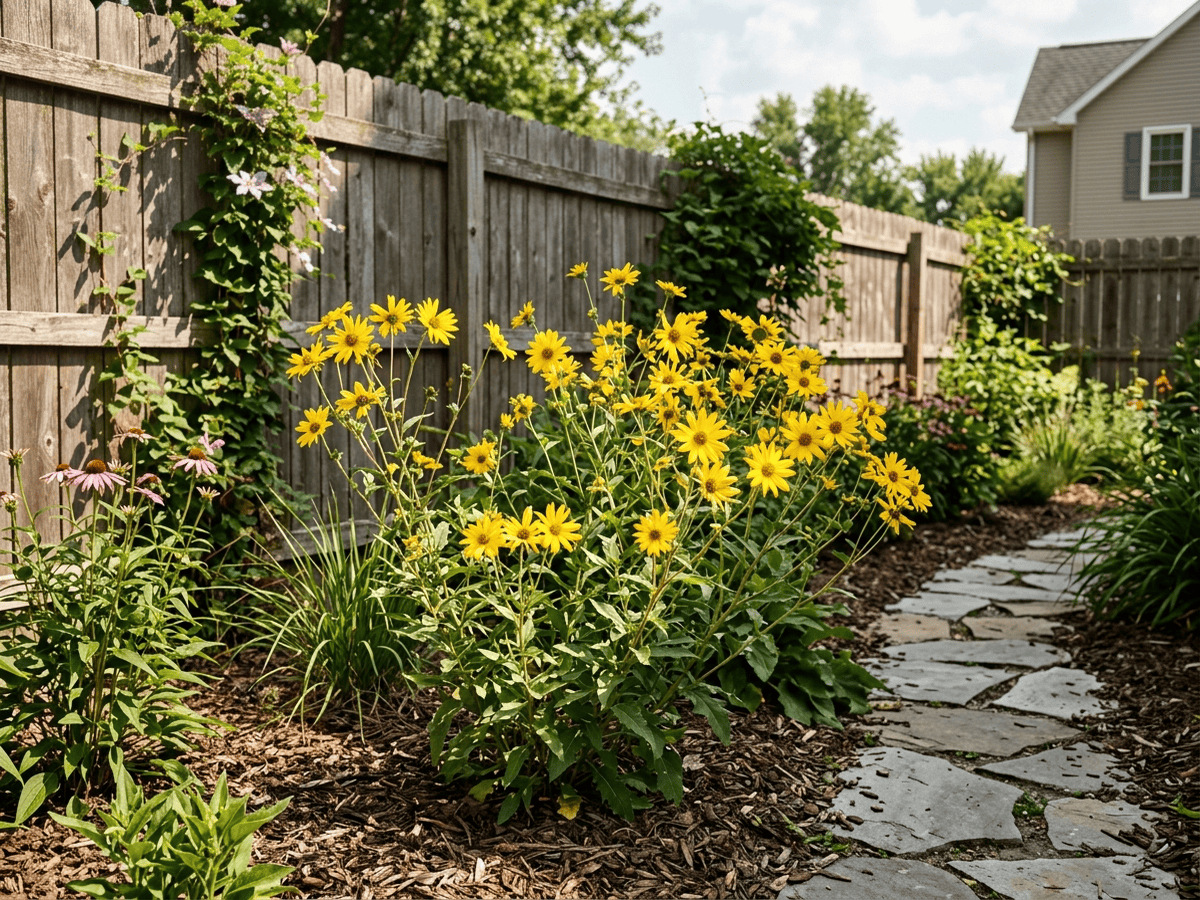
Engelmann's Daisy is a robust perennial wildflower native to the central and southern Great Plains, Texas, Oklahoma, and adjacent regions. Growing 2 to 3 feet tall with deeply lobed dark-green basal leaves, it produces bright yellow daisy flowers held above the foliage from spring through summer. Heat-tolerant, drought-resistant, and exceptionally long-lived for a wildflower, it is a foundation species of Texas tallgrass and mixed-grass prairies.
- Drought-tolerant
- Deer-resistant
- Long-blooming
- Native
How to care for Engelmann Daisy
Watering
- Springevery 10 days
- Summerevery 7 days
- Fallevery 14 days
- Winterpause watering
Soil · Well-draining
- Top dressingPine bark mulch10%
- Main mixPotting soil + perlite 2:170%
- DrainageLECA / gravel20%
Never skip the drainage layer — standing water is the top cause of root rot.
FERTILIZER
This plant needs little to no feeding.
At a Glance
- NativeNorth America
- Height1.5–3 ft (0.5–0.9 m)
- Spread1–2 ft (0.3–0.6 m)
- Flower colorYellow
- Foliage colorGreen
- SoilSandy, Well-drained
- LocationsYard
Bloom time
BLOOM CYCLE
Peak bloom
Apr–Aug
Bright yellow daisy flowers April to August
Toxicity
Toxicity unknown
None reported
Unknown
EXPOSURE Unspecified plant material.
EFFECT Toxic effects are not specified.
NOTE Toxicity for humans is not well documented; use caution until verified.
Unknown
EXPOSURE Unspecified plant material.
EFFECT Toxic effects are not specified.
NOTE Toxicity for dogs is not well documented; use caution until verified.
Unknown
EXPOSURE Unspecified plant material.
EFFECT Toxic effects are not specified.
NOTE Toxicity for cats is not well documented; use caution until verified.
Educational information, not medical or veterinary advice. If exposure is suspected, contact a doctor or veterinarian.
DISTRIBUTION


- Native
- North America
History
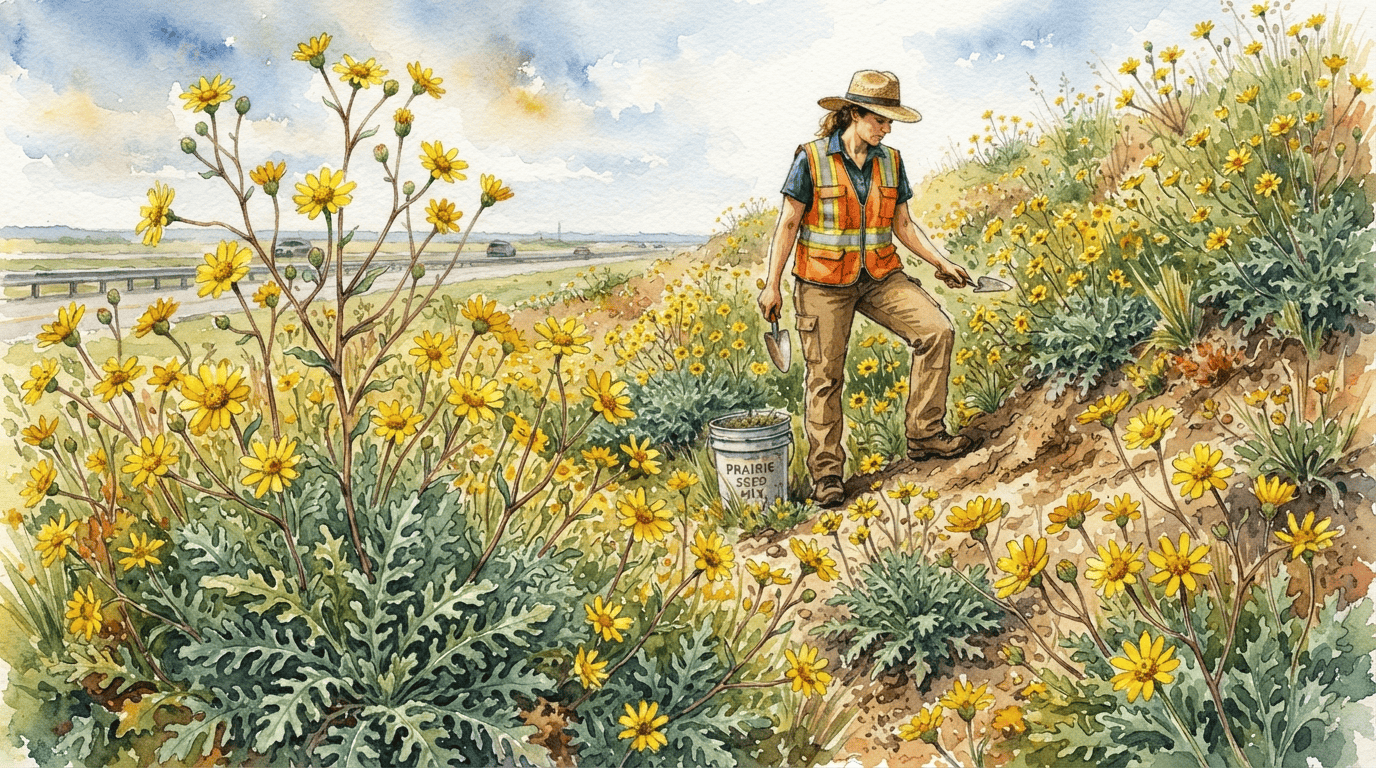
Engelmannia peristenia, commonly called Engelmann daisy or cutleaf daisy, is an herbaceous perennial native to the southern and central Great Plains from South Dakota through Texas and into northern Mexico. It was described by American botanists John Torrey and Asa Gray in 1842 and named for George Engelmann, a German-American physician and botanist who catalogued much of western North American flora in the mid-19th century. The plant forms a taproot-anchored rosette of deeply cut gray-green leaves and produces branched stems of bright yellow daisy flowers from spring through summer.
Because its deep taproot makes it extremely drought-resistant, it is a key species in native prairie restoration, roadside reseeding across Texas and Oklahoma, and sustainable wildflower meadows. A signature wildflower of Texas prairies that thrives in heavy clay soils where many natives struggle.
Symbolism & meaning
What It Symbolizes
Engelmann Daisy embodies prairie strength as a foundation species of Texas grasslands, its yellow flowers dotting the rangelands long after spring rains have faded. Remarkably long-lived for a wildflower, it endures heat, grazing, and drought with quiet persistence. Its meaning is the slow durability of native ground — beauty that lasts not for a season but for decades, woven into the prairie itself.
- Prairie strength — foundation species of Texas grasslands
- Long endurance — remarkably long-lived for a wildflower
Where the Name Comes From
'Engelmannia' honors George Engelmann (1809–1884); 'peristenia' is from Greek for 'narrow ring,' referring to flower structure.
Uses & Fun Facts
- Yellow daisy spires for Texas and Great Plains native borders
- Long bloom season feeds prairie bees and butterflies
Related plants
Plants with similar care
 Chinese AbeliaAbelia chinensis
 Fragrant AbeliaAbelia mosanensis
 Large-Flowered AbeliaAbelia uniflora
 Glossy AbeliaAbelia x grandiflora
Frequently asked questions
How often should I water Engelmann Daisy?
Water about every 10 days during the growing season, and always let excess water drain away.
How much light does Engelmann Daisy need?
Full sun: 6+ hrs direct. Watch the leaves — scorching or stretching means the light needs adjusting.
Is Engelmann Daisy toxic to cats or dogs?
Pets Unknown (Dogs Unknown · Cats Unknown) Educational information, not medical or veterinary advice. If exposure is suspected, contact a doctor or veterinarian.
Is Engelmann Daisy easy to grow?
Yes — it is considered an easy, beginner-friendly plant.
When does Engelmann Daisy bloom?
It typically blooms Apr–Aug in the Northern Hemisphere.
YardMate
Identify any plant in seconds
Snap a photo — YardMate names the plant, diagnoses problems, and reminds you when to water.
Download on the App Store