 YardMate


Redvein Enkianthus
Enkianthus campanulatus
Medium · Some experienceAbout Redvein Enkianthus
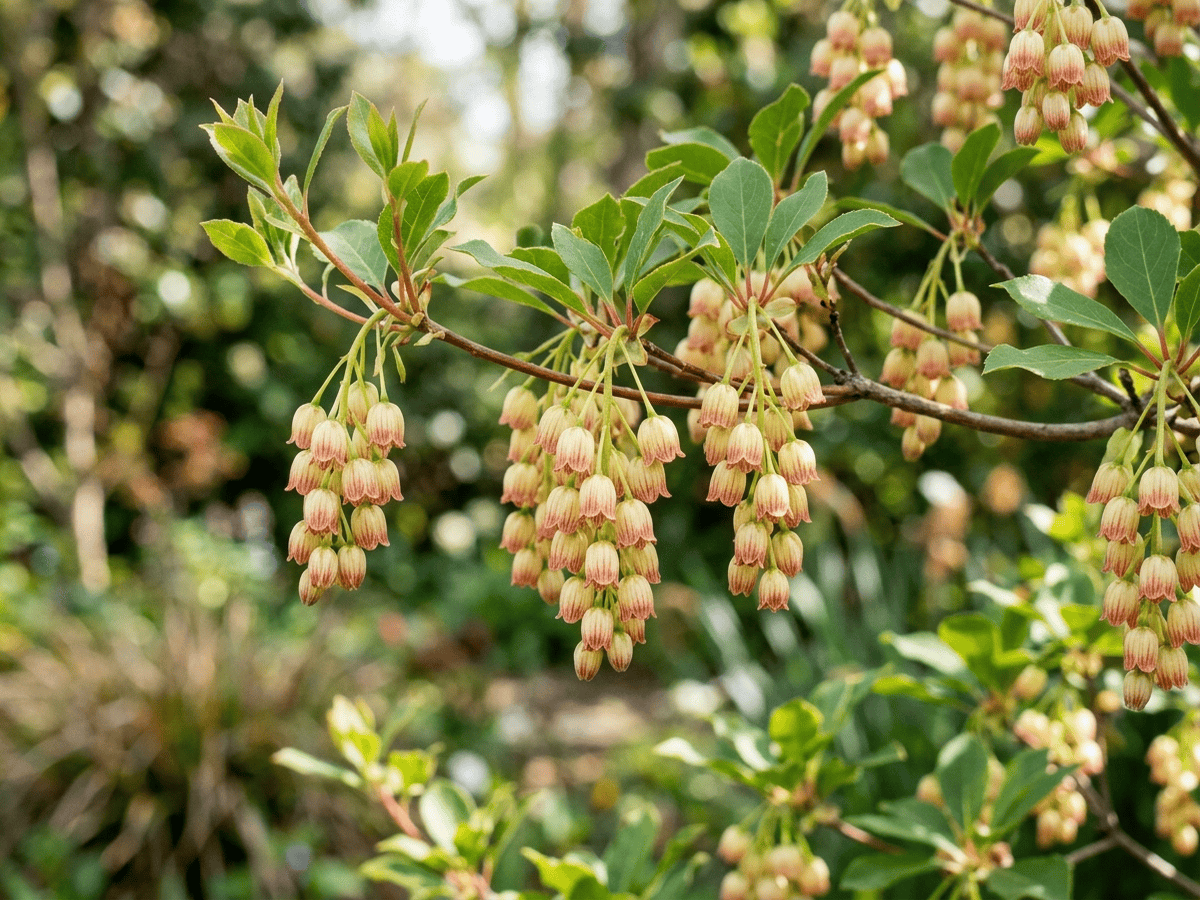
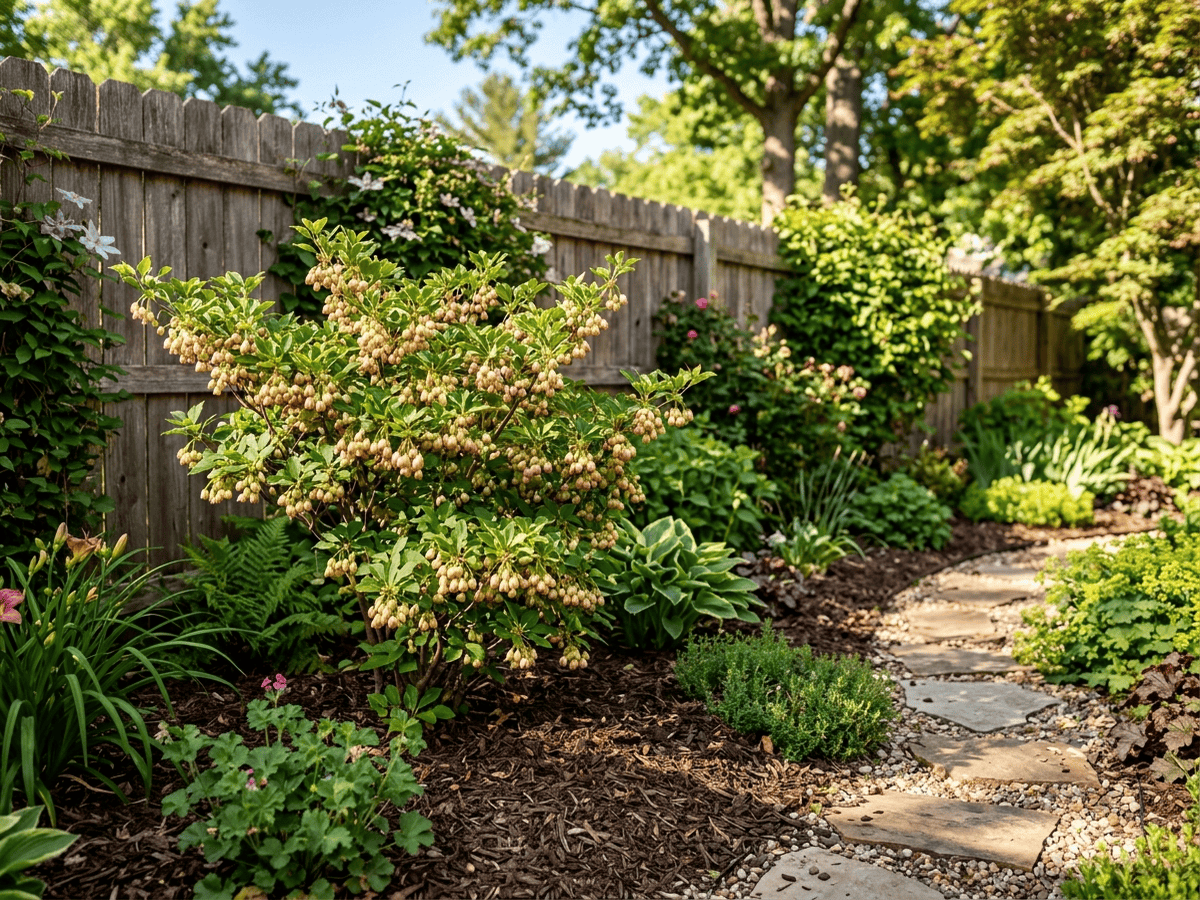
Redvein Enkianthus is a graceful deciduous shrub or small tree from Japan, reaching 6-15 feet tall with a distinctive layered branching pattern. In late spring it produces pendulous clusters of creamy bell-shaped flowers veined with red. But its crowning glory is autumn, when the foliage transforms into a spectacular tapestry of red, orange, and yellow—among the finest fall color of any shrub. A classic companion plant for rhododendrons in acidic woodland gardens across the northeastern United States.
- Shade-tolerant
- Cold-hardy
- Fall-color
How to care for Redvein Enkianthus
Watering
- Springevery 5 days
- Summerevery 3 days
- Fallevery 7 days
- Winterevery 14 days
Soil · Acidic · pH 4.5–6
- Top dressingPine needle mulch10%
- Main mixAcid-lover mix + peat 3:175%
- DrainageGravel15%
Never add lime or wood ash — it cancels out the acidity.
FERTILIZER
Acid-Loving Feed 4-3-4
One bag does both jobs. An acid feed carries the usual nitrogen, phosphorus and potassium, plus the sulfur and iron that keep the soil sour enough for the roots to take them up at all.
- Nitrogen · Leaves
- Phosphorus · Roots + Blooms
- Potassium · Strength
- Springevery 30 days
At a Glance
- NativeEast Asia
- Height6–12 ft (1.8–3.7 m)
- Spread4–8 ft (1.2–2.4 m)
- Flower colorPink, Cream, Red
- Foliage colorGreen, Red, Bronze
- Fruit colorBrown
- SoilLoamy, Acidic, Moisture-retentive
- LocationsYard
Bloom time
BLOOM CYCLE
Peak bloom
May–Jun
Creamy bell-shaped flowers with red veins May to June
Toxicity
Humans Slight · Pets Slight
small amounts of grayanotoxin-type compounds possible
Slight
- Leaf
- Flower
- Ingestion
EXPOSURE Eating leaves and flowers.
EFFECT Possible GI upset; family contains grayanotoxin relatives.
NOTE Member of Ericaceae; caution with pets due to family-wide toxicity risk, though specific toxicity data are limited.
Slight
- Leaf
- Flower
- Ingestion
EXPOSURE Eating leaves and flowers.
EFFECT Possible GI upset.
NOTE Member of Ericaceae; caution with pets due to family-wide toxicity risk, though specific toxicity data are limited.
Slight
- Leaf
- Flower
- Ingestion
EXPOSURE Eating leaves and flowers.
EFFECT Possible GI upset.
NOTE Member of Ericaceae; caution with pets due to family-wide toxicity risk, though specific toxicity data are limited.
Educational information, not medical or veterinary advice. If exposure is suspected, contact a doctor or veterinarian.
DISTRIBUTION


- Native
- Introduced
- East Asia
History
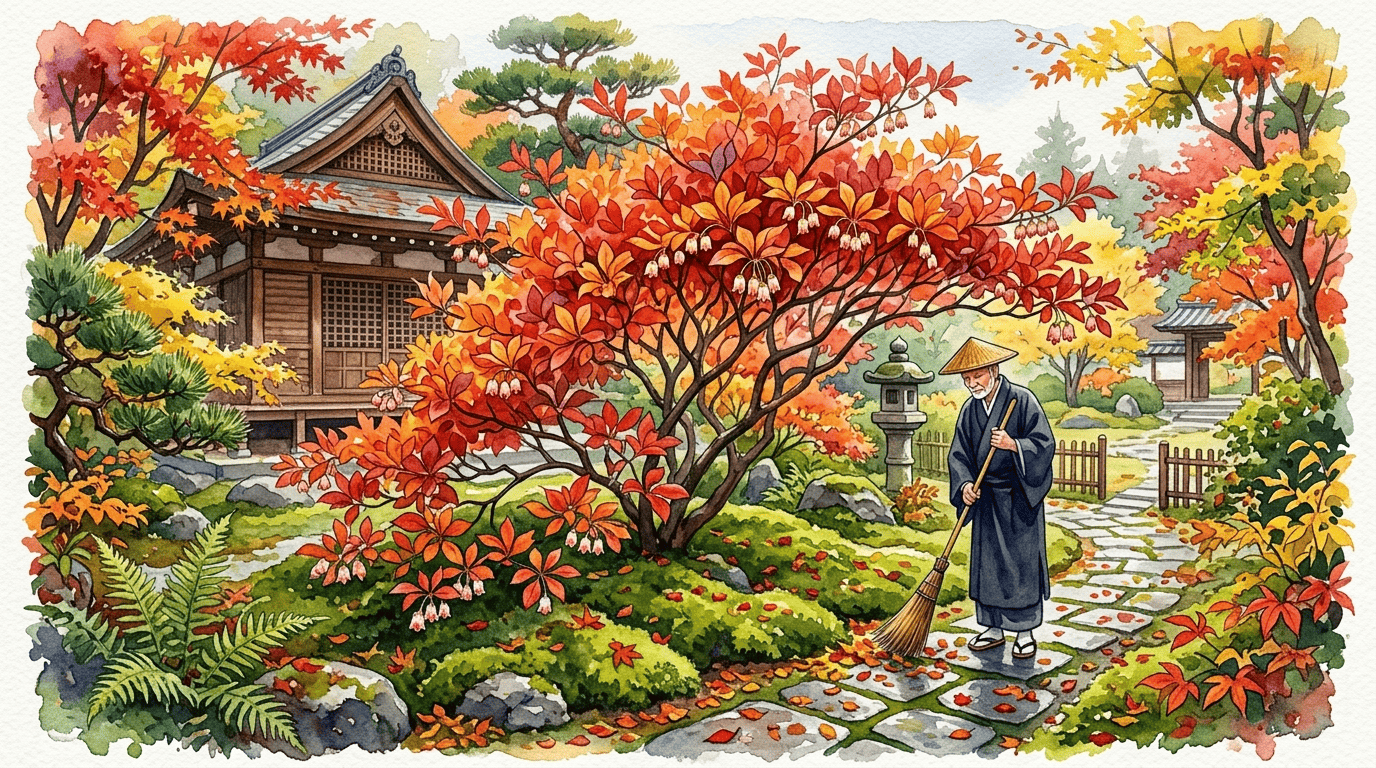
Enkianthus campanulatus is native to the mountains of Japan. Miquel described it in 1863, while the genus name refers to the swollen base of the bell-shaped flower. In Japan it is known as dodan-tsutsuji and has long been planted around temples, tea gardens, and bonsai collections.
Its spring flowers are delicate, pendant bells of cream veined with pink or red, but its real garden fame comes in autumn, when the leaves burn through scarlet, orange, and crimson with a brightness that often rivals Japanese maples. English collector Charles Maries introduced it to Britain in 1870, and it slowly became a connoisseur's shrub for acidic woodland gardens in Europe and North America. The layered branching gives it natural architecture without much pruning, while its fall color can hold for weeks in cool climates.
Symbolism & meaning
What It Symbolizes
Redvein Enkianthus is transformation in slow motion — a tidy spring shrub whose foliage erupts each autumn into blazing crimson and orange, one of the great fall shows in the woodland garden. In late spring its tiered branches hang with delicate pink-veined bells, all grace and restraint. It is the plant that proves elegance and drama can belong to the same quiet body.
- Transformation — spectacular seasonal color change from green to blazing autumn
- Grace — elegant layered form and delicate bell flowers
Where the Name Comes From
'Enkianthus' from Greek 'enkuos' (pregnant) and 'anthos' (flower), referring to the swollen flower shape; 'campanulatus' means 'bell-shaped'.
Uses & Fun Facts
- Layered branching habit suits choice woodland focal positions
- Pendulous bell flowers and brilliant fall foliage star year-round
Related plants
Plants with similar care
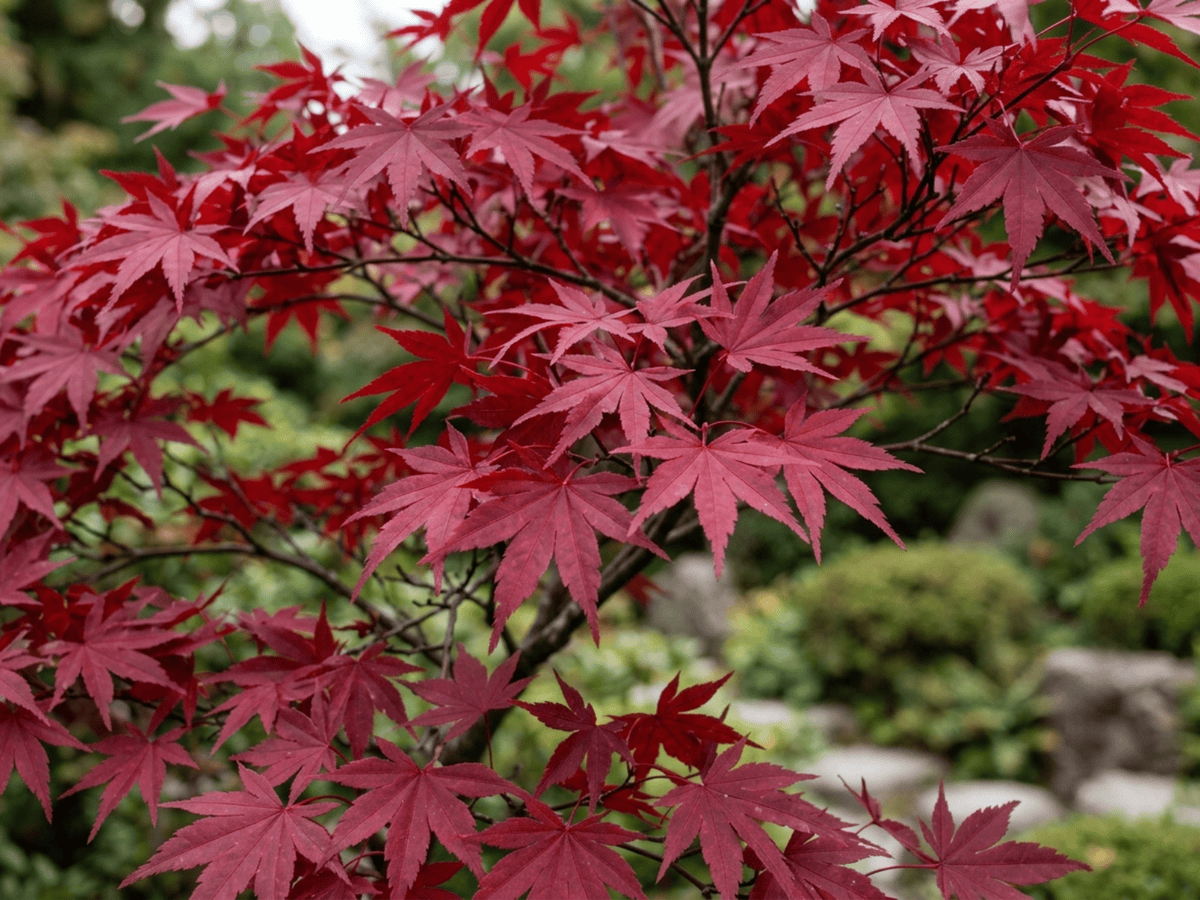 Japanese MapleAcer palmatum
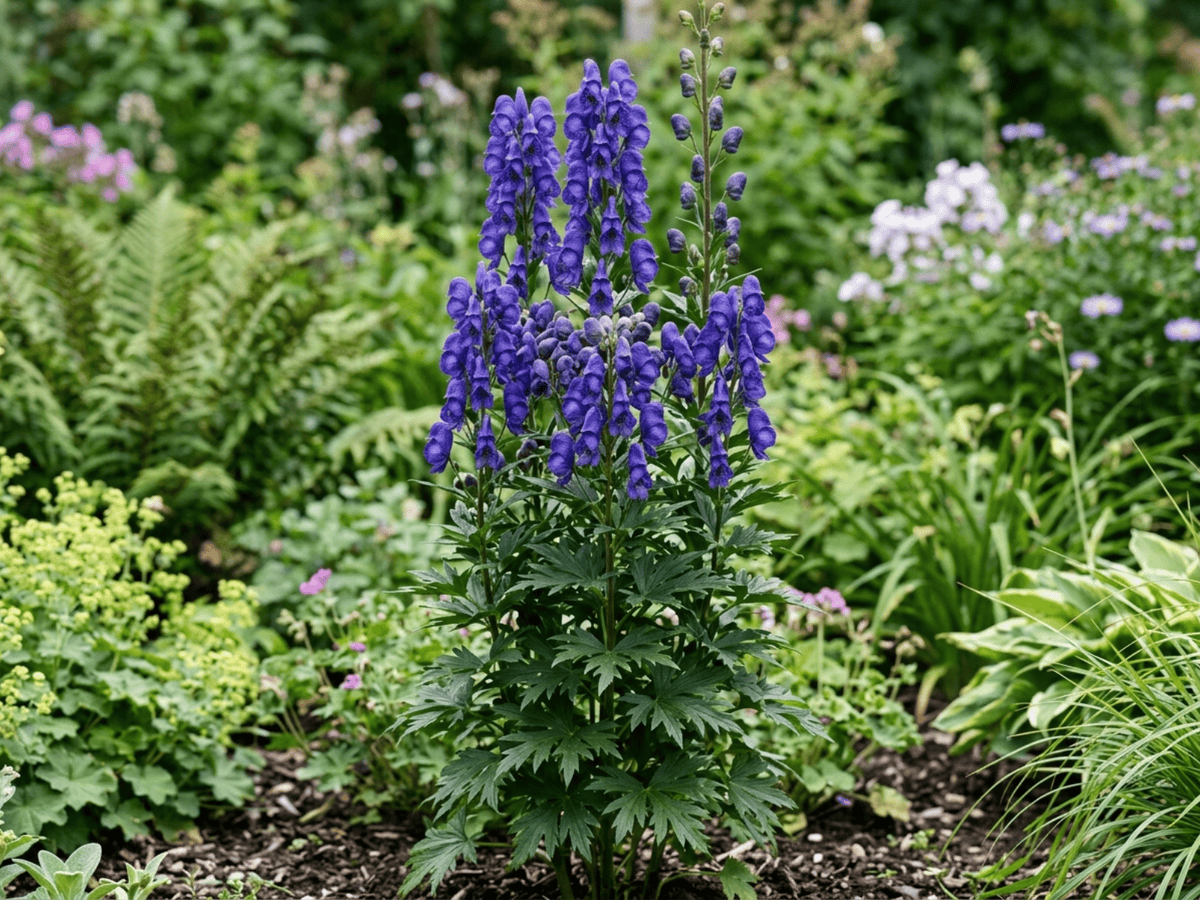 Azure MonkshoodAconitum carmichaelii
 Florida HobblebushAgarista populifolia
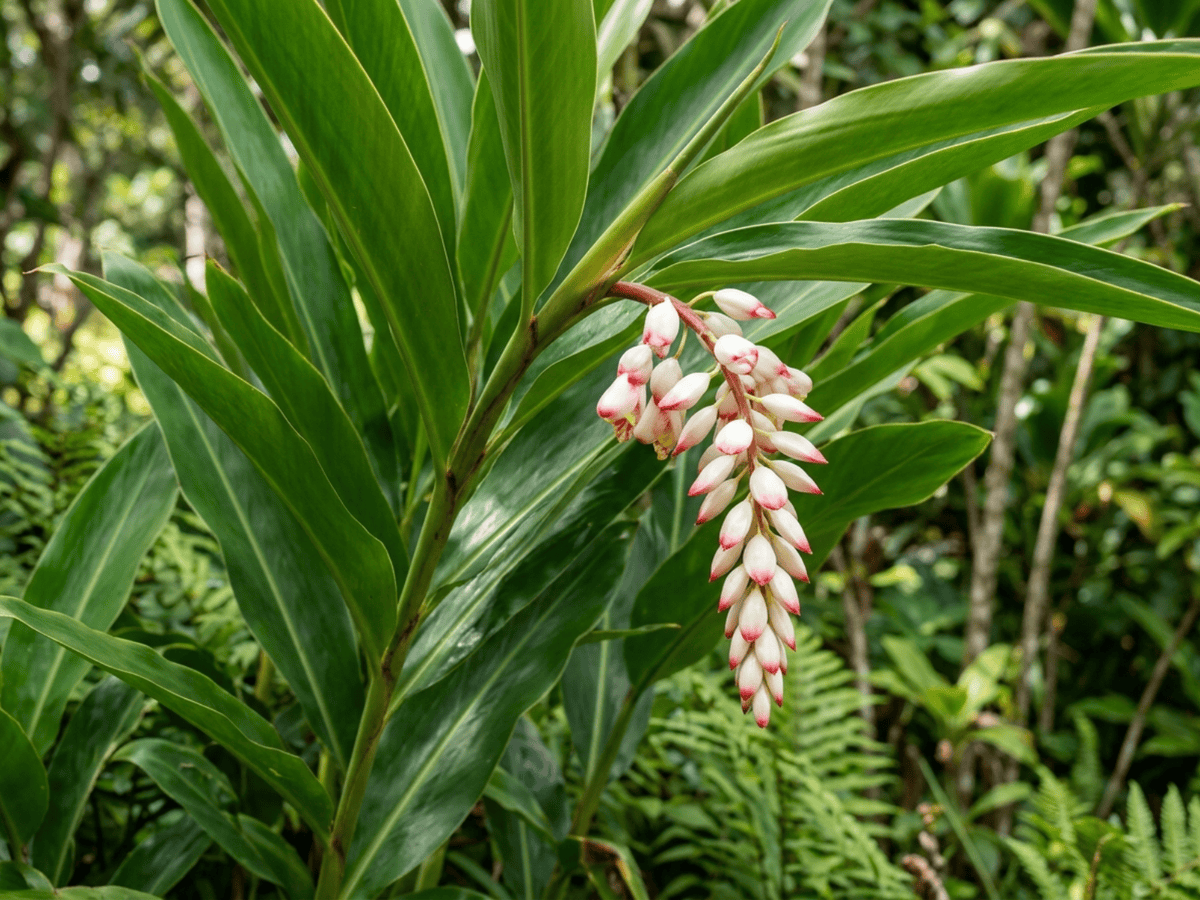 Shell GingerAlpinia zerumbet
Frequently asked questions
How often should I water Redvein Enkianthus?
In summer, water about every 3 days; in winter, about every 14 days. Adjust for heat, pot size and drainage.
How much light does Redvein Enkianthus need?
Part shade: 2–4 hrs direct. Watch the leaves — scorching or stretching means the light needs adjusting.
Is Redvein Enkianthus toxic to cats or dogs?
Pets Slight (Dogs Slight · Cats Slight) Educational information, not medical or veterinary advice. If exposure is suspected, contact a doctor or veterinarian.
Is Redvein Enkianthus easy to grow?
It is moderately demanding: a good choice once you have a little experience.
When does Redvein Enkianthus bloom?
It typically blooms May–Jun in the Northern Hemisphere.
YardMate
Identify any plant in seconds
Snap a photo — YardMate names the plant, diagnoses problems, and reminds you when to water.
Download on the App Store