 YardMate


Ma Huang
Ephedra sinica
Medium · Some experienceAbout Ma Huang
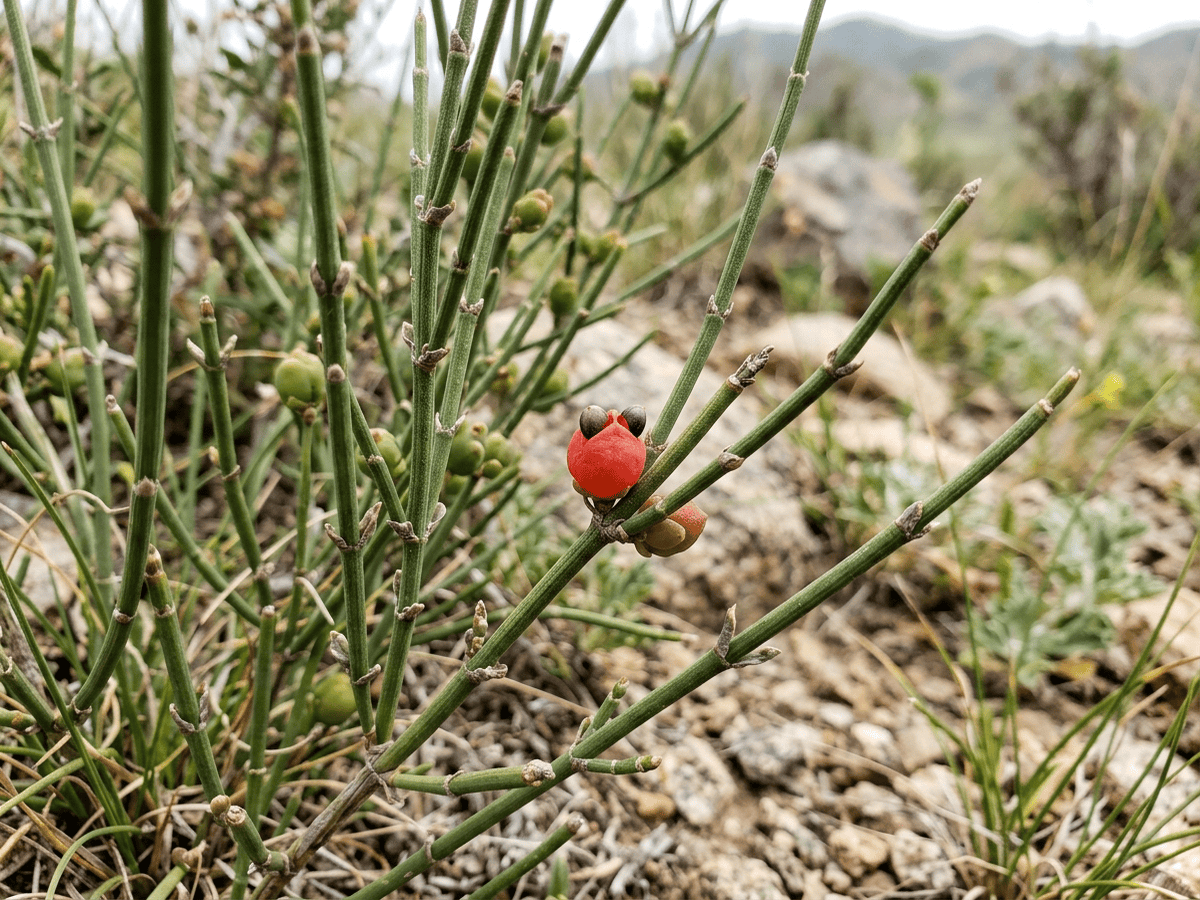
Ephedra sinica, ma huang, is a low, jointed shrub native to arid regions of Mongolia, northern China, and Russia. Instead of broad leaves it carries green photosynthetic stems, with small scale-like leaves and red fleshy cones in season. The plant is historically important because its stems contain ephedrine and pseudoephedrine, alkaloids that shaped both traditional practice and modern respiratory medicines. Ephedrine was isolated in 1885 by Nagai Nagayoshi and later became a major pharmaceutical compound; the same stimulant chemistry also led to serious safety concerns and the US ban on ephedra dietary supplements in 2004. In the garden it is a sun-baked, sandy-soil gymnosperm with a story far larger than its modest form.
- Medicinal
- Drought-tolerant
- Evergreen
How to care for Ma Huang
Watering
- Springevery 21 days
- Summerevery 14 days
- Fallevery 30 days
- Winterpause watering
Soil · Fast-draining
- Main mixSand + pumice + soil 1:1:150%
- DrainagePumice / gravel50%
Keep grit at half the mix or more — this soil is meant to dry out fast.
FERTILIZER
Balanced Feed 14-14-14
An even feed covers all three needs at once, keeping leaves, roots and blooms moving together with nothing pushed out of balance.
- Nitrogen · Leaves
- Phosphorus · Roots + Blooms
- Potassium · Strength
This plant needs little to no feeding.
At a Glance
- NativeEast Asia, Europe
- Height1–2 ft (0.3–0.6 m)
- Spread2–3 ft (0.6–0.9 m)
- Foliage colorGreen
- Fruit colorRed
- SoilSandy, Well-drained
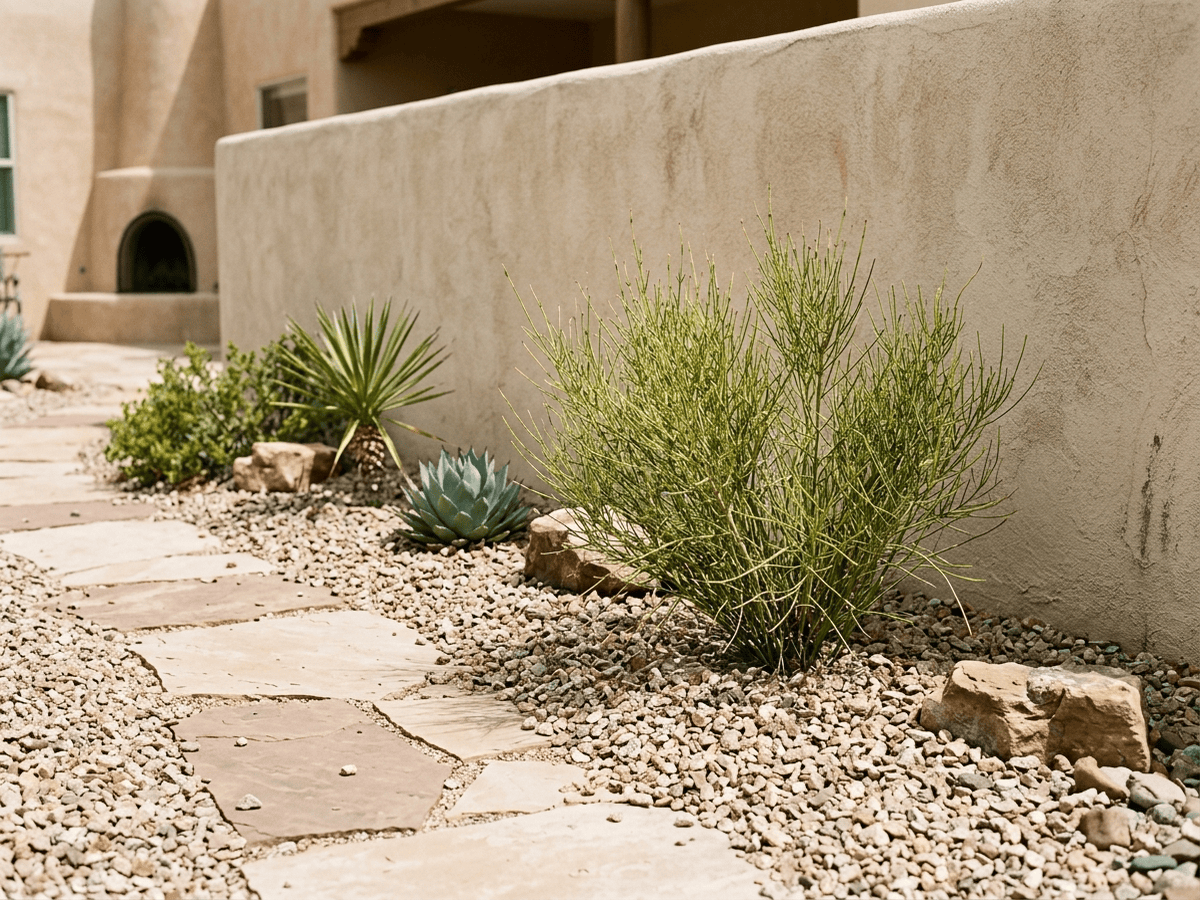
- LocationsYard
Bloom time
BLOOM CYCLE
Peak bloom
Jun–Aug
Bright red fleshy cones (not true fruit) ripen in summer on female plants.
Fragrance
NO FRAGRANCE
Not fragrant.
Toxicity
Humans Toxic · Pets Toxic
ephedrine and pseudoephedrine
Toxic
- Stem
- Ingestion
EXPOSURE Eating stems.
EFFECT Tachycardia, hypertension, anxiety, stroke, cardiac arrest at high doses.
NOTE FDA banned ephedra dietary supplements in 2004. Dangerous stimulant; keep from all pets and children.
Toxic
- Stem
- Ingestion
EXPOSURE Eating stems.
EFFECT Severe stimulant toxicity: tachycardia, seizures, hyperthermia.
NOTE FDA banned ephedra dietary supplements in 2004. Dangerous stimulant; keep from all pets and children.
Toxic
- Stem
- Ingestion
EXPOSURE Eating stems.
EFFECT Severe stimulant toxicity.
NOTE FDA banned ephedra dietary supplements in 2004. Dangerous stimulant; keep from all pets and children.
Educational information, not medical or veterinary advice. If exposure is suspected, contact a doctor or veterinarian.
DISTRIBUTION


- Native
- East Asia
- Europe
History
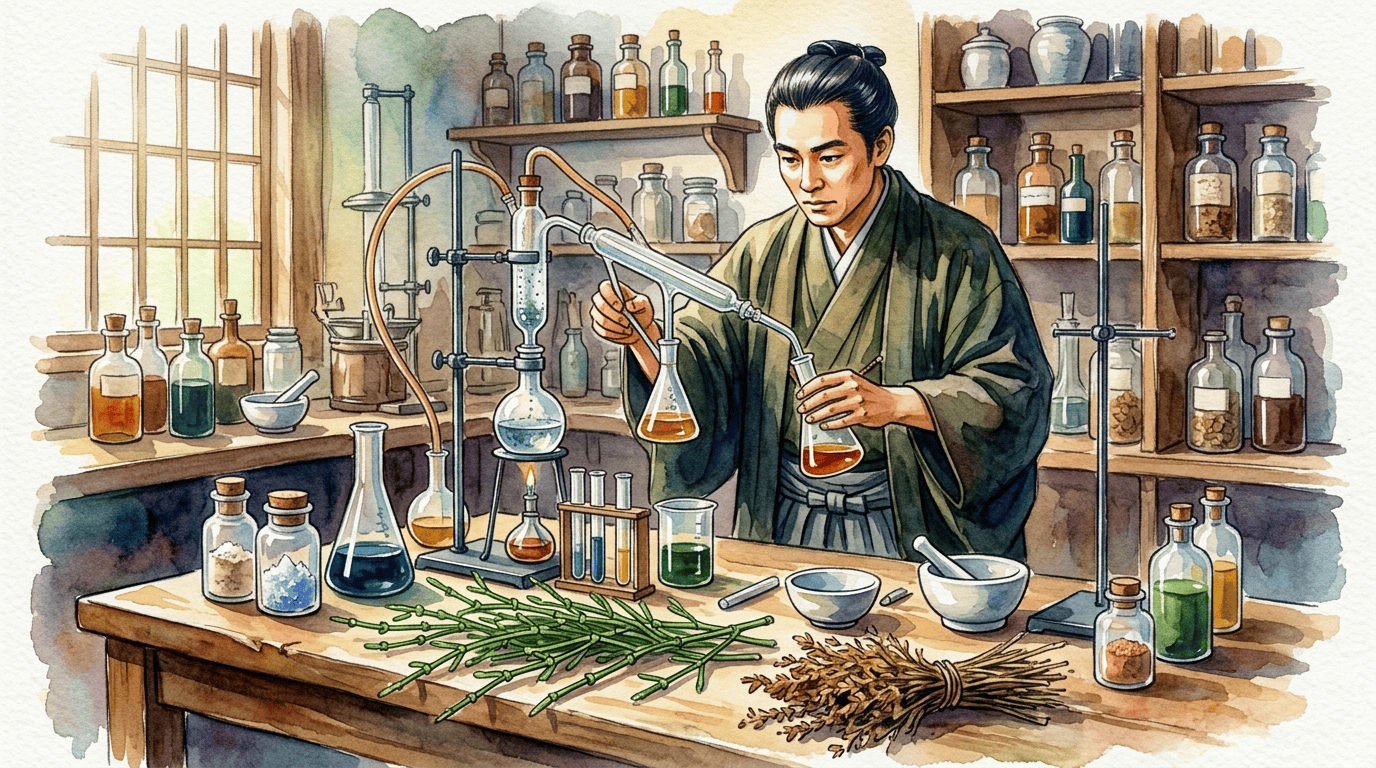
Ephedra sinica, known in Chinese medicine as ma huang, is a gymnosperm shrub native to Mongolia, northern China, and eastern Russia. It appears in early Chinese materia medica for asthma, cough, fever, and congestion. In 1885 Japanese chemist Nagai Nagayoshi isolated ephedrine from the plant, one of the landmark alkaloid discoveries of Asian pharmacology.
By the 1920s ephedrine had become a mass-produced asthma drug and later led to pseudoephedrine decongestants. The plant's modern story then darkened: ephedra weight-loss supplements in the 1990s were linked to heart attacks, strokes, and deaths, prompting the US FDA to ban ephedra-containing dietary supplements in 2004. Few plants show so clearly how the same chemistry can move from ancient herbal practice to lifesaving medicine, then to dangerous commercial misuse.
Symbolism & meaning
What It Symbolizes
Ma Huang is vitality reduced to green stems and desert discipline. With leaves almost gone, the plant lets its jointed branches do the work of light, a spare architecture shaped by arid country. Its long East Asian history and stimulant chemistry give it an aura of force, but its form speaks first of restraint.
- Vitality — Stimulant properties awaken and energize
- Ancient Medicine — Bridges 5000-year Chinese herbalism with modern pharmacology
Where the Name Comes From
Ephedra from Greek 'ephedros' (sitting upon), describing the plant's jointed stems; 'sinica' means Chinese.
Uses & Fun Facts
- Stems source ephedrine used in traditional Chinese cough remedies
- Used in Chinese herbal medicine for over five thousand years
- Jointed green stems form curious dryland botanical specimen
Related plants
Plants with similar care
 Mexican AbeliaAbelia floribunda
 Fraser FirAbies fraseri
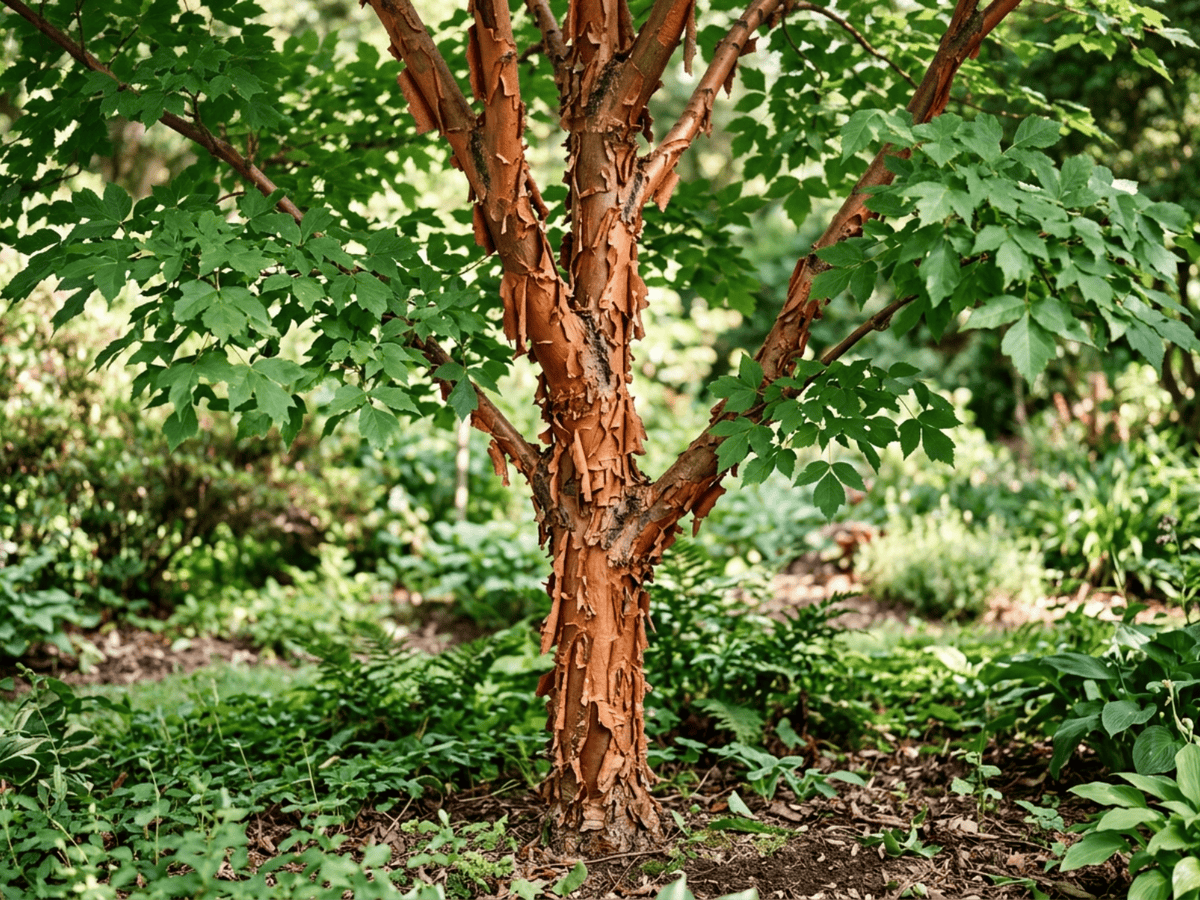 Paperbark MapleAcer griseum
 Sugar MapleAcer saccharum
Frequently asked questions
How often should I water Ma Huang?
Water about every 21 days during the growing season, and always let excess water drain away.
How much light does Ma Huang need?
Full sun: 6+ hrs direct. Watch the leaves — scorching or stretching means the light needs adjusting.
Is Ma Huang toxic to cats or dogs?
Pets Toxic (Dogs Toxic · Cats Toxic) Educational information, not medical or veterinary advice. If exposure is suspected, contact a doctor or veterinarian.
Is Ma Huang easy to grow?
It is moderately demanding: a good choice once you have a little experience.
When does Ma Huang bloom?
It typically blooms Jun–Aug in the Northern Hemisphere.
YardMate
Identify any plant in seconds
Snap a photo — YardMate names the plant, diagnoses problems, and reminds you when to water.
Download on the App Store