 YardMate


Foxtail Lily
Eremurus robustus
Hard · Experienced growersAbout Foxtail Lily
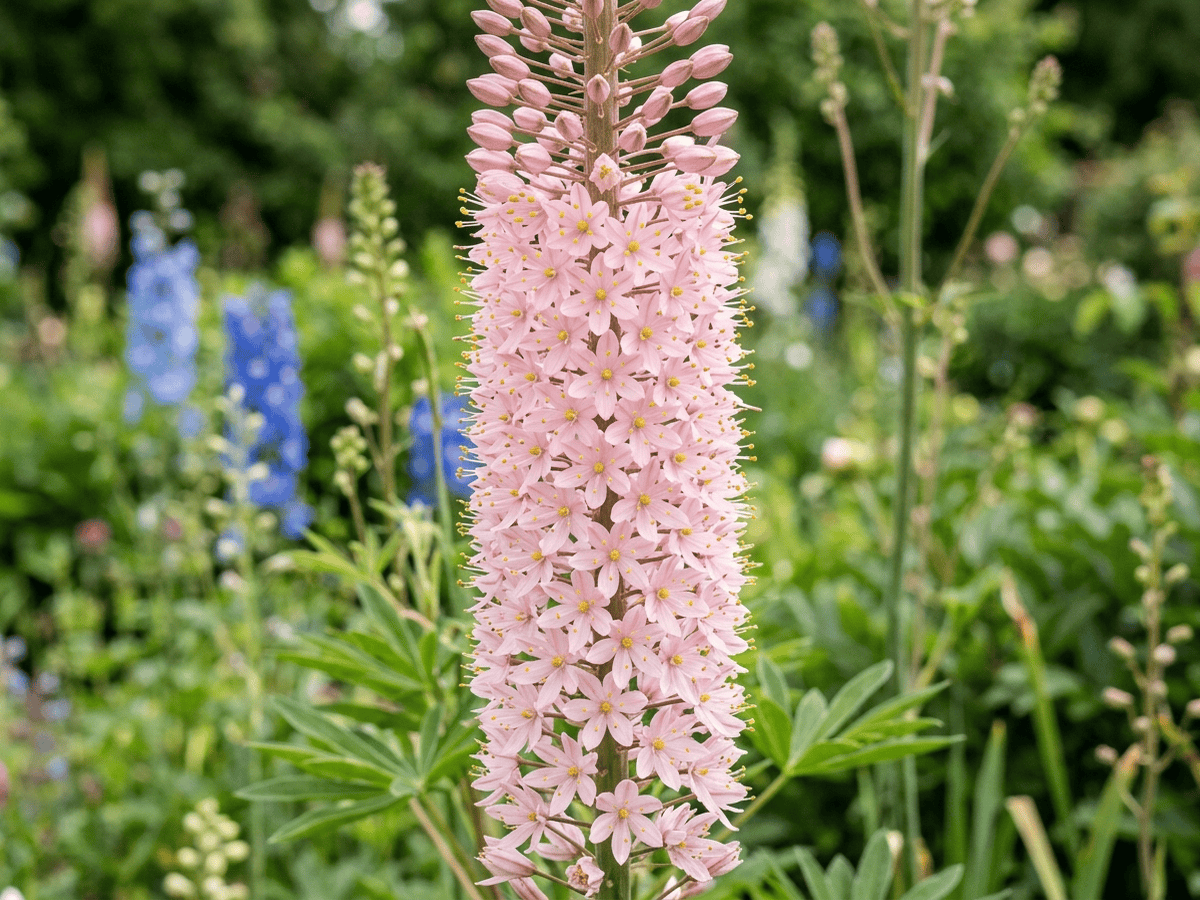
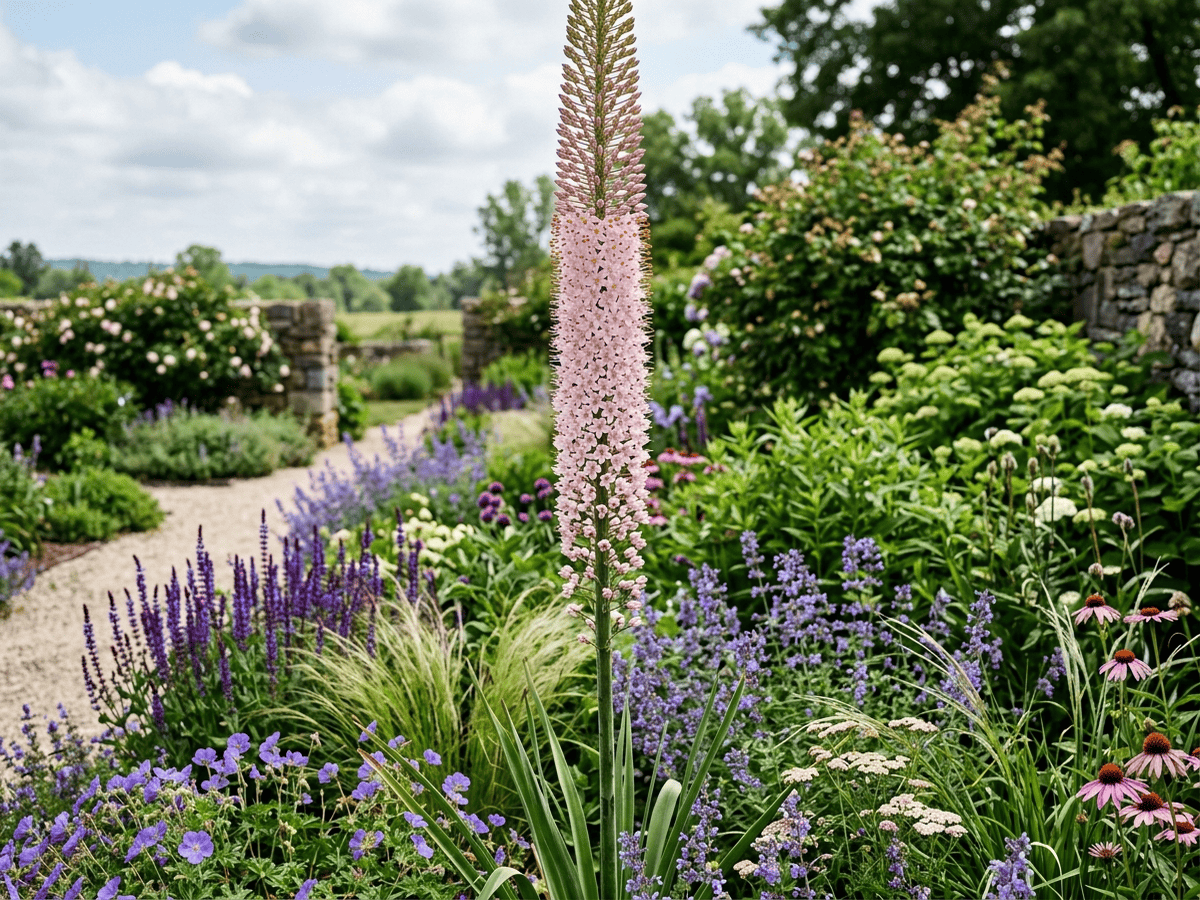
Giant Foxtail Lily is a dramatic central Asian bulb hardy in USDA zones 5-8, producing towering 6 to 10 foot spikes of hundreds of tiny pale pink star flowers in early summer. The fleshy starfish-shaped roots demand perfect drainage and full sun, making it a challenging but spectacular addition to American xeric and large perennial gardens. When happy, it is one of the most awe-inspiring flowering plants grown in gardens.
- Drought-tolerant
- Deer-resistant
- Architectural
- Pollinator-friendly
How to care for Foxtail Lily
Watering
- Springevery 7 days
- Summerevery 5 days
- Fallevery 10 days
- Winterevery 21 days
Soil · Well-draining
- Main mixLoam + coarse sand 3:175%
- DrainageGravel25%
Sharp drainage matters most — bulbs rot in wet soil while dormant.
FERTILIZER
Balanced Feed 14-14-14
An even feed covers all three needs at once, keeping leaves, roots and blooms moving together with nothing pushed out of balance.
- Nitrogen · Leaves
- Phosphorus · Roots + Blooms
- Potassium · Strength
- Fallevery 60 days
At a Glance
- NativeWestern Asia
- Height6–10 ft (1.8–3 m)
- Spread2–3 ft (0.6–0.9 m)
- Flower colorPink
- Foliage colorGreen
- SoilSandy, Well-drained, Loamy
- LocationsYard
Bloom time
BLOOM CYCLE
Peak bloom
May–Jun
Towering 6 to 10 foot pink flower spikes in early summer
Fragrance
LIGHT FRAGRANCE
The flowers have a very lightly honey-scented scent.
Toxicity
No toxicity has been reported for this plant. Still, it is wise to keep pets from chewing on any houseplant.
Educational information, not medical or veterinary advice. If exposure is suspected, contact a doctor or veterinarian.
DISTRIBUTION


- Native
- Western Asia
History
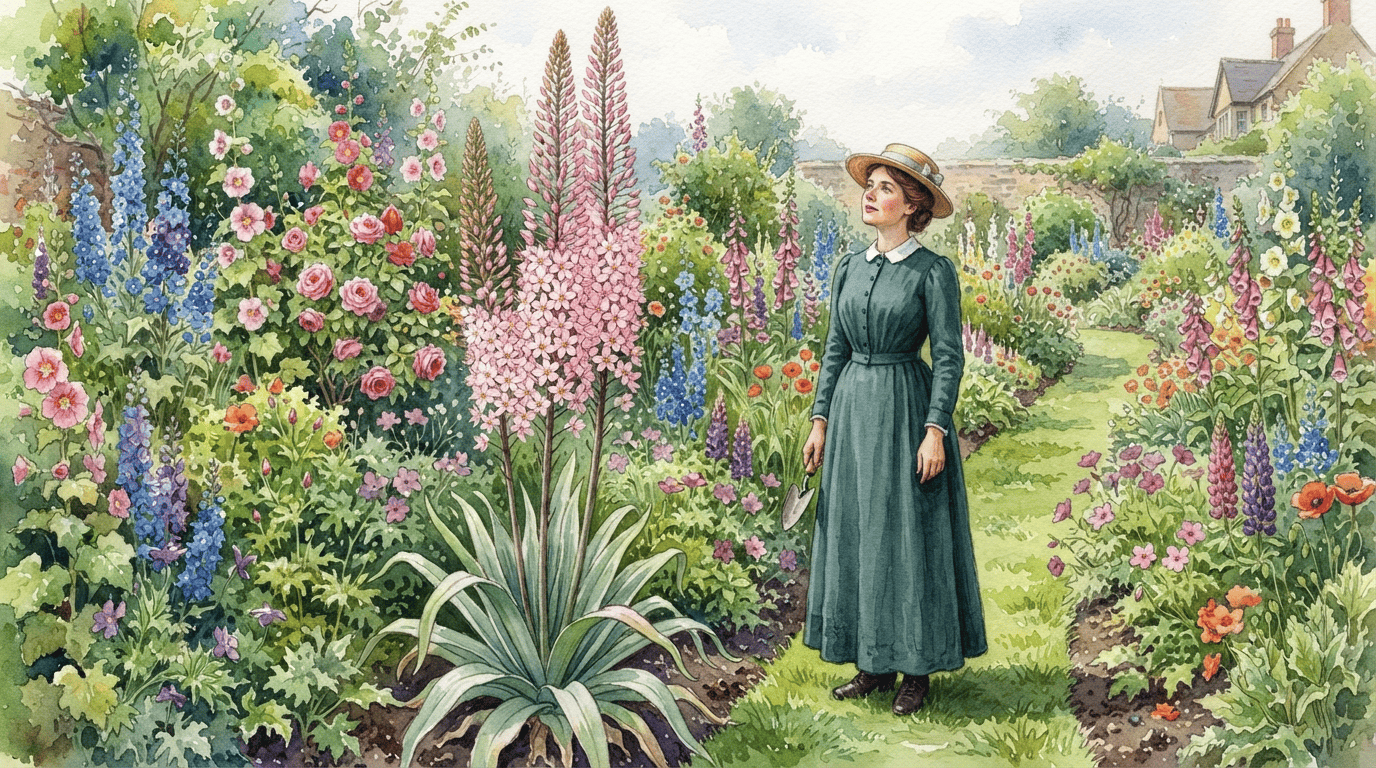
Eremurus robustus grows on rocky mountain slopes of the Tian Shan and Pamir-Alai ranges in Tajikistan, Kyrgyzstan, and neighboring Central Asian countries. Eduard August von Regel of the Imperial Botanical Garden of St. Petersburg described it in 1873 from bulbs sent back by Russian expeditions to the Turkestan region. Living tubers reached Kew and Dutch bulb firms in the 1870s, and the species quickly caused a sensation in English gardens as the tallest member of the genus, with racemes up to 3 m carrying hundreds of pale pink star flowers.
William Robinson and Gertrude Jekyll championed it for large borders. Traditional Central Asian uses included the roots as a source of industrial adhesive (eremuran glue) in bookbinding and shoemaking. It received the RHS Award of Garden Merit.
Modern Dutch-bred hybrids such as the Ruiter strain derive from it and E. stenophyllus. Native to the Pamir and Tien Shan mountain foothills of Central Asia, introduced to European gardens in the 1870s. Arrived in American specialty horticulture in the 20th century and remains a niche bulb for adventurous gardeners with well-drained gritty soil. Nicknamed the desert candle for the towering flower spike.
Symbolism & meaning
What It Symbolizes
Foxtail Lily is aspiration in pure vertical form, its flower spike reaching above eight feet in a single early-summer rocket of pale pink stars. Botanists call it a desert candle — a tall tapering flame rising from the steppes of central Asia where it evolved. It is the perennial that asks the gardener to look up, and reminds the border that height itself is a kind of beauty.
- Aspiration — reaches heights above 8 feet
- Desert candle — tall tapering flame-like flower spike
Where the Name Comes From
The name Foxtail Lily describes its lily-like flowers. 'Eremurus' from Greek 'eremos-oura' meaning solitary tail, for the towering single flower spike; 'robustus' from Latin means robust, for the massive size.
Uses & Fun Facts
- Towering ten-foot bloom spikes command xeric border centerpieces
- Dramatic pink starflower spires for tall summer arrangements
- Hundreds of tiny stars attract bees and beneficial insects
Related plants
Plants with similar care
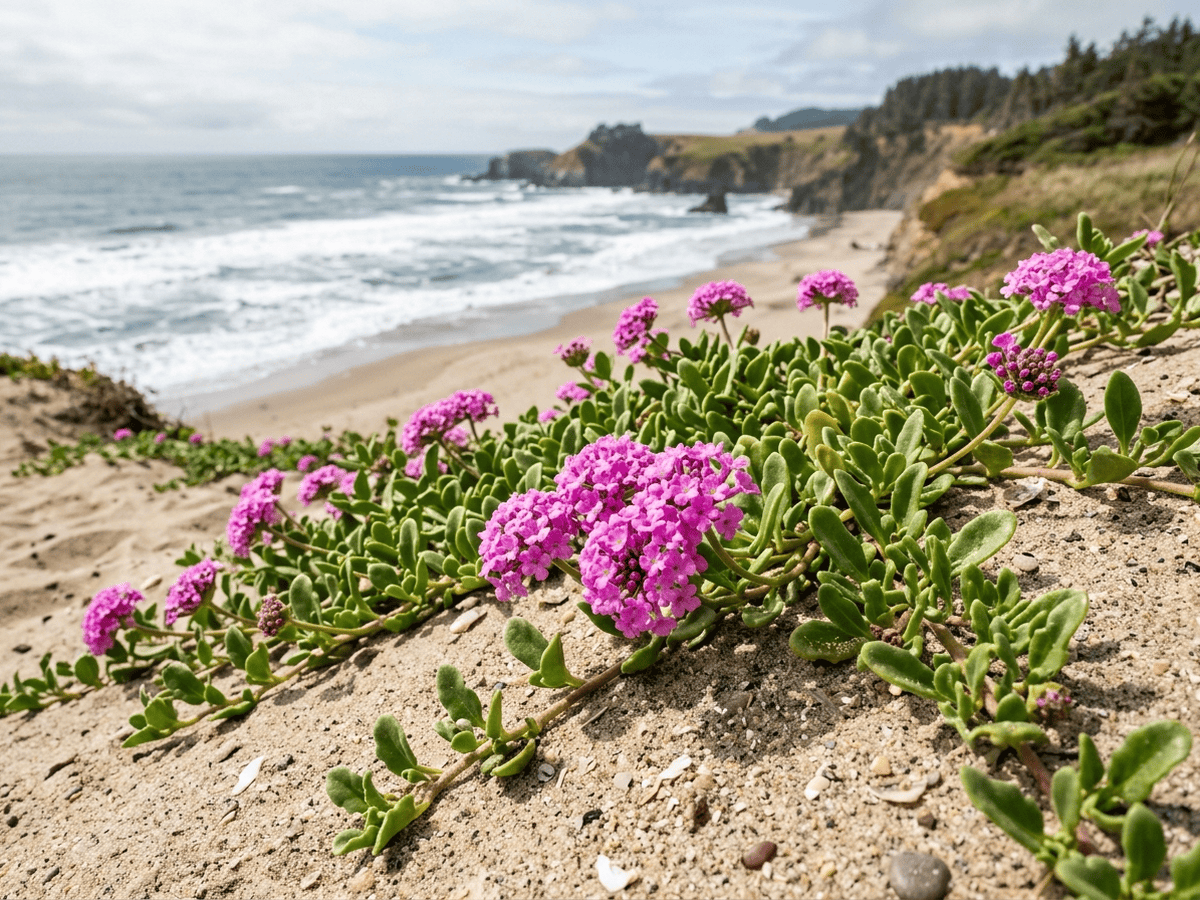 Pink Sand VerbenaAbronia umbellata
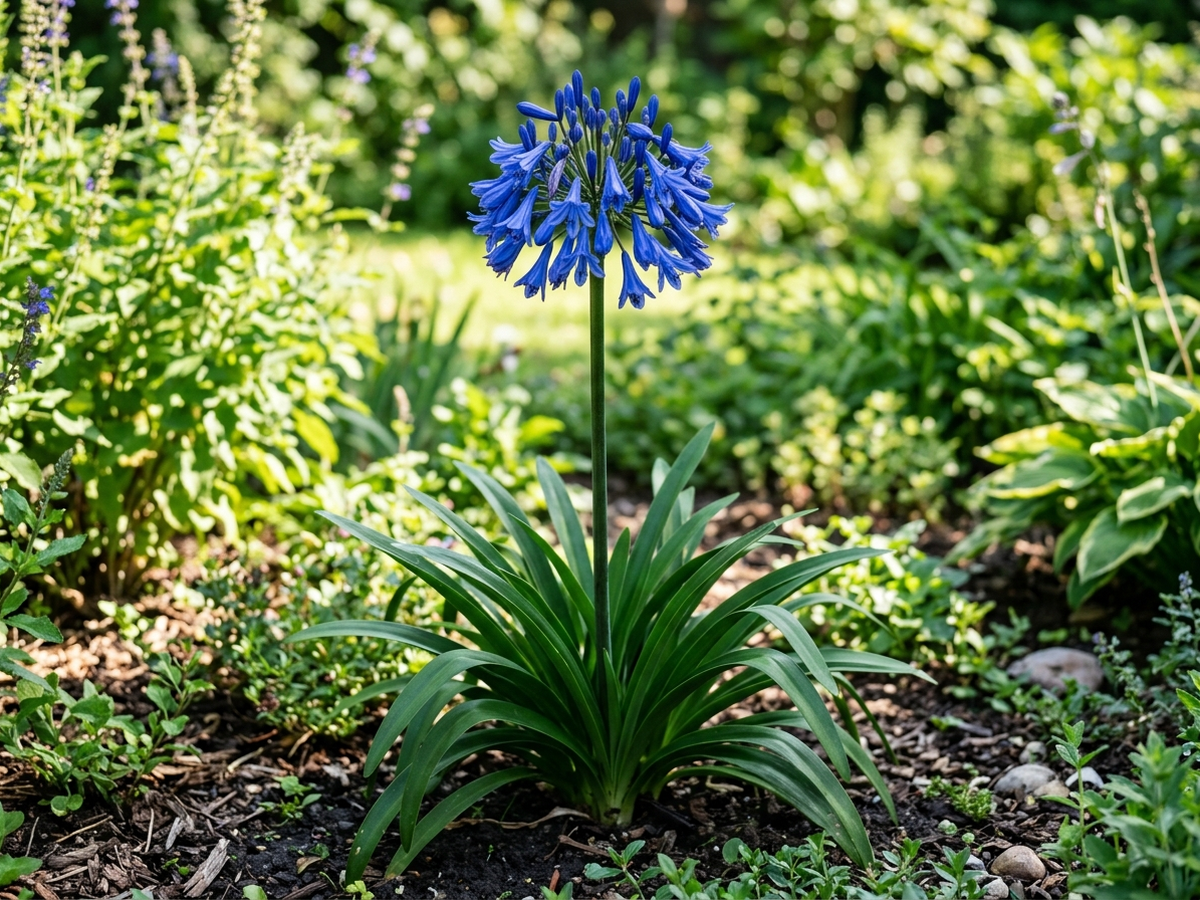 Drooping AgapanthusAgapanthus inapertus
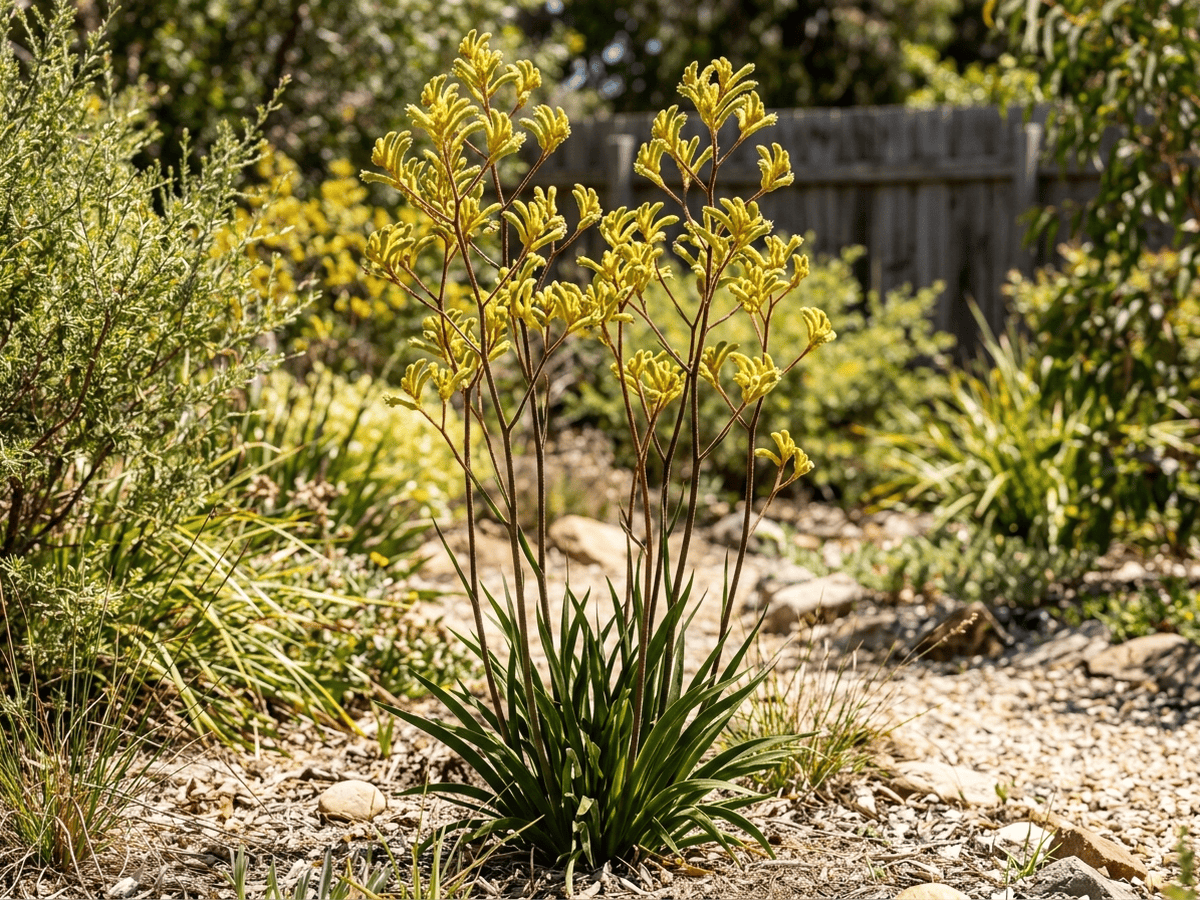 Tall Kangaroo PawAnigozanthos flavidus
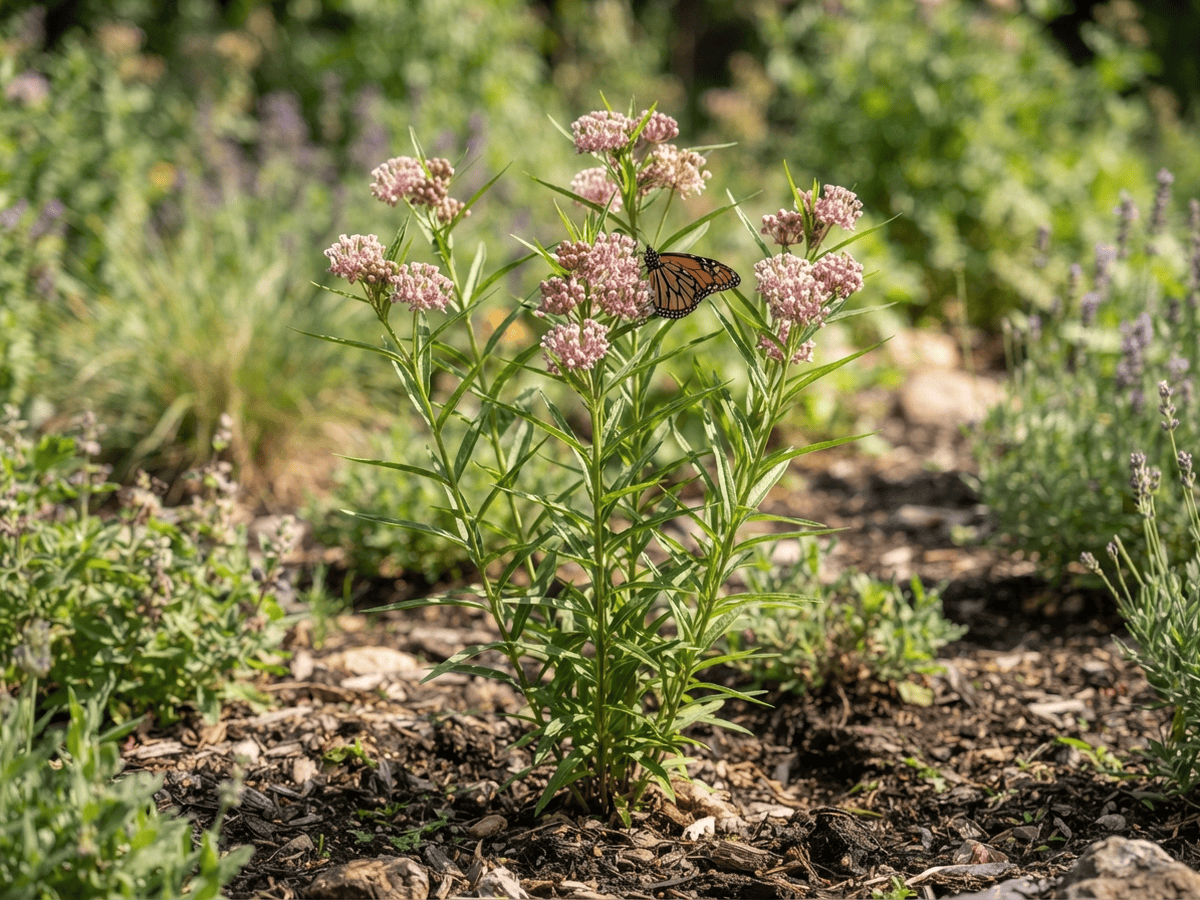 Narrowleaf MilkweedAsclepias fascicularis
Frequently asked questions
How often should I water Foxtail Lily?
In summer, water about every 5 days; in winter, about every 21 days. Adjust for heat, pot size and drainage.
How much light does Foxtail Lily need?
Full sun: 6+ hrs direct. Watch the leaves — scorching or stretching means the light needs adjusting.
Is Foxtail Lily toxic to cats or dogs?
No toxicity has been reported for this plant. Still, it is wise to keep pets from chewing on any houseplant. Educational information, not medical or veterinary advice. If exposure is suspected, contact a doctor or veterinarian.
Is Foxtail Lily easy to grow?
It is considered challenging and rewards experienced growers.
When does Foxtail Lily bloom?
It typically blooms May–Jun in the Northern Hemisphere.
YardMate
Identify any plant in seconds
Snap a photo — YardMate names the plant, diagnoses problems, and reminds you when to water.
Download on the App Store