 YardMate
Silver-leaved Mountain Gum
Eucalyptus pulverulenta
Hard · Experienced growersAbout Silver-leaved Mountain Gum
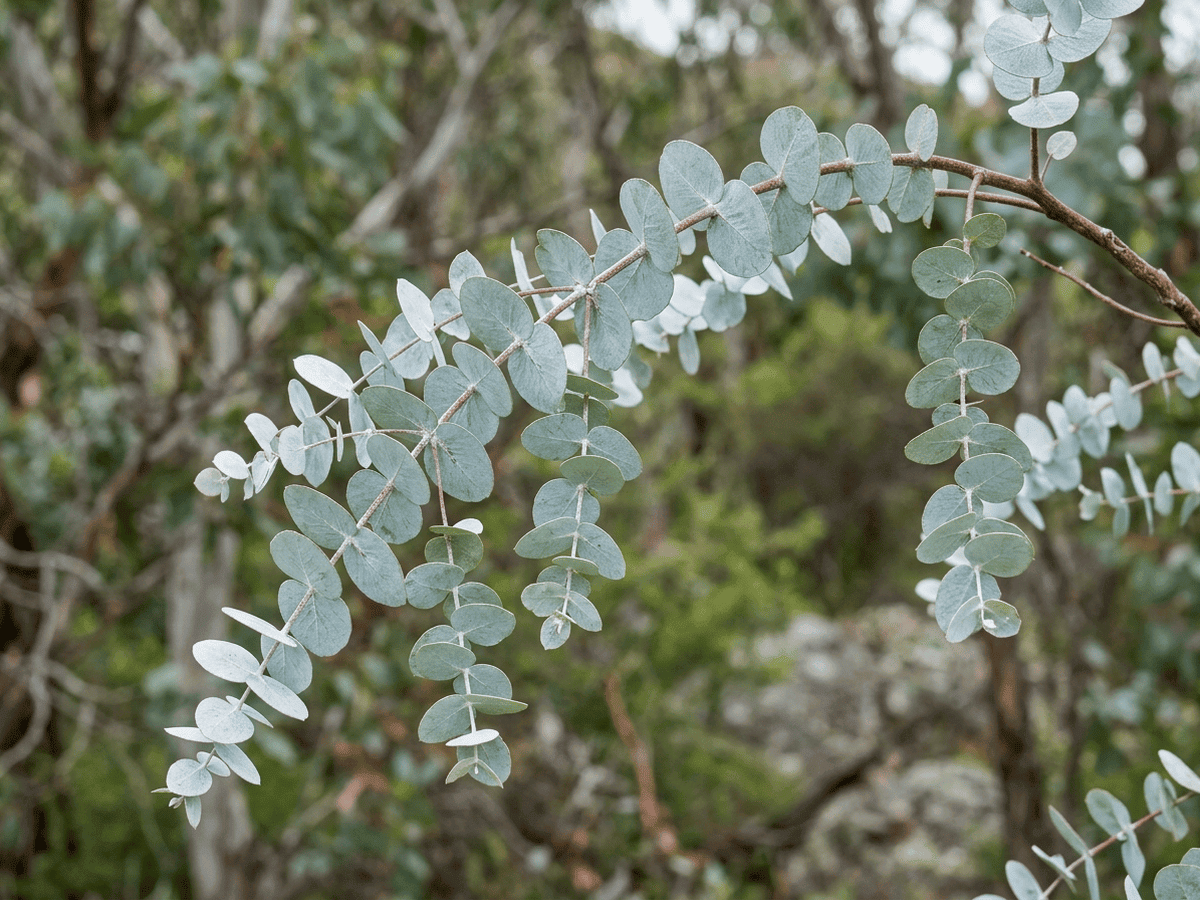
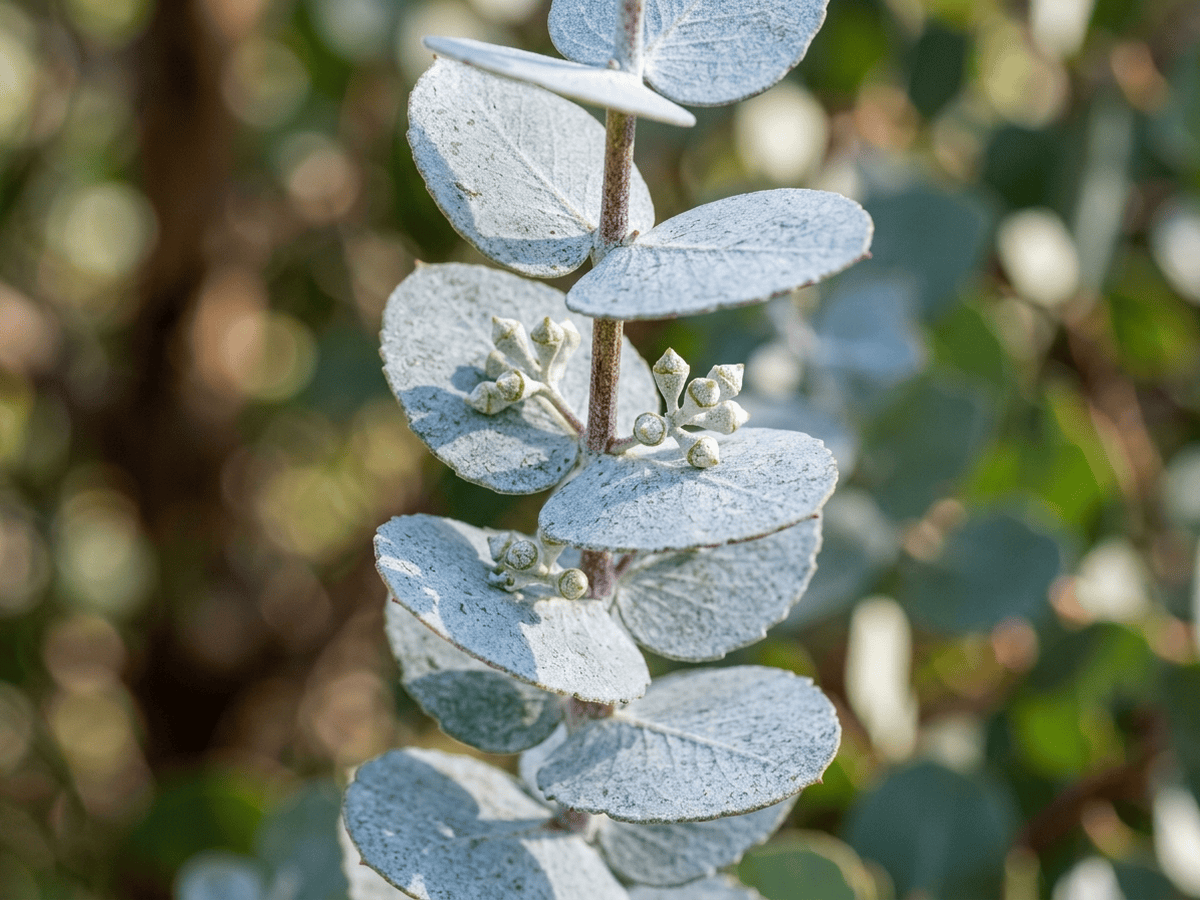
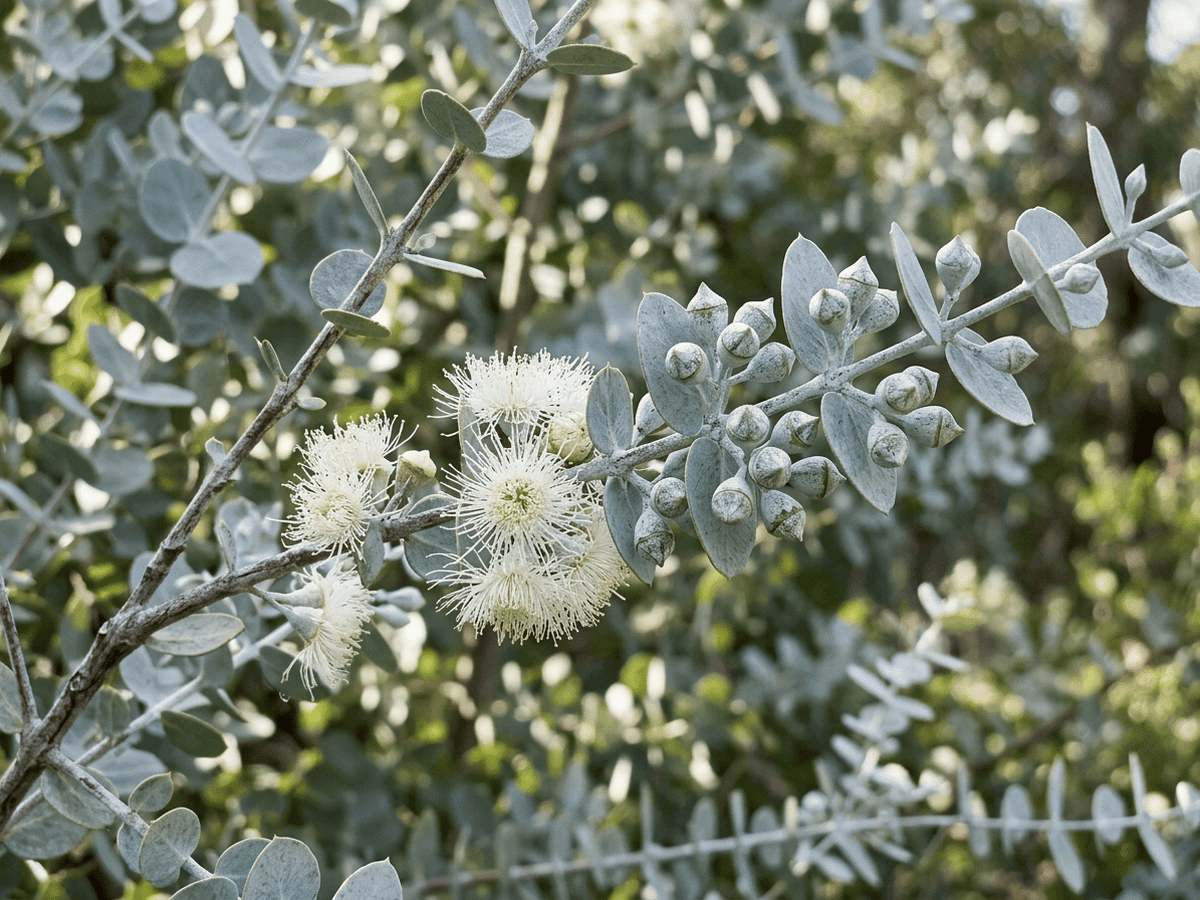
Eucalyptus pulverulenta, Silver-leaved Mountain Gum, is an Australian native tree prized above all for its extraordinary silver-blue foliage: round to elliptical leaves coated in a waxy white bloom clasp directly onto the stems without stalks, giving the branches a distinctive beaded appearance. Growing 30–50 feet in warm climates, it blooms in early spring with clusters of small white flowers. Rare in the wild—restricted to a small area in New South Wales—it has found global fame in the cut flower industry, where its silver stems are a staple of wedding and floral design worldwide.
- Evergreen
- Fragrant
- Fast-growing
- Drought-tolerant
How to care for Silver-leaved Mountain Gum
Watering
- Springevery 7 days
- Summerevery 5 days
- Fallevery 10 days
- Winterevery 30 days
Soil · Well-draining
- Top dressingPine bark mulch10%
- Main mixPotting soil + perlite 2:170%
- DrainageLECA / gravel20%
Never skip the drainage layer — standing water is the top cause of root rot.
FERTILIZER
Balanced Feed 14-14-14
An even feed covers all three needs at once, keeping leaves, roots and blooms moving together with nothing pushed out of balance.
- Nitrogen · Leaves
- Phosphorus · Roots + Blooms
- Potassium · Strength
- Springevery 30 days
- Summerevery 30 days
At a Glance
- NativeAustralia
- Height30–50 ft (9.1–15.2 m)
- Spread15–25 ft (4.6–7.6 m)
- Flower colorWhite
- Foliage colorSilver
- SoilWell-drained, Moist, Loamy
- LocationsYard · Balcony
Bloom time
BLOOM CYCLE
Peak bloom
Jan–May
Produces clusters of white flowers usually during the early spring months.
Fragrance
MODERATE FRAGRANCE
Classic eucalyptus camphor-medicinal scent from eucalyptol (1,8-cineole) in crushed or bruised leaves; fresh and slightly minty.
Toxicity
Humans Slight · Pets Moderate
eucalyptol, 1,8-cineole, and alpha-pinene
Slight
- Leaf
- Ingestion
EXPOSURE Eating leaves.
EFFECT Nausea and vomiting if large quantities ingested.
NOTE Contains eucalyptol (1,8-cineole). ASPCA lists Eucalyptus as toxic to dogs and cats; symptoms include vomiting, diarrhea, and lethargy. Humans generally safe with incidental contact; essential oil or large leaf ingestion can cause nausea.
Moderate
- Leaf
- Bark
- Ingestion
EXPOSURE Eating leaves and bark.
EFFECT Vomiting, diarrhea, excessive salivation, lethargy, and weakness.
NOTE Contains eucalyptol (1,8-cineole). ASPCA lists Eucalyptus as toxic to dogs and cats; symptoms include vomiting, diarrhea, and lethargy. Humans generally safe with incidental contact; essential oil or large leaf ingestion can cause nausea.
Moderate
- Leaf
- Bark
- Ingestion
EXPOSURE Eating leaves and bark.
EFFECT Vomiting, diarrhea, excessive salivation, and lethargy.
NOTE Contains eucalyptol (1,8-cineole). ASPCA lists Eucalyptus as toxic to dogs and cats; symptoms include vomiting, diarrhea, and lethargy. Humans generally safe with incidental contact; essential oil or large leaf ingestion can cause nausea.
Educational information, not medical or veterinary advice. If exposure is suspected, contact a doctor or veterinarian.
DISTRIBUTION


- Native
- Introduced
- Australia
History
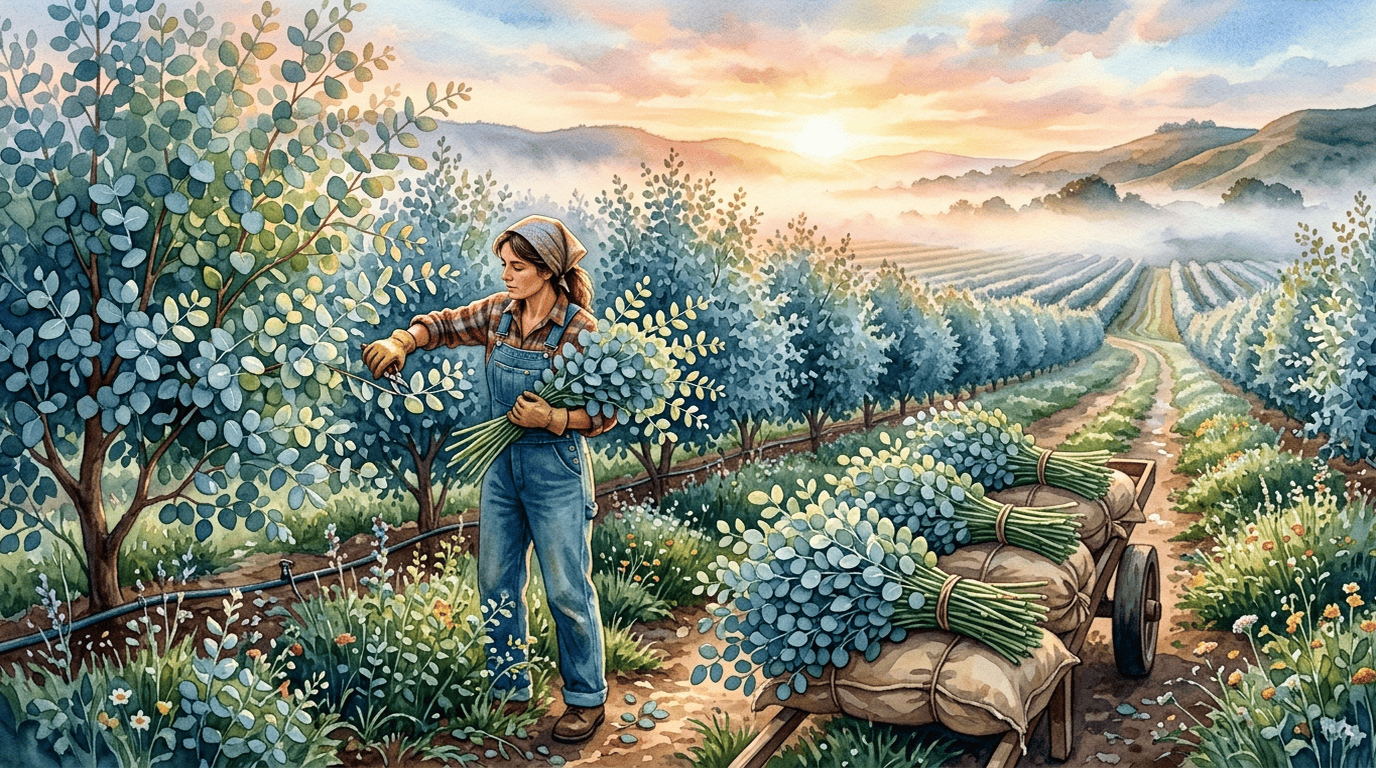
Eucalyptus pulverulenta is native to a remarkably small natural range: scattered populations in the central tablelands of New South Wales, Australia, primarily around Bathurst and Orange. In the wild it grows on exposed rocky ridges and slopes in poor, dry soils—an environment that intensifies the waxy silver bloom on its leaves. The species was formally described by J.E. Smith in 1798, among the first Australian eucalypts to enter European botanical literature.
The plant's defining characteristic is its unusual sessile (stalkless) leaves that clasp directly around the stem, giving branches a distinctly beaded, photogenic appearance. This trait, combined with the luminous silver-white coating (the 'pulverulenta' of the name—Latin for 'powdery' or 'dusty'), made it exceptional among eucalypts.
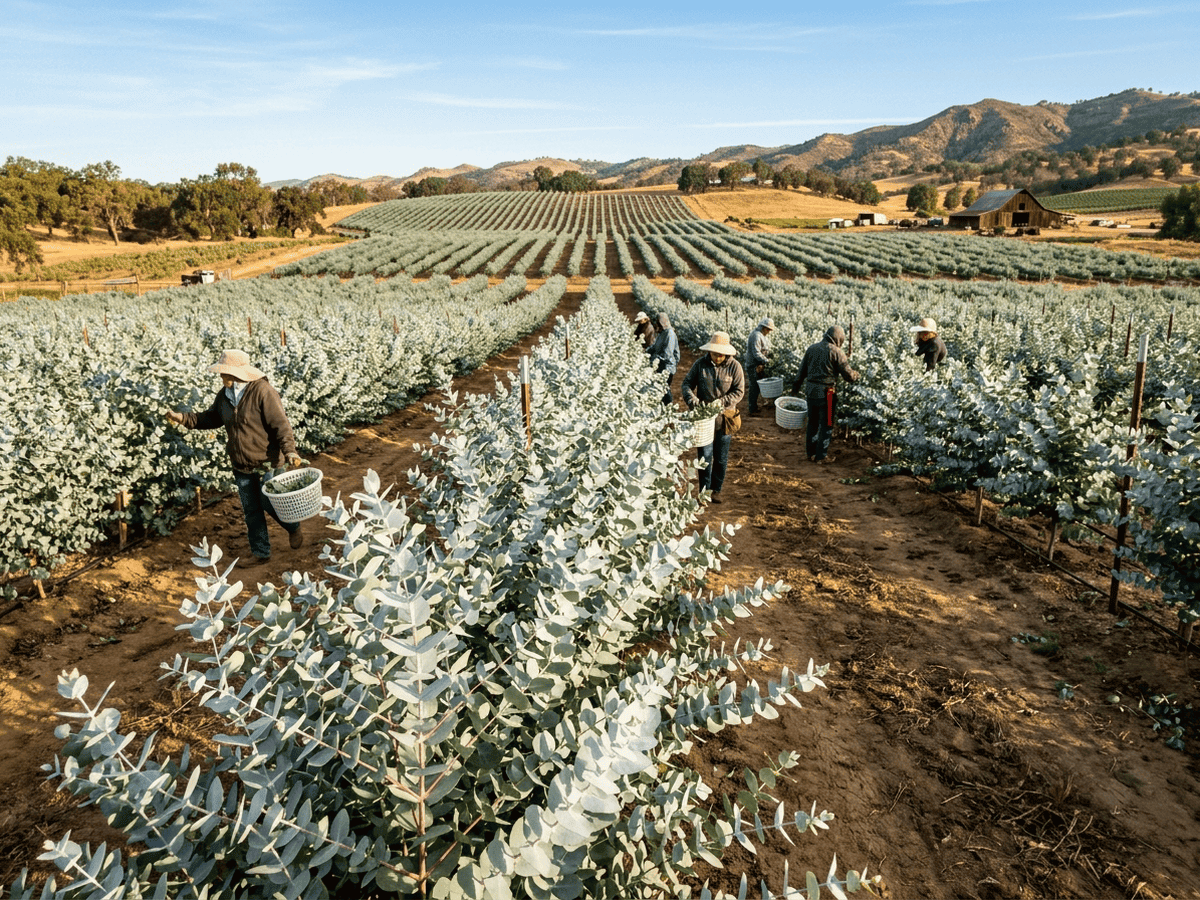
For most of the 19th and early 20th centuries E. pulverulenta remained a botanical curiosity. Its transformation into a global commodity came through the cut flower industry, which discovered in the mid-to-late 20th century that the silver stems were uniquely striking in floral arrangements—long-lasting, elegant, and impossible to replicate with any other plant. California, South Africa, and Chile developed commercial farms producing stems for international export. The cultivar 'Baby Blue,' a compact, fast-growing selection with particularly round leaves, became especially popular and is now grown on cut flower farms worldwide.
In its natural Australian habitat, E. pulverulenta is considered rare and is protected under New South Wales conservation legislation, though it remains widely grown internationally for horticulture.
Symbolism & meaning
What It Symbolizes
Silver-leaved Mountain Gum grows on a few rocky ridges in New South Wales, barely noticed by the animals of the Australian bush. Then someone cut a branch, put it in a vase, and the whole world wanted more. Now it grows in farms in California and Chile and South Africa—everywhere except, in abundance, the place it came from.
- refinement — Silver-white leaves that look dusted with frost—not common among trees, and impossible to mistake for anything else.
- rarity — Rare in the wild, thriving in commerce: a plant that is nearly gone from its native rocky hillsides but fills florists' shops on every continent.
Where the Name Comes From
Eucalyptus derives from Greek eu (well) and kalyptos (covered), referring to the cap covering the flower bud before it opens. The species epithet pulverulenta is Latin for 'powdery' or 'dusty,' referring to the white waxy bloom coating the leaves and stems.
Uses & Fun Facts
- The defining cut foliage of the global floral industry; silver sessile-leaved stems used in wedding arrangements, bouquets, and dried wreaths worldwide
- Dramatic silver-blue foliage adds year-round color in warm-climate gardens; the dwarf cultivar 'Baby Blue' suited to smaller spaces
- Crushed leaves release the classic eucalyptus camphor scent; aromatic when handled and in dried arrangements
Related plants
Plants with similar care
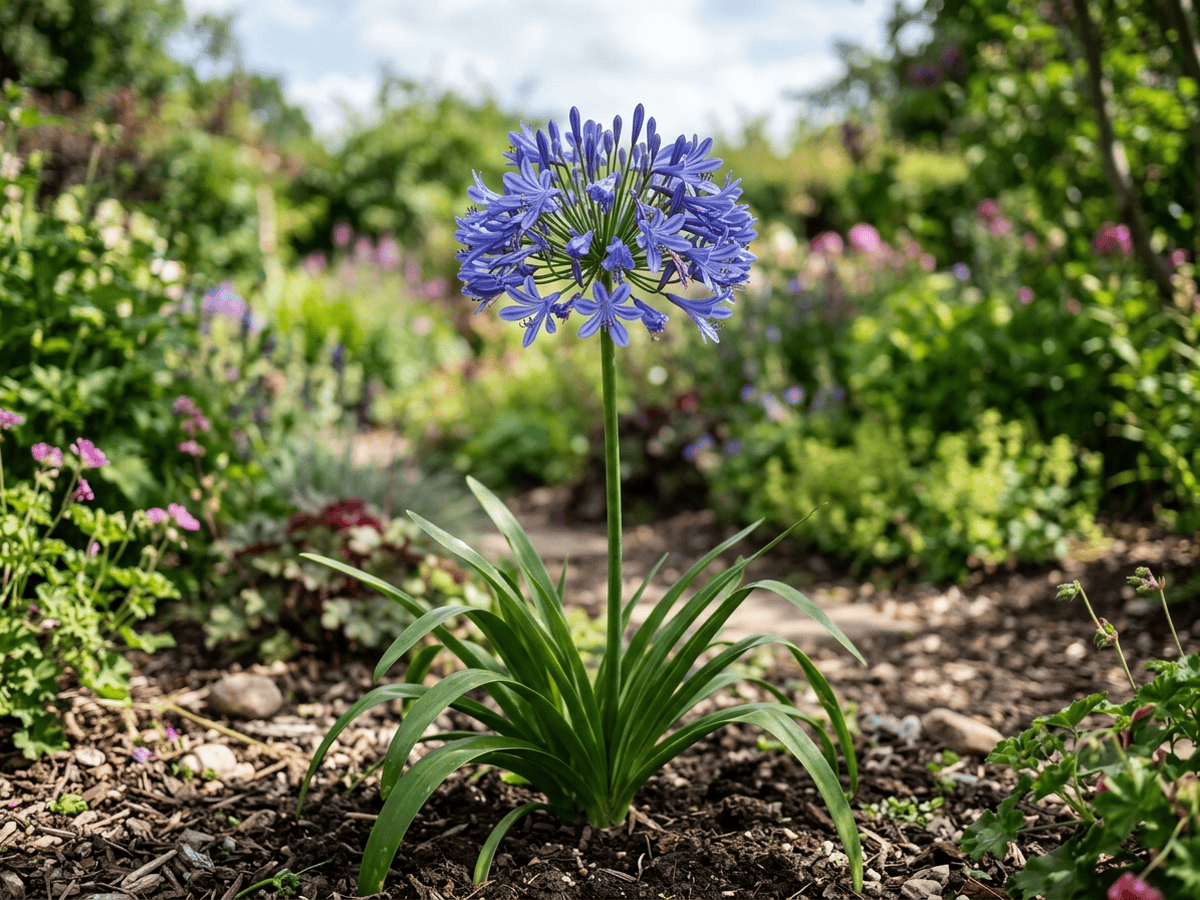 African LilyAgapanthus africanus
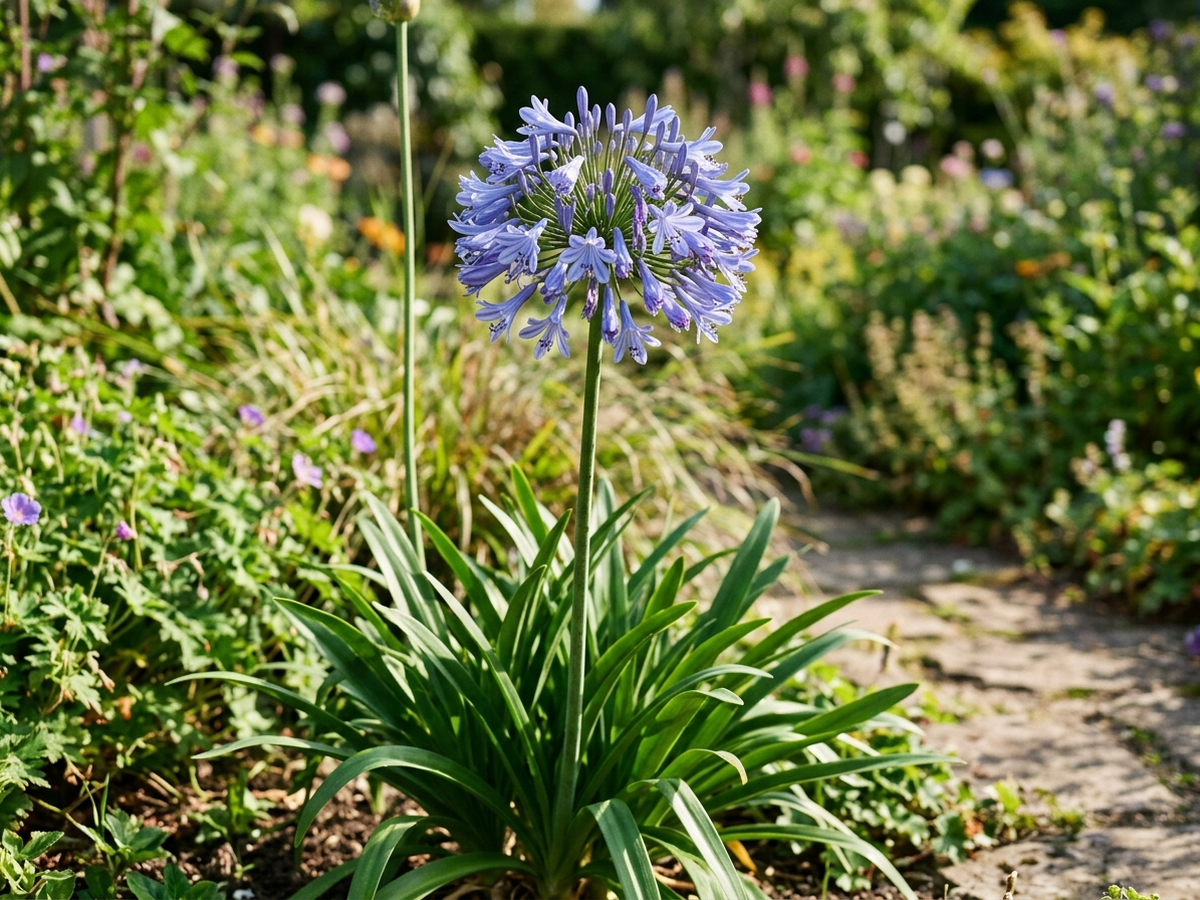 Bell AgapanthusAgapanthus campanulatus
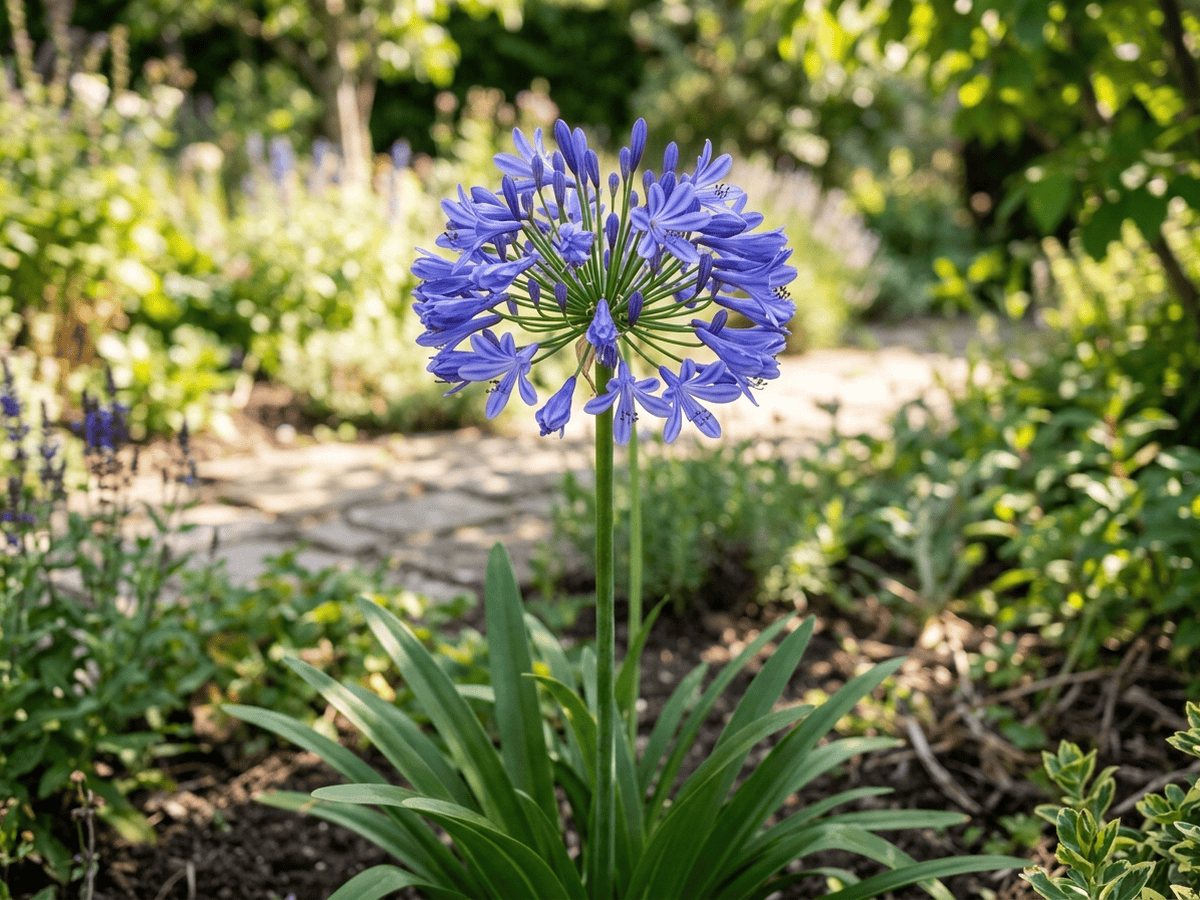 Common AgapanthusAgapanthus praecox
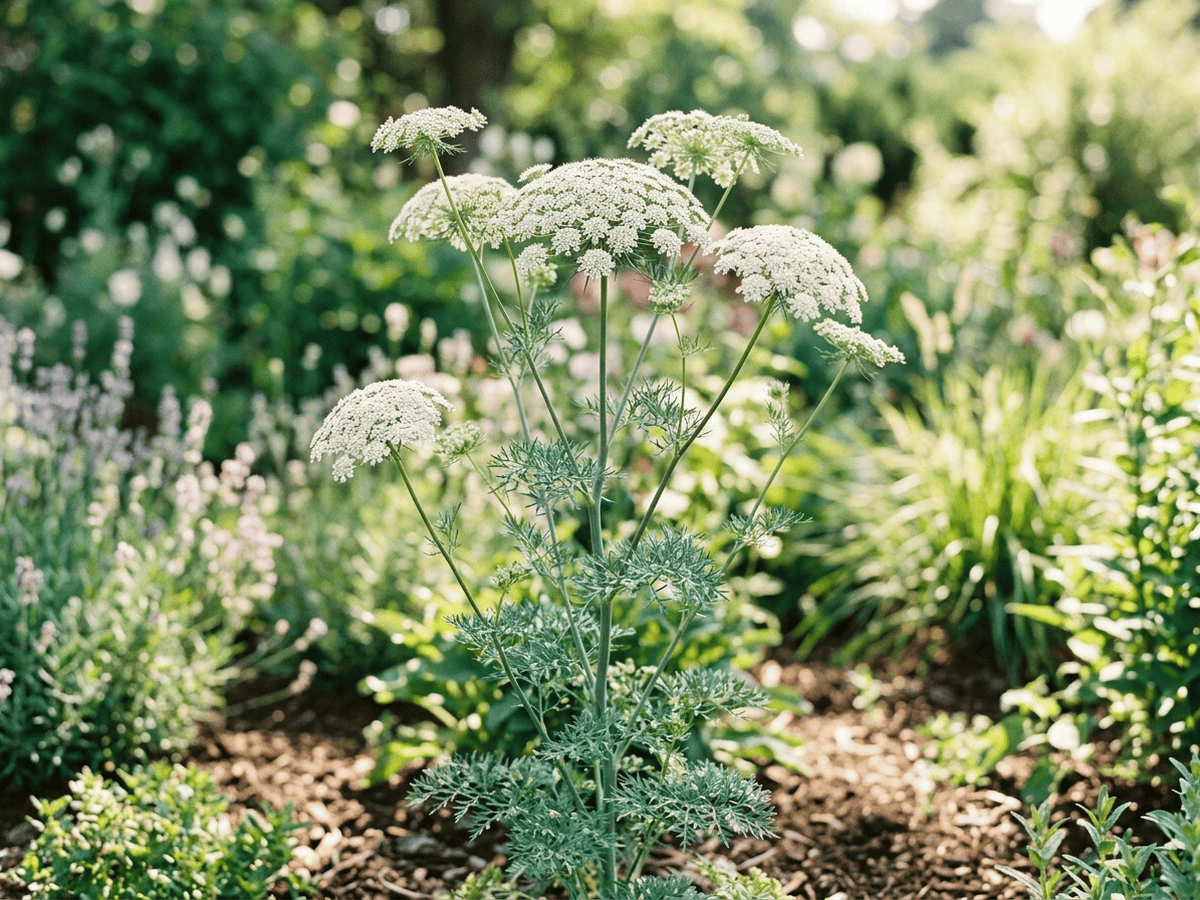 False Queen Anne's LaceAmmi majus glaucifolium
Frequently asked questions
How often should I water Silver-leaved Mountain Gum?
In summer, water about every 5 days; in winter, about every 30 days. Adjust for heat, pot size and drainage.
How much light does Silver-leaved Mountain Gum need?
Part sun: 4–6 hrs direct. Watch the leaves — scorching or stretching means the light needs adjusting.
Is Silver-leaved Mountain Gum toxic to cats or dogs?
Pets Moderate (Dogs Moderate · Cats Moderate) Educational information, not medical or veterinary advice. If exposure is suspected, contact a doctor or veterinarian.
Is Silver-leaved Mountain Gum easy to grow?
It is considered challenging and rewards experienced growers.
When does Silver-leaved Mountain Gum bloom?
It typically blooms Jan–May in the Northern Hemisphere.
YardMate
Identify any plant in seconds
Snap a photo — YardMate names the plant, diagnoses problems, and reminds you when to water.
Download on the App Store