 YardMate


Showy Prairie Gentian
Eustoma grandiflorum
Hard · Experienced growersAbout Showy Prairie Gentian
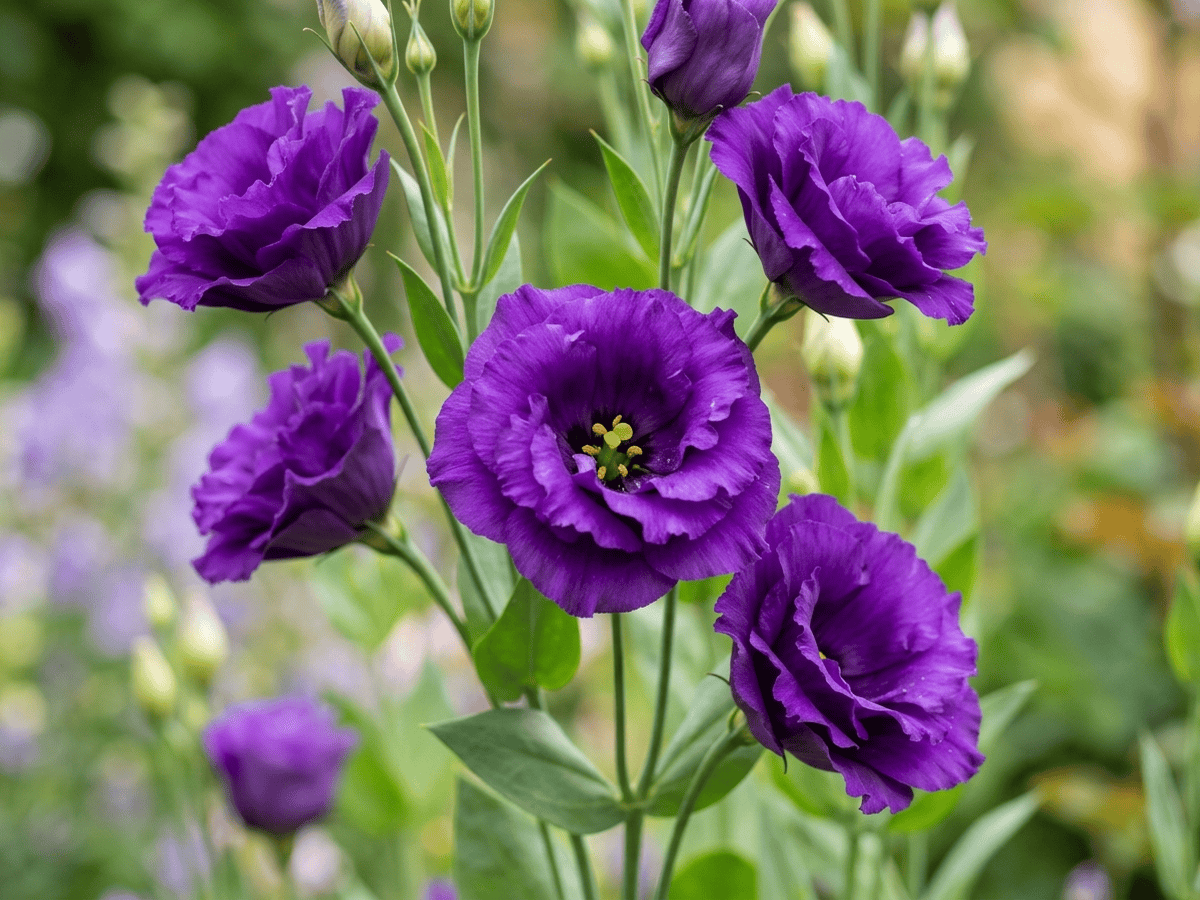
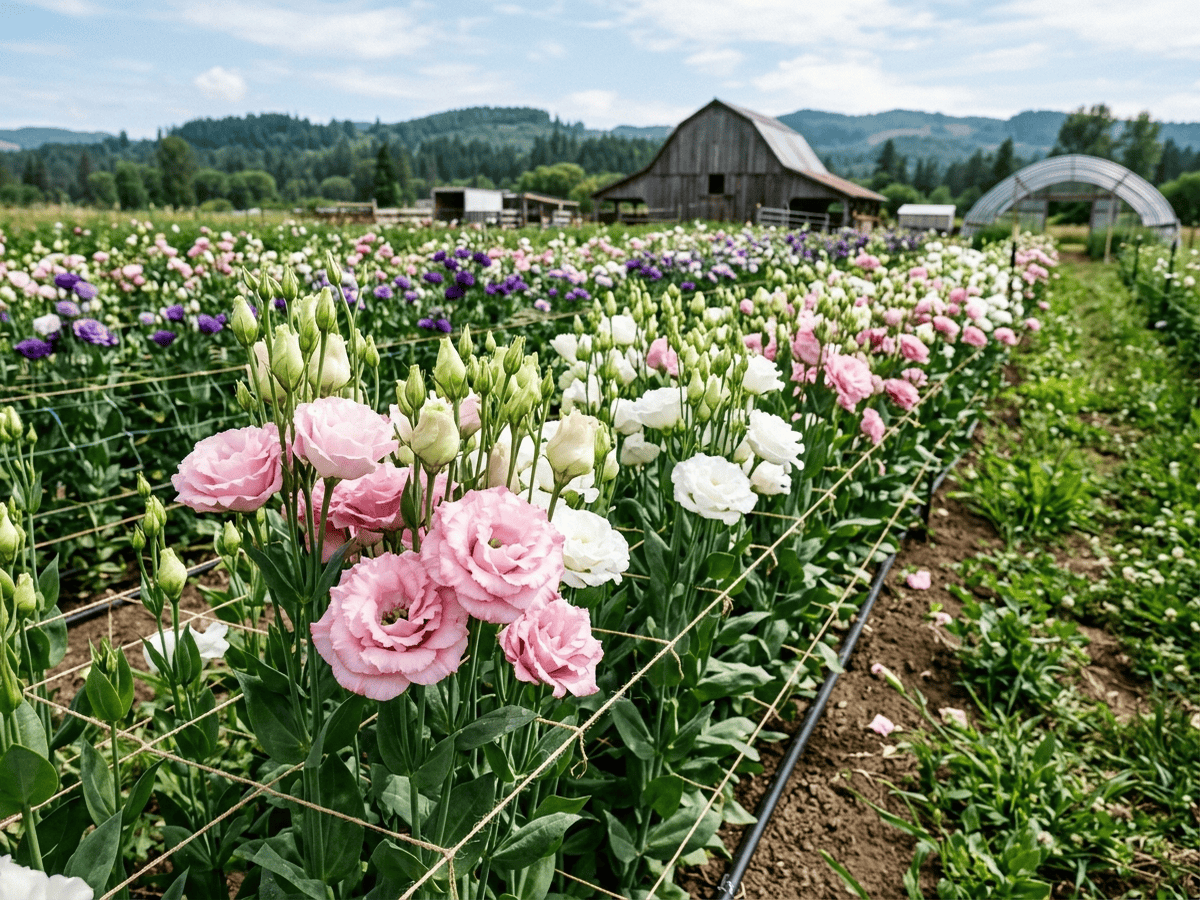
Lisianthus or Prairie Gentian is a Great Plains native grown as a premium cut-flower annual across the world, producing spectacular rose-like double flowers on tall stems in white, pink, purple, blue, yellow, and bicolors. Growing 18 to 36 inches tall with smooth blue-green foliage, it is the fifth most important cut flower globally and a long-lasting vase flower popular for weddings and American cut-flower farms.
- Cut-flower
- Heat-tolerant
- Native
- Pollinator-friendly
How to care for Showy Prairie Gentian
Watering
- Springevery 5 days
- Summerevery 4 days
- Fallevery 7 days
- Winterevery 10 days
Soil · Well-draining
- Top dressingPine bark mulch10%
- Main mixPotting soil + perlite 2:170%
- DrainageLECA / gravel20%
Never skip the drainage layer — standing water is the top cause of root rot.
FERTILIZER
Balanced Feed 14-14-14
An even feed covers all three needs at once, keeping leaves, roots and blooms moving together with nothing pushed out of balance.
- Nitrogen · Leaves
- Phosphorus · Roots + Blooms
- Potassium · Strength
- Springevery 21 days
- Summerevery 21 days
At a Glance
- NativeNorth America
- Height1–3 ft (0.3–0.9 m)
- Spread1 ft (0.3 m)
- Flower colorBlue, Purple, Pink, White
- Foliage colorGreen
- SoilLoamy, Well-drained, Alkaline
- LocationsYard
Bloom time
BLOOM CYCLE
Peak bloom
Jun–Nov
Large rose-like flowers midsummer through early fall
Fragrance
LIGHT FRAGRANCE
Flowers are only lightly scented.
Toxicity
Pets Safe
None reported
Not reported
EXPOSURE No exposure route is reported.
EFFECT No toxic effect is reported.
NOTE No human toxicity is reported in this catalog; avoid eating ornamental plants unless confirmed edible.
Safe
EXPOSURE No exposure route is reported.
EFFECT No toxic effect is reported.
NOTE Listed as non-toxic for dogs; avoid eating ornamental plants unless confirmed edible.
Safe
EXPOSURE No exposure route is reported.
EFFECT No toxic effect is reported.
NOTE Listed as non-toxic for cats; avoid eating ornamental plants unless confirmed edible.
Educational information, not medical or veterinary advice. If exposure is suspected, contact a doctor or veterinarian.
DISTRIBUTION


- Native
- North America
History
Eustoma grandiflorum, commonly called lisianthus, prairie gentian, or Texas bluebell, is a herbaceous biennial to short-lived perennial native to the prairies of Nebraska, Kansas, Oklahoma, Texas, New Mexico, Colorado, and northern Mexico. American botanist Constantine Samuel Rafinesque described the species in 1822, and Scottish botanist David Don established the genus Eustoma in 1837. The wild plant bears single bluish-purple or white rose-like flowers.
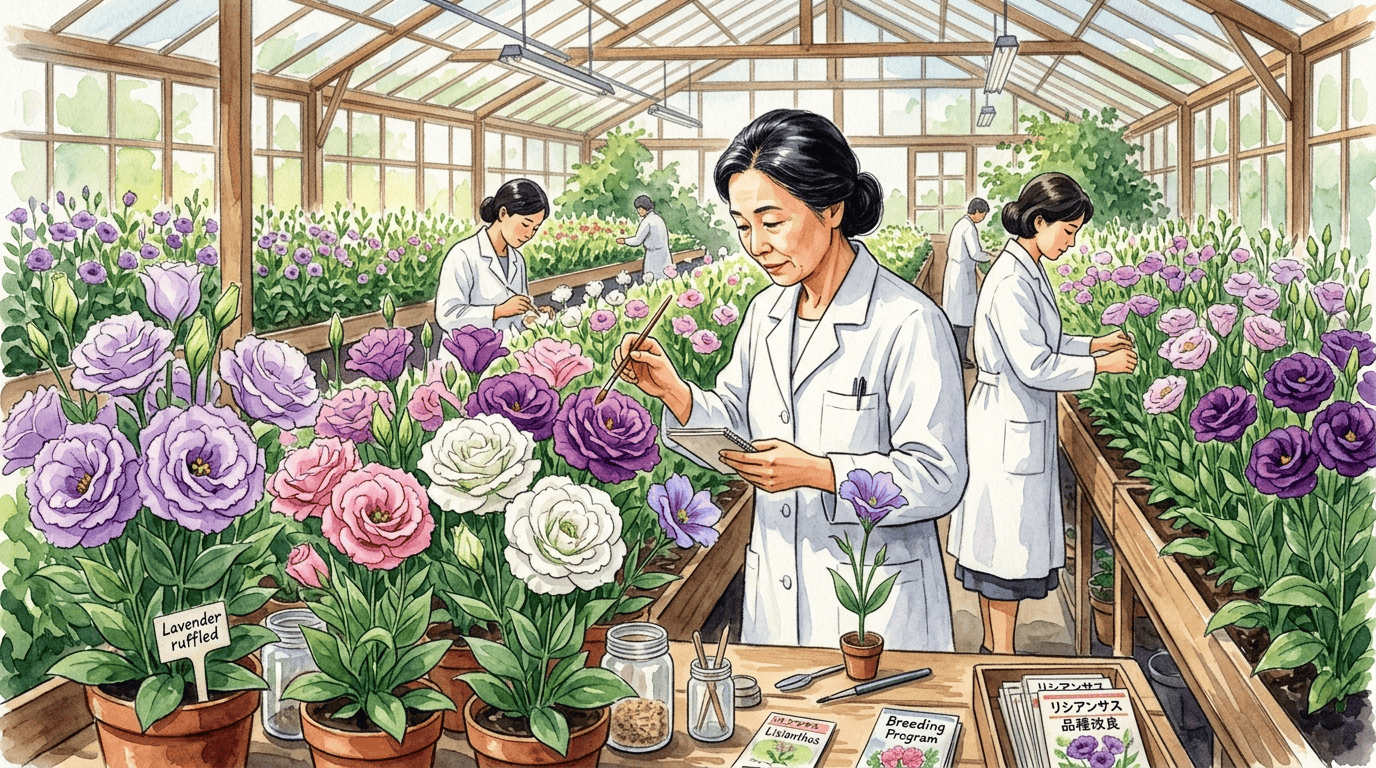
Japanese breeders at Sakata Seed and Takii Seed revolutionized it beginning in the 1930s and accelerating after 1960, producing tall double-flowered cultivars in white, pink, green, cream, lavender, purple, yellow, apricot, and bicolors. Lisianthus became one of the world's top-ten cut flowers by the 2000s, with major production in Colombia, Kenya, Israel, Japan, and California for florist and wedding markets.
Native to the Great Plains from Nebraska to Texas, transformed from humble prairie wildflower to world-famous cut flower by Japanese breeders in the 1970s and 1980s. Now the fifth most valuable cut flower globally and a top American specialty cut-flower farm crop.
Symbolism & meaning
What It Symbolizes
The Showy Prairie Gentian makes visible appreciation, the flower one gives to thank rather than to declare. Originally a native of the central American prairie, it has become a global luxury cut flower, its rose-like blooms carried into Japanese weddings and European bouquets alike. Few wildflowers have traveled so far while keeping their meaning intact — gratitude expressed through quiet, prairie-rooted elegance.
- Appreciation — classic gift flower for gratitude
- Prairie elegance — American native turned global luxury cut flower
Where the Name Comes From
The name Showy Prairie Gentian describes its showy display. 'Eustoma' from Greek 'eu-stoma' meaning beautiful mouth, for the open funnel-shaped flowers; 'grandiflorum' means large-flowered.
Uses & Fun Facts
- Showy Prairie Gentian flowers nourish foraging bees and pollinators
- Elegant cup flowers suit patio planters and long-lasting cut stems
- Rose-like flowers lift summer containers and floral cutting beds
Related plants
Plants with similar care
 Pink Sand VerbenaAbronia umbellata
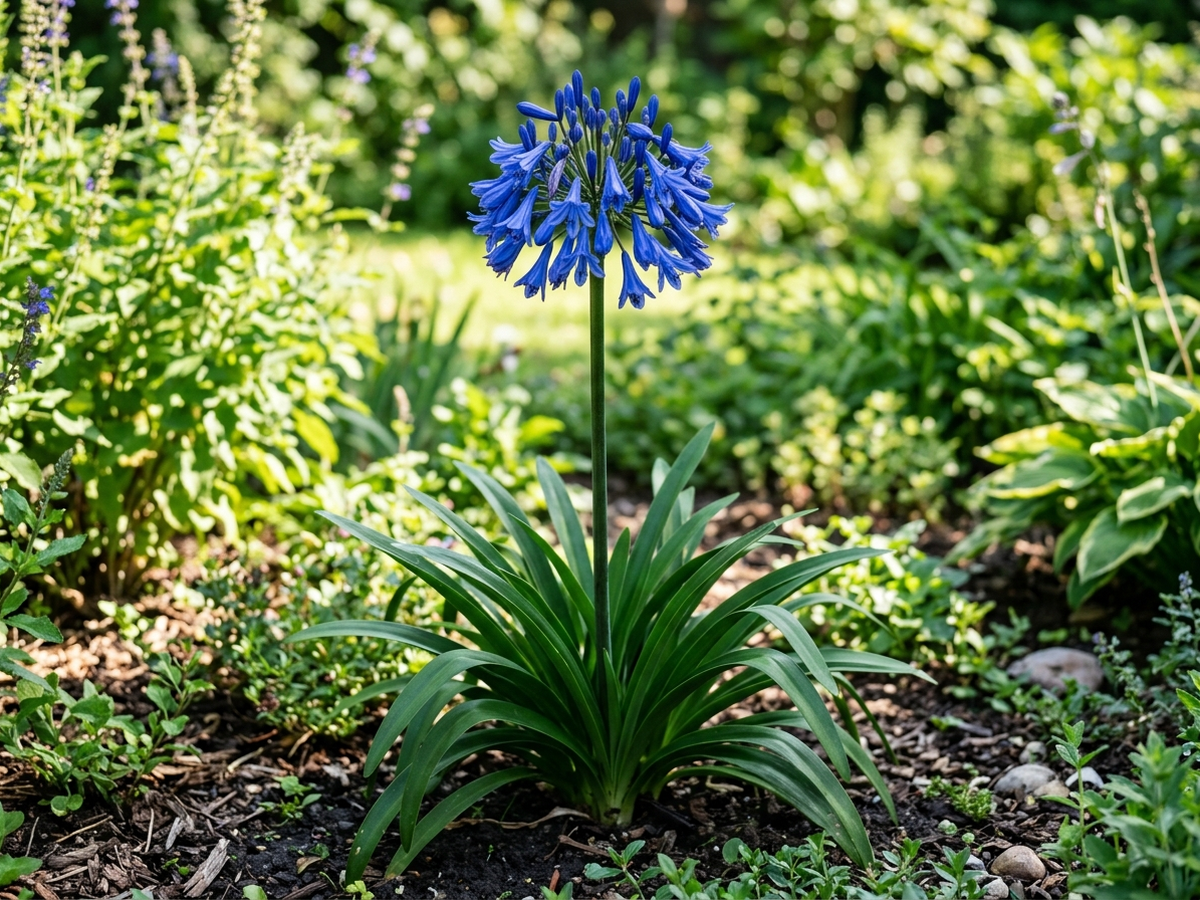 Drooping AgapanthusAgapanthus inapertus
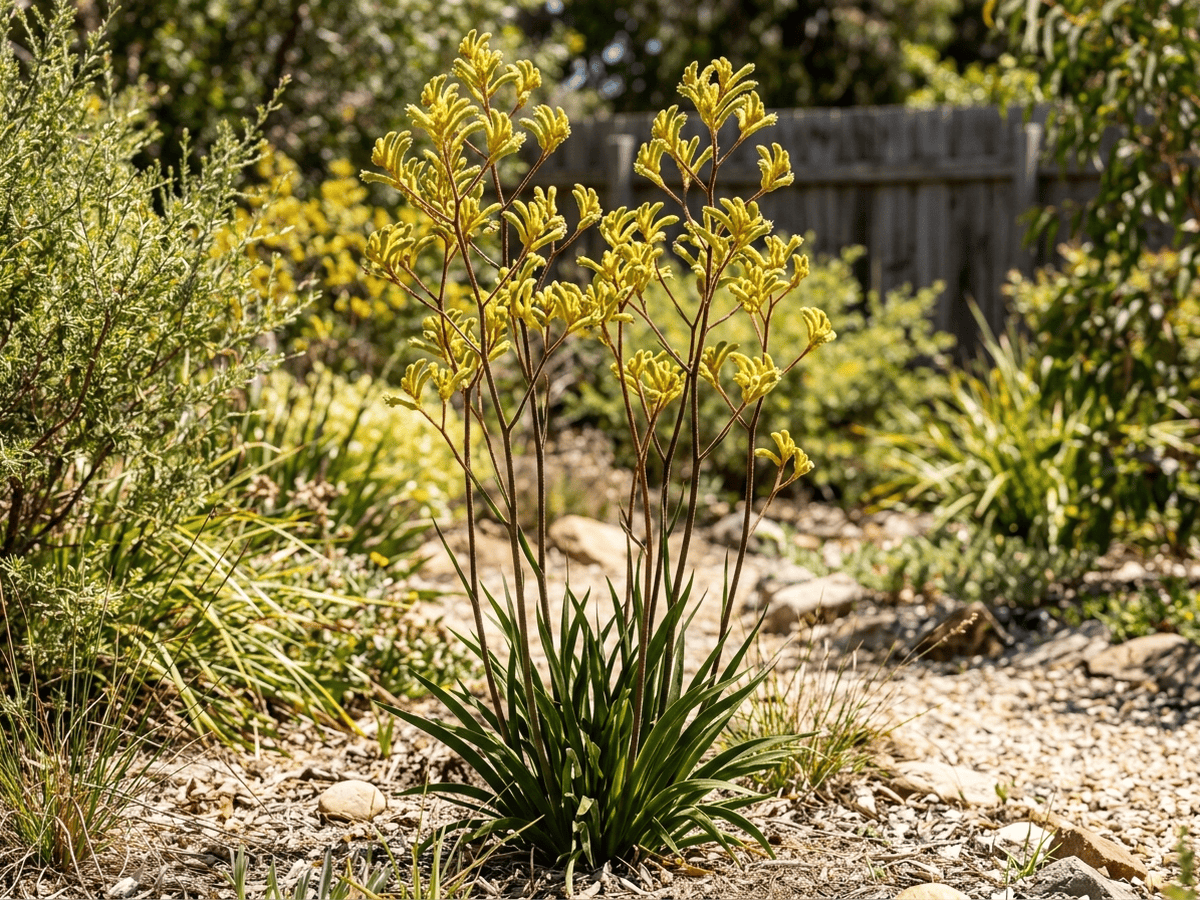 Tall Kangaroo PawAnigozanthos flavidus
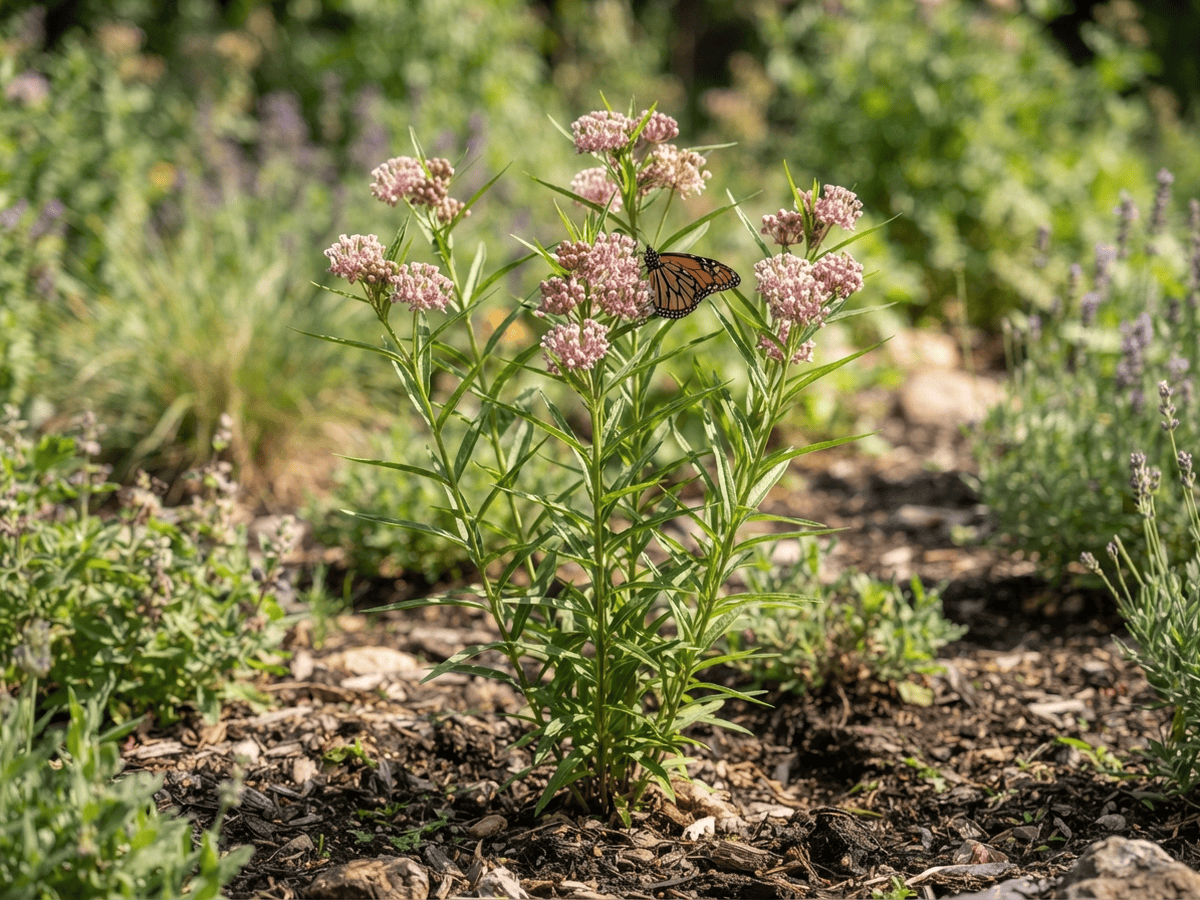 Narrowleaf MilkweedAsclepias fascicularis
Frequently asked questions
How often should I water Showy Prairie Gentian?
In summer, water about every 4 days; in winter, about every 10 days. Adjust for heat, pot size and drainage.
How much light does Showy Prairie Gentian need?
Full sun: 6+ hrs direct. Watch the leaves — scorching or stretching means the light needs adjusting.
Is Showy Prairie Gentian toxic to cats or dogs?
Pets Safe (Dogs Safe · Cats Safe) Educational information, not medical or veterinary advice. If exposure is suspected, contact a doctor or veterinarian.
Is Showy Prairie Gentian easy to grow?
It is considered challenging and rewards experienced growers.
When does Showy Prairie Gentian bloom?
It typically blooms Jun–Nov in the Northern Hemisphere.
YardMate
Identify any plant in seconds
Snap a photo — YardMate names the plant, diagnoses problems, and reminds you when to water.
Download on the App Store