 YardMate
Blue Daze
Evolvulus glomeratus
Hard · Experienced growersAbout Blue Daze
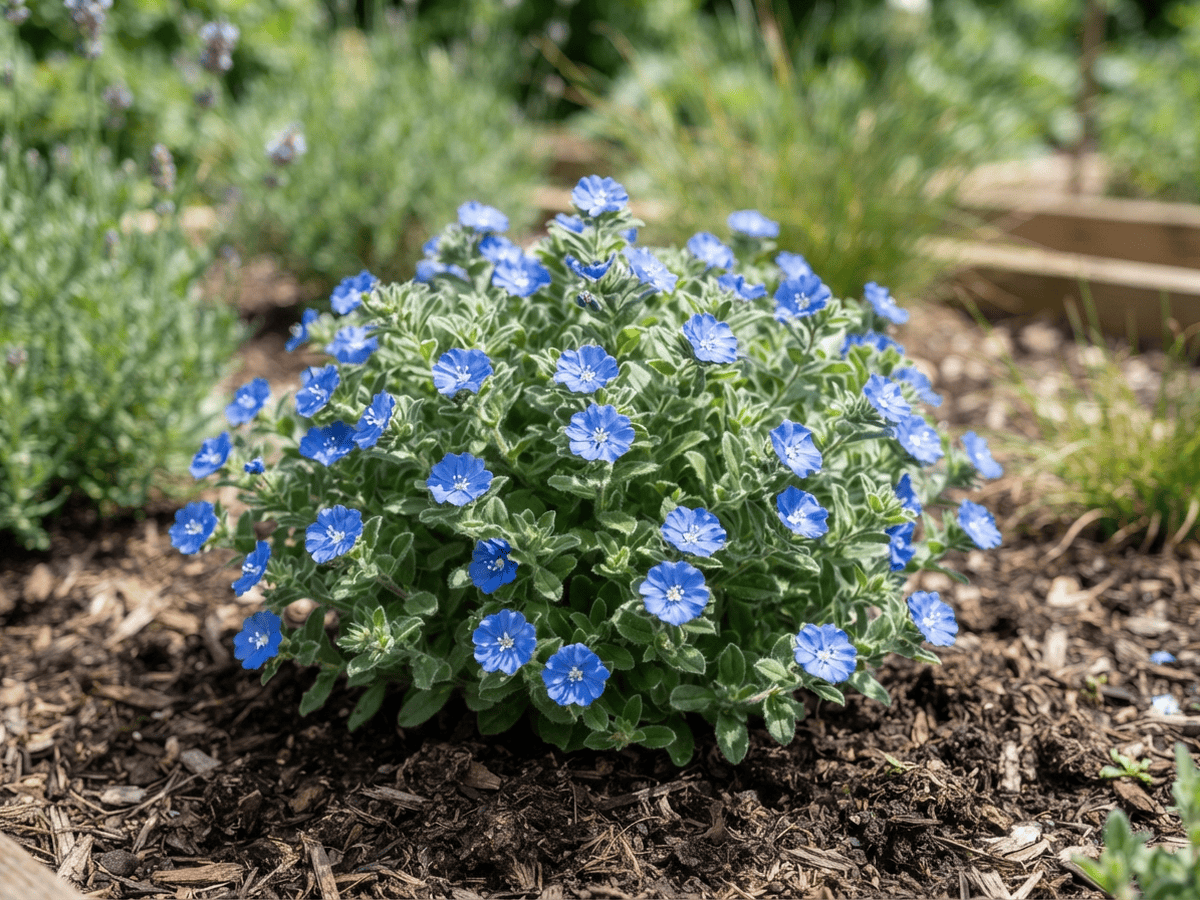
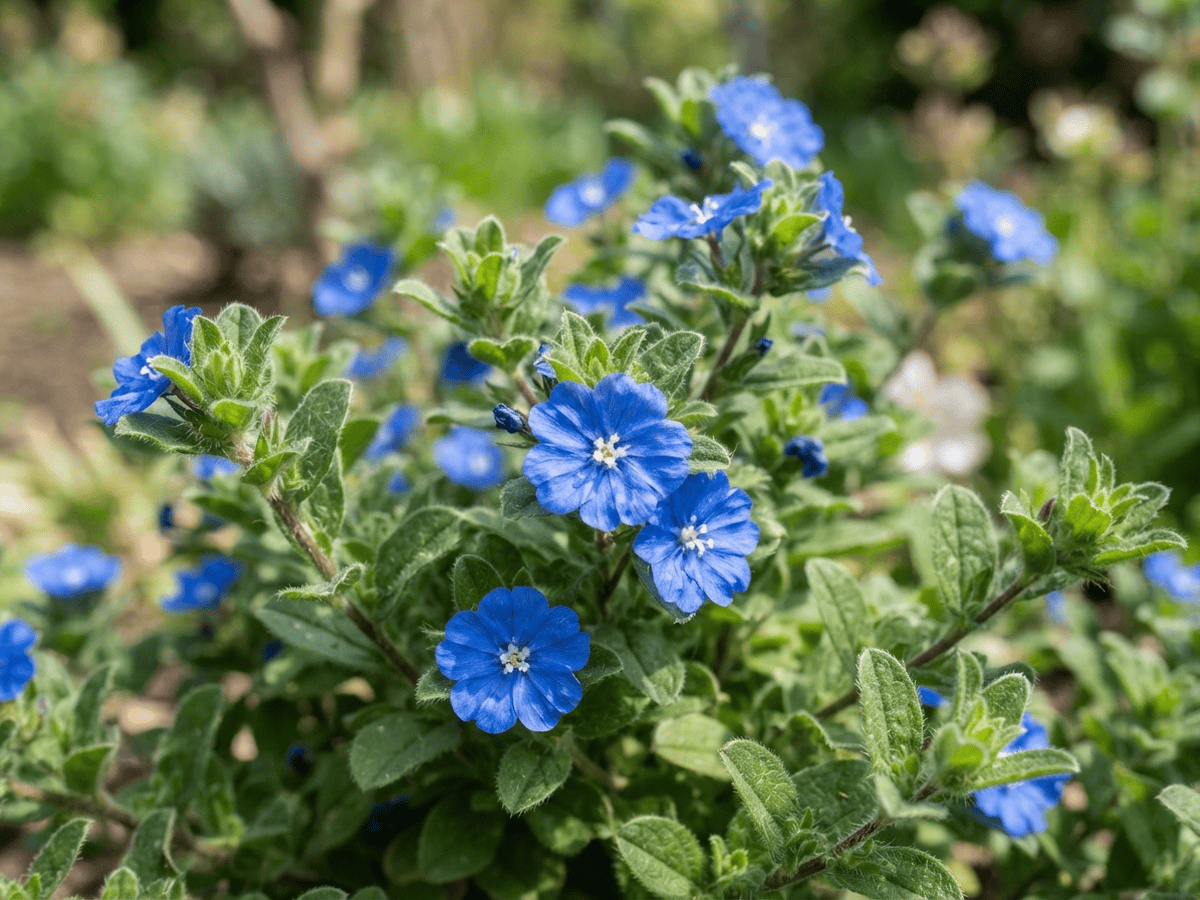
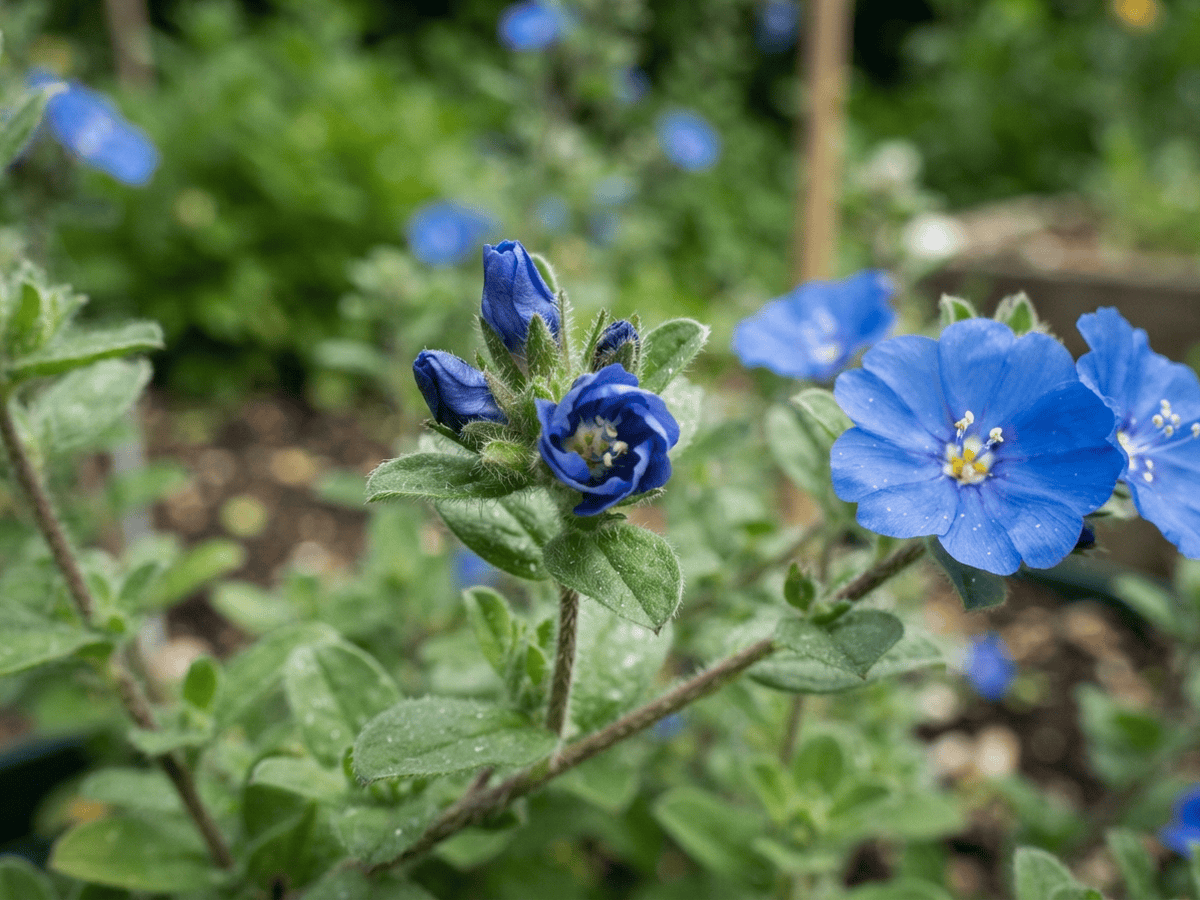
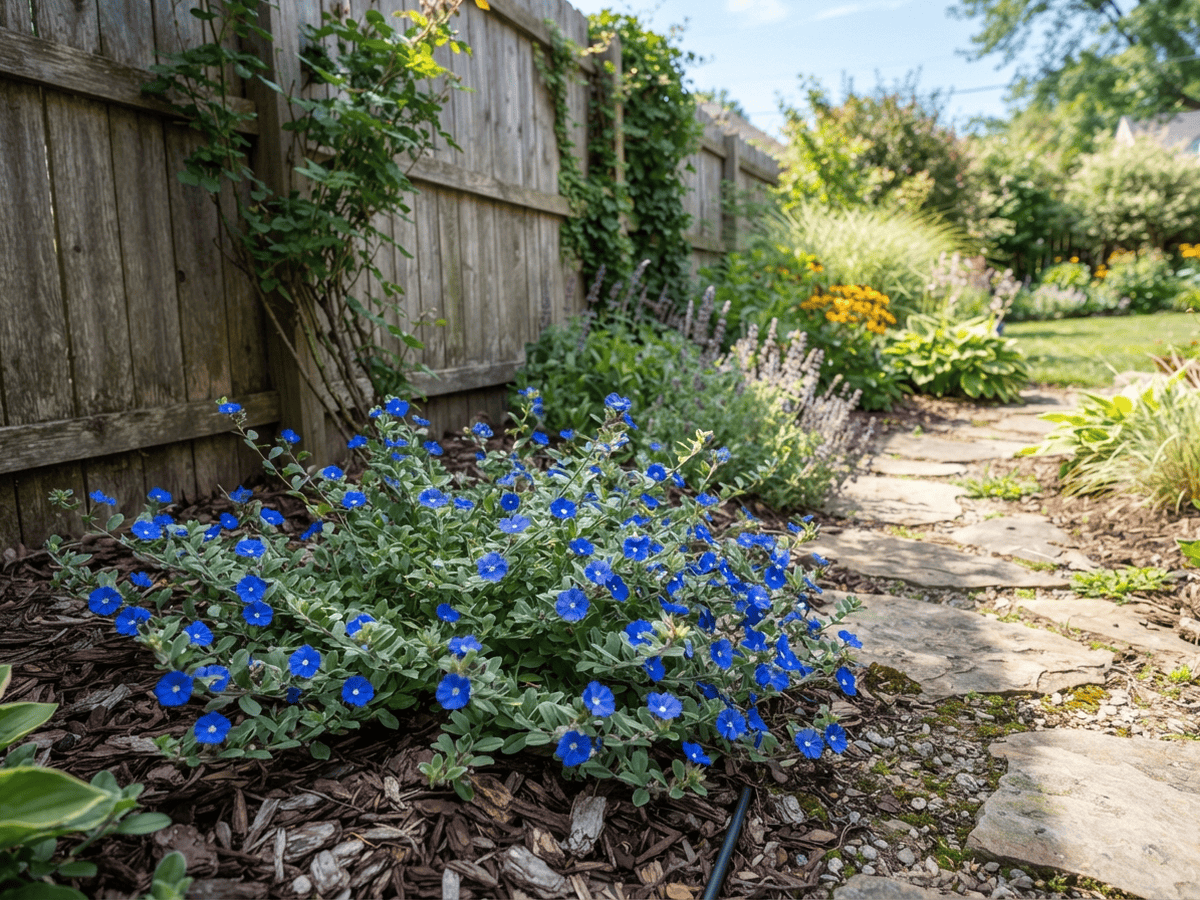
Blue Daze is a low, spreading groundcover prized for its vivid blue, funnel-shaped flowers that unfurl fresh each morning and fade by early afternoon, covering the plant in a daily haze of color through the warm season. Trailing stems carry small, silvery-green leaves with a soft, fuzzy texture that helps the plant shrug off heat and drought once established. Native to the grasslands of South America, it thrives in full sun and well-drained soil, forming a dense, mounding mat well suited to garden edges, hanging baskets, and container plantings. Bees visit the blooms readily, making Blue Daze a cheerful, low-maintenance choice for sunny beds and patios.
- Drought-tolerant
- Spreading
- Long-blooming
- Pollinator-friendly
- Container-friendly
- Evergreen
How to care for Blue Daze
Watering
- Springevery 15 days
- Summerevery 10 days
- Fallevery 20 days
- Winterpause watering
Soil · Well-draining
- Top dressingPine bark mulch10%
- Main mixPotting soil + perlite 2:170%
- DrainageLECA / gravel20%
Never skip the drainage layer — standing water is the top cause of root rot.
FERTILIZER
Balanced Feed 14-14-14
An even feed covers all three needs at once, keeping leaves, roots and blooms moving together with nothing pushed out of balance.
- Nitrogen · Leaves
- Phosphorus · Roots + Blooms
- Potassium · Strength
- Springevery 30 days
- Summerevery 30 days
- Fallevery 30 days
At a Glance
- NativeSouth America, Caribbean
- Height0.5–1 ft (0.2–0.3 m)
- Spread2–3 ft (0.6–0.9 m)
- Flower colorBlue
- Foliage colorGreen
- Fruit colorBrown
- SoilWell-drained, Moist
- LocationsYard · Patio · Balcony
Bloom time
BLOOM CYCLE
Peak bloom
May–Sep
This plant flowers from late spring to summer, with vibrant and charming blooms.
Fragrance
NO FRAGRANCE
No noticeable fragrance — Blue Daze is grown for its vivid blue flowers, not scent.
Toxicity
No toxicity has been reported for this plant. Still, it is wise to keep pets from chewing on any houseplant.
Educational information, not medical or veterinary advice. If exposure is suspected, contact a doctor or veterinarian.
DISTRIBUTION


- Native
- Introduced
- South America
- Caribbean
History
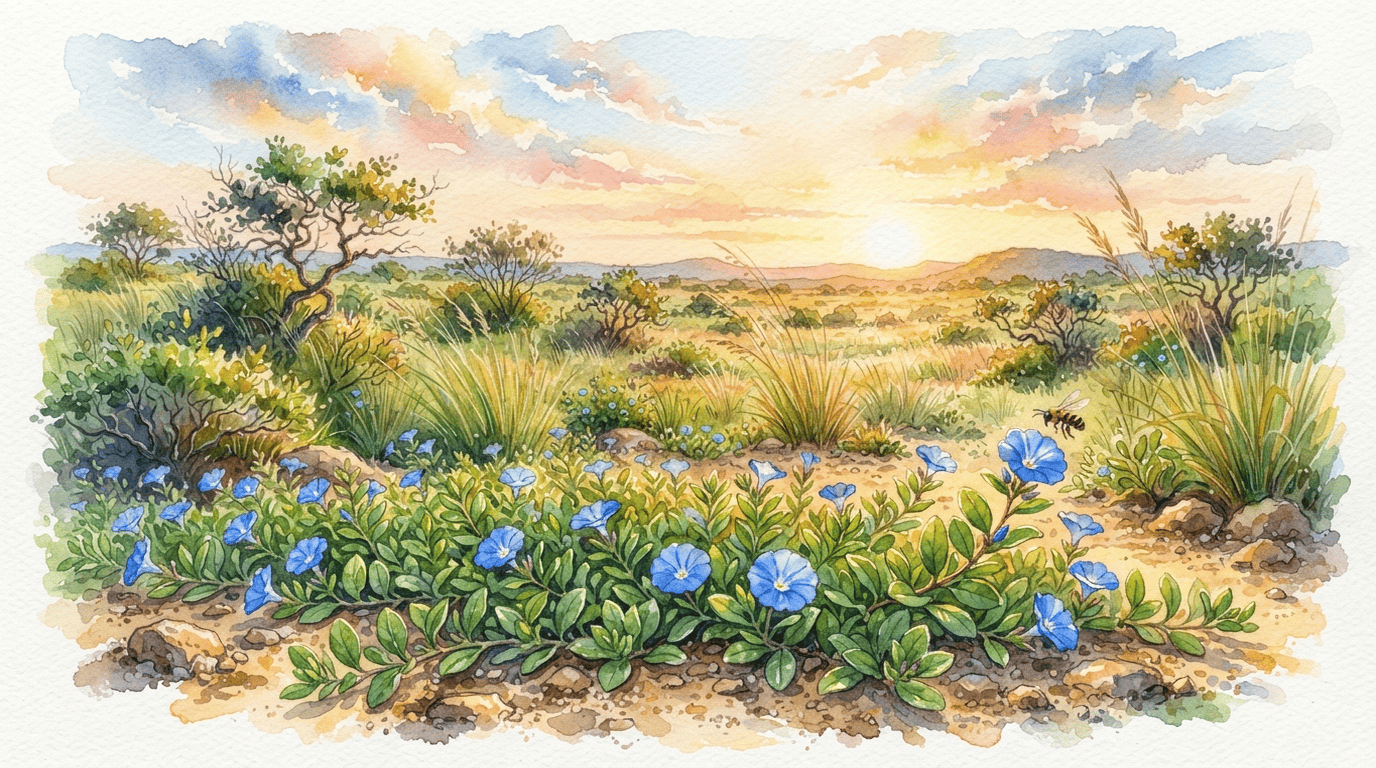
Blue Daze belongs to Evolvulus, a genus whose Latin name comes from evolvere, 'to unroll' or 'to untwist.' Botanists chose the name deliberately as a contrast to the plant's close relatives in the morning glory family, most of which climb by twining stems around any support they find. Blue Daze does the opposite: it never twines or climbs, instead spreading low across the ground in a loose, unrolling mat, a habit distinctive enough to earn the whole genus its unwinding name. In its native range across the rocky fields and open grasslands of Brazil, Paraguay, and Argentina, the plant grows low among grasses on poor, sun-baked soil, an environment that shaped its drought tolerance and its habit of opening flowers only in the cooler hours of morning, when pollinating bees are most active, before closing them against the harsh afternoon sun.
Blue Daze found a second life far from home in the gardens of the southeastern United States, especially along the Gulf Coast and throughout Florida. Traditional bedding plants like petunias and verbena struggle through the region's long, humid summers, wilting or succumbing to fungal disease within weeks. Nursery growers and home gardeners turned instead to Blue Daze, whose Brazilian savanna origins made it naturally suited to heat, humidity, and drought. University extension programs promoting heat-tolerant, water-wise landscaping began recommending it as a reliable substitute, and it became a familiar sight trailing over the edges of raised beds, cascading from hanging baskets, and softening walkway borders in gardens where more delicate bedding flowers simply could not survive the season.
Symbolism & meaning
What It Symbolizes
Because its flowers open anew each morning and fade by afternoon, gardeners have long read Blue Daze as a small daily symbol of renewal — a reminder that each day brings a fresh start. Its toughness in poor soil and relentless summer heat has also made it an emblem of quiet resilience, thriving where more delicate flowers cannot.
- Renewal — Fresh blue flowers open with every sunrise and fade by afternoon, a daily cycle read as a symbol of renewal and new beginnings.
- Resilience — Thriving in poor, sun-baked soil far from its native grasslands, Blue Daze has come to represent quiet resilience in the face of heat and drought.
Where the Name Comes From
The genus name Evolvulus comes from the Latin evolvere, meaning 'to unroll' or 'to untwist' — a name chosen in deliberate contrast to its twining relatives in the morning glory family. Unlike most Convolvulaceae, Evolvulus species trail and mound rather than climb. The species epithet glomeratus means 'clustered,' describing how the flowers bunch along the stems. The popular trade name Blue Daze captures the plant's signature habit: its intensely blue flowers open fresh each morning and fade by early afternoon, leaving beds in a daily haze of color.
Uses & Fun Facts
- Grown as a low, spreading groundcover and container trailer prized for its nonstop blue blooms.
- Its open, nectar-rich flowers draw bees and other pollinators through the warm season.
Related plants
Plants with similar care
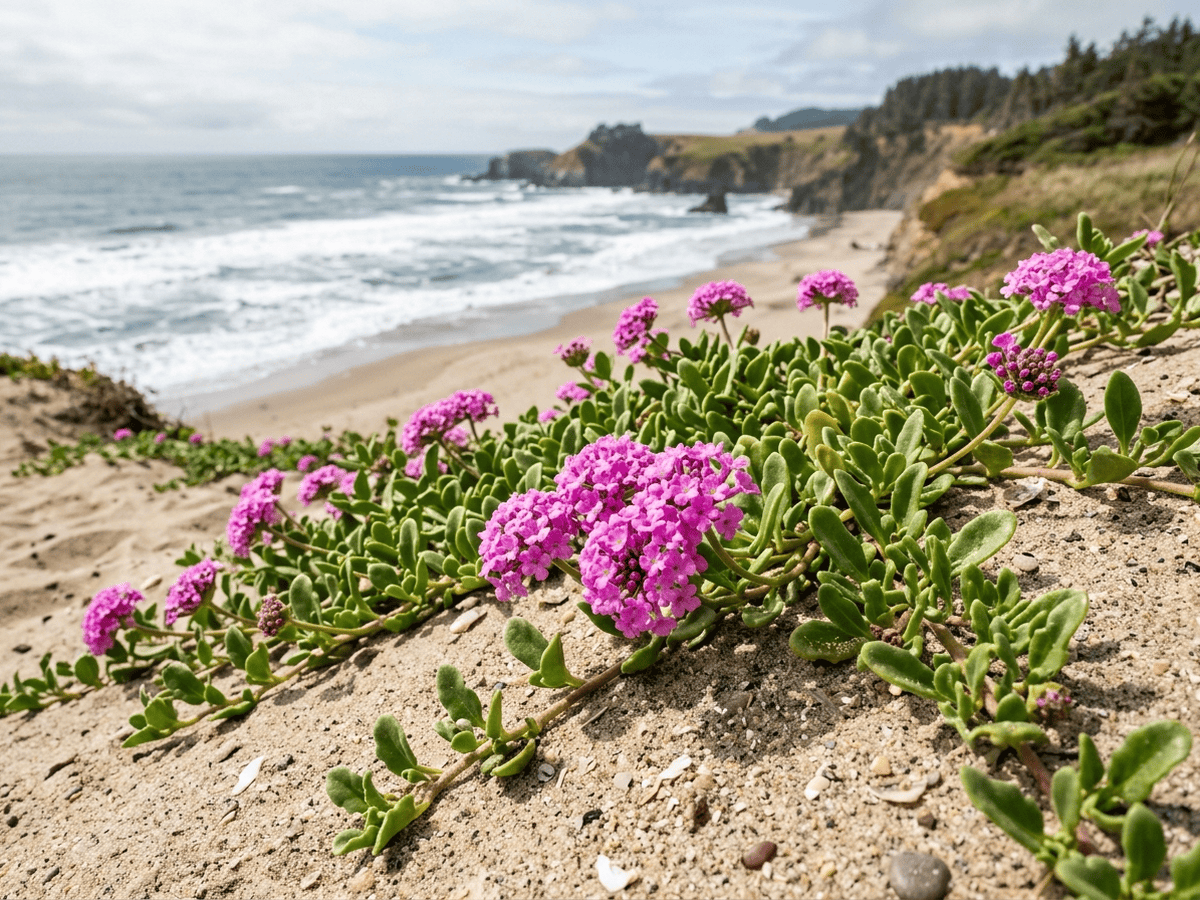 Pink Sand VerbenaAbronia umbellata
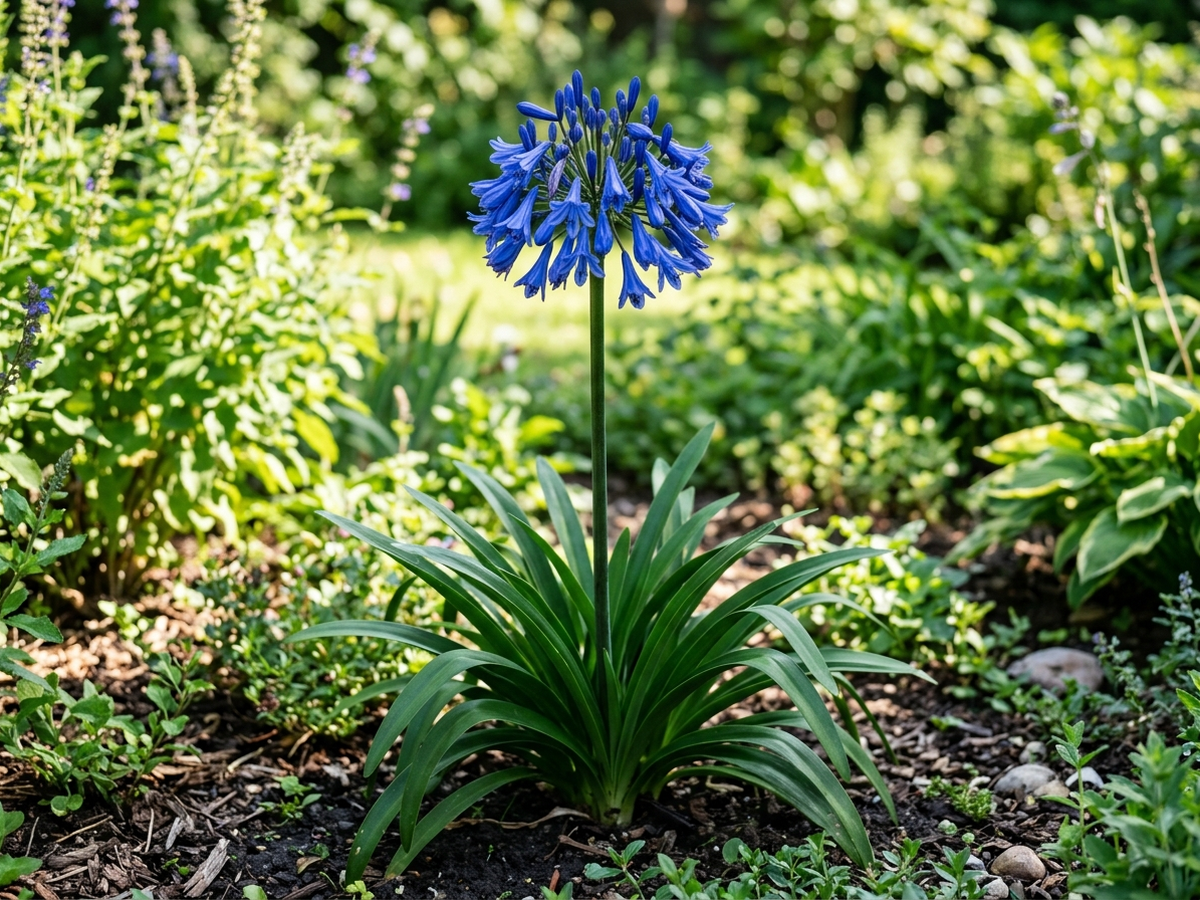 Drooping AgapanthusAgapanthus inapertus
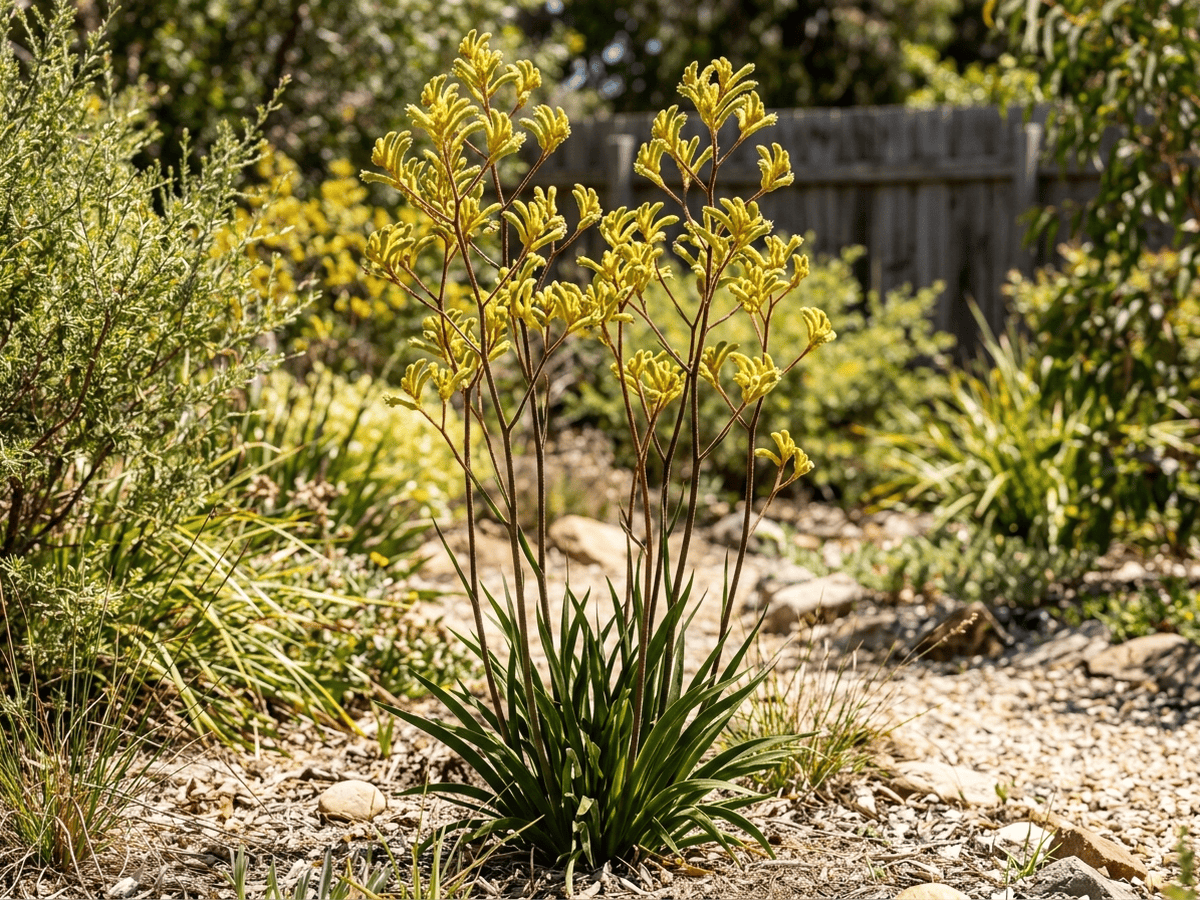 Tall Kangaroo PawAnigozanthos flavidus
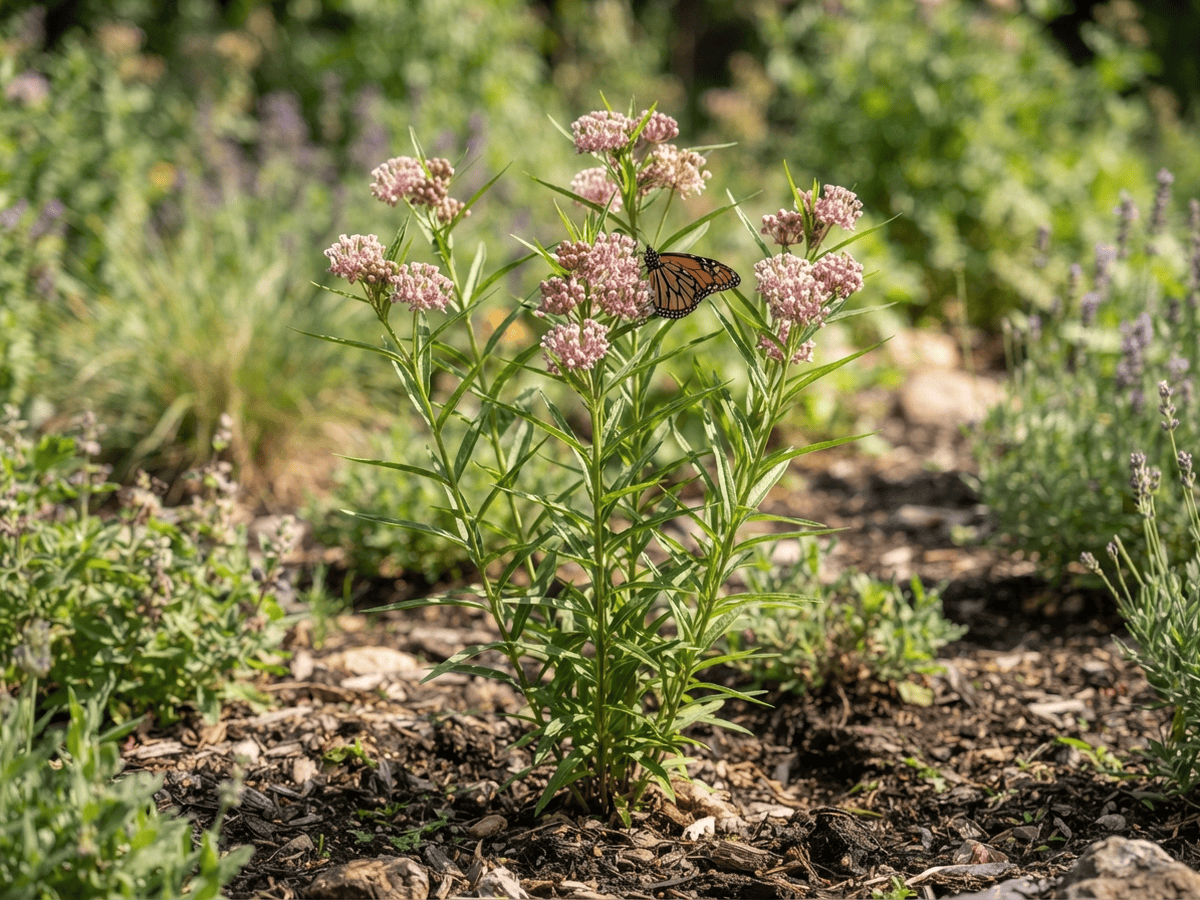 Narrowleaf MilkweedAsclepias fascicularis
Frequently asked questions
How often should I water Blue Daze?
Water about every 15 days during the growing season, and always let excess water drain away.
How much light does Blue Daze need?
Full sun: 6+ hrs direct. Watch the leaves — scorching or stretching means the light needs adjusting.
Is Blue Daze toxic to cats or dogs?
No toxicity has been reported for this plant. Still, it is wise to keep pets from chewing on any houseplant. Educational information, not medical or veterinary advice. If exposure is suspected, contact a doctor or veterinarian.
Is Blue Daze easy to grow?
It is considered challenging and rewards experienced growers.
When does Blue Daze bloom?
It typically blooms May–Sep in the Northern Hemisphere.
YardMate
Identify any plant in seconds
Snap a photo — YardMate names the plant, diagnoses problems, and reminds you when to water.
Download on the App Store