 YardMate

European Beech
Fagus sylvatica
Medium · Some experienceAbout European Beech
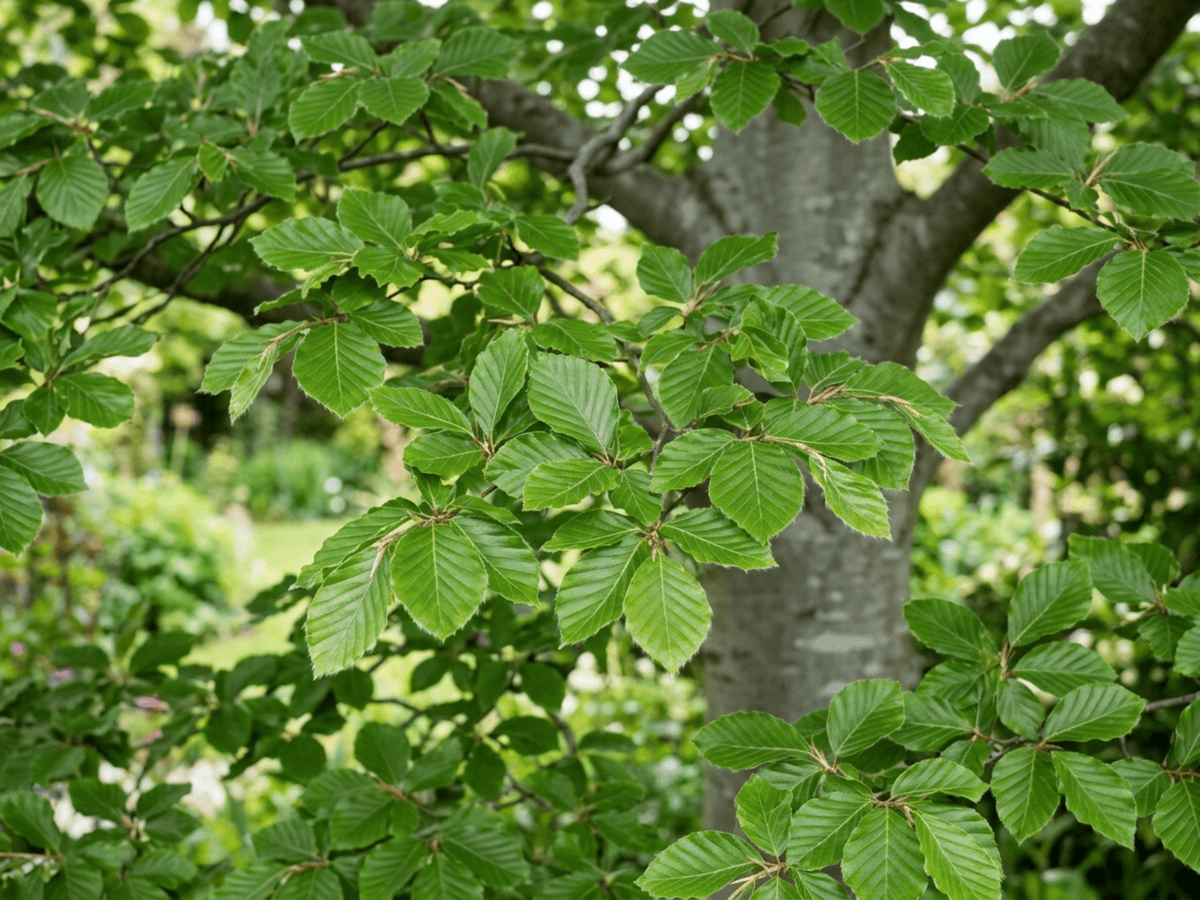
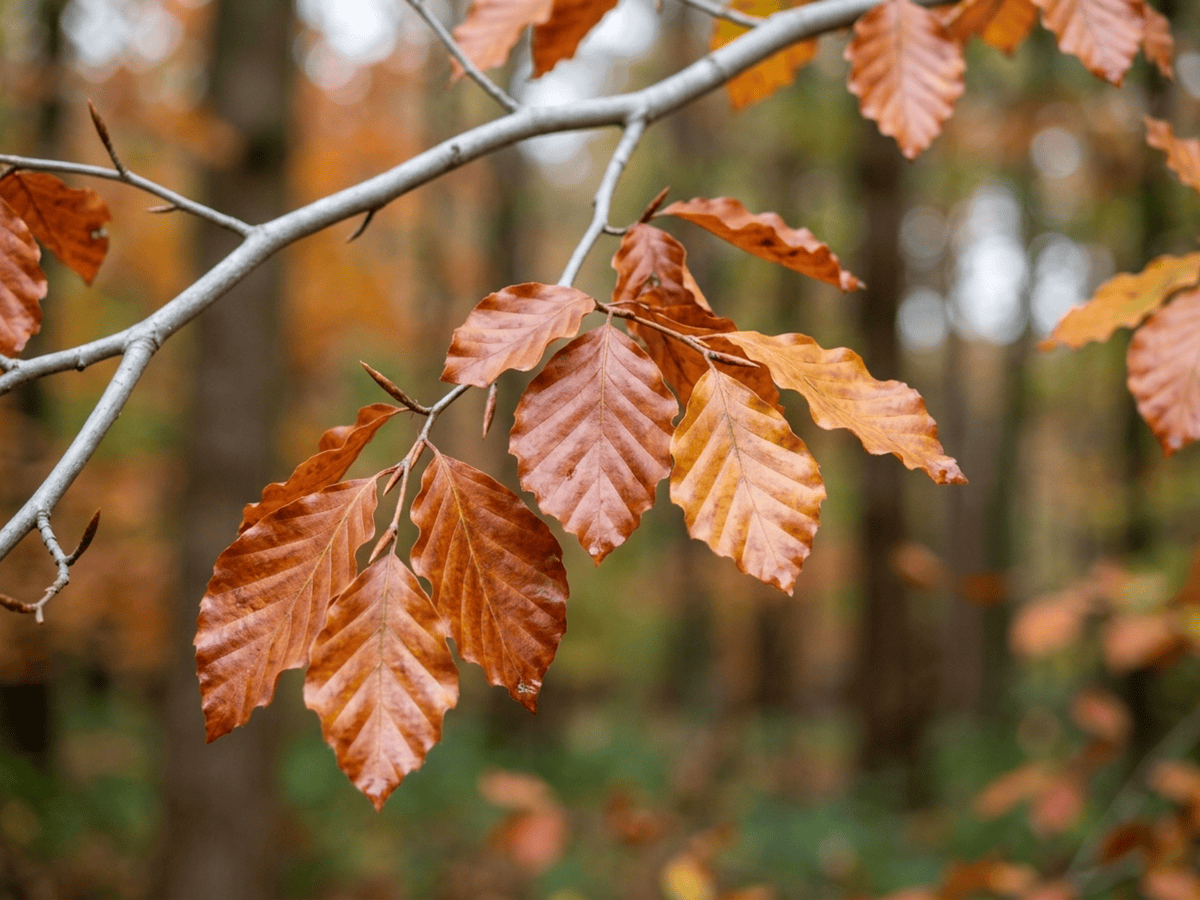
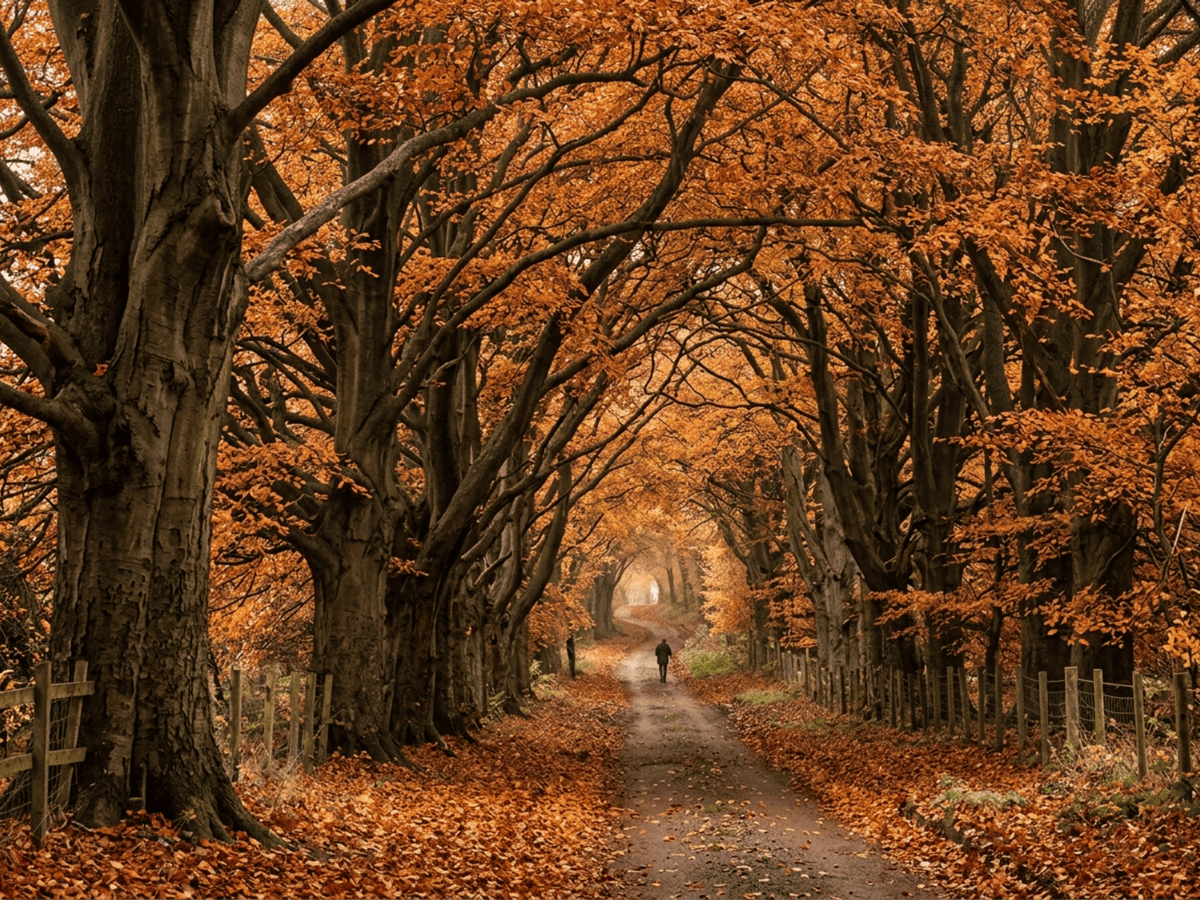
Fagus sylvatica, the European beech, is a majestic deciduous tree in the Fagaceae family native to western and central Europe. Growing 25–40 m tall with a massive, smooth grey trunk and a dense, spreading crown, the beech is considered one of the most beautiful trees in the world. Its oval, wavy-edged leaves emerge bright, translucent green in spring and turn rich copper-bronze in autumn; on young trees and hedges, dead leaves often persist through winter (marcescence).
European beech thrives in USDA zones 4–7 in fertile, well-drained, slightly acidic to alkaline soil. It is shade-tolerant as a young tree but ultimately needs space for its broad crown. The dense canopy creates deep shade beneath, limiting understory growth. The purple-leaved cultivar 'Purpurea' (copper beech) and the weeping form 'Pendula' are among the most dramatic ornamental trees.
Beech forests are the climax vegetation of much of temperate Europe—the 'cathedrals of nature.' Beech mast (nuts) is edible and historically important as pig food (pannage). The wood is used for furniture, flooring, and the characteristic beech-smoked flavour in German sausages. Beech hedges are among the finest formal hedges—they clip beautifully and retain their coppery leaves in winter, providing year-round screening.
- Cold-hardy
- Shade-tolerant
How to care for European Beech
Watering
- Springevery 10 days
- Summerevery 7 days
- Fallevery 14 days
- Winterevery 45 days
Soil · Well-draining
- Top dressingPine bark mulch10%
- Main mixPotting soil + perlite 2:170%
- DrainageLECA / gravel20%
Never skip the drainage layer — standing water is the top cause of root rot.
FERTILIZER
Balanced Feed 14-14-14
An even feed covers all three needs at once, keeping leaves, roots and blooms moving together with nothing pushed out of balance.
- Nitrogen · Leaves
- Phosphorus · Roots + Blooms
- Potassium · Strength
- Springevery 60 days
At a Glance
- NativeEurope
- Height50–80 ft (15.2–24.4 m)
- Spread40–60 ft (12.2–18.3 m)
- Flower colorGreen, Yellow
- Foliage colorGreen, Bronze, Yellow, Purple
- SoilRich, Loamy, Well-drained
- LocationsYard
Bloom time
BLOOM CYCLE
Peak bloom
Apr–May
Inconspicuous flowers in spring; triangular beech nuts in autumn are edible and feed wildlife.
Fragrance
NO FRAGRANCE
No notable fragrance.
Toxicity
Humans Slight · Pets Slight
fagin (trace) and tannins
Slight
- Nut
- Ingestion
EXPOSURE Eating nut.
EFFECT Raw nuts contain fagin, roasting reduces, and moderate consumption safe, large raw amounts cause GI upset.
NOTE Roasted nuts safe in moderation.
Slight
- Nut
- Ingestion
EXPOSURE Eating nut.
EFFECT GI upset with quantity.
NOTE Roasted nuts safe in moderation.
Slight
- Nut
- Ingestion
EXPOSURE Eating nut.
EFFECT GI upset with quantity.
NOTE Roasted nuts safe in moderation.
Educational information, not medical or veterinary advice. If exposure is suspected, contact a doctor or veterinarian.
DISTRIBUTION

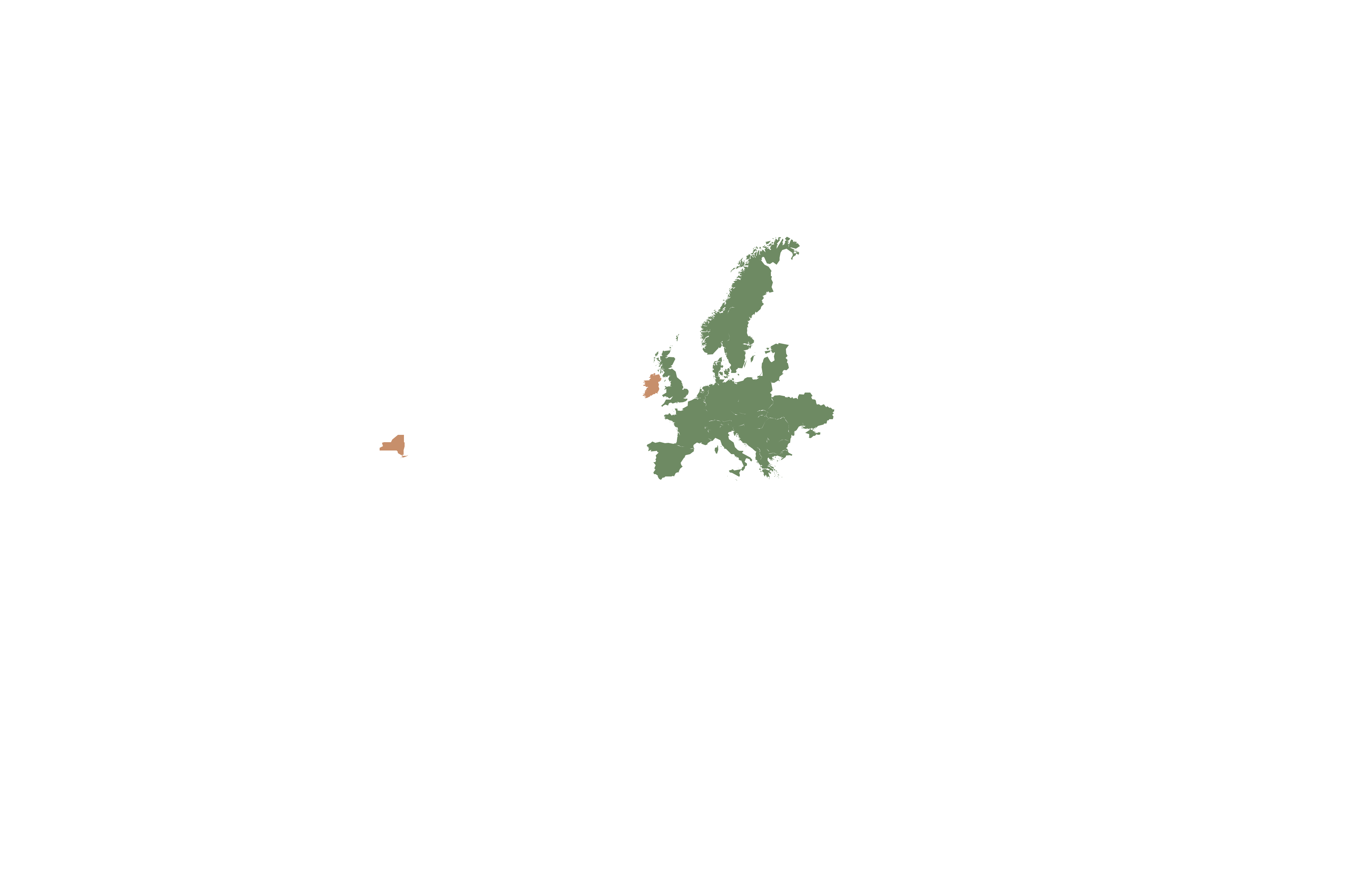
- Native
- Introduced
- Europe
History
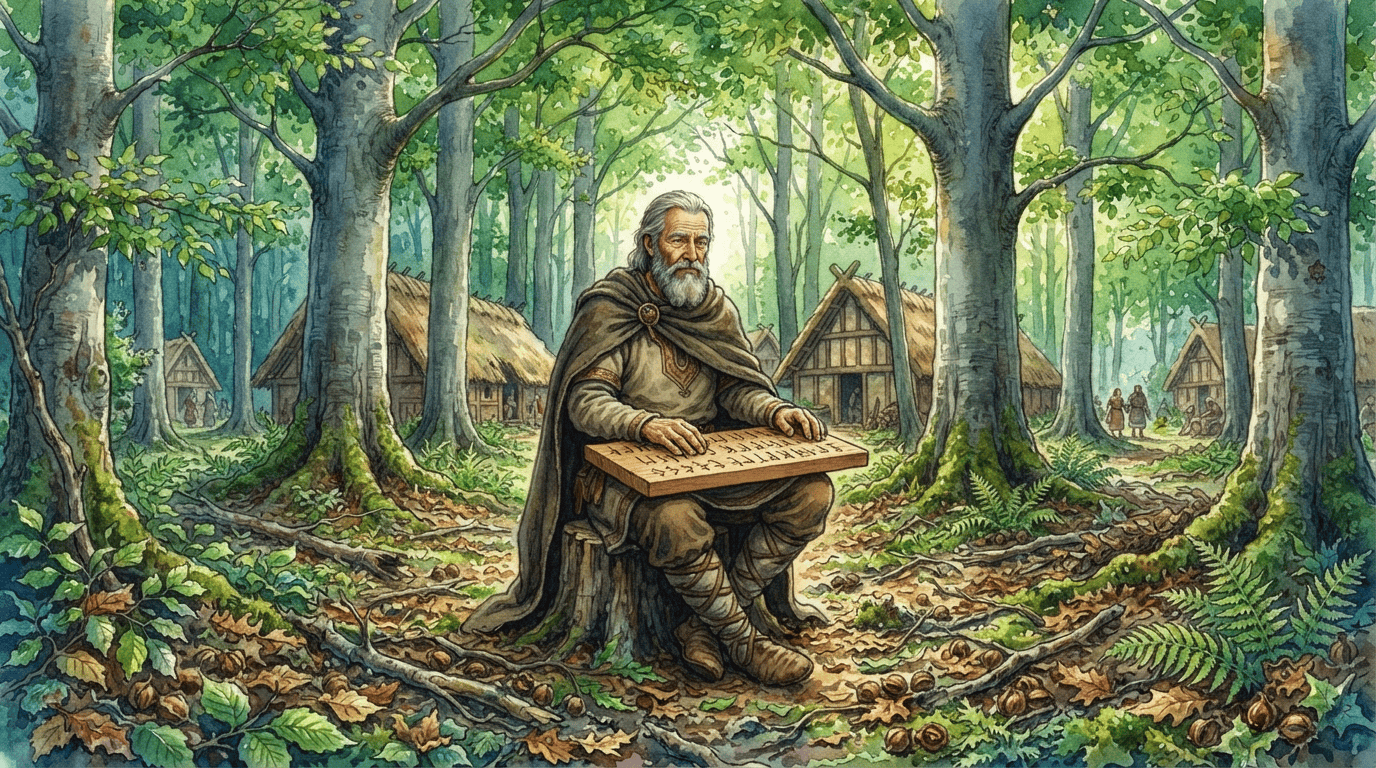
Fagus sylvatica is native to most of Europe, from Britain and southern Sweden to Sicily, Greece, and the Caucasus. Beech produces one of the densest, most uniform forest canopies of any European tree, creating characteristic deep shade beneath mature stands — the "hallenwald" or cathedral-forest effect, where no understory can grow and the forest floor is covered only with beech mast. The English word "book" derives from Old English "bōc," from Proto-Germanic "bōk-" meaning both beech and writing-tablet — thin beech boards were used as early writing surfaces in Germanic Europe.
The name of the German beech forest "Buchenwald" (and the notorious Nazi concentration camp located in a beech forest near Weimar) comes from the same root. Beech nuts (mast) were historically important pig-fattening forage in medieval Europe, a practice called "pannage" in English forest law. Beechwood is prized for furniture, flooring, and — particularly in Germany — for brewing bouquets and wooden-spoon manufacture.
Oil of beech mast was pressed in times of scarcity. Many famous European forests, including parts of the Ardennes and Bavarian beech forests, are UNESCO World Heritage. The word 'book' derives from Old English/Germanic 'boc/Buche' (beech), because early Germanic peoples wrote runes on beech bark tablets. Ancient beech forests covered much of Europe after the last Ice Age. The copper beech became a prestige tree on English estates in the 18th century.
Symbolism & meaning
What It Symbolizes
The European Beech stands as cathedral and library at once — its immense, smooth-trunked majesty rising into a vaulted canopy that has hushed forests for centuries. Knowledge is woven into its very name: the Old English bōc gave us both beech and book, since early writing tablets were carved from its pale wood. To enter a beech wood is to enter a quiet, dignified place of learning.
- Majesty — The immense, cathedral-like presence of a mature beech symbolizes grandeur and timeless dignity
- Knowledge — The etymological link between beech bark and the word 'book' connects the tree to literacy and learning
Where the Name Comes From
Fagus from Latin/Greek for beech; 'sylvatica' means of the forest. The English 'beech' and German 'Buche' share the same Proto-Germanic root.
Uses & Fun Facts
- Massive smooth-barked canopy provides dense lawn shade
- Holds russet leaves through winter when grown as hedge
- Stately long-lived European tree for grand landscapes
- Hard pale timber used for furniture flooring and tools
Related plants
More Fagus plants
Plants with similar care
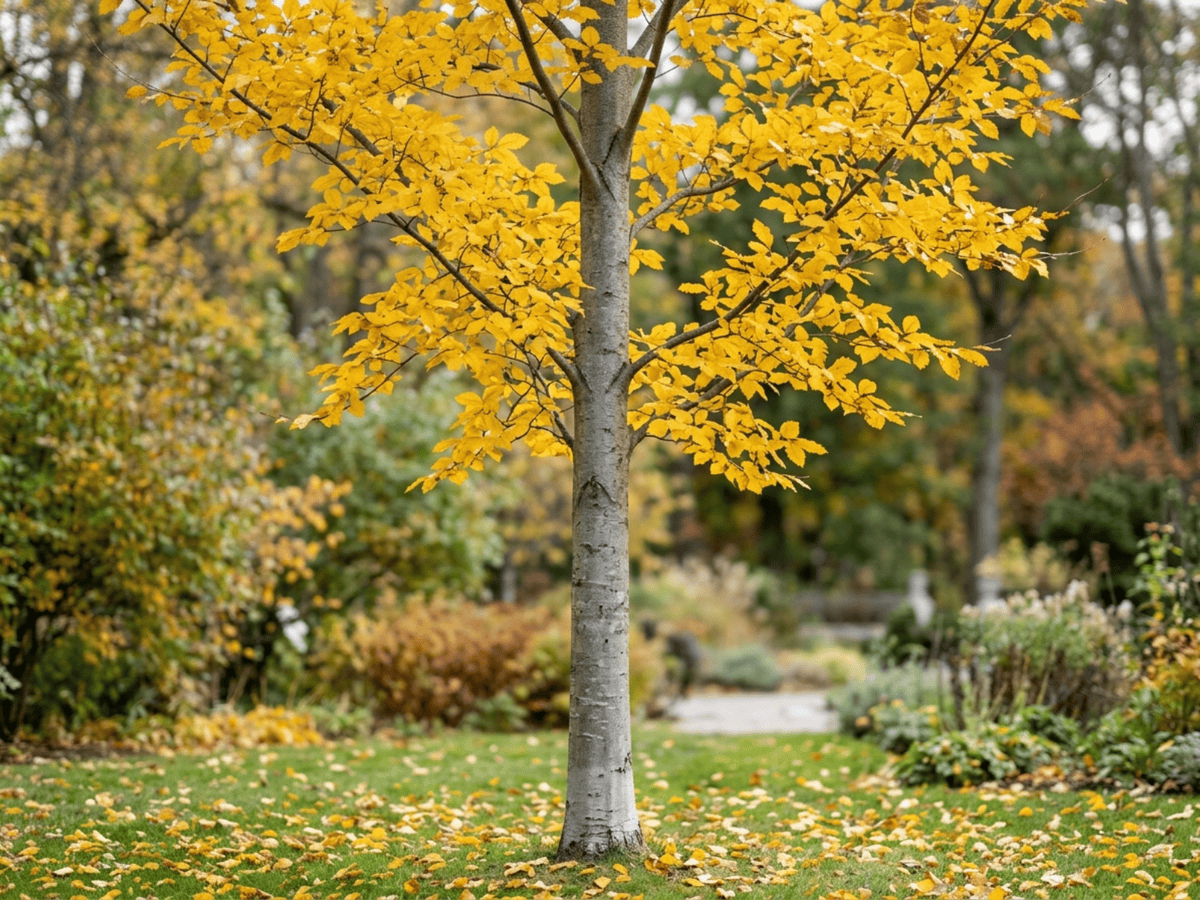
 Mexican AbeliaAbelia floribunda
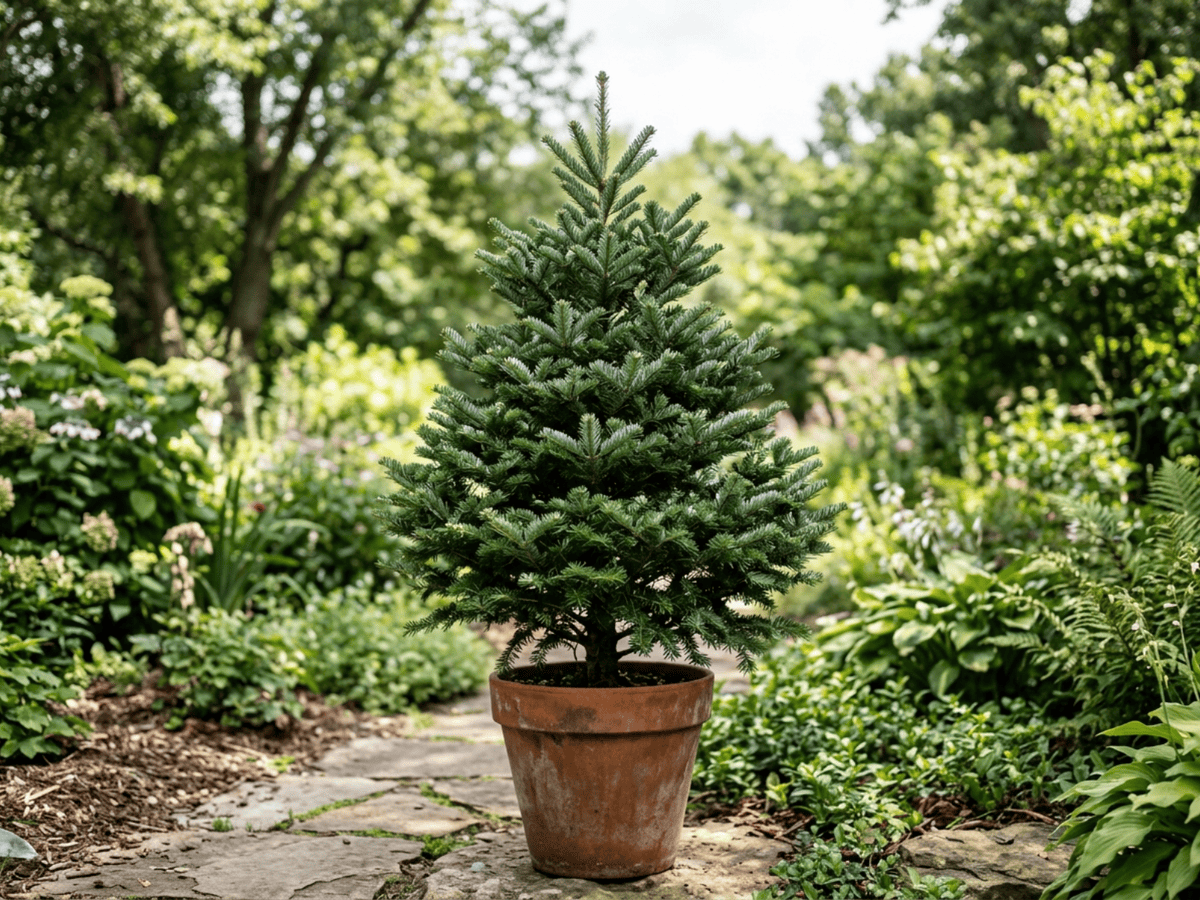 Fraser FirAbies fraseri
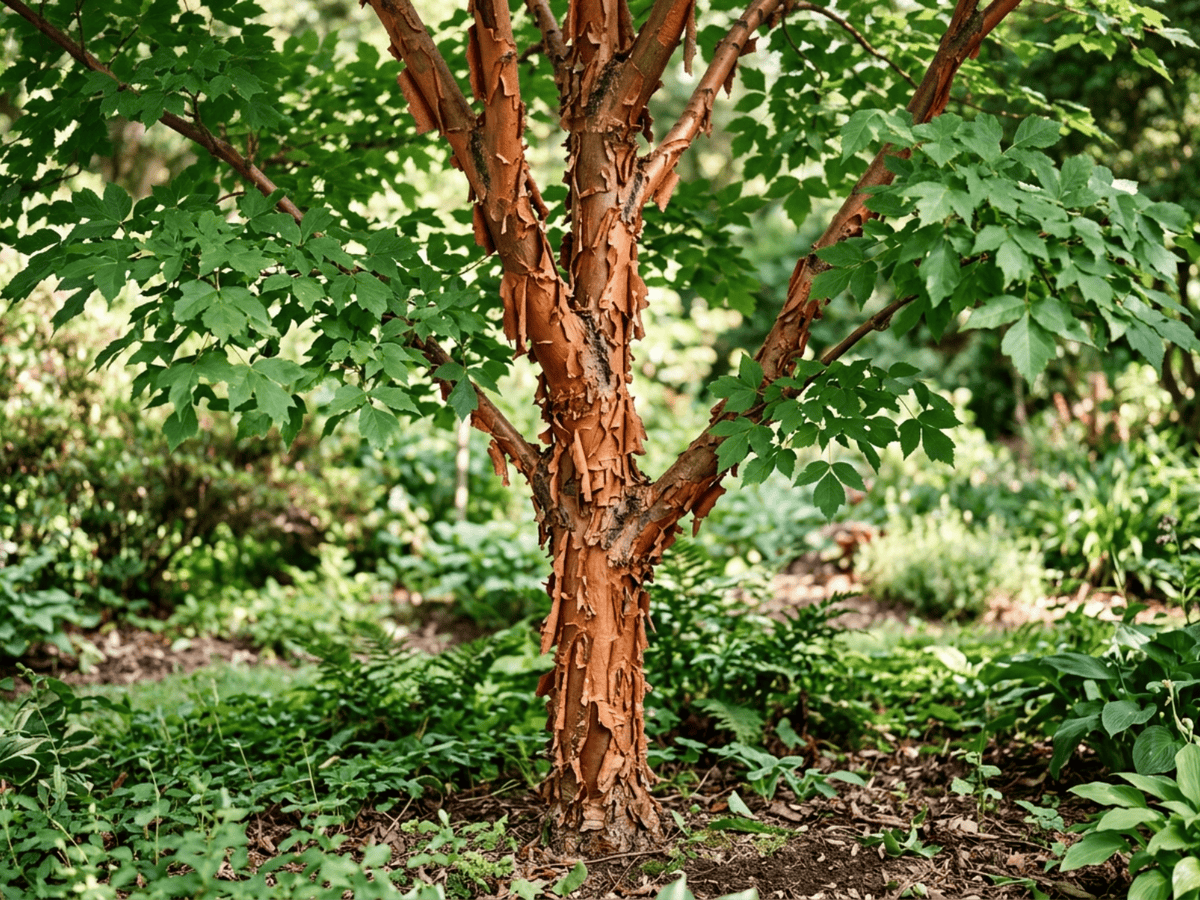 Paperbark MapleAcer griseum
 Sugar MapleAcer saccharum
Frequently asked questions
How often should I water European Beech?
In summer, water about every 7 days; in winter, about every 45 days. Adjust for heat, pot size and drainage.
How much light does European Beech need?
Full sun: 6+ hrs direct. Watch the leaves — scorching or stretching means the light needs adjusting.
Is European Beech toxic to cats or dogs?
Pets Slight (Dogs Slight · Cats Slight) Educational information, not medical or veterinary advice. If exposure is suspected, contact a doctor or veterinarian.
Is European Beech easy to grow?
It is moderately demanding: a good choice once you have a little experience.
When does European Beech bloom?
It typically blooms Apr–May in the Northern Hemisphere.
YardMate
Identify any plant in seconds
Snap a photo — YardMate names the plant, diagnoses problems, and reminds you when to water.
Download on the App Store