 YardMate


Japanese Aralia
Fatsia japonica
Easy · Beginner friendlyAbout Japanese Aralia
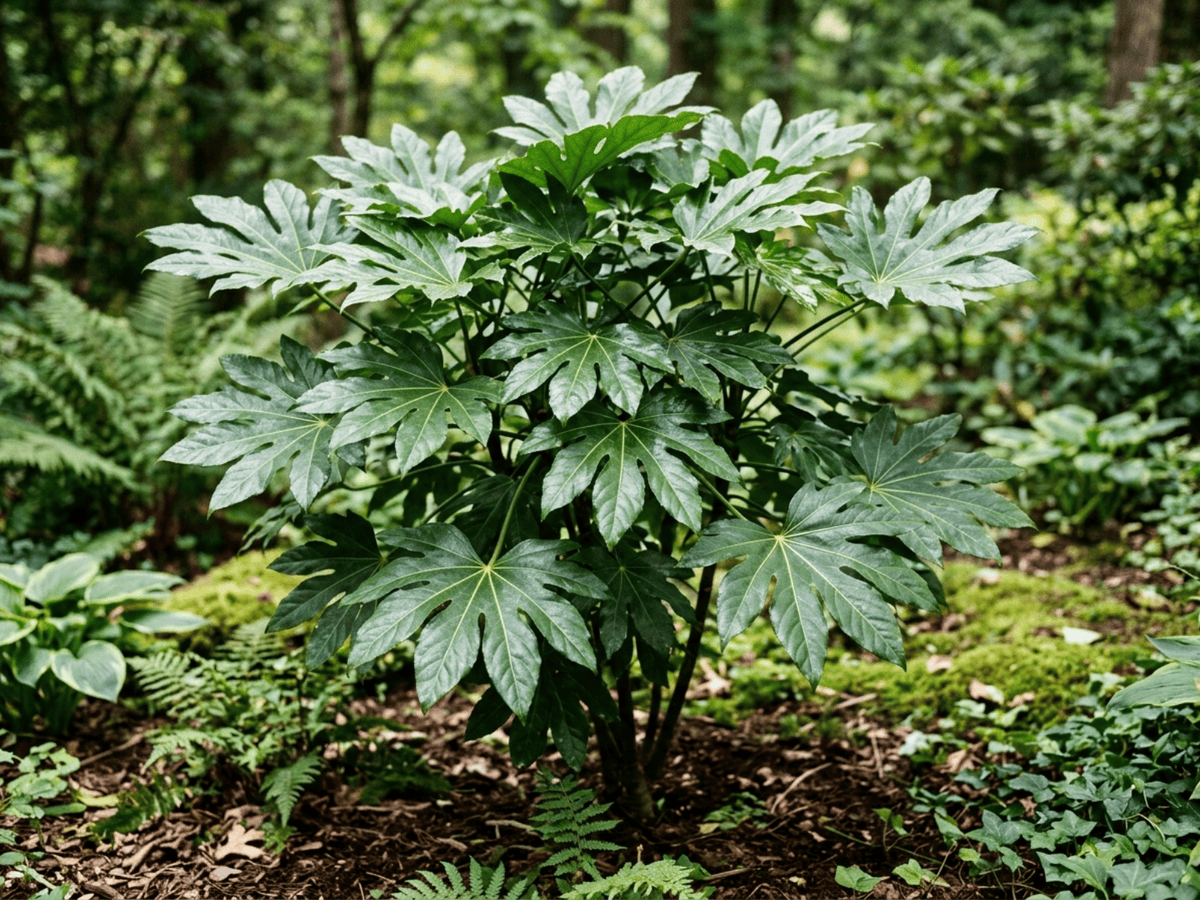
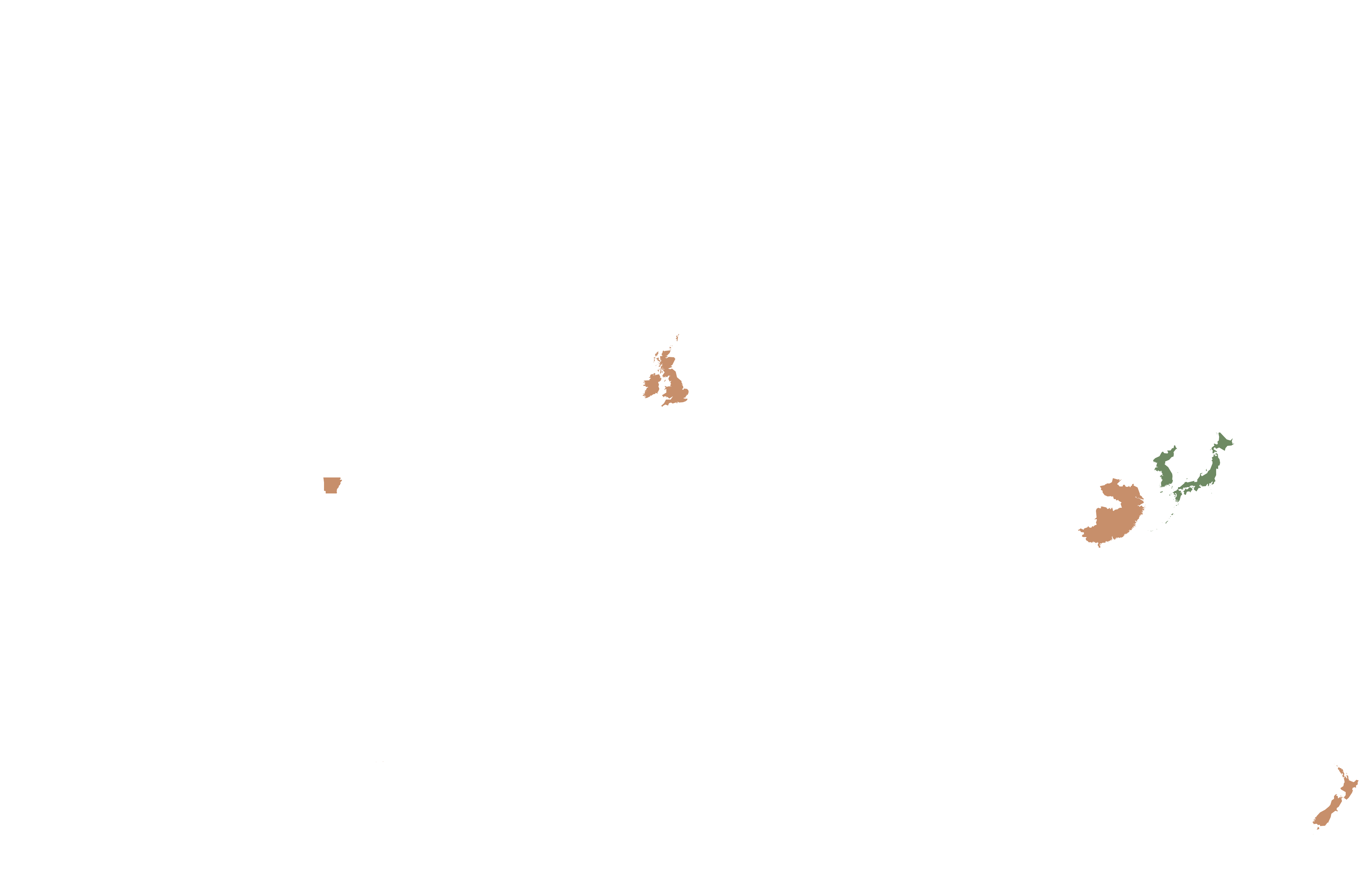
Fatsia japonica, commonly known as Japanese aralia or paperplant, is a bold architectural evergreen shrub native to the coastal woodlands of southern Japan and South Korea. Its dramatic, deeply lobed palmate leaves can span up to 40 centimeters across, creating a lush tropical effect in temperate gardens. The plant typically grows two to four meters tall with a spreading habit. In late autumn, it produces spherical clusters of creamy-white flowers on branching stems — an unusual blooming time that provides nectar for late-season pollinators. Small black berries follow in spring. Fatsia thrives in shade and sheltered positions, making it a go-to choice for north-facing walls and dark courtyards where it brings a sense of tropical abundance. It tolerates urban conditions well and handles salt spray in coastal areas. The bold leaf texture creates striking contrast when planted alongside fine-leaved ferns and grasses in Japanese-inspired garden compositions. Despite its exotic appearance, fatsia is surprisingly cold-hardy and requires very little maintenance once established, needing only occasional removal of older stems to keep it looking fresh.
- Shade-tolerant
- Architectural
- Evergreen
- Pollinator-friendly
How to care for Japanese Aralia
Watering
- Springevery 5 days
- Summerevery 4 days
- Fallevery 10 days
- Winterevery 21 days
Soil · Well-draining
- Top dressingPine bark mulch10%
- Main mixPotting soil + perlite 2:170%
- DrainageLECA / gravel20%
Never skip the drainage layer — standing water is the top cause of root rot.
FERTILIZER
Balanced Feed 14-14-14
An even feed covers all three needs at once, keeping leaves, roots and blooms moving together with nothing pushed out of balance.
- Nitrogen · Leaves
- Phosphorus · Roots + Blooms
- Potassium · Strength
- Springevery 45 days
- Summerevery 45 days
At a Glance
- NativeEast Asia
- Height6–10 ft (1.8–3 m)
- Spread6–10 ft (1.8–3 m)
- Flower colorWhite
- Foliage colorGreen, Variegated
- SoilLoamy, Well-drained, Moisture-retentive
- LocationsYard · Indoor
Bloom time
BLOOM CYCLE
Peak bloom
Oct–Nov
Creamy-white spherical flower clusters in late autumn attract late-season pollinators
Fragrance
NO FRAGRANCE
No notable fragrance.
Toxicity
Pets Safe
None reported
Not reported
EXPOSURE No exposure route is reported.
EFFECT No toxic effect is reported.
NOTE No human toxicity is reported in this catalog; avoid eating ornamental plants unless confirmed edible.
Safe
EXPOSURE No exposure route is reported.
EFFECT No toxic effect is reported.
NOTE Listed as non-toxic for dogs; avoid eating ornamental plants unless confirmed edible.
Safe
EXPOSURE No exposure route is reported.
EFFECT No toxic effect is reported.
NOTE Listed as non-toxic for cats; avoid eating ornamental plants unless confirmed edible.
Educational information, not medical or veterinary advice. If exposure is suspected, contact a doctor or veterinarian.
DISTRIBUTION

- Native
- Introduced
- East Asia
History
Fatsia japonica is native to Japan and southern Korea, where it grows as an evergreen understory shrub in coastal forests and sheltered ravines. Its huge palmate leaves, often 30-45 cm across, give an almost tropical effect in climates far too cool for true tropical plants. Philipp Franz von Siebold introduced it to European horticulture in the 1830s, and it became a Victorian and Edwardian favorite in conservatories and mild shaded gardens.
In the British Isles, the Pacific Northwest, and coastal western Europe, it creates broad-leaved drama in deep shade and salt-laced air. Autumn and early winter bring globular clusters of small white flowers, followed by black berries.
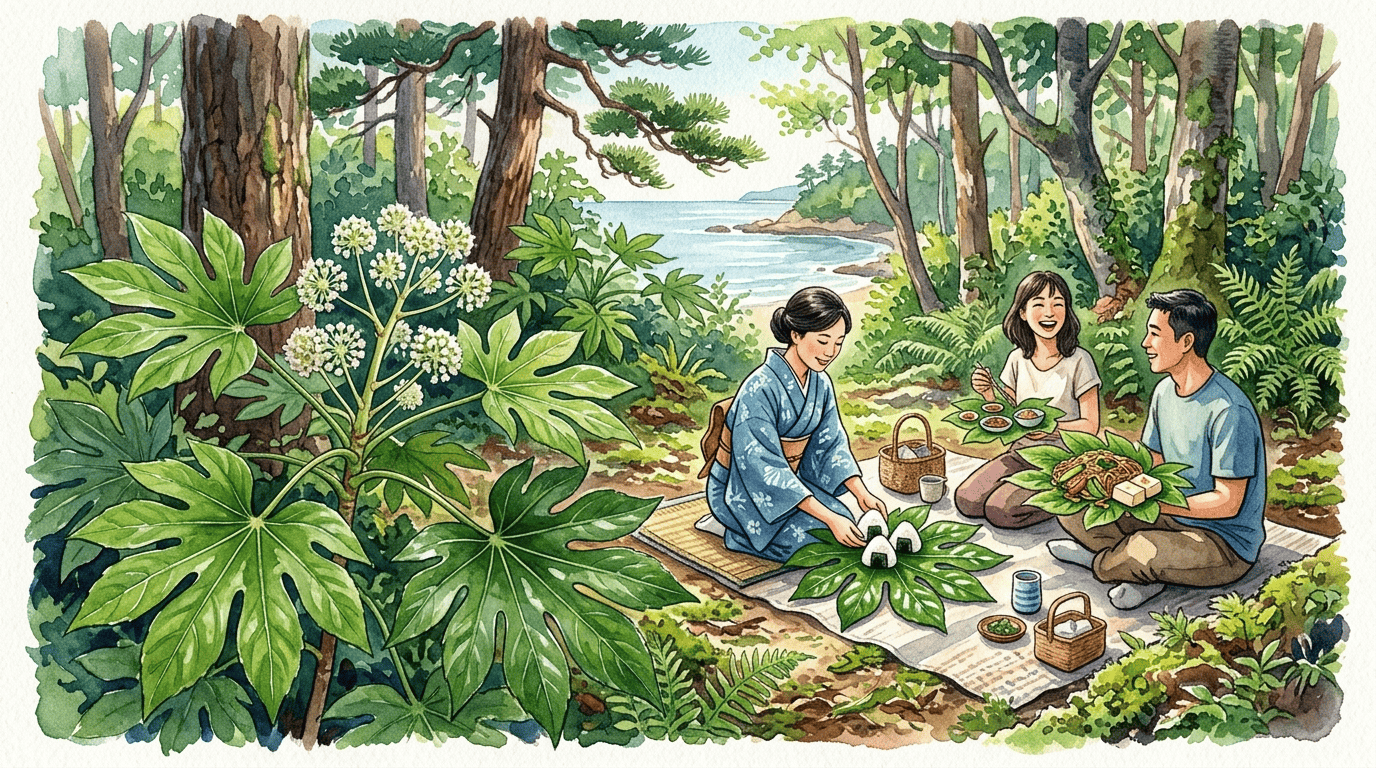
In Japan, the large leaves were sometimes used as makeshift plates for outdoor food. The hybrid Fatshedera lizei, created in France in 1910 by crossing fatsia with ivy, extended the same bold foliage into a climbing or sprawling form.
Symbolism & meaning
What It Symbolizes
Japanese Aralia carries tropical elegance into temperate gardens, its huge palmate leaves throwing exotic shadows across a damp, mossy corner. In garden tradition such generous foliage signals abundance — wealth measured in green expanse rather than coin. To grow fatsia in a cool climate is to plant a small piece of the tropics in defiance of the weather.
- Tropical elegance — Bold palmate leaves evoke lush tropical landscapes even in temperate climates
- Abundance — Large generous foliage symbolizes wealth and fullness in garden tradition
Where the Name Comes From
'Fatsia' is derived from 'fatsi', an old romanization of the Japanese word 'hachi' meaning eight, referring to the eight leaf lobes. 'Japonica' denotes its Japanese origin.
Uses & Fun Facts
- Huge palmate leaves create bold tropical architecture in shade
- Evergreen accent for Japanese-style courtyards and woodland edges
- Late-autumn flower globes feed bees when little else blooms
Related plants
Plants with similar care
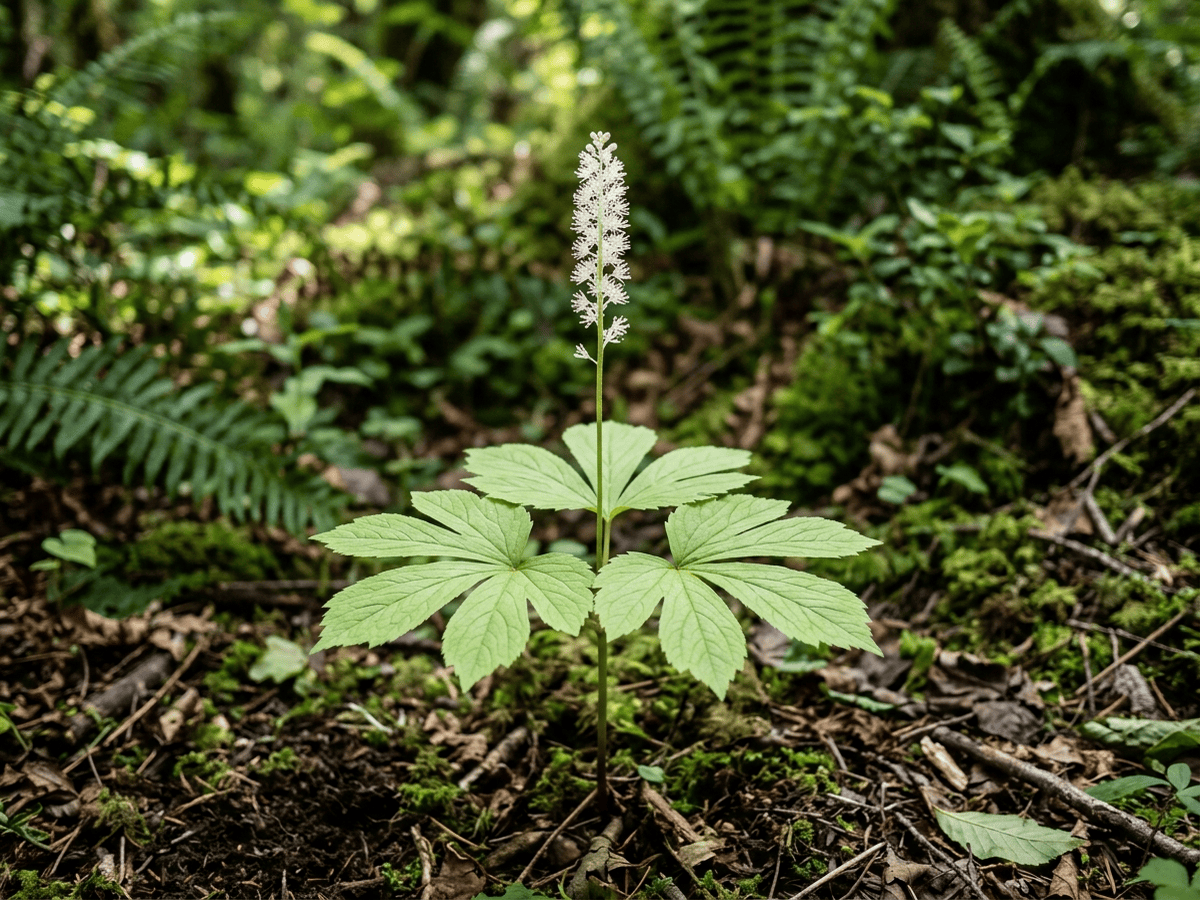 Vanilla LeafAchlys triphylla
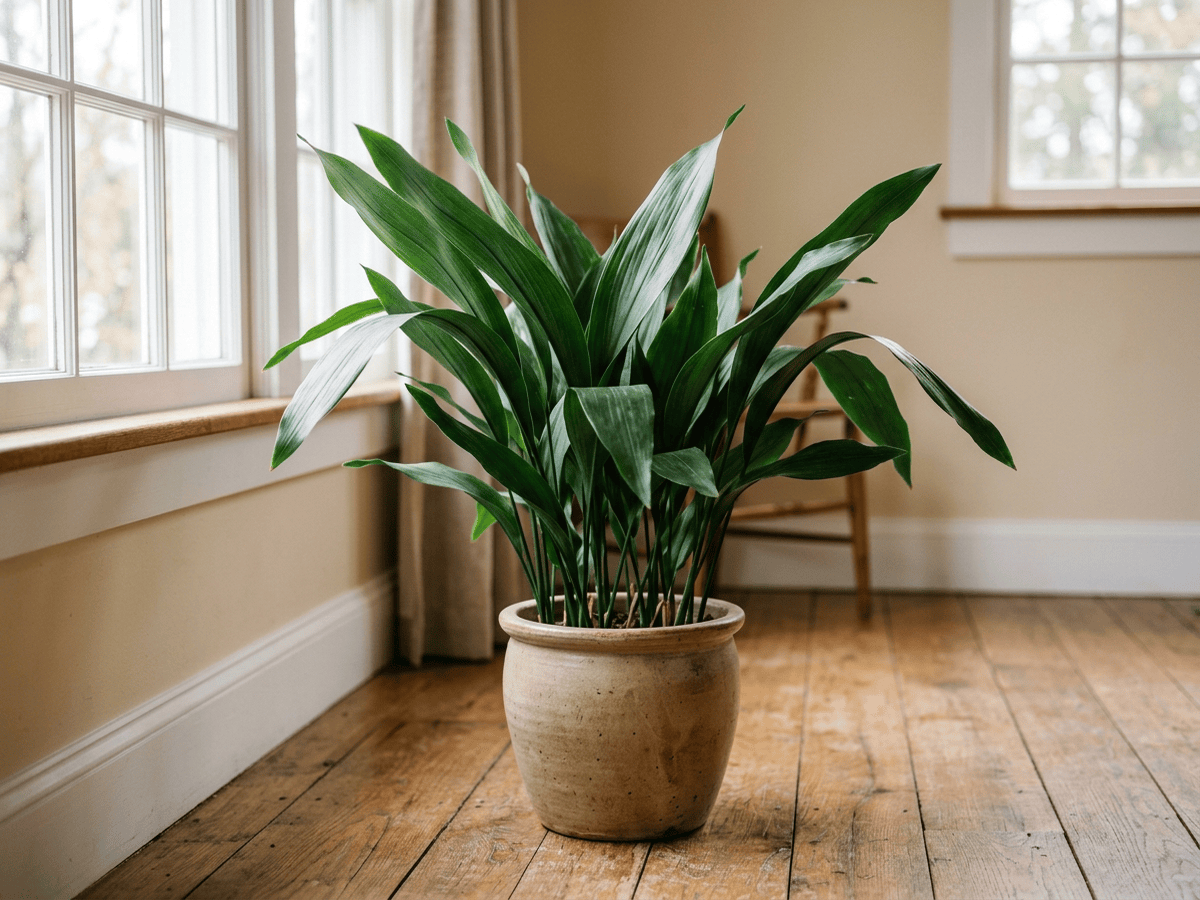 Cast-Iron PlantAspidistra elatior
 Chinese AucubaAucuba chinensis
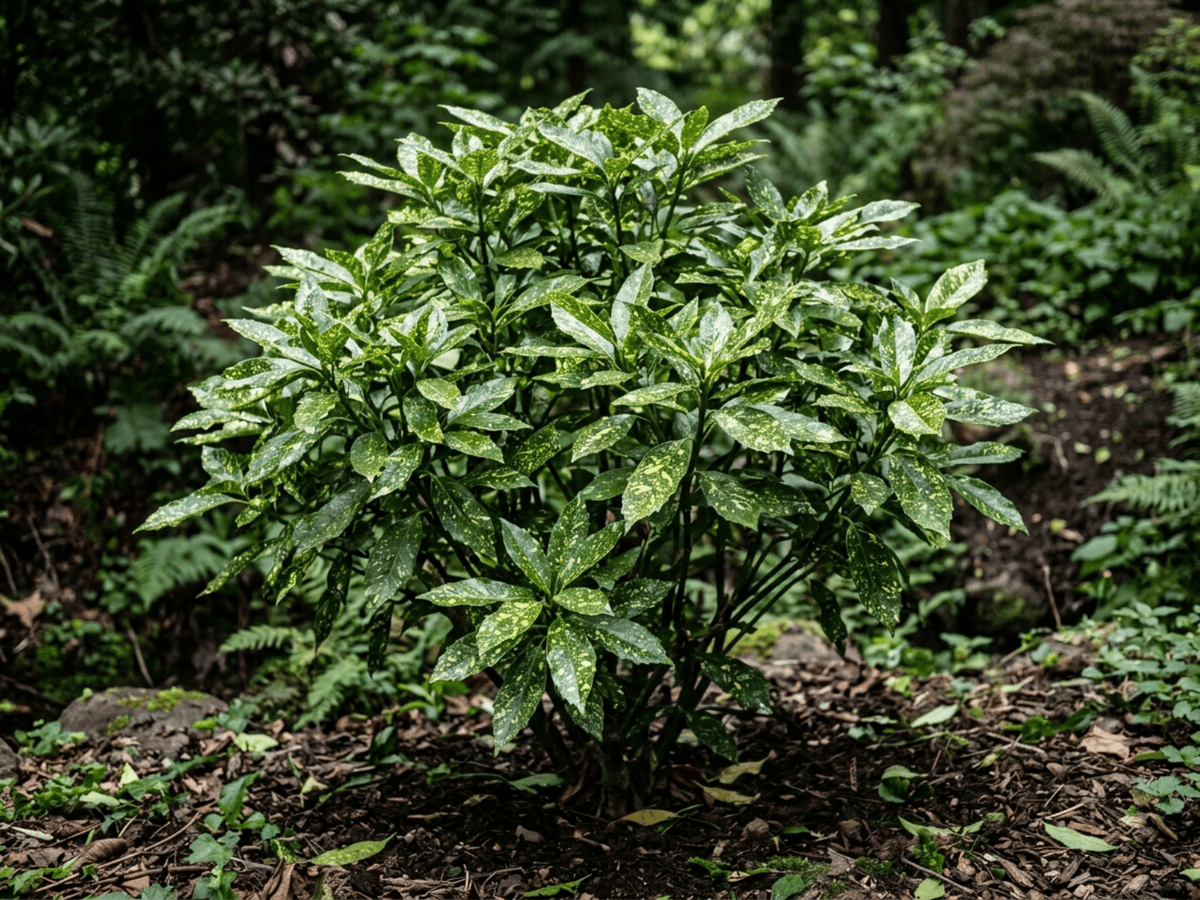 Japanese AucubaAucuba japonica
Frequently asked questions
How often should I water Japanese Aralia?
In summer, water about every 4 days; in winter, about every 21 days. Adjust for heat, pot size and drainage.
How much light does Japanese Aralia need?
Full shade: <2 hrs direct. Watch the leaves — scorching or stretching means the light needs adjusting.
Is Japanese Aralia toxic to cats or dogs?
Pets Safe (Dogs Safe · Cats Safe) Educational information, not medical or veterinary advice. If exposure is suspected, contact a doctor or veterinarian.
Is Japanese Aralia easy to grow?
Yes — it is considered an easy, beginner-friendly plant.
Can Japanese Aralia be grown indoors?
Yes, it adapts well to indoor growing given the right light.
When does Japanese Aralia bloom?
It typically blooms Oct–Nov in the Northern Hemisphere.
YardMate
Identify any plant in seconds
Snap a photo — YardMate names the plant, diagnoses problems, and reminds you when to water.
Download on the App Store