 YardMate
Vahl's Fimbry
Fimbristylis vahlii
Hard · Experienced growersAbout Vahl's Fimbry
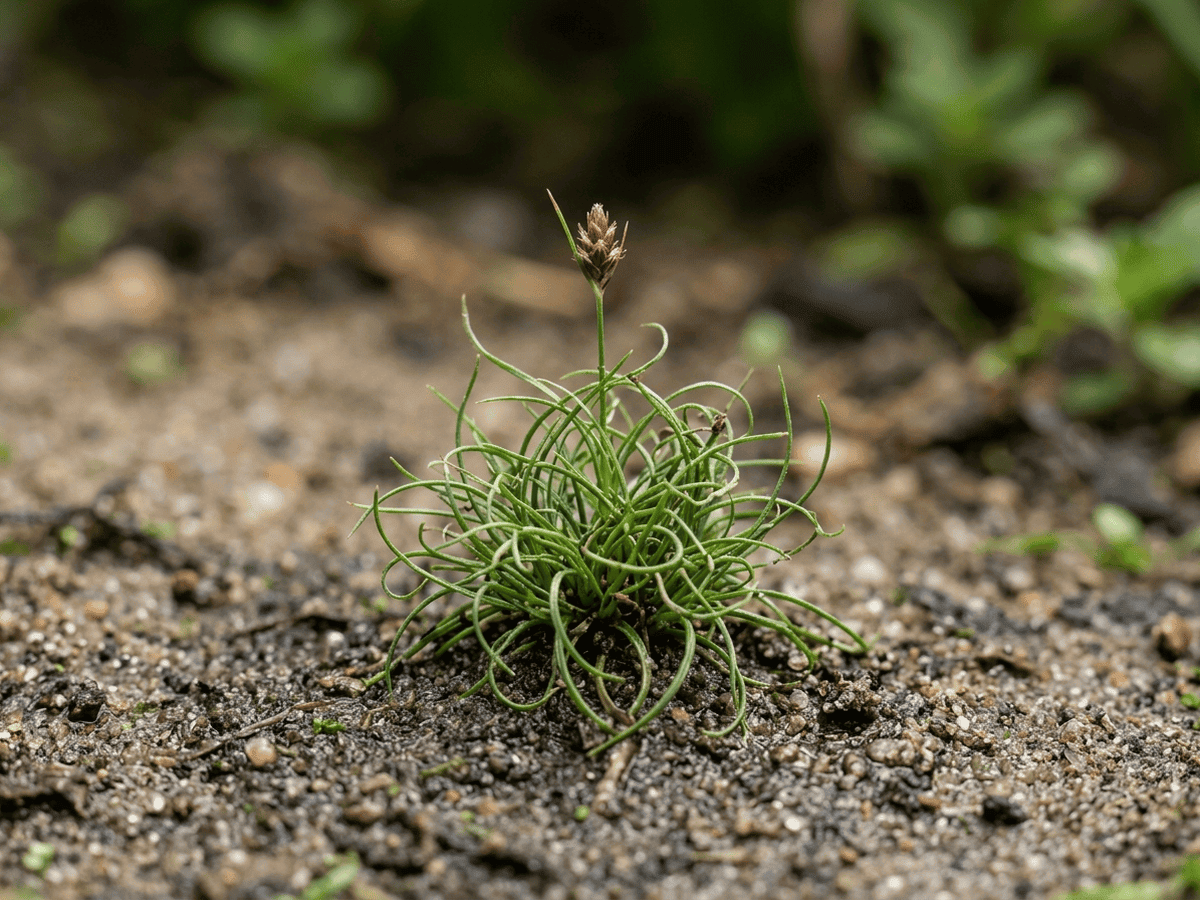
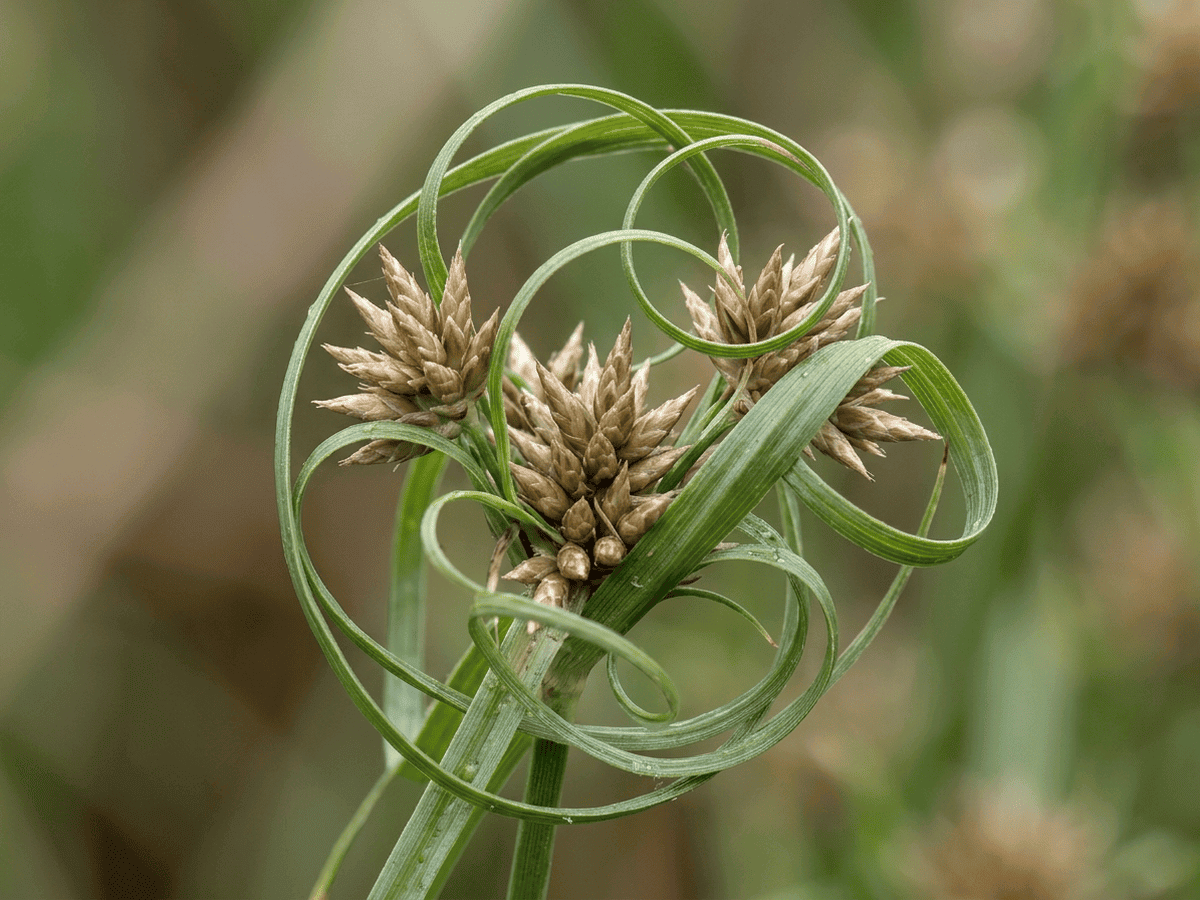
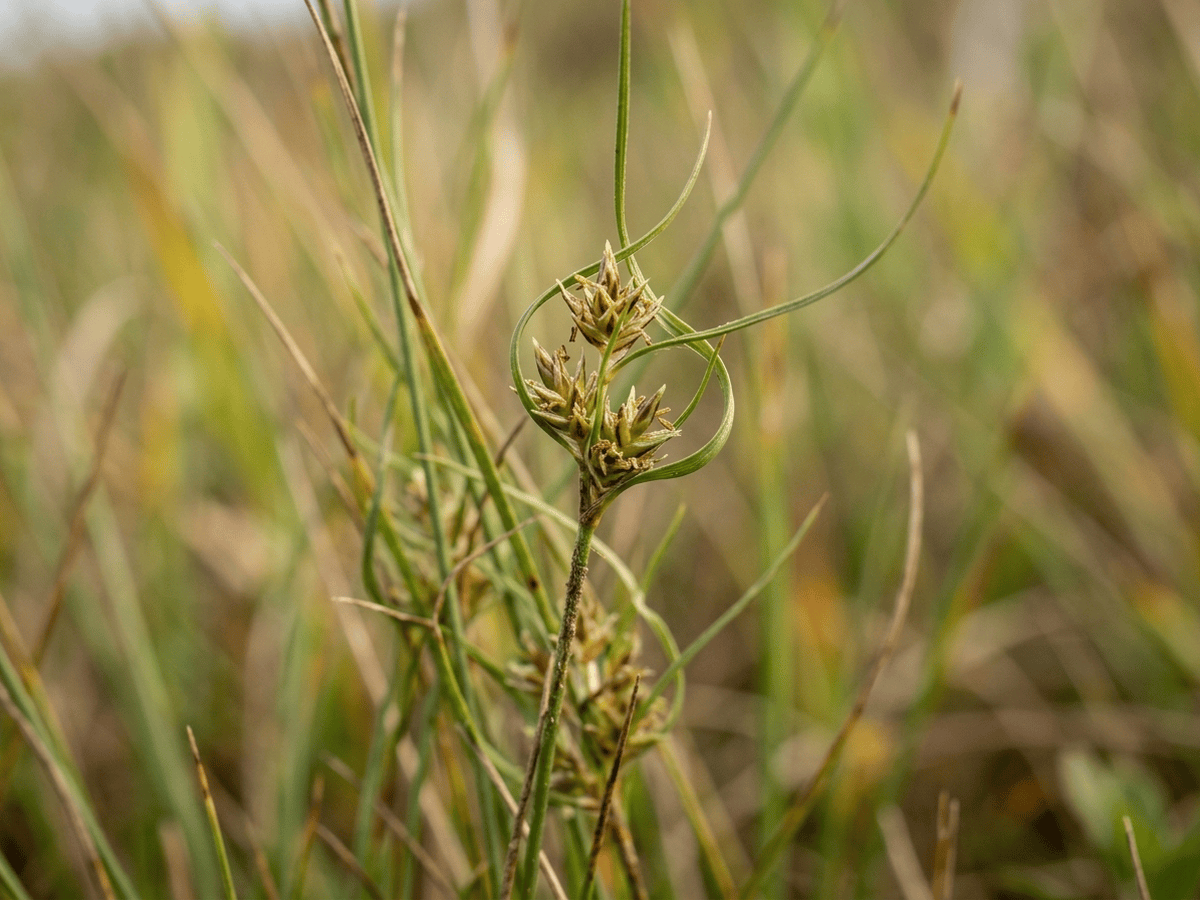
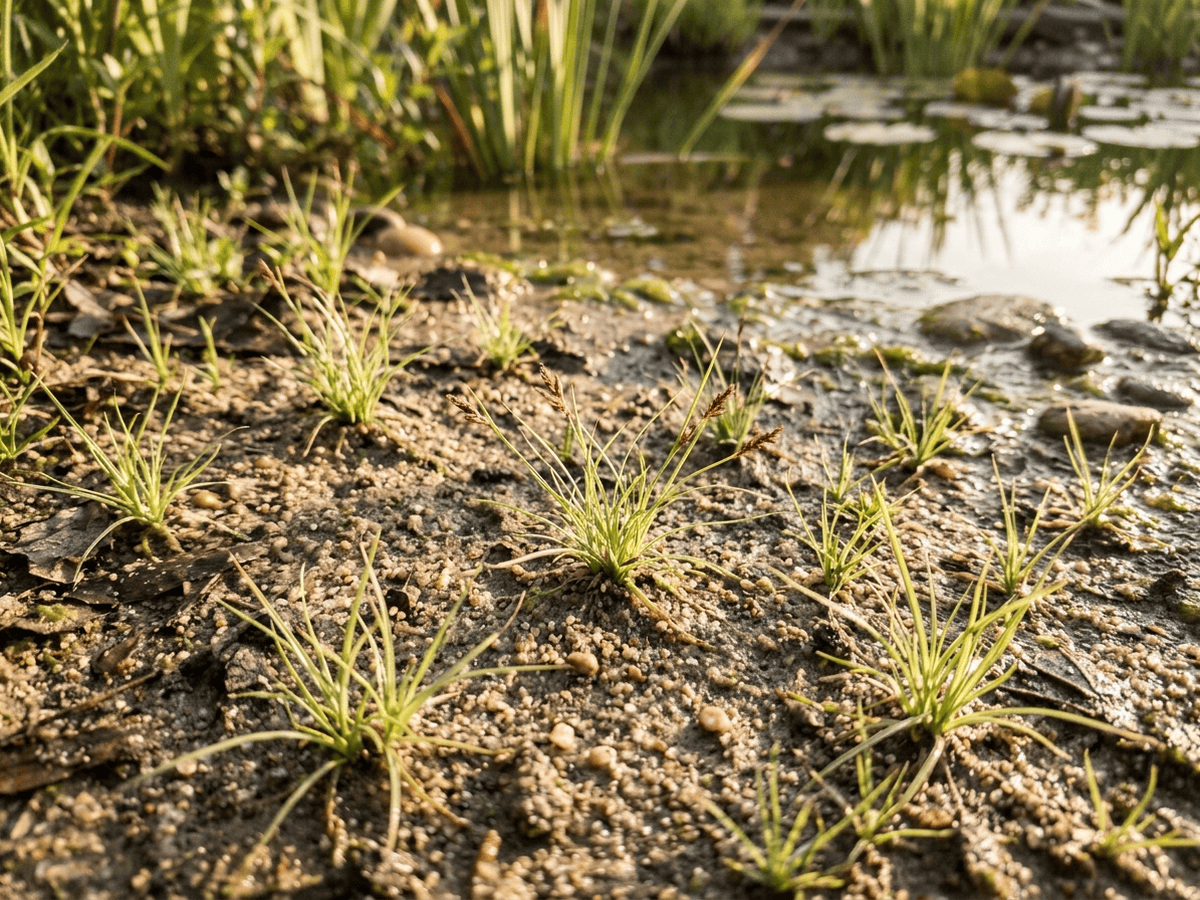
Vahl's Fimbry is a diminutive annual sedge, one of the smallest in its genus, forming delicate tufts just 4-15 cm tall from curling, thread-like leaves. Its wiry stems each carry a handful of small, pointed spikelets wrapped in long, twisting bracts, giving the whole plant a fine, wispy texture rather than a showy display. Native across the southern United States, Mexico, and Central America, and reaching into Brazil, Peru, and Venezuela, it grows in damp, sandy, seasonally wet ground - pond edges, roadside ditches, and low fields that flood and dry through the year. Easy to overlook and asking for nothing beyond consistently moist soil, it works best in native wetland plantings or naturalistic gravel and sand gardens where its fine, threadlike habit reads as texture rather than focal bloom.
- Compact
How to care for Vahl's Fimbry
Watering
- Springevery 10 days
- Summerevery 5 days
- Fallevery 20 days
- Winterpause watering
Soil · Moisture-retentive
- Top dressingSphagnum moss10%
- Main mixPeat + coco coir 1:180%
- DrainagePerlite / gravel10%
Keep it evenly moist — but the drainage layer still matters.
FERTILIZER
- Springevery 30 days
- Summerevery 30 days
At a Glance
- NativeNorth America, Central America, South America
- Height0.15–0.5 ft (0–0.2 m)
- Spread0.1–0.3 ft (0–0.1 m)
- Foliage colorGreen
- SoilSandy, Moisture-retentive
- LocationsYard · Patio
Toxicity
No toxicity has been reported for this plant. Still, it is wise to keep pets from chewing on any houseplant.
Educational information, not medical or veterinary advice. If exposure is suspected, contact a doctor or veterinarian.
DISTRIBUTION

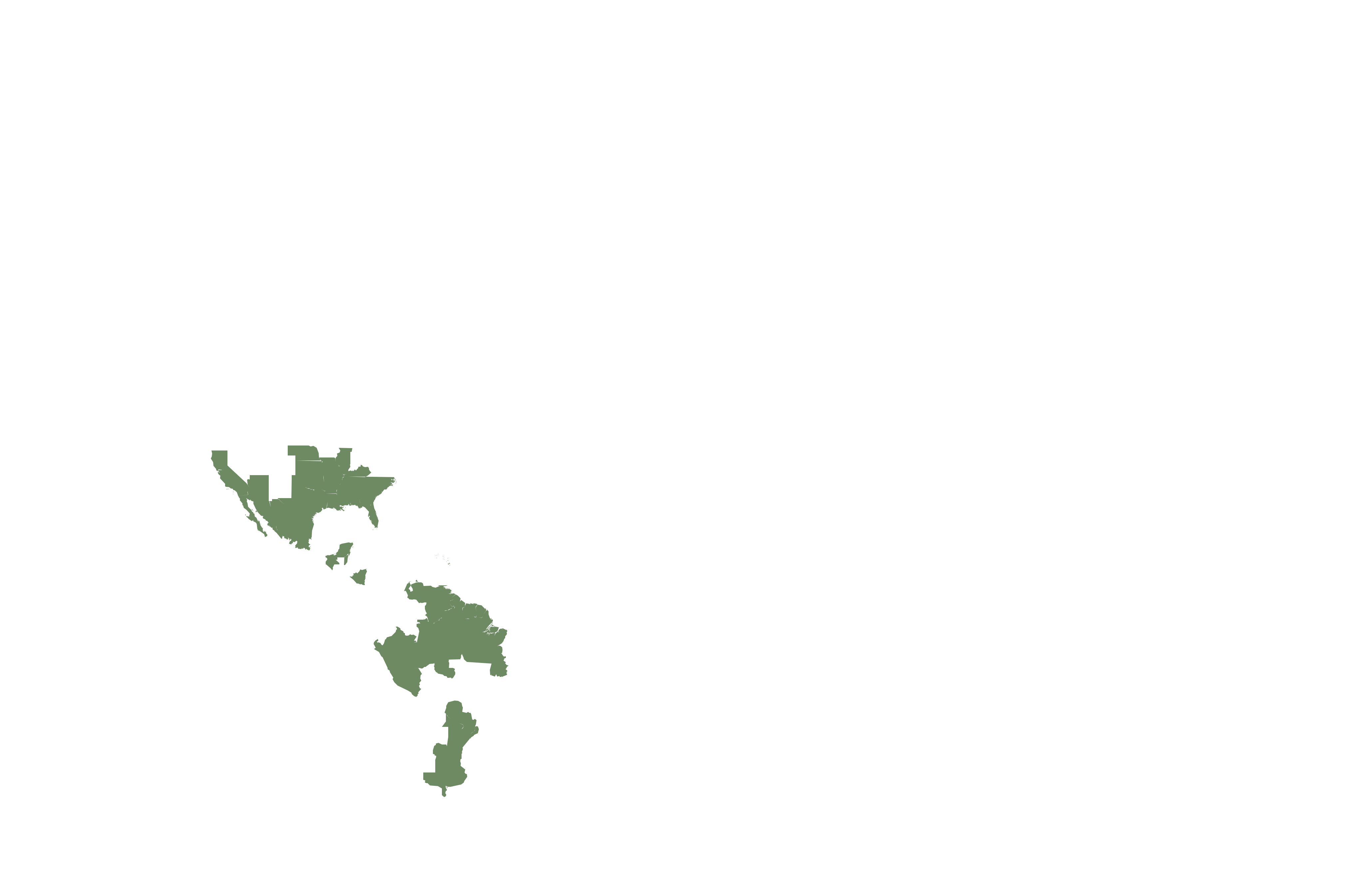
- Native
- North America
- Central America
- South America
History
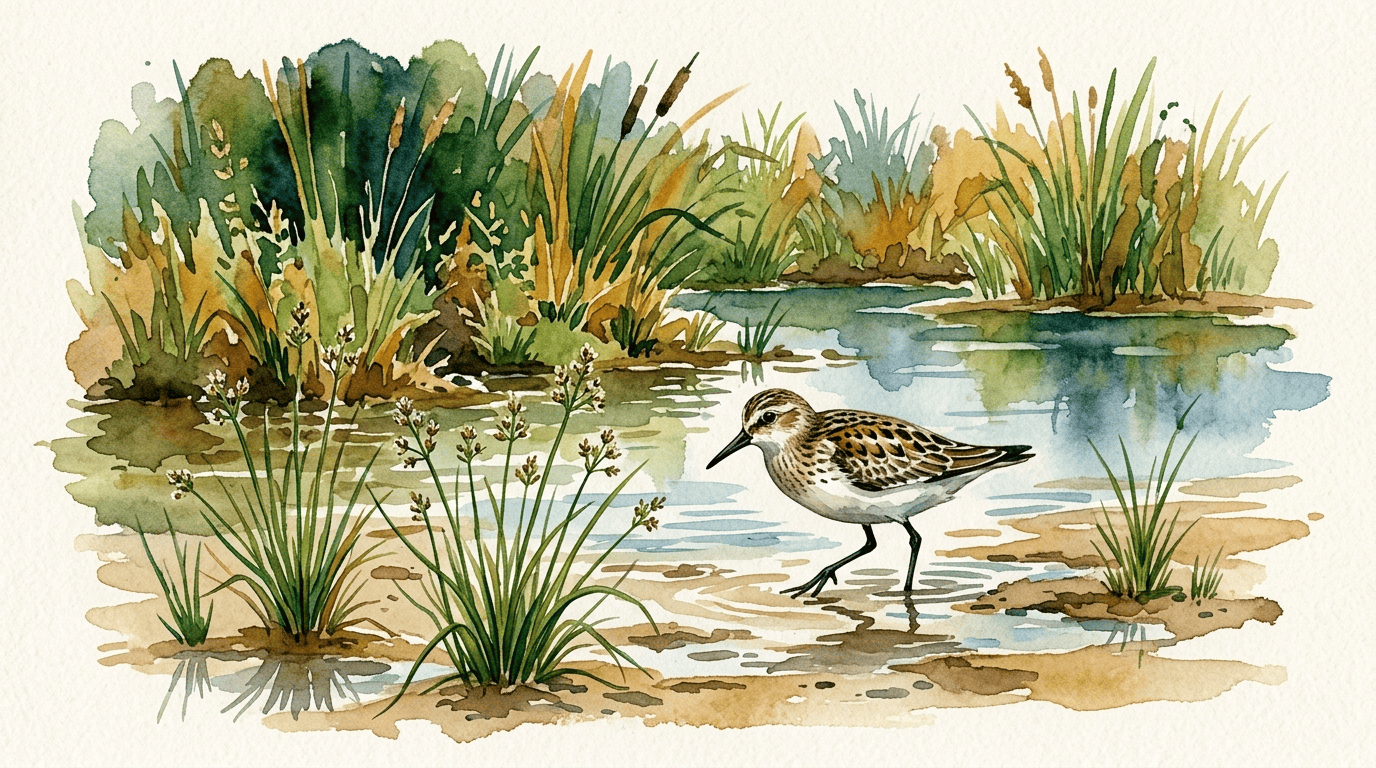
Vahl's Fimbry carries the name of Martin Vahl, a Danish botanist who trained under Carl Linnaeus in Copenhagen and Uppsala before becoming professor of botany at the University of Copenhagen. In 1805 Vahl formally described the genus Fimbristylis itself, drawing together a scattered group of fringe-bracted sedges under one name. This particular species had first been described by Jean-Baptiste Lamarck, who honored Vahl in the epithet; when the German botanist Johann Heinrich Friedrich Link later moved the plant into Fimbristylis, it ended up classified inside the very genus its own namesake had founded. In the field it is an unassuming plant of wet, open ground across the New World - sandy pond margins in Florida and Texas, seasonal wetlands through Mexico and Central America, damp lowlands as far south as Peru and Brazil. Because it is an annual only a few centimeters tall, it rarely draws attention next to taller marsh plants, and much of what is recorded about it comes from herbarium specimens gathered by regional flora surveys rather than garden or folk tradition. That quiet, workmanlike history - a plant defined more by taxonomists' careful sorting than by human use - is itself part of what makes Vahl's Fimbry worth knowing: a small, easily overlooked sedge that nonetheless carries the name of the man who gave its whole genus a home.
Symbolism & meaning
What It Symbolizes
Vahl's Fimbry never tries to stand out. It rises barely a hand's width above damp sand, sets its small fringed spikelets, and is gone again within a season - the kind of plant botanists notice only by kneeling down. Yet it carries the name of Martin Vahl, who spent his career sorting exactly these small, overlooked sedges into the orderly genus that still holds them today.
- Humility — A plant only a few centimeters tall, easy to walk past, that nonetheless carries the name of the botanist who gave its whole genus a home.
- Persistence — Completes its entire life cycle as a tiny annual on ground that alternately floods and dries, returning from seed each wet season.
Where the Name Comes From
Named for Martin Vahl (1749-1804), the Danish botanist and student of Linnaeus who established the genus Fimbristylis in 1805; Lamarck first honored him with the species epithet vahlii before the plant was later moved into Vahl's own genus.
Uses & Fun Facts
- Fine seasonal cover in sandy pond-margin and wetland habitat
- Adds a delicate, threadlike texture to native gravel and wetland plantings
Related plants
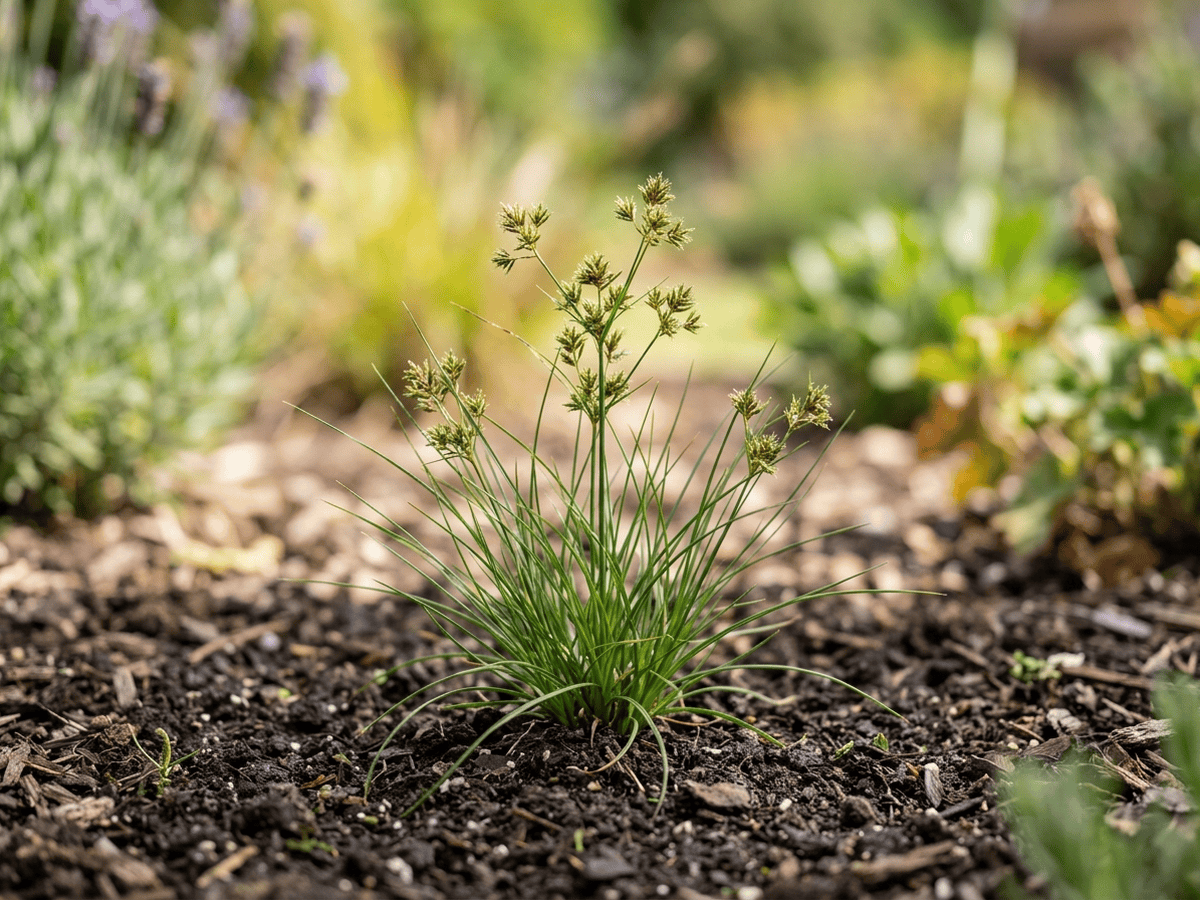
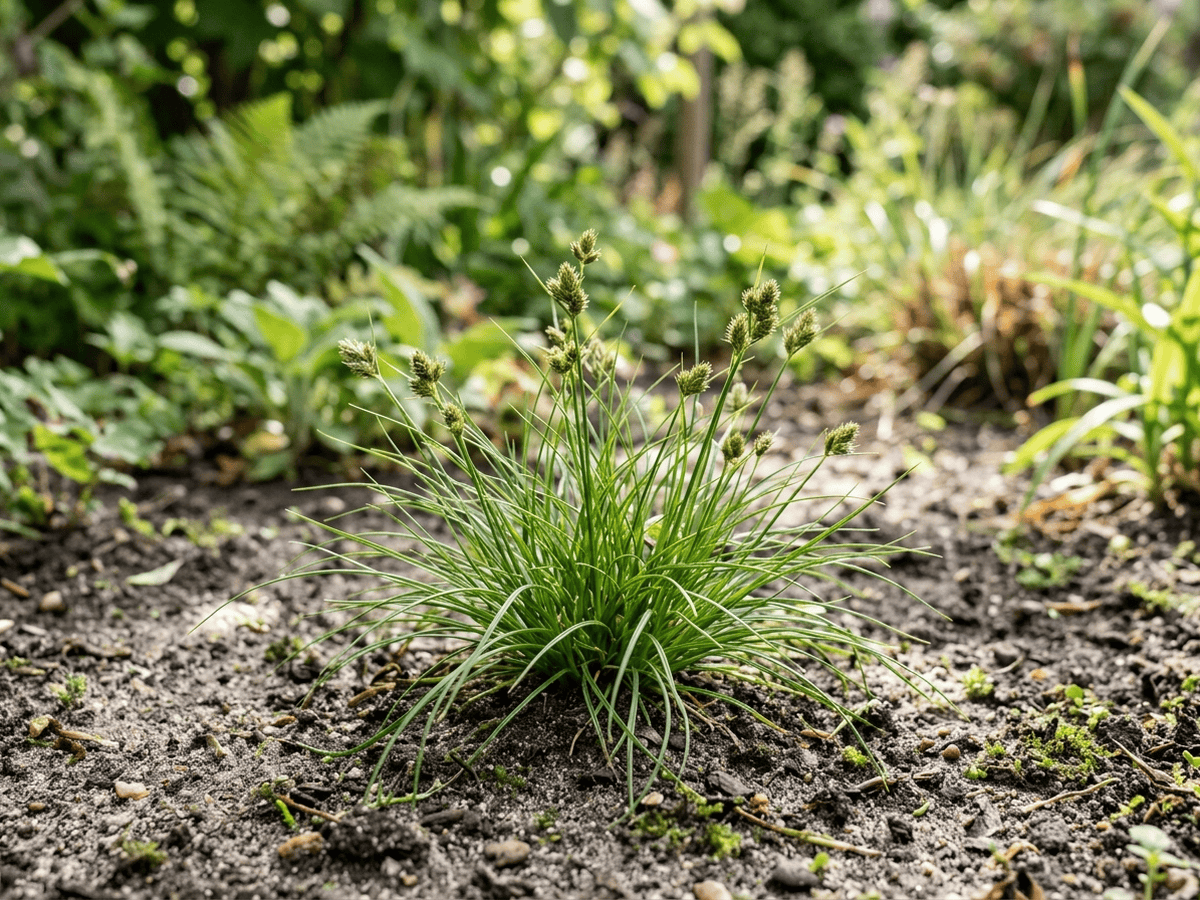
More Fimbristylis plants
Plants with similar care
Frequently asked questions
How often should I water Vahl's Fimbry?
Water about every 10 days during the growing season, and always let excess water drain away.
How much light does Vahl's Fimbry need?
Full shade: <2 hrs direct. Watch the leaves — scorching or stretching means the light needs adjusting.
Is Vahl's Fimbry toxic to cats or dogs?
No toxicity has been reported for this plant. Still, it is wise to keep pets from chewing on any houseplant. Educational information, not medical or veterinary advice. If exposure is suspected, contact a doctor or veterinarian.
Is Vahl's Fimbry easy to grow?
It is considered challenging and rewards experienced growers.
YardMate
Identify any plant in seconds
Snap a photo — YardMate names the plant, diagnoses problems, and reminds you when to water.
Download on the App Store