 YardMate
Asian Fimbry
Fimbristylis squarrosa
Hard · Experienced growersAbout Asian Fimbry
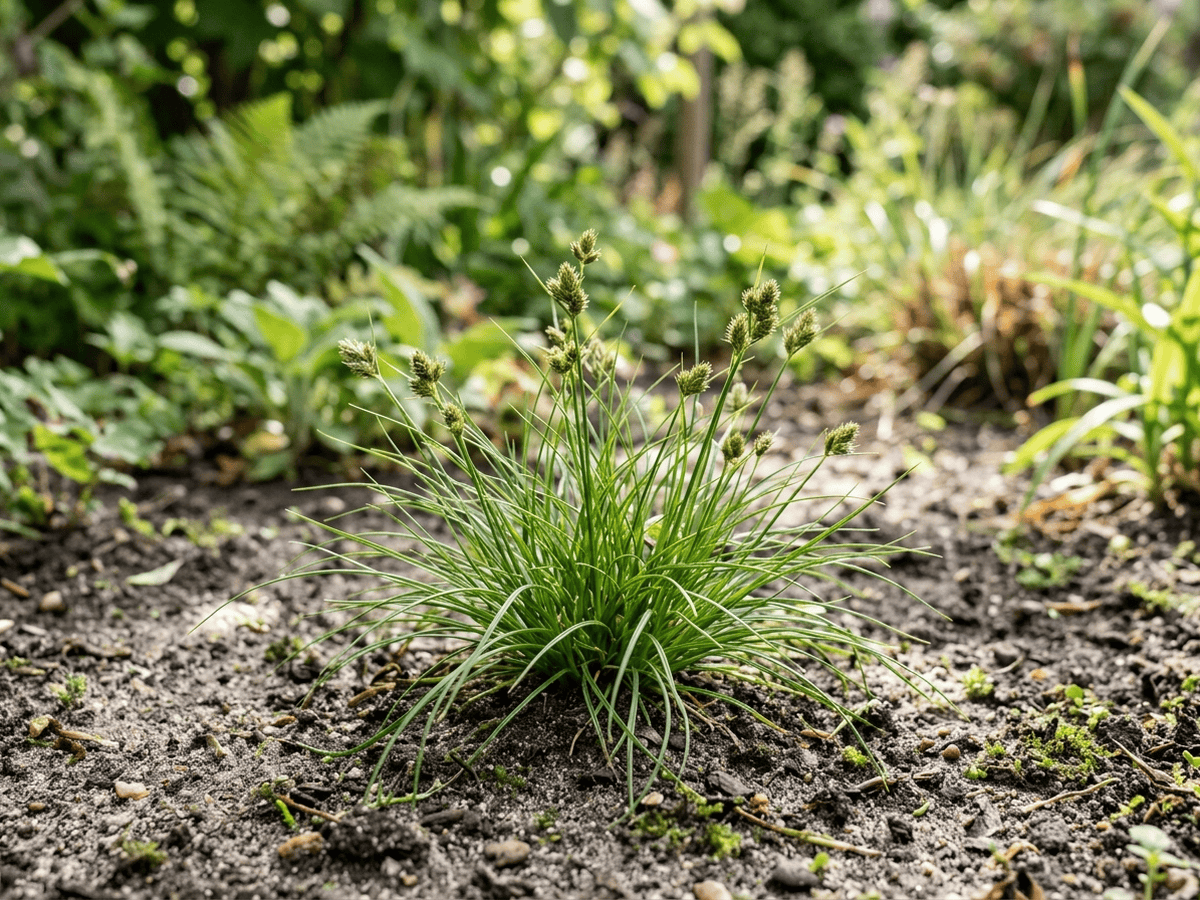
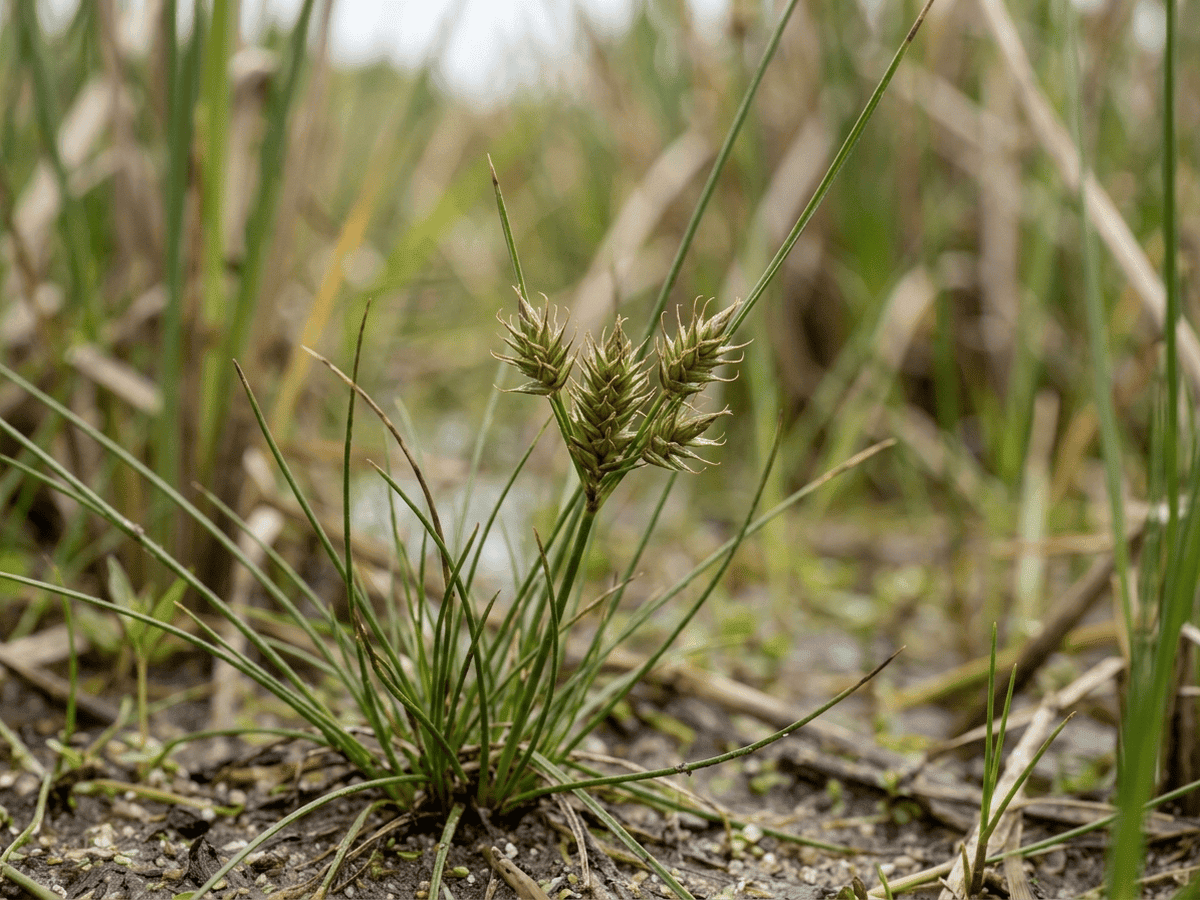
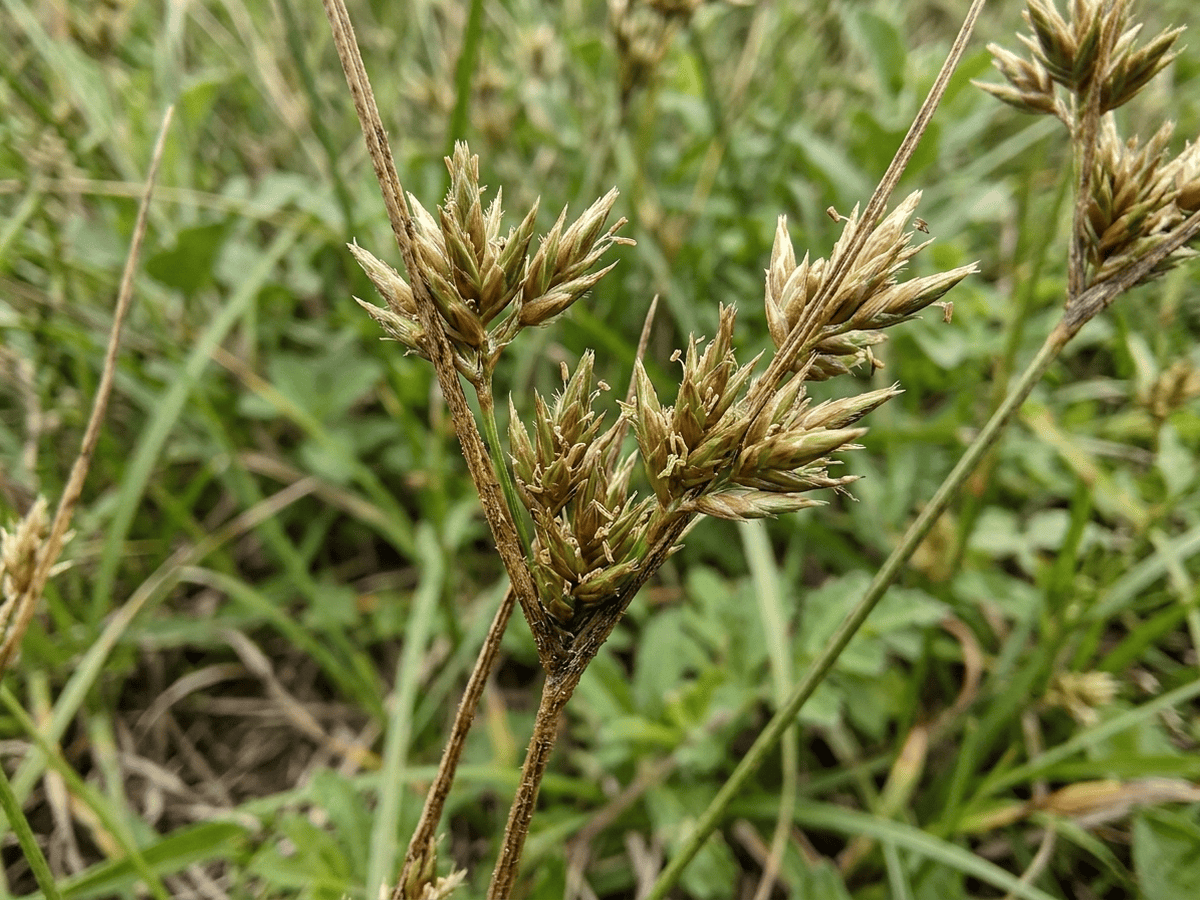
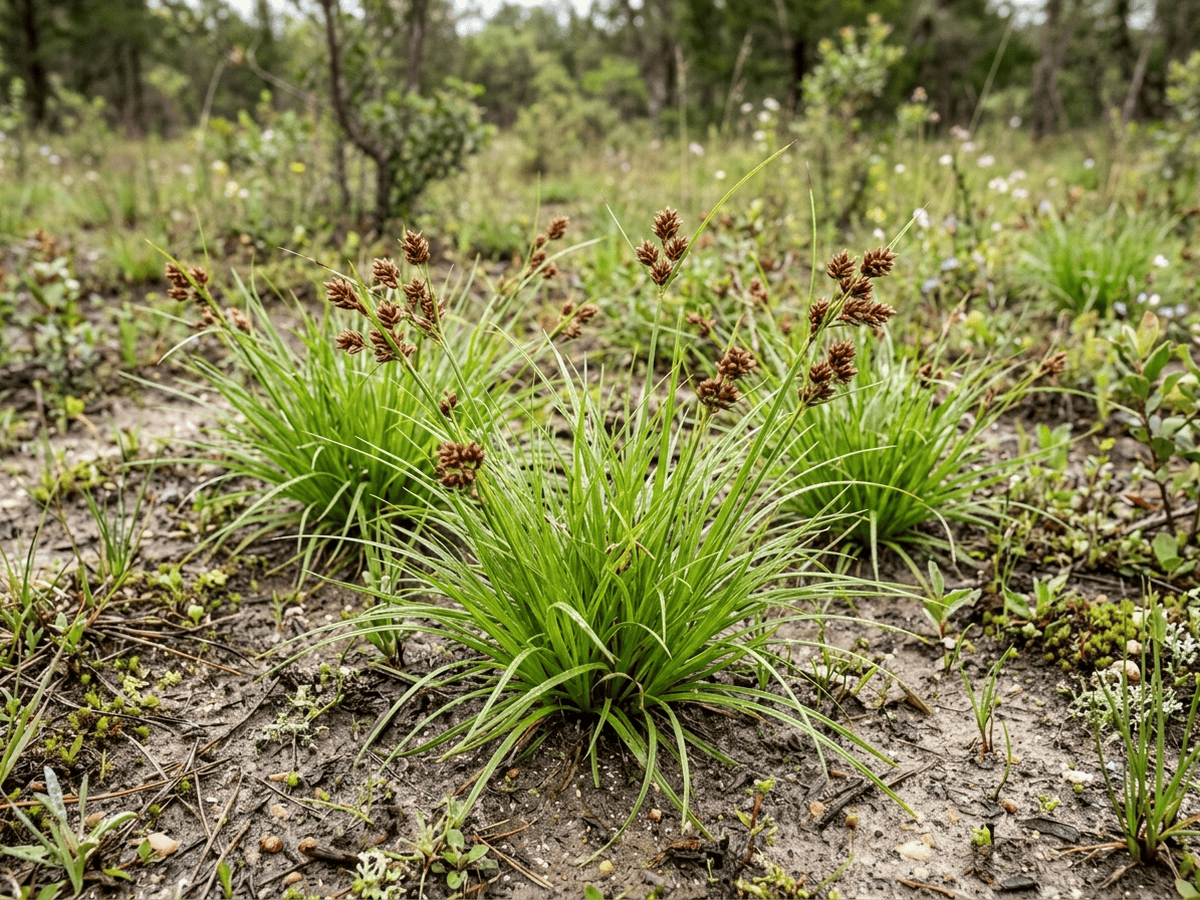
Asian Fimbry is a delicate, tufted annual sedge native across the Old World tropics and subtropics, from the Caucasus through South and East Asia to central Japan. Slender, fibrous-rooted stems reach only 20-40 cm, each topped with small greenish-brown, lance-shaped spikelets whose scales carry a distinctive out-curved bristle tip. It favors moist sand or silt in low, open, disturbed ground - clearings, fields, and other seasonally wet, sunny spots - and has a weedy, opportunistic habit typical of its genus. Outside its native range it is essentially unknown in cultivation; grown at all, it belongs in a specialist native-grass or fringe-sedge collection rather than an ordinary border, valued for its fine, wispy texture more than for any display of bloom.
- Fast-growing
How to care for Asian Fimbry
Watering
- Springevery 10 days
- Summerevery 7 days
- Fallevery 15 days
- Winterpause watering
Soil · Moisture-retentive
- Top dressingSphagnum moss10%
- Main mixPeat + coco coir 1:180%
- DrainagePerlite / gravel10%
Keep it evenly moist — but the drainage layer still matters.
FERTILIZER
This plant needs little to no feeding.
At a Glance
- NativeEast Asia, South Asia, Western Asia
- Height0.5–1.3 ft (0.2–0.4 m)
- Spread0.3–0.8 ft (0.1–0.2 m)
- Foliage colorGreen
- SoilSandy, Moisture-retentive
- LocationsYard · Patio · Greenhouse
Toxicity
No toxicity has been reported for this plant. Still, it is wise to keep pets from chewing on any houseplant.
Educational information, not medical or veterinary advice. If exposure is suspected, contact a doctor or veterinarian.
DISTRIBUTION

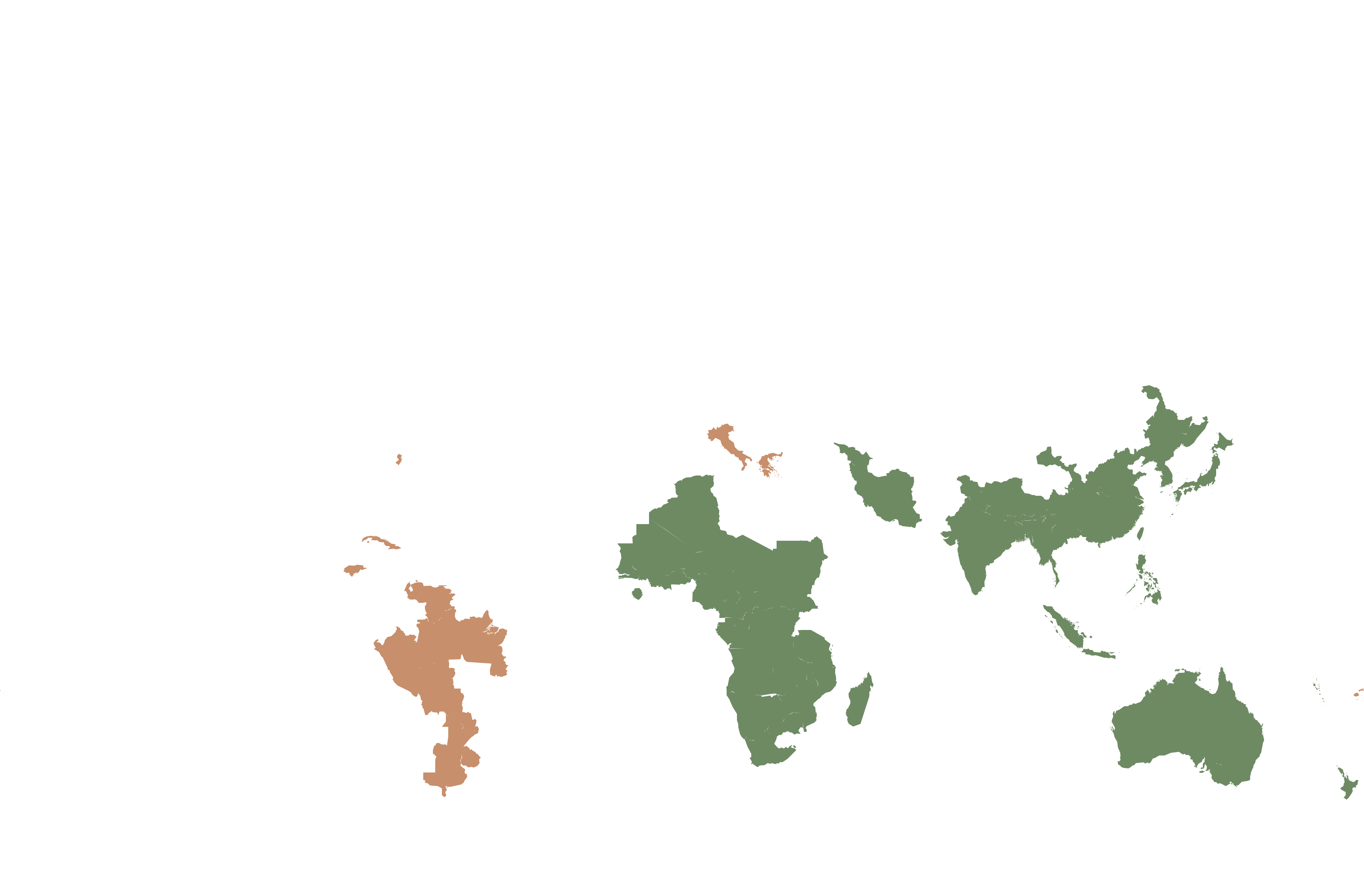
- Native
- Introduced
- East Asia
- South Asia
- Western Asia
History
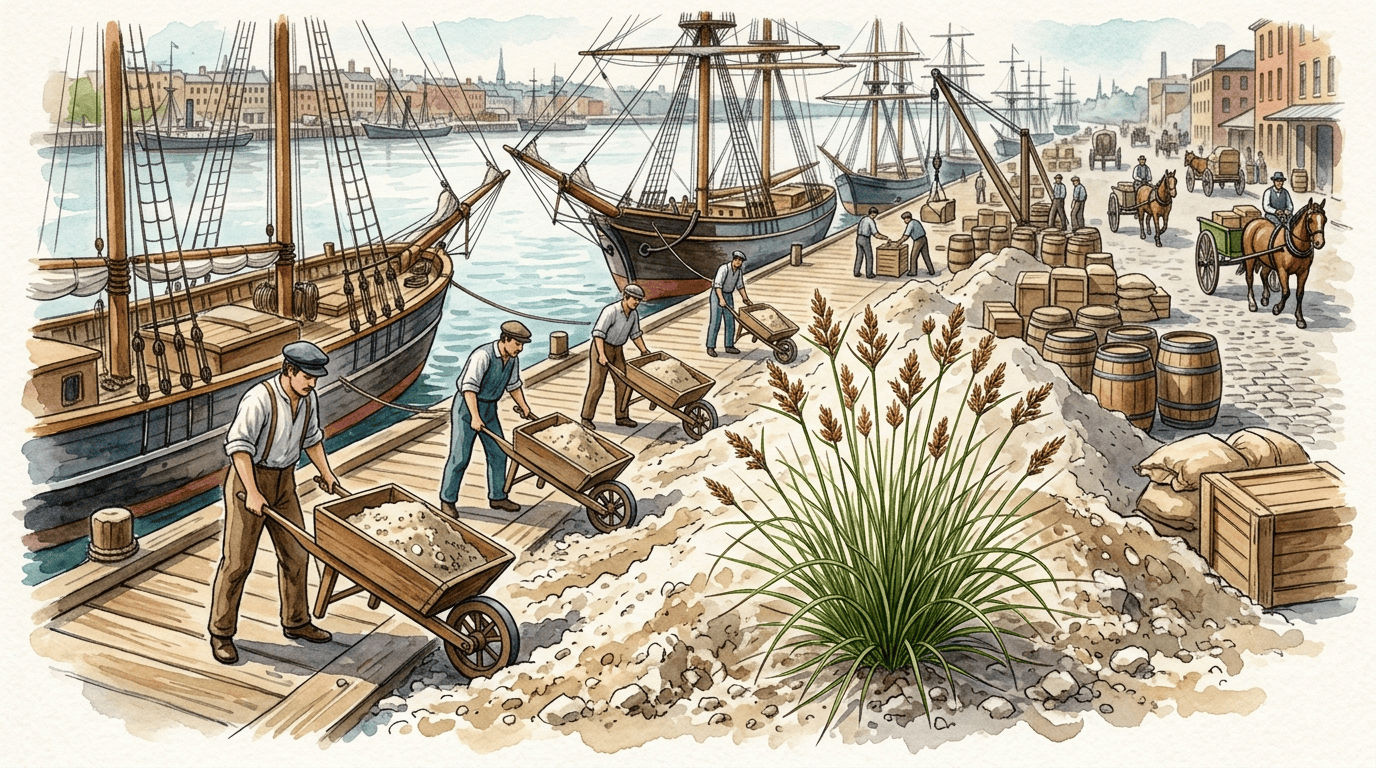
Asian Fimbry belongs to a genus that Danish botanist Martin Vahl formally established in 1805, grouping together sedges whose flower clusters are ringed with delicate, fringe-like bristled scales - the fimbriae that give the genus its name. Native across the Old World from the Caucasus to Japan, it has only ever been recorded once on the North American continent: a single specimen collected from ship's ballast at Camden, New Jersey, in 1865 by the botanist C. F. Parker. In the nineteenth century, ships loading American exports would first empty out the soil, sand, and rock carried as ballast on the outbound voyage, dumping it in heaps along the wharves of port cities like Camden and Philadelphia. Seeds buried in that foreign soil sometimes sprouted into brief, unexpected colonies of exotic plants that local botanists called 'ballast waifs' - and for a few years these dump sites became prized hunting grounds for anyone curious about the flora of distant countries. Parker's single collection of Asian Fimbry was exactly this kind of find: a plant that had never grown wild anywhere near New Jersey before, and, so far as records show, never grew there again once that particular heap of ballast soil was gone. Botanists still cite the record today as a textbook case of a 'waif' - present once, tied to one specific human act of importing foreign soil, and gone again once that soil was disturbed or built over. In its true range across Asia, by contrast, it remains an ordinary, if easily overlooked, presence in damp clearings and disturbed fields.
Symbolism & meaning
What It Symbolizes
For one brief moment in 1865, Asian Fimbry grew somewhere it had never grown before: a heap of imported ballast soil dumped on a New Jersey wharf, half a world from its native range. A single botanist found it, pressed it, and recorded it - and then the soil was gone, and so was the plant. It remains a small emblem of how briefly a foreign seed can take root before the place that carried it there disappears.
- Impermanence — Its only North American record came from a single heap of ship's ballast soil in 1865 and vanished once that soil was disturbed, never seen wild in the region again.
- Adaptability — Thrives across a vast native range of damp, disturbed ground from the Caucasus to Japan, wherever bare wet soil briefly opens up.
Where the Name Comes From
From Latin fimbriae, 'fringe,' for the bristled scales ringing each flower cluster, plus Greek stylos, 'style/column'; squarrosa is Latin for 'rough, with spreading scale-tips,' describing the out-curved bristle on each floral scale.
Uses & Fun Facts
- Colonizes bare, damp disturbed ground in its native Asian range
- Occasionally grown in specialist sedge collections for its fine, wispy texture
Related plants
More Fimbristylis plants
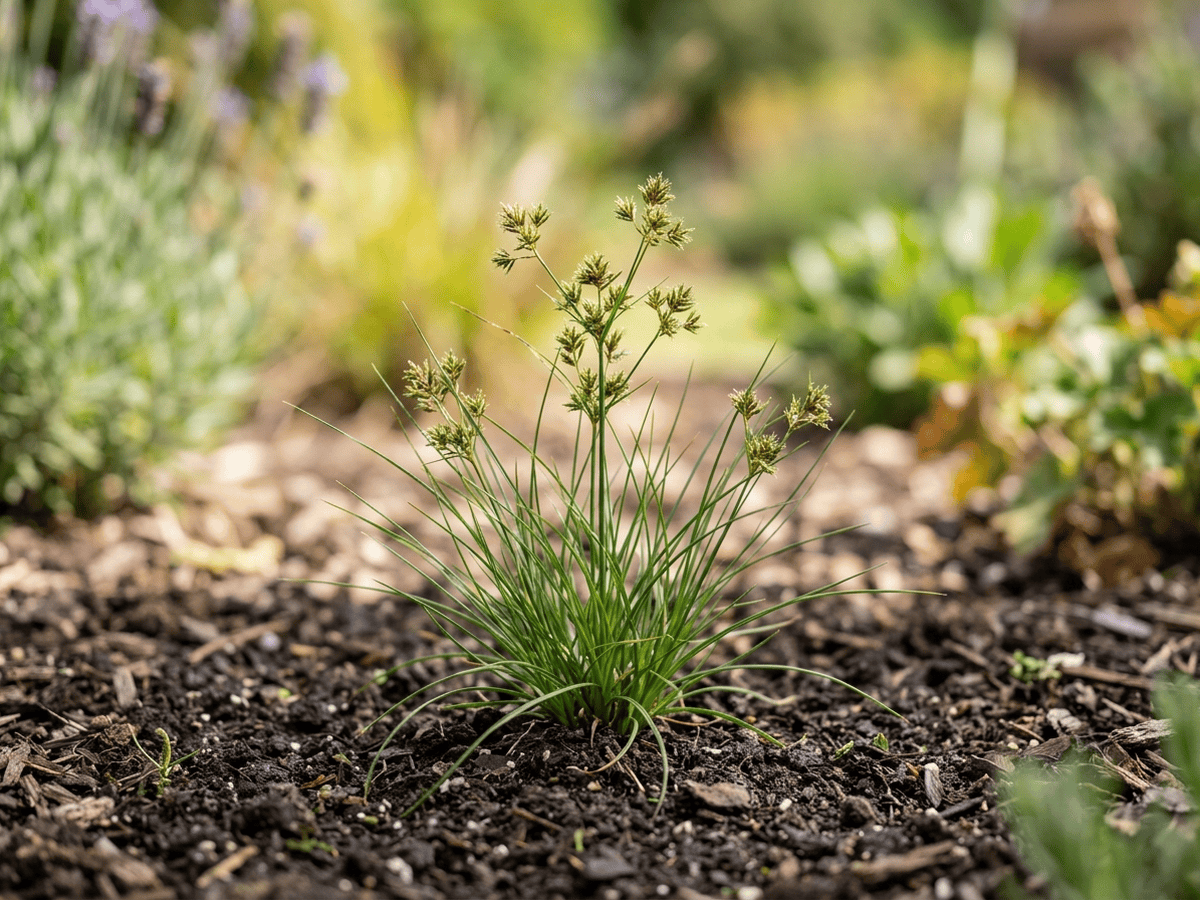
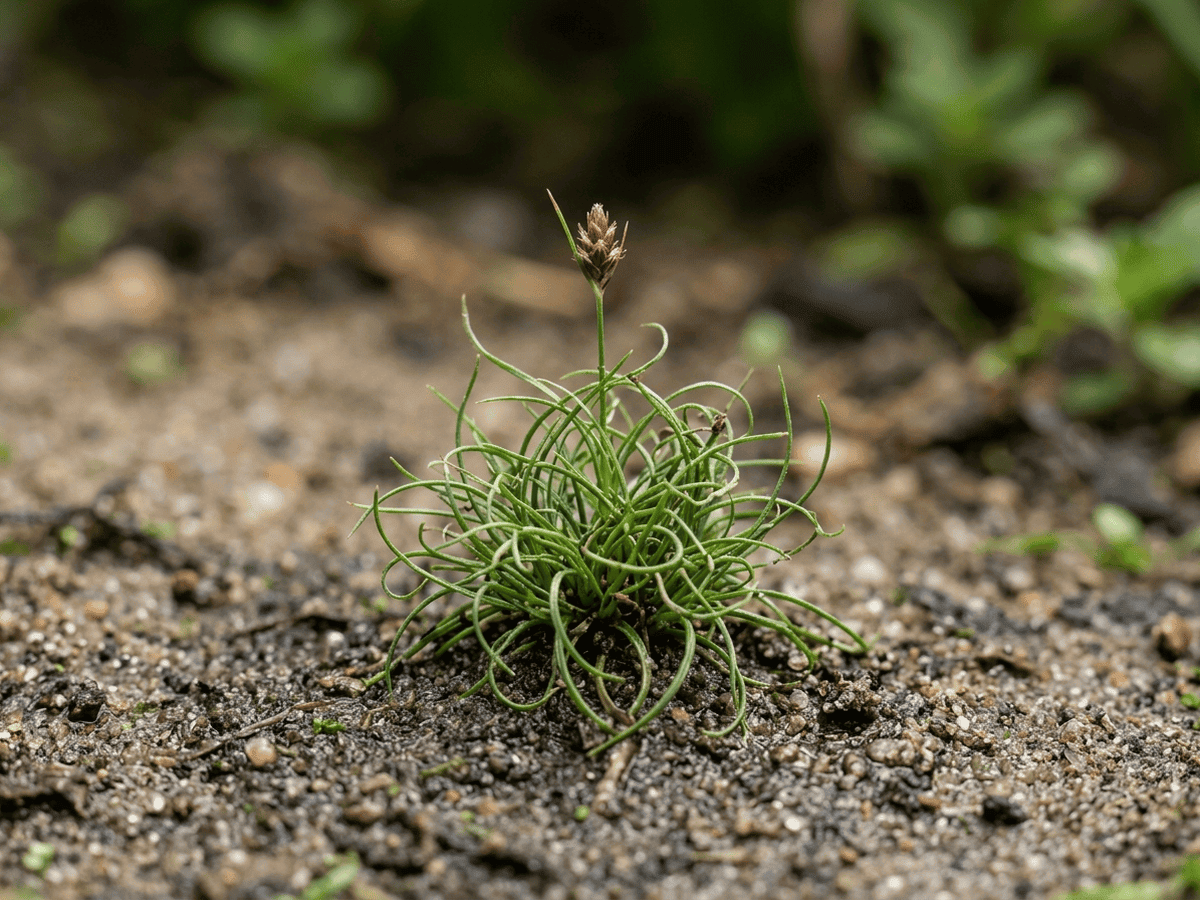
Plants with similar care
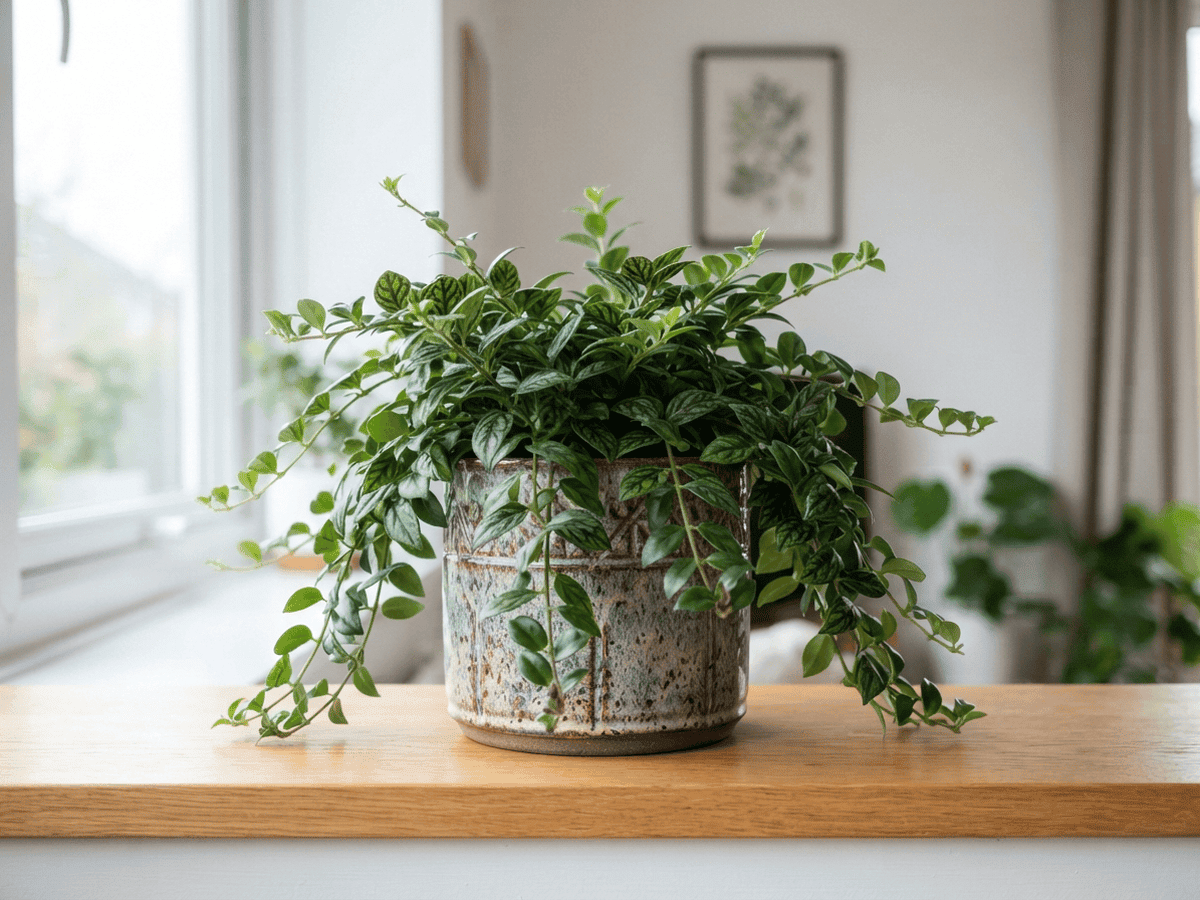 Lipstick PlantAeschynanthus longicaulis
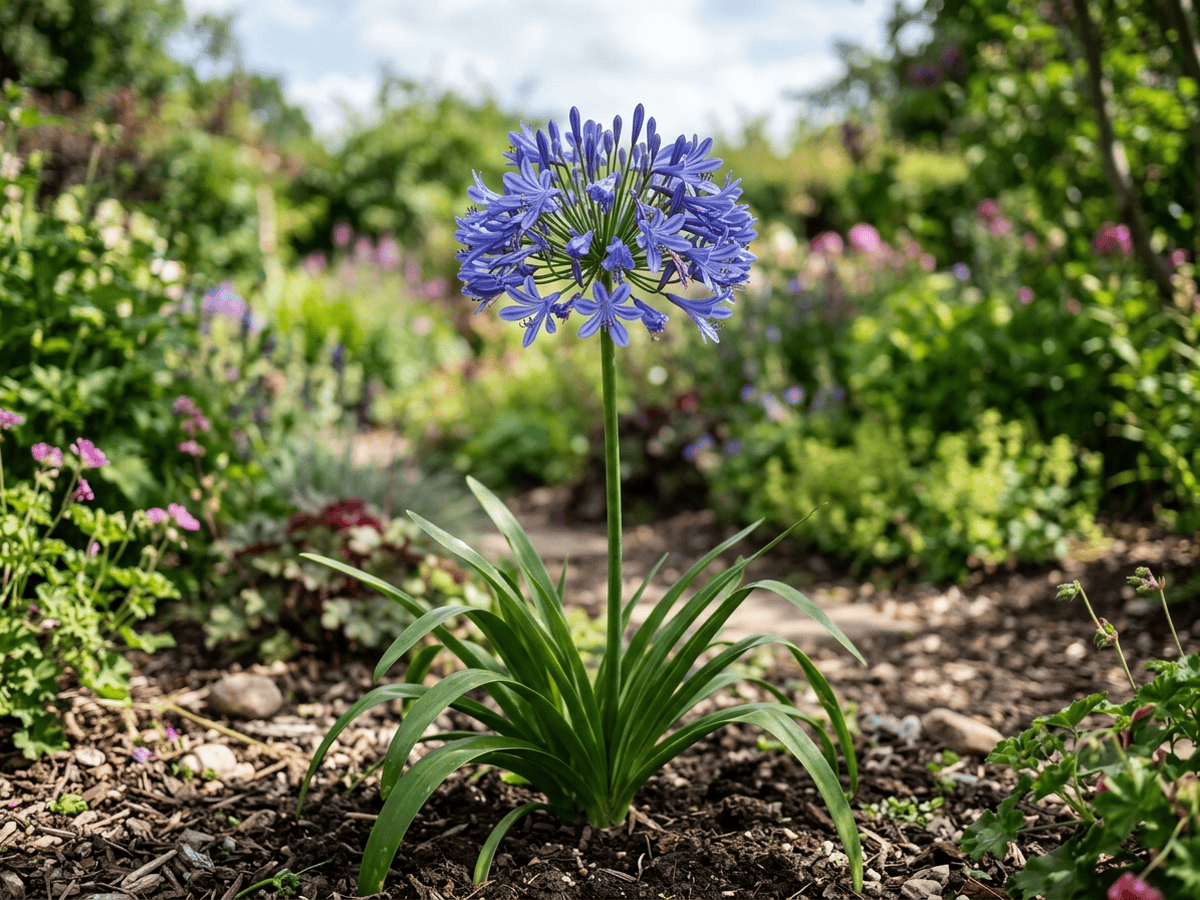 African LilyAgapanthus africanus
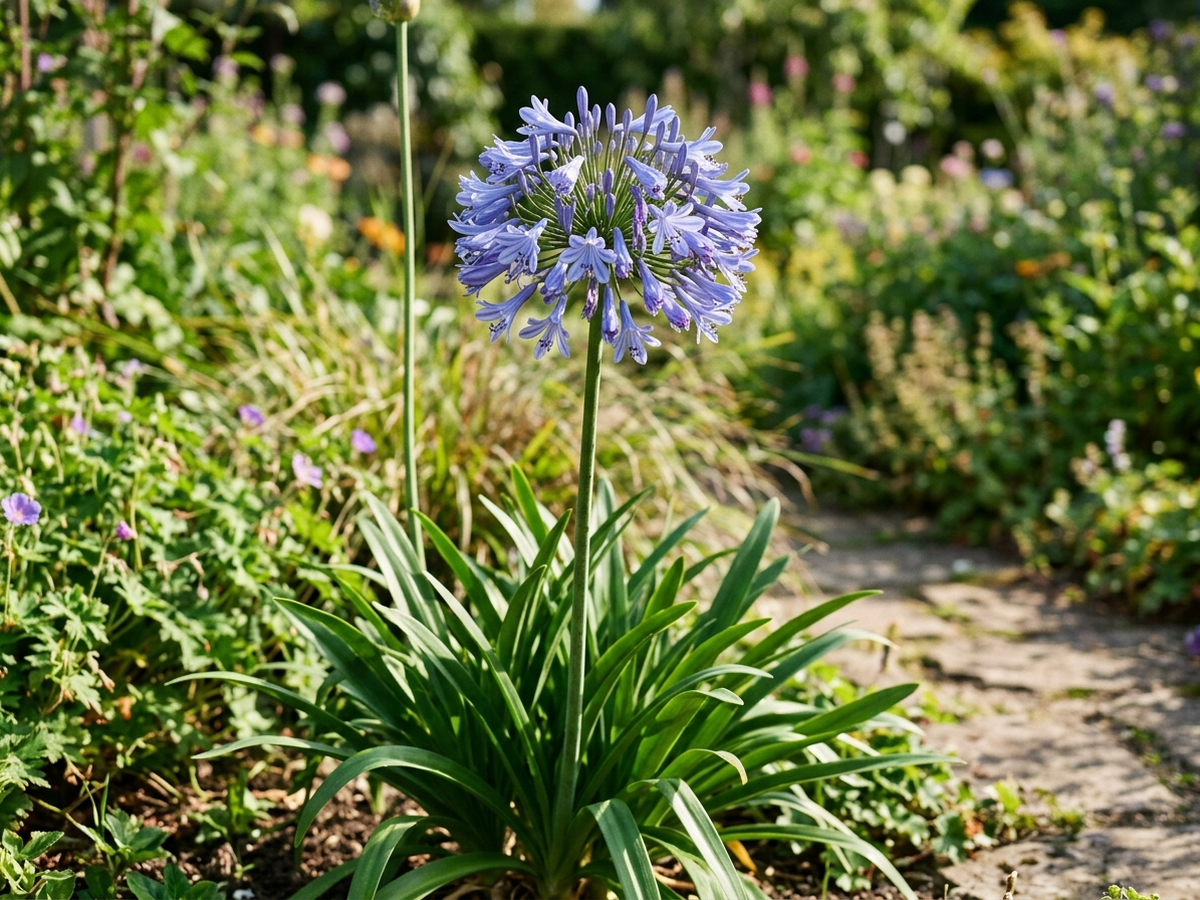 Bell AgapanthusAgapanthus campanulatus
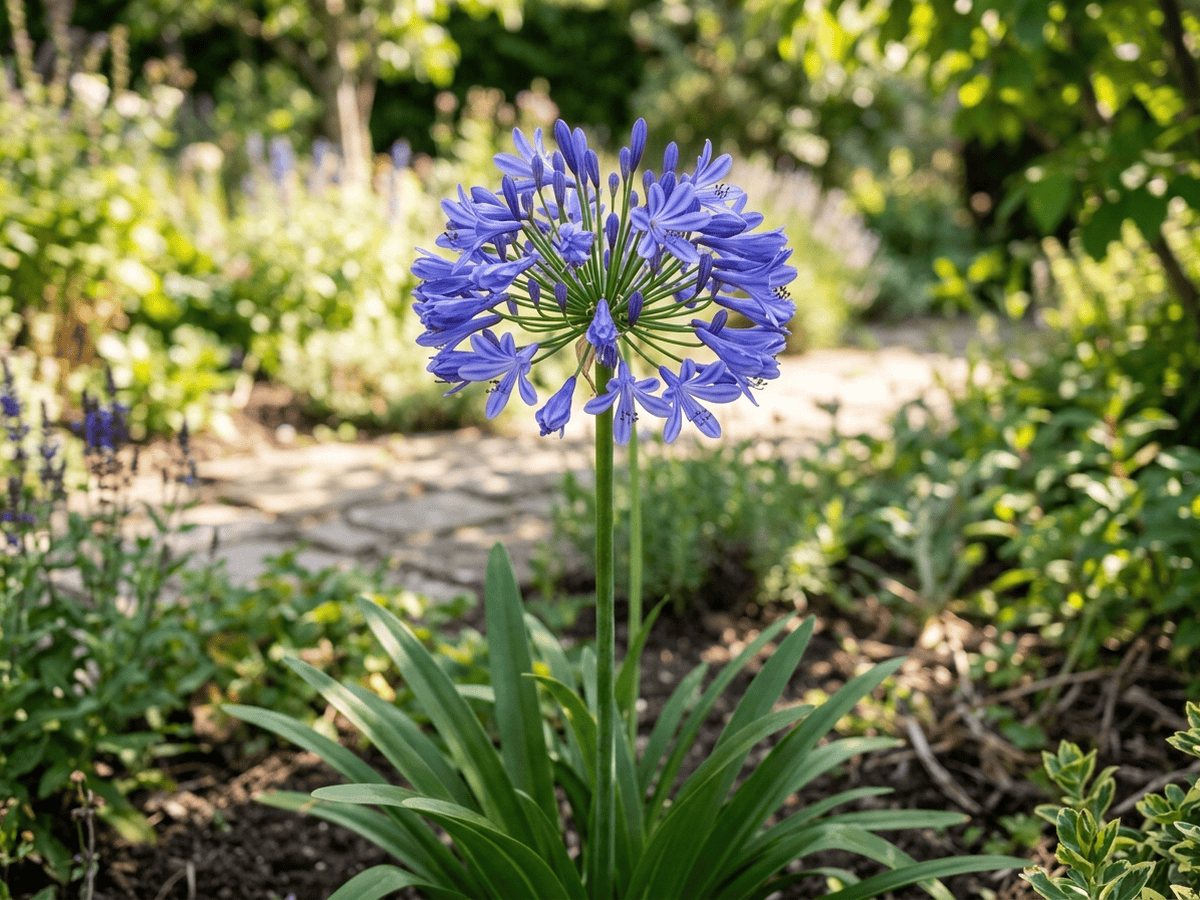 Common AgapanthusAgapanthus praecox
Frequently asked questions
How often should I water Asian Fimbry?
Water about every 10 days during the growing season, and always let excess water drain away.
How much light does Asian Fimbry need?
Part sun: 4–6 hrs direct. Watch the leaves — scorching or stretching means the light needs adjusting.
Is Asian Fimbry toxic to cats or dogs?
No toxicity has been reported for this plant. Still, it is wise to keep pets from chewing on any houseplant. Educational information, not medical or veterinary advice. If exposure is suspected, contact a doctor or veterinarian.
Is Asian Fimbry easy to grow?
It is considered challenging and rewards experienced growers.
YardMate
Identify any plant in seconds
Snap a photo — YardMate names the plant, diagnoses problems, and reminds you when to water.
Download on the App Store