 YardMate
Slender Fimbry
Fimbristylis autumnalis
Medium · Some experienceAbout Slender Fimbry
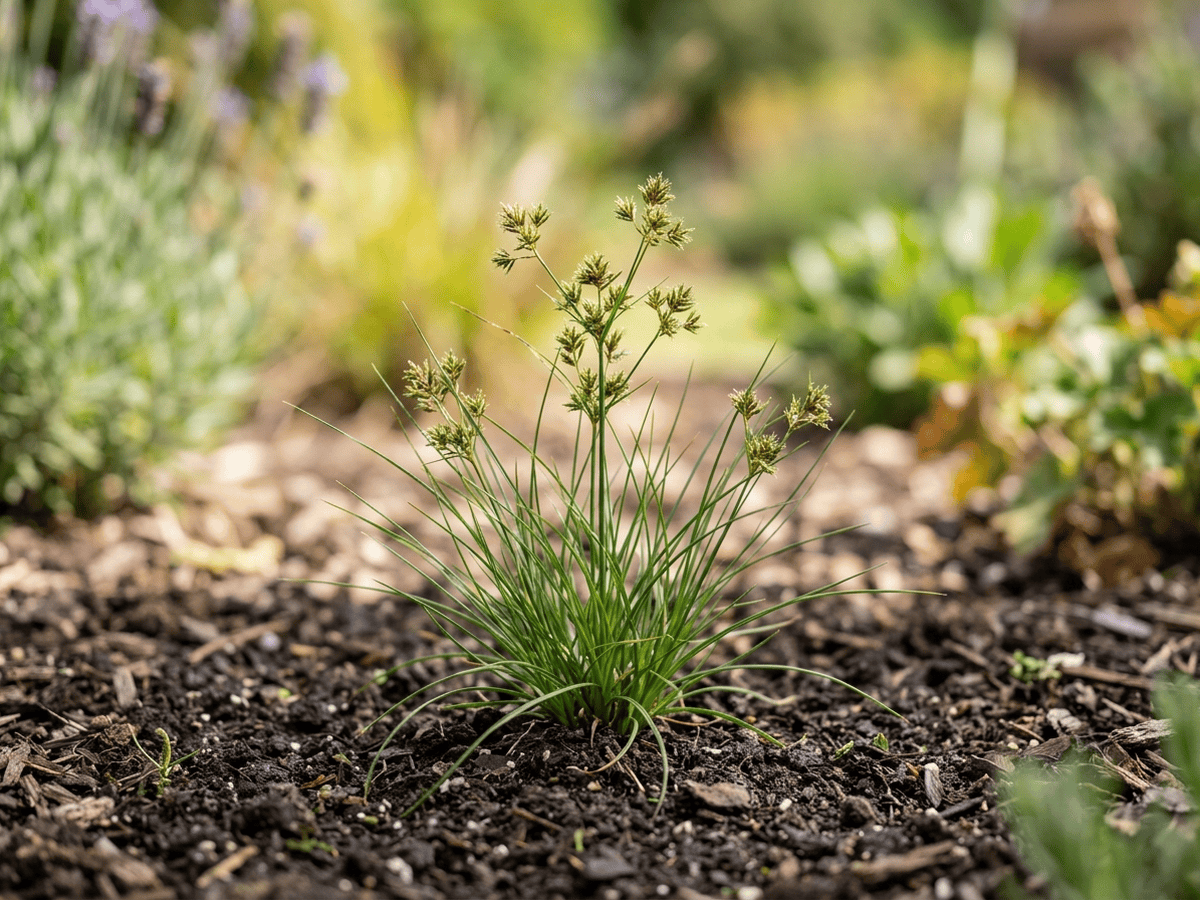
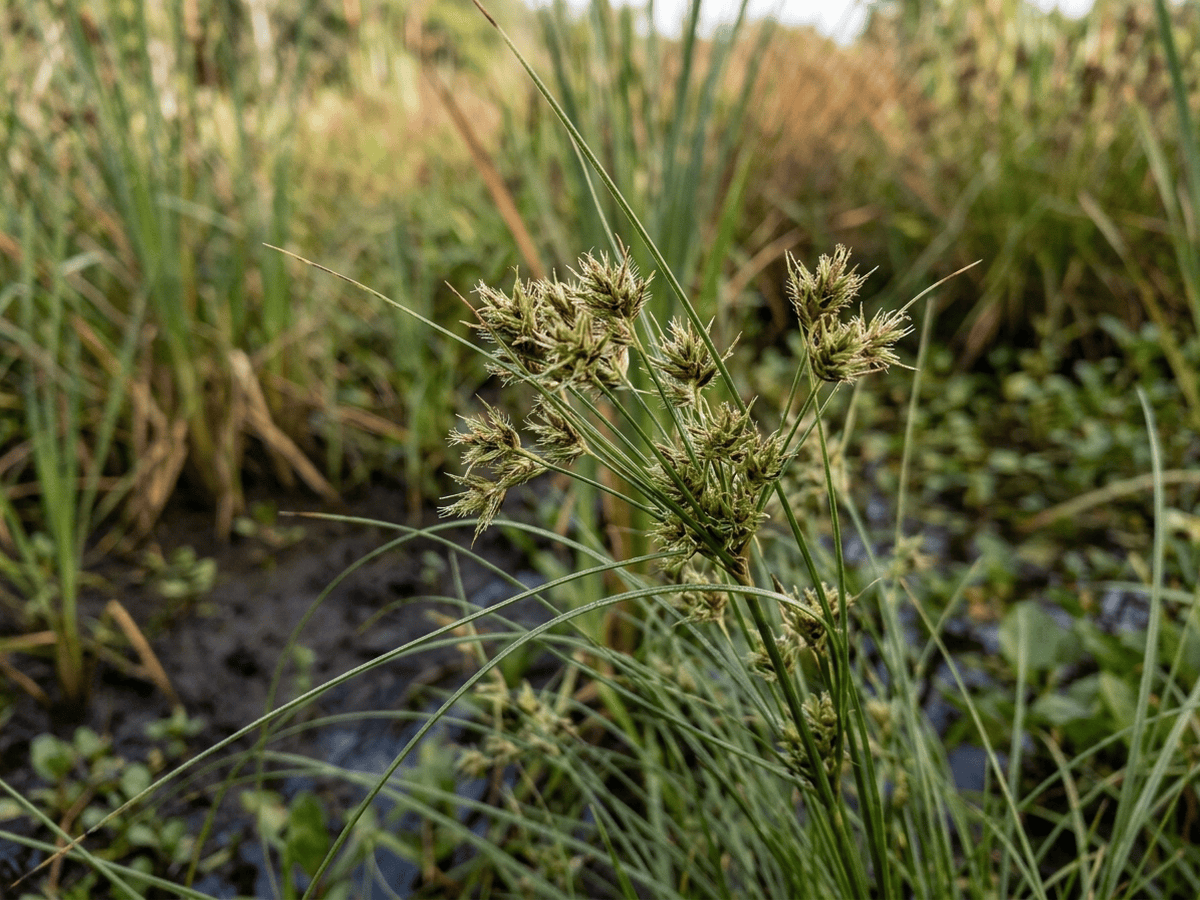
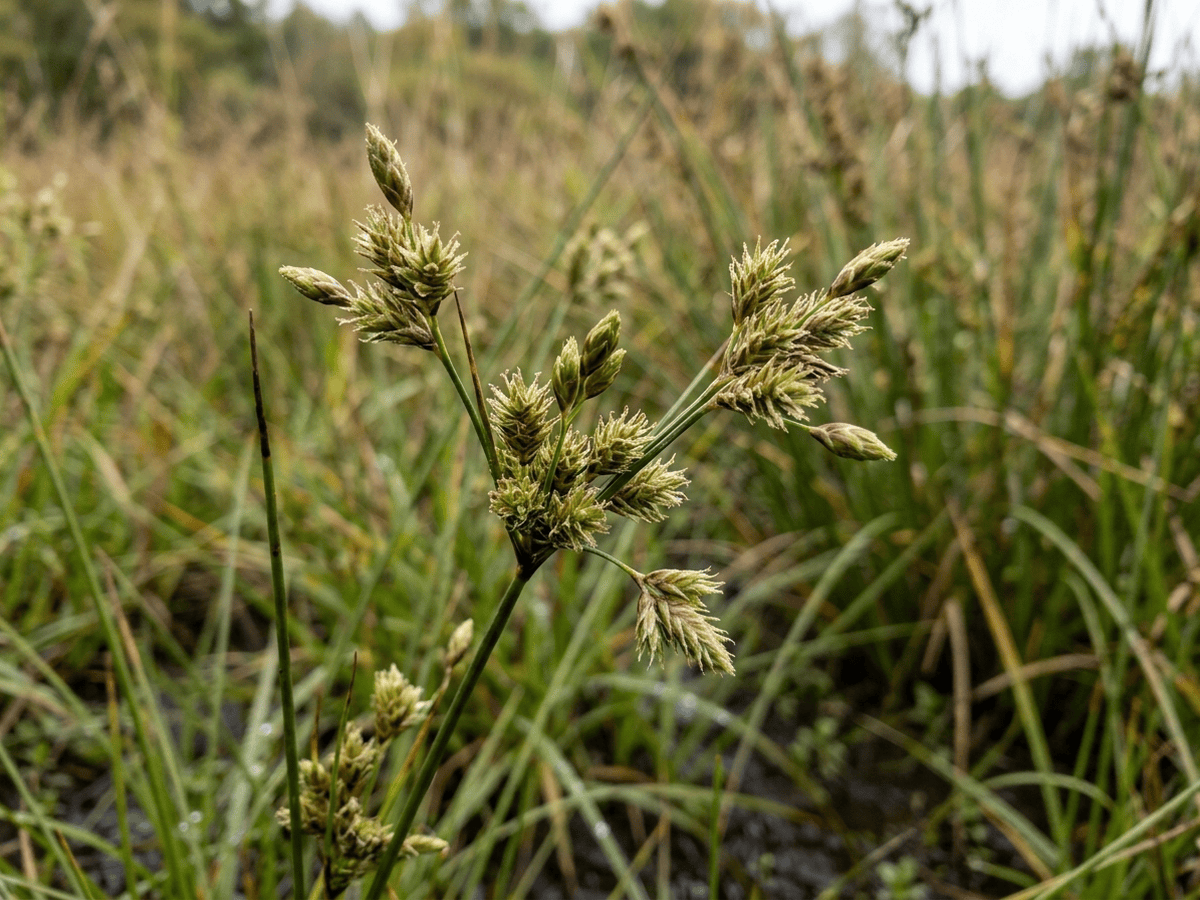
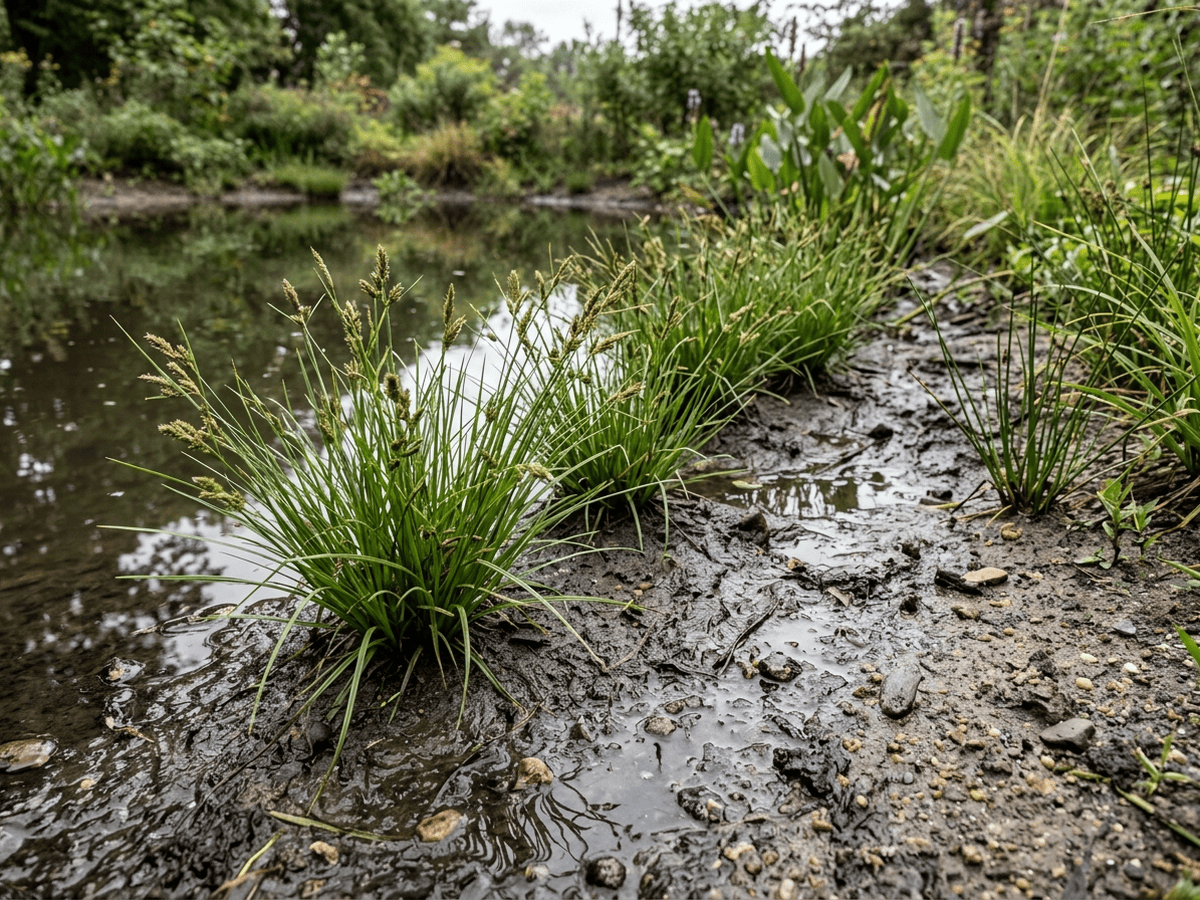
Slender Fimbry is a small, tufted annual sedge with one of the widest ranges in its genus, native to wet meadows and pond shores across eastern North America and, independently, across East Asia from Japan and Korea to China and Taiwan. Fine, grass-like leaves rise 5-30 cm from a soft-based clump, topped by loosely branching clusters of tiny greenish-brown spikelets ringed with delicate bristled bracts, the fringe that gives the genus its Latin name. It favors damp, sandy, peaty, or silty ground - seeps, ditches, and pond margins where water levels rise and fall through the year - flowering from late summer into autumn, the season recorded in its own epithet. Quick to colonize bare wet soil, it suits rain gardens and native wetland plantings wanting a subtle textural accent rather than showy bloom.
- Fast-growing
How to care for Slender Fimbry
Watering
- Springevery 10 days
- Summerevery 7 days
- Fallevery 15 days
- Winterevery 30 days
Soil · Moisture-retentive
- Top dressingSphagnum moss10%
- Main mixPeat + coco coir 1:180%
- DrainagePerlite / gravel10%
Keep it evenly moist — but the drainage layer still matters.
FERTILIZER
This plant needs little to no feeding.
At a Glance
- NativeNorth America, East Asia
- Height0.5–1 ft (0.2–0.3 m)
- Spread0.5–1 ft (0.2–0.3 m)
- Foliage colorGreen
- SoilSandy, Moisture-retentive
- LocationsYard · Patio · Greenhouse
Toxicity
No toxicity has been reported for this plant. Still, it is wise to keep pets from chewing on any houseplant.
Educational information, not medical or veterinary advice. If exposure is suspected, contact a doctor or veterinarian.
DISTRIBUTION

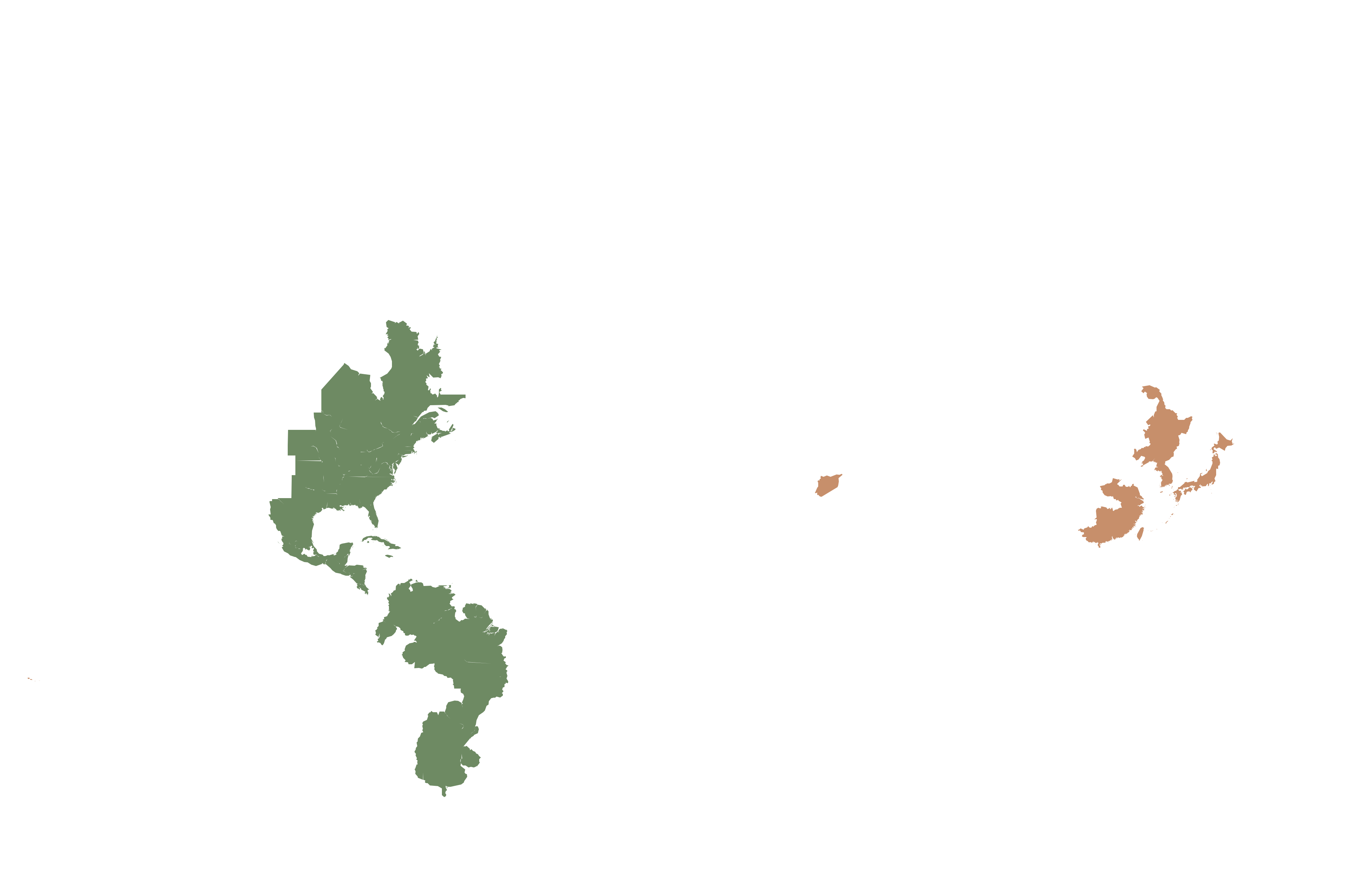
- Native
- Introduced
- North America
- East Asia
History
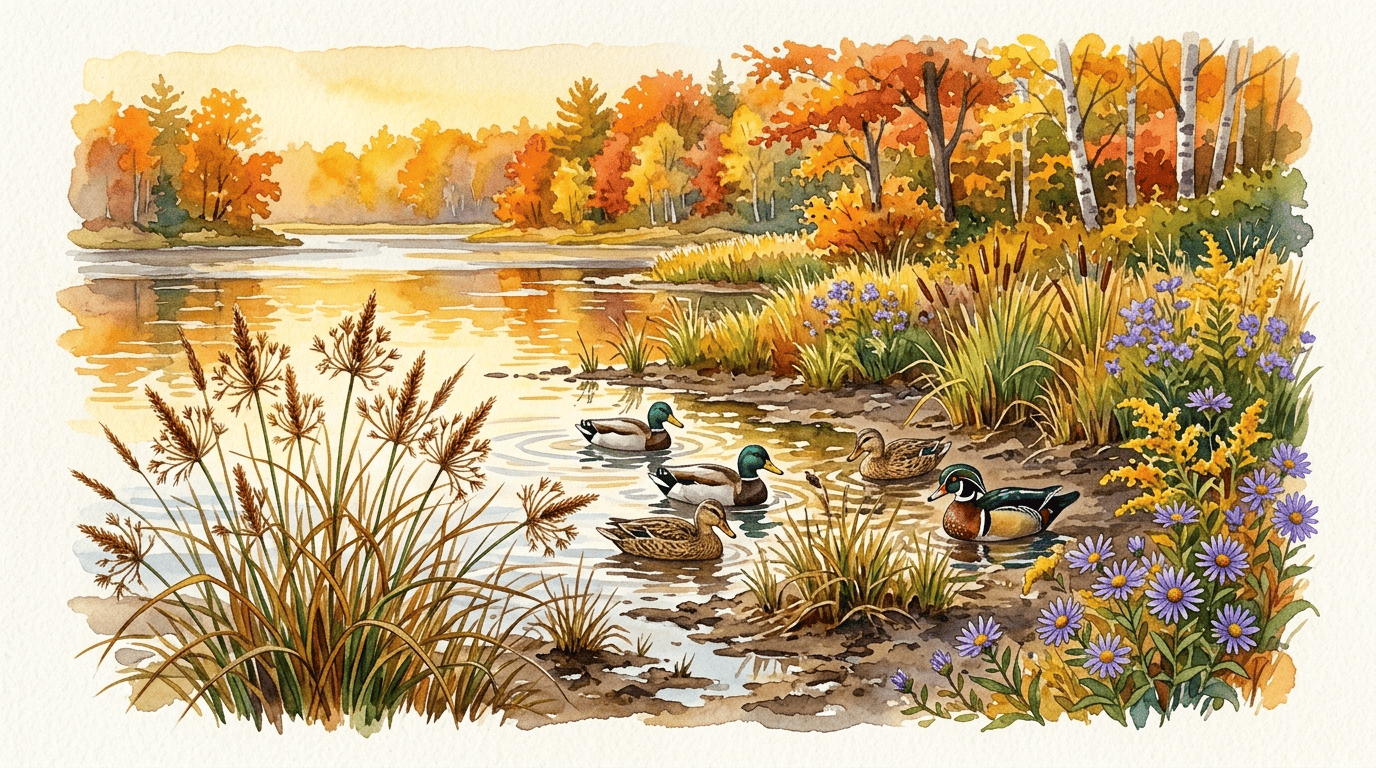
Slender Fimbry belongs to Fimbristylis, a large sedge genus whose name comes from the Latin fimbriae, meaning fringe, for the delicate bristled bracts that ring each flower cluster. The species epithet autumnalis simply means 'of autumn,' marking the late-season window, August into October, when its wiry spikes finally open across the pond shores and seepy ditches it calls home. European botanists first placed the plant in the older sedge genus Scirpus during the eighteenth century; when Georg Roemer and Josef Schultes revised the Cyperaceae in the early 1800s for their edition of Systema Vegetabilium, they moved it into Fimbristylis, where it has stayed since. Its range is unusually split for a sedge of its size: one population runs down eastern North America from Maine to Texas, another runs through Japan, Korea, China, and Taiwan, and Japanese botanists know it by their own name, Himehira-tentsuki, in the same tentsuki (Fimbristylis) group as the region's other fringe sedges. In the wild it is a plant of edges and in-between places: the muddy fringe of a pond that drops through a dry summer, a roadside ditch, a seep at the base of a sandy slope. Because it germinates quickly on bare, saturated soil and then flowers and sets seed within a single season, botanists read it as an indicator of exposed, fluctuating wetland margins rather than of stable water. That same opportunism has made it rare at the northern edge of its North American range - it is tracked as a species of conservation concern in Vermont - even while it remains common further south. Ecologists studying pondshore plant communities use its presence or absence to gauge how much a shoreline's water level still rises and falls with the seasons, a small but telling signal of wetland health.
Symbolism & meaning
What It Symbolizes
Slender Fimbry never asks for much: bare, saturated soil is an opportunity, not an obstacle. It germinates fast on the drying mud of a receding pond shore, flowers within weeks, and sets seed before the ground floods again the following spring - a small annual cycle of arrival, bloom, and renewal repeated on the same shifting edge every year.
- Resilience — Springs up fast on bare, waterlogged ground that most plants avoid, then rides out the dry-down of a receding shoreline each summer.
- Renewal — As an annual, it completes its whole life within one season, part of the first wave of green to reclaim disturbed, muddy wetland edges.
Where the Name Comes From
From Latin fimbriae, 'fringe,' for the bristled bracts ringing each flower cluster, plus Greek stylos, 'style/column' - and autumnalis, 'of autumn,' for its late-season bloom.
Uses & Fun Facts
- Colonizes bare, wet shorelines and provides cover in seasonal wetland habitat
- Adds fine, grass-like texture to rain gardens and native pond-edge plantings
Related plants
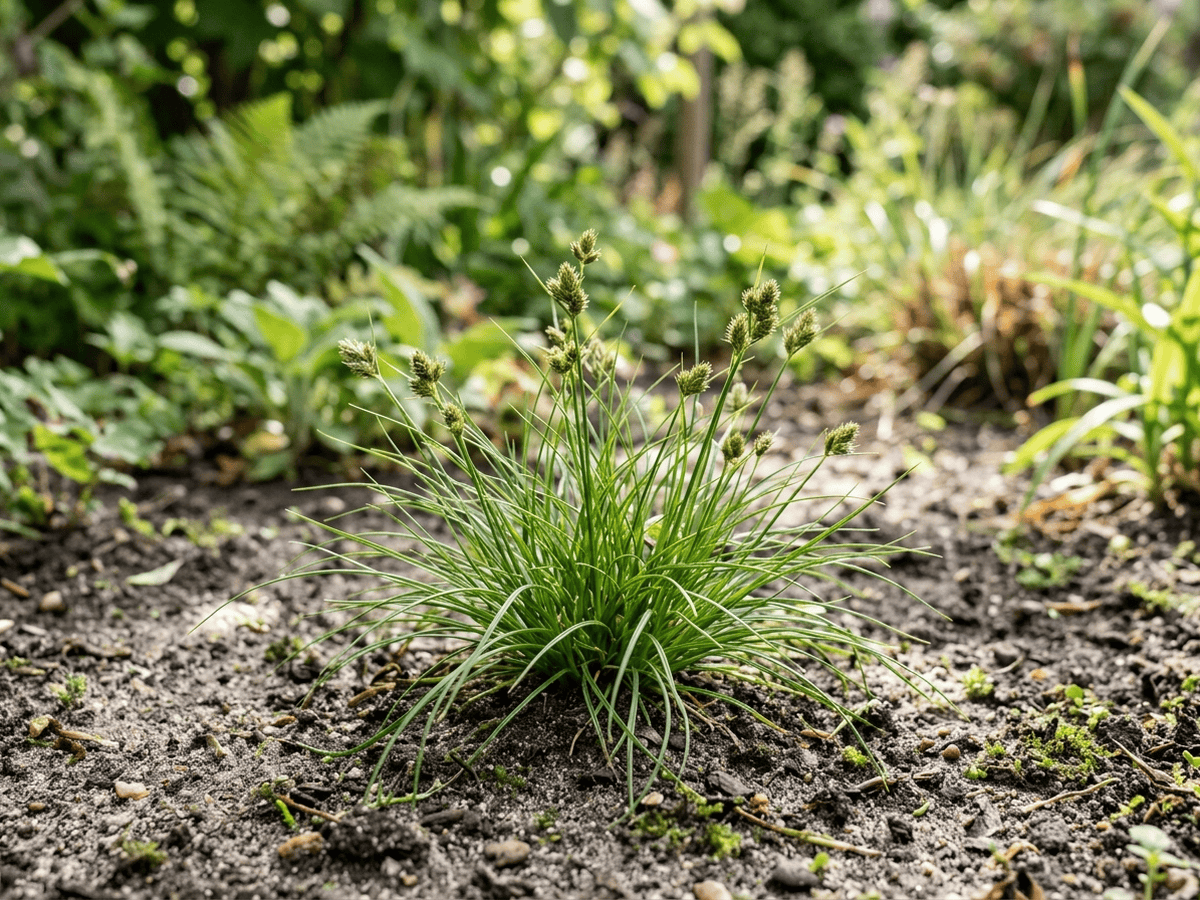
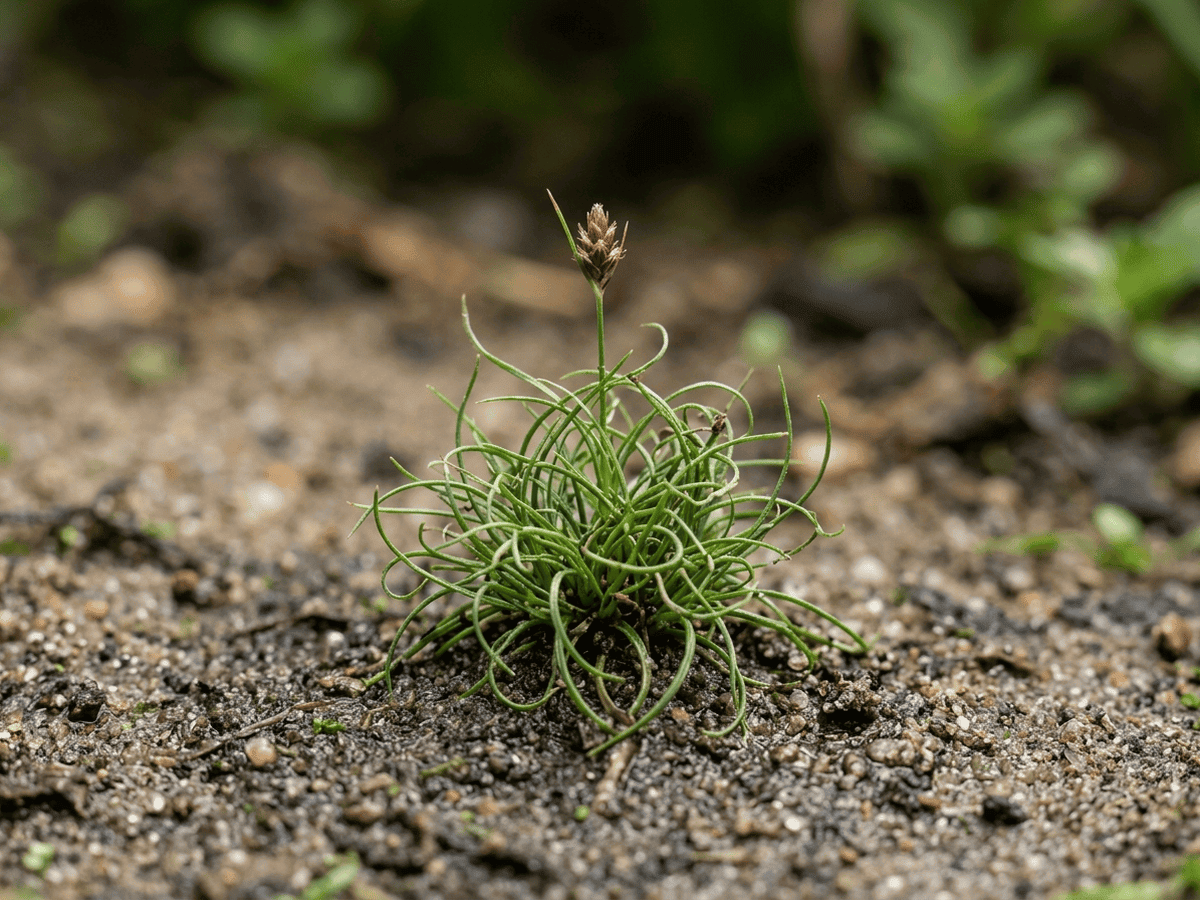
More Fimbristylis plants
Plants with similar care
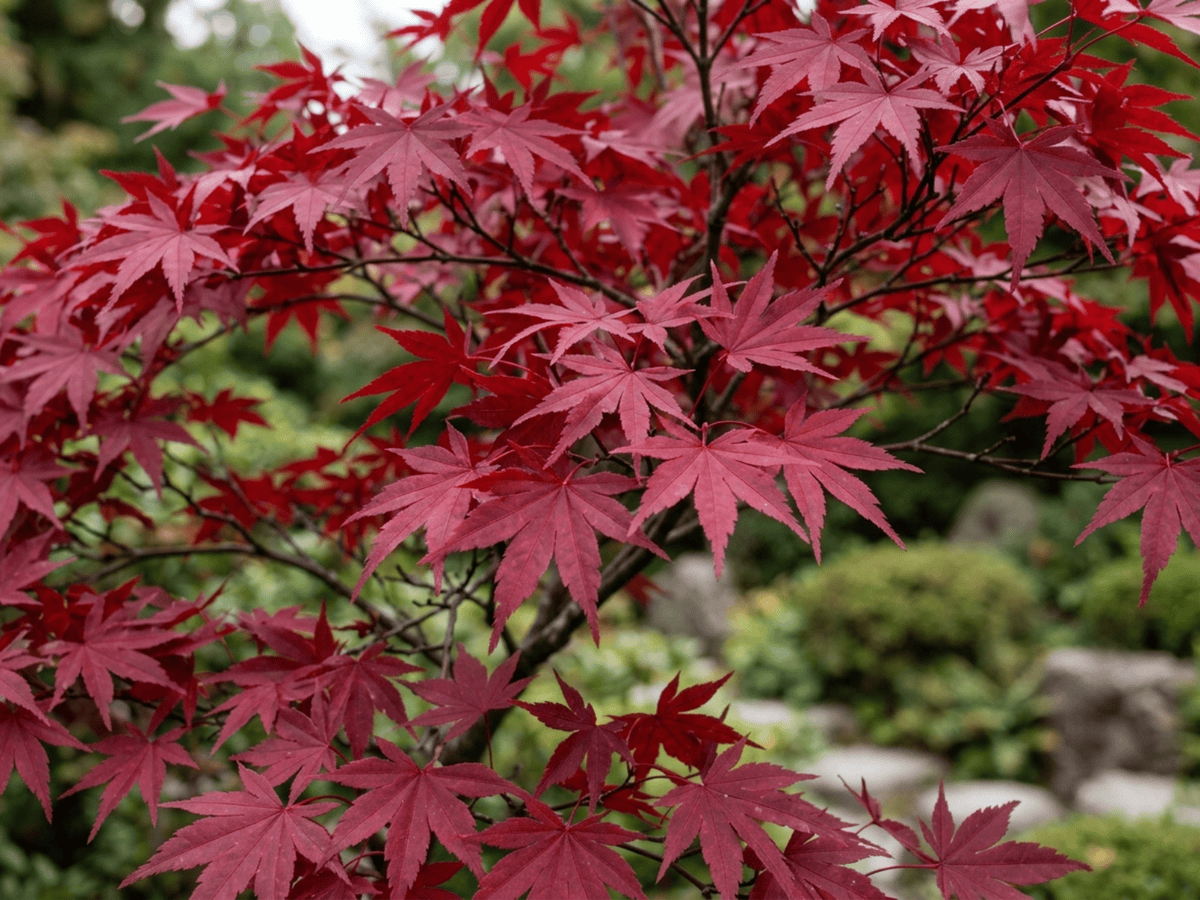 Japanese MapleAcer palmatum
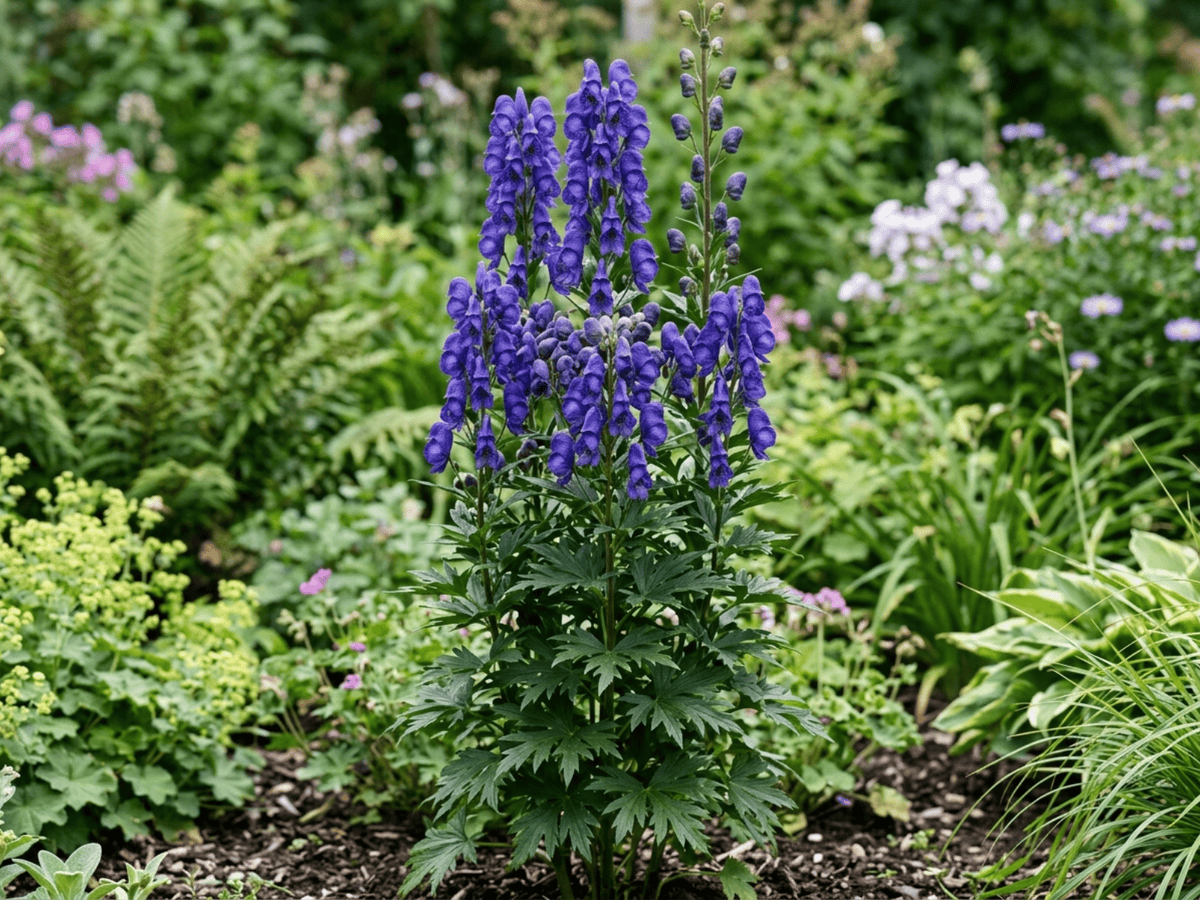 Azure MonkshoodAconitum carmichaelii
 Florida HobblebushAgarista populifolia
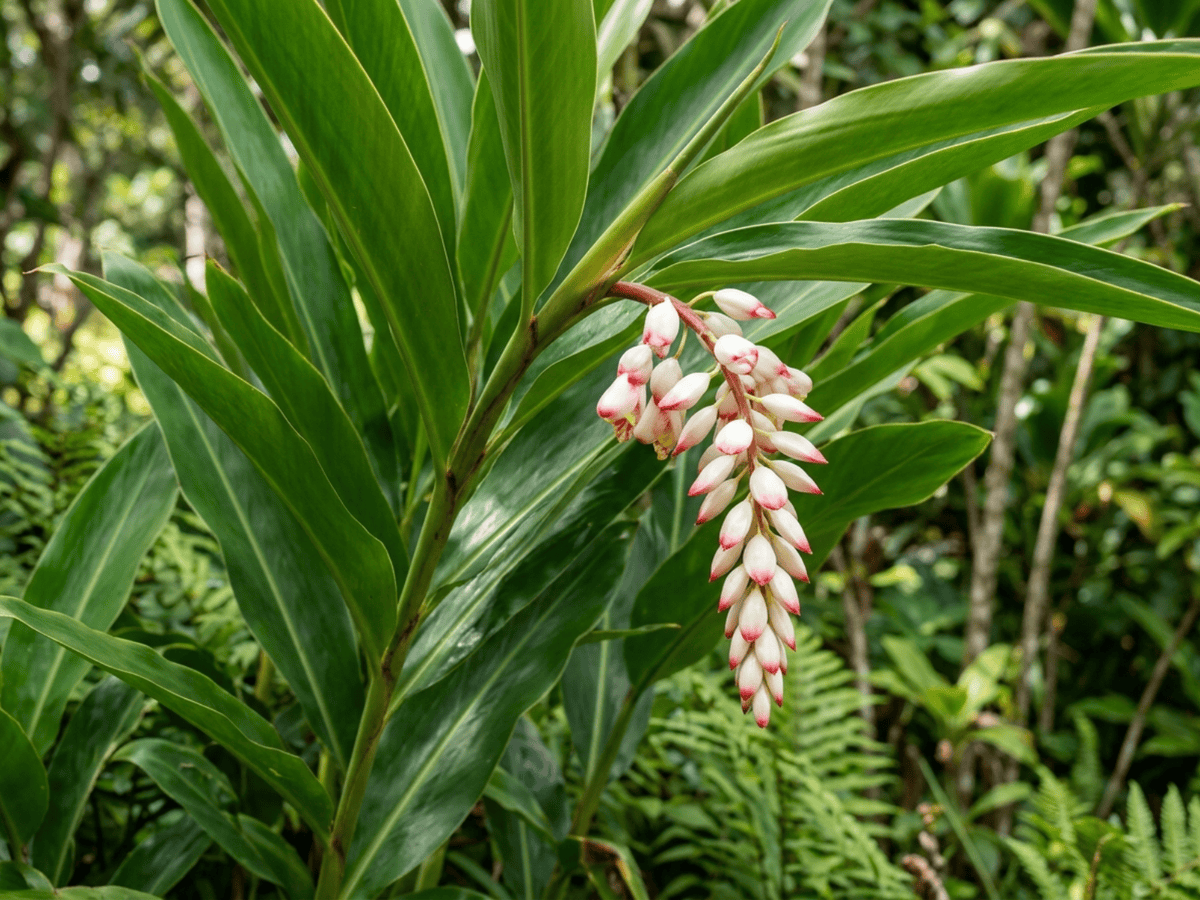 Shell GingerAlpinia zerumbet
Frequently asked questions
How often should I water Slender Fimbry?
In summer, water about every 7 days; in winter, about every 30 days. Adjust for heat, pot size and drainage.
How much light does Slender Fimbry need?
Part shade: 2–4 hrs direct. Watch the leaves — scorching or stretching means the light needs adjusting.
Is Slender Fimbry toxic to cats or dogs?
No toxicity has been reported for this plant. Still, it is wise to keep pets from chewing on any houseplant. Educational information, not medical or veterinary advice. If exposure is suspected, contact a doctor or veterinarian.
Is Slender Fimbry easy to grow?
It is moderately demanding: a good choice once you have a little experience.
YardMate
Identify any plant in seconds
Snap a photo — YardMate names the plant, diagnoses problems, and reminds you when to water.
Download on the App Store