 YardMate


Nerve Plant
Fittonia albivenis
Medium · Some experienceAbout Nerve Plant
Fittonia albivenis, the nerve plant, is a delicate, low-growing tropical plant with intricately veined leaves in white, pink, or red against a dark green background. Native to Peruvian rainforests, it is famous for its dramatic 'fainting' behavior — wilting completely when thirsty, then perking back up within hours of watering. This makes it an expressive plant that clearly communicates its needs. It thrives in terrariums where humidity stays high, and stays compact at 10–15 cm tall. The tiny leaves and spreading habit make it excellent for ground cover in dish gardens.
- Compact
How to care for Nerve Plant
Watering
- Springevery 5 days
- Summerevery 4 days
- Fallevery 7 days
- Winterevery 10 days
Soil · Moisture-retentive
- Top dressingSphagnum moss10%
- Main mixPeat + coco coir 1:180%
- DrainagePerlite / gravel10%
Keep it evenly moist — but the drainage layer still matters.
FERTILIZER
Balanced Feed 14-14-14
An even feed covers all three needs at once, keeping leaves, roots and blooms moving together with nothing pushed out of balance.
- Nitrogen · Leaves
- Phosphorus · Roots + Blooms
- Potassium · Strength
- Springevery 30 days
- Summerevery 30 days
- Fallevery 60 days
At a Glance
- NativeSouth America
- Height0.5 ft (0.2 m)
- Spread1–1.5 ft (0.3–0.5 m)
- Flower colorWhite, Yellow
- Foliage colorGreen, Variegated, Red
- SoilLoamy, Moisture-retentive
- LocationsIndoor
Bloom time
BLOOM CYCLE
Peak bloom
Jun–Aug
Small white flower spikes; often pinched off
Fragrance
NO FRAGRANCE
Not fragrant.
Toxicity
No toxicity has been reported for this plant. Still, it is wise to keep pets from chewing on any houseplant.
Educational information, not medical or veterinary advice. If exposure is suspected, contact a doctor or veterinarian.
DISTRIBUTION


- Native
- Introduced
- South America
History
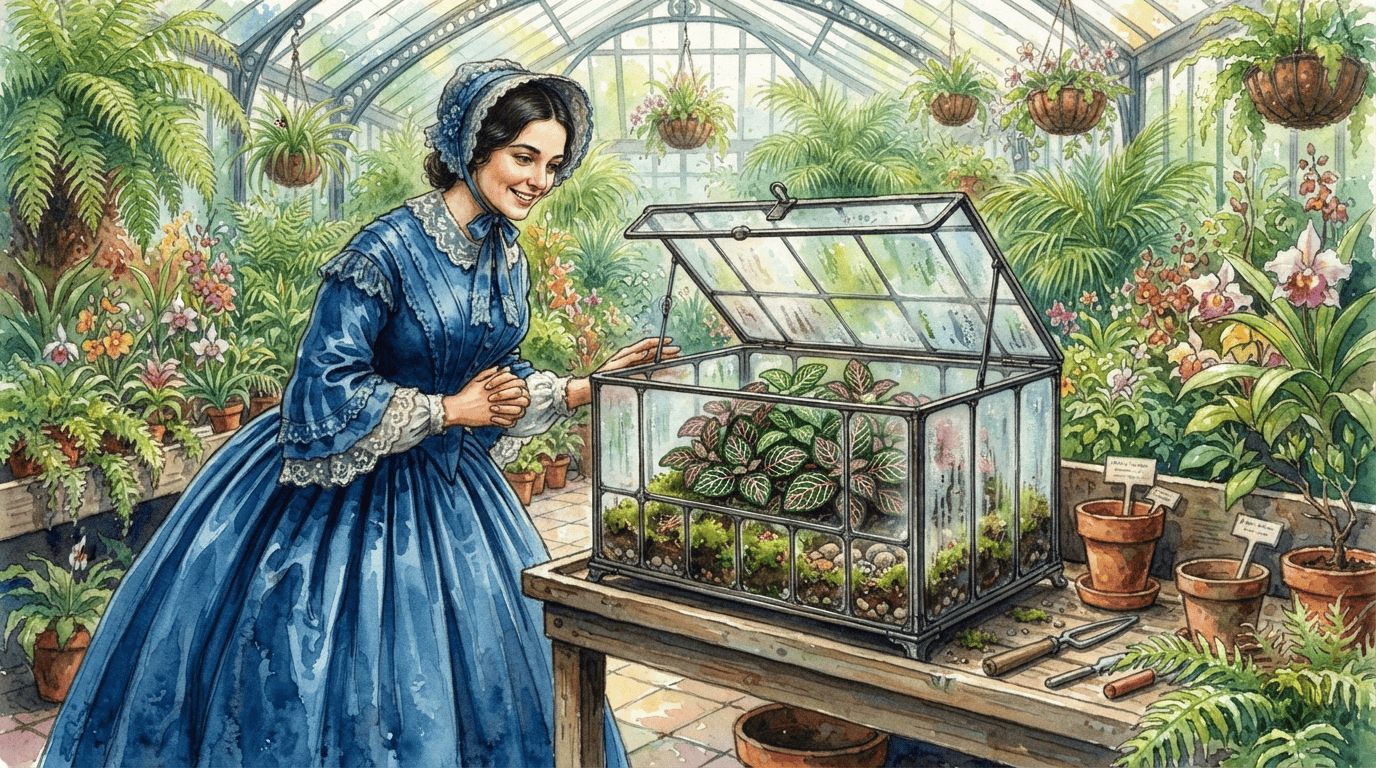
Fittonia albivenis is native to the lowland rainforest of Peru and parts of Colombia and Ecuador, where it carpets shaded forest floors. The genus is named after the Irish botanists and sisters Elizabeth and Sarah Mary Fitton, who published one of the earliest popular botany books for women in 1817. The species was introduced to Victorian British conservatories in 1865 and became a terrarium and Wardian-case favorite for its intricate web of white or pink veins on deep green leaves.
Modern cultivars extend the palette to red, silver, and miniature forms ('Mini White', 'Red Anne', 'Ruby Red'). Its trademark dramatic wilting when the soil dries out — and equally dramatic revival within minutes of watering — has made it a popular beginner plant despite needing consistent humidity. Confirmed non-toxic to pets.
Fittonia was named in 1867 after Elizabeth and Sarah Mary Fitton, Irish sisters who wrote 'Conversations on Botany' (1817), one of the first botany books aimed at general audiences. Their accessible writing helped democratize plant science in 19th-century England. The nerve plant's dramatic wilting-and-recovery cycle has made it a viral sensation on social media — time-lapse videos of its 'fainting' and revival routinely get millions of views. In its native Peruvian cloud forests, it carpets the forest floor beneath dense canopy, where humidity rarely drops below 80%.
Symbolism & meaning
What It Symbolizes
The nerve plant is sensitivity made visible — left thirsty for half a day, it dramatically wilts; watered, it perks up within hours, communicating its needs more honestly than any other houseplant. That candid emotional life is its gift: it teaches attentive watching, and rewards it. For anyone learning to read a plant's small signals, the fittonia is the most patient and articulate teacher.
- Sensitivity — Its honest expression of needs represents emotional awareness and authenticity
Where the Name Comes From
Named after Elizabeth and Sarah Mary Fitton, 19th-century Irish botanical authors. Albivenis means 'white-veined.'
Uses & Fun Facts
- Pink- or white-veined leaves grown as terrarium and indoor pot plant
- Low creeping habit carpets shaded tropical garden floors
Related plants
Plants with similar care
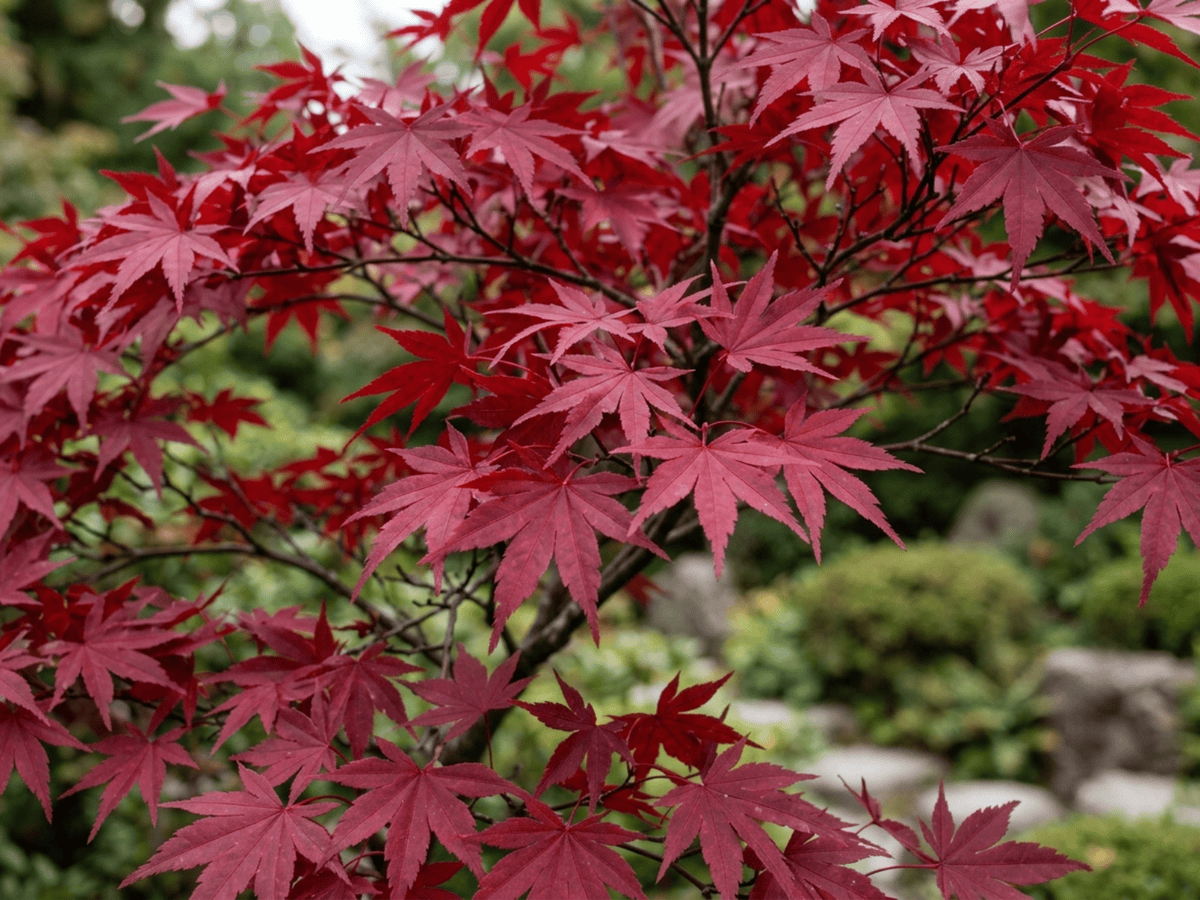 Japanese MapleAcer palmatum
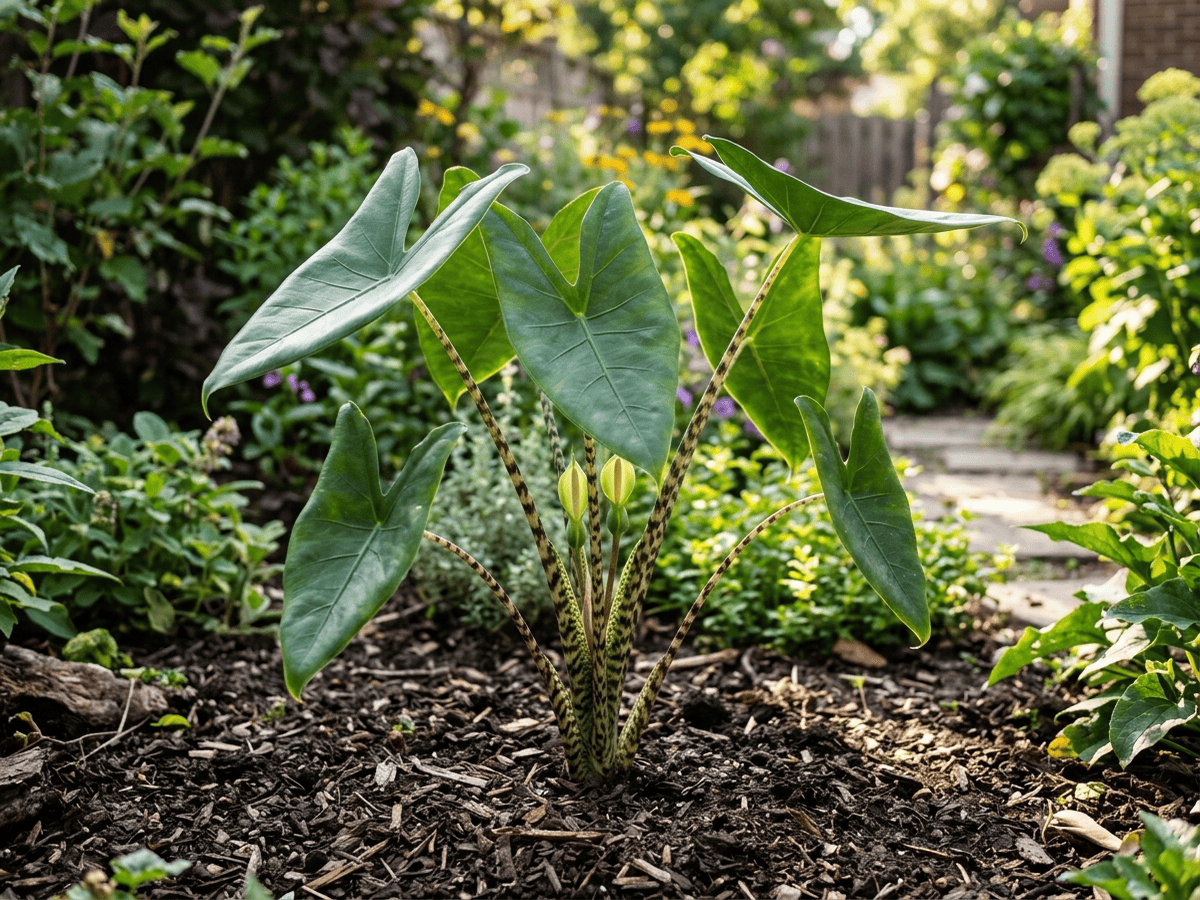 Alocasia zebrinaAlocasia zebrina
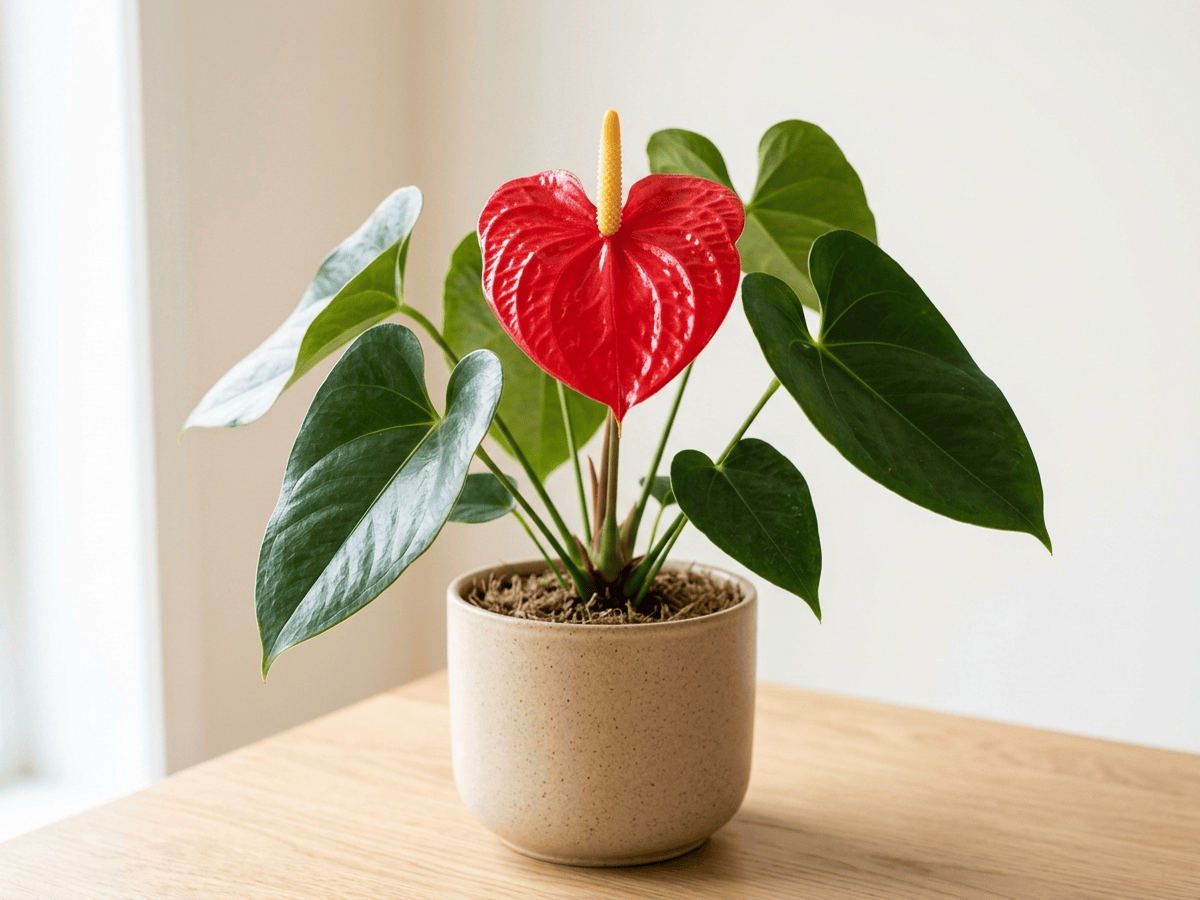 Painter's-PaletteAnthurium andraeanum
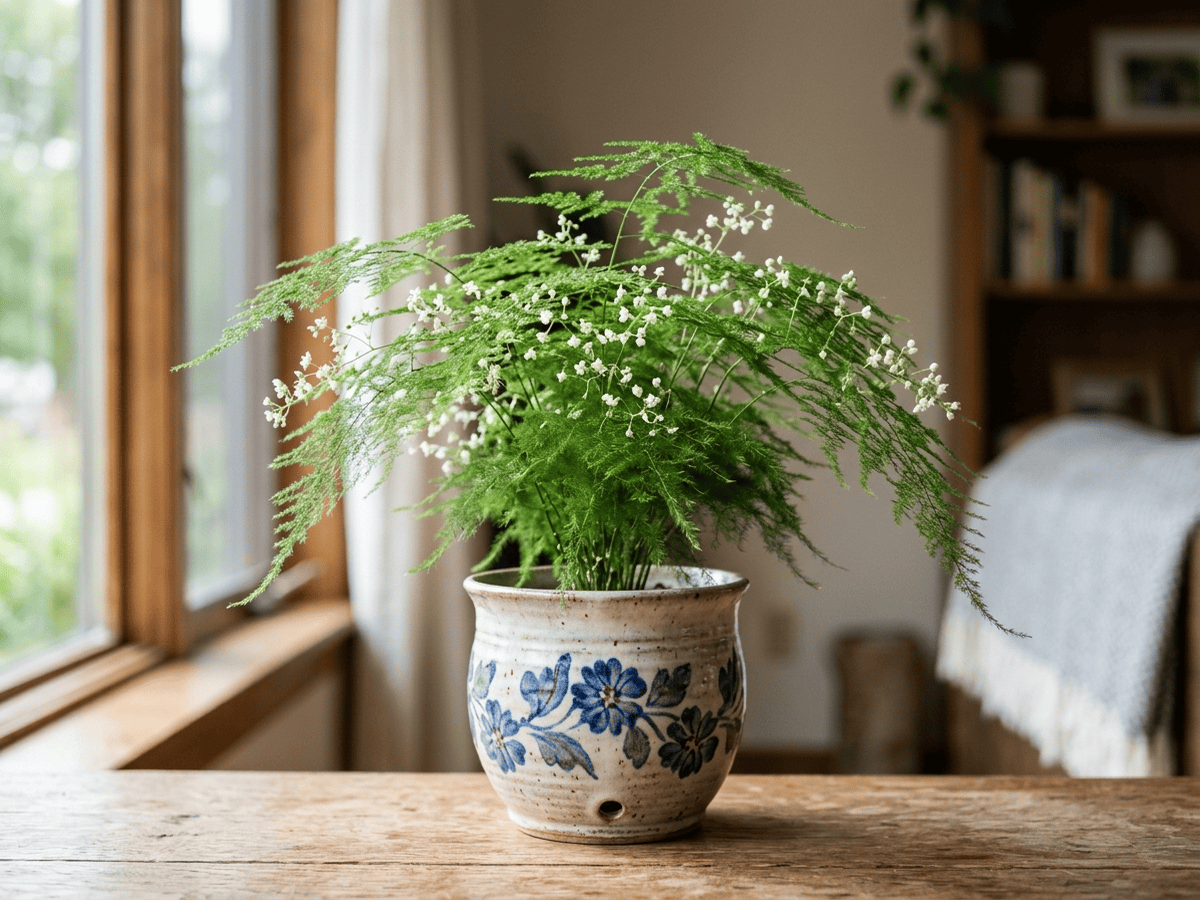 Common Asparagus FernAsparagus setaceus
Frequently asked questions
How often should I water Nerve Plant?
In summer, water about every 4 days; in winter, about every 10 days. Adjust for heat, pot size and drainage.
How much light does Nerve Plant need?
Part shade: 2–4 hrs direct. Watch the leaves — scorching or stretching means the light needs adjusting.
Is Nerve Plant toxic to cats or dogs?
No toxicity has been reported for this plant. Still, it is wise to keep pets from chewing on any houseplant. Educational information, not medical or veterinary advice. If exposure is suspected, contact a doctor or veterinarian.
Is Nerve Plant easy to grow?
It is moderately demanding: a good choice once you have a little experience.
Can Nerve Plant be grown indoors?
Yes, it adapts well to indoor growing given the right light.
When does Nerve Plant bloom?
It typically blooms Jun–Aug in the Northern Hemisphere.
YardMate
Identify any plant in seconds
Snap a photo — YardMate names the plant, diagnoses problems, and reminds you when to water.
Download on the App Store