 YardMate

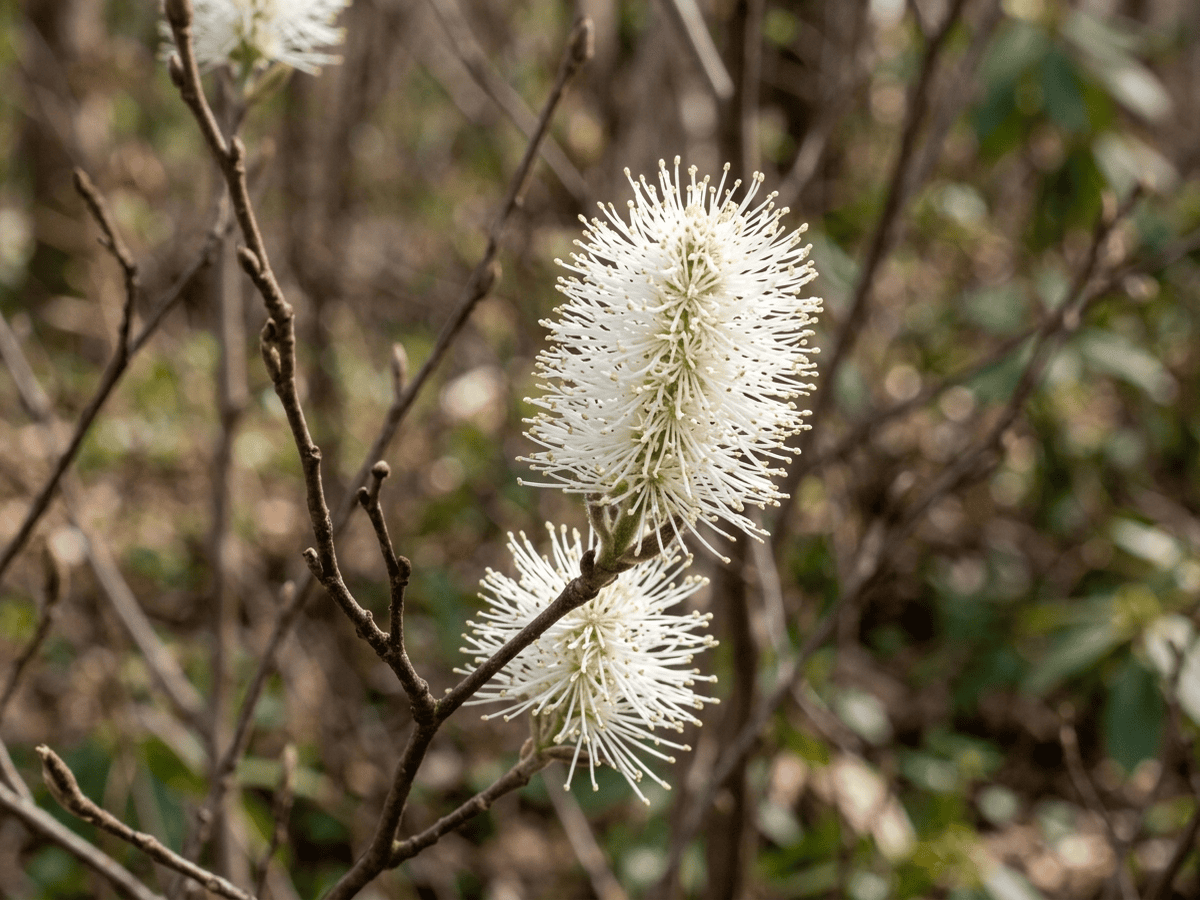

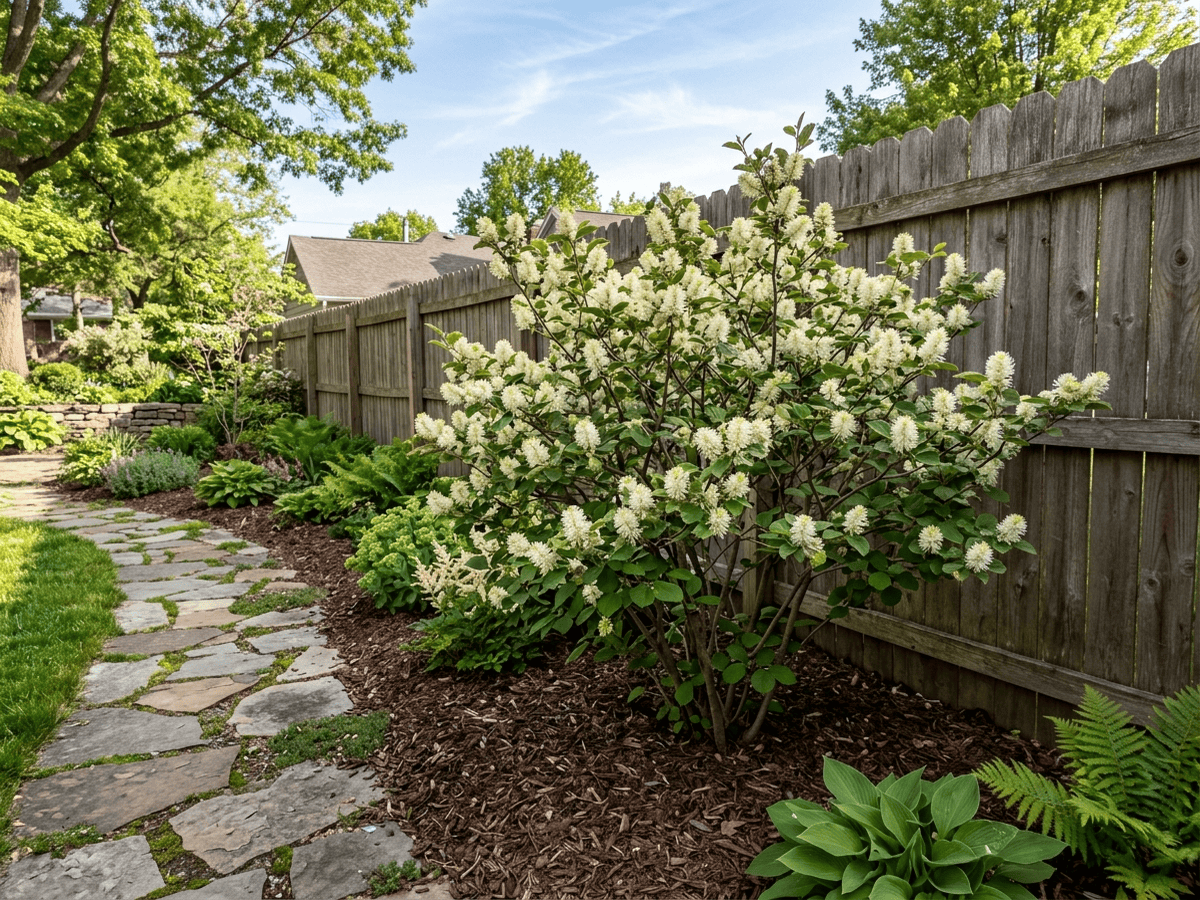
Mountain Witch-Alder
Fothergilla major
Easy · Beginner friendlyAbout Mountain Witch-Alder
Large Fothergilla or Mountain Witch-alder is a southern Appalachian native deciduous shrub growing 6 to 10 feet tall, producing fragrant white bottlebrush flowers in spring before leaves emerge, followed by brilliant multicolor fall foliage in yellow, orange, and red. A spectacular four-season American native shrub and one of the finest shrubs for fall color in eastern American gardens.
- Fragrant
- Deer-resistant
- Fall-color
- Native
How to care for Mountain Witch-Alder
Watering
- Springevery 5 days
- Summerevery 3 days
- Fallevery 7 days
- Winterevery 14 days
Soil · Acidic · pH 4.5–6
- Top dressingPine needle mulch10%
- Main mixAcid-lover mix + peat 3:175%
- DrainageGravel15%
Never add lime or wood ash — it cancels out the acidity.
FERTILIZER
Balanced Feed 14-14-14
An even feed covers all three needs at once, keeping leaves, roots and blooms moving together with nothing pushed out of balance.
- Nitrogen · Leaves
- Phosphorus · Roots + Blooms
- Potassium · Strength
- Springevery 45 days
- Summerevery 60 days
At a Glance
- NativeNorth America
- Height6–10 ft (1.8–3 m)
- Spread5–8 ft (1.5–2.4 m)
- Flower colorWhite
- Foliage colorGreen, Blue-green, Red, Bronze
- SoilLoamy, Moisture-retentive, Acidic
- LocationsYard
Bloom time
BLOOM CYCLE
Peak bloom
Mar–Apr
Fragrant white bottlebrush flowers in early spring before leaves
Fragrance
STRONG FRAGRANCE
Flowers honey-sweet and strongly fragrant.
Toxicity
No toxicity has been reported for this plant. Still, it is wise to keep pets from chewing on any houseplant.
Educational information, not medical or veterinary advice. If exposure is suspected, contact a doctor or veterinarian.
DISTRIBUTION


- Native
- North America
History

Fothergilla major grows naturally on rocky Appalachian slopes from North Carolina to Alabama. William Bartram encountered it during his 1773-1776 southern travels, and John Loudon formally described it in 1838, naming the genus after Dr. John Fothergill, an 18th-century Quaker physician and enthusiastic patron of early American botanical exchanges. It was introduced to European cultivation in the 1780s.
Its sweetly fragrant white bottlebrush-like flowers open before the leaves in spring, and its multicolored autumn foliage ranging from yellow through orange to deep purple-red is among the most spectacular of any shrub. Nurseries like Spring Meadow introduced 'Mt. Airy' (c.1990), a wild-collected North Carolina selection valued for blue-green summer leaves. 'Blue Shadow' offers steel-blue foliage.
Native to the southern Appalachian Mountains from North Carolina to Alabama, in open forests and acid soils. Named for John Fothergill, 18th-century English physician and plant patron. The 'Mount Airy' cultivar selected from a North Carolina planting became the standard for American gardens in the 1990s, combining outstanding bloom and fall color.
Symbolism & meaning
What It Symbolizes
Mountain Witch-Alder carries the quiet beauty of its Appalachian origins, a true mountain spring native gracing southeastern slopes. Yet it earns its garden keep as a four-season shrub: honey-scented spring bottlebrush bloom, neat summer form, fiery fall color, and architectural winter bark. A southern native that asks for little and gives back through every month of the year.
- Mountain spring — Appalachian native beauty
- Four-season shrub — spring bloom, summer form, fall color, winter bark
Where the Name Comes From
The name Mountain Witch-Alder points to mountain habitats. 'Fothergilla' honors John Fothergill (1712-1780), English Quaker physician and horticultural patron.
Uses & Fun Facts
- White bottlebrush flowers carry a sweet honey scent
- Brilliant orange-red autumn foliage for woodland-edge plantings
- Native Appalachian shrub as four-season garden focal point
Related plants
More Fothergilla plants

Plants with similar care
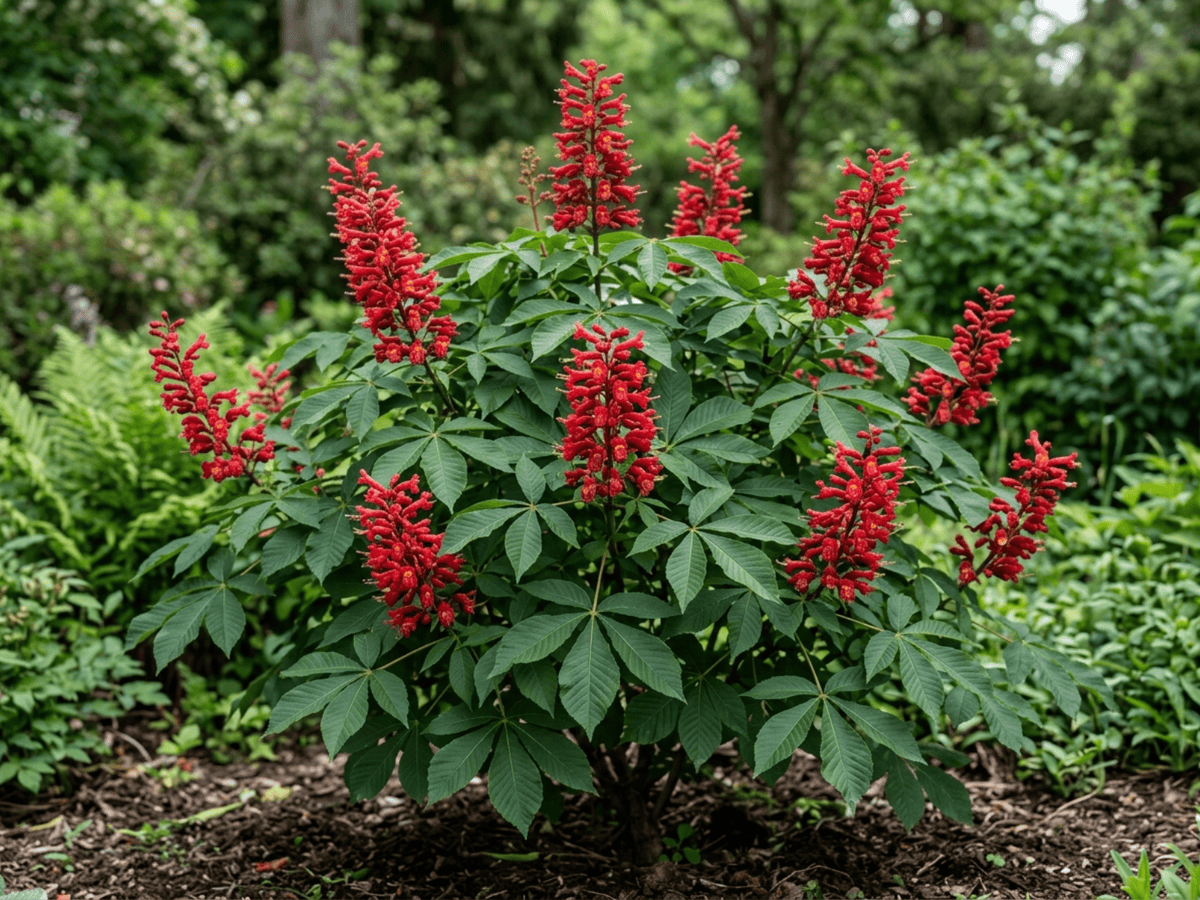 Red BuckeyeAesculus pavia
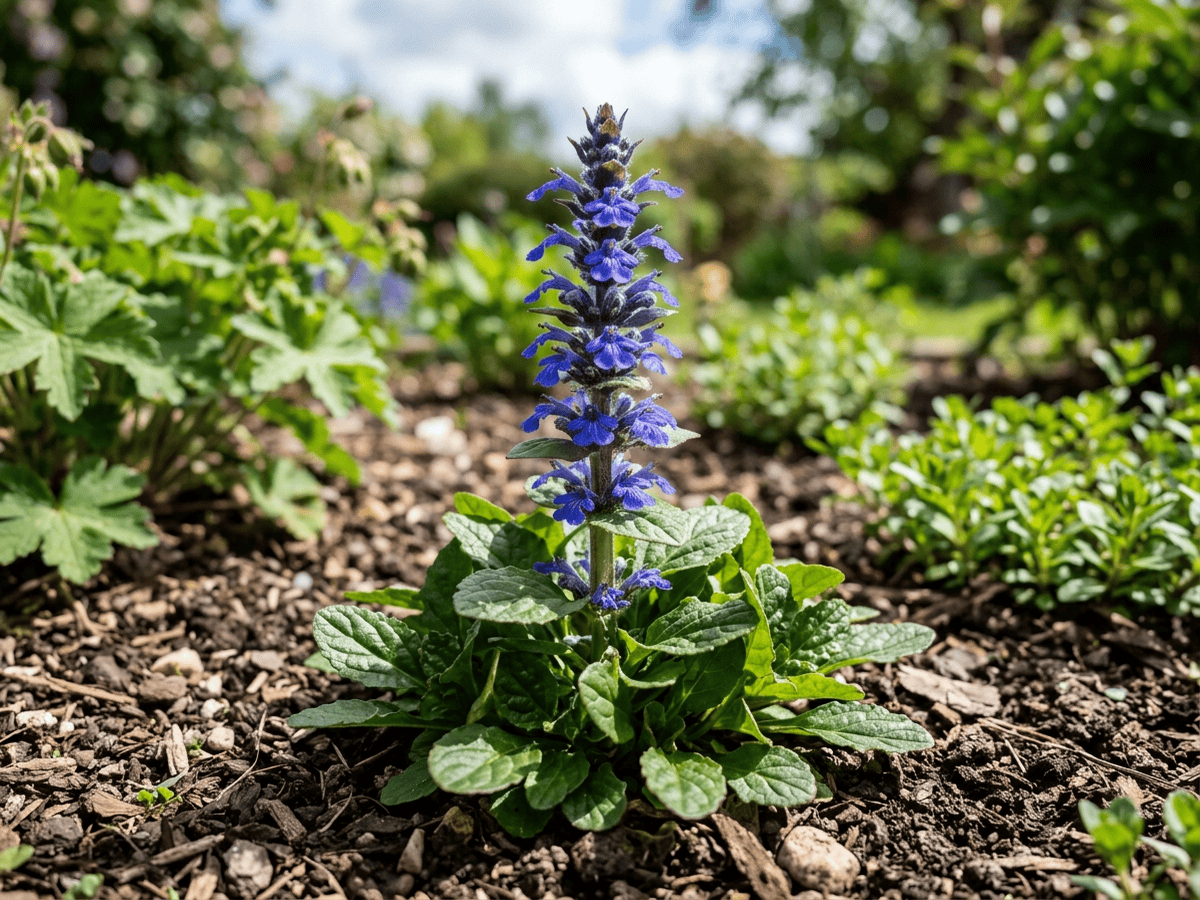 Blue BugleAjuga genevensis
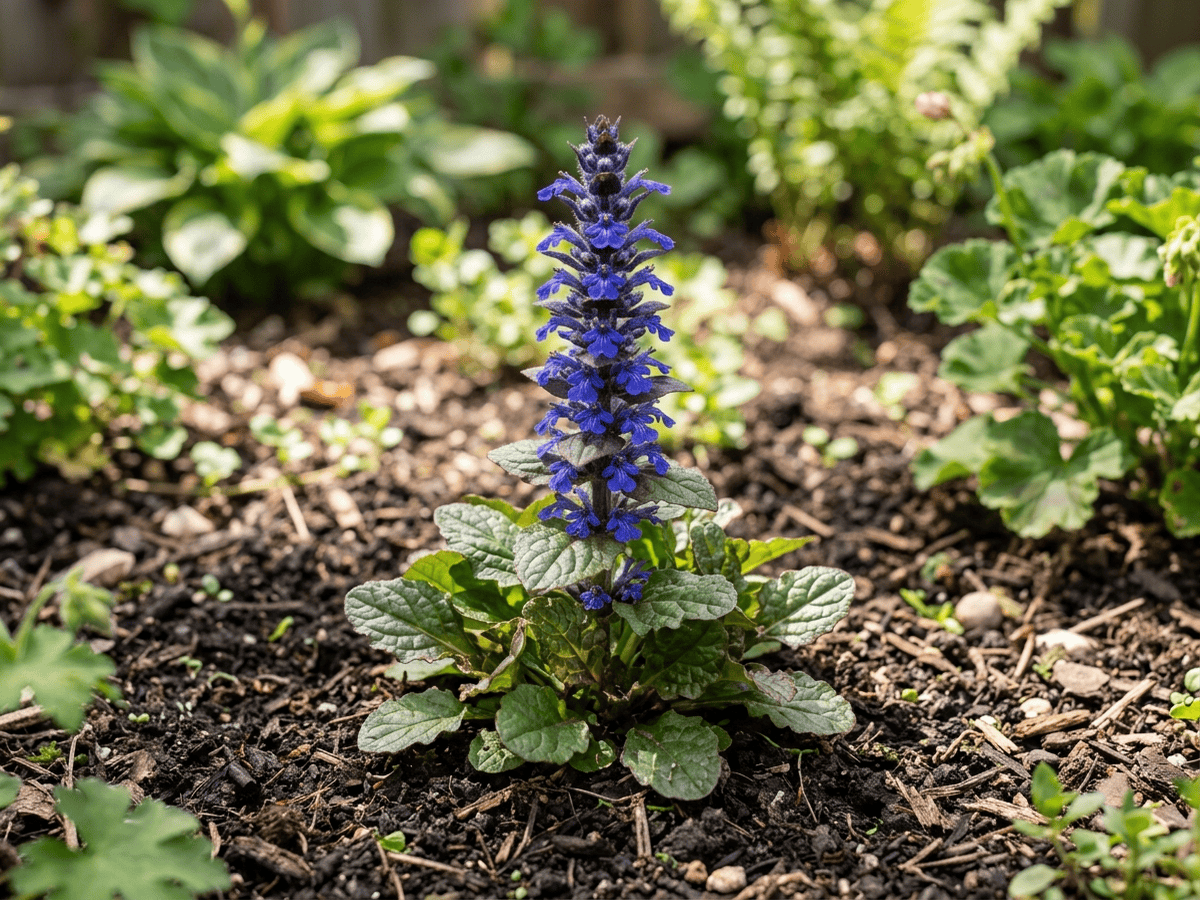 Pyramidal BugleAjuga pyramidalis
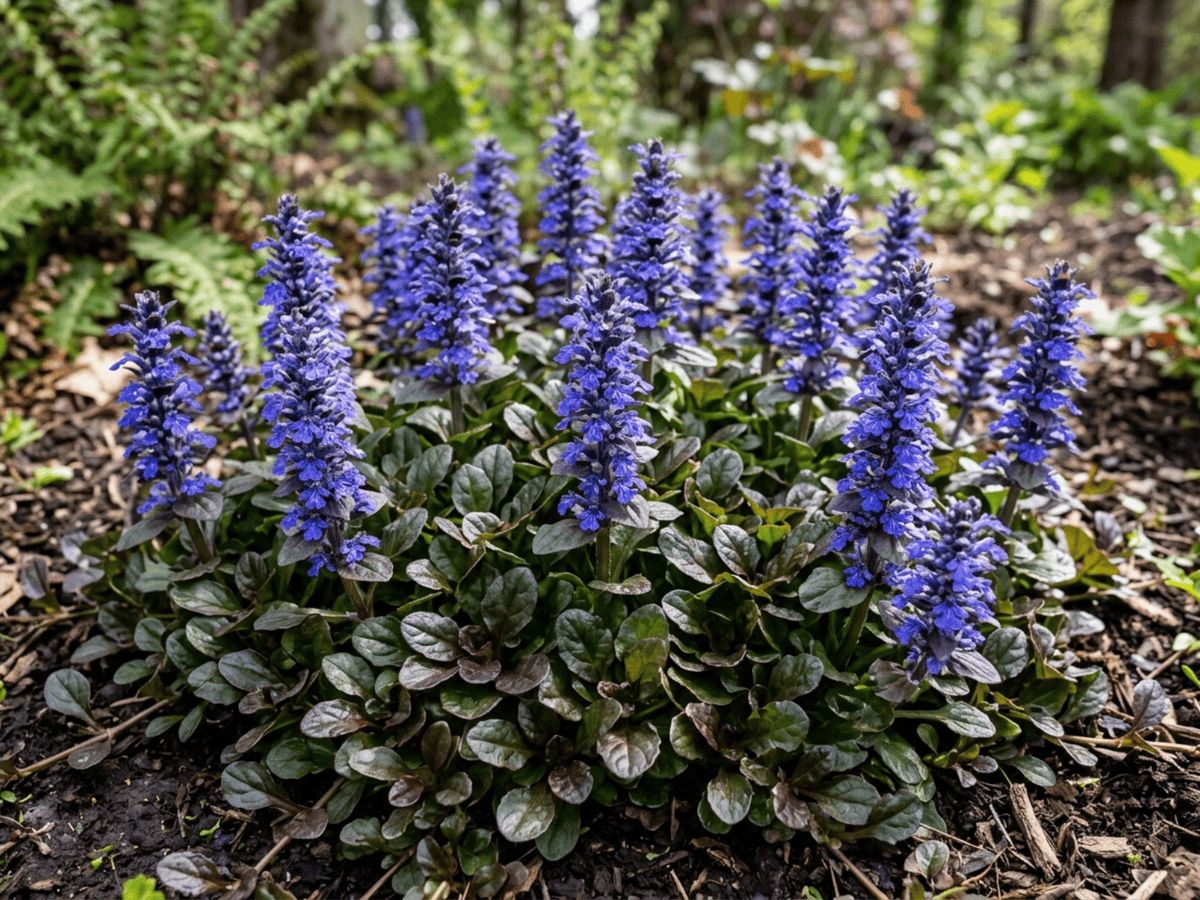 Carpet BugleAjuga reptans
Frequently asked questions
How often should I water Mountain Witch-Alder?
In summer, water about every 3 days; in winter, about every 14 days. Adjust for heat, pot size and drainage.
How much light does Mountain Witch-Alder need?
Part shade: 2–4 hrs direct. Watch the leaves — scorching or stretching means the light needs adjusting.
Is Mountain Witch-Alder toxic to cats or dogs?
No toxicity has been reported for this plant. Still, it is wise to keep pets from chewing on any houseplant. Educational information, not medical or veterinary advice. If exposure is suspected, contact a doctor or veterinarian.
Is Mountain Witch-Alder easy to grow?
Yes — it is considered an easy, beginner-friendly plant.
When does Mountain Witch-Alder bloom?
It typically blooms Mar–Apr in the Northern Hemisphere.
YardMate
Identify any plant in seconds
Snap a photo — YardMate names the plant, diagnoses problems, and reminds you when to water.
Download on the App Store