 YardMate


California Flannelbush
Fremontodendron californicum
Hard · Experienced growersAbout California Flannelbush
Flannel Bush is a spectacular California native shrub reaching 10-20 feet, producing enormous solitary golden-yellow flowers up to 3 inches across in late spring. Native to the Sierra Nevada foothills and Southern California mountains, its dark green leaves have felt-like hairs that can irritate skin. When in full bloom, a mature specimen is one of the most breathtaking sights in the California landscape, covered in hundreds of saucer-shaped yellow blossoms.
- Drought-tolerant
- Evergreen
- Native
How to care for California Flannelbush
Watering
- Springevery 14 days
- Summerevery 30 days
- Fallevery 30 days
- Winterpause watering
Soil · Well-draining
- Top dressingPine bark mulch10%
- Main mixPotting soil + perlite 2:170%
- DrainageLECA / gravel20%
Never skip the drainage layer — standing water is the top cause of root rot.
FERTILIZER
This plant needs little to no feeding.
At a Glance
- NativeNorth America
- Height10–20 ft (3–6.1 m)
- Spread12–20 ft (3.7–6.1 m)
- Flower colorYellow
- Foliage colorGreen
- SoilSandy, Well-drained
- LocationsYard
Bloom time
BLOOM CYCLE
Peak bloom
Apr–Jun
Large golden-yellow flowers April to June
Fragrance
NO FRAGRANCE
No notable fragrance.
Toxicity
Humans Moderate · Pets Slight
Unknown toxic principle
Moderate
- Leaf
- Stem
- Contact
EXPOSURE Touching leaves and stems.
EFFECT Contact dermatitis from fine leaf hairs — mild to moderate itchy rash in sensitive individuals. Handle with long sleeves and gloves.
NOTE Not systemically toxic; the concern is mechanical skin irritation from stellate hairs.
Slight
- Leaf
- Contact
EXPOSURE Touching leaves.
EFFECT Skin irritation possible from leaf hairs.
NOTE Not systemically toxic; the concern is mechanical skin irritation from stellate hairs.
Slight
- Leaf
- Contact
EXPOSURE Touching leaves.
EFFECT Same as dogs.
NOTE Not systemically toxic; the concern is mechanical skin irritation from stellate hairs.
Educational information, not medical or veterinary advice. If exposure is suspected, contact a doctor or veterinarian.
DISTRIBUTION


- Native
- North America
History
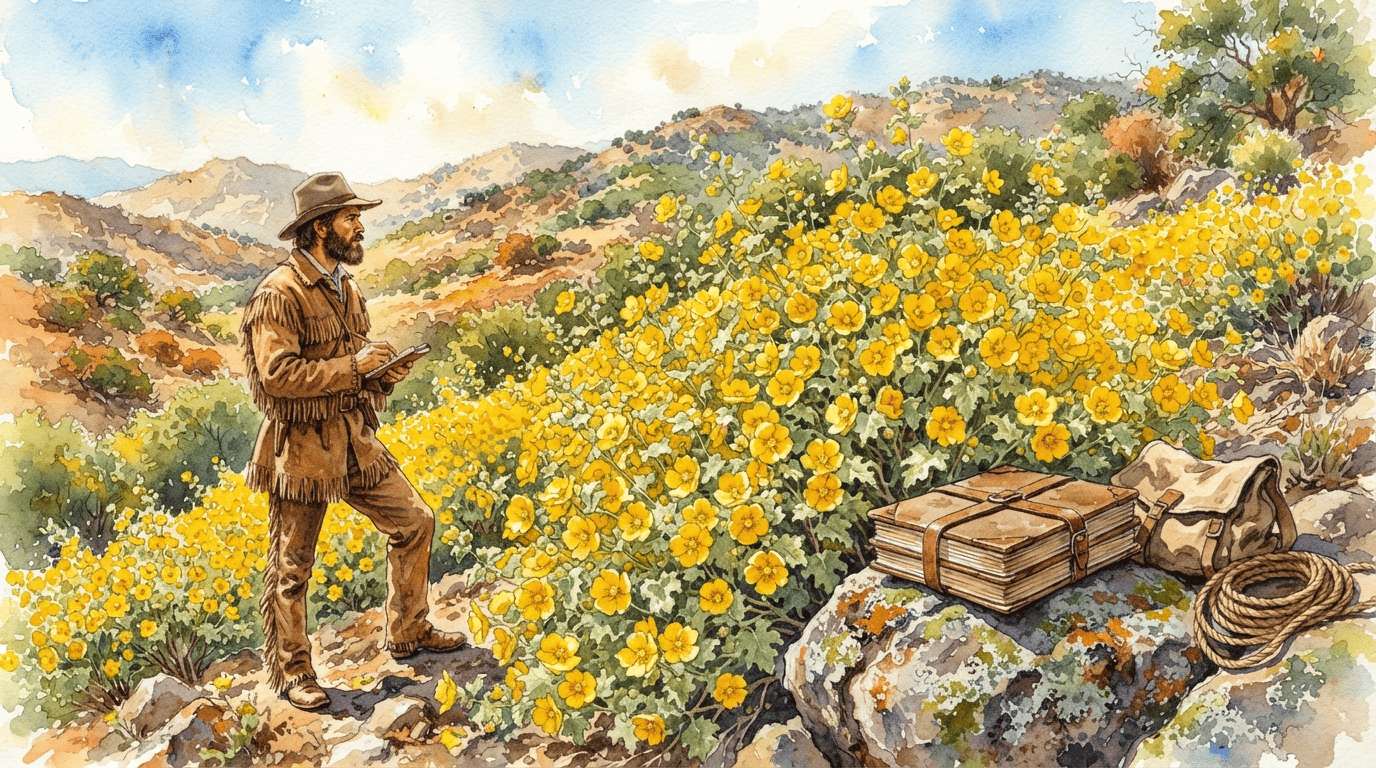
Fremontodendron californicum is native to California chaparral and oak woodland, especially the Sierra foothills, coastal ranges, and parts of Southern California, with outlying populations in Arizona. The genus honors John C. Fremont, explorer, political figure, and California senator, who collected the plant during the 1846 expedition era. In spring the shrub can be astonishing: a large evergreen form covered in bright yellow saucer flowers, sometimes looking as though the chaparral has caught fire in bloom.
Its beauty has a price. The undersides of the leaves carry fine irritating hairs that can cause itchy rashes, so pruning is best done with gloves and long sleeves. In cultivation the species and hybrids such as 'California Glory' became icons of drought-tolerant California native gardening, thriving in sun, lean soil, and dry summers but resenting summer irrigation and heavy soils.
Symbolism & meaning
What It Symbolizes
California flannelbush carries the spirit of adventure in its very name, honoring John C. Frémont, the explorer who pushed across the Sierra Nevada in the 1840s and brought specimens east. In bloom it is brilliance personified — golden saucers radiating from gray foliage like sunlight caught in a shrub. Few plants make a wild backcountry feel so concentrated, the western horizon held in a single flowering branch.
- Adventure — named for the explorer Frémont
- Brilliance — golden blossoms radiate like sunshine
Where the Name Comes From
The name California Flannelbush points to California. Genus honors John C. Frémont (1813–1890), American explorer; 'californicum' refers to its range.
Uses & Fun Facts
- Three-inch golden flowers cover the shrub in California spring displays
- Native bees and hummingbirds work the saucer-shaped blooms
Related plants
Plants with similar care
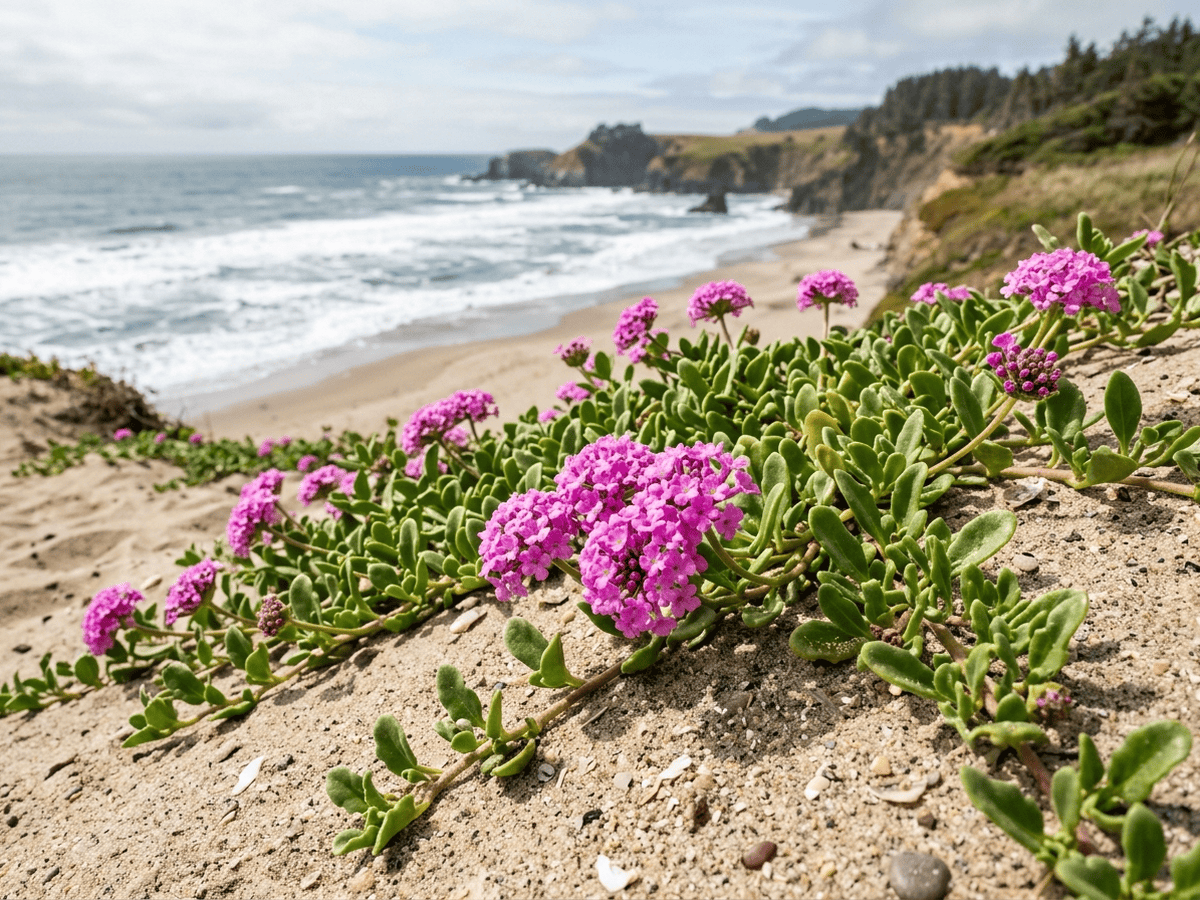 Pink Sand VerbenaAbronia umbellata
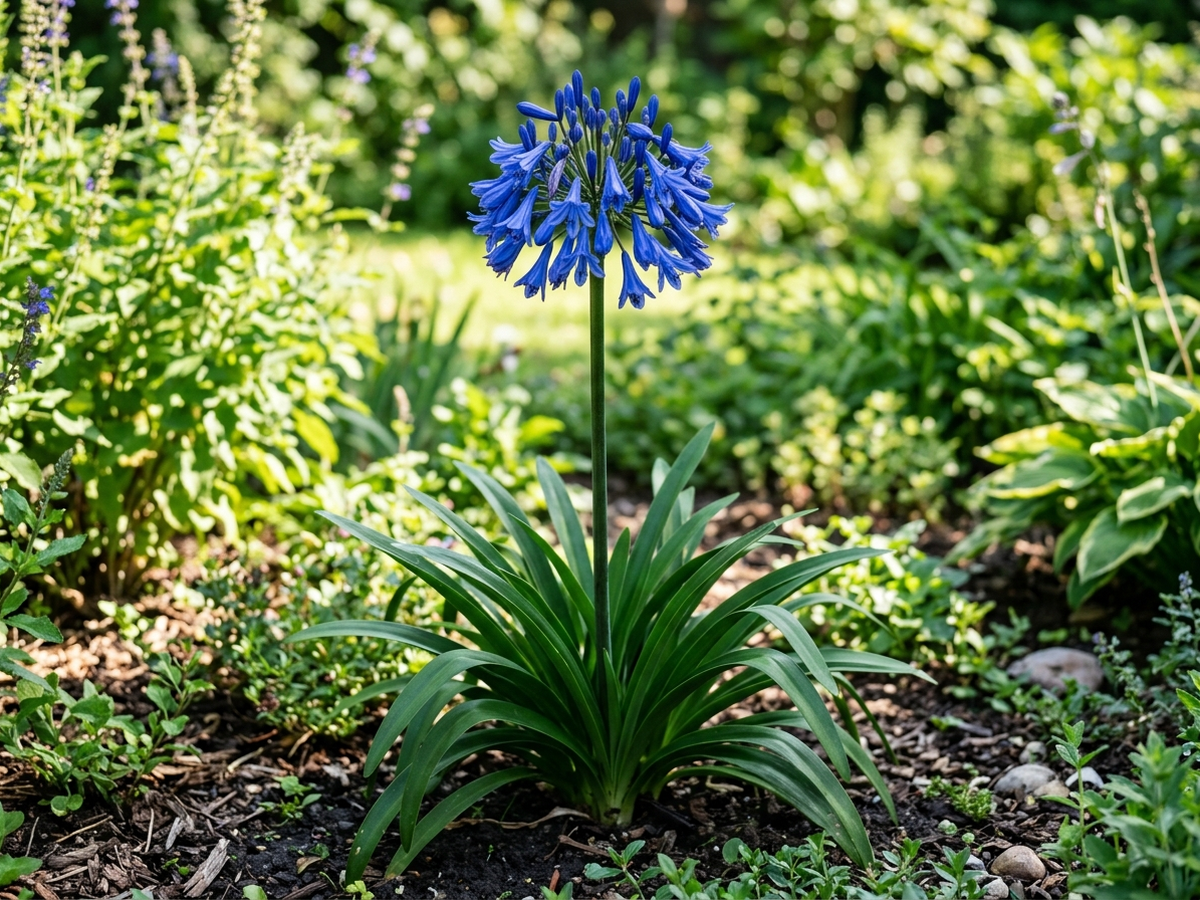 Drooping AgapanthusAgapanthus inapertus
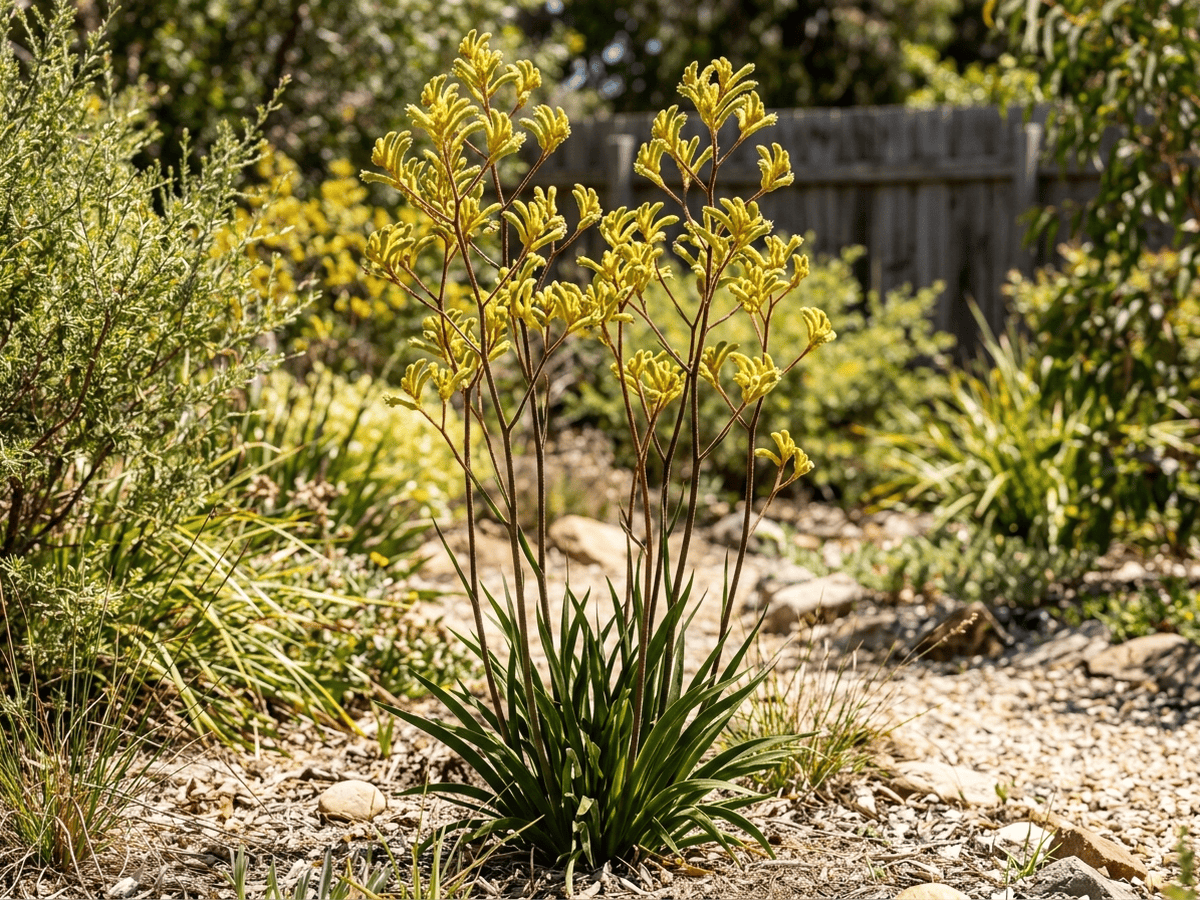 Tall Kangaroo PawAnigozanthos flavidus
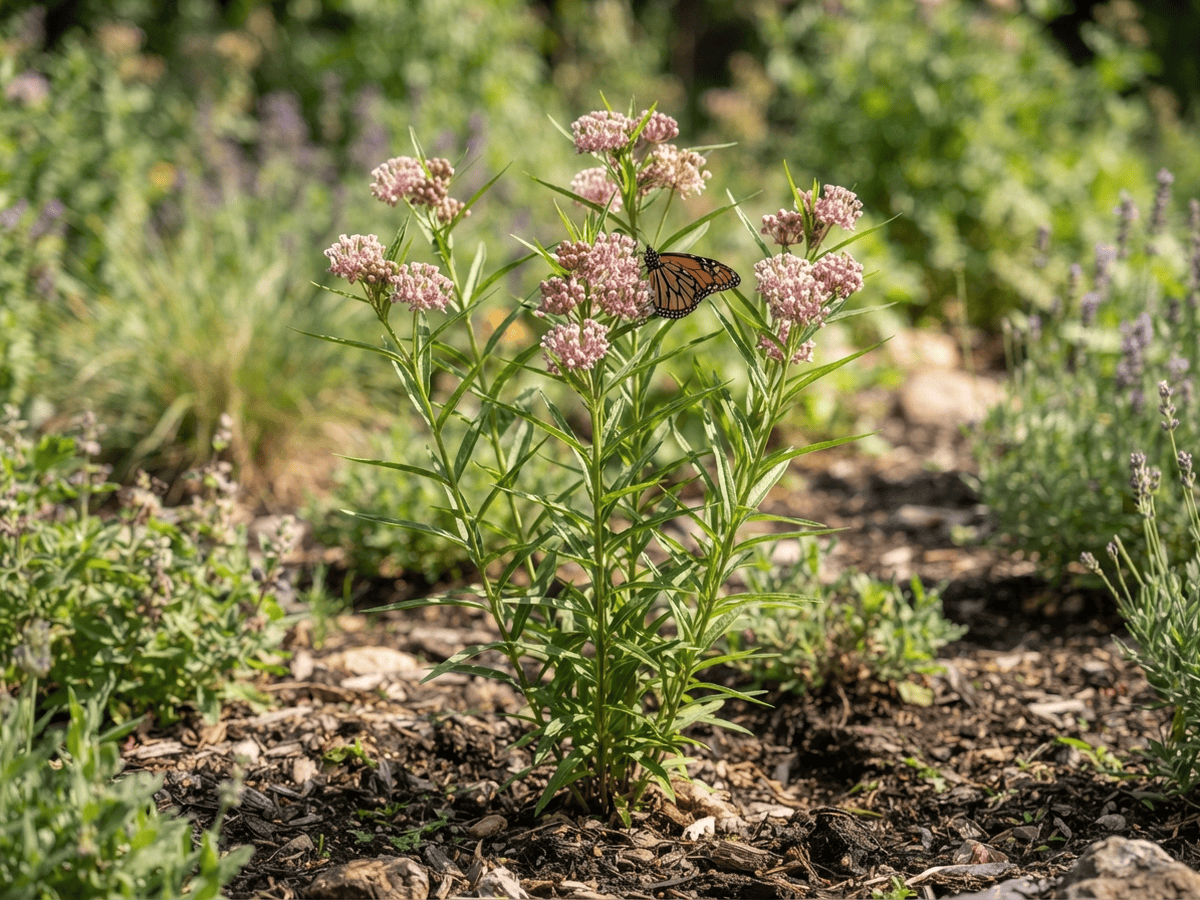 Narrowleaf MilkweedAsclepias fascicularis
Frequently asked questions
How often should I water California Flannelbush?
Water about every 14 days during the growing season, and always let excess water drain away.
How much light does California Flannelbush need?
Full sun: 6+ hrs direct. Watch the leaves — scorching or stretching means the light needs adjusting.
Is California Flannelbush toxic to cats or dogs?
Pets Slight (Dogs Slight · Cats Slight) Educational information, not medical or veterinary advice. If exposure is suspected, contact a doctor or veterinarian.
Is California Flannelbush easy to grow?
It is considered challenging and rewards experienced growers.
When does California Flannelbush bloom?
It typically blooms Apr–Jun in the Northern Hemisphere.
YardMate
Identify any plant in seconds
Snap a photo — YardMate names the plant, diagnoses problems, and reminds you when to water.
Download on the App Store