 YardMate

Greater Snowdrop
Galanthus elwesii
Easy · Beginner friendlyAbout Greater Snowdrop
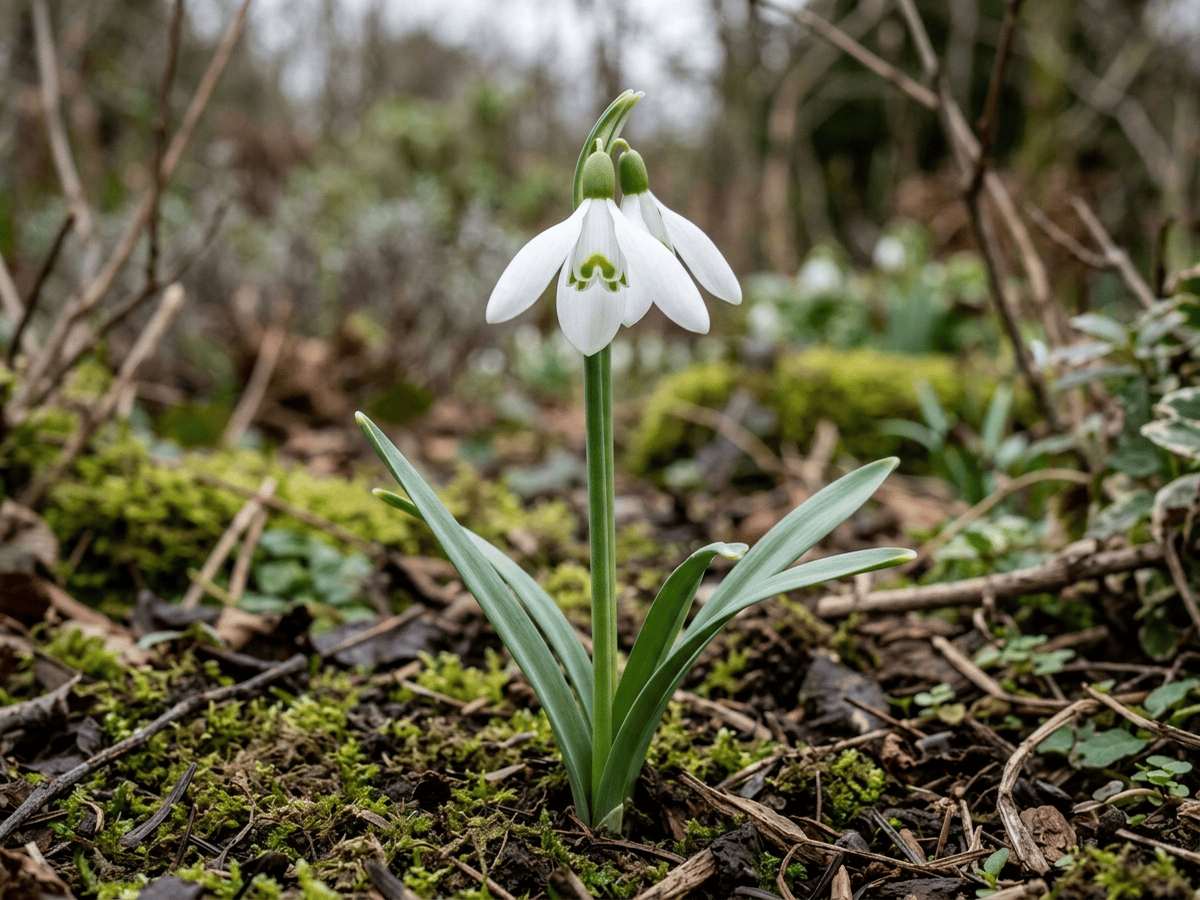
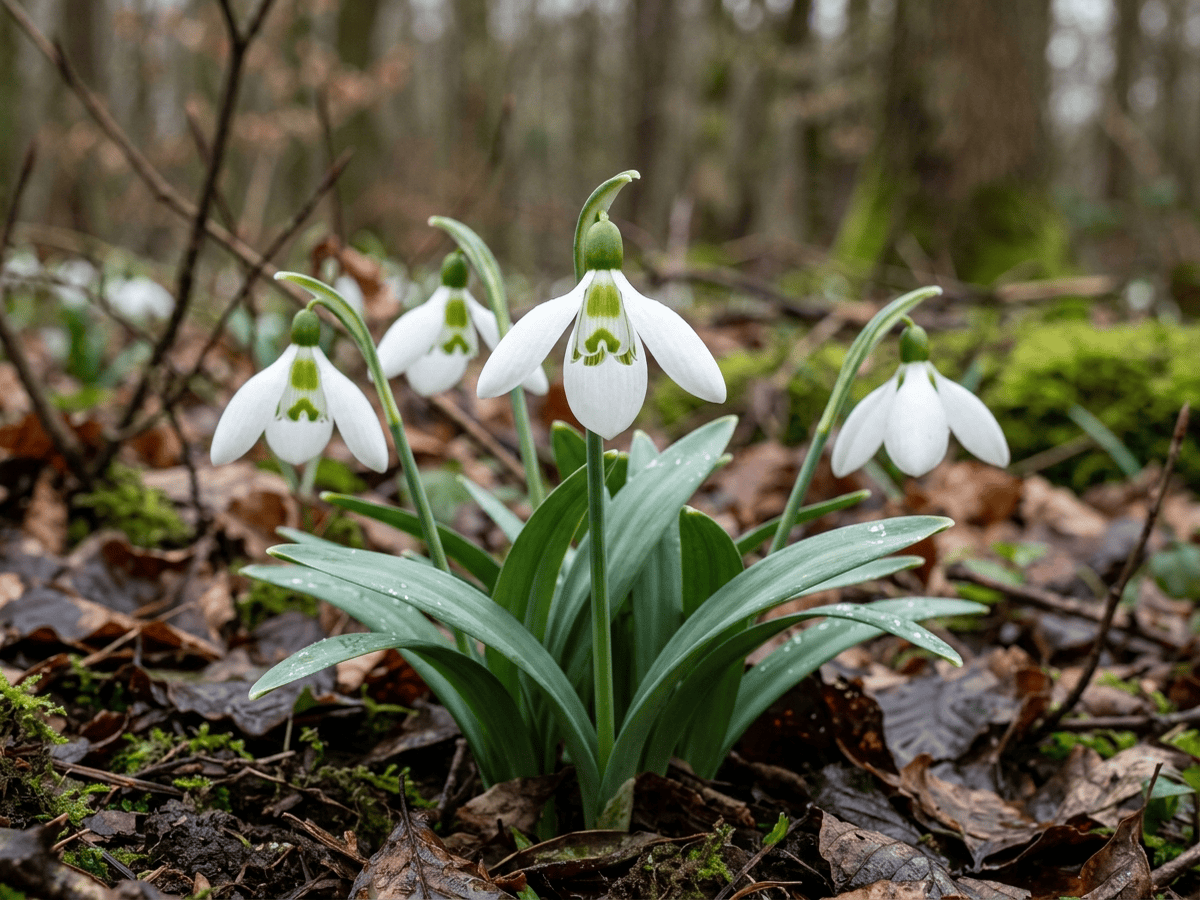
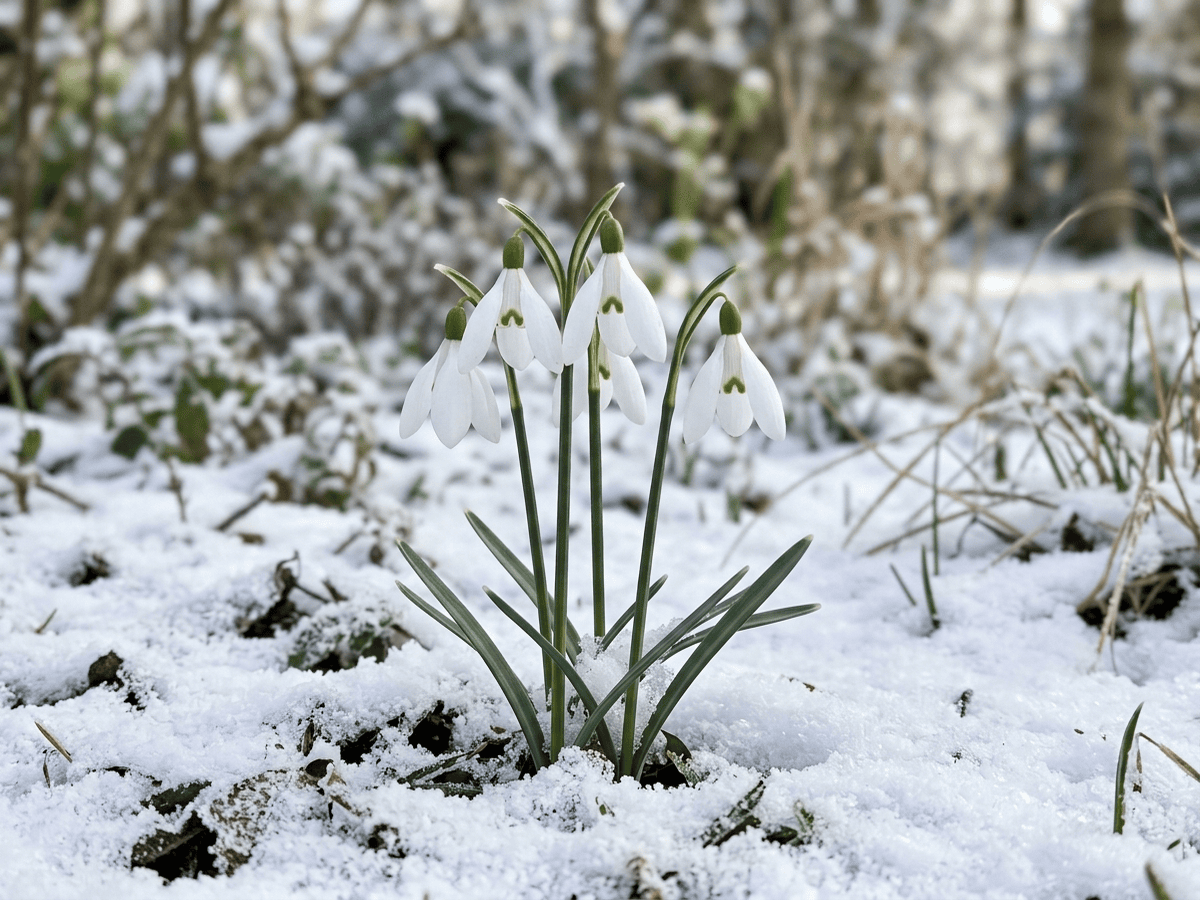
Giant Snowdrop is a Turkish native spring bulb growing 6 to 10 inches tall, larger in all parts than the common snowdrop, with broader blue-green leaves and bigger nodding white bell flowers marked with green inside and out. Blooms late winter to very early spring, earlier and larger than Galanthus nivalis, making it a premier collector's bulb for American heritage and woodland gardens.
- Deer-resistant
How to care for Greater Snowdrop
Watering
- Springevery 5 days
- Summerpause watering
- Fallevery 10 days
- Winterevery 14 days
Soil · Well-draining
- Main mixLoam + coarse sand 3:175%
- DrainageGravel25%
Sharp drainage matters most — bulbs rot in wet soil while dormant.
FERTILIZER
- Fallevery 60 days
At a Glance
- NativeWestern Asia
- Height0.3–0.8 ft (0.1–0.2 m)
- Spread0.2–0.3 ft (0.1–0.1 m)
- Flower colorWhite
- Foliage colorGreen, Blue-green
- SoilLoamy, Moisture-retentive, Well-drained
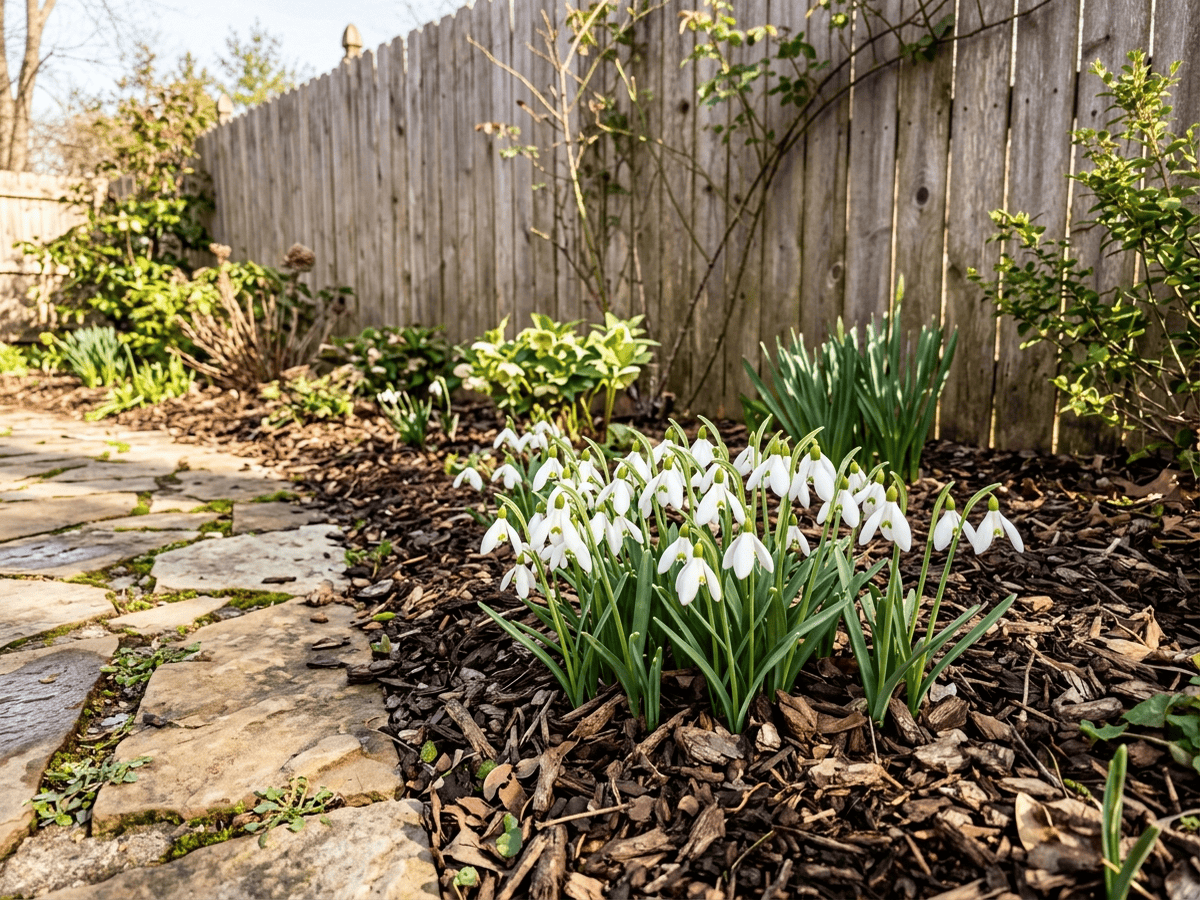
- LocationsYard
Bloom time
BLOOM CYCLE
Peak bloom
Jan–Feb
Large nodding white bells with green markings, late winter
Fragrance
LIGHT FRAGRANCE
The flowers have a lightly honey-scented scent.
Toxicity
Humans Moderate · Pets Moderate
galantamine and lycorine
Moderate
- Bulb
- Ingestion
EXPOSURE Eating bulbs.
EFFECT Nausea, vomiting, and diarrhea.
NOTE Contains active alkaloids. Bulbs toxic if ingested.
Moderate
- Bulb
- Ingestion
EXPOSURE Eating bulbs.
EFFECT Vomiting, drooling, and lethargy.
NOTE Contains active alkaloids. Bulbs toxic if ingested.
Moderate
- Bulb
- Ingestion
EXPOSURE Eating bulbs.
EFFECT Vomiting, drooling, and lethargy.
NOTE Contains active alkaloids. Bulbs toxic if ingested.
Educational information, not medical or veterinary advice. If exposure is suspected, contact a doctor or veterinarian.
DISTRIBUTION


- Native
- Introduced
- Western Asia
History
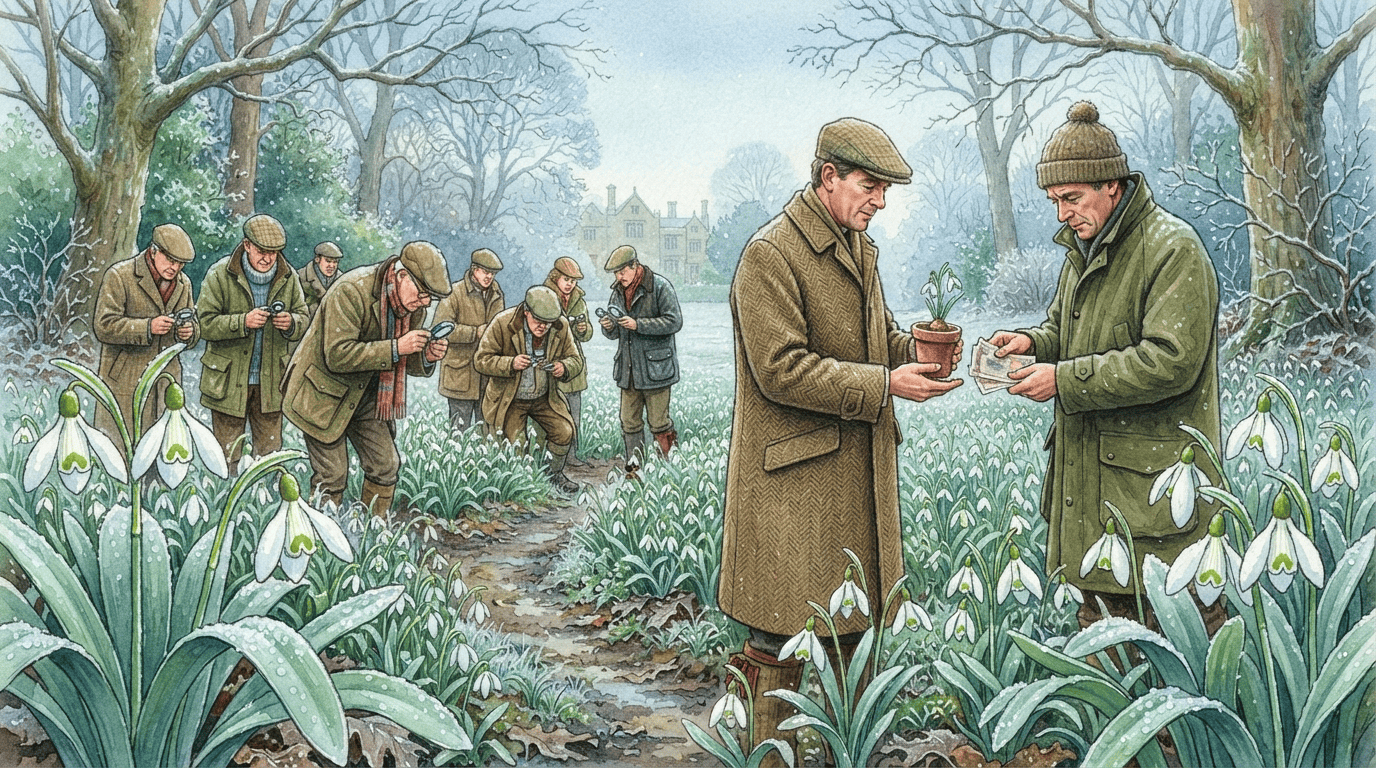
Galanthus elwesii grows wild in open pine and oak woods of western Turkey. The English squire and plant collector Henry John Elwes discovered large snowdrops near Smyrna (İzmir) in 1874 and sent bulbs home; John Gilbert Baker described the new species in 1875. Elwes would later co-author the monumental Monograph of the Genus Lilium.
G. elwesii is larger than G. nivalis, with broader glaucous leaves and inner tepal markings that vary from a single apical green blotch to two merged blotches ('Poculiformis' forms). It earned the RHS Award of Garden Merit and became a keystone of British snowdrop collections at Colesbourne Park — Elwes's family estate, still famed for its snowdrop display.
The species is listed in CITES Appendix II; wild bulb trade is regulated. Became the foundation species for the galanthophile hobby of dedicated snowdrop collecting that flourished in England and spread to American collectors in the late 20th century, with rare cultivars fetching hundreds of dollars per bulb.
Symbolism & meaning
What It Symbolizes
The Greater Snowdrop is larger and earlier than the common snowdrop, and its meaning is noble hope, the first white flag raised over thawing soil before winter has fully lifted. As the foundation species of galanthophile collecting, it is also a collector's treasure, with named cultivars traded among devotees for prices that startle outsiders. To meet a stand of elwesii in February is to feel why some gardeners spend whole lives, and small fortunes, in pursuit of slight differences in a single white flower.
- Noble hope — larger and earlier than common snowdrop
- Collector's treasure — foundation species of galanthophile hobby
Where the Name Comes From
'elwesii' honors Henry John Elwes (1846-1922), English plant collector who introduced this species to Western gardens.
Uses & Fun Facts
- Giant snowdrop nodding white bells pierce late-winter snow
Related plants
More Galanthus plants
Plants with similar care
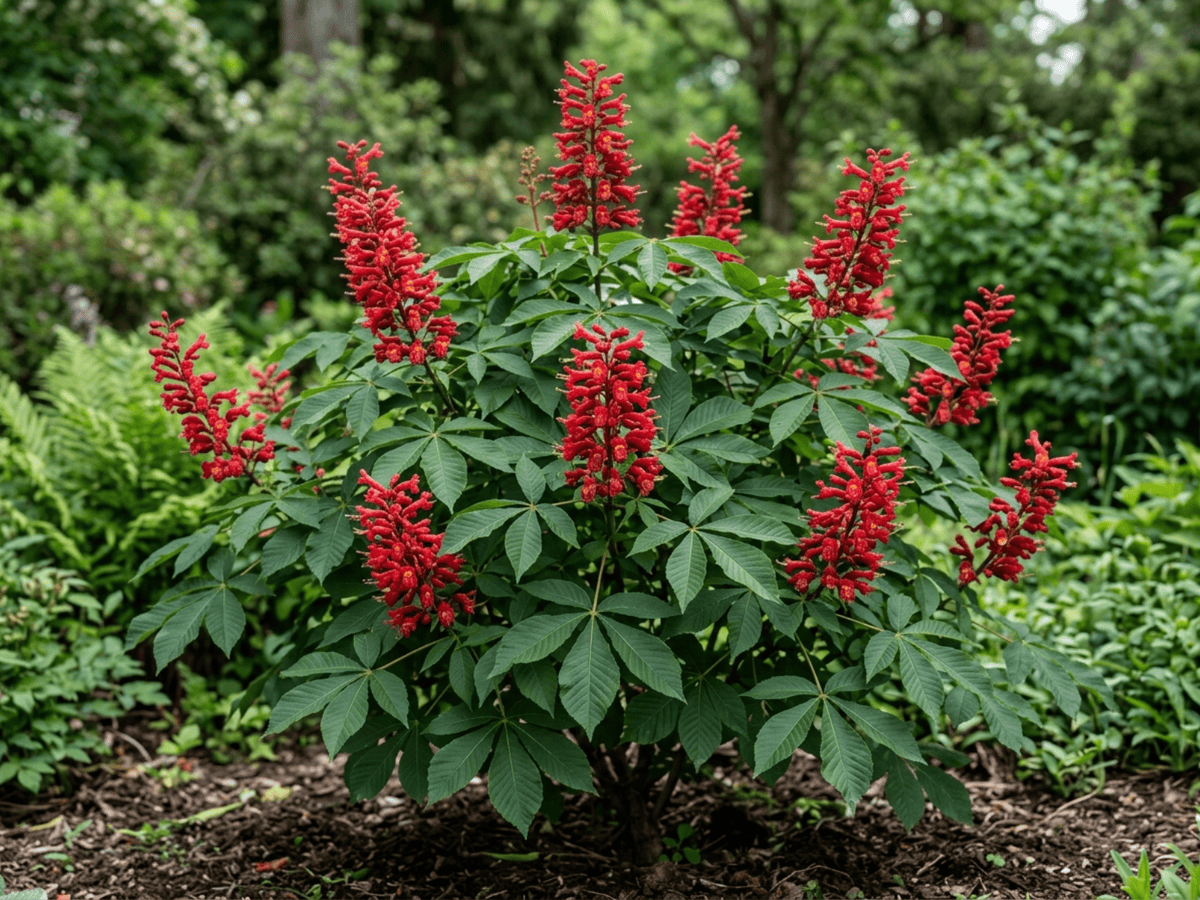 Red BuckeyeAesculus pavia
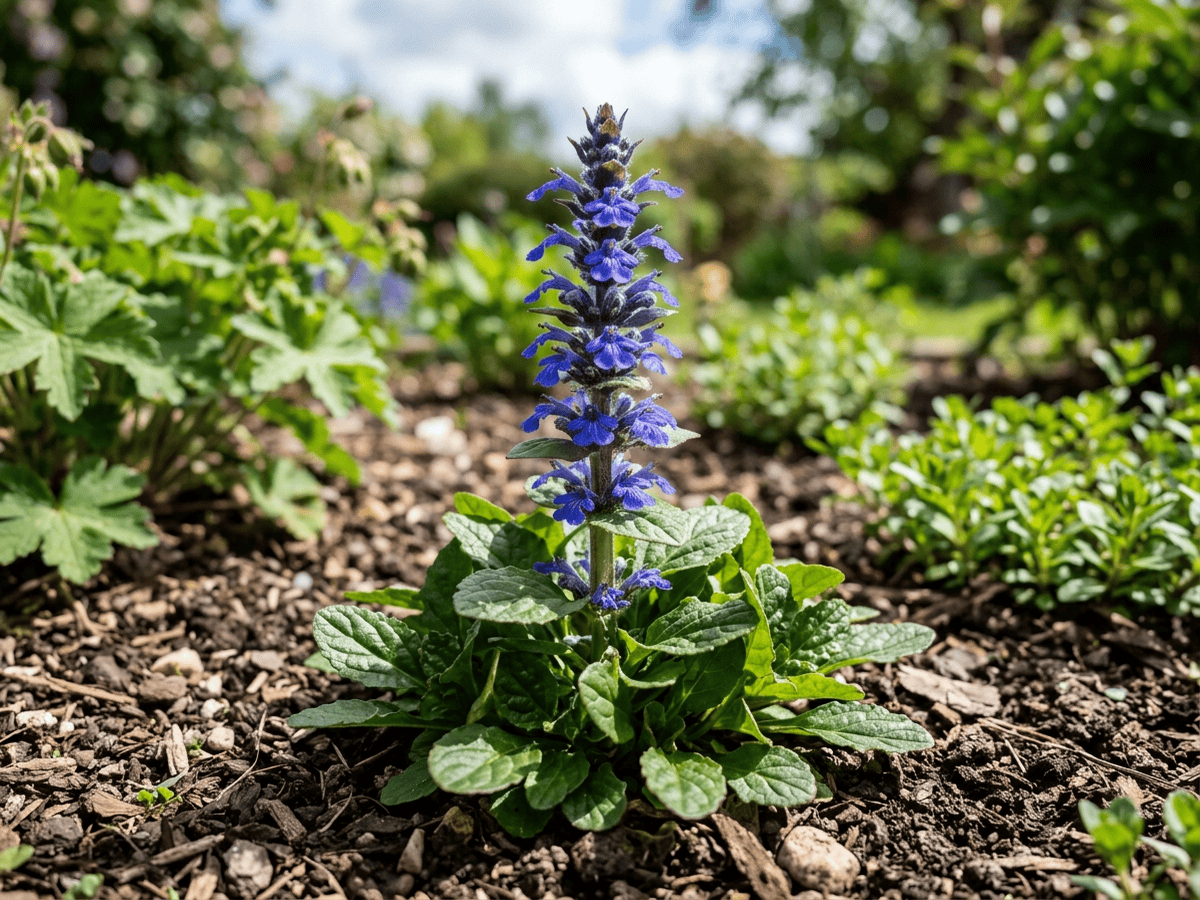 Blue BugleAjuga genevensis
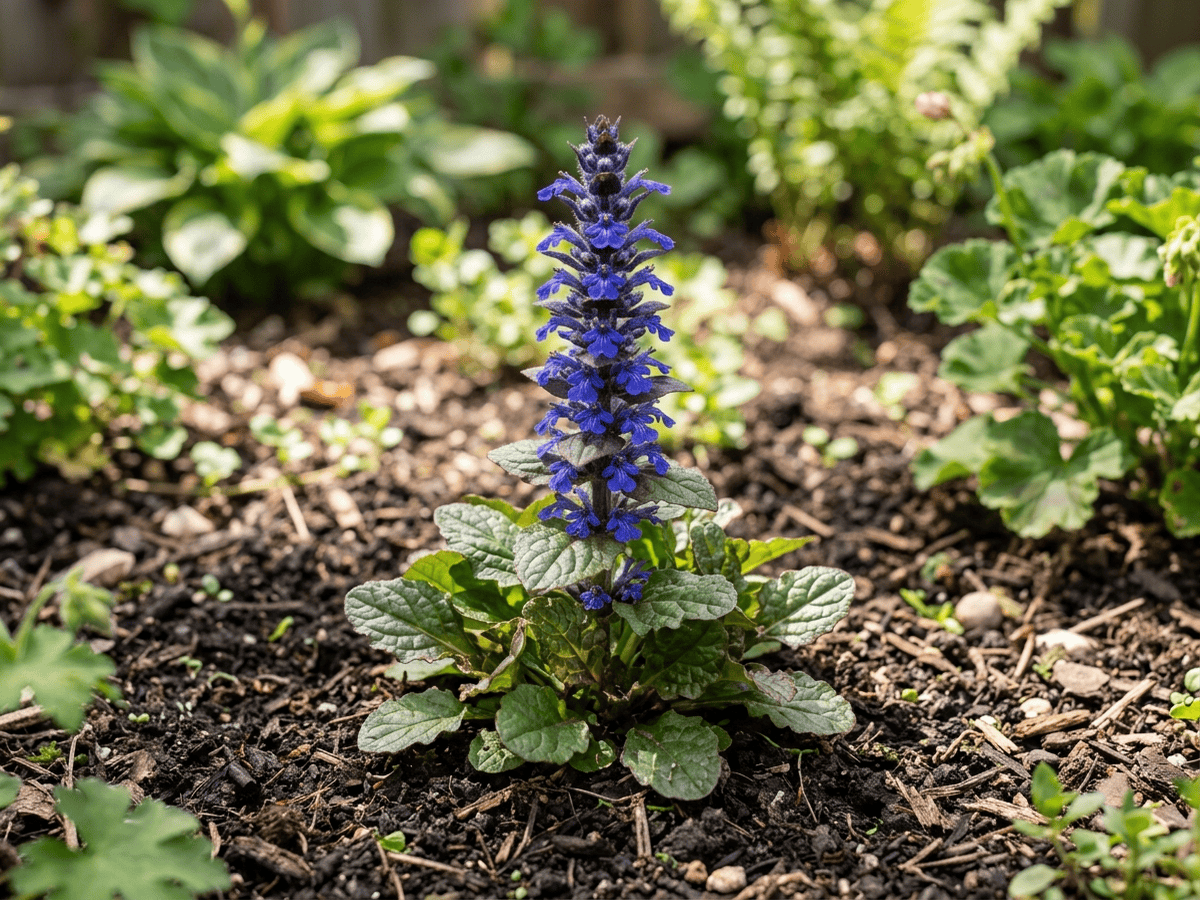 Pyramidal BugleAjuga pyramidalis
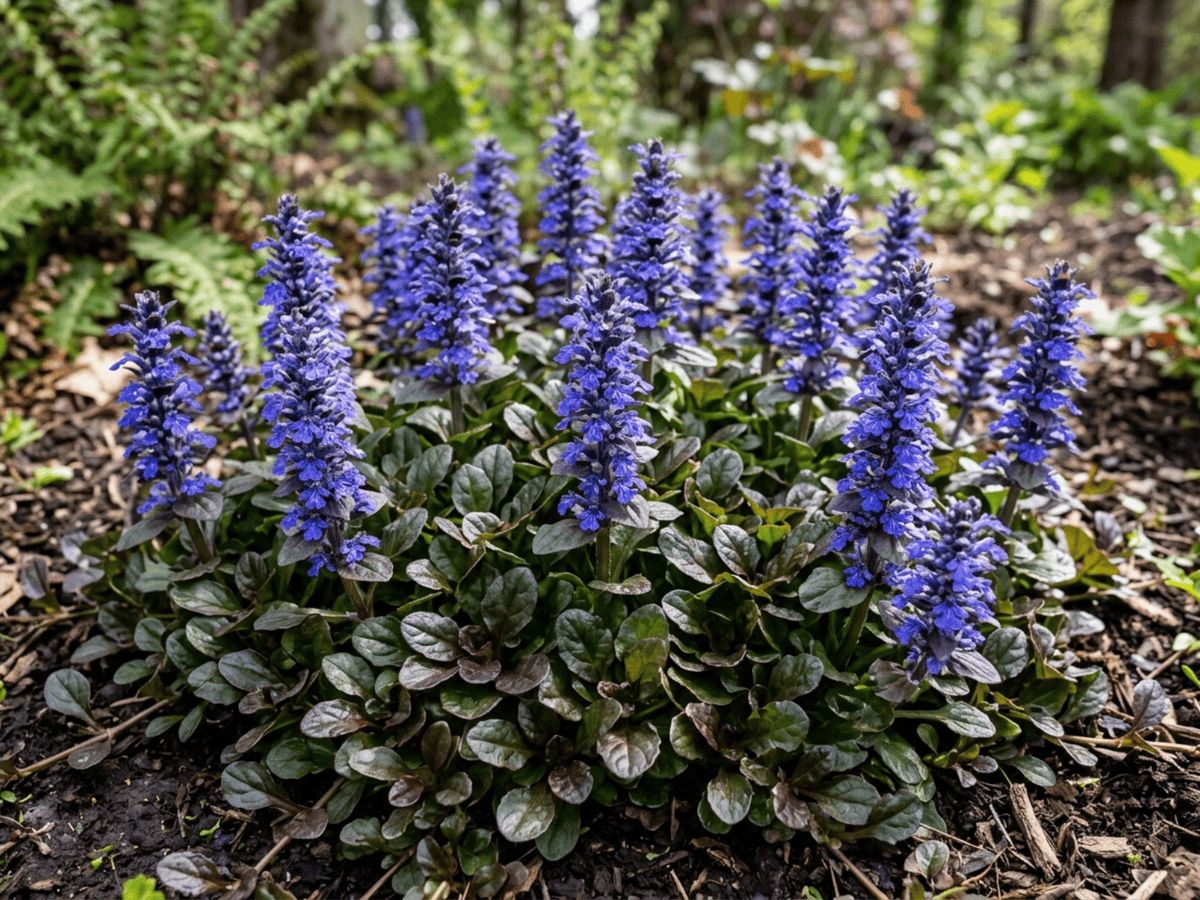 Carpet BugleAjuga reptans
Frequently asked questions
How often should I water Greater Snowdrop?
Water about every 5 days during the growing season, and always let excess water drain away.
How much light does Greater Snowdrop need?
Part shade: 2–4 hrs direct. Watch the leaves — scorching or stretching means the light needs adjusting.
Is Greater Snowdrop toxic to cats or dogs?
Pets Moderate (Dogs Moderate · Cats Moderate) Educational information, not medical or veterinary advice. If exposure is suspected, contact a doctor or veterinarian.
Is Greater Snowdrop easy to grow?
Yes — it is considered an easy, beginner-friendly plant.
When does Greater Snowdrop bloom?
It typically blooms Jan–Feb in the Northern Hemisphere.
YardMate
Identify any plant in seconds
Snap a photo — YardMate names the plant, diagnoses problems, and reminds you when to water.
Download on the App Store