 YardMate

Common Snowdrop
Galanthus nivalis
Easy · Beginner friendlyAbout Common Snowdrop
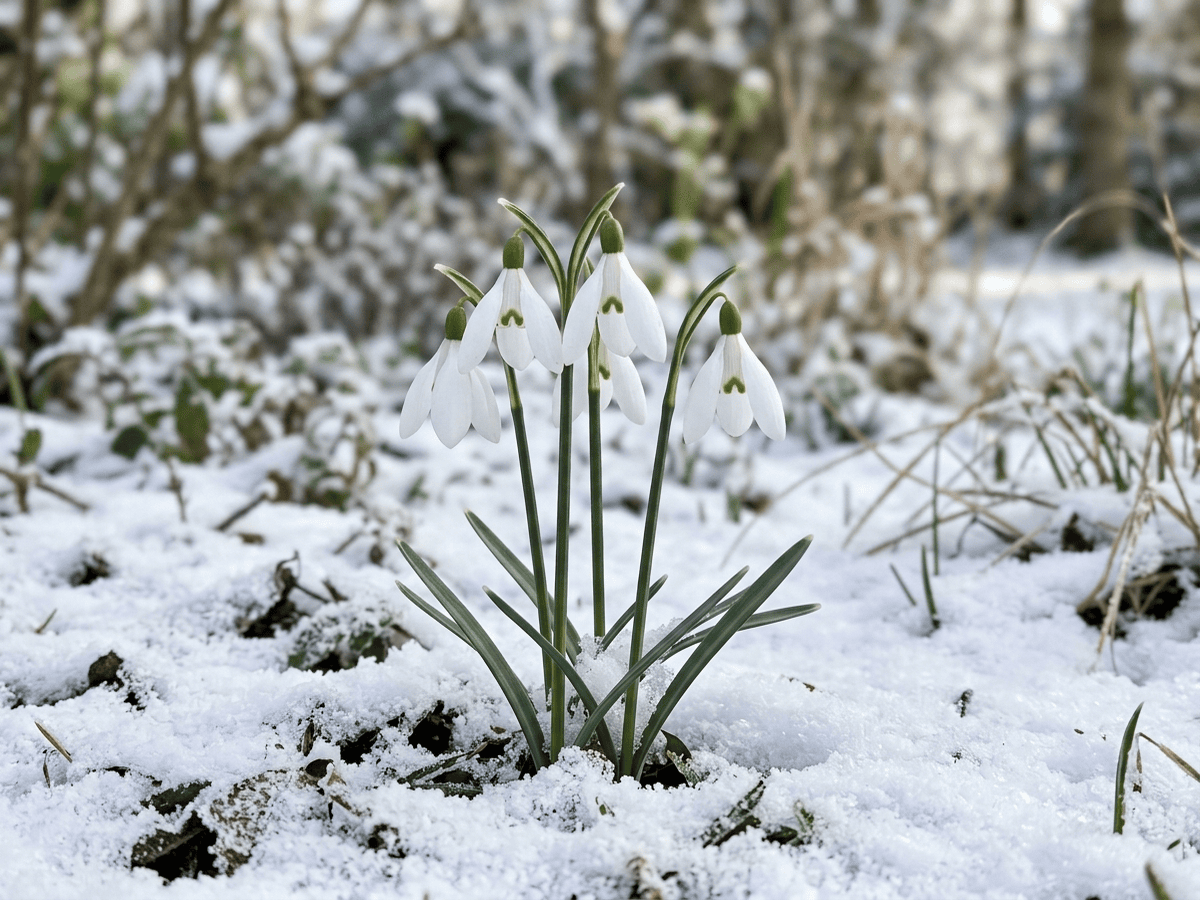
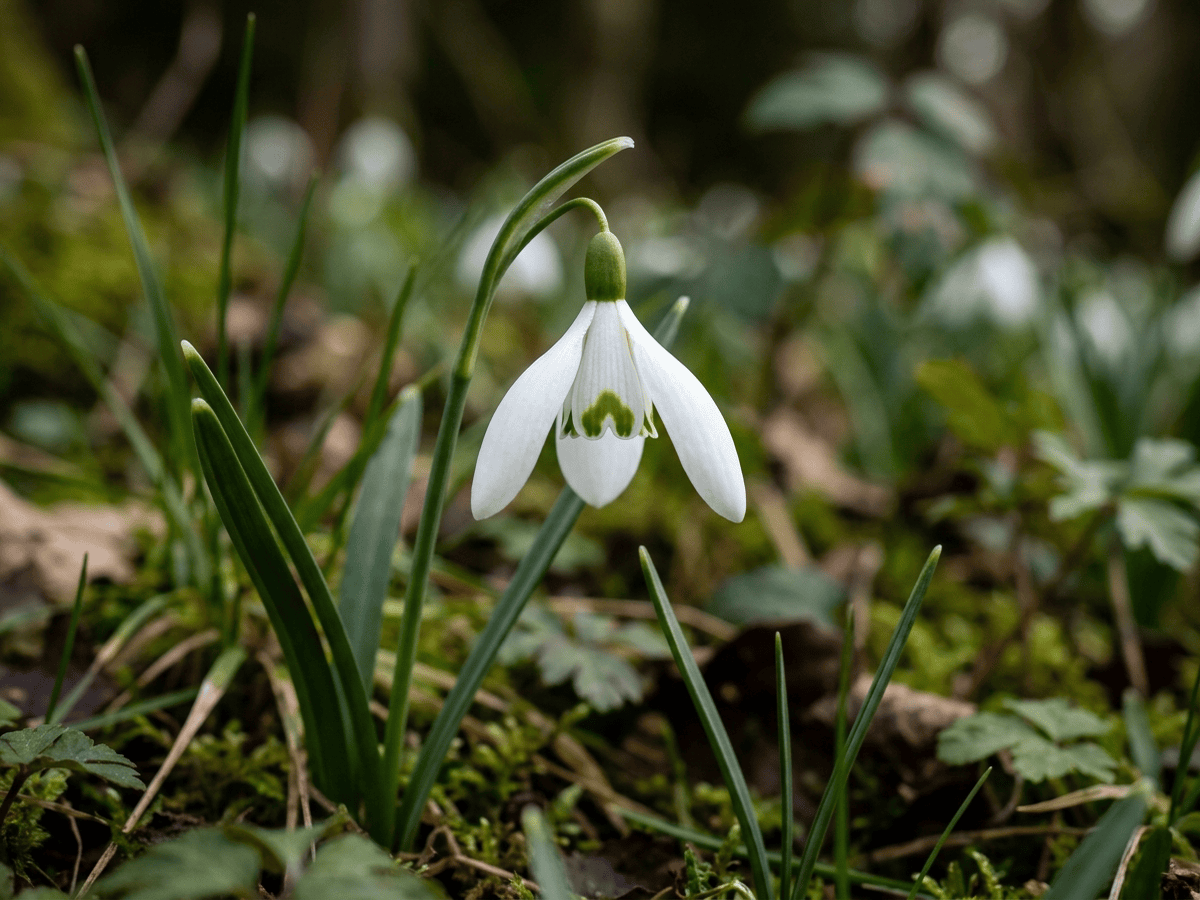
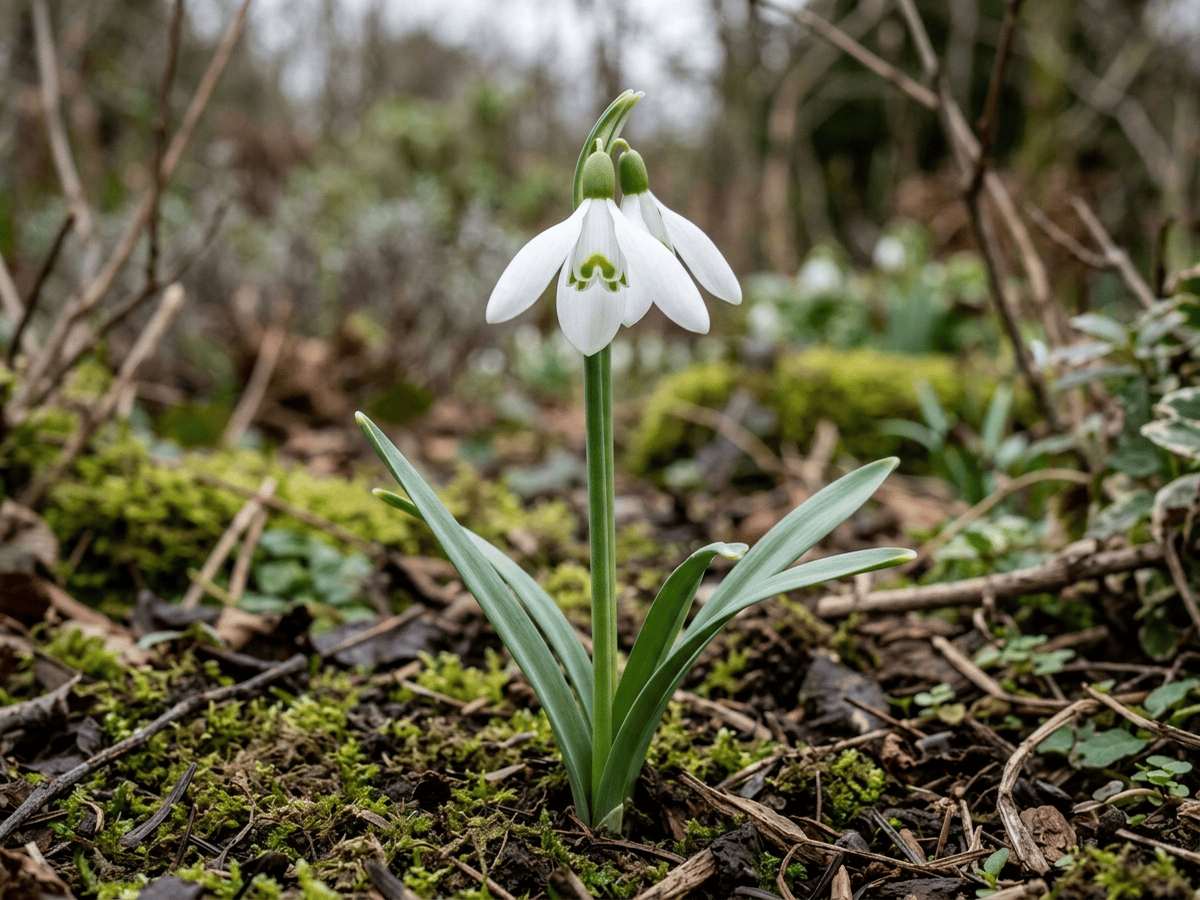
Common Snowdrop is a small European native spring bulb growing 4 to 6 inches tall, producing single nodding white bell flowers with green tips in late winter, often pushing through snow. The earliest blooming bulb in most American gardens, symbolizing the end of winter. Naturalizes into breathtaking white carpets in woodland settings over decades.
- Deer-resistant
How to care for Common Snowdrop
Watering
- Springevery 5 days
- Summerpause watering
- Fallevery 10 days
- Winterevery 14 days
Soil · Well-draining
- Main mixLoam + coarse sand 3:175%
- DrainageGravel25%
Sharp drainage matters most — bulbs rot in wet soil while dormant.
FERTILIZER
- Fallevery 60 days
At a Glance
- NativeEurope, Western Asia
- Height0.3–0.5 ft (0.1–0.2 m)
- Spread0.3–0.5 ft (0.1–0.2 m)
- Flower colorWhite
- Foliage colorGreen, Blue-green
- SoilLoamy, Moisture-retentive
- LocationsYard
Bloom time
BLOOM CYCLE
Peak bloom
Dec–Feb
Nodding white bells with green tips in late winter
Fragrance
LIGHT FRAGRANCE
Flowers lightly honey-scented on warm days.
Toxicity
Humans Moderate · Pets Moderate
galantamine and lycorine
Moderate
- Bulb
- Ingestion
EXPOSURE Eating bulbs.
EFFECT Nausea, vomiting, and diarrhea.
NOTE Contains pharmacologically active alkaloids; bulbs can cause significant GI and neurological effects. Keep away from pets.
Moderate
- Bulb
- Ingestion
EXPOSURE Eating bulbs.
EFFECT Vomiting, drooling, and lethargy.
NOTE Contains pharmacologically active alkaloids; bulbs can cause significant GI and neurological effects. Keep away from pets.
Moderate
- Bulb
- Ingestion
EXPOSURE Eating bulbs.
EFFECT Vomiting, drooling, and lethargy.
NOTE Contains pharmacologically active alkaloids; bulbs can cause significant GI and neurological effects. Keep away from pets.
Educational information, not medical or veterinary advice. If exposure is suspected, contact a doctor or veterinarian.
DISTRIBUTION


- Native
- Introduced
- Europe
- Western Asia
History
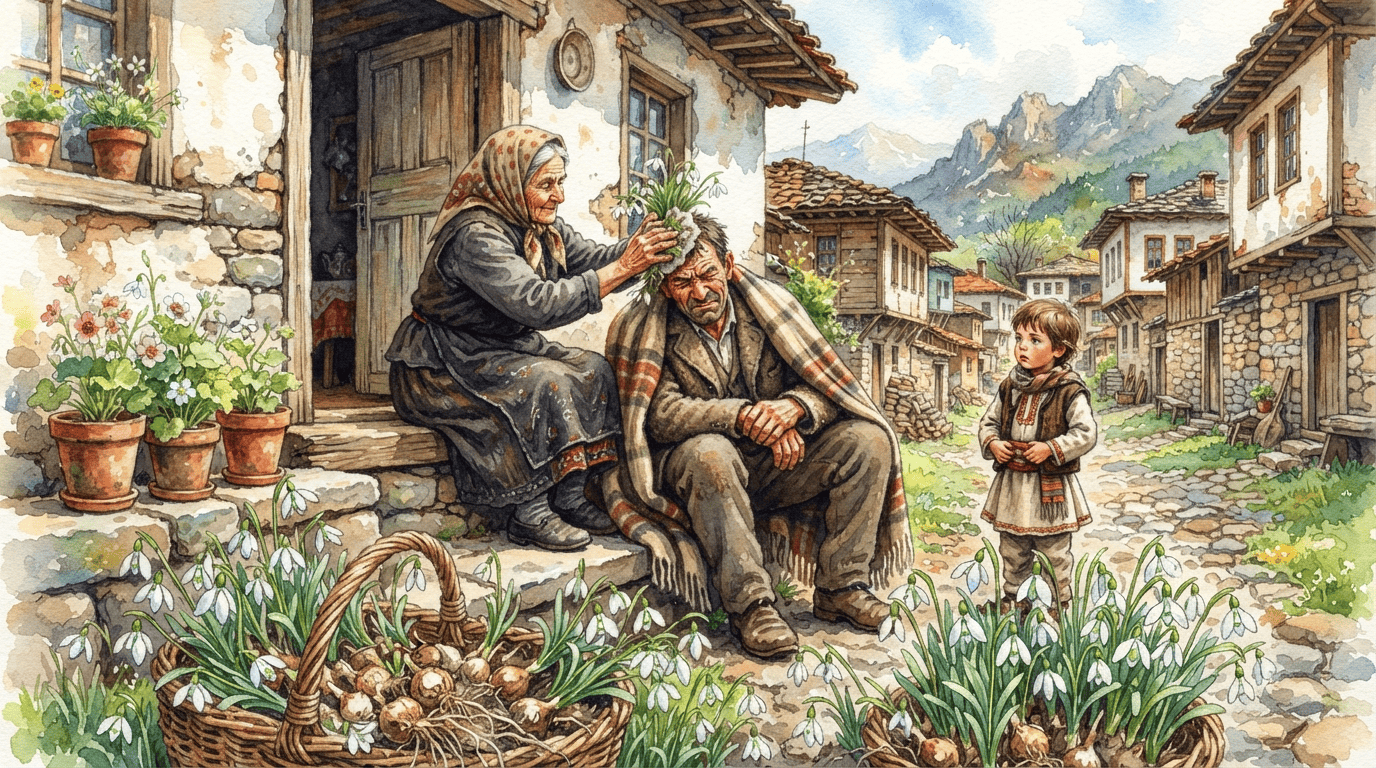
Galanthus nivalis grows wild in deciduous woodlands from northern Spain through France, Germany, and Eastern Europe to the Caucasus. Linnaeus described it in Species Plantarum (1753). Medieval European herbalists applied crushed bulbs to foreheads for headaches, an ancient use that led to the 1950s Bulgarian pharmacological discovery of the alkaloid galantamine in its bulbs, now approved as a cholinesterase inhibitor for mild-to-moderate Alzheimer's disease.
Snowdrops were cultivated in British gardens by the 16th century, and the Victorian era saw a craze for doubles and naturalizing varieties. A modern revival in the 1990s produced 'galanthophiles' who collect hundreds of subtle cultivars such as 'Flore Pleno', 'Viridapice', and 'Magnet', with rare bulbs selling for hundreds of pounds each.
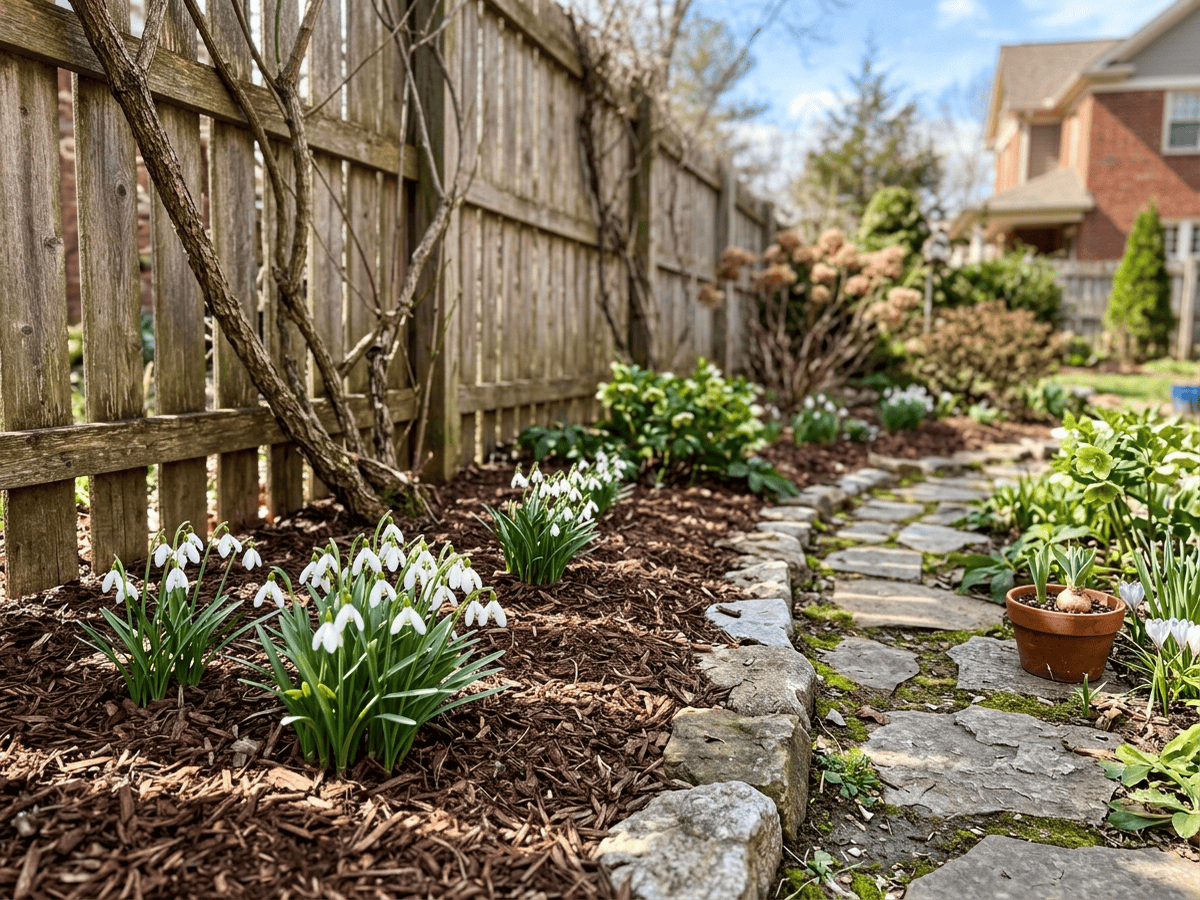
The species is listed as Appendix II under CITES. Native across much of Europe, cultivated since medieval monastic gardens as a Candlemas symbol of purity. Introduced to American colonial gardens by early settlers and now naturalizes beautifully in mature American gardens.
Symbolism & meaning
What It Symbolizes
The common snowdrop is hope reborn, the very first flower to break a frozen world with its small white bell, sometimes pushing up through the last crust of snow itself. In medieval Europe it became the Candlemas flower, its purity associated with the Virgin and with the lengthening light of February. To find it blooming is to feel winter's grip beginning to slip.
- Hope reborn — first flower to break winter
- Candlemas purity — medieval symbol of the Virgin's purity
Where the Name Comes From
'Galanthus' from Greek 'gala-anthos' meaning milk-flower; 'nivalis' from Latin means of the snow, for blooming through snow.
Uses & Fun Facts
- Nodding white bells push through late-winter snow and frozen ground
- Long-celebrated harbinger of spring across European folk traditions
- Galantamine extracted from bulbs for Alzheimer's disease treatment
Related plants
More Galanthus plants
Plants with similar care
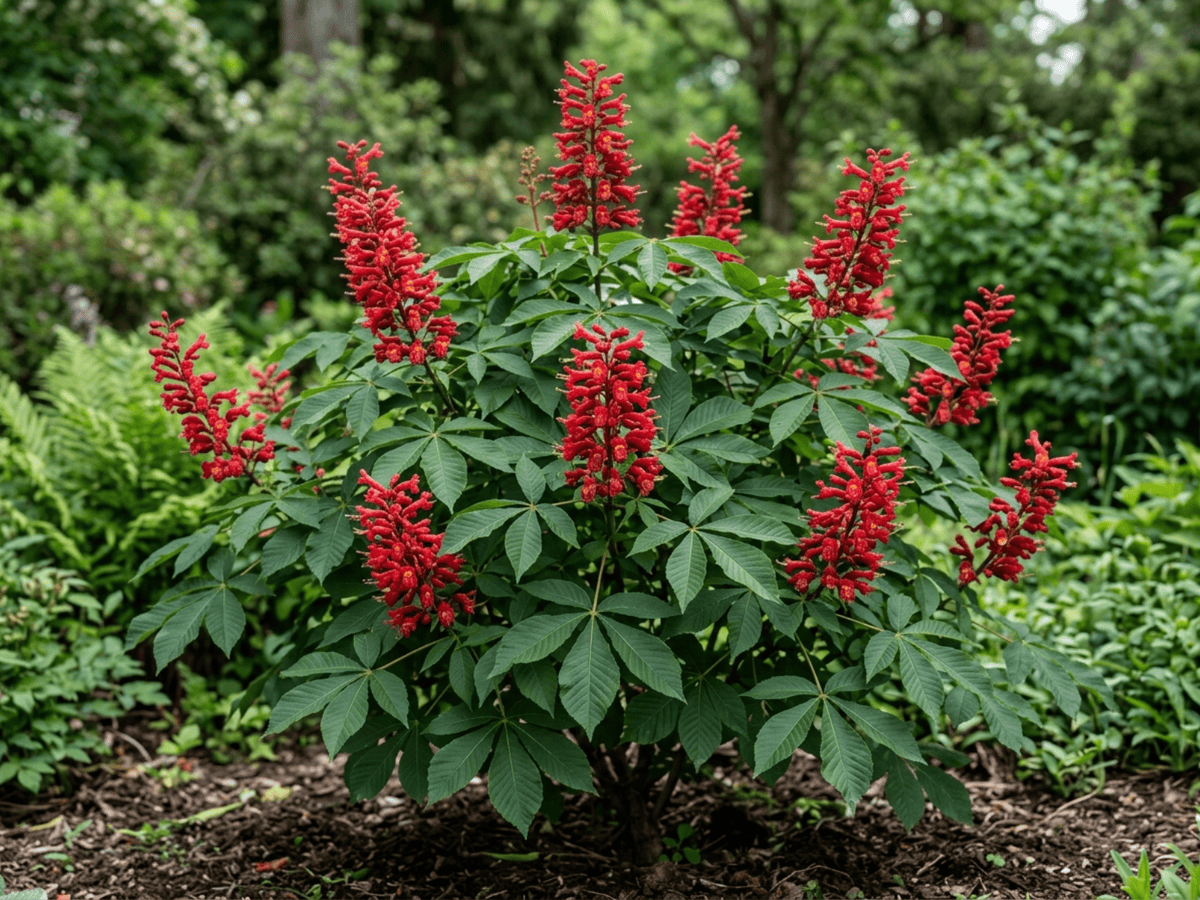 Red BuckeyeAesculus pavia
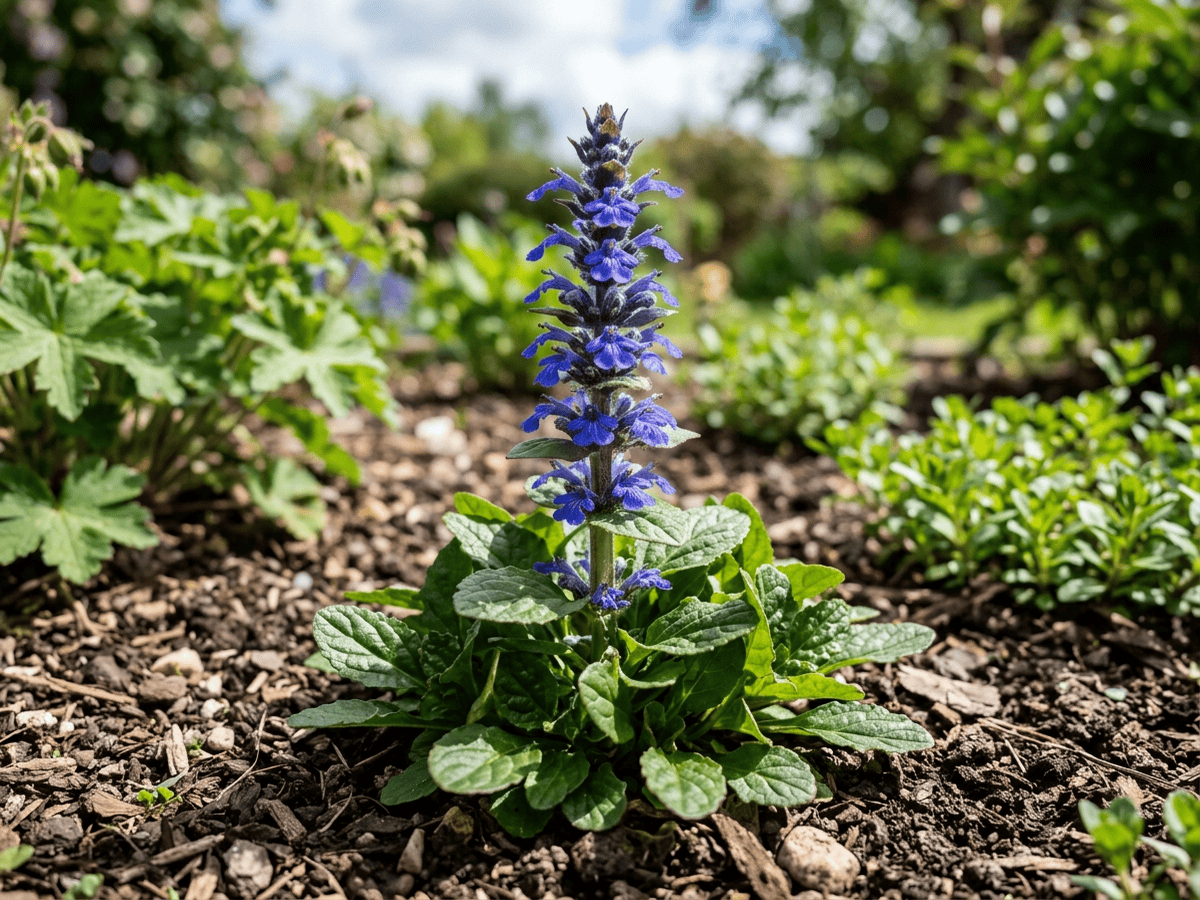 Blue BugleAjuga genevensis
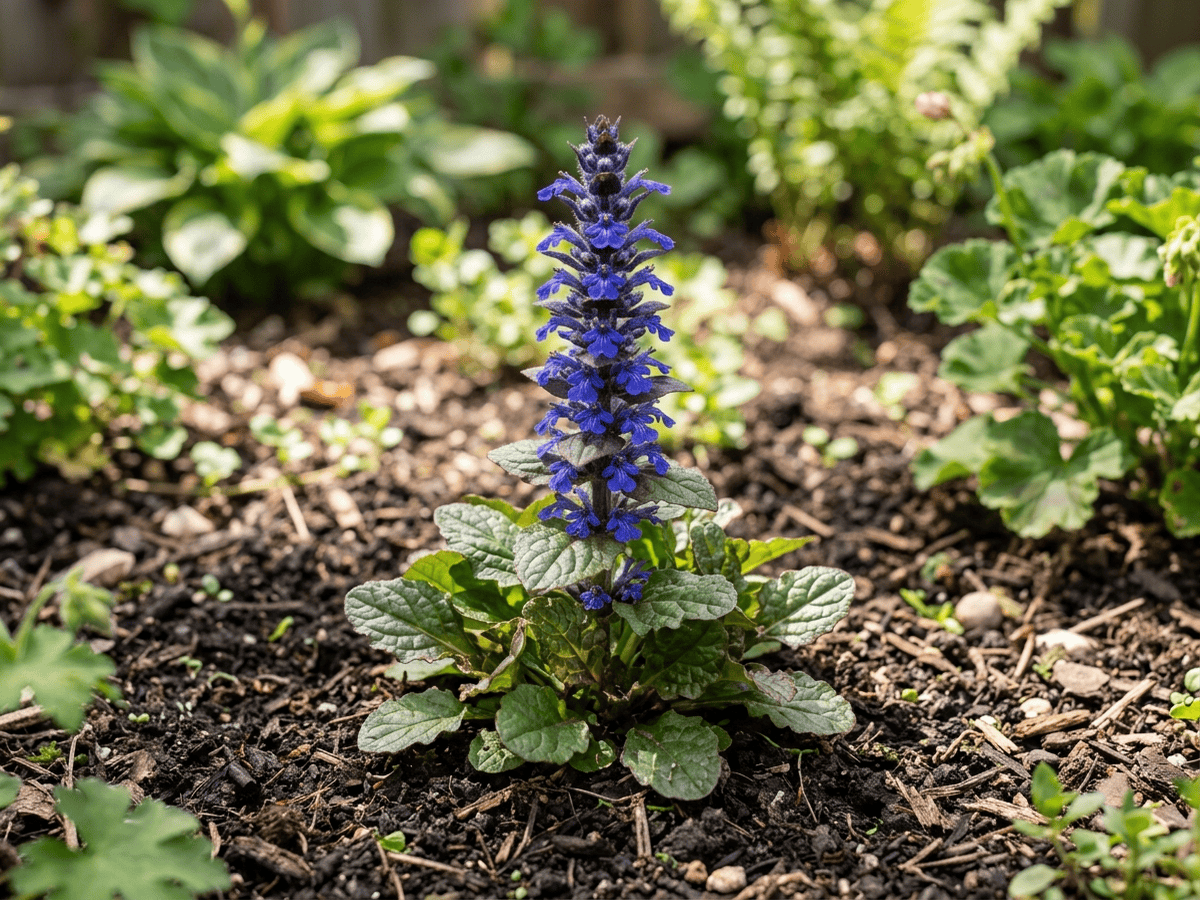 Pyramidal BugleAjuga pyramidalis
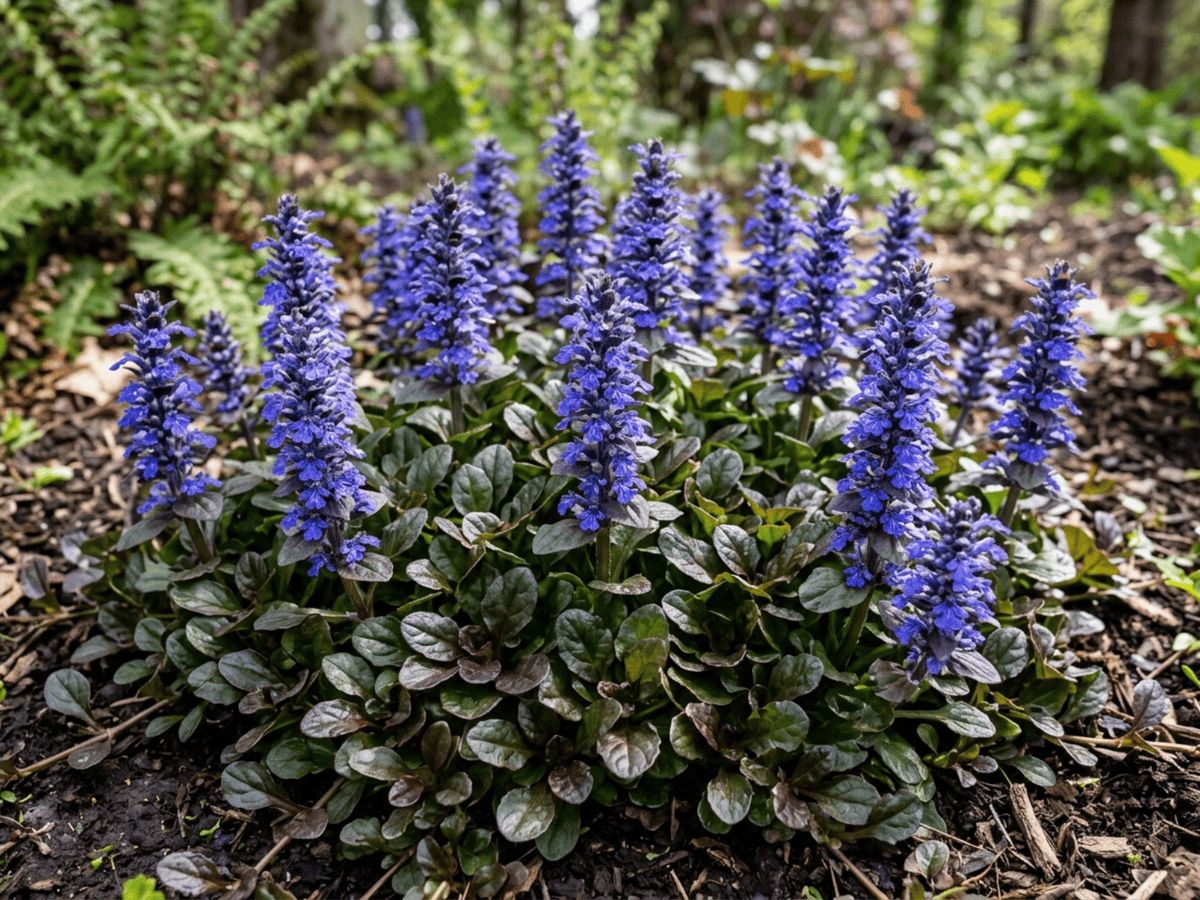 Carpet BugleAjuga reptans
Frequently asked questions
How often should I water Common Snowdrop?
Water about every 5 days during the growing season, and always let excess water drain away.
How much light does Common Snowdrop need?
Part shade: 2–4 hrs direct. Watch the leaves — scorching or stretching means the light needs adjusting.
Is Common Snowdrop toxic to cats or dogs?
Pets Moderate (Dogs Moderate · Cats Moderate) Educational information, not medical or veterinary advice. If exposure is suspected, contact a doctor or veterinarian.
Is Common Snowdrop easy to grow?
Yes — it is considered an easy, beginner-friendly plant.
When does Common Snowdrop bloom?
It typically blooms Dec–Feb in the Northern Hemisphere.
YardMate
Identify any plant in seconds
Snap a photo — YardMate names the plant, diagnoses problems, and reminds you when to water.
Download on the App Store