 YardMate



Keeled Oxtongue
Gasteria carinata
Easy · Beginner friendlyAbout Keeled Oxtongue
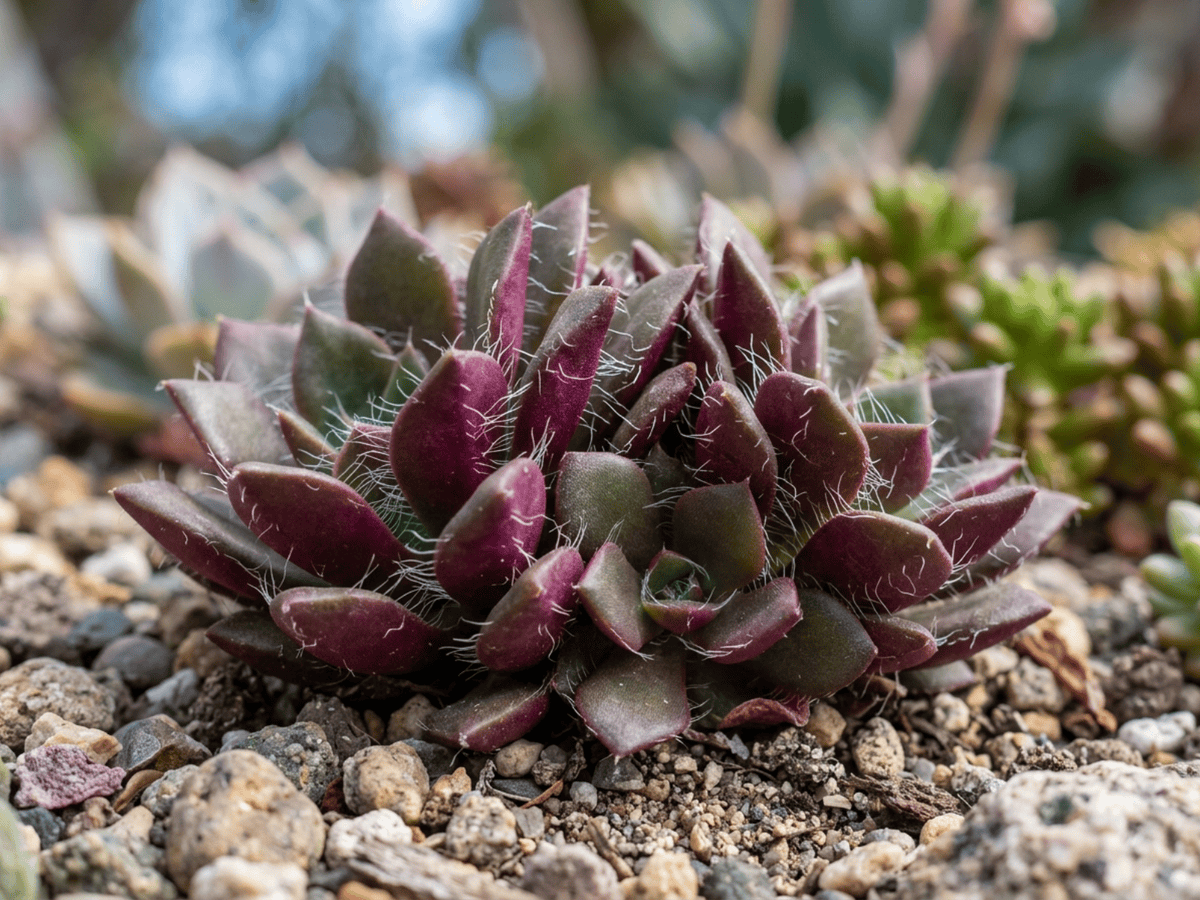
The Lawyer's Tongue is a compact South African succulent with thick, tongue-shaped leaves arranged in opposite pairs (distichous) that gradually spiral into a rosette with age. The dark green leaves are covered in raised white tubercles giving them a rough, shark-skin texture, and their keeled undersides give the species its name. Native to the Eastern Cape of South Africa, it grows in shaded rock crevices and under shrubs, making it one of the best succulents for low-light conditions. It offsets steadily to form small clusters and produces dainty, tubular orange-pink flowers on slender arching stalks — the stomach-shaped flowers are the source of the genus name. It is extremely forgiving of neglect and adapts well to indoor conditions, rarely suffering from pests or disease. Its modest size, shade tolerance, and ease of propagation from offsets or leaf cuttings make it an ideal choice for desktops, shelves, and small succulent collections.
- Low-maintenance
- Shade-tolerant
- Compact
How to care for Keeled Oxtongue
Watering
- Springevery 14 days
- Summerevery 10 days
- Fallevery 21 days
- Winterevery 30 days
Soil · Fast-draining
- Main mixSand + pumice + soil 1:1:150%
- DrainagePumice / gravel50%
Keep grit at half the mix or more — this soil is meant to dry out fast.
FERTILIZER
Balanced Feed 14-14-14
An even feed covers all three needs at once, keeping leaves, roots and blooms moving together with nothing pushed out of balance.
- Nitrogen · Leaves
- Phosphorus · Roots + Blooms
- Potassium · Strength
- Springevery 45 days
- Summerevery 45 days
- Fallevery 60 days
At a Glance
- NativeAfrica
- Height0.3–0.5 ft (0.1–0.2 m)
- Spread0.3–0.5 ft (0.1–0.2 m)
- Flower colorPink, Red, Green
- Foliage colorGreen, Variegated
- SoilSandy, Well-drained
- LocationsIndoor
Bloom time
BLOOM CYCLE
Peak bloom
Mar–May
Dainty orange-pink tubular flowers on arching stalks in spring
Fragrance
NO FRAGRANCE
No notable fragrance.
Toxicity
Humans Safe · Pets Safe
None reported
Safe
EXPOSURE No exposure route is reported.
EFFECT No significant toxicity.
NOTE Listed as non-toxic for humans; avoid eating ornamental plants unless confirmed edible.
Safe
EXPOSURE No exposure route is reported.
EFFECT Not listed as toxic.
NOTE Listed as non-toxic for dogs; avoid eating ornamental plants unless confirmed edible.
Safe
EXPOSURE No exposure route is reported.
EFFECT Not listed as toxic.
NOTE Listed as non-toxic for cats; avoid eating ornamental plants unless confirmed edible.
Educational information, not medical or veterinary advice. If exposure is suspected, contact a doctor or veterinarian.
DISTRIBUTION


- Native
- Africa
History

Gasteria carinata is native to the Western Cape of South Africa, growing on rocky slopes under light shrub cover. It was introduced to European cultivation in the late 17th century via Dutch East India Company ships stopping at the Cape of Good Hope. The genus name "Gasteria" refers to the stomach-shaped swelling at the base of the tubular flowers ("gaster" = belly).
Unlike many succulents, Gasteria species tolerate lower light levels, making them suited to windowsill cultivation. The leaves arrange in two ranks on young plants, eventually rotating to a rosette — a progression useful for identification. Several botanical varieties (var. carinata, var. verrucosa, var. retusa) are recognized.
Modern breeding has produced compact and variegated cultivars that remain popular with collectors. The genus Gasteria was described by Henri Auguste Duval in 1809, named for the stomach-shaped flowers (Greek 'gaster' = stomach). Gasteria carinata itself was among the first species described, known to European botanists since the early colonial period in South Africa. It hybridizes readily with Aloe and Haworthia species, producing intergeneric hybrids called ×Gasteraloe and ×Gasterhaworthia that are popular among collectors. In its native Eastern Cape, it plays an important ecological role as a nurse plant, providing shade and shelter for seedlings of other species in rocky habitats.
Symbolism & meaning
What It Symbolizes
Keeled Oxtongue suggests modesty, thriving quietly in shade where flashier succulents would burn, embodying understated beauty rather than spectacle. In the wild it also serves as a nurturing nurse plant, sheltering younger seedlings beneath its tongue-shaped leaves. A succulent for those who believe quiet kindness, repeated over years, is its own form of grace.
- Modesty — thrives quietly in the shade, embodying understated beauty
- Nurturing — serves as a nurse plant in the wild, sheltering younger species
Where the Name Comes From
'Gasteria' from Greek 'gaster' (stomach), describing the swollen, stomach-shaped base of each flower. 'Carinata' from Latin 'carina' (keel), referring to the prominent ridge along the leaf underside.
Uses & Fun Facts
- Tongue-shaped tubercled leaves for shaded windowsill succulent collections
- Compact low-light succulent tolerating indoor neglect
Related plants
Plants with similar care
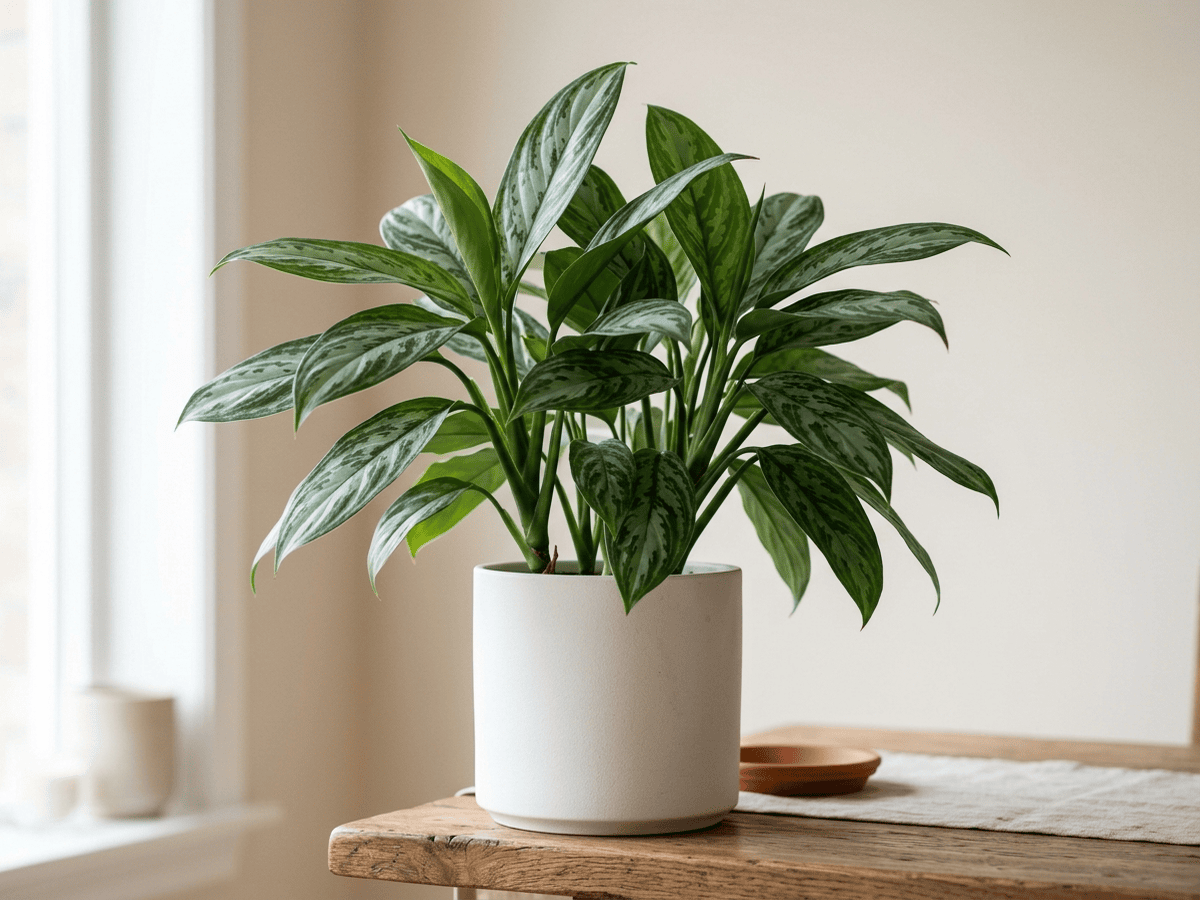 Philippine EvergreenAglaonema commutatum
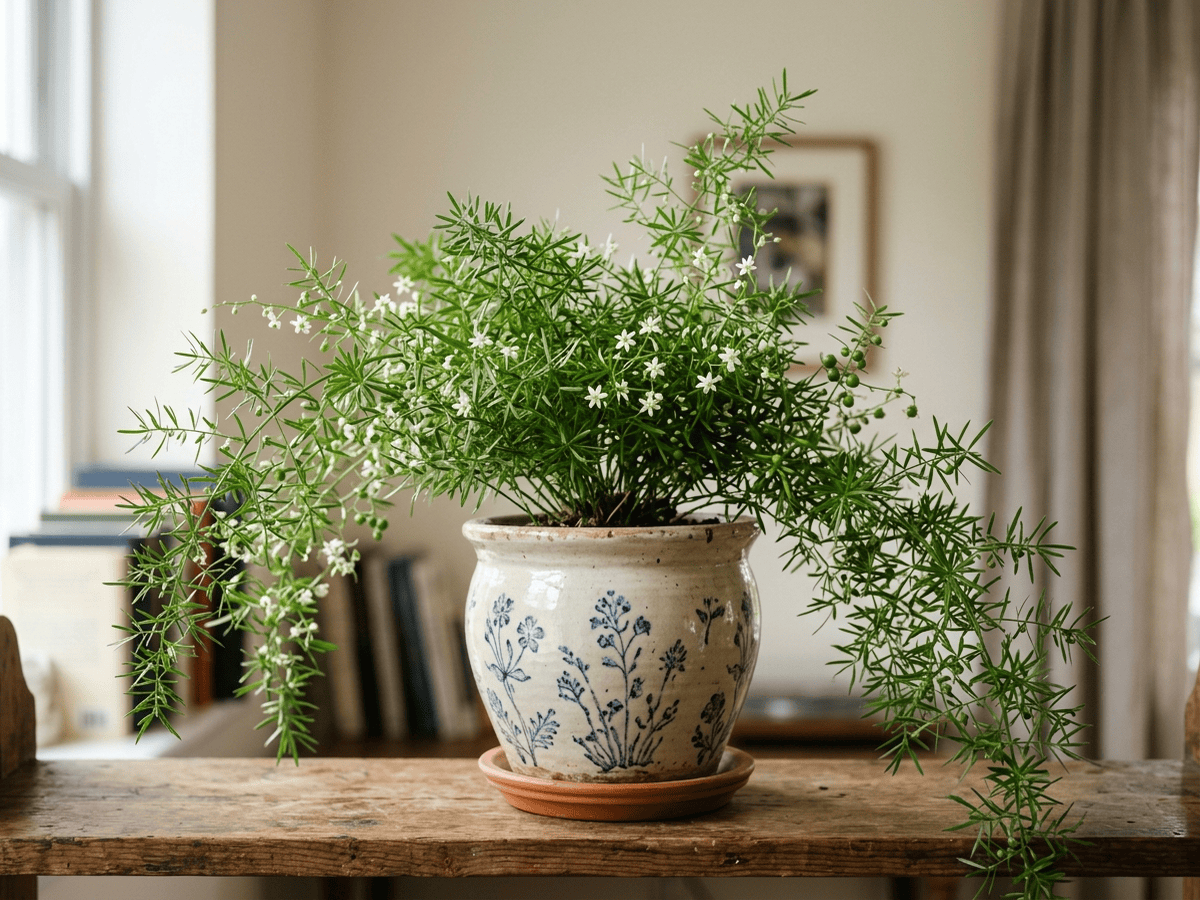 Sprenger's AsparagusAsparagus densiflorus
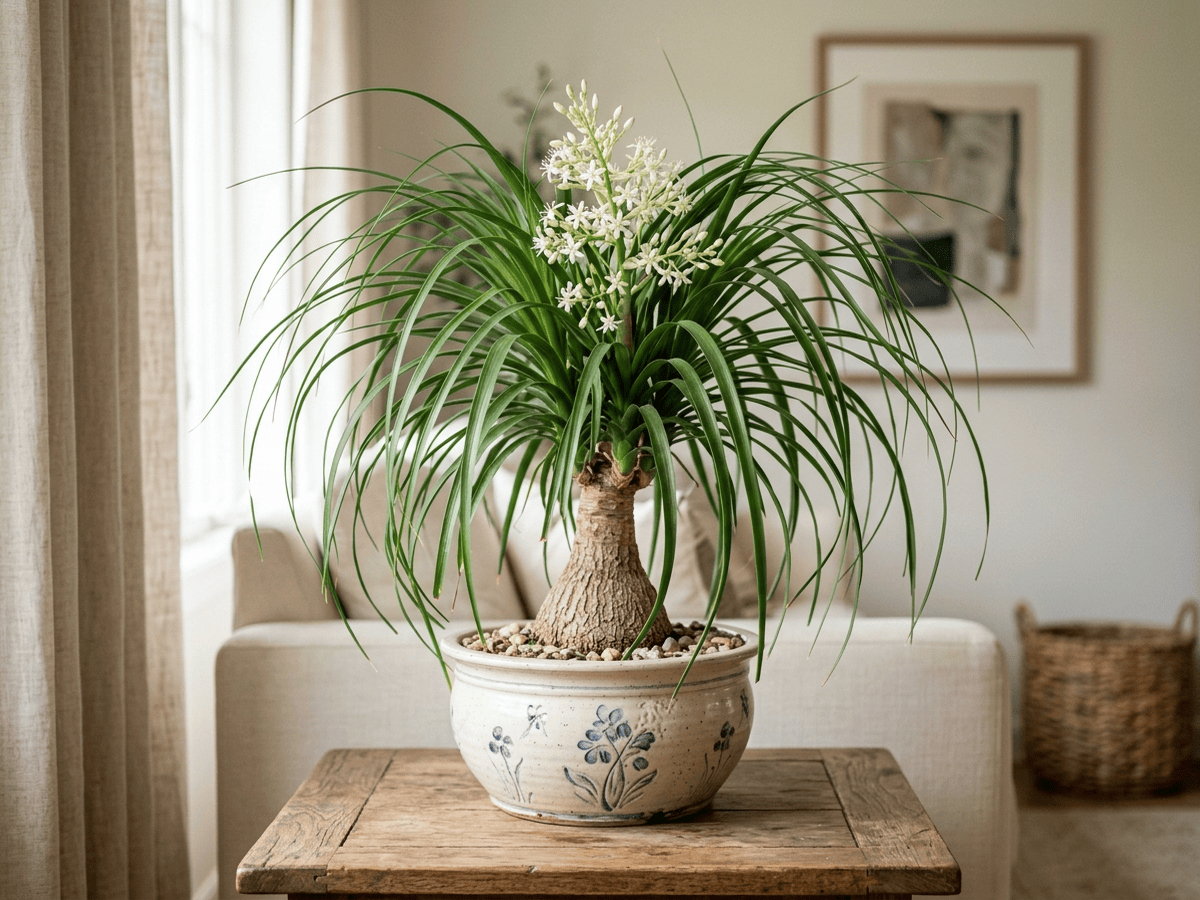 Ponytail PalmBeaucarnea recurvata
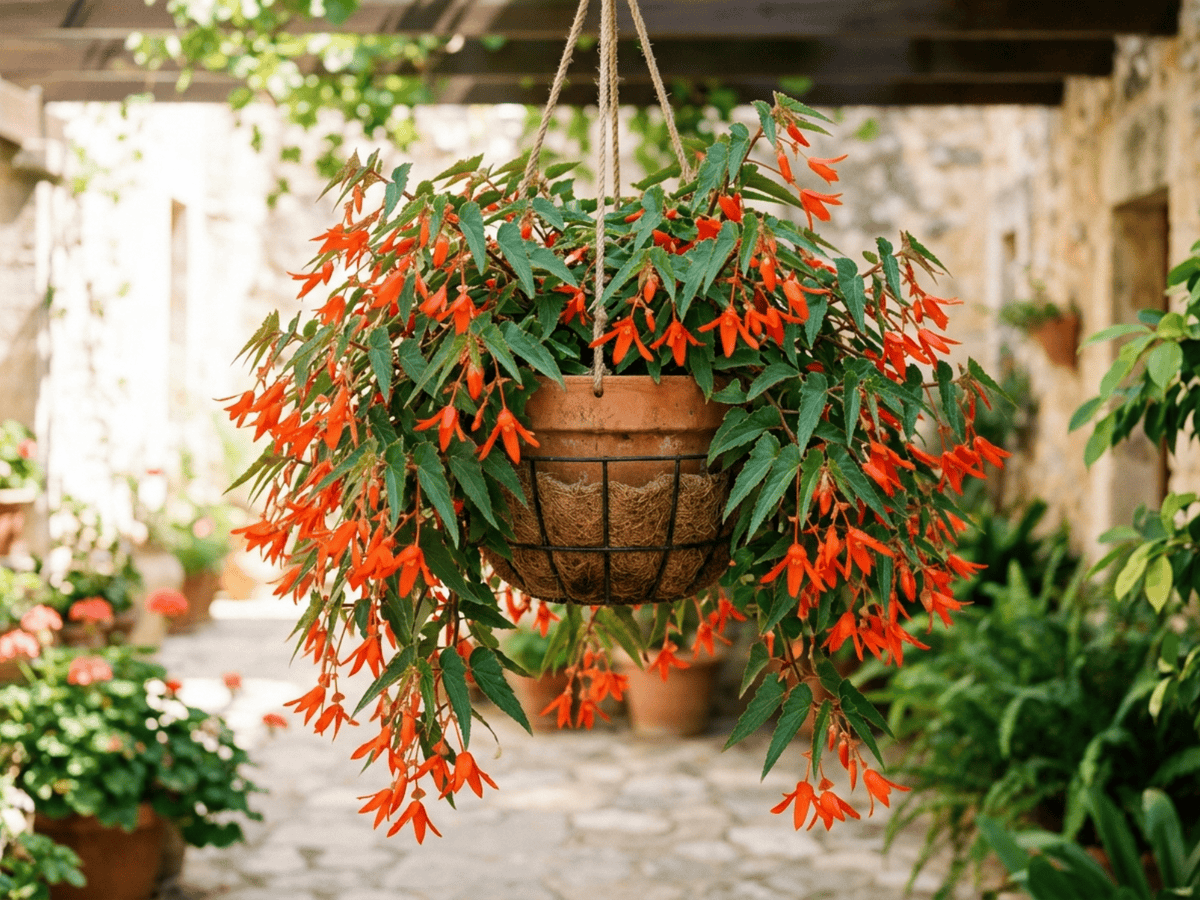 Tuberous BegoniaBegonia boliviensis
Frequently asked questions
How often should I water Keeled Oxtongue?
In summer, water about every 10 days; in winter, about every 30 days. Adjust for heat, pot size and drainage.
How much light does Keeled Oxtongue need?
Part shade: 2–4 hrs direct. Watch the leaves — scorching or stretching means the light needs adjusting.
Is Keeled Oxtongue toxic to cats or dogs?
Pets Safe (Dogs Safe · Cats Safe) Educational information, not medical or veterinary advice. If exposure is suspected, contact a doctor or veterinarian.
Is Keeled Oxtongue easy to grow?
Yes — it is considered an easy, beginner-friendly plant.
Can Keeled Oxtongue be grown indoors?
Yes, it adapts well to indoor growing given the right light.
When does Keeled Oxtongue bloom?
It typically blooms Mar–May in the Northern Hemisphere.
YardMate
Identify any plant in seconds
Snap a photo — YardMate names the plant, diagnoses problems, and reminds you when to water.
Download on the App Store